The Ultimate Guide to Removing Pet Hair from Furniture
Last updated: February 19, 2026
This article may contain affiliate links. If you make a purchase through these links, we may earn a small commission at no extra cost to you. Learn more
If you're a pet owner, you know the struggle all too well. No matter how much you love your furry companion, pet hair seems to magically appear on every piece of furniture in your home. That cozy couch you invested in? It's now a fur-covered throne that makes you think twice before inviting guests over.
The good news is that you don't have to choose between your beloved pet and clean furniture. With the right techniques and tools, you can effectively remove pet hair from any surface and keep your home looking fresh. In this comprehensive guide, we'll explore eight proven methods that actually work, plus prevention strategies to minimize future fur accumulation.
Why Pet Hair Is So Difficult to Remove
Pet hair isn't just annoying—it's specifically designed by nature to be stubborn. Animal fur has tiny barbs and scales that help it cling to fabric fibers, making it surprisingly resistant to normal cleaning methods. Additionally, static electricity causes pet hair to stick even more tenaciously to upholstery and other surfaces.
Different types of furniture present unique challenges too. Velvet and microfiber trap hair differently than leather or smooth fabrics. Understanding why pet hair is so persistent helps you choose the most effective removal method for your specific situation.
Method 1: Rubber Gloves (The Quick Fix)
One of the simplest and most effective solutions is probably sitting in your cleaning cupboard right now. Rubber gloves create friction that attracts and bundles pet hair, making removal incredibly easy. Simply put on a pair of damp rubber gloves and run your hands over the furniture in one direction.
The hair will roll into clumps that you can easily pick up and dispose of. This method works exceptionally well on fabric couches, chairs, and even car seats. For best results, dampen the gloves slightly—the moisture increases the static charge and makes the hair stick even better to the rubber.
This technique is perfect for quick touch-ups before guests arrive or daily maintenance. Plus, it requires zero special equipment and gives you precise control over hard-to-reach areas like crevices and corners.
Method 2: Lint Rollers (The Classic Approach)
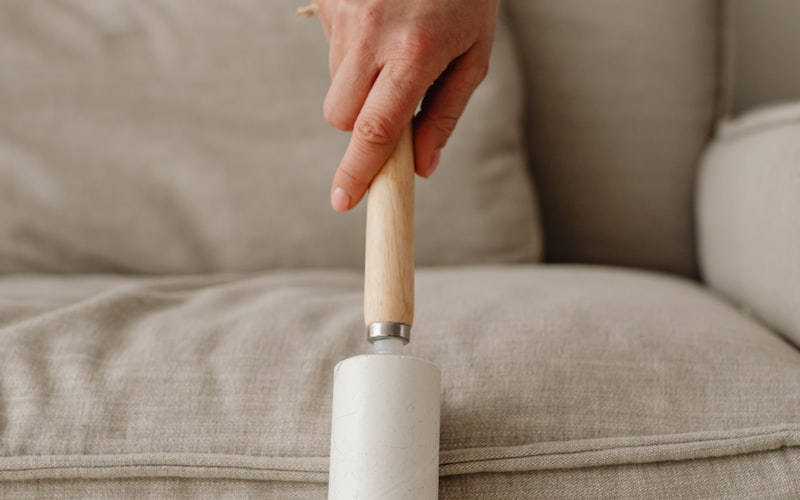
Lint rollers are the go-to solution for many pet owners, and for good reason. These handy tools use adhesive sheets to pick up hair quickly and efficiently. While they're perfect for spot cleaning and removing hair from smaller furniture pieces, they can become expensive if you're tackling large surfaces regularly.
For maximum effectiveness, use short, firm strokes rather than long sweeping motions. Press down firmly to ensure the adhesive makes contact with embedded hair. When a sheet becomes full, simply peel it off to reveal a fresh sticky surface underneath.
Consider investing in a large lint roller with an extended handle for furniture cleaning. The extra reach makes it easier to clean without bending or straining your back, especially when dealing with deep couches or recliners.
Method 3: Damp Sponge (The Budget-Friendly Option)
A slightly damp sponge can work wonders on pet hair, and you probably already have one in your kitchen. The moisture helps the hair stick to the sponge while the texture creates friction that loosens embedded fur. Use a clean sponge and dampen it with water—it should be moist but not dripping wet.
Wipe the sponge across the furniture in one direction, applying moderate pressure. You'll notice the hair begins to clump and stick to the sponge surface. Rinse the sponge frequently to remove accumulated hair and maintain effectiveness.
This method is particularly effective on microfiber and velvet furniture where hair tends to get deeply embedded. It's also gentle enough that you won't damage delicate fabrics, making it a safe choice for most upholstery types.
Method 4: Fabric Softener Spray (The Chemical Solution)
Fabric softener reduces static electricity, which is one of the main culprits keeping pet hair glued to your furniture. Create a simple spray by mixing one part liquid fabric softener with three parts water in a spray bottle. Lightly mist the furniture surface—don't saturate it—and let it sit for a few minutes.
Once the solution has had time to work, wipe the surface with a dry cloth or use a rubber glove to collect the hair. The fabric softener breaks the static bond, making the hair much easier to remove. As a bonus, your furniture will smell fresh and feel softer.
Be cautious with this method on certain fabrics like silk or leather, as fabric softener can leave residue or cause discoloration. Always test on an inconspicuous area first to ensure it won't damage your furniture.
Method 5: Squeegee (The Surprising Tool)
Window squeegees aren't just for cleaning glass—they're surprisingly effective at removing pet hair from furniture. The rubber blade creates friction that gathers hair into neat rows that you can easily collect. This method works best on flat surfaces like cushions and mattresses.
Hold the squeegee at a slight angle and drag it across the fabric in long, firm strokes. You'll see the hair pile up in front of the blade. Simply pick up the accumulated hair and continue working across the surface until clean.
For textured or tufted furniture, adjust your angle and pressure to navigate the contours. A smaller handheld squeegee gives you more control in tight spaces and around furniture arms or decorative details.
Method 6: Vacuum Attachments (The Power Solution)
Your vacuum cleaner is one of the most powerful weapons in your pet hair removal arsenal, especially when equipped with the right attachments. Use the upholstery attachment or a motorized pet hair tool designed specifically for furniture. These specialized attachments create suction while agitating the fabric to loosen embedded hair.
Before vacuuming, use one of the manual methods mentioned above to loosen surface hair. This prevents the vacuum from becoming clogged with large clumps. Work in overlapping strokes and pay special attention to seams, crevices, and areas where cushions meet.
For best results, vacuum your furniture at least once a week. Regular vacuuming prevents hair from becoming deeply embedded in fabric fibers, making future cleaning sessions much easier and more effective.
Method 7: Dryer Sheets (The Static Fighter)
Dryer sheets do more than make your laundry smell good—they're excellent for reducing static and removing pet hair. Rub a fresh dryer sheet over your furniture in long strokes. The anti-static properties help release the hair from fabric, while the sheet's texture picks up the loosened fur.
This method works particularly well on leather and smooth fabrics where static is the primary issue. It's also one of the gentlest options, making it safe for delicate or vintage furniture pieces. Plus, it leaves behind a pleasant scent that helps neutralize pet odors.
Keep a box of dryer sheets near your furniture for quick daily touch-ups. Used sheets can still be effective, so don't throw them away after laundry—repurpose them for furniture cleaning instead.
Method 8: Pumice Stone (The Aggressive Approach)
For stubborn pet hair that won't budge with other methods, a pumice stone designed for pet hair removal can be your secret weapon. These specialized stones have a texture that grabs and lifts hair without damaging most fabrics. Gently rub the stone over the furniture in circular or linear motions.
The hair will ball up and roll away from the fabric, creating clumps you can easily pick up. This method is particularly effective on low-pile fabrics and tightly woven upholstery. However, it requires more physical effort than other techniques.
Always use a light touch and test on a hidden area first. While pumice stones are designed for fabric, they can potentially damage very delicate or loosely woven materials if used too aggressively.
Prevention: Stop Pet Hair Before It Starts
While knowing how to remove pet hair is essential, preventing excessive accumulation is even better. Implementing a few simple strategies can dramatically reduce the amount of hair that ends up on your furniture in the first place.
Regular grooming is your first line of defense. Brush your pet daily, or at least several times a week, to remove loose hair before it falls onto your furniture. Regular baths help too—our guide on how to wash your dog at home makes bath time easy. This simple habit can reduce shedding by up to 60%, making a noticeable difference in your home's cleanliness.
Consider the tools you use for grooming as well. De-shedding brushes and grooming gloves are specifically designed to capture loose undercoat hair that would otherwise end up on your couch. Invest in quality grooming tools appropriate for your pet's coat type.
De-Shedding Brush for Dogs & Cats
Removes up to 90% of loose undercoat hair before it ends up on your furniture. Works on all coat types and dramatically reduces shedding with just a few minutes of daily brushing.
Check Price on Amazon →Use Furniture Covers and Throws
Strategic use of washable covers and throws can save you hours of cleaning time. Place removable covers on furniture pieces your pet frequents, making cleanup as simple as tossing them in the washing machine. Choose covers that complement your decor so your furniture still looks intentional and stylish.
Microfiber and tightly woven fabrics resist pet hair better than loose weaves. Look for covers specifically marketed as pet-friendly, as these often have anti-static or hair-repellent treatments. Some even have waterproof backing to protect against accidents.
Wash these covers weekly to prevent hair buildup and keep them looking fresh. Having two sets allows you to rotate them—one on the furniture while the other is in the wash—ensuring your furniture always has protection.
Invest in Air Purifiers
Air purifiers with HEPA filters capture airborne pet hair and dander before it settles on furniture. While they won't eliminate hair that's already on surfaces, they significantly reduce the amount of new hair that accumulates. Place purifiers in rooms where your pet spends the most time.
Quality air purifiers also improve overall air quality by removing allergens and odors. This is particularly beneficial for households with allergy sufferers. Many modern units operate quietly and include features like automatic sensors and timers for convenience. Beyond hair removal, if you're dealing with persistent smells, check out our guide on how to get rid of pet odor in your home for comprehensive odor elimination strategies.
Consider the room size when selecting an air purifier to ensure adequate coverage. Larger spaces may require multiple units or a more powerful model to effectively filter the air.
Create Pet-Free Zones
Establishing certain furniture pieces or rooms as off-limits to pets can help maintain at least some fur-free areas in your home. Train your pet early using positive reinforcement to respect these boundaries. Provide attractive alternatives like a comfortable pet bed placed near the restricted furniture.
Consistency is key when maintaining pet-free zones. Everyone in the household must enforce the same rules, or your pet will become confused. Consider using pet gates or closed doors to physically restrict access during the training period.
Remember that this approach requires patience and commitment. Some pets learn quickly, while others need weeks or months to reliably follow the new rules. If you're bringing a new pet into your home or want to minimize future issues, our comprehensive guide on how to pet-proof your home covers everything from furniture protection to safety measures.
Choosing the Right Method for Your Furniture Type
Different furniture materials require different approaches for safe and effective pet hair removal. Leather and faux leather respond well to dryer sheets, damp cloths, and rubber gloves, as these methods don't create friction that could scratch the surface. Avoid abrasive tools like pumice stones on genuine leather.
Microfiber and velvet can trap hair deeply in their fibers, making damp sponges, rubber gloves, and fabric softener spray particularly effective. These materials benefit from methods that penetrate the pile to release embedded hair. Vacuum regularly with an upholstery attachment to prevent deep embedding.
Cotton and linen upholstery generally tolerate most hair removal methods well. Lint rollers, squeegees, and vacuum attachments all work effectively on these durable fabrics. For heavily soiled pieces, you might want to check out techniques for deep cleaning that can apply to upholstery as well.
Maintaining Clean Furniture Long-Term
Consistency is the secret to keeping your furniture perpetually clean. Rather than waiting for hair to accumulate into a visible problem, incorporate quick daily maintenance into your routine. A two-minute session with rubber gloves or a lint roller each evening can prevent major buildup.
Schedule deeper cleaning sessions weekly or biweekly, depending on your pet's shedding level and furniture usage. During these sessions, move cushions, clean crevices, and address areas that don't get attention during daily touch-ups. This prevents hair from becoming compacted and difficult to remove.
Track seasonal shedding patterns and adjust your cleaning frequency accordingly. Many pets shed more heavily during spring and fall as their coats transition. Increasing your cleaning efforts during these peak times keeps your furniture manageable year-round.
Dealing with Embedded Hair in Crevices
The gaps between cushions and furniture seams are notorious hair traps that standard cleaning methods often miss. Use a crevice tool attachment on your vacuum to reach deep into these areas. For extremely tight spaces, wrap a rubber glove around the end of a ruler or similar flat tool to create a makeshift cleaning wand.
Remove cushions completely at least once a month for thorough cleaning. You'll be amazed at how much hair accumulates in these hidden areas. This is also a good opportunity to check for lost items and address any spills or stains you might have missed.
Some furniture designs are more prone to hair trapping than others. When shopping for new furniture, consider pieces with tighter gaps and fewer crevices if pet hair is a constant battle in your home.
Combining Methods for Maximum Effectiveness
Don't feel limited to using just one hair removal technique. Often, combining methods yields the best results. Start with a rubber glove or squeegee to remove surface hair, then follow up with a vacuum to capture what's left and reach into crevices.
For particularly stubborn situations, pre-treat with fabric softener spray, wait a few minutes, then use a damp sponge or rubber glove, and finish with vacuuming. This three-step approach tackles the static, manually removes the bulk of the hair, and captures the remnants.
Experiment to find the combination that works best for your specific furniture and pet type. What works perfectly for short-haired cats might not be ideal for long-haired dogs, so tailor your approach to your situation.
When to Call Professional Cleaners
Sometimes DIY methods aren't enough, especially for antique furniture, delicate fabrics, or extreme hair accumulation. Professional upholstery cleaners have industrial-grade equipment and specialized treatments that can restore even the most hair-covered furniture. They can also apply protective treatments that make future cleaning easier.
Consider professional cleaning annually or semi-annually as part of your furniture maintenance routine. This deep clean removes not just hair but also embedded dirt, oils, and allergens that regular cleaning misses. It extends your furniture's lifespan and keeps it looking its best.
If you notice any damage to your furniture fabric or have concerns about water spots or other stains, professionals can often address these issues simultaneously. Speaking of stains, you might find our guide on removing water stains from wood furniture helpful for those inevitable accidents.
The Connection Between Clean Furniture and Overall Home Organization
Maintaining pet-hair-free furniture often goes hand in hand with overall home cleanliness and organization. When you establish good cleaning routines for your furniture, you're more likely to maintain other areas of your home as well. This holistic approach to home care creates a more pleasant living environment.
Consider how organizing your cleaning supplies makes pet hair removal easier and more likely to happen consistently. A well-organized cleaning cupboard, similar to what we discuss in our article about organizing under the kitchen sink, ensures you can quickly grab the tools you need for furniture maintenance.
Creating systems and routines transforms pet hair management from an overwhelming chore into a manageable aspect of home care. The key is making it easy and accessible so you're more likely to stay consistent.
Frequently Asked Questions
How often should I remove pet hair from my furniture?
For daily maintenance, a quick two to three-minute session with rubber gloves or a lint roller keeps surface hair under control and prevents buildup. This light touch-up is especially important if you have guests coming over or if you or family members have allergies. For deeper cleaning that addresses embedded hair and crevices, plan on weekly or biweekly sessions depending on how much your pet sheds and uses the furniture.
What's the fastest method for removing pet hair before guests arrive?
Rubber gloves are your best friend for emergency cleanups because they're fast, effective, and require no special equipment. Simply dampen a pair of rubber cleaning gloves and run your hands over the furniture in sweeping motions—the hair will ball up and you can collect it in seconds. For an even quicker solution, keep a lint roller with an extended handle near your most-used furniture so you can do rapid touch-ups without any preparation.
Can pet hair damage my furniture over time?
Yes, accumulated pet hair can actually damage furniture if left unaddressed for long periods. The oils from pet skin and fur can stain and degrade fabric fibers, while embedded hair can work its way deeper into upholstery and create permanent matting. Additionally, the combination of hair, dander, and moisture can create an environment where mold or bacteria grow, particularly in humid climates, so regular cleaning protects both your furniture investment and your family's health.
Are there furniture fabrics that resist pet hair better than others?
Leather and faux leather are the most pet-hair-resistant options because they have smooth, non-porous surfaces that don't trap hair—it simply sits on top and wipes away easily. Tightly woven fabrics like canvas, denim, and outdoor upholstery fabrics also perform well because their tight weave prevents hair from embedding deeply. Avoid velvet, chenille, and loose-weave fabrics if pet hair is a major concern, as these materials act like magnets for fur and make removal significantly more difficult.
Conclusion: A Hair-Free Home Is Within Reach
Living with pets doesn't mean you have to accept a home covered in fur. With the eight methods outlined in this guide—from the simplicity of rubber gloves to the power of specialized vacuum attachments—you have a complete toolkit for tackling pet hair on any furniture type. The key is finding the techniques that work best for your specific situation and making them part of your regular routine.
Remember that prevention is just as important as removal. Regular grooming, strategic use of furniture covers, and establishing consistent cleaning habits will dramatically reduce the amount of time you spend battling pet hair. Your furniture will look better, last longer, and provide a more welcoming environment for family and guests.
Start with one or two methods from this guide and gradually build your pet hair management system. Before long, you'll have a clean, fur-free home that allows you to enjoy all the love and companionship your pet provides without the constant reminder of shedding. Your furniture—and your guests—will thank you.
Get weekly home tips that actually work
Join thousands of homeowners getting practical cleaning hacks, DIY fixes, and money-saving tips every week. Free, and you can unsubscribe anytime.

Written by
Beth SullivanFounder & Editor-in-Chief
Beth Sullivan is the founder of Practical Home Guides. With over a decade of hands-on experience tackling every home challenge imaginable, she started this site to share the practical, no-nonsense solutions she wishes she had found years ago. When she's not testing cleaning hacks or organizing pantries, you'll find her in the garden or working on her next DIY project.
Recommended Products
Looking for specific product recommendations? Check out our tested picks.
5 Best Dog Grooming Kits for Home Use (2026)
Save hundreds on groomer visits by doing it yourself. We compared the top dog grooming kits — here are the 5 best for different coat types and budgets.
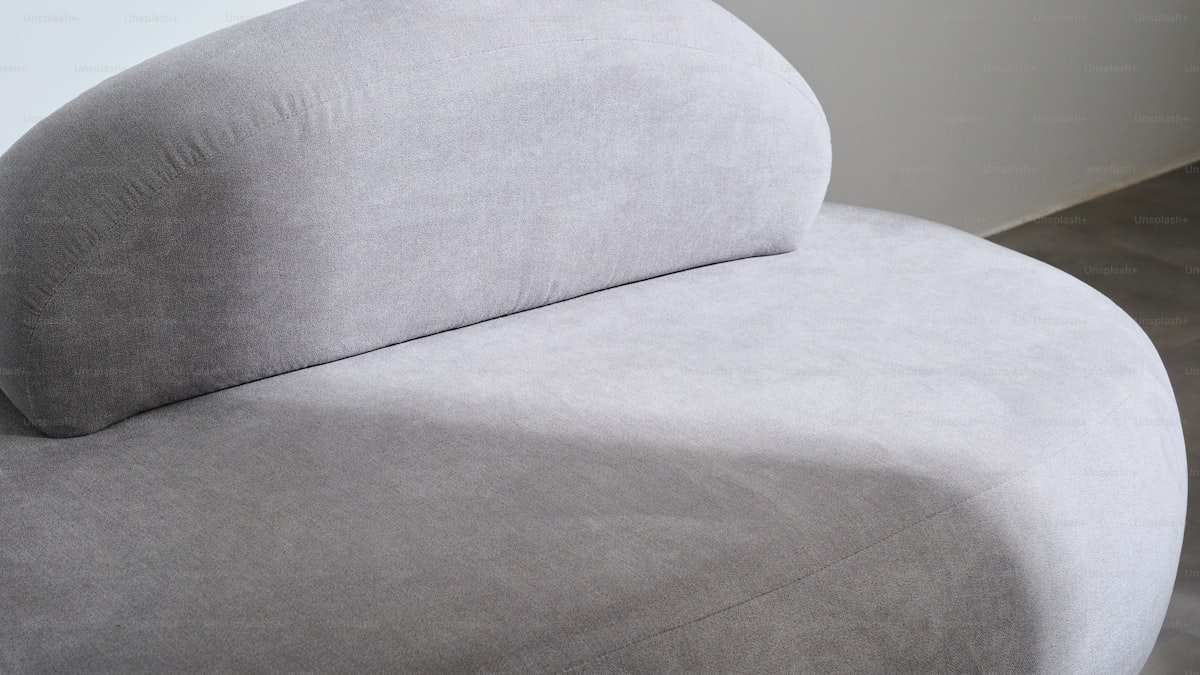
Best Pet Hair Removers That Actually Work (2026)
We tested the most popular pet hair removers for furniture, clothes, and cars. Here are the 7 best picks that actually get the job done — from lint rollers to rubber brooms.
Related Articles
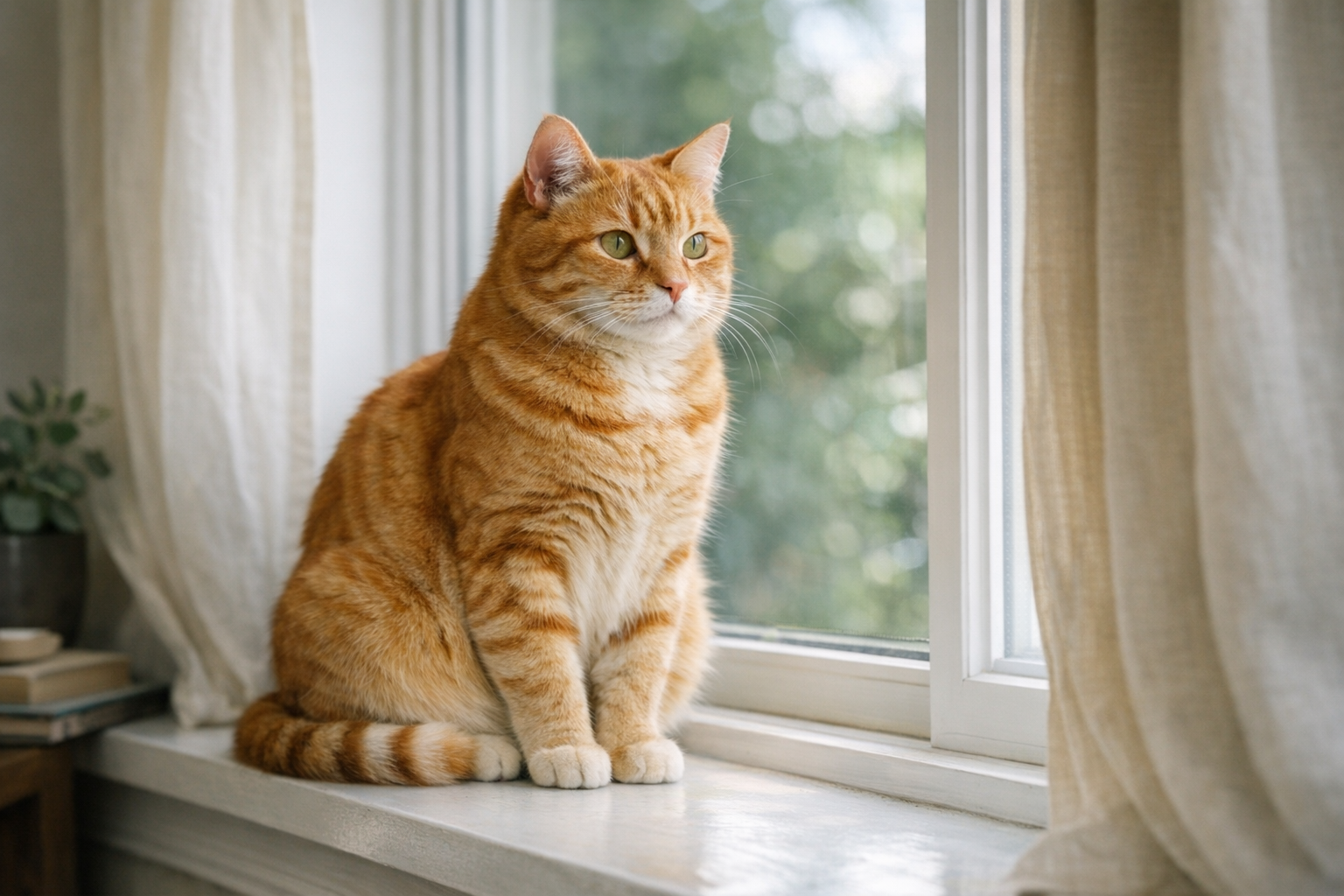
How to Stop a Cat From Spraying (And Why They Start)
Cats spray for specific reasons — and identifying the cause is half the battle. Here's the vet-tech approach to stopping spraying without rehoming the cat.

Dog-Safe Spring Yard Checklist (Lawn Chemicals, Plants, and More)
Spring yard prep can poison your dog faster than you'd expect. Here's the checklist of toxic plants, lawn treatments, and seasonal hazards to remove before letting your dog roam.
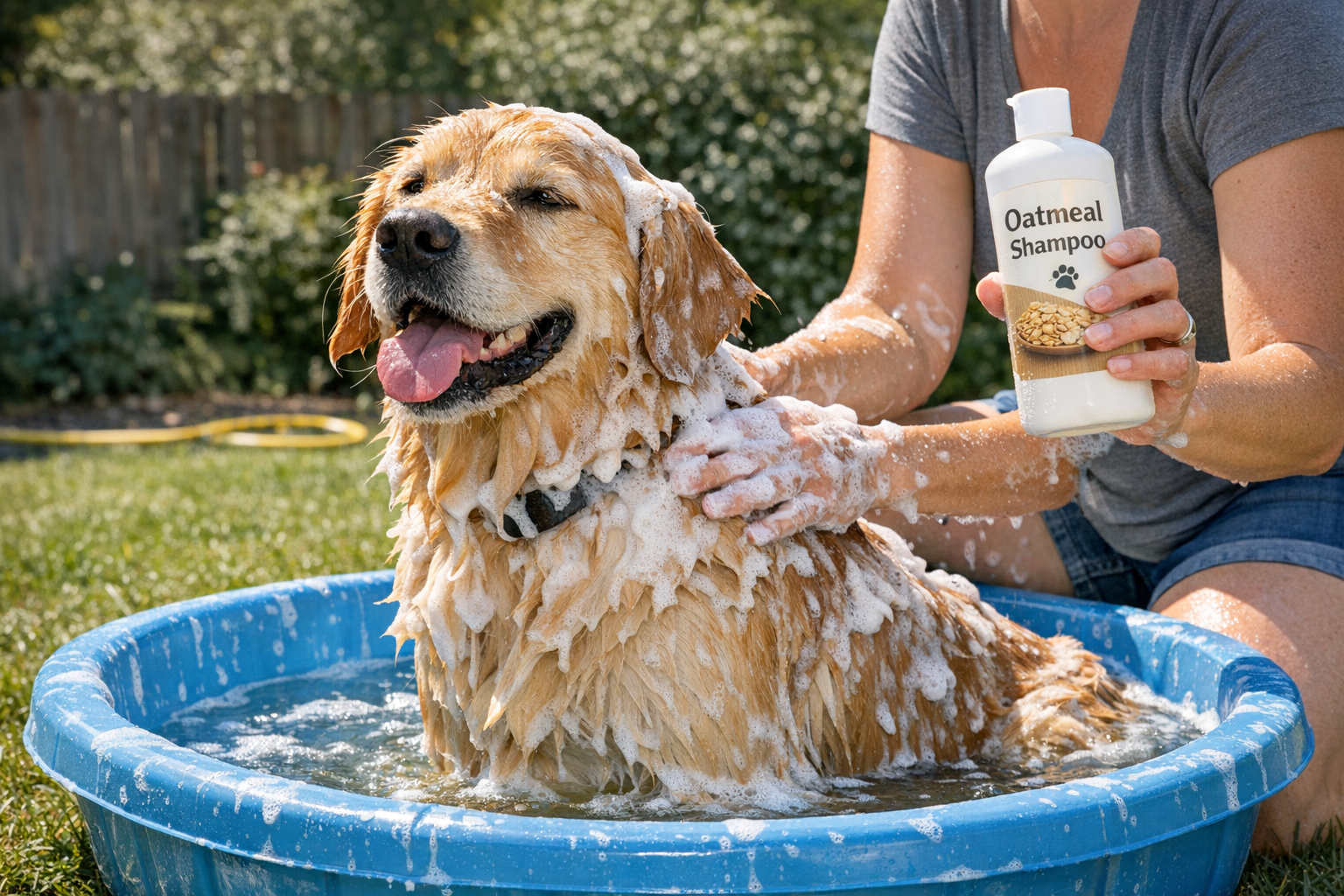
How to Soothe Your Dog's Itchy Spring Skin Naturally
Spring allergies hit dogs hard. These vet-tech-approved natural remedies soothe itchy skin without immediately reaching for prescription meds.
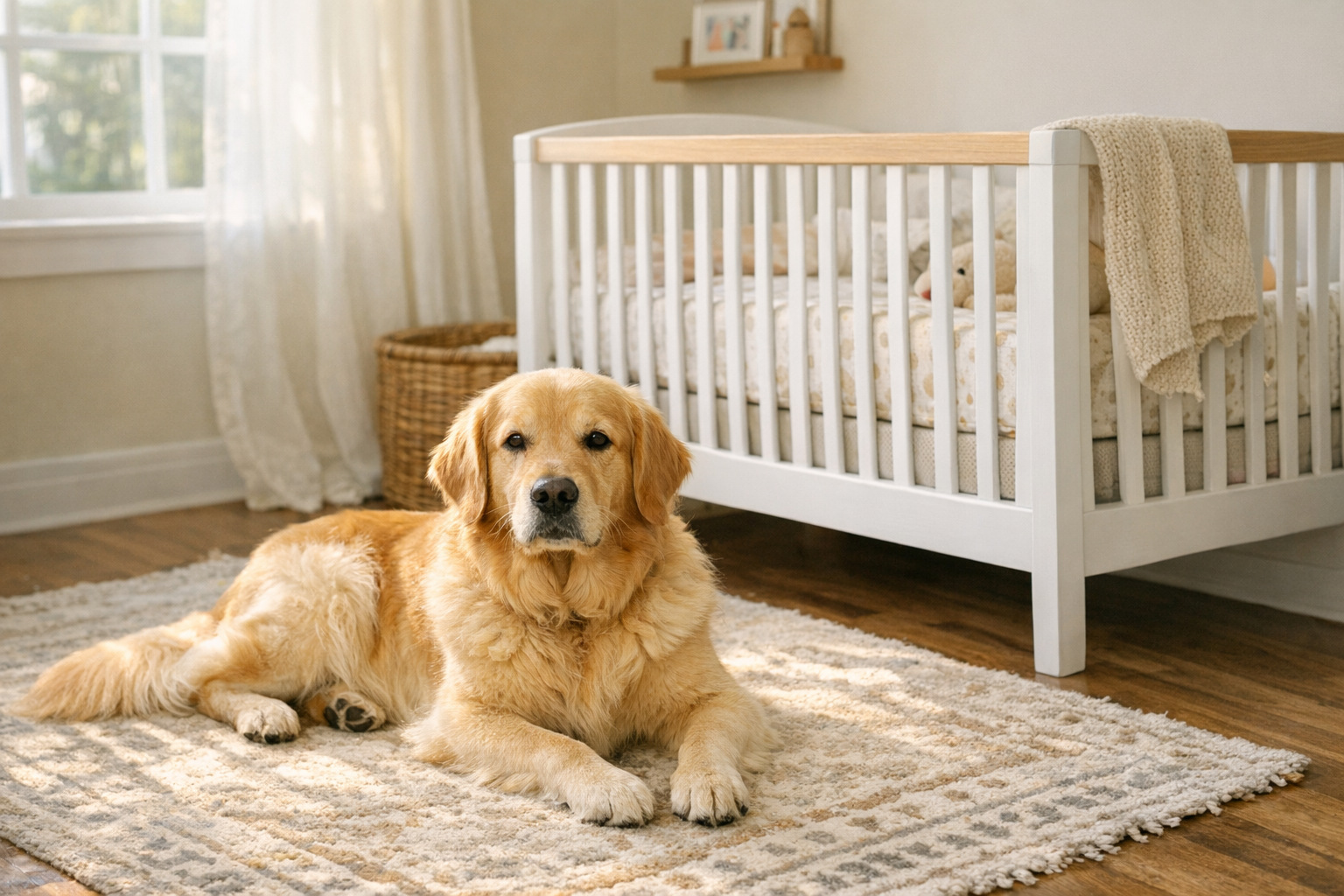
How to Introduce a New Baby to Your Family Pet Safely
A vet tech's step-by-step plan for preparing your dog or cat for a new baby. Start weeks before the due date — not the day you come home from the hospital.