How to Remove Water Stains from Wood Furniture (5 Methods That Actually Work)
Last updated: February 15, 2026
This article may contain affiliate links. If you make a purchase through these links, we may earn a small commission at no extra cost to you. Learn more
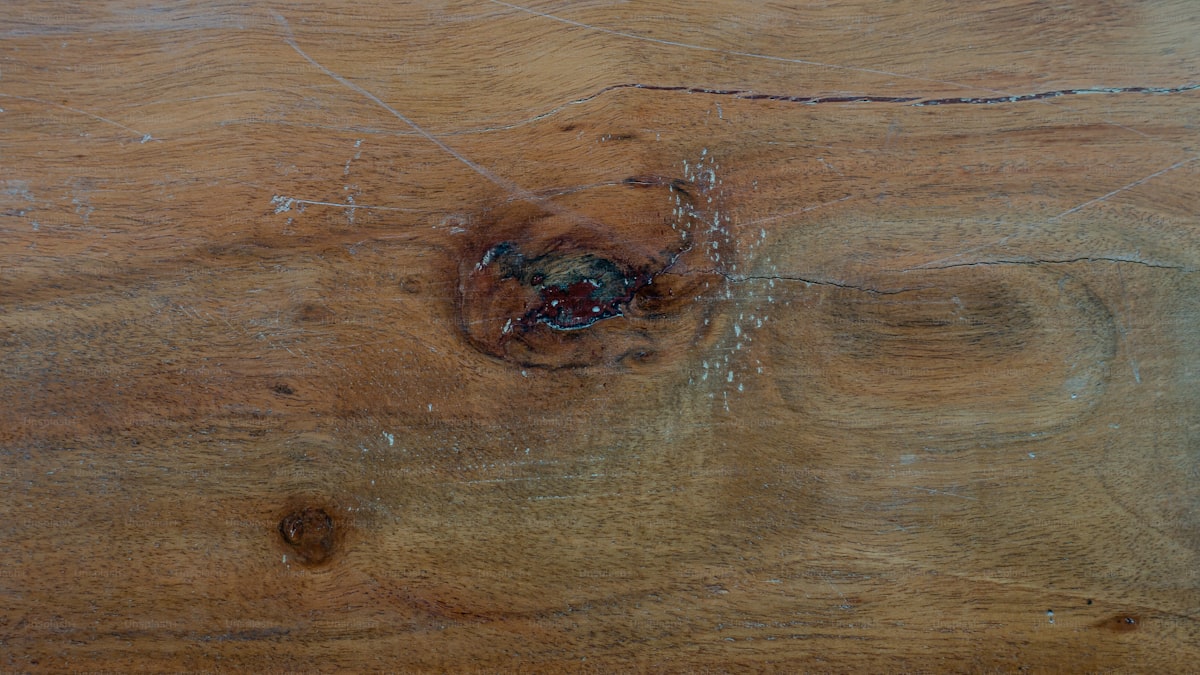
How to Remove Water Stains from Wood Furniture (5 Methods That Actually Work)
You set a glass down for one second without a coaster, and now there's a cloudy white ring staring back at you from your beautiful wood table. We've all been there. The good news? You can remove water stains from wood furniture without spending a fortune on specialty products or calling in a professional.
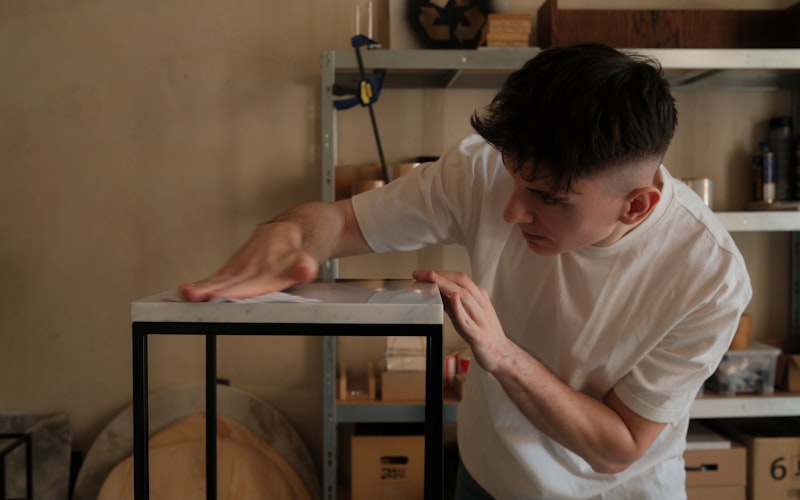
In this guide, I'll walk you through five tried-and-true methods that use items you probably already have at home. Whether you're dealing with a fresh ring from last night's dinner party or an old stain that's been bugging you for months, one of these techniques will get the job done. I'll also cover how to tell what kind of stain you're dealing with, prevention tips, and answers to the most common questions people have about wood furniture care.
Let's get that table looking like new.
White Stains vs. Dark Stains: Know What You're Dealing With
Before you grab the mayonnaise (yes, really), it's important to understand what type of water stain you have. This matters because white stains and dark stains require completely different approaches.
White or cloudy stains are the most common type. They happen when moisture gets trapped in the finish of the wood — not the wood itself. Think of condensation rings from cold drinks, steam from a hot mug, or a spill that sat for a little while. Because the moisture is only in the finish layer, these stains are usually pretty easy to fix at home.
Dark stains are a different story. These occur when water has penetrated through the finish and soaked into the actual wood grain. You'll typically see these after prolonged water exposure — like a leaking plant pot or a glass that sat overnight. Dark stains require more aggressive treatment, often involving sanding and refinishing, which goes beyond what we'll cover here.
The five methods below work best on white water stains. If you have a dark stain, I'd recommend consulting a furniture restoration professional before attempting a DIY fix.
Method 1: The Mayonnaise Trick to Remove Water Stains from Wood
I know it sounds like something your grandmother made up, but the mayonnaise method is genuinely one of the most effective ways to remove water stains from wood furniture. There's actual science behind it — the oils and fats in mayo penetrate the finish and displace the trapped moisture that's causing the white mark.
What You'll Need
- Full-fat mayonnaise (not light or fat-free — you need the real stuff)
- A soft cloth or paper towel
- A clean, dry microfiber cloth
Step-by-Step Instructions
Step 1: Apply a generous dollop of mayonnaise directly onto the water stain. Don't be shy — you want a thick layer that completely covers the affected area.
Step 2: Spread it evenly over the stain using your finger or a soft cloth. Make sure every part of the white mark is covered.
Step 3: Let it sit. For fresh stains, an hour might be enough. For older, more stubborn stains, I'd recommend leaving it overnight. If you're worried about the mess, cover it loosely with plastic wrap.
Step 4: Wipe away the mayonnaise with a clean cloth. The stain should be gone or significantly faded.
Step 5: Buff the area with a dry microfiber cloth to restore the shine.
If the stain is still faintly visible after one application, repeat the process. Sometimes stubborn marks need two or three rounds. This method is gentle enough that you won't damage the finish with repeated use.
Method 2: Remove Water Stains from Wood with Baking Soda Paste
Baking soda is one of those household heroes that seems to fix everything — and water stains on wood are no exception. The mild abrasive quality of baking soda gently works on the finish without scratching it, while also absorbing trapped moisture.
If you're someone who likes tackling cleaning projects around the house, you probably already have a box sitting in your pantry.
What You'll Need
- Baking soda
- Water
- A soft cloth
- Furniture polish or wood oil (optional, for finishing)
Step-by-Step Instructions
Step 1: Mix baking soda and water in a small bowl to create a thick paste. You're aiming for a toothpaste-like consistency — roughly a 2:1 ratio of baking soda to water.
Step 2: Apply the paste to the water stain using a soft cloth. Work it in gently using small circular motions. Don't press too hard — you want to let the baking soda do the work, not your elbow grease.
Step 3: Continue rubbing in circles for about two to three minutes. Check your progress periodically by wiping a small section clean.
Step 4: Once the stain is gone, wipe the entire area clean with a damp cloth, then dry it thoroughly.
Step 5: Apply a small amount of furniture polish or wood oil to the treated area. This restores moisture to the finish and gives it a nice, even sheen.
A word of caution: baking soda is a mild abrasive, so don't go overboard with pressure or duration. On delicate or antique finishes, test this method in an inconspicuous spot first. If you appreciate this kind of gentle yet effective cleaning approach, you'll also love learning how to clean grout without scrubbing using similar household ingredients.
Method 3: The Iron and Cloth Technique
This one feels a little counterintuitive — using heat to fix a moisture problem — but it works remarkably well. The heat from the iron causes the trapped moisture in the finish to evaporate, which is exactly what eliminates the white stain. Think of it as reverse-engineering the problem.
What You'll Need
- A household iron (standard clothes iron)
- A clean, thin cotton cloth or old t-shirt (no synthetic fabrics)
- A dry towel
Step-by-Step Instructions
Step 1: Set your iron to a low to medium heat setting. Make sure the steam function is completely OFF. Adding steam to a moisture problem would obviously make things worse.
Step 2: Lay your thin cotton cloth flat over the water stain. The cloth acts as a barrier to protect the wood finish from direct heat.
Step 3: Place the iron on top of the cloth, directly over the stain. Hold it there for about 5 to 10 seconds, then lift it.
Step 4: Remove the cloth and check the stain. You should see some improvement already. If the stain is still there, replace the cloth and repeat the process.
Step 5: Continue in short intervals until the stain disappears. Most stains clear up within a few minutes of intermittent heat application.
Step 6: Once the stain is gone, buff the area gently with a dry towel.

The key here is patience. Don't leave the iron sitting on the cloth for extended periods — you can scorch the wood or damage the finish. Short bursts with checking in between is the safest approach.
Method 4: The Toothpaste Method
Regular white toothpaste (not gel) works on water stains for the same reason baking soda does — it contains mild abrasives that gently buff away the damaged layer of finish where moisture is trapped. It's quick, easy, and you don't have to mix anything.
What You'll Need
- White, non-gel toothpaste (basic is best — avoid whitening formulas with microbeads)
- A soft cloth or old toothbrush
- A damp cloth for cleanup
- Furniture polish (optional)
Step-by-Step Instructions
Step 1: Squeeze a small amount of white toothpaste directly onto the water stain. You don't need much — about the same amount you'd put on your toothbrush.
Step 2: Using a soft cloth, rub the toothpaste into the stain in gentle circular motions. If the stain is in a groove or carved detail, an old soft-bristle toothbrush can help you work the paste into those areas.
Step 3: Rub for one to two minutes, then wipe away the toothpaste with a damp cloth to check your progress.
Step 4: Repeat if needed. Most stains respond within two to three applications.
Step 5: Once the stain is completely gone, wipe the area clean with a damp cloth, dry it thoroughly, and apply furniture polish to even out the sheen.
Pro tip: For extra stubborn stains, mix your toothpaste with a pinch of baking soda. This creates a slightly more abrasive paste that can tackle tougher marks. Just be extra gentle with this combination on softer wood finishes.
Method 5: Petroleum Jelly Overnight Treatment
If you prefer a low-effort, set-it-and-forget-it approach, petroleum jelly (like Vaseline) is your best friend. This method works on the same principle as the mayonnaise trick — the oils slowly penetrate the finish and push out the trapped moisture. It just takes a bit longer.
What You'll Need
- Petroleum jelly (Vaseline or any generic brand)
- A soft cloth
- A clean microfiber cloth for buffing
Step-by-Step Instructions
Step 1: Scoop out a generous amount of petroleum jelly and apply it directly to the water stain. Cover the entire stain with a thick, even layer.
Step 2: Leave it overnight. If the stain is particularly old or stubborn, you can leave it for up to 24 hours. For extra protection, lay a paper towel loosely over the area to keep dust off.
Step 3: In the morning, wipe away the petroleum jelly with a soft cloth. The stain should be completely gone or dramatically reduced.
Step 4: Buff the area with a clean microfiber cloth. The petroleum jelly actually leaves a nice conditioned feel to the wood, so you may not even need additional polish.
If any trace of the stain remains, apply a fresh coat of petroleum jelly and give it another overnight session. This method is extremely gentle, so there's virtually no risk of damaging your furniture's finish.
Which Method Should You Try First?
Not sure where to start? Here's my recommendation based on the situation:
- Fresh stain (less than a day old): Start with the iron method. It's fast and effective on recent marks.
- Stain that's been there a while: Go with mayonnaise or petroleum jelly overnight. These oil-based approaches are best for established stains.
- Small ring from a glass: Toothpaste is quick and easy for compact stains.
- Large area or multiple stains: Baking soda paste gives you the most control over larger surfaces.
- Delicate or antique furniture: Petroleum jelly is the gentlest option and carries the least risk.
When in doubt, start with the least aggressive method and work your way up. You can always try another technique if the first one doesn't fully do the job.
How to Prevent Water Stains on Wood Furniture
Fixing water stains is satisfying, but preventing them in the first place is even better. A little bit of effort upfront saves you from scrambling for the mayo at midnight. Here are some practical habits that make a real difference.
Use coasters — always. This is the obvious one, but it bears repeating. Keep coasters in every room where drinks might land on wood surfaces. If you have guests who "forget," place them directly on the table before drinks are poured.
Wipe up spills immediately. Water itself isn't the enemy — it's water sitting on the finish long enough to penetrate. A quick wipe with a dry cloth is all it takes to prevent a stain from forming.
Use placemats and trivets. Hot dishes and steaming mugs can cause white marks just like cold condensation. Trivets and placemats create a barrier between heat, moisture, and your furniture.
Apply furniture wax or polish regularly. A good quality paste wax creates an additional protective layer on top of the finish. I'd recommend applying it every few months, or whenever the surface starts to look dry or dull. The same careful maintenance mindset applies to other household items too—knowing what to never put in your dishwasher helps protect your kitchenware just like proper care protects your wood furniture.
Control humidity in your home. Extreme humidity can cause moisture damage even without direct water contact. If you live in a humid climate, a dehumidifier in rooms with valuable wood furniture is a smart investment.
Consider a polyurethane topcoat. For high-traffic surfaces like kitchen tables and coffee tables, a polyurethane topcoat adds a tough, water-resistant layer of protection. It's a one-time project that pays off for years.
Keeping your home organized and well-maintained goes a long way toward protecting your furniture, too. If you're on a home improvement kick, you might want to check out my guides on organizing under the kitchen sink and fixing a running toilet — two other common household problems with surprisingly easy fixes.
Frequently Asked Questions
Can water stains on wood be permanent?
White water stains are almost never permanent. Because they only affect the finish layer and not the wood itself, they can nearly always be removed with the right technique. Dark water stains that have penetrated into the wood grain are harder to fix and may require sanding and refinishing, but even those can usually be repaired by a professional. The sooner you address any water stain, the easier it will be to remove.
Does mayonnaise really remove water stains from wood?
Yes, it genuinely works. The oils and fats in full-fat mayonnaise penetrate the wood finish and displace the trapped moisture that creates the white, cloudy appearance. It's one of the most popular and effective home remedies for water stains on wood furniture. Just make sure you use regular, full-fat mayonnaise — light or fat-free versions don't have enough oil content to be effective.
How long does it take to remove a water stain from wood furniture?
It depends on the method you choose and how old the stain is. The iron technique can work in as little as five minutes. Toothpaste and baking soda typically take 10 to 15 minutes of active rubbing. Oil-based methods like mayonnaise and petroleum jelly require one to twelve hours of passive soaking time but very little hands-on effort. Fresh stains generally respond faster than old ones, regardless of which method you use.
Will these methods damage my wood furniture's finish?
When used correctly, all five methods in this guide are safe for most standard wood finishes, including polyurethane, lacquer, and varnish. The abrasive methods (baking soda and toothpaste) carry a slightly higher risk on delicate or antique finishes, so always test in an inconspicuous area first. The oil-based methods (mayonnaise and petroleum jelly) and the iron technique are the gentlest options and are safe for virtually all finishes.
What's the difference between a water stain and a heat stain on wood?
Interestingly, they're caused by the same thing — moisture trapped in the finish — just from different sources. Water stains come from liquid contact (condensation, spills), while heat stains come from steam or hot objects that force moisture into the finish. The good news is that the removal methods are identical for both. Every technique in this guide works equally well on heat marks as it does on water rings.
Wrapping Up
Water stains on wood furniture are one of those annoying household problems that look way worse than they actually are. In most cases, you can remove water stains from wood with nothing more than a common pantry item and a little patience.
Start with whichever method matches the supplies you have on hand. If mayonnaise sounds too weird, grab the toothpaste. If you want to be hands-off about it, slather on some petroleum jelly before bed and let it work while you sleep. The point is, you have options — and none of them require a trip to the hardware store.
Once the stain is gone, adopt a few simple prevention habits to keep your furniture looking its best. Coasters, quick wipe-ups, and the occasional coat of furniture wax go a long way. And if you have hardwood floors that need the same TLC, our guide on cleaning hardwood floors without damage covers the best techniques.
Got a stubborn stain that won't budge after trying these methods? It might be a dark stain that's penetrated the wood grain, and that's when it's worth consulting a furniture repair specialist. But for the vast majority of white water rings and cloudy spots, one of these five methods will have your table looking flawless again in no time. And if you're looking to furnish your home without overspending, our guide on how to save money on furniture covers buying secondhand, refinishing, and timing your purchases for the best deals.
Get weekly home tips that actually work
Join thousands of homeowners getting practical cleaning hacks, DIY fixes, and money-saving tips every week. Free, and you can unsubscribe anytime.

Written by
Beth SullivanFounder & Editor-in-Chief
Beth Sullivan is the founder of Practical Home Guides. With over a decade of hands-on experience tackling every home challenge imaginable, she started this site to share the practical, no-nonsense solutions she wishes she had found years ago. When she's not testing cleaning hacks or organizing pantries, you'll find her in the garden or working on her next DIY project.
Recommended Products
Looking for specific product recommendations? Check out our tested picks.
Best Cordless Stick Vacuums (2026 Buyer's Guide)
We tested cordless stick vacuums on hardwood, carpet, pet hair, and stairs. Here are the picks worth the price for every home and budget in 2026.
Best Pressure Washers for Home Use (2026 Buyer's Guide)
We tested electric and gas pressure washers for siding, decks, driveways, and patio furniture. Here are the best picks for every budget and home size.
Best Self-Emptying Robot Vacuums (2026 Tested)
Self-emptying robot vacuums let you forget about the dust bin for weeks. We tested the top models on hardwood, carpet, pet hair, and floor plans.
5 Best Steam Mops for Tile Floors (2026)
We tested the top steam mops for tile, grout, and hard floors. Here are the 5 best picks with honest pros, cons, and who each one is best for.
7 Best Robot Vacuums Under $300 (2026)
We compared the top robot vacuums under $300 for pet hair, hardwood floors, and carpet. Here are the 7 best picks with pros, cons, and who each is best for.
Related Articles
How to Remove Rust From Grill Grates (Without Replacing Them)
Rusted grill grates can be revived if rust is surface-only. Here's the safe restoration method that gets cast iron and steel grates back to cooking-ready.
How to Remove Grass Stains From Clothes (Even After Drying)
Grass stains are protein and chlorophyll bonded into fabric. Here's the order of treatments that gets them out — even on jeans that already went through the dryer.
How to Refresh Outdoor Rugs Without Replacing Them
Before you toss that faded, grimy outdoor rug, try this simple revival routine. Most polypropylene outdoor rugs come back like new with 30 minutes of work.
How to Deep Clean Window Screens (The Bathtub Method)
Window screens accumulate a winter's worth of dust, pollen, and grime. The bathtub method gets them all clean in one shot — cleaner than cleaning them individually.