How to Start a Herb Garden on Your Kitchen Windowsill
Last updated: February 18, 2026
This article may contain affiliate links. If you make a purchase through these links, we may earn a small commission at no extra cost to you. Learn more
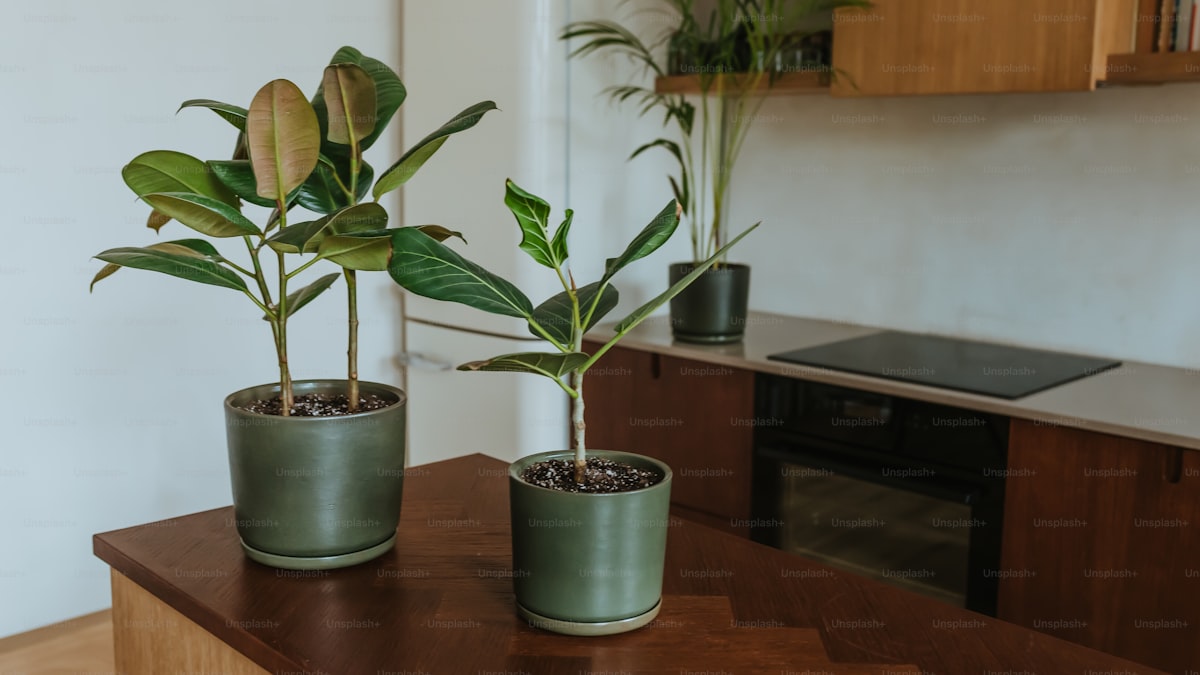
There's something incredibly satisfying about snipping fresh herbs from your own kitchen windowsill while cooking. Not only does it elevate your meals with vibrant flavors, but it also saves you money and reduces food waste from those expensive grocery store herb packages that always seem to wilt before you can use them all.
Starting a windowsill herb garden is one of the easiest ways to begin your indoor gardening journey. Even if you've never grown anything before, herbs are forgiving, rewarding, and perfect for small spaces.
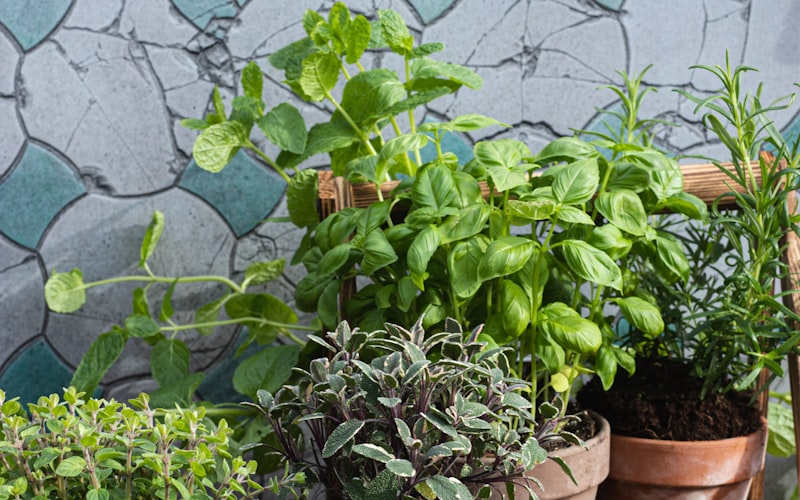
Why Grow Herbs on Your Windowsill?
Growing herbs indoors offers benefits that go far beyond just having fresh ingredients at your fingertips. The average household spends $15-20 per month on fresh herbs from the grocery store, and much of that ends up in the trash.
With a windowsill garden, you'll have continuous access to fresh herbs for pennies on the dollar. A single basil plant costs about $3 to start and can provide dozens of harvests throughout the growing season, potentially saving you $100 or more annually.
Beyond the financial benefits, windowsill herbs improve air quality, add life to your kitchen, and give you the confidence to experiment with new recipes. There's no better way to transform a simple pasta dish or morning omelet than with freshly harvested herbs.
Best Herbs for Windowsill Growing
Not all herbs thrive in indoor conditions, but several varieties are perfectly suited for windowsill life. Choosing the right herbs for your space and skill level is the first step toward success.
Basil
Basil is the superstar of windowsill herbs and one of the easiest to grow indoors. It loves warmth and bright light, making it perfect for a sunny kitchen window.
This fast-growing herb produces abundant leaves that you can harvest continuously throughout the season. Sweet basil, Genovese basil, and compact bush varieties all perform excellently indoors.
Keep basil warm (never below 50°F) and pinch off flower buds as they appear to encourage more leaf production. With proper care, a single basil plant can provide fresh leaves for months.
Mint
Mint is nearly impossible to kill and thrives in indoor conditions with moderate light. Its vigorous growth habit means you'll have plenty to harvest for teas, cocktails, and culinary uses.
Spearmint and peppermint are the most popular varieties, but chocolate mint and apple mint offer interesting flavor variations. Mint actually benefits from regular harvesting, which keeps it bushy and prevents it from becoming leggy.
One important tip: always grow mint in its own container. Its aggressive root system will quickly overtake other herbs if planted together.
Chives
Chives are incredibly low-maintenance and tolerant of less-than-perfect conditions. They'll happily grow in moderate to bright light and don't mind if you occasionally forget to water them.
These grass-like herbs provide a mild onion flavor perfect for garnishing soups, baked potatoes, eggs, and salads. Both the green stalks and purple flowers are edible and delicious.
Chives grow in clumps and can be harvested by cutting the outer stalks at the base. They'll continue producing new growth from the center for years with minimal care.
Parsley
Parsley is a biennial herb that grows beautifully on windowsills during its first year. Both flat-leaf (Italian) and curly varieties work well indoors, though flat-leaf has a stronger flavor preferred by most cooks.
This herb is slower to germinate from seed (2-3 weeks), so many gardeners prefer starting with a transplant from the garden center. Once established, parsley is quite hardy and produces abundant foliage.
Harvest outer stems first to encourage new growth from the center. Parsley tolerates slightly lower light conditions than basil, making it versatile for different window exposures.
Rosemary
Rosemary brings a woody, aromatic Mediterranean flair to your windowsill garden. This evergreen herb is technically a perennial shrub that can live for years indoors with proper care.
Choose a compact variety like "Blue Boy" or "Spice Islands" for container growing. Rosemary needs excellent drainage and prefers to dry out slightly between waterings, making it more drought-tolerant than other herbs.
This herb requires bright light (at least 6 hours) and good air circulation to prevent powdery mildew. In return, you'll have fresh rosemary for roasted vegetables, bread, and meat dishes year-round.
Thyme
Thyme is a compact, slow-growing herb that performs exceptionally well in containers. Its small leaves pack an intense flavor, so a little goes a long way in cooking.
Common thyme, lemon thyme, and creeping thyme all adapt well to indoor growing. This Mediterranean herb has similar care requirements to rosemary, preferring drier conditions and bright light.
Thyme is perfect for small spaces since it stays compact and doesn't require frequent harvesting to maintain its shape. It's also quite forgiving if you occasionally neglect watering.
Understanding Light Requirements
Light is the most critical factor for successful windowsill herb growing. Most culinary herbs originated in Mediterranean climates with abundant sunshine, so they need significant light to thrive indoors.
South-facing windows provide the brightest light and are ideal for sun-loving herbs like basil, rosemary, and thyme. These herbs need at least 6-8 hours of direct sunlight daily to produce the oils that give them their flavor and aroma.
East or west-facing windows work well for herbs that tolerate partial shade, including mint, parsley, and chives. These locations provide 4-6 hours of sunlight, which is sufficient for healthy growth.
North-facing windows generally don't provide enough natural light for most herbs. If this is your only option, consider supplementing with a grow light positioned 6-12 inches above your plants for 12-14 hours daily.
Signs Your Herbs Need More Light
Leggy, stretched growth with long spaces between leaves indicates insufficient light. Your plants are literally reaching toward the light source, resulting in weak, spindly stems.
Pale or yellowing leaves (when watering is adequate) often signal a light deficiency. Herbs grown in low light also produce fewer aromatic oils, resulting in bland flavor.
If you notice these symptoms, move your herbs to a brighter location or add supplemental lighting. Rotating containers every few days ensures even growth and prevents plants from leaning toward the light.
Choosing the Right Containers
Container selection directly impacts your herbs' health and longevity. The right pot provides adequate space for root growth, proper drainage, and an attractive appearance on your windowsill.
Start with containers that are at least 6-8 inches in diameter for most herbs. Basil and parsley benefit from slightly larger 10-inch pots, while compact herbs like thyme can thrive in smaller 4-6 inch containers.
Drainage holes are absolutely non-negotiable. Herbs hate sitting in soggy soil, and without drainage holes, root rot is almost inevitable.
Terracotta pots are excellent for herbs like rosemary and thyme that prefer drier conditions. The porous clay allows soil to dry out between waterings and provides good air circulation to roots.
Plastic or ceramic glazed pots work well for moisture-loving herbs like basil and mint. These materials retain water longer than terracotta, reducing watering frequency.
Drainage and Saucer Considerations
Always use a saucer or tray under your pots to protect your windowsill from water damage. However, never allow plants to sit in standing water for extended periods.
Empty saucers 15-30 minutes after watering to prevent root rot. If you're using decorative cachepots without drainage holes, place your herbs in a plastic growing pot that you can lift out for watering.
Adding a layer of pebbles or pot feet under your containers improves air circulation and prevents the drainage holes from becoming blocked. This simple step significantly reduces the risk of waterlogged soil. If you're interested in taking your gardening further, learning how to compost at home for beginners provides rich soil amendments that will make your herbs thrive even more.
Soil and Drainage Essentials
Using the right growing medium is crucial for windowsill herbs. Garden soil is too dense for containers and doesn't provide the drainage that herbs require.
Choose a high-quality potting mix specifically formulated for containers. These mixes contain ingredients like peat moss, coconut coir, perlite, and vermiculite that provide excellent drainage while retaining appropriate moisture.
Avoid potting mixes with water-retaining crystals or heavy fertilizers. Herbs generally prefer leaner soil conditions, and excessive fertility can result in lush growth with diminished flavor.
For Mediterranean herbs like rosemary, thyme, and oregano, improve drainage by mixing in extra perlite or coarse sand. Aim for a ratio of about 3 parts potting mix to 1 part perlite.
Soil Refreshing and Maintenance
Container soil degrades over time, becoming compacted and depleted of nutrients. If you notice slower growth or water pooling on the soil surface, it's time to refresh the soil.
Most herbs benefit from being repotted annually with fresh potting mix. When repotting, gently loosen the root ball and trim any circling or damaged roots before placing in fresh soil.
If repotting isn't necessary, you can refresh the top inch or two of soil by carefully removing it and replacing it with fresh potting mix. This provides a nutrient boost without disturbing the root system.
Watering Your Windowsill Herbs
Watering is where most beginners struggle with indoor herbs. The key is finding the balance between keeping soil consistently moist (but not waterlogged) and allowing it to dry slightly between waterings.
Most herbs prefer the "soak and dry" method. Water thoroughly until water drains from the bottom of the pot, then allow the top inch of soil to dry before watering again.
Basil, parsley, and mint prefer consistently moist soil and may need watering every 2-3 days in bright, warm conditions. Check soil moisture by inserting your finger an inch deep into the soil.
Rosemary, thyme, and oregano prefer drier conditions. Allow the top 2 inches of soil to dry between waterings, which might mean watering only once per week.
Common Watering Mistakes
Overwatering is the number one killer of indoor herbs. Constantly soggy soil leads to root rot, yellowing leaves, and eventually plant death.
Signs of overwatering include yellowing leaves, soft stems, moldy soil surface, and a sour smell from the potting mix. If you catch it early, allow the soil to dry out completely and reduce watering frequency.
Underwatering is less common but still problematic. Wilting, dry and crispy leaves, and soil pulling away from pot edges indicate your herbs need more frequent watering.
Water temperature matters too. Room temperature water is best, as cold water can shock roots and slow growth.
Feeding Your Herbs
Container-grown herbs need regular feeding since nutrients wash out through drainage holes with each watering. However, herbs require far less fertilizer than flowering plants or vegetables.
Start feeding 4-6 weeks after planting (or immediately if using a potting mix without fertilizer). Use a balanced liquid fertilizer diluted to half the recommended strength every 2-4 weeks during active growth.
Fish emulsion and liquid kelp are excellent organic options that provide nutrients without the risk of burning delicate herb roots. Synthetic fertilizers work fine too, but always err on the side of under-feeding.
Over-fertilizing herbs produces lush, soft growth with reduced flavor concentration. The essential oils that give herbs their taste and aroma are actually more concentrated in plants grown in leaner conditions.
Signs of Nutrient Deficiency
Slow growth, small leaves, and pale coloring can indicate nutrient deficiency. However, these symptoms also mimic insufficient light and other problems, so consider all factors before adding fertilizer.
If older leaves turn yellow while new growth remains green, your herbs likely need nitrogen. A balanced fertilizer or top-dressing with worm castings should resolve this issue.
Herbs grown in the same soil for over a year without feeding will eventually show nutrient deficiency symptoms. Regular feeding or annual repotting prevents these problems.
Common Mistakes to Avoid
Even with the best intentions, certain mistakes can derail your windowsill herb garden. Learning to recognize and avoid these common pitfalls saves time, money, and frustration.
The most frequent mistake is choosing a window with insufficient light. If your herbs struggle despite proper watering and care, inadequate light is likely the culprit.
Using containers without drainage holes ranks as the second most common error. No matter how careful you are with watering, eventually you'll overwater and your herbs will suffer.
Crowding too many herbs into one container leads to competition for light, water, and nutrients. Each herb needs adequate space for its root system to develop properly.
Neglecting to harvest regularly causes herbs to become leggy and eventually bolt (flower and set seed). Regular harvesting keeps plants compact, bushy, and productive.
Treating all herbs the same is another mistake. Basil and rosemary have vastly different water needs, and growing them together in one pot usually results in one thriving and the other struggling.
Pest Problems Indoors
While indoor herbs face fewer pest problems than outdoor gardens, aphids, spider mites, and fungus gnats can still appear. Inspect your plants regularly, paying attention to leaf undersides and new growth.
If you spot pests early, a strong spray of water often dislodges them. For persistent problems, insecticidal soap or neem oil provides organic control without contaminating your culinary herbs.
Fungus gnats indicate overwatering and excessively moist soil. Allow soil to dry out more between waterings and consider adding a thin layer of sand to the soil surface.
Good air circulation prevents most pest and disease problems. Avoid crowding plants together and consider running a small fan nearby during humid weather.
Harvesting Techniques for Maximum Production
Proper harvesting techniques encourage bushy growth and continuous production throughout the season. Learning to harvest correctly transforms sparse plants into abundant producers.
Always harvest herbs in the morning after dew has dried but before the day's heat. This is when essential oil concentration is highest, giving you the best flavor.
For bushy herbs like basil, mint, and oregano, pinch or cut stems just above a leaf node (where leaves emerge from the stem). This encourages the plant to branch at that point, creating two stems where there was one.
Never remove more than one-third of the plant at a time. This ensures adequate foliage remains for photosynthesis and continued healthy growth.
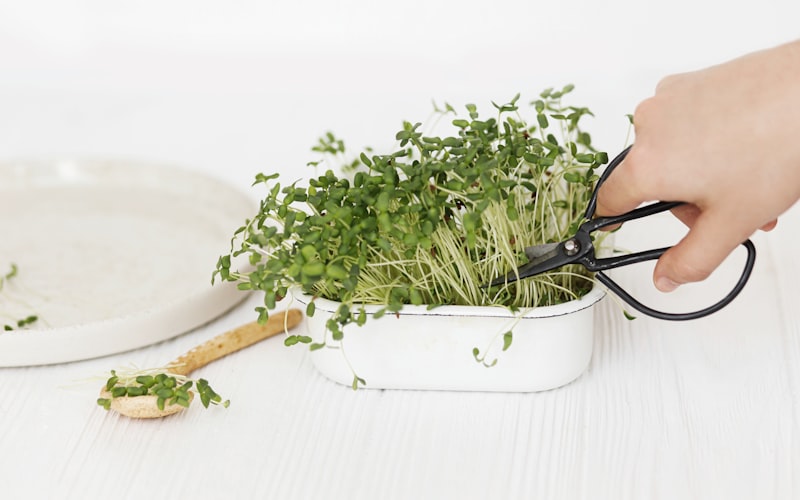
For chives and other grass-like herbs, cut outer stalks at the base, leaving the center to continue producing new growth. Use sharp scissors or herb snips for clean cuts that heal quickly.
Rosemary and thyme can be harvested by snipping the tips of stems. Avoid cutting into woody portions, as these don't regenerate easily.
When to Harvest
Regular harvesting is essential for keeping herbs productive and preventing flowering. Most herbs should be harvested every 1-2 weeks during active growth.
Remove flower buds as soon as they appear on basil, oregano, and other annual herbs. Flowering triggers the end of the plant's life cycle and reduces leaf production. Once you've harvested more than you can use right away, learn how to store fresh herbs so nothing goes to waste.
Some herbs like chives actually benefit from flowering occasionally. The purple blooms are edible and can be used as a garnish, though regular flowering will reduce foliage production.
If you notice stems becoming woody or growth slowing despite adequate care, your plant may be reaching the end of its productive life. Some herbs are annuals that need replacing after a growing season.
Money Saved vs. Buying Fresh Herbs
The financial benefits of a windowsill herb garden are substantial when you calculate the actual savings. Let's break down the numbers to see your return on investment.
Fresh herb packages at grocery stores typically cost $3-5 for a small bunch, and you often need multiple herbs for a single recipe. If you cook with fresh herbs just twice per week, you're spending $15-20 monthly or $180-240 annually.
A basic windowsill herb garden startup costs approximately $50-75, including containers, potting mix, starter plants, and basic supplies. That initial investment is recovered in just 3-4 months of regular use.
After the first year, your annual costs drop to nearly nothing. You'll only need to replace potting soil ($10-15) and perhaps a few plants that have reached the end of their lifecycle ($5-15).
Beyond direct savings, you'll reduce food waste significantly. No more throwing away wilted herb packages that you couldn't use quickly enough, which alone can save $5-10 monthly.
The quality factor is harder to quantify but equally valuable. Grocery store herbs are often several days old, shipped long distances, and already declining in flavor. Your windowsill herbs are seconds from plant to plate, with superior taste and nutritional content.
Breaking Down the Numbers
A single basil plant producing 1 cup of leaves weekly provides approximately $12-15 worth of fresh basil monthly. Over a 6-month growing season, that's $72-90 from one $3 plant.
Mint is even more cost-effective since it grows so vigorously. One mint plant can easily provide $10-15 worth of leaves monthly with minimal care.
When you consider having 4-6 different herbs available year-round, your annual savings quickly reach $200-300 or more. For cooking enthusiasts who use fresh herbs daily, savings can exceed $500 annually.
These calculations don't even include the convenience factor of having herbs available whenever you need them, without a trip to the store. That time and gas savings add even more value.
Maintaining Your Herb Garden Long-Term
Creating a sustainable windowsill herb garden requires ongoing maintenance beyond basic watering and harvesting. These practices keep your garden productive for months or even years.
Rotate your containers every few days so all sides receive equal light exposure. This prevents plants from growing lopsided and leaning heavily toward the window.
Prune aggressively to maintain compact, bushy growth. Don't be afraid to cut back leggy stems by half or more, as this rejuvenates the plant and encourages fresh growth.
Clean leaves periodically with a damp cloth or gentle shower to remove dust that blocks light and reduces photosynthesis. This also helps you spot pest problems early.
Monitor for signs of root binding by checking if roots are growing out drainage holes. Most herbs need repotting every 12-18 months as they outgrow their containers.
Seasonal Considerations
Even indoors, herbs respond to seasonal changes in day length and temperature. Winter poses particular challenges with shorter days and drier indoor air from heating systems.
Supplemental grow lights become more important during winter months when natural light is limited. Running lights for 12-14 hours daily compensates for shorter daylight periods.
Humidity often drops below ideal levels during winter. Group plants together to create a more humid microenvironment, or place containers on pebble-filled trays with water below the pot bottom.
Growth naturally slows during winter, so reduce watering and fertilizing frequency accordingly. Your herbs are semi-dormant and need less of everything during this period.
Spring brings renewed vigorous growth. This is an excellent time to repot, divide overcrowded plants, and start fresh seeds or cuttings to expand your collection. If you enjoy the satisfaction of growing your own food, you might also appreciate adding some low-maintenance indoor plants to other rooms for air purification and greenery.
Troubleshooting Common Problems
Even experienced gardeners encounter problems with windowsill herbs. Knowing how to diagnose and correct issues quickly prevents minor problems from becoming major failures.
Yellow leaves can indicate several different problems: overwatering, underwatering, nutrient deficiency, or insufficient light. Examine the entire plant and growing conditions to determine the cause.
Brown, crispy leaf tips usually mean low humidity or inconsistent watering. Increase humidity around plants and ensure you're watering thoroughly when soil becomes dry.
Leggy, stretched growth with weak stems always indicates insufficient light. Move plants to a brighter location or add supplemental lighting immediately.
Sudden wilting despite moist soil suggests root rot from overwatering. Check roots for brown, mushy appearance and repot in fresh soil if caught early, removing any rotted portions.
Lack of aroma and flavor in leaves typically results from over-fertilizing or insufficient light. Cut back on feeding and ensure plants receive adequate sunlight for essential oil production.
Expanding Your Herb Collection
Once you've mastered the basics with common herbs, you might want to expand into more unusual or challenging varieties. This keeps your gardening journey interesting and your cooking repertoire expanding.
Cilantro is notoriously difficult indoors due to its tendency to bolt quickly. However, slow-bolting varieties like "Santo" or "Calypso" perform better on windowsills with cool temperatures.
Oregano grows beautifully indoors and provides a different flavor profile than fresh basil or thyme. Greek oregano offers the most intense flavor for Mediterranean and Italian dishes.
Lemon balm is a mint relative with a delightful citrus scent perfect for teas. It shares mint's vigorous growth habit and easy care requirements.
Sage is possible indoors but requires excellent light and air circulation. Compact varieties like "Dwarf Garden Sage" work best for windowsill growing.
Bay laurel can be grown as a small potted tree indoors, providing fresh bay leaves for soups and stews. It's slow-growing but long-lived with proper care.
Connecting Your Herb Garden to a Frugal Lifestyle
A windowsill herb garden fits perfectly into a broader frugal living strategy. The skills and mindset you develop translate to other money-saving practices throughout your home.
Growing your own herbs is just one way to cut your grocery bill in half without sacrificing quality or nutrition. Combined with meal planning and smart shopping strategies, you can dramatically reduce food expenses.
The self-sufficiency you gain from producing your own ingredients empowers you to take control of other household expenses. When you realize how easy and rewarding growing herbs is, you'll find yourself asking what else you can do yourself instead of buying.
Container gardening also helps you utilize previously wasted space in your home. That sunny windowsill was just decorative space before, but now it's a productive food source generating real value.
Organization and Home Efficiency
A successful herb garden requires organization skills that benefit your entire home. Just as you organize under your kitchen sink for efficiency, arranging your herbs thoughtfully maximizes your windowsill space.
Keeping your growing supplies organized in one location makes maintenance easier and more likely to happen consistently. Use similar organizing principles for your gardening supplies as you would for cleaning products.
Regular maintenance of your herb garden parallels other home care tasks like remembering to deep clean your dishwasher periodically. Both require establishing routines that become second nature over time.
Getting Started Today
The best time to start your windowsill herb garden is right now. You don't need extensive knowledge, expensive equipment, or a green thumb to succeed.
Begin with just 2-3 easy herbs like basil, mint, and chives. This manageable start lets you learn the basics without feeling overwhelmed.
Visit your local garden center or home improvement store to purchase starter plants, containers, and potting mix. Buying transplants rather than starting from seed gives you an instant garden and faster results.
Set up your herbs in the brightest window available and commit to checking them daily until you learn their watering needs. Those first few weeks of attention establish habits that ensure long-term success.
Don't be discouraged by initial failures. Every gardener has killed plants while learning, and herbs are inexpensive enough that mistakes are low-risk learning opportunities.
Frequently Asked Questions
How often should I water my windowsill herbs?
Watering frequency depends on the specific herb, pot size, and environmental conditions. Most herbs need watering when the top inch of soil feels dry to the touch, typically every 2-4 days. Moisture-loving herbs like basil and mint need more frequent watering than Mediterranean herbs like rosemary and thyme. Check soil moisture daily until you learn your plants' patterns, and always ensure water drains freely from the bottom of containers.
Can I grow herbs in a north-facing window?
North-facing windows generally don't provide enough natural light for most culinary herbs to thrive. These windows receive only indirect light, while most herbs need at least 4-6 hours of direct sunlight daily. If a north-facing window is your only option, invest in a full-spectrum grow light positioned 6-12 inches above your plants for 12-14 hours daily. Alternatively, choose the most shade-tolerant herbs like mint and parsley, though even these will perform better with supplemental lighting.
Why is my basil getting leggy and sparse?
Leggy basil almost always indicates insufficient light, causing the plant to stretch toward the light source. Move your basil to a brighter location where it receives at least 6-8 hours of direct sunlight daily. Additionally, pinch back the growing tips regularly to encourage bushy, compact growth rather than tall, sparse stems. If you cannot provide adequate natural light, add a grow light to supplement. Proper harvesting techniques also prevent legginess by forcing the plant to branch and fill out.
How long will my windowsill herbs last?
Herb longevity varies by type. Annual herbs like basil typically last 6-12 months before needing replacement, though proper harvesting extends their productive period. Perennial herbs like rosemary, thyme, and oregano can live for years indoors with proper care. Biennial herbs like parsley produce abundantly for one year, then flower and decline in the second year. Regular maintenance, appropriate feeding, and repotting when needed significantly extend any herb's productive life. Most herbs eventually need refreshing, but the small investment is worth the continuous supply of fresh flavor.
Conclusion
Starting a windowsill herb garden is one of the most rewarding and practical projects you can undertake in your kitchen. With minimal space, modest investment, and basic care, you'll have fresh herbs available year-round for cooking.
The financial savings alone justify the effort, but the benefits extend far beyond your wallet. You'll gain confidence in your gardening abilities, reduce dependence on grocery stores, and dramatically improve the flavor of your home-cooked meals.
Begin with a few easy herbs, learn from your experiences, and gradually expand your collection as your skills grow. Your kitchen windowsill is valuable real estate that can transform from decorative space into a productive garden that pays dividends every time you cook.
The journey from complete beginner to confident herb gardener is shorter than you think. By this time next month, you could be harvesting fresh basil for your pasta sauce, mint for your morning tea, and chives for your baked potatoes, all from the comfort of your own kitchen window.
Start today, and you'll wonder why you didn't begin your windowsill herb garden years ago.
Get weekly home tips that actually work
Join thousands of homeowners getting practical cleaning hacks, DIY fixes, and money-saving tips every week. Free, and you can unsubscribe anytime.

Written by
Beth SullivanFounder & Editor-in-Chief
Beth Sullivan is the founder of Practical Home Guides. With over a decade of hands-on experience tackling every home challenge imaginable, she started this site to share the practical, no-nonsense solutions she wishes she had found years ago. When she's not testing cleaning hacks or organizing pantries, you'll find her in the garden or working on her next DIY project.
Recommended Products
Looking for specific product recommendations? Check out our tested picks.
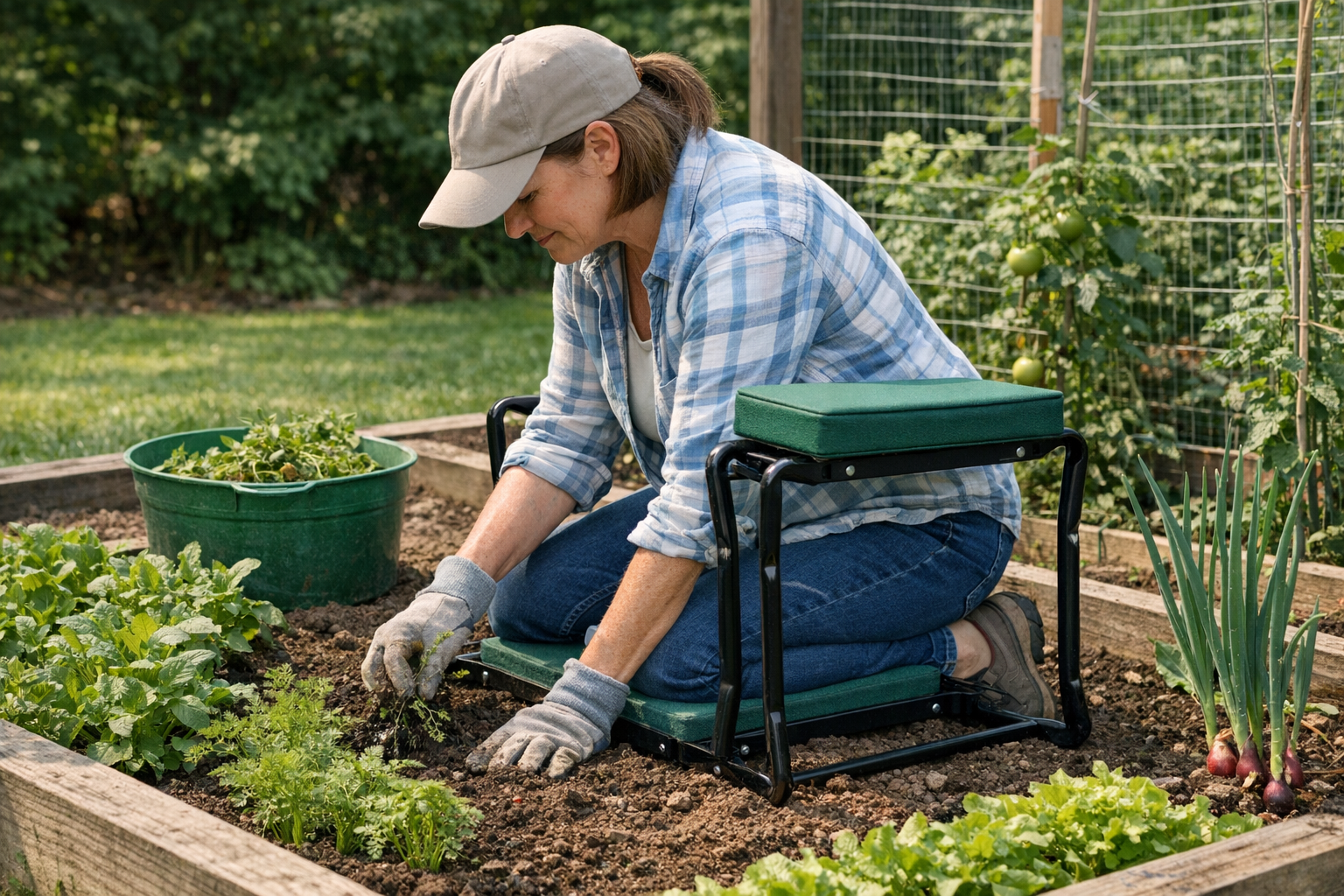
Best Garden Kneelers and Seats (2026 Tested)
Gardening shouldn't wreck your knees and back. We tested kneelers, foldable seats, and rolling carts to find the picks worth the price.
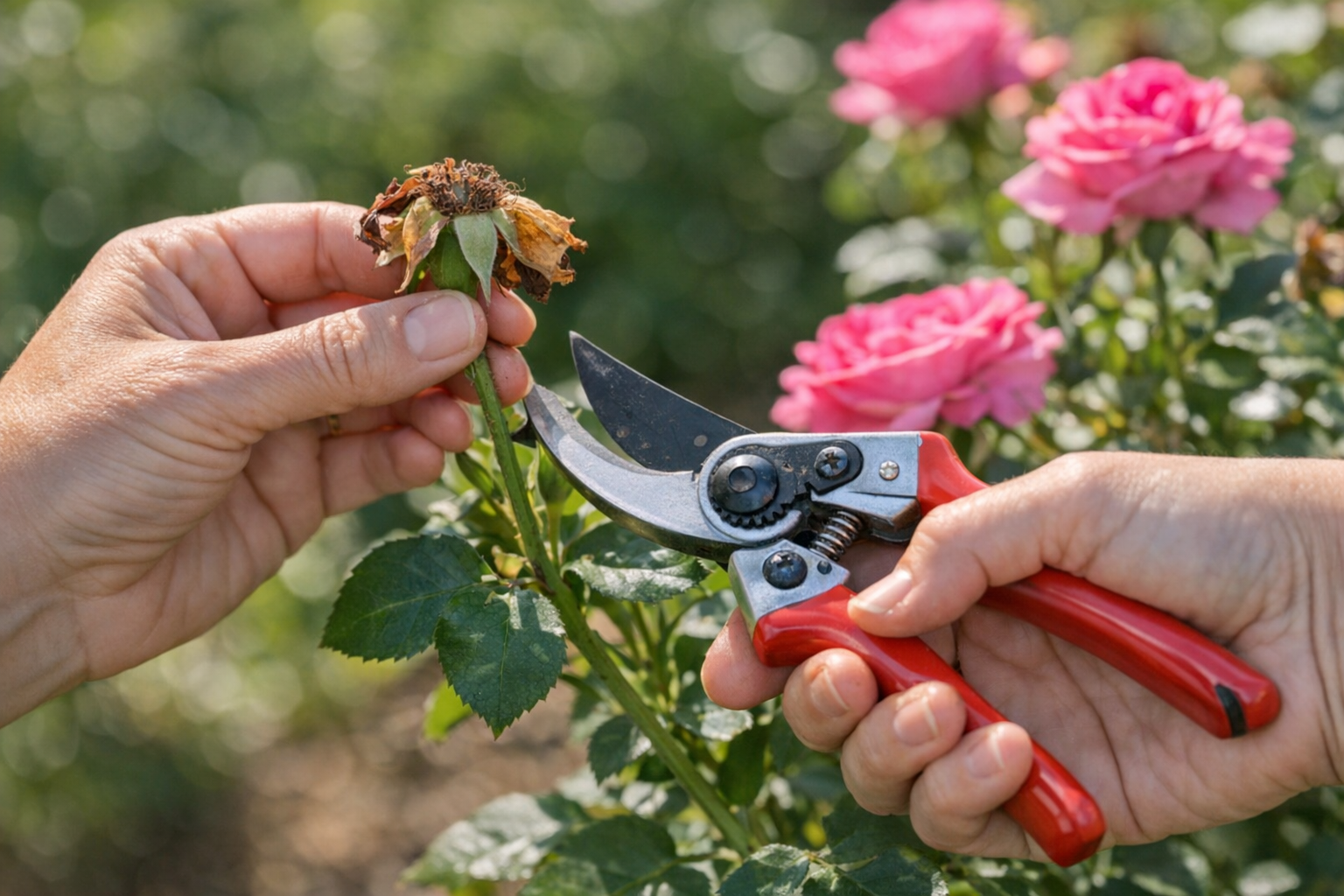
Best Pruning Shears for Gardeners (2026 Guide)
We tested bypass and anvil pruning shears across roses, fruit trees, perennials, and tomato vines. Here are the picks worth your money — and the one to avoid.
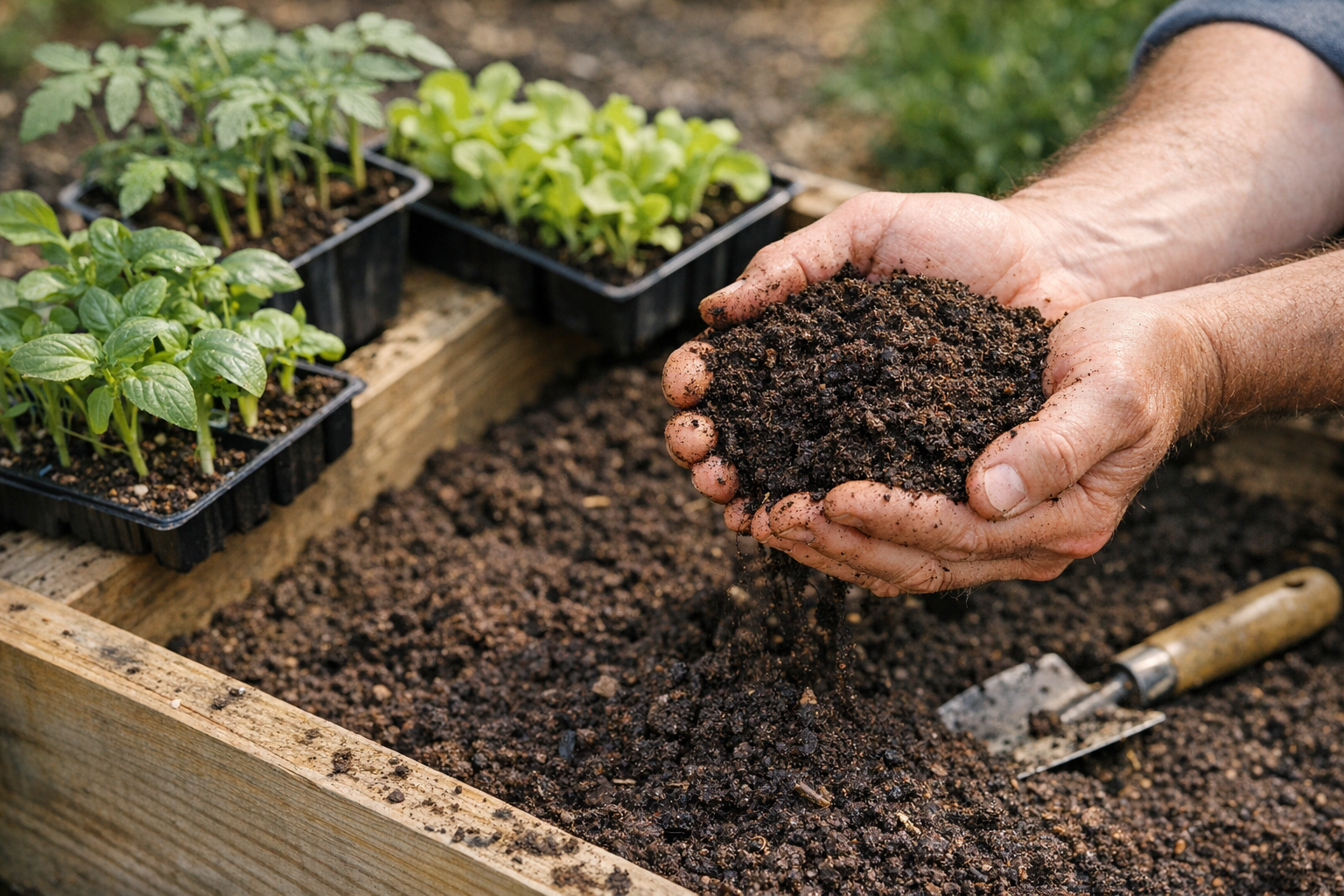
Best Raised Bed Soil Mixes (2026 Buyer's Guide)
Bagged soil for raised beds is a minefield. We tested the top brands for vegetable yield, drainage, and value to find the soil mixes that actually grow food.
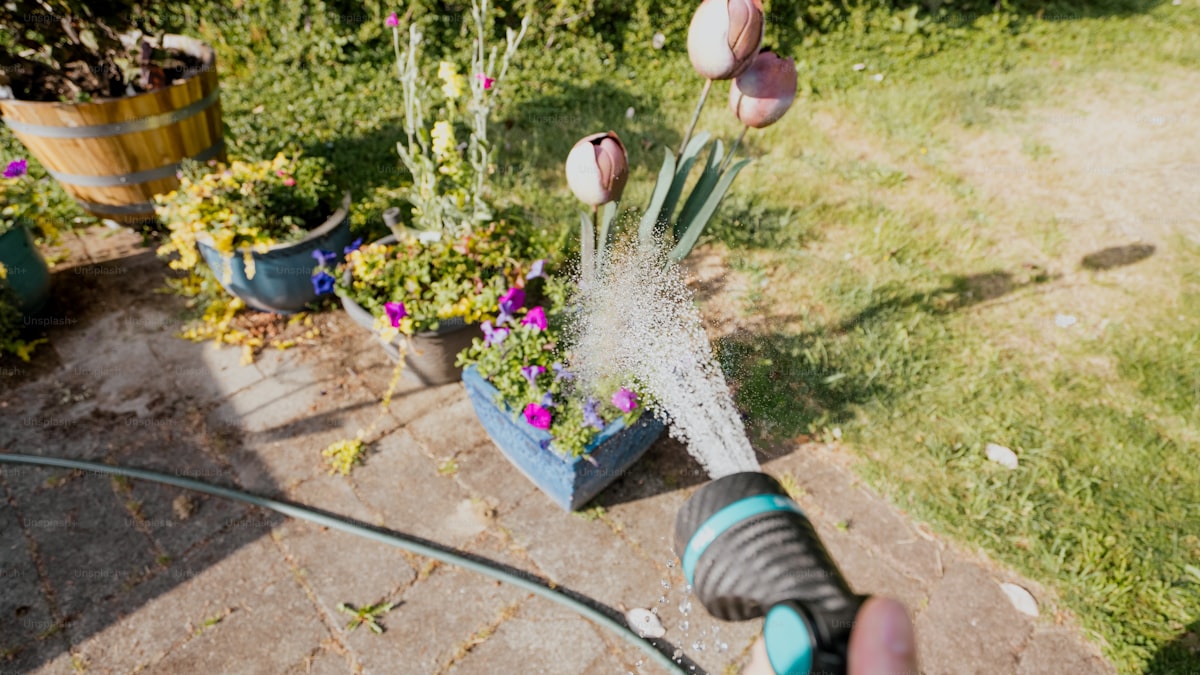
5 Best Garden Hose Nozzles and Sprayers (2026)
Find the perfect garden hose nozzle for watering plants, washing cars, and cleaning patios. We compared the top sprayers — here are the 5 best for every job.
Best Raised Garden Bed Kits You Can Order Online (2026)
The best raised garden bed kits for beginners and experienced gardeners. We compare wood, metal, and composite options with honest reviews and setup tips.
Related Articles
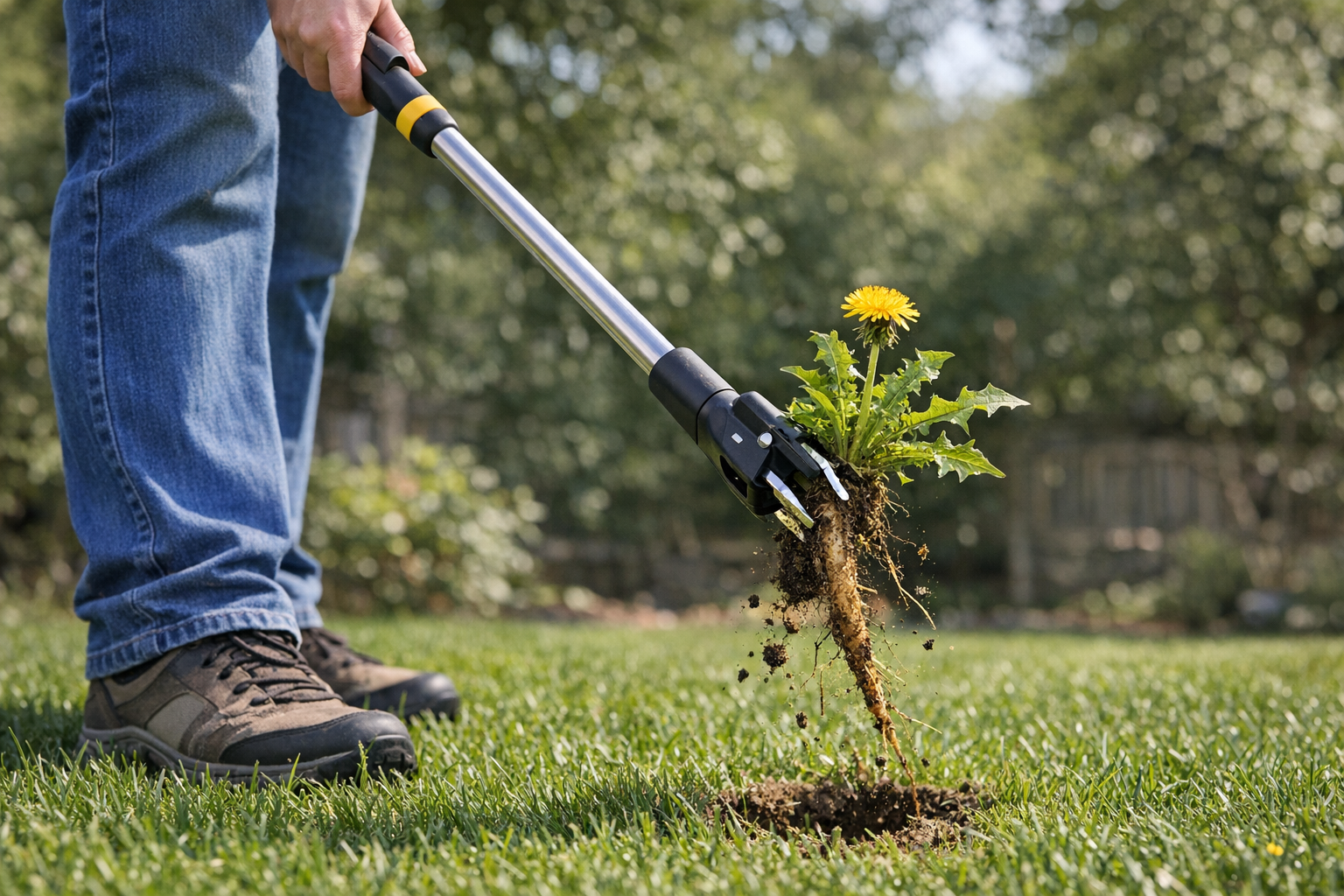
How to Get Rid of Dandelions Naturally (Without Killing the Lawn)
Dandelions are stubborn but beatable without chemical herbicides. Here's the 3-pronged natural approach that works long-term — and the tools that make it easy.
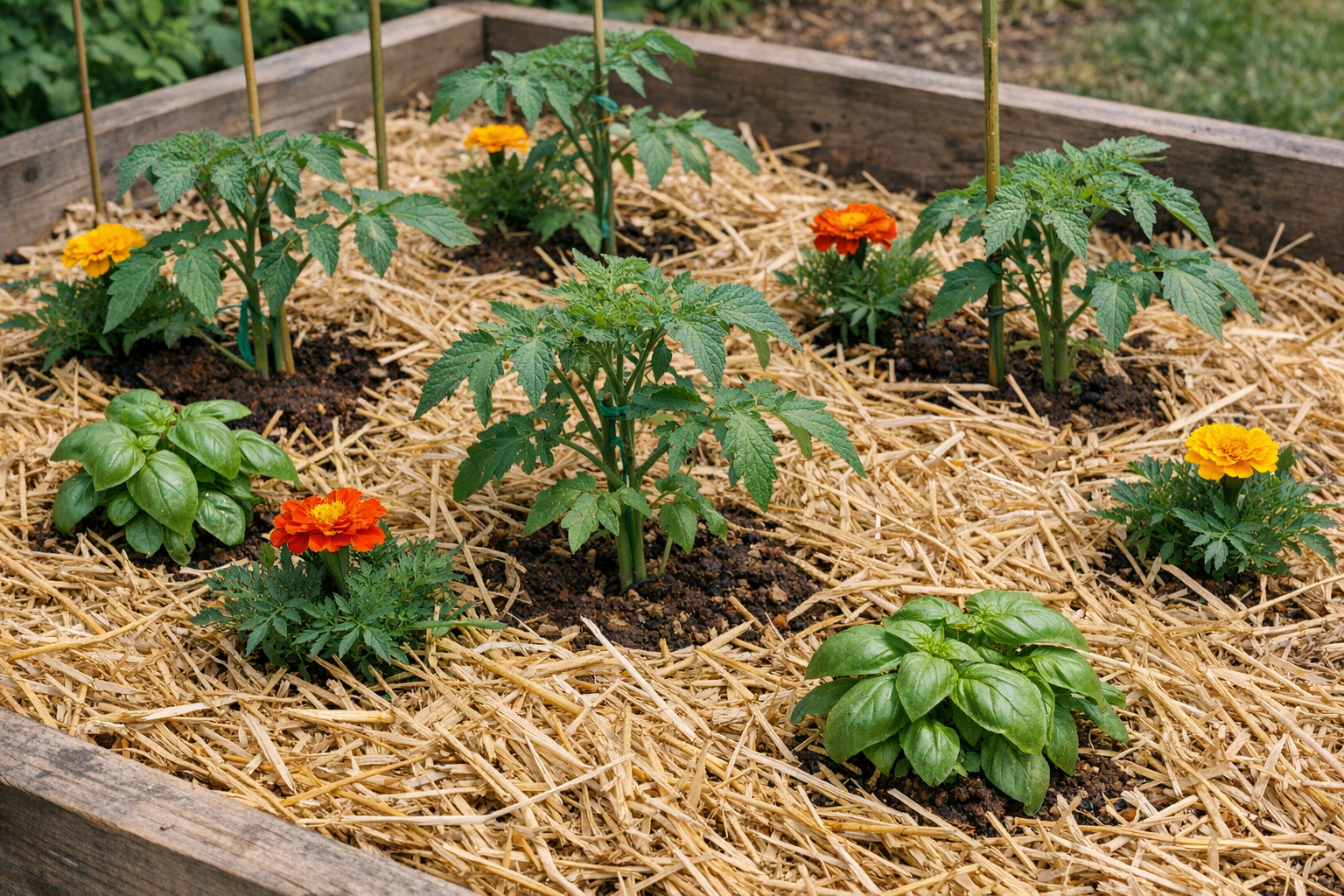
When to Plant Warm-Weather Annuals (And Which Are Easiest)
Tomato, pepper, basil, marigold — all are warm-weather plants that hate cold soil. Here's how to time the transplant for the longest possible harvest.
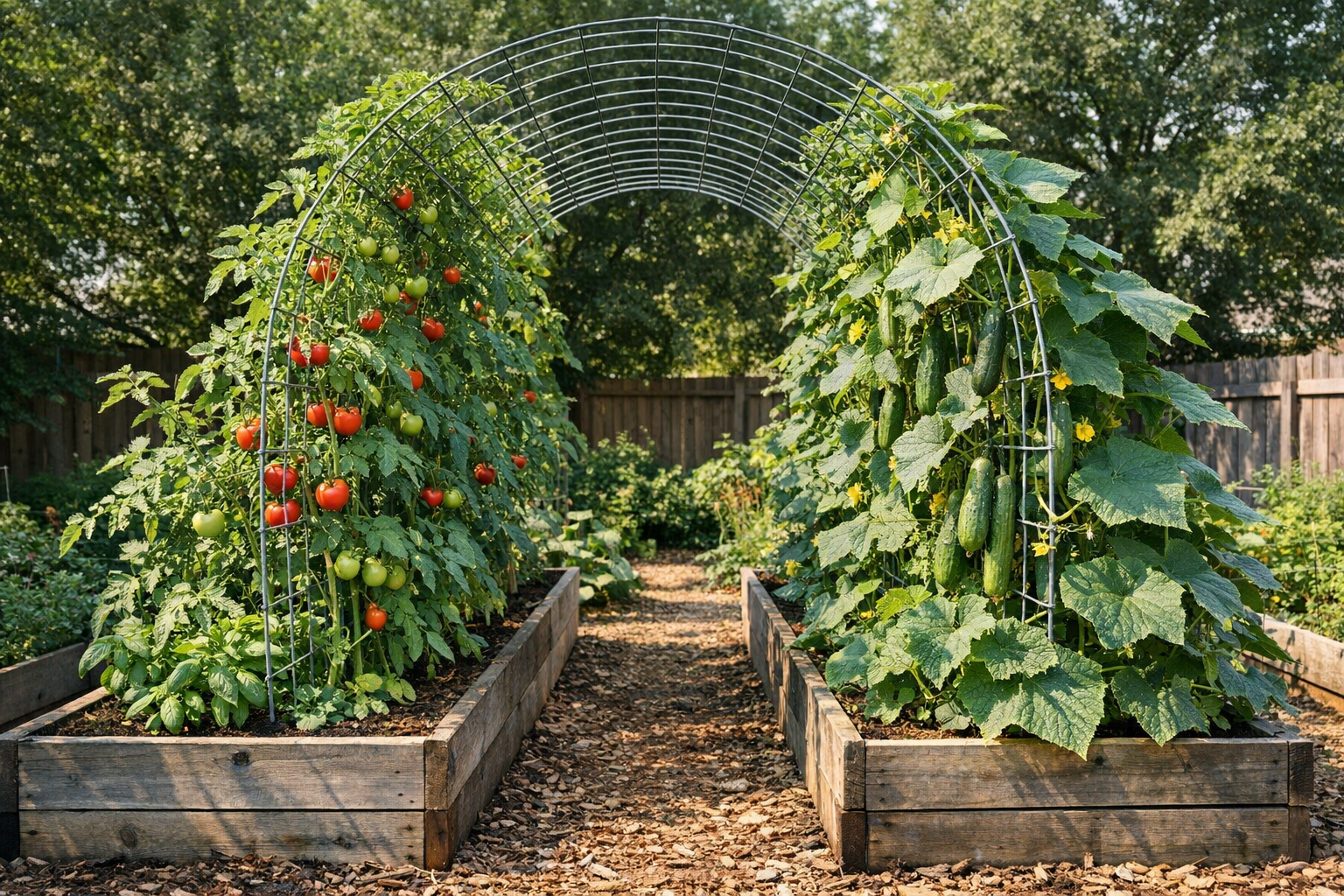
How to Build a DIY Garden Trellis for Climbing Vegetables
A sturdy trellis doubles your garden's yield per square foot. Here's how to build three easy styles using cheap materials in under an hour each.
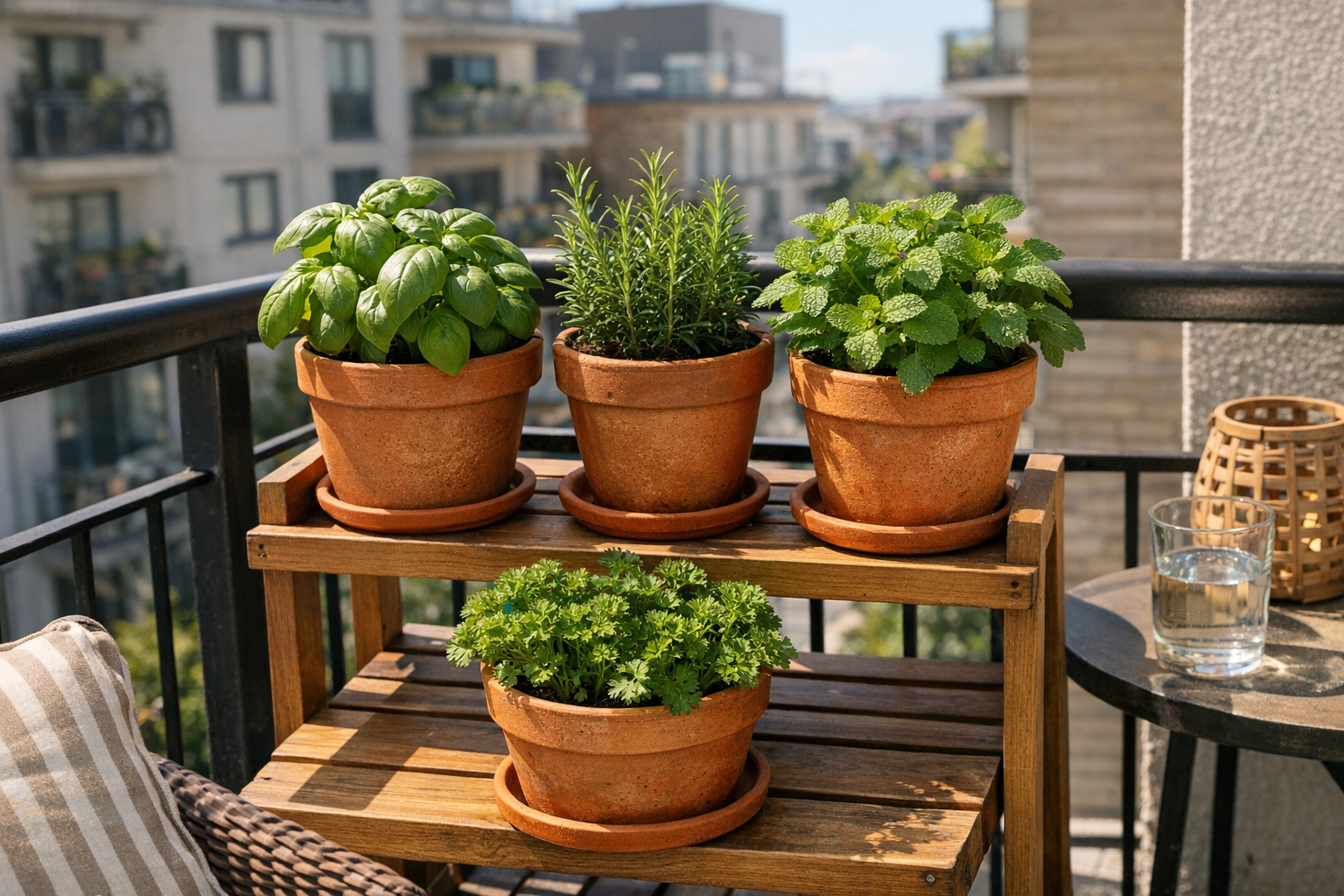
How to Start a Container Herb Garden on a Balcony
Fresh herbs all summer from a small apartment balcony or porch — even with limited sun. Picks for the easiest herbs, the right pots, and the soil that actually works.