10 Low-Maintenance Indoor Plants That Actually Purify Your Air
Last updated: March 8, 2026
This article may contain affiliate links. If you make a purchase through these links, we may earn a small commission at no extra cost to you. Learn more

If you've ever killed a houseplant, you're not alone. The good news is that you don't need a green thumb to enjoy the benefits of indoor greenery.
The right plants can actually improve your indoor air quality while requiring minimal effort. According to NASA's groundbreaking Clean Air Study, certain houseplants can remove up to 87% of air toxins in just 24 hours.
In this guide, you'll discover 10 nearly indestructible plants that purify your air and forgive your forgetful watering schedule. Let's turn your home into a healthier, greener space without the stress.
Why Indoor Plants Matter for Air Quality
Indoor air can be surprisingly polluted. Common household items like furniture, cleaning products, and paint release volatile organic compounds (VOCs) into your home.
These chemicals include formaldehyde, benzene, and trichloroethylene, which can cause headaches, dizziness, and respiratory issues. Plants naturally filter these toxins through their leaves and roots, releasing clean oxygen in return.
The NASA Clean Air Study, conducted in the 1980s, identified specific plants that excel at removing indoor pollutants. This research remains the gold standard for understanding how plants purify indoor air.
Beyond air quality, houseplants reduce stress, boost mood, and increase productivity. They're essentially living air purifiers that also happen to look beautiful.
What Makes a Plant "Low-Maintenance"?
Low-maintenance plants share several key characteristics. They tolerate irregular watering, adapt to various light conditions, and rarely suffer from pest problems.
These resilient plants evolved in harsh environments, making them perfect for busy or inexperienced plant owners. Most can survive weeks of neglect and bounce back quickly with minimal care. If you travel frequently, our guide on how to keep plants alive while on vacation covers self-watering techniques for longer absences.
The plants on this list were specifically chosen for their forgiving nature and proven air-purifying abilities. Even if you've never kept a plant alive, these varieties will give you the best chance of success.
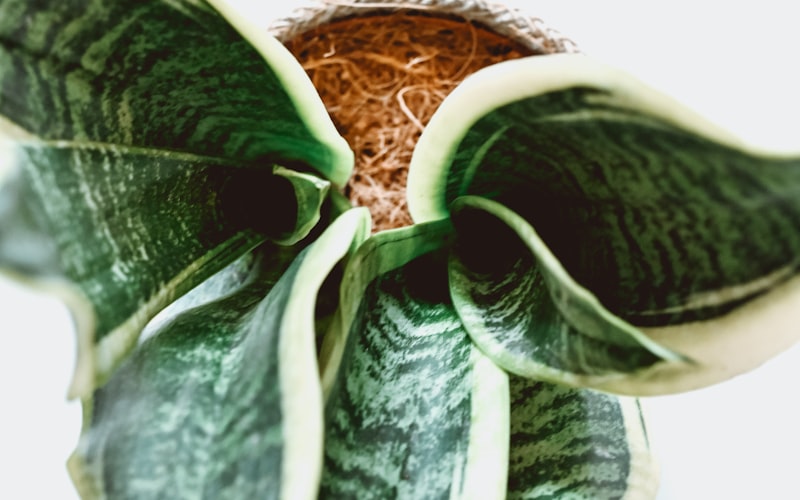
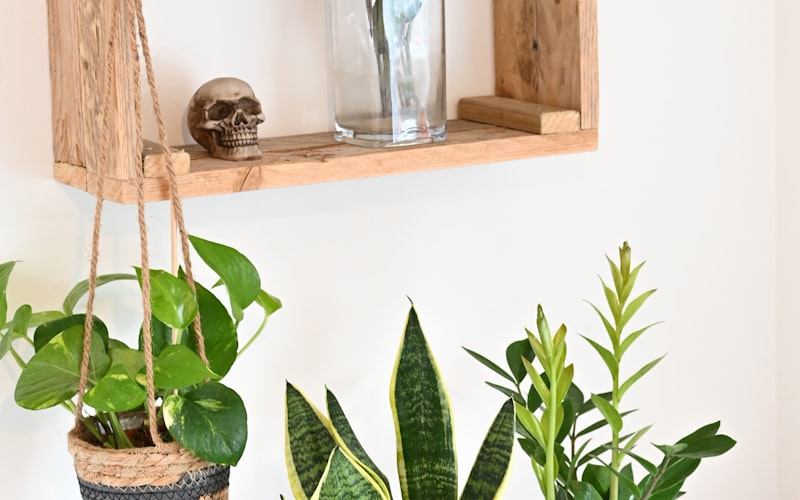
1. Snake Plant (Sansevieria trifasciata)
The snake plant is virtually indestructible and tops nearly every list of beginner-friendly houseplants. Its striking upright leaves add modern architectural interest to any room.
Care Difficulty: Extremely easy
Light Needs: Thrives in low to bright indirect light; tolerates almost any lighting condition
Watering Schedule: Every 2-4 weeks; allow soil to dry completely between waterings
Air-Purifying Ability: Removes formaldehyde, benzene, xylene, and toluene; uniquely releases oxygen at night
Pet Safety: Toxic to cats and dogs if ingested
Snake plants are unique because they perform CAM photosynthesis, meaning they release oxygen at night instead of during the day. This makes them ideal bedroom companions for better sleep quality.
They tolerate neglect better than attention, so resist the urge to overwater. The most common way to kill a snake plant is with too much water, not too little.
2. Pothos (Epipremnum aureum)
Pothos is often called "devil's ivy" because it's nearly impossible to kill and stays green even in darkness. Its trailing vines create beautiful cascading displays from shelves or hanging baskets.
Care Difficulty: Very easy
Light Needs: Low to bright indirect light; adapts to almost any condition
Watering Schedule: Every 1-2 weeks; water when top inch of soil feels dry
Air-Purifying Ability: Removes formaldehyde, benzene, and carbon monoxide
Pet Safety: Toxic to cats and dogs if ingested
Pothos grows rapidly and produces lush foliage with minimal effort. You can easily propagate new plants from cuttings, making it a gift that keeps on giving.
The variegated varieties (golden pothos, marble queen) need slightly more light to maintain their colorful patterns. However, even in low light, they'll continue to grow, though the leaves may turn more solid green.
3. Spider Plant (Chlorophytum comosum)
Spider plants earned their name from their spider-like baby plantlets that dangle from long stems. These cheerful plants have been NASA-approved air purifiers since the original Clean Air Study.
Care Difficulty: Very easy
Light Needs: Bright indirect light; tolerates some direct sun and lower light
Watering Schedule: Every 1-2 weeks; prefers evenly moist soil but tolerates drought
Air-Purifying Ability: Removes formaldehyde, xylene, and carbon monoxide
Pet Safety: Non-toxic to cats and dogs (though cats love to nibble the leaves)
Spider plants produce adorable baby "spiderettes" that you can leave attached or propagate into new plants. They're perfect for beginners who want to expand their plant collection without spending money.
These plants prefer slightly cooler temperatures and appreciate occasional misting. Brown leaf tips usually indicate chlorine in tap water; switch to filtered or distilled water to solve this issue.
4. Peace Lily (Spathiphyllum)
Peace lilies combine elegant white blooms with powerful air-purifying abilities. They're one of the few low-maintenance plants that flower indoors without special care.
Care Difficulty: Easy
Light Needs: Low to medium indirect light; avoid direct sunlight
Watering Schedule: Weekly; the plant will visibly droop when thirsty and perk up after watering
Air-Purifying Ability: Removes formaldehyde, benzene, trichloroethylene, ammonia, and mold spores
Pet Safety: Toxic to cats and dogs if ingested
Peace lilies literally tell you when they need water by drooping dramatically. Once watered, they bounce back within hours, making them perfect for visual learners.
They thrive in humid environments like bathrooms and can actually help reduce mold spores in the air. The beautiful white "flowers" are actually specialized leaf bracts called spathes.
5. Rubber Plant (Ficus elastica)
Rubber plants feature large, glossy leaves that make a bold statement in any room. They're surprisingly hardy despite their tropical appearance.
Care Difficulty: Easy to moderate
Light Needs: Bright indirect light; tolerates some direct morning sun
Watering Schedule: Every 1-2 weeks; allow top 2 inches of soil to dry between waterings
Air-Purifying Ability: Removes formaldehyde and other airborne toxins
Pet Safety: Toxic to cats and dogs if ingested
Rubber plants can grow quite tall, making them excellent floor plants for empty corners. Regular leaf wiping keeps them looking shiny and helps them photosynthesize more efficiently.
They prefer consistent conditions and may drop leaves if moved frequently or exposed to drafts. Once established in a spot, they're remarkably low-maintenance and forgiving.
6. ZZ Plant (Zamioculcas zamiifolia)
The ZZ plant is the ultimate set-it-and-forget-it houseplant. Its waxy, deep green leaves look almost artificial, earning it a reputation as a modern, minimalist favorite.
Care Difficulty: Extremely easy
Light Needs: Low to bright indirect light; one of the best for low-light conditions
Watering Schedule: Every 2-4 weeks; highly drought-tolerant
Air-Purifying Ability: Removes xylene, toluene, and benzene
Pet Safety: Toxic to cats and dogs if ingested
ZZ plants grow from rhizomes that store water, allowing them to survive extended periods without watering. Overwatering is the only real threat to this nearly indestructible plant.
They grow slowly but steadily, eventually reaching 2-3 feet tall. The glossy leaves naturally repel dust and always look polished and professional.
7. Aloe Vera
Aloe vera is both a decorative plant and a natural first-aid kit. The gel inside its thick leaves soothes burns, cuts, and skin irritations.
Care Difficulty: Easy
Light Needs: Bright indirect to direct light; needs more light than most houseplants
Watering Schedule: Every 2-3 weeks; very drought-tolerant succulent
Air-Purifying Ability: Removes formaldehyde and benzene
Pet Safety: Toxic to cats and dogs if ingested
Aloe vera thrives on neglect and actually prefers to dry out completely between waterings. It's a succulent, so treat it like a desert plant rather than a tropical one.
Place it in a bright windowsill where it will receive several hours of indirect sunlight daily. The plant will produce baby "pups" that you can separate and propagate into new plants.
8. Boston Fern (Nephrolepis exaltata)
Boston ferns bring lush, feathery texture to indoor spaces and excel at adding humidity to dry air. They're particularly effective at removing formaldehyde from the air.
Care Difficulty: Moderate (needs more humidity than other plants on this list)
Light Needs: Bright indirect light; avoid direct sun
Watering Schedule: Keep soil consistently moist; water 2-3 times per week
Air-Purifying Ability: Removes formaldehyde, xylene, and toluene; acts as a natural humidifier
Pet Safety: Non-toxic to cats and dogs
Boston ferns require more attention than other plants on this list, primarily regarding moisture. They thrive in humid environments and are perfect for bathrooms with natural light.
Mist the leaves regularly or place the pot on a pebble tray filled with water to increase humidity. If you live in a naturally humid climate, they'll be much easier to care for.
These ferns are particularly useful if you're dealing with dry indoor air. Check out our guide on how to get rid of musty smell in your house for more tips on improving indoor air quality.
9. Bamboo Palm (Chamaedorea seifrizii)
Bamboo palms add tropical elegance while working overtime to clean your air. They're among the top-rated plants for removing indoor air pollutants.
Care Difficulty: Easy to moderate
Light Needs: Bright indirect light; tolerates lower light conditions
Watering Schedule: Keep soil lightly moist; water when top inch of soil is dry
Air-Purifying Ability: Removes formaldehyde, benzene, trichloroethylene, and carbon monoxide
Pet Safety: Non-toxic to cats and dogs
Bamboo palms can grow quite large indoors, reaching 4-6 feet tall, making them excellent statement plants. They also act as natural humidifiers, releasing moisture into the air.
These palms prefer consistent moisture but not soggy soil. They're more forgiving of underwatering than overwatering, so when in doubt, wait another day.
10. Chinese Evergreen (Aglaonema)
Chinese evergreens offer stunning leaf patterns in shades of green, silver, pink, and red. They're incredibly adaptable and thrive in conditions that would stress most plants.
Care Difficulty: Very easy
Light Needs: Low to medium indirect light; avoid direct sun
Watering Schedule: Every 1-2 weeks; allow soil to dry between waterings
Air-Purifying Ability: Removes benzene and formaldehyde
Pet Safety: Toxic to cats and dogs if ingested
Chinese evergreens are perfect for offices and rooms without much natural light. The more colorful varieties need slightly more light to maintain their vibrant patterns.
They're slow growers, which means less pruning and repotting. These plants are exceptionally tolerant of neglect and irregular watering schedules.
The Science Behind Plant Air Purification
NASA's Clean Air Study revolutionized our understanding of how plants clean indoor air. Researchers discovered that plants absorb harmful gases through their leaves and transport them to their roots, where microbes break them down.
The process happens continuously, with plants acting as living air filters. Different plants excel at removing different toxins, which is why having a variety of plants provides the best air quality benefits.
For maximum air purification, NASA recommends one plant per 100 square feet of living space. However, even a few well-placed plants will noticeably improve your indoor air quality.
Plants also release water vapor through transpiration, naturally humidifying your indoor air. This can be especially beneficial during dry winter months or in climate-controlled environments.
Caring for Your Low-Maintenance Plants
Even low-maintenance plants need basic care to thrive. The most common mistake is overwatering, which causes root rot and kills more houseplants than any other problem.
Invest in a simple moisture meter if you're unsure when to water. Alternatively, stick your finger 1-2 inches into the soil; if it feels dry, it's time to water.
Use pots with drainage holes to prevent water from accumulating at the bottom. If you love decorative pots without drainage, use them as cache pots with a nursery pot inside.
Dust your plant leaves monthly with a damp cloth to keep them photosynthesizing efficiently. Clean leaves also look better and are less prone to pest problems.
Creating the Perfect Indoor Garden
Start small with 2-3 plants that match your lifestyle and home environment. Assess each room's lighting conditions before choosing plants.
Group plants with similar care requirements together to simplify your routine. This strategy also creates attractive plant displays and increases humidity around the plants.
Consider plant placement carefully. Bathrooms are ideal for humidity-loving plants like Boston ferns, while snake plants and ZZ plants thrive in low-light bedrooms.
Rotate your plants occasionally to ensure even growth on all sides. This prevents them from leaning toward the light source.
If you're interested in growing more than just decorative plants, check out our guide on how to start a herb garden on your kitchen windowsill for edible indoor greenery.
Common Problems and Solutions
Yellow leaves usually indicate overwatering. Allow the soil to dry out more between waterings and ensure proper drainage.
Brown, crispy leaf tips suggest underwatering, low humidity, or chlorine in tap water. Increase watering frequency slightly or switch to filtered water.
Leggy, stretched growth means your plant needs more light. Move it closer to a window or add a grow light.
Pest problems are rare with these hardy plants but can occur. Isolate affected plants immediately and treat with insecticidal soap or neem oil.
Beyond Air Purification: Additional Benefits
Indoor plants reduce stress and anxiety according to numerous studies. The act of caring for living things provides a sense of purpose and accomplishment.
Plants improve concentration and productivity, making them valuable additions to home offices. They also reduce noise levels by absorbing sound waves.
Growing plants connects you to nature even in urban environments. This biophilic connection improves mental health and overall wellbeing.
Creating a greener home doesn't have to be expensive or time-consuming. Many of these plants propagate easily, allowing you to expand your collection for free.
Complementing Your Plant Care Routine
Maintaining a clean home environment helps your plants thrive and enhances their air-purifying benefits. Regular cleaning reduces dust on leaves and improves overall air quality.
If you have pets, you'll appreciate plants that help freshen your home. Combine your new green friends with practical tips from our guide on how to remove pet hair from furniture.
Organization also plays a role in successful plant care. Keep your plant supplies neat and accessible with ideas from our article on how to organize your pantry like a pro - the same principles apply to plant care shelves.
Getting Started Today
You don't need to transform your home into a jungle overnight. Start with one or two plants that appeal to you and match your available light conditions.
Choose plants with similar care requirements if you're buying multiple plants. This simplifies your routine and increases your success rate.
Visit local nurseries where staff can help you select healthy plants and provide care tips. Many garden centers also offer guarantees on their plants.
Remember that even experienced plant owners kill plants occasionally. Don't be discouraged by setbacks; each plant teaches you something new.
Frequently Asked Questions
How many air-purifying plants do I need to make a difference?
NASA recommends at least one plant per 100 square feet of living space for noticeable air quality improvement. However, even 2-3 well-placed plants in commonly used rooms will provide benefits. The more plants you have, the greater the air-purifying effect, but quality placement matters more than quantity.
Can low-maintenance plants survive in rooms with no windows?
Some plants like pothos, ZZ plants, and snake plants can tolerate very low light conditions, but no plant can survive in complete darkness. If your room has no natural light, consider adding a grow light to supplement. LED grow bulbs are energy-efficient and can fit into regular lamps.
How do I know if I'm overwatering or underwatering my plants?
Overwatering symptoms include yellow leaves, mushy stems, and a swampy smell from the soil. Underwatering causes brown, crispy leaves and dry, pulling-away-from-the-pot soil. When in doubt, check the soil moisture with your finger or a moisture meter before watering.
Are air-purifying plants safe for homes with pets and children?
Several plants on this list are non-toxic, including spider plants, Boston ferns, bamboo palms, and Chinese evergreens (though the latter may cause mild stomach upset). Always research plant toxicity and place potentially harmful plants out of reach of curious pets and children. Even non-toxic plants can cause stomach upset if eaten in large quantities.
Conclusion: Your Path to Cleaner Air and Greener Living
Creating a healthier home doesn't require complicated equipment or expensive air purifiers. These 10 low-maintenance plants offer natural air purification while adding life and beauty to your space.
Start small, choose plants that match your lifestyle, and don't overthink it. Plants are remarkably resilient, and these varieties are specifically chosen for their forgiving nature.
The benefits extend far beyond clean air. You'll reduce stress, boost your mood, and create a more inviting home environment. Plus, you might just discover a rewarding new hobby that grows along with your plants.
Your indoor garden journey begins with a single plant. Pick your favorite from this list and bring it home today - your lungs will thank you.
Get weekly home tips that actually work
Join thousands of homeowners getting practical cleaning hacks, DIY fixes, and money-saving tips every week. Free, and you can unsubscribe anytime.

Written by
Beth SullivanFounder & Editor-in-Chief
Beth Sullivan is the founder of Practical Home Guides. With over a decade of hands-on experience tackling every home challenge imaginable, she started this site to share the practical, no-nonsense solutions she wishes she had found years ago. When she's not testing cleaning hacks or organizing pantries, you'll find her in the garden or working on her next DIY project.
Recommended Products
Looking for specific product recommendations? Check out our tested picks.
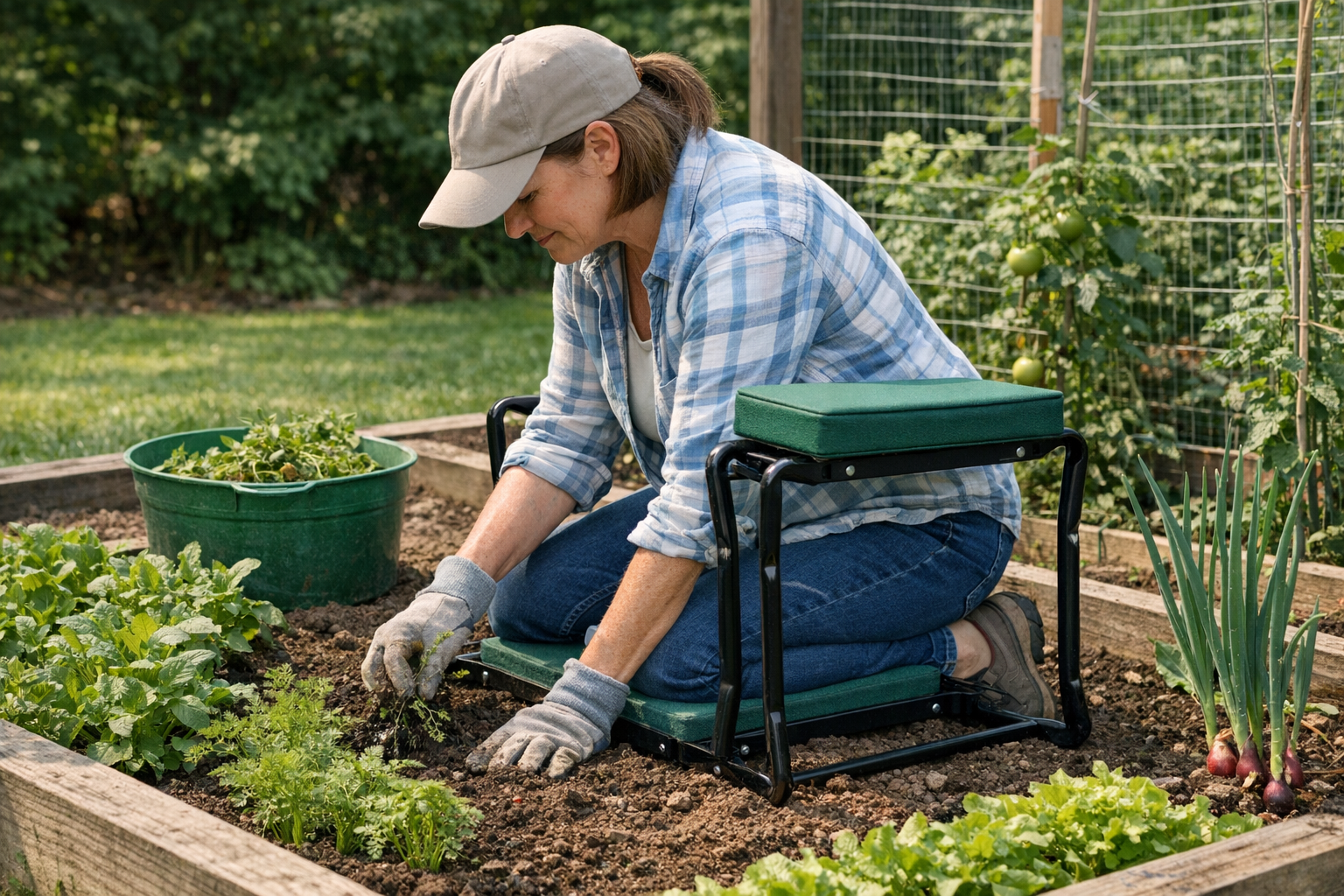
Best Garden Kneelers and Seats (2026 Tested)
Gardening shouldn't wreck your knees and back. We tested kneelers, foldable seats, and rolling carts to find the picks worth the price.
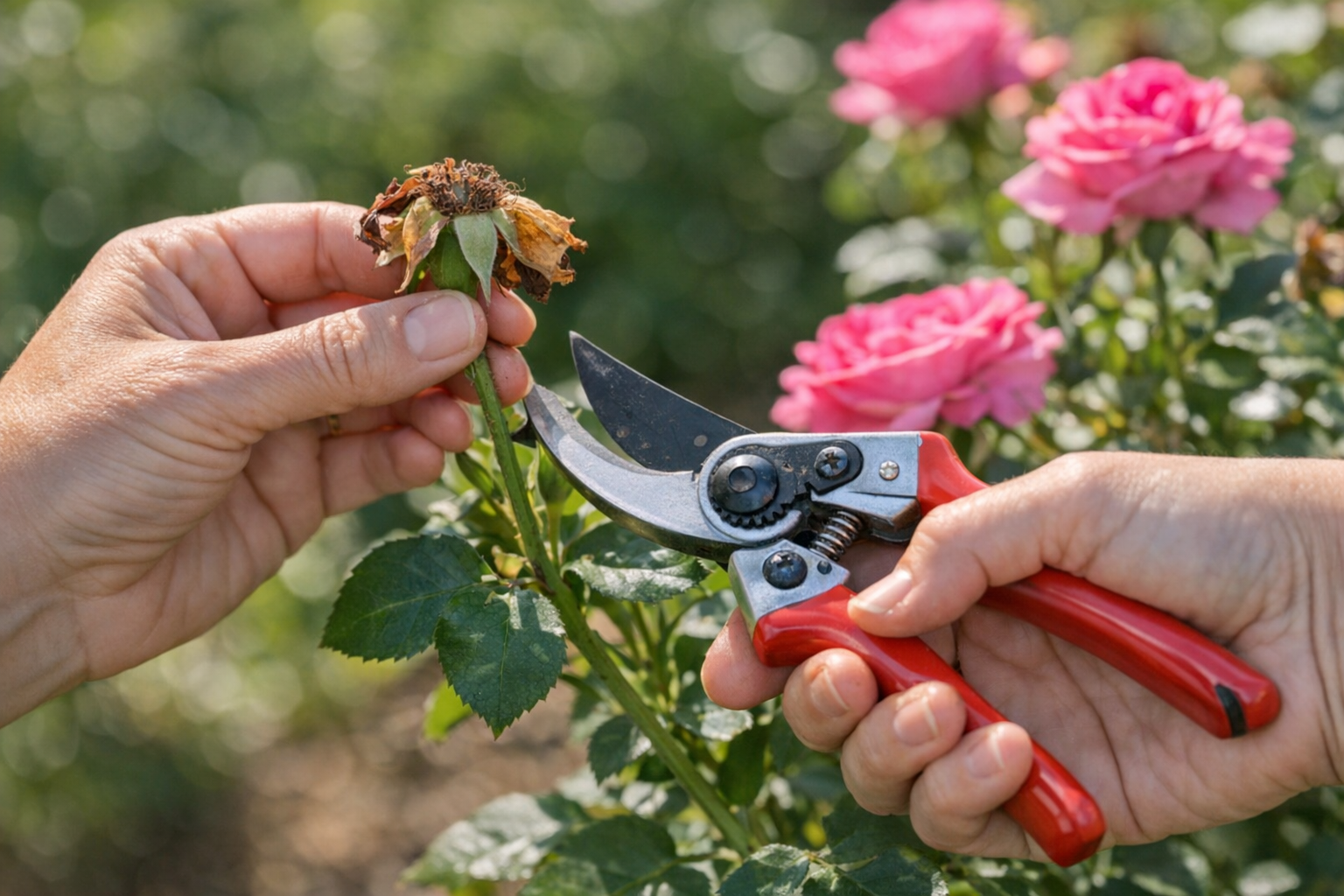
Best Pruning Shears for Gardeners (2026 Guide)
We tested bypass and anvil pruning shears across roses, fruit trees, perennials, and tomato vines. Here are the picks worth your money — and the one to avoid.
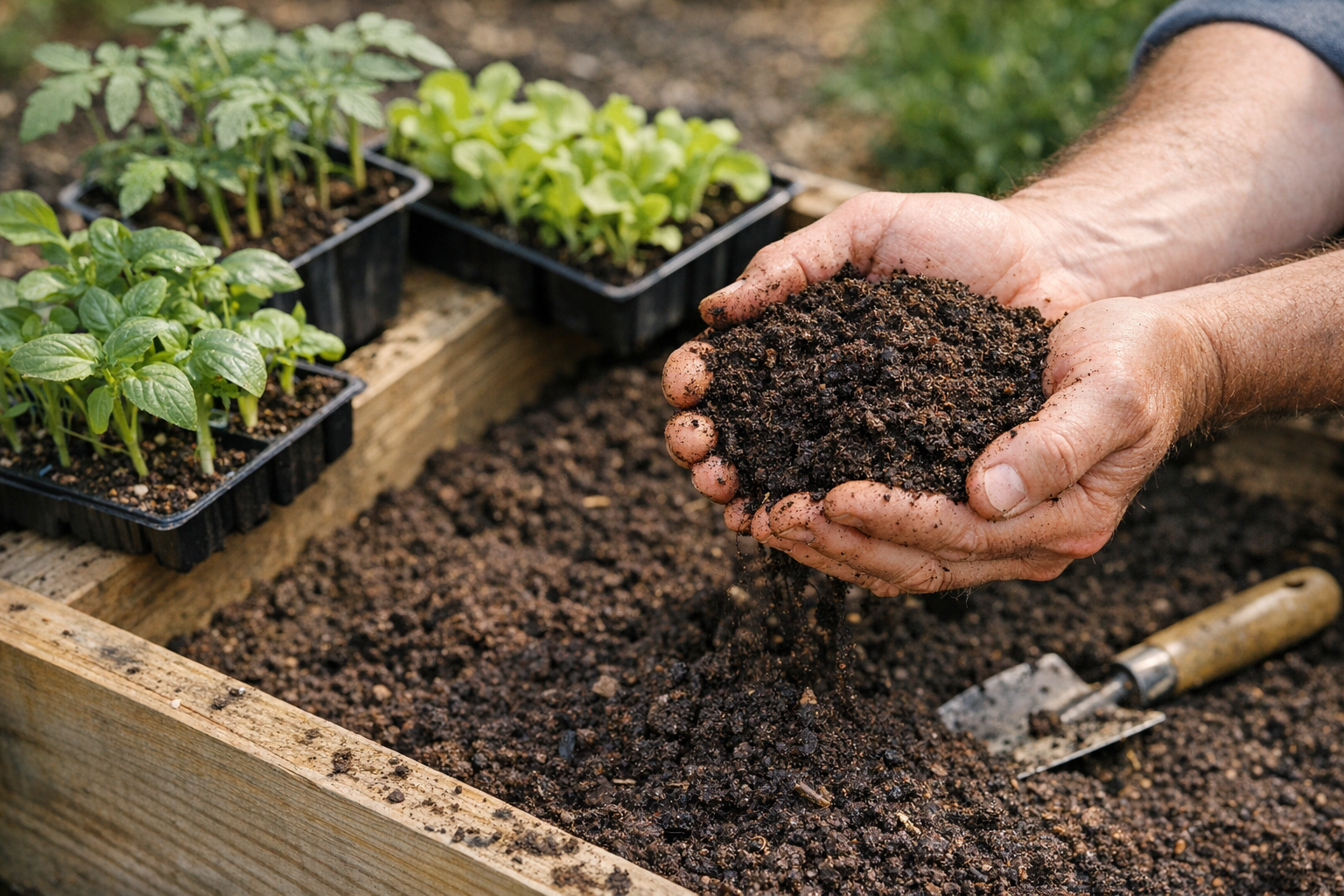
Best Raised Bed Soil Mixes (2026 Buyer's Guide)
Bagged soil for raised beds is a minefield. We tested the top brands for vegetable yield, drainage, and value to find the soil mixes that actually grow food.
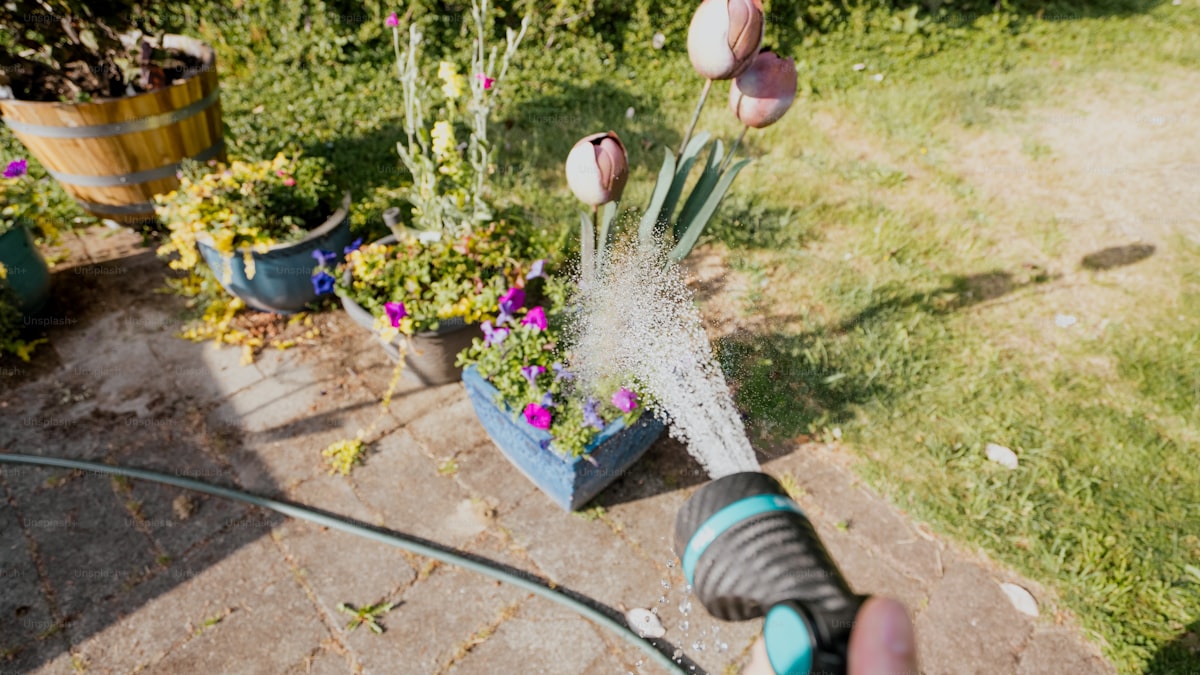
5 Best Garden Hose Nozzles and Sprayers (2026)
Find the perfect garden hose nozzle for watering plants, washing cars, and cleaning patios. We compared the top sprayers — here are the 5 best for every job.
Best Raised Garden Bed Kits You Can Order Online (2026)
The best raised garden bed kits for beginners and experienced gardeners. We compare wood, metal, and composite options with honest reviews and setup tips.
Related Articles
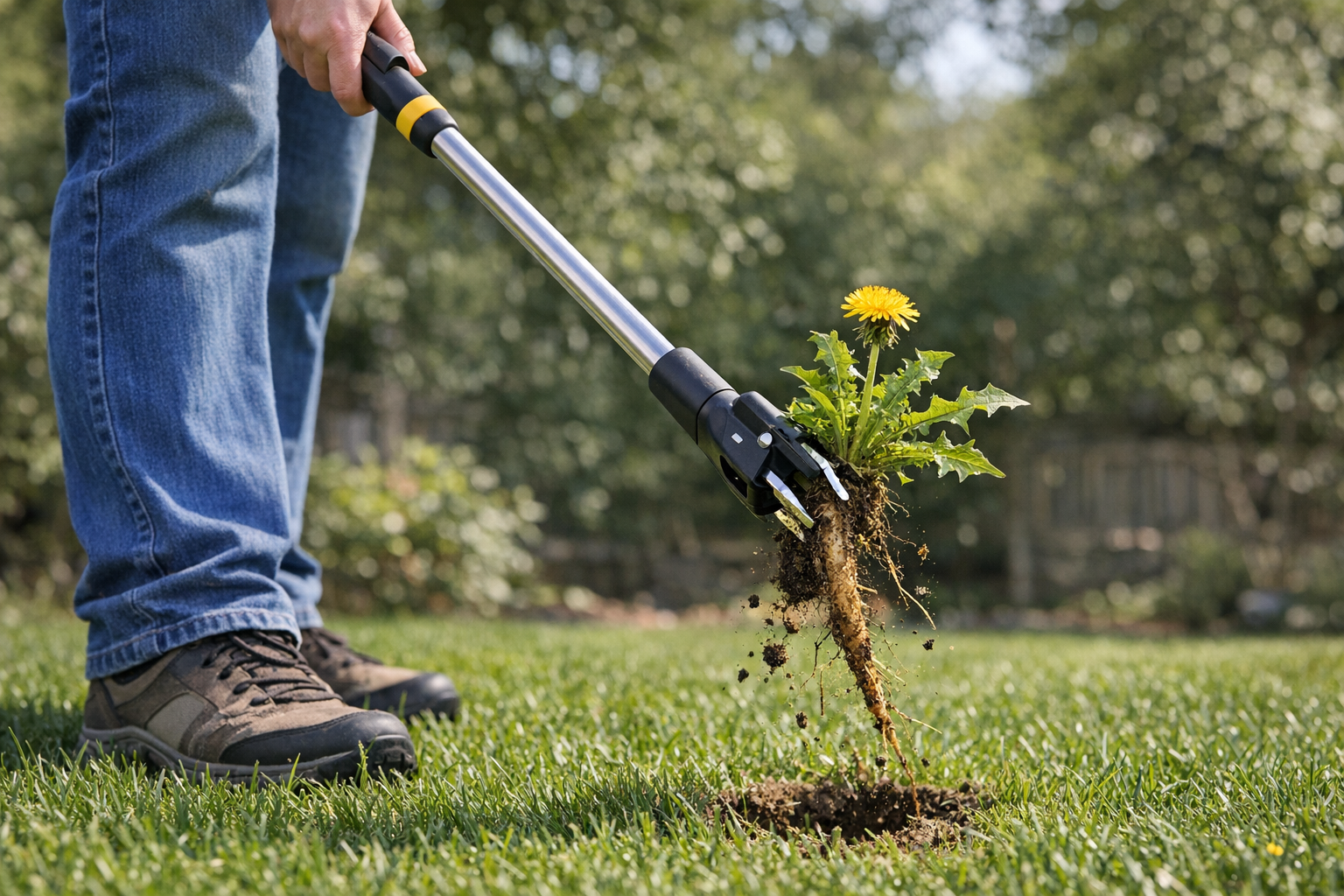
How to Get Rid of Dandelions Naturally (Without Killing the Lawn)
Dandelions are stubborn but beatable without chemical herbicides. Here's the 3-pronged natural approach that works long-term — and the tools that make it easy.
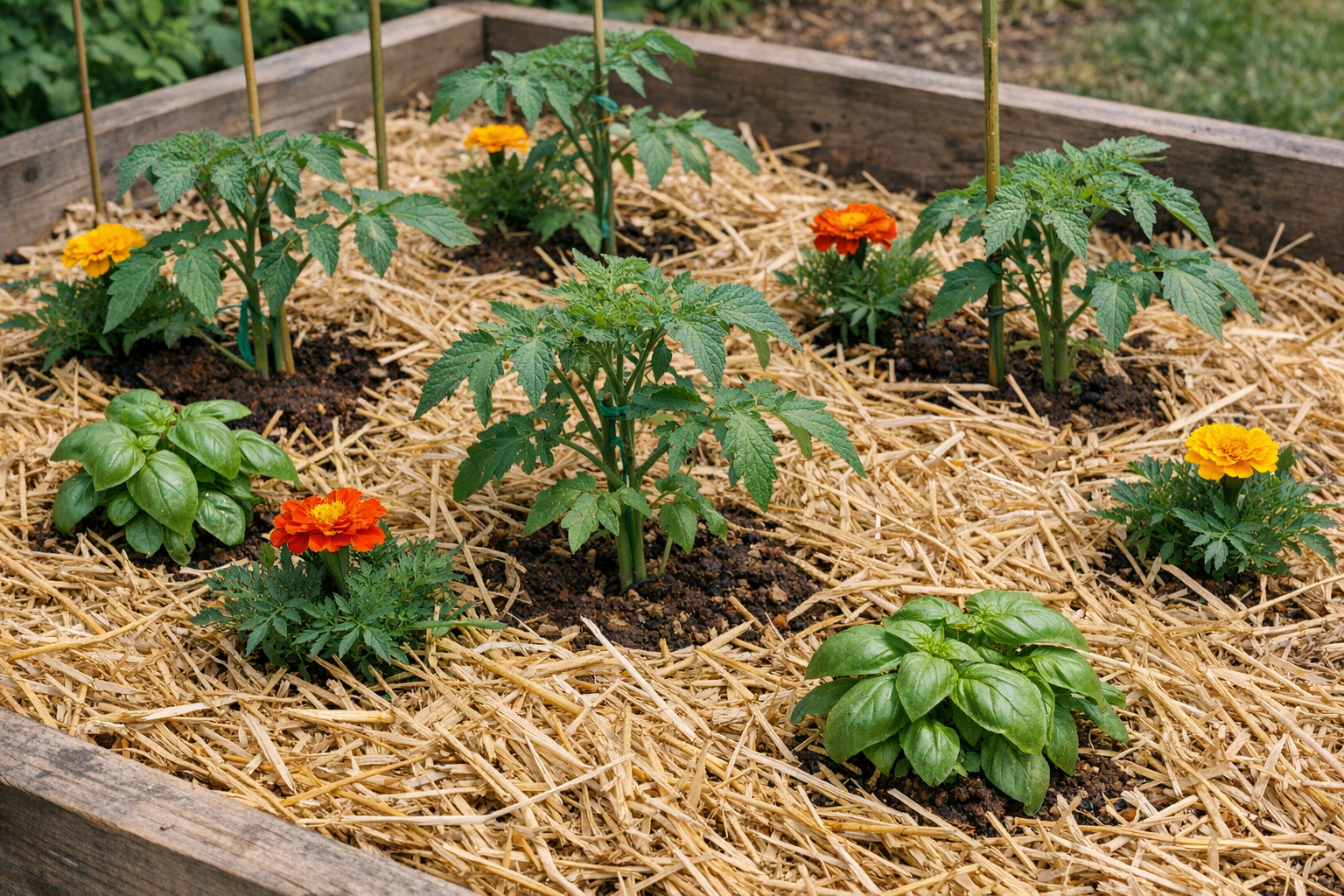
When to Plant Warm-Weather Annuals (And Which Are Easiest)
Tomato, pepper, basil, marigold — all are warm-weather plants that hate cold soil. Here's how to time the transplant for the longest possible harvest.
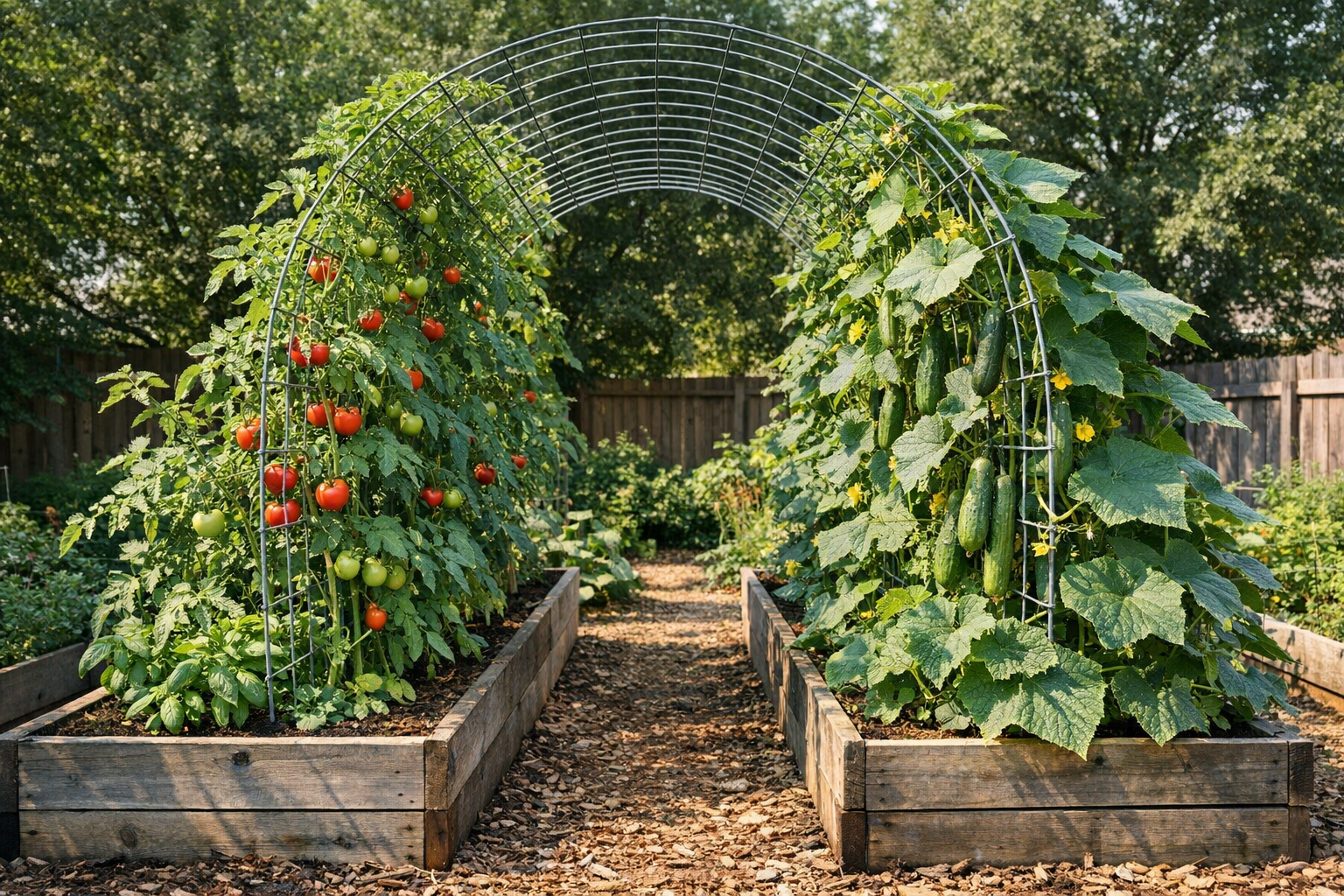
How to Build a DIY Garden Trellis for Climbing Vegetables
A sturdy trellis doubles your garden's yield per square foot. Here's how to build three easy styles using cheap materials in under an hour each.
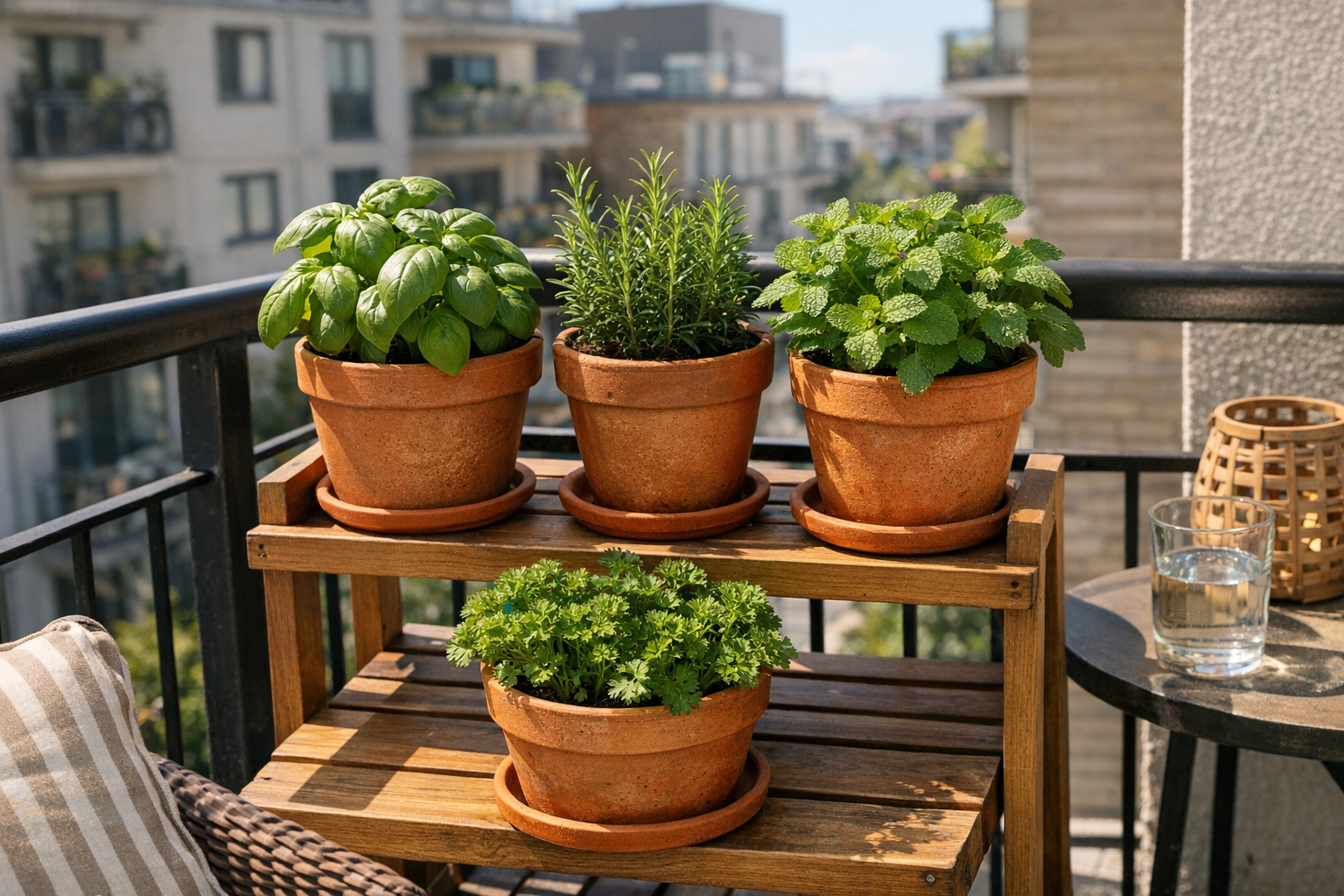
How to Start a Container Herb Garden on a Balcony
Fresh herbs all summer from a small apartment balcony or porch — even with limited sun. Picks for the easiest herbs, the right pots, and the soil that actually works.