10 Things You Should Never Put in Your Dishwasher
Last updated: February 17, 2026
This article may contain affiliate links. If you make a purchase through these links, we may earn a small commission at no extra cost to you. Learn more

Your dishwasher is one of the most convenient appliances in your kitchen, saving you countless hours of scrubbing and soaking. But just because something fits in the dishwasher doesn't mean it belongs there.
Tossing the wrong items into your dishwasher can lead to warped cookware, dulled knives, ruined finishes, and even damage to the dishwasher itself. Some materials simply aren't designed to withstand the high heat, harsh detergents, and powerful water jets that make dishwashers so effective.
In this guide, we'll walk through 10 common kitchen items that should never see the inside of your dishwasher, explain exactly why they don't play well with automated cleaning, and show you the proper way to care for each one.
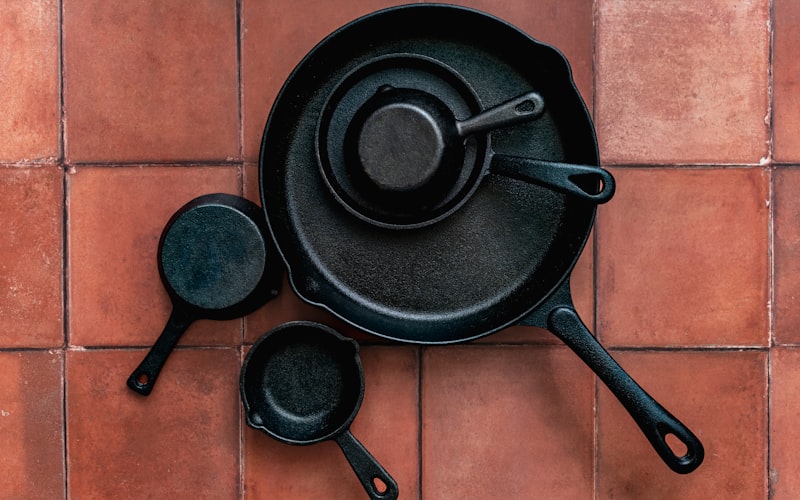
1. Cast Iron Skillets and Cookware
Cast iron is the workhorse of many kitchens, beloved for its heat retention and naturally nonstick surface when properly seasoned. But putting cast iron in the dishwasher is one of the fastest ways to destroy all that careful seasoning you've built up over time.
The combination of harsh detergents and prolonged exposure to water strips away the protective oil layer that makes cast iron nonstick. This leaves the bare iron exposed to moisture, which can cause rust to form in a matter of hours. Even a single dishwasher cycle can undo months or years of seasoning work.
What to do instead: Wash cast iron with hot water and a stiff brush or non-abrasive scrubber immediately after use. For stubborn stuck-on food, add coarse salt as a gentle abrasive. Dry thoroughly with a towel, then place on a warm burner for a few minutes to evaporate any remaining moisture. Finally, rub a thin layer of cooking oil over the entire surface to maintain the seasoning. If you need to restore a damaged cast iron pan, check out our guide on how to season a cast iron skillet.
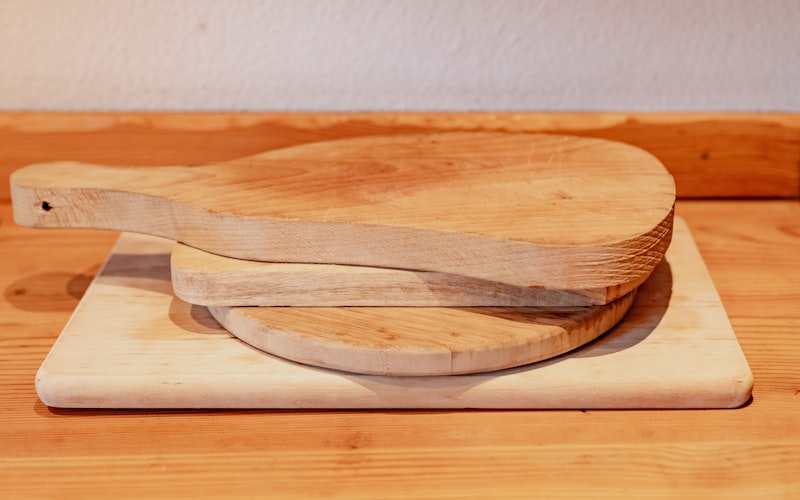
2. Wooden Cutting Boards and Utensils
Wood and dishwashers are natural enemies. Wood is porous and absorbent, which means it soaks up water like a sponge during the lengthy wash cycles. This excessive moisture causes the wood fibers to swell, then contract as they dry, leading to warping, cracking, and splitting.
The high heat in dishwashers accelerates this damage, often causing wood to crack in a single cycle. Additionally, the prolonged exposure to water can break down the glue in laminated cutting boards, causing them to separate at the seams. Once damaged, wooden items become breeding grounds for bacteria in those cracks and crevices.
What to do instead: Hand wash wooden items with warm soapy water immediately after use, then dry thoroughly with a clean towel. Stand cutting boards upright to air dry completely on all sides. Once a month, condition wood with food-grade mineral oil or beeswax to prevent drying and cracking. Never let wooden items soak in water for extended periods. For more tips on caring for wood in the kitchen, our article on removing water stains from wood furniture covers helpful restoration techniques.
3. Sharp Kitchen Knives
Your expensive chef's knives have no business in the dishwasher, and it's not just about the blades. The high-pressure water jets can slam knives around, causing the blade to bang against the rack and other dishes, which dulls the edge and can even chip it.
Dishwasher detergents are highly alkaline and abrasive, which can pit and corrode the blade over time, especially on high-carbon steel knives. The handles are vulnerable too, whether they're wood (which can crack), plastic (which can warp), or have rivets (which can loosen). Even stainless steel knives will eventually show signs of wear from repeated dishwasher exposure.
What to do instead: Hand wash knives immediately after use with warm soapy water and a soft sponge, being careful to wipe away from the blade edge. Dry immediately and completely to prevent water spots and corrosion. Store knives in a knife block, on a magnetic strip, or with blade guards rather than loose in a drawer. Have your knives professionally sharpened once or twice a year to maintain optimal performance. If you want to extend the time between professional sharpenings, learn how to sharpen kitchen knives at home using basic tools.
4. Crystal and Fine Glassware
That beautiful crystal stemware you received as a wedding gift or inherited from your grandmother should never go anywhere near your dishwasher. Crystal contains lead oxide, which gives it that signature sparkle and weight, but the harsh environment inside a dishwasher can cause irreversible clouding and etching.
The high heat can also cause fine crystal to crack or shatter, especially if there are any existing hairline fractures. Delicate stems are particularly vulnerable to breaking when hit by powerful water jets or knocked against other items in the rack. Even "dishwasher-safe" fine glassware can develop a cloudy film over time from mineral deposits and detergent residue.
What to do instead: Wash crystal and fine glassware by hand in warm (not hot) water with a mild dish soap. Use a soft cloth or sponge and avoid abrasive scrubbers. Rinse thoroughly with clean water to remove all soap residue. Dry immediately with a lint-free towel to prevent water spots, or use a microfiber cloth for extra shine. Store stemware hanging or spaced apart to prevent chips.
5. Nonstick Pots and Pans
The nonstick coating on your pans is more delicate than you might think. While some manufacturers claim their nonstick cookware is dishwasher-safe, the reality is that repeated exposure to harsh detergents and high heat will gradually degrade that coating.
The abrasive nature of dishwasher detergent can scratch and wear away the nonstick surface, causing it to become less effective over time. Once the coating is compromised, food starts to stick, and the pan's nonstick properties are lost forever. Additionally, damaged nonstick coatings can flake off into your food, which is definitely not appetizing.
What to do instead: Allow nonstick pans to cool completely before washing. Hand wash with warm soapy water and a soft sponge or cloth, avoiding abrasive scrubbers and steel wool. For stubborn residue, soak in warm soapy water for 15-20 minutes before washing. Dry thoroughly before storing. Use wooden, silicone, or plastic utensils when cooking to avoid scratching the surface. Replace nonstick cookware when the coating shows visible signs of wear or damage.
6. Copper Cookware and Mugs
Copper is prized for its excellent heat conductivity and beautiful appearance, but dishwashers are its nemesis. The harsh detergents used in dishwashers can cause copper to discolor, turning it dark or even black. This tarnishing happens quickly and can be difficult or impossible to reverse.
Many copper items have a protective lacquer coating that gives them their shiny appearance. Dishwasher detergents can strip away this coating, leaving the copper vulnerable to oxidation and tarnishing. Even uncoated copper will lose its luster and develop an unattractive patina much faster with dishwasher exposure.
What to do instead: Hand wash copper items with mild dish soap and warm water using a soft cloth. For regular maintenance, dry immediately and buff with a clean cloth to maintain shine. When copper does tarnish (which is natural), clean it with a paste made from equal parts salt, flour, and white vinegar, or use a commercial copper cleaner. Rinse thoroughly and dry completely. For decorative copper items, consider applying a thin coat of mineral oil to slow tarnishing.
7. Insulated Travel Mugs and Water Bottles
Insulated drinkware relies on a vacuum seal between two walls to maintain temperature. The high heat and pressure in dishwashers can compromise this seal, causing water to seep into the space between the walls. Once this happens, the insulation properties are ruined, and you'll often hear water sloshing around inside.
The rubber gaskets and seals that prevent leaks can also degrade, warp, or become brittle from dishwasher heat and detergents. Many travel mugs have painted or powder-coated exteriors that can fade, chip, or peel in the dishwasher. Even if the manufacturer claims the mug is dishwasher-safe, many users report reduced performance and shorter lifespans with dishwasher use.
What to do instead: Disassemble your travel mug or water bottle as much as possible, removing lids, gaskets, and straws. Hand wash all components in warm soapy water with a bottle brush to reach inside. Pay special attention to the lid and threads where mold and bacteria can hide. Rinse thoroughly and allow all parts to air dry completely before reassembling. For stubborn odors, fill with a mixture of warm water and baking soda and let soak overnight.
8. Hand-Painted or Gold-Trimmed Ceramics
Those beautiful hand-painted dishes, gold-rimmed tea cups, or decorative serving platters are meant to be admired, not subjected to the harsh environment of a dishwasher. The high heat and abrasive detergents can cause painted designs to fade, chip, or peel away entirely.
Gold, silver, and platinum trim are particularly vulnerable. These metallic decorations are often applied as thin layers over the glaze and can be worn away by dishwasher detergent, leaving you with unsightly bare spots. Even a few wash cycles can cause noticeable damage to delicate decorations. Vintage and antique ceramics are especially susceptible, as older paints and glazes may not be as durable as modern formulations.
What to do instead: Hand wash decorated ceramics in lukewarm water with a gentle dish soap. Use a soft cloth or sponge and avoid scrubbing directly on painted or metallic areas. Rinse with clean water and dry immediately with a soft towel. For valuable or heirloom pieces, consider using them only for special occasions and displaying them in between. Store carefully with padding between stacked pieces to prevent scratching.
9. Cheese Graters and Microplane Zesters
Cheese graters and zesters have sharp, precision-cut holes or blades that can be damaged by the dishwasher's harsh environment. The high-pressure water jets can't effectively clean all the tiny holes where cheese and food particles get stuck, leaving behind trapped residue that can harbor bacteria and odors.
Dishwasher detergent and heat can also dull the sharp edges over time, making your grater less effective at its job. Additionally, the tumbling action and contact with other items in the dishwasher can bend or deform the delicate grating surface, especially on box graters with thin metal sides.
What to do instead: Clean graters immediately after use before food has a chance to dry and harden. Use a stiff brush, old toothbrush, or the scrubbing side of a sponge to push through the holes from the non-sharp side. For stubborn stuck-on bits, grate a raw potato through it, which helps dislodge food particles. Wash with hot soapy water, rinse thoroughly, and dry completely to prevent rust. For safety, store graters where the sharp surfaces won't accidentally cut you or damage other items.
10. Non-Dishwasher-Safe Plastic Containers
Not all plastic is created equal when it comes to dishwasher safety. Thin, cheap plastic containers can warp, melt, or become discolored in the dishwasher's high heat, especially if they end up on the bottom rack near the heating element. Even on the top rack, some plastics can't handle the temperature.
Repeated dishwasher exposure can also cause plastic to become brittle and crack over time. Colored plastics may fade, and containers with printed labels or decorations can lose their markings. Perhaps most concerning, heating certain plastics can cause chemicals to leach, which is particularly worrisome for food storage containers.
What to do instead: Always check the bottom of plastic containers for a dishwasher-safe symbol before putting them in the machine. If there's no symbol or if you're unsure, hand wash with warm (not hot) soapy water using a soft sponge. For stubborn stains or odors in plastic containers, make a paste of baking soda and water and let it sit for several hours before washing. Store plastic containers with lids off to allow air circulation and prevent odors. Consider replacing very old or scratched plastic food containers, as damaged plastic can harbor bacteria in the scratches.
Keeping Your Dishwasher in Top Shape
Now that you know what to keep out of your dishwasher, it's equally important to maintain the machine itself. Regular cleaning ensures your dishwasher continues to work efficiently and doesn't develop odors or buildup that could affect your dishes.
Run a cleaning cycle monthly with a dishwasher cleaner or white vinegar to remove mineral deposits and soap scum. Check and clean the filter regularly, as trapped food particles can reduce cleaning performance and cause unpleasant smells. Wipe down the door gasket and edges where grime accumulates. While you're in kitchen maintenance mode, don't forget about your stainless steel sink, which also benefits from regular care.
For a deep dive into dishwasher maintenance, check out our comprehensive guide on how to deep clean your dishwasher. A well-maintained dishwasher will last longer and clean more effectively, making it worth the minimal effort.
The Bottom Line on Dishwasher Don'ts
Your dishwasher is a hardworking appliance that deserves to be used wisely. By keeping these 10 items out of the dishwasher and hand-washing them instead, you'll extend the life of your kitchenware, maintain its appearance and functionality, and avoid costly replacements.
Yes, hand-washing takes a bit more time and effort. But consider it an investment in your kitchen tools and equipment. A few extra minutes at the sink is much better than having to replace a damaged cast iron skillet, dulled knife set, or warped cutting board.
When in doubt, check the manufacturer's care instructions. If an item doesn't explicitly state it's dishwasher-safe, or if you've inherited something without documentation, err on the side of caution and hand-wash it. Your kitchen tools will thank you with years of reliable service.
Frequently Asked Questions
Can I put stainless steel in the dishwasher?
Generally yes, but with some caveats. Basic stainless steel cookware, flatware, and mixing bowls are typically dishwasher-safe and hold up well to the harsh environment. However, high-quality stainless steel pots and pans often have aluminum or copper cores that can be affected by dishwasher detergents. Additionally, items with wooden or plastic handles, or those with a brushed or polished finish you want to maintain, are better hand-washed. Always check the manufacturer's recommendations, and be aware that even dishwasher-safe stainless steel may develop water spots or a slight rainbow tint over time from mineral deposits and heat exposure.
Why do my glasses come out cloudy from the dishwasher?
Cloudy glasses are one of the most common dishwasher complaints, and there are two main culprits. The first is hard water mineral deposits, which appear as a white, filmy residue that can often be removed with vinegar. The second is etching, which is permanent damage caused by soft water, too much detergent, or water that's too hot. Etching appears as a cloudy, worn look that can't be reversed. To prevent cloudiness, use the correct amount of detergent for your water hardness, add a rinse aid, don't overload the dishwasher, and hand-wash delicate glassware. If you have very soft water, use less detergent than recommended and consider hand-washing your better glasses.
Are there any exceptions to the wooden item rule?
Some manufacturers now produce wooden items specifically designed for dishwasher use, typically made from bamboo or treated with special waterproof finishes. These items should be clearly labeled as dishwasher-safe. However, even with these specially treated items, many experts still recommend hand-washing to maximize their lifespan. The general rule remains: unless a wooden item explicitly states it's dishwasher-safe and you're willing to accept that it may have a shorter lifespan than hand-washed alternatives, keep wood out of the dishwasher. This is especially true for quality cutting boards, wooden spoons, and any antique or handmade wooden items.
What about "top rack dishwasher safe" items?
The top rack of your dishwasher is farther from the heating element and typically experiences gentler water pressure, making it safer for delicate items. Items marked "top rack dishwasher safe" can generally be cleaned in the dishwasher as long as you follow that placement guideline. Common top-rack items include many plastic containers, some water bottles, and certain types of drinkware. However, even top-rack-safe items will generally last longer and maintain their appearance better with hand-washing. If you do use the top rack for these items, make sure they're securely placed and won't flip over during the wash cycle, which could cause them to fall onto the heating element and melt or warp.
Get weekly home tips that actually work
Join thousands of homeowners getting practical cleaning hacks, DIY fixes, and money-saving tips every week. Free, and you can unsubscribe anytime.

Written by
Beth SullivanFounder & Editor-in-Chief
Beth Sullivan is the founder of Practical Home Guides. With over a decade of hands-on experience tackling every home challenge imaginable, she started this site to share the practical, no-nonsense solutions she wishes she had found years ago. When she's not testing cleaning hacks or organizing pantries, you'll find her in the garden or working on her next DIY project.
Recommended Products
Looking for specific product recommendations? Check out our tested picks.
Best Instant Read Meat Thermometers (2026 Tested)
We tested instant read thermometers for grilling, roasting, and candy making. The picks that read in under 3 seconds and don't break after a year.

Best Espresso Machines for Home (2026 Buyer's Guide)
From under-300-dollar starter machines to 2000-dollar prosumer espresso, here are the espresso machines worth your money in 2026.
Best Stand Mixers (2026 Buyer's Guide)
We tested stand mixers from KitchenAid, Cuisinart, and Breville on bread dough, cookie batter, and meringues. Here are the picks worth the counter space.
5 Best Kitchen Knife Sets for Home Cooks (2026)
Stop struggling with dull knives. We compared the top kitchen knife sets for home cooks at every budget — here are the 5 best with honest pros and cons.
Best Air Fryers for Home Cooks (2026 Buyer's Guide)
Find the best air fryer for your kitchen and budget. We compare 6 top-rated air fryers from basket to oven style, with honest pros and cons for each.
Related Articles

Cookout Staples to Prep Ahead (For Stress-Free Summer Entertaining)
The 8 cookout staples you can make 1 to 3 days ahead — better-tasting than last-minute and lets you actually enjoy the party.
Mother's Day Gifts That Ship Well (Last-Minute Friendly)
If Mother's Day snuck up on you, these gift ideas ship in 3 days or less and don't feel last-minute. From specialty foods to thoughtful kitchen tools.
How to Cook Fluffy Rice Every Time (No Sticky Bottom)
Fluffy separate rice grains, no clumping, no scorched bottom. The exact ratios and technique that work whether you use a pot, rice cooker, or Instant Pot.
Best Instant Read Meat Thermometers (2026 Tested)
We tested instant read thermometers for grilling, roasting, and candy making. The picks that read in under 3 seconds and don't break after a year.