Best Espresso Machines for Home (2026 Buyer's Guide)
This article may contain affiliate links. If you make a purchase through these links, we may earn a small commission at no extra cost to you. Learn more
Quick Answer
Best Espresso Machines for Home (2026 Buyer's Guide)
The best espresso machine for most home baristas is the Breville Bambino Plus — fast steam, automatic milk texturing, under 500 dollars. For coffee enthusiasts who want full control, step up to the Breville Barista Express (built-in grinder) or the Gaggia Classic Pro. Skip pod machines if you want real espresso — the pressure and grind control aren't there.
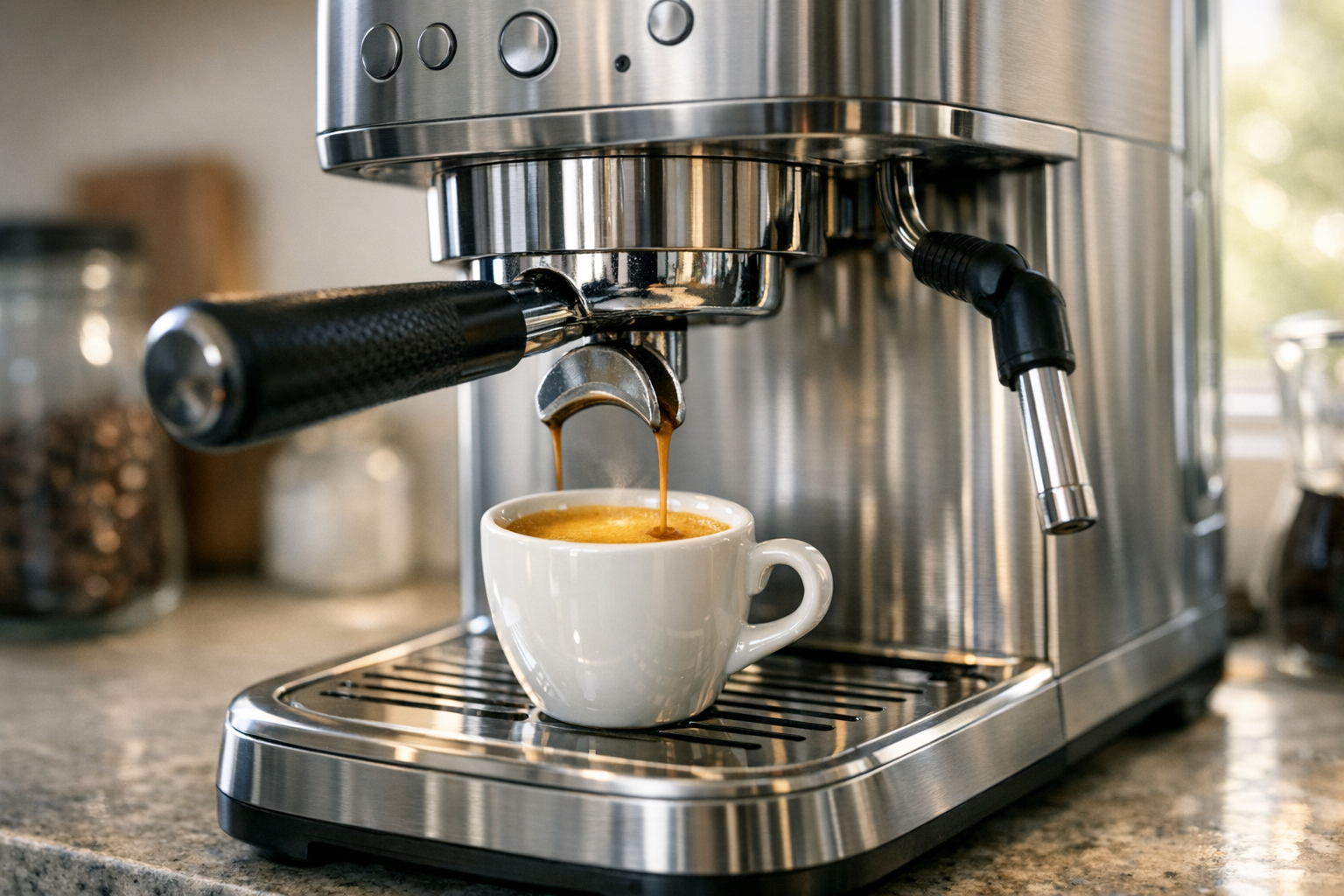
The home espresso category exploded in 2026. Real espresso at home — from machines that actually pull a proper shot, not just hot coffee under pressure — is now possible at under 500 dollars.
Here are the picks worth your money, plus the buyer's guide that explains the difference between "espresso machine" and "fancy coffee maker."
Quick Picks
- Best Overall: Breville Bambino Plus
- Best All-in-One (with Grinder): Breville Barista Express
- Best Manual: Gaggia Classic Pro
- Best Premium Prosumer: Rancilio Silvia
- Best Super-Automatic: Philips 3200 LatteGo
The Picks in Detail
Breville Bambino Plus Espresso Machine
3-second heat-up, automatic milk texturing for lattes and cappuccinos, 54mm portafilter. The smartest pick for a first real espresso machine.
Check Price on Amazon →The Bambino Plus is the right starter espresso machine for most people. It heats up in 3 seconds (real number), pulls genuine espresso shots, and automates the milk-frothing learning curve.
You'll need a separate grinder — see the Baratza Encore ESP for a budget pairing. Don't try to use pre-ground coffee from the grocery store; the difference in shot quality is enormous.
Breville Barista Express Espresso Machine
Built-in conical burr grinder, manual steam wand, dose-and-go simplicity. The all-in-one starter that takes you from beans to latte.
Check Price on Amazon →The Barista Express is the right choice if you want everything in one machine — grinder built in, no separate grinder purchase needed. You manage the steam wand manually (nice if you want to learn), and the grinder is good enough for most home use.
Trade-off: the integrated grinder isn't quite as good as a dedicated grinder. For most home baristas, the convenience wins.
Gaggia Classic Pro
Italian-made, all-metal construction, 58mm commercial portafilter, no electronics. The enthusiast's first real machine. Modifiable and repairable for decades.
Check Price on Amazon →The Gaggia Classic Pro is the espresso enthusiast's starter machine. All-metal commercial-style construction, 58mm portafilter (the size barista shops use), and a modding community that's developed for two decades.
You learn to control everything: grind, dose, timing, milk steaming. Steeper learning curve than the Breville machines, but you produce dramatically better espresso once dialed in.
Rancilio Silvia Espresso Machine
Single-boiler, brass group head, commercial-grade build. Lasts 20+ years and produces espresso indistinguishable from cafes when paired with a quality grinder.
Check Price on Amazon →The Silvia is the legendary "prosumer" machine — Italian-built, indestructible, and produces world-class espresso. Around 800 to 900 dollars for the machine, plus a quality grinder is mandatory.
Single boiler means you switch between brewing and steaming with a temperature wait. For couples or families that drink milk drinks, consider stepping up to a dual-boiler machine for parallel brewing and steaming.
Philips 3200 LatteGo Super Automatic
Beans in, latte out — push one button. Built-in grinder, automatic milk frothing, ceramic burrs. Best for households where someone wants espresso but doesn't want to learn it.
Check Price on Amazon →Super-automatics are a different category — push a button, get a drink. The Philips 3200 LatteGo is the most reliable consumer super-automatic in 2026.
Espresso quality is good but not great compared to a manual machine pulled by a skilled barista. Trade-off: you don't have to learn anything. Coffee quality is consistent because the machine handles every variable.
What Makes "Real" Espresso
Three specs separate espresso machines from glorified hot-coffee makers:
1. 9 Bars of Pressure (Stable)
Real espresso requires 9 bars of pressure during the shot. Cheap machines claim 15 or 20 bars (marketing), but they don't maintain 9 bars steadily — pressure spikes and drops, ruining the extraction.
The picks above all maintain 9 bars stably.
2. Adjustable Grind
Espresso requires a specific grind size — finer than drip, coarser than Turkish. The grind needs adjustment based on bean roast, age, and humidity. Pre-ground "espresso" coffee at the grocery store doesn't allow this.
A conical burr grinder is essential. Consider it part of the espresso machine purchase.
3. 58mm or 54mm Portafilter
Cheap espresso machines use 51mm or smaller portafilters. The 58mm size is the commercial standard — better extraction, more consistency. The 54mm is the Breville standard for home machines.
Avoid anything with a portafilter under 54mm.
What to Skip
- Pod machines (Nespresso, etc.) if you want real espresso. They make convenient hot coffee. The pressure profile and grind aren't espresso-grade.
- Espresso machines under 200 dollars. The pressure isn't stable, the build is plastic, and the temperature isn't consistent.
- Steam-only machines marketed as espresso. They use steam pressure (1-2 bars), not pump pressure. The result is bitter weak coffee.
Accessories Worth Buying
- A grinder (essential, not optional)
- A tamper (Bambino includes one, others usually don't)
- A knockbox for spent coffee pucks
- A milk frothing pitcher
- A small scale for dialing in shots
Frequently Asked Questions
Do I really need a separate grinder?
Yes. The grinder matters more than the espresso machine for shot quality. Pre-ground coffee can't produce good espresso — the grind is too coarse and stale. Budget at least 150 dollars for a quality conical burr grinder.
How long do home espresso machines last?
Budget machines (under 500 dollars): 3 to 5 years with regular descaling. Mid-range (500 to 1500 dollars): 7 to 12 years. Prosumer (1500+): 15 to 25 years. Maintenance matters — descale monthly with hard water, every 2 to 3 months otherwise.
What's the difference between espresso and lungo?
Espresso is a 25-30 ml shot pulled in 25-30 seconds. Lungo (long shot) pulls 50+ ml in 45+ seconds — more water, more bitter. Pure preference, but most baristas pull straight espresso and dilute later if they want a longer drink.
Can I make latte art with these machines?
Yes — the Breville Bambino Plus and Barista Express make latte art achievable for beginners. The Gaggia and Rancilio give you full control of milk steaming, but require practice. Super-automatics make milk drinks but skip the latte art.
Final Thoughts
For most first-time home baristas, the Breville Bambino Plus + Baratza Encore ESP grinder combo is the right buy at under 800 dollars total. Coffee enthusiasts who want to learn should jump to the Gaggia Classic Pro. Skip pod machines and budget "espresso" machines — they don't produce real espresso.
Get weekly home tips that actually work
Join thousands of homeowners getting practical cleaning hacks, DIY fixes, and money-saving tips every week. Free, and you can unsubscribe anytime.

Written by
Priya PatelKitchen & Lifestyle Writer
Priya Patel is a former restaurant pastry chef turned home-cooking obsessive. She writes about meal prep, kitchen organization, and the small appliances actually worth your counter space. Priya tests recipes and gadgets out of a tiny Brooklyn galley kitchen, so she has strong opinions about what earns its footprint.
Recommended Products
Looking for specific product recommendations? Check out our tested picks.
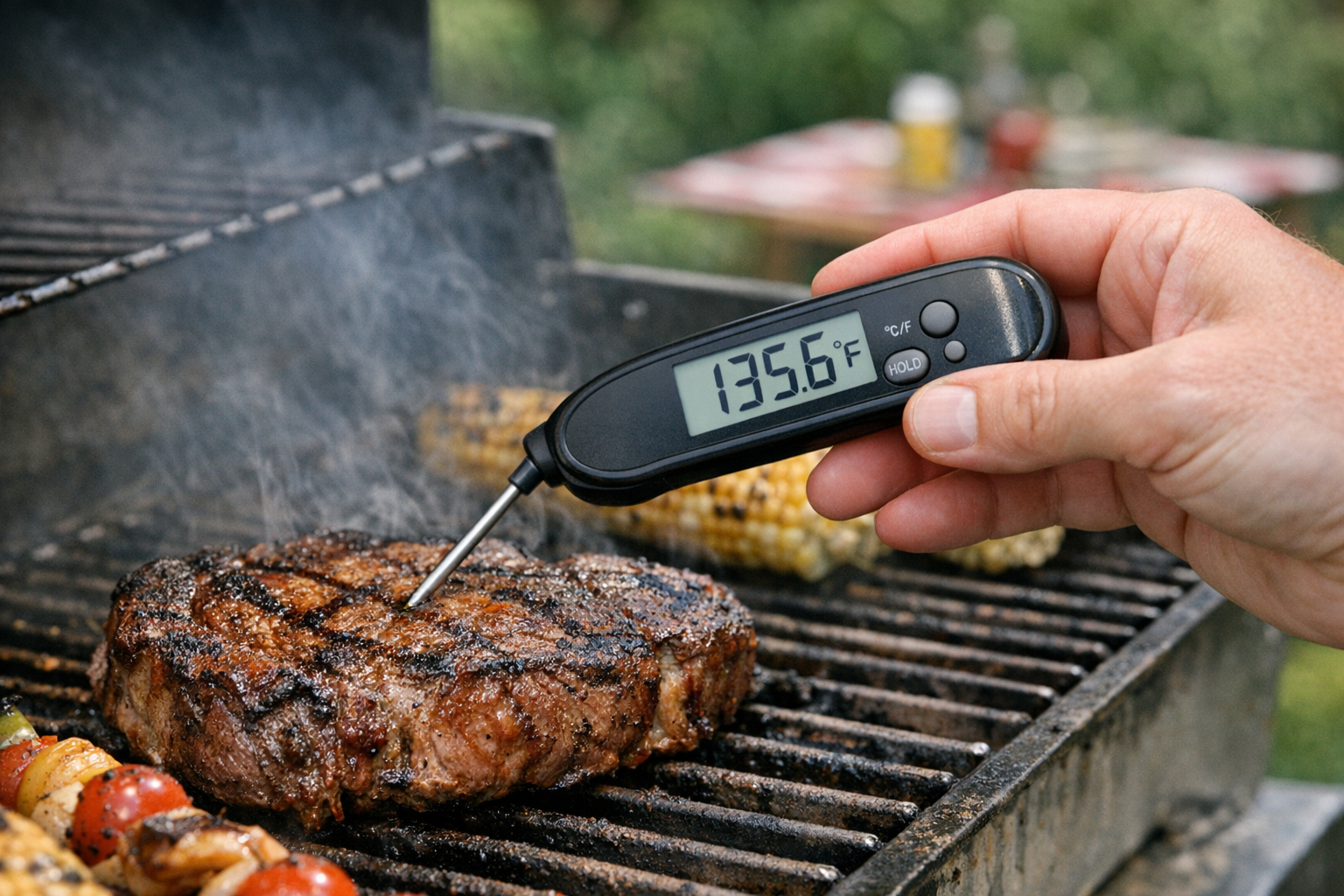
Best Instant Read Meat Thermometers (2026 Tested)
We tested instant read thermometers for grilling, roasting, and candy making. The picks that read in under 3 seconds and don't break after a year.
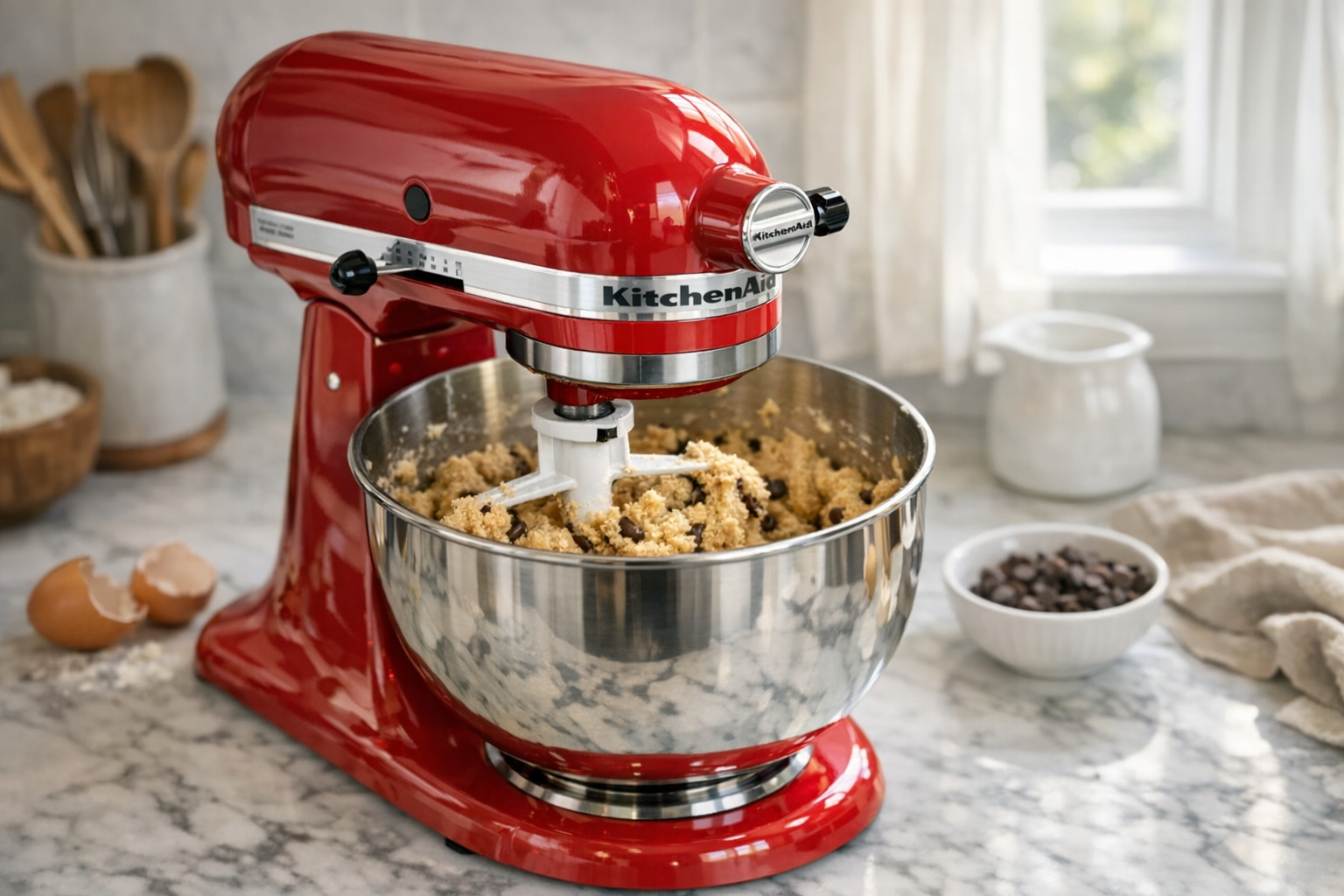
Best Stand Mixers (2026 Buyer's Guide)
We tested stand mixers from KitchenAid, Cuisinart, and Breville on bread dough, cookie batter, and meringues. Here are the picks worth the counter space.
5 Best Kitchen Knife Sets for Home Cooks (2026)
Stop struggling with dull knives. We compared the top kitchen knife sets for home cooks at every budget — here are the 5 best with honest pros and cons.
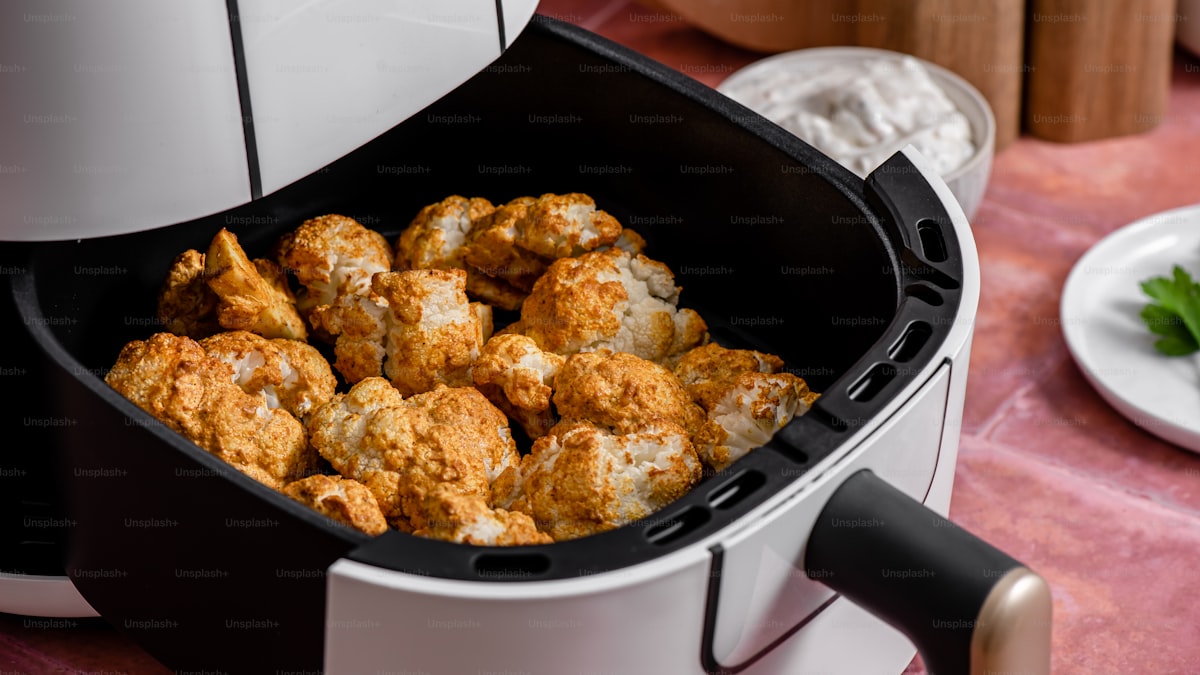
Best Air Fryers for Home Cooks (2026 Buyer's Guide)
Find the best air fryer for your kitchen and budget. We compare 6 top-rated air fryers from basket to oven style, with honest pros and cons for each.
Related Articles
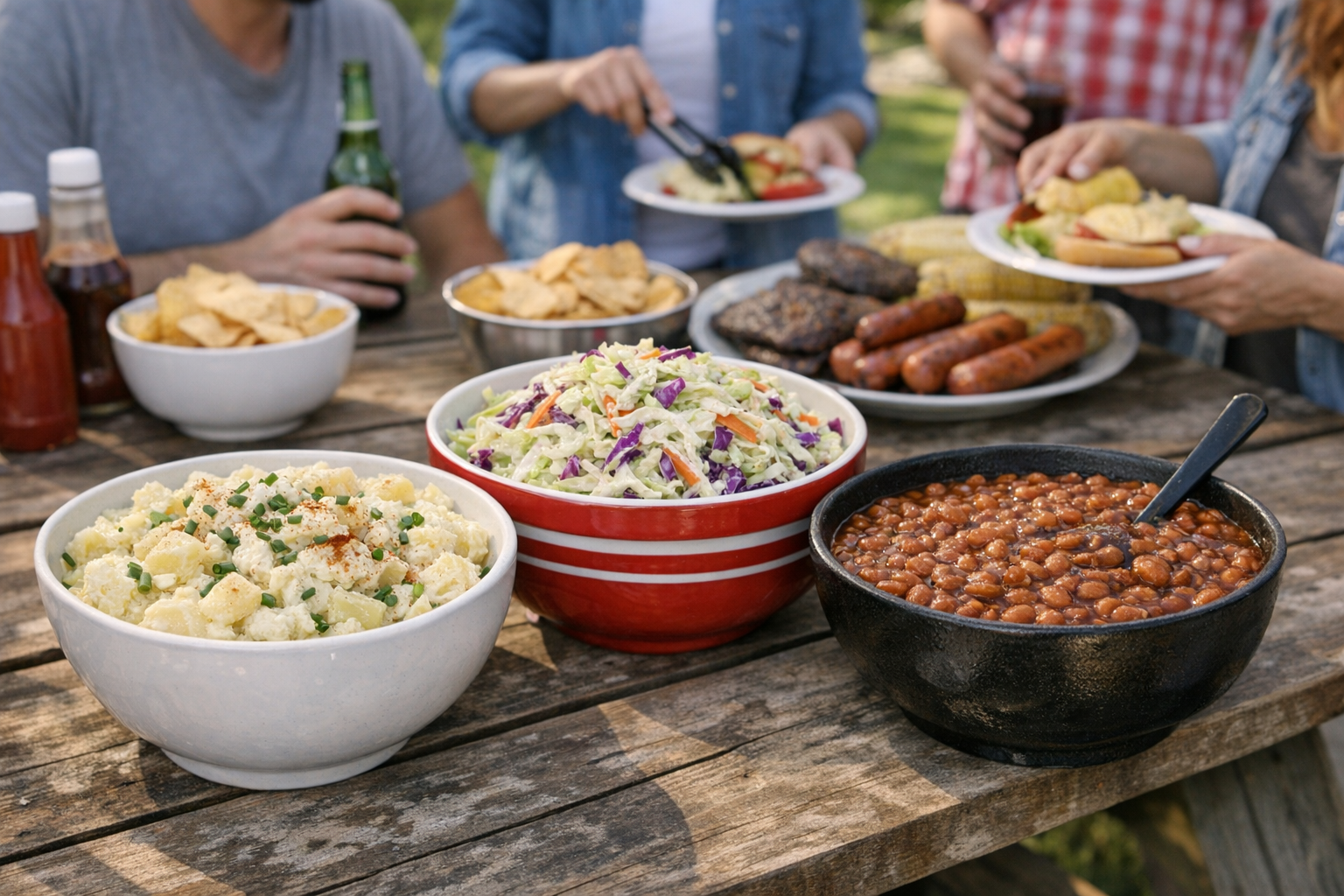
Cookout Staples to Prep Ahead (For Stress-Free Summer Entertaining)
The 8 cookout staples you can make 1 to 3 days ahead — better-tasting than last-minute and lets you actually enjoy the party.
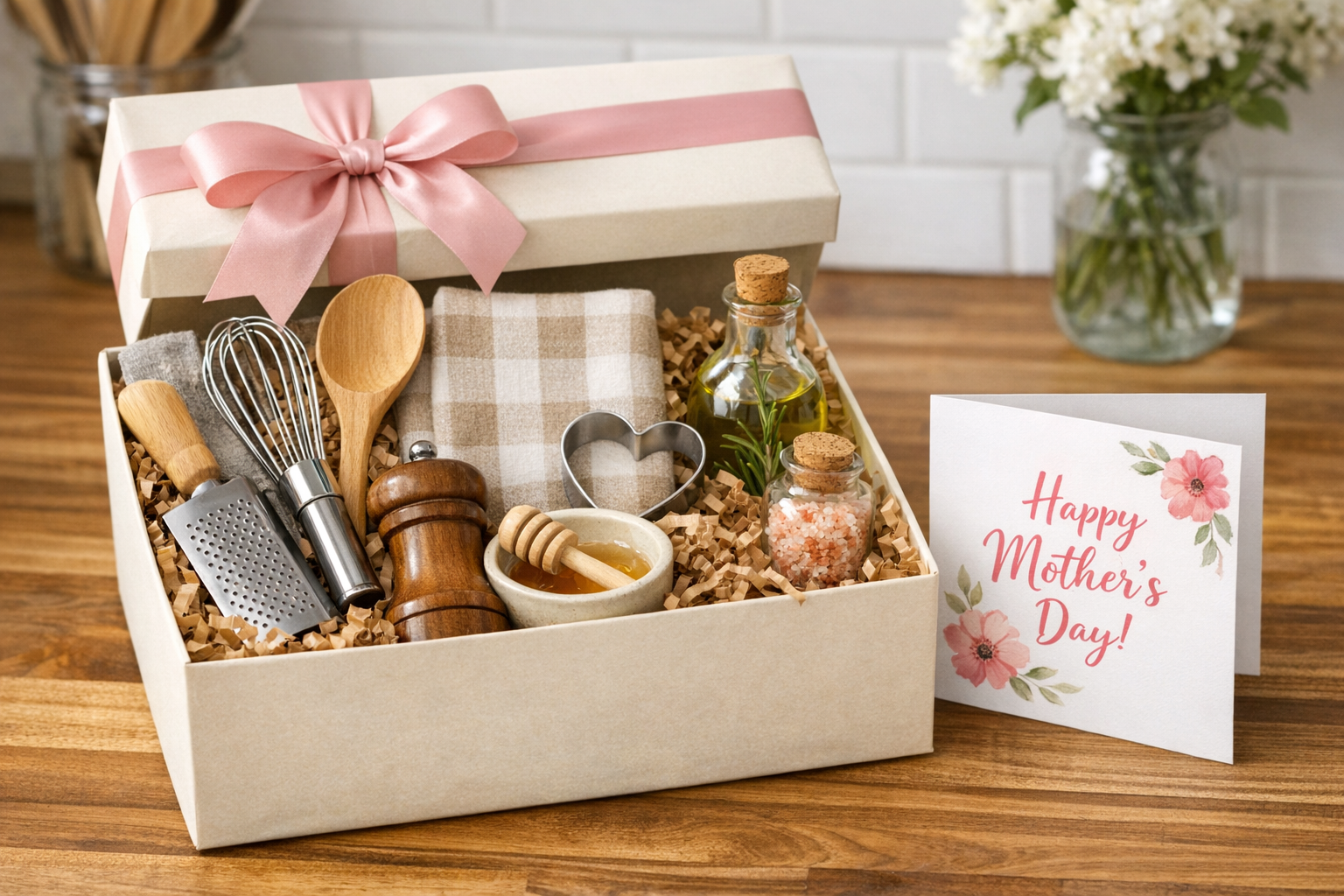
Mother's Day Gifts That Ship Well (Last-Minute Friendly)
If Mother's Day snuck up on you, these gift ideas ship in 3 days or less and don't feel last-minute. From specialty foods to thoughtful kitchen tools.
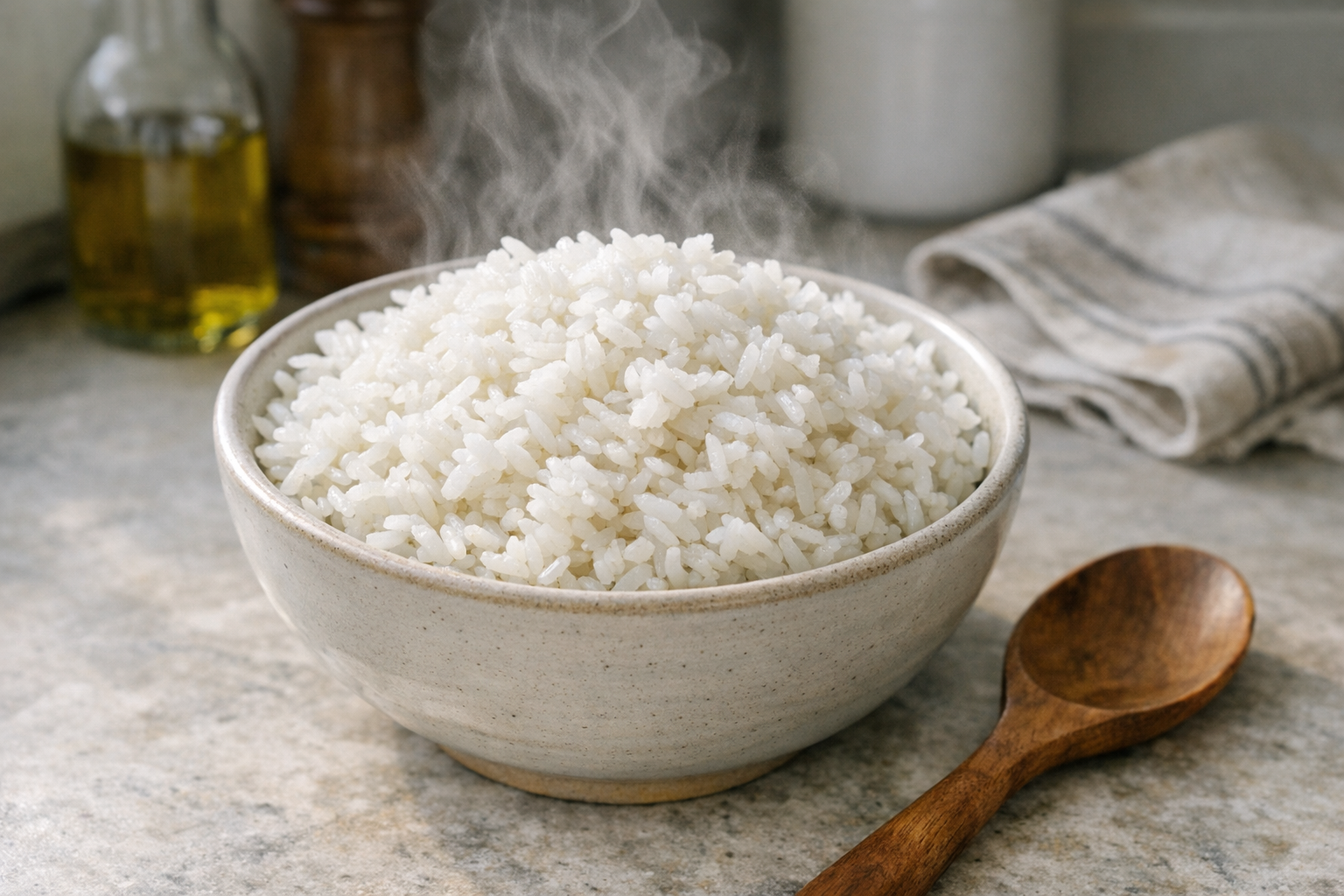
How to Cook Fluffy Rice Every Time (No Sticky Bottom)
Fluffy separate rice grains, no clumping, no scorched bottom. The exact ratios and technique that work whether you use a pot, rice cooker, or Instant Pot.
Best Instant Read Meat Thermometers (2026 Tested)
We tested instant read thermometers for grilling, roasting, and candy making. The picks that read in under 3 seconds and don't break after a year.