How to Make Kitchen Sponges Last Longer (And When to Replace Them)
This article may contain affiliate links. If you make a purchase through these links, we may earn a small commission at no extra cost to you. Learn more
Quick Answer
How to Make Kitchen Sponges Last Longer (And When to Replace Them)
To sanitize a kitchen sponge, microwave it damp (never dry) for 2 minutes on high — this kills 99.9% of bacteria. You can also run it through the dishwasher on the hottest cycle with heated dry. Replace sponges every 1-2 weeks regardless of how they look. To make them last longer, wring them out completely after every use, store them upright so they dry fully, and never use them on raw meat — use paper towels for that instead. For a longer-lasting alternative, switch to silicone scrubbers or Swedish dishcloths.
How to Make Kitchen Sponges Last Longer (And When to Replace Them)
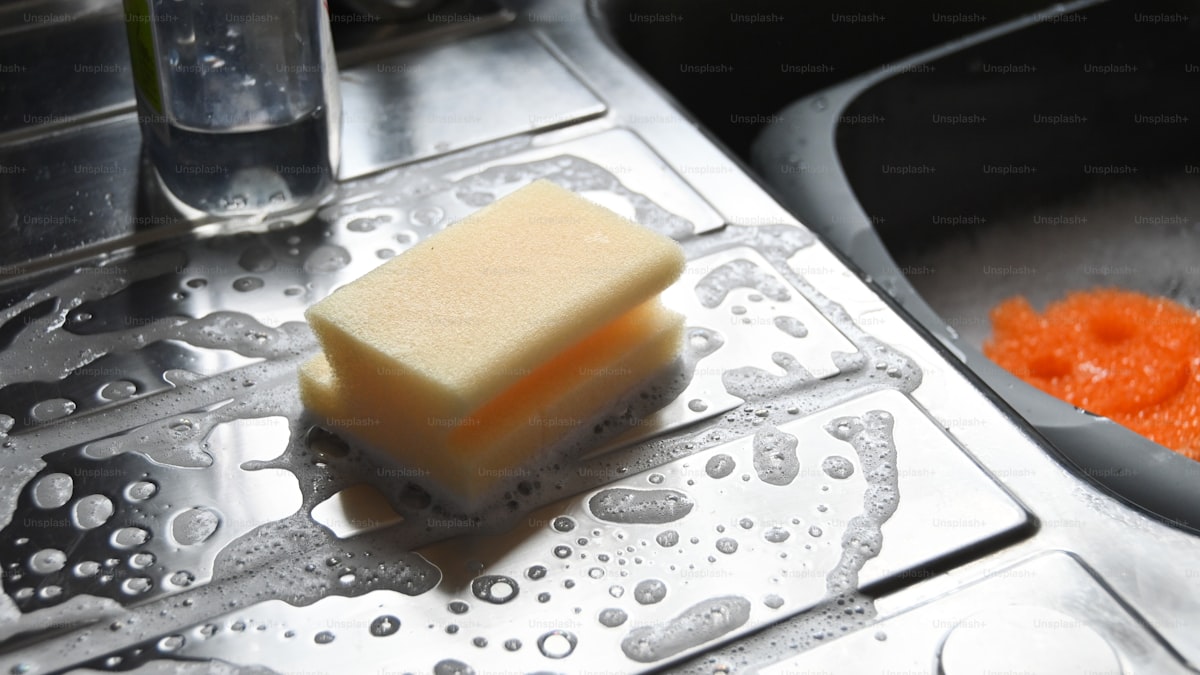
Kitchen sponges are one of the germiest items in your home — harboring more bacteria per square inch than your toilet seat. That's not an exaggeration. Studies have found that sponges can contain up to 54 billion bacteria per cubic centimeter, including strains that cause foodborne illness.
The good news: with proper sanitizing and a few smart habits, you can keep your sponge safe to use and make it last longer before it needs replacing. Here's what actually works.
How Do You Sanitize a Kitchen Sponge?
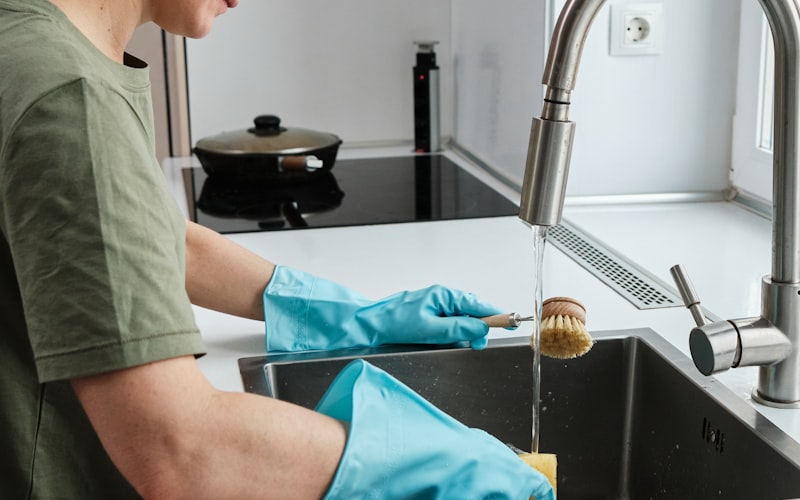
The microwave method is the most effective home sanitizing technique, killing 99.9% of bacteria in two minutes.
Microwave method:
- Wet the sponge thoroughly — it must be damp, never dry (a dry sponge can catch fire)
- Place it in the microwave
- Run on high for 2 minutes
- Let it cool for a minute before handling — it will be hot
- Do this every 1-2 days
Dishwasher method:
Toss the sponge in with your regular dish load. Use the hottest cycle available and turn on the heated dry setting. This is nearly as effective as the microwave and requires zero extra effort — just throw it in whenever you run a load.
Vinegar soak:
Submerge the sponge in full-strength white vinegar for 5 minutes, then wring it out and let it dry. This doesn't kill as many bacteria as heat methods but significantly reduces bacterial counts and eliminates odors.
What doesn't work: Rinsing the sponge with soap and water. This removes surface grime but does almost nothing to kill the bacteria living deep inside the sponge's pores. You might use the same approach to clean your sink, but sponges need actual sanitizing, not just a rinse.
When Should You Replace a Kitchen Sponge?
Replace your kitchen sponge every 1-2 weeks, even if it still looks fine. Bacteria multiply to unsafe levels within days of first use, and sanitizing only temporarily reduces — not eliminates — the bacterial load.
Replace immediately if:
- It smells bad even after sanitizing — the odor means bacteria have colonized beyond what cleaning can fix
- It's falling apart, crumbling, or tearing
- The texture has become slimy
- It's been used to clean up raw meat or poultry
- You can't remember when you last replaced it
At $3-5 for a pack of sponges, replacement costs about $0.50-1.00 per week. That's a small price for food safety.
How Do You Make Sponges Last Longer?
These habits extend the usable life of each sponge while keeping it sanitary.
Wring It Out Completely After Every Use
Bacteria thrive in moisture. After washing dishes, squeeze every drop of water out of the sponge. A well-wrung sponge dries faster and develops bacteria much slower. This single habit is the biggest factor in sponge longevity.
Store It Upright
Don't leave your sponge sitting flat in a puddle at the bottom of the sink. Use a sponge holder that allows air circulation on all sides, or prop it up against the faucet. The faster it dries between uses, the longer it stays sanitary.
Designate Sponges by Task
Use one sponge for dishes and a separate one for counters. Never use your dish sponge to wipe up raw meat juice, clean the floor, or scrub the stove — those tasks contaminate the sponge beyond what sanitizing can reliably fix. Use paper towels for raw meat cleanup.
Don't Use It on Greasy Pans
Grease gets trapped deep in sponge pores and is nearly impossible to rinse out completely. It creates an ideal environment for bacteria and makes the sponge smell faster. For greasy pans, use a scrub brush instead — it rinses clean much more easily and dries faster.
What Are the Best Sponge Alternatives?
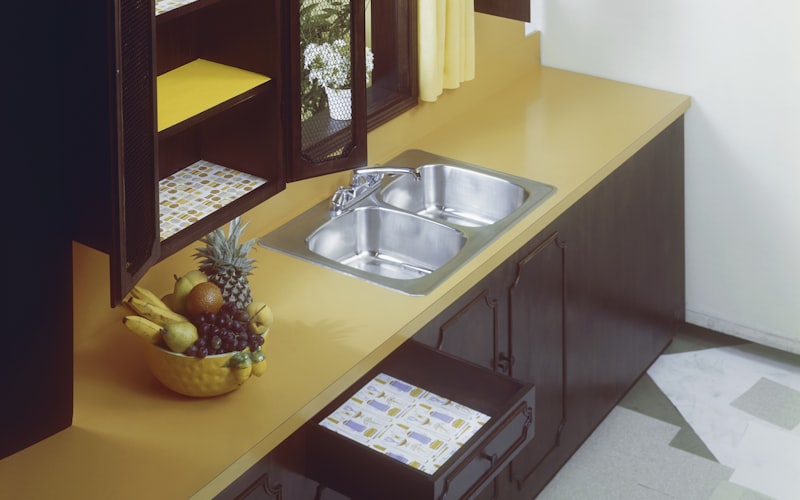
If you're tired of replacing sponges every week or two, these alternatives last significantly longer and stay cleaner.
Silicone Scrubbers
Silicone dish scrubbers don't have pores, so bacteria can't colonize inside them. They dry in minutes, are dishwasher safe, and last 2-3 months. They don't absorb as well as sponges (you can't soak up spills with them), but they're excellent for washing dishes.
Swedish Dishcloths
Swedish dishcloths are made from cellulose and cotton, work like a cross between a sponge and a cloth, and are machine washable. One cloth replaces 15-17 rolls of paper towels and lasts 6-12 months. They're absorbent, compostable, and dry much faster than traditional sponges.
Scrub Brushes
A good dish brush with replaceable heads lasts months. The bristles don't trap bacteria the way sponge pores do, and they dry quickly when stored upright. Keep one by the sink for everyday dishes — you'll find yourself reaching for the sponge less and less.
Microfiber Cloths
For wiping counters and surfaces, microfiber cloths outperform sponges in every way. They're machine washable, dry quickly, and pick up bacteria without spreading it around. Keep a stack of them and toss used ones in the laundry. This is a common money-saving swap that pays for itself quickly.
Frequently Asked Questions
Can you put a sponge in the washing machine?
Yes, but it's less effective than the microwave or dishwasher. If you do wash sponges in the laundry, use hot water and add bleach. The agitation can also break down the sponge faster, shortening its life.
Does freezing a sponge kill bacteria?
No. Freezing pauses bacterial growth but doesn't kill the bacteria. When the sponge thaws, bacteria resume multiplying. Stick with heat-based sanitizing methods (microwave or dishwasher) for actual germ killing.
Are natural sponges more hygienic than synthetic ones?
Natural sea sponges are slightly more resistant to bacterial growth than synthetic cellulose sponges, but they still harbor bacteria and need the same sanitizing routine. The main advantage of natural sponges is that they're biodegradable.
How do you get the smell out of a kitchen sponge?
Soak the sponge in a solution of 3/4 cup bleach per gallon of water for 5 minutes, then rinse thoroughly. Alternatively, microwave it damp for 2 minutes. If the smell returns within a day of sanitizing, the sponge is past its usable life — replace it.
The Bottom Line
Sanitize your sponge every couple of days using the microwave or dishwasher, wring it dry after every use, and replace it every 1-2 weeks. If you want to stop the replacement cycle entirely, switch to a silicone scrubber or Swedish dishcloth — they're cleaner, last longer, and save money over time.
Get weekly home tips that actually work
Join thousands of homeowners getting practical cleaning hacks, DIY fixes, and money-saving tips every week. Free, and you can unsubscribe anytime.

Written by
Beth SullivanFounder & Editor-in-Chief
Beth Sullivan is the founder of Practical Home Guides. With over a decade of hands-on experience tackling every home challenge imaginable, she started this site to share the practical, no-nonsense solutions she wishes she had found years ago. When she's not testing cleaning hacks or organizing pantries, you'll find her in the garden or working on her next DIY project.
Recommended Products
Looking for specific product recommendations? Check out our tested picks.
Best Instant Read Meat Thermometers (2026 Tested)
We tested instant read thermometers for grilling, roasting, and candy making. The picks that read in under 3 seconds and don't break after a year.

Best Espresso Machines for Home (2026 Buyer's Guide)
From under-300-dollar starter machines to 2000-dollar prosumer espresso, here are the espresso machines worth your money in 2026.
Best Stand Mixers (2026 Buyer's Guide)
We tested stand mixers from KitchenAid, Cuisinart, and Breville on bread dough, cookie batter, and meringues. Here are the picks worth the counter space.
5 Best Kitchen Knife Sets for Home Cooks (2026)
Stop struggling with dull knives. We compared the top kitchen knife sets for home cooks at every budget — here are the 5 best with honest pros and cons.
Best Air Fryers for Home Cooks (2026 Buyer's Guide)
Find the best air fryer for your kitchen and budget. We compare 6 top-rated air fryers from basket to oven style, with honest pros and cons for each.
Related Articles

Cookout Staples to Prep Ahead (For Stress-Free Summer Entertaining)
The 8 cookout staples you can make 1 to 3 days ahead — better-tasting than last-minute and lets you actually enjoy the party.
Mother's Day Gifts That Ship Well (Last-Minute Friendly)
If Mother's Day snuck up on you, these gift ideas ship in 3 days or less and don't feel last-minute. From specialty foods to thoughtful kitchen tools.
How to Cook Fluffy Rice Every Time (No Sticky Bottom)
Fluffy separate rice grains, no clumping, no scorched bottom. The exact ratios and technique that work whether you use a pot, rice cooker, or Instant Pot.
Best Instant Read Meat Thermometers (2026 Tested)
We tested instant read thermometers for grilling, roasting, and candy making. The picks that read in under 3 seconds and don't break after a year.