How to Organize Your Spice Drawer or Cabinet Once and for All
This article may contain affiliate links. If you make a purchase through these links, we may earn a small commission at no extra cost to you. Learn more
Quick Answer
How to Organize Your Spice Drawer or Cabinet Once and for All
The best way to organize spices is to move them into matching jars with clear labels and arrange them where you can see every label at once. For drawers, use an angled insert so labels face up. For cabinets, use a tiered shelf riser or lazy Susan. Alphabetical order is the simplest system, though grouping by cuisine or use frequency also works. Most ground spices lose potency after 2-3 years, so toss anything that doesn't smell strong when you open it.
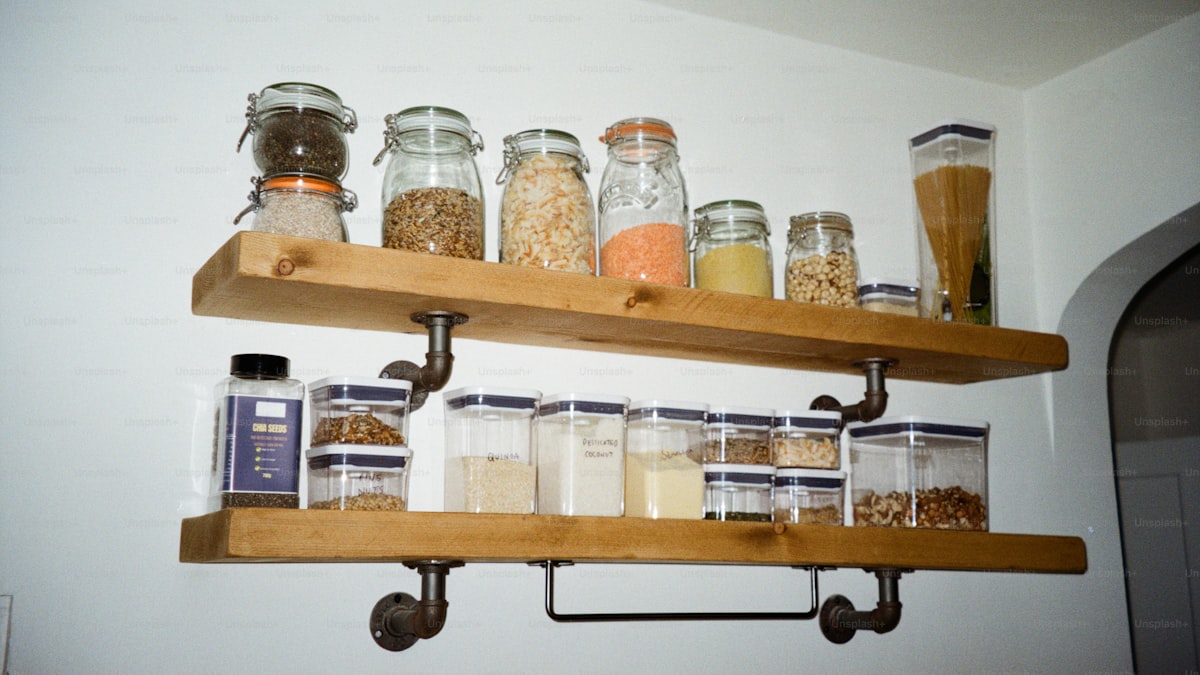
Every home cook has been there. You need cumin, you know you bought cumin, and yet you're standing in front of the spice cabinet pulling out jar after jar, knocking bottles over, reading labels on containers shoved three rows deep. Five minutes later you find it behind the paprika, which expired in 2021.
Spice organization is one of those small kitchen problems that creates outsized daily frustration. The good news is that fixing it takes an afternoon at most, costs very little, and the results last for years if you set things up right.
Here's how to do it properly.
Start With the Purge
Before you buy a single organizer or label, you need to deal with what you already have. Pull every spice out of whatever cabinet, drawer, rack, or random counter spot they currently live in. Spread them all out on the kitchen counter.
Now go through each one. Open the jar and give it a sniff. If the aroma is faint, dusty, or basically nonexistent, that spice is done. Ground spices lose their punch after about two to three years. Whole spices hold up a bit longer, roughly three to four years, but they're not immortal either.
Check for clumps, discoloration, or anything that looks off. Moisture is the enemy of dried spices, and once it gets into the jar, the flavor deteriorates fast.
Be honest with yourself during this step. That jar of ground coriander you bought for one recipe in 2022 and never touched again? Let it go. The unlabeled mystery powder in the back corner? Definitely let it go.
Most people are surprised by how many expired or redundant spices they've been hoarding. It's common to find two or three jars of the same thing purchased at different times because you couldn't find the first one. That alone tells you the current system isn't working.
Drawer vs. Cabinet vs. Wall-Mounted: Pick Your Setup
The right storage method depends on your kitchen layout and how many spices you keep on hand. Each option has genuine pros and cons.
Drawer Storage
If you can dedicate a kitchen drawer to spices, this is hands-down the best option for most people. A drawer lets you look down and see every single label at once without moving anything. No reaching, no shuffling, no bottles hiding behind other bottles.
A spice drawer insert with angled slots keeps jars tilted so the labels face up. Some inserts are expandable to fit different drawer widths, and others come as stackable tiers for deeper drawers. Measure your drawer before ordering -- this is the kind of purchase where an inch matters.
Cabinet Storage
Most people store spices in an upper cabinet because that's where they ended up by default. Cabinets work fine, but only if you solve the visibility problem. A single flat shelf with bottles lined up three rows deep is a recipe for forgotten spices and daily frustration.
The fix is a tiered spice rack or shelf riser that creates stair-step levels inside the cabinet. This way you can see the labels on jars in the back row without moving the front row. A small lazy Susan also works well in cabinets, especially deeper ones, because one spin brings everything into view.
Wall-Mounted Racks
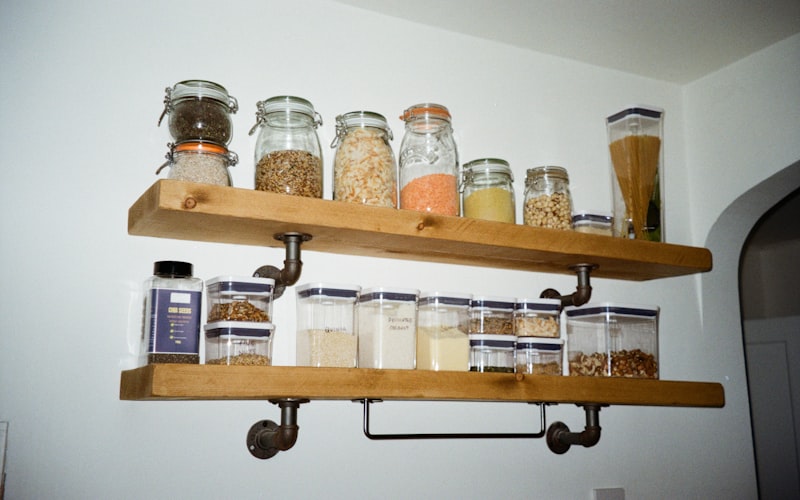
Magnetic strips, floating shelves, or mounted racks put your spices on display and keep them within arm's reach of the stove. They look great in photos, but there are trade-offs. Spices degrade faster when exposed to light and heat, so a rack mounted right next to the stove or in direct sunlight will shorten their shelf life. Wall-mounted storage also limits how many spices you can store, which is fine if you keep a small collection but frustrating if you cook with 30 or 40 different spices regularly.
If you go this route, choose a spot that's convenient but not directly above or beside the stove, and avoid walls that get direct afternoon sun.
The Container Decision: Matching Jars vs. Original Packaging
This is where spice organization gets either budget-friendly or Pinterest-worthy, depending on how far you want to take it.
Matching Glass Jars
Transferring all your spices into a uniform set of glass spice jars is the gold standard for a reason. Everything looks clean and cohesive, jars tend to be more airtight than the containers spices come in, and standard sizing means they fit perfectly in inserts and racks designed for them.
Square jars use shelf space more efficiently than round ones. Look for jars with wide mouths so you can actually get a measuring spoon in there, and make sure the lids seal tightly. A set of 24 four-ounce jars typically costs between 20 and 35 dollars, which is reasonable for something you'll use for years.
The downside is the upfront time investment. Transferring 30 spices into new jars and labeling each one takes a solid chunk of an afternoon. But you only do it once, and refilling a jar when you buy a replacement spice takes seconds.
Keeping Original Containers
There's absolutely nothing wrong with keeping spices in the jars and bags they came in. It's cheaper, faster, and you always know exactly what's inside because the manufacturer already labeled it for you.
The challenge is that original containers come in wildly different shapes and sizes. McCormick jars, Trader Joe's grinders, bulk bags with twist ties, tiny tins from the ethnic grocery store -- getting all of these to play nicely together in one drawer or cabinet takes a bit more creativity. Drawer inserts with adjustable dividers or simple basket-style organizers handle the size variation better than rigid racks designed for uniform jars.
If you want a middle ground, keep the spices you use most often in matching jars and leave the occasional-use spices in their original packaging stored separately.
Labeling: The Step That Makes or Breaks the System
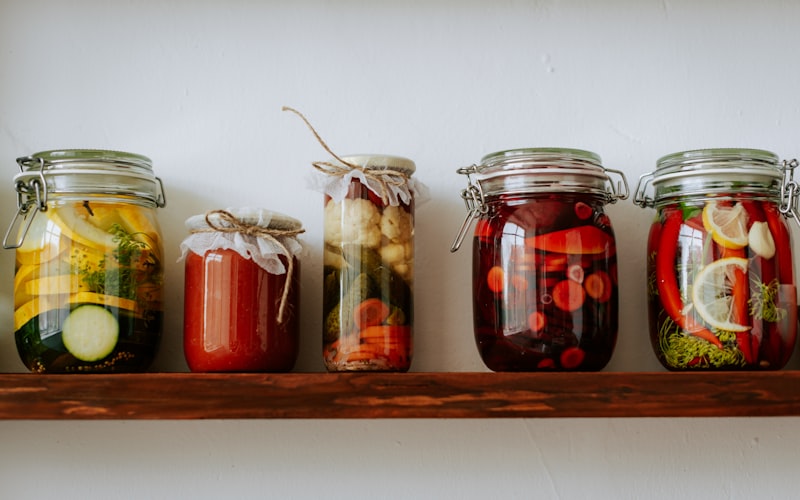
An organized spice collection without labels is just a pretty collection of identical jars full of mystery powders. Labeling is not optional if you're using matching containers.
Waterproof spice jar labels that stick to the lids work best for drawer storage since you're looking down at the tops. For cabinet storage, labels on the front of the jar make more sense. Chalkboard labels are popular because they look good and can be rewritten, but printed vinyl labels last longer and stay legible.
If you don't want to spend money on labels, a strip of masking tape and a permanent marker gets the job done. Seriously. The fanciness of your label doesn't affect whether you can find the turmeric. Clarity and consistency are what matter.
Whatever labeling method you choose, include the date you opened or transferred the spice. This makes future purges much easier because you won't have to guess whether that jar of allspice is six months old or six years old.
Choosing an Organization System
You have your containers, you have your labels, and now you need to decide how to arrange everything. There are three main approaches, and the best one depends on how you cook.
Alphabetical Order
Simple, intuitive, and impossible to mess up. Anyone in your household can find any spice and put it back in the right spot. This is the system I recommend for most people because it requires zero thought to maintain. You don't need to remember which category oregano falls into -- it goes between nutmeg and paprika.
Grouped by Cuisine
If you frequently cook specific cuisines, grouping spices by regional use can be efficient. Italian spices together (basil, oregano, rosemary, thyme), Mexican spices together (cumin, chili powder, cayenne, smoked paprika), Indian spices together (turmeric, garam masala, coriander, cardamom), and so on.
The advantage is that when you're making a curry, everything you need is in one cluster. The disadvantage is that many spices cross cuisine boundaries, so you end up making judgment calls about where cumin really belongs. It also requires everyone in the household to agree on the groupings.
Grouped by Frequency of Use
Put the spices you reach for daily -- salt, pepper, garlic powder, onion powder, whatever your staples are -- in the most accessible spot. Move everything else behind or below them.
This works well in practice but tends to break down over time because your cooking habits shift seasonally. You might use cinnamon constantly in fall for baking but barely touch it in summer. If you go this route, plan to rearrange a couple of times a year.
Budget-Friendly vs. Pinterest-Worthy
Let's talk real numbers. You can organize your spices effectively at almost any budget.
Under 15 dollars: Keep original containers, buy a basic tiered shelf riser or a lazy Susan from a dollar store, and use masking tape labels. This solves 80 percent of the problem for almost no money.
30 to 50 dollars: Buy a proper drawer insert or tiered cabinet rack, a set of matching glass jars, and a sheet of printed labels. This is the sweet spot for most people -- functional, clean-looking, and built to last.
75 dollars and up: Matching jars with bamboo lids, a custom-fit drawer insert, engraved or professionally printed labels, and maybe a wall-mounted display rack for your most-used spices. This is the Instagram version, and it looks fantastic, but it functions no better than the 30-dollar setup.
The point is that good spice organization comes from the system, not the supplies. A well-thought-out arrangement in original containers beats a beautiful set of matching jars with no logic to how they're organized. If you're working with a tight budget, the same principle applies to other kitchen projects -- you can organize your pantry and organize under the kitchen sink without spending a fortune either.
Keeping Spices Fresh Longer
Organizing your spices is the perfect time to think about storage habits that preserve flavor.
Keep them away from heat. The cabinet directly above the stove is the worst possible spot for spice storage, even though it's the most common. Heat accelerates flavor loss. Choose a cabinet or drawer that's nearby but not directly exposed to cooking heat.
Block the light. If you're using clear glass jars in a drawer, this is a non-issue since the drawer stays closed. For cabinet or wall-mounted storage, opaque jars or a cabinet with a solid door keeps light from degrading your spices.
Seal them tightly. Moisture and air are flavor killers. Make sure lids are on firmly after every use. If you buy spices in bulk bags, transfer them into airtight jars right away rather than leaving the bag clipped shut in the back of the cabinet.
Buy whole spices when practical. Whole peppercorns, cumin seeds, and cinnamon sticks last significantly longer than their pre-ground versions. A small spice grinder pays for itself quickly in flavor. If you're interested in maximizing the fresh flavors in your cooking, our guide on how to store fresh herbs covers similar preservation principles for your refrigerated herbs and aromatics.
Quick-Reference Spice Shelf Life
Use this as a rough guide when doing your initial purge and for ongoing maintenance.
Ground spices (cumin, cinnamon, paprika, turmeric, etc.): 2-3 years
Dried herbs (basil, oregano, thyme, rosemary, etc.): 1-3 years
Whole spices (peppercorns, cloves, cinnamon sticks, nutmeg): 3-4 years
Spice blends (curry powder, Italian seasoning, taco seasoning): 1-2 years
Extracts (vanilla, almond, peppermint): 3-4 years (or longer if stored properly)
These are general ranges, not hard deadlines. The real test is always the smell. Open the jar, give it a sniff, and if it doesn't smell like much of anything, it's not going to taste like anything in your food either.
Frequently Asked Questions
How many spices does the average home cook actually need?
Most home cooks use somewhere between 15 and 25 spices regularly. A solid core collection includes salt, black pepper, garlic powder, onion powder, paprika, cumin, chili powder, cinnamon, oregano, basil, thyme, rosemary, red pepper flakes, and bay leaves. Build from there based on what you actually cook, not what a list on the internet tells you to buy.
Should I buy spices from the grocery store or order them online?
Grocery store spices are convenient but tend to be more expensive per ounce and may have been sitting on the shelf for a while before you buy them. Buying from bulk spice retailers online often gives you fresher product at a lower price, though you'll want to transfer them into proper jars since they usually arrive in bags. Ethnic grocery stores are another excellent and affordable source, especially for spices specific to a particular cuisine.
Is it worth buying a spice rack that mounts inside the cabinet door?
Door-mounted racks can work, but they have limitations. The weight of 15 to 20 filled spice jars puts real stress on cabinet hinges over time, especially on older cabinets. They also limit you to small, lightweight jars. If your cabinet doors are sturdy and you keep the rack lightly loaded, they're a decent space saver. Otherwise, a tiered shelf riser inside the cabinet is a more reliable long-term solution.
Can I store spices in the refrigerator or freezer?
You can, but for most spices it's unnecessary and actually inconvenient. The exception is certain whole spices like whole nutmeg and specialty items like saffron, which benefit from cold storage. The bigger concern with fridge or freezer storage is condensation -- every time you pull a cold jar into a warm kitchen, moisture forms inside the container. That moisture degrades the spice faster than room-temperature storage in a cool, dark cabinet would.
Time to Get It Done
Here's the play-by-play for this weekend. Pull everything out. Toss anything that fails the sniff test or has been sitting around for more than three years. Decide on drawer, cabinet, or wall-mounted storage based on your kitchen layout. Pick up a basic organizer -- a drawer insert, a tiered rack, or even just a lazy Susan. Transfer spices into matching jars if you want to, or don't. Label everything. Arrange them in whatever system makes sense for how you cook.
The whole project takes one to two hours and costs as little as 15 dollars if you keep it simple. Once it's done, you'll find what you need in seconds instead of minutes, you'll stop buying duplicates of spices you already own, and your food will taste better because you'll actually be cooking with spices that still have flavor.
That's a lot of upside for a Sunday afternoon project.
Get weekly home tips that actually work
Join thousands of homeowners getting practical cleaning hacks, DIY fixes, and money-saving tips every week. Free, and you can unsubscribe anytime.

Written by
Beth SullivanFounder & Editor-in-Chief
Beth Sullivan is the founder of Practical Home Guides. With over a decade of hands-on experience tackling every home challenge imaginable, she started this site to share the practical, no-nonsense solutions she wishes she had found years ago. When she's not testing cleaning hacks or organizing pantries, you'll find her in the garden or working on her next DIY project.
Recommended Products
Looking for specific product recommendations? Check out our tested picks.
Best Instant Read Meat Thermometers (2026 Tested)
We tested instant read thermometers for grilling, roasting, and candy making. The picks that read in under 3 seconds and don't break after a year.
Best Espresso Machines for Home (2026 Buyer's Guide)
From under-300-dollar starter machines to 2000-dollar prosumer espresso, here are the espresso machines worth your money in 2026.
Best Stand Mixers (2026 Buyer's Guide)
We tested stand mixers from KitchenAid, Cuisinart, and Breville on bread dough, cookie batter, and meringues. Here are the picks worth the counter space.
5 Best Kitchen Knife Sets for Home Cooks (2026)
Stop struggling with dull knives. We compared the top kitchen knife sets for home cooks at every budget — here are the 5 best with honest pros and cons.
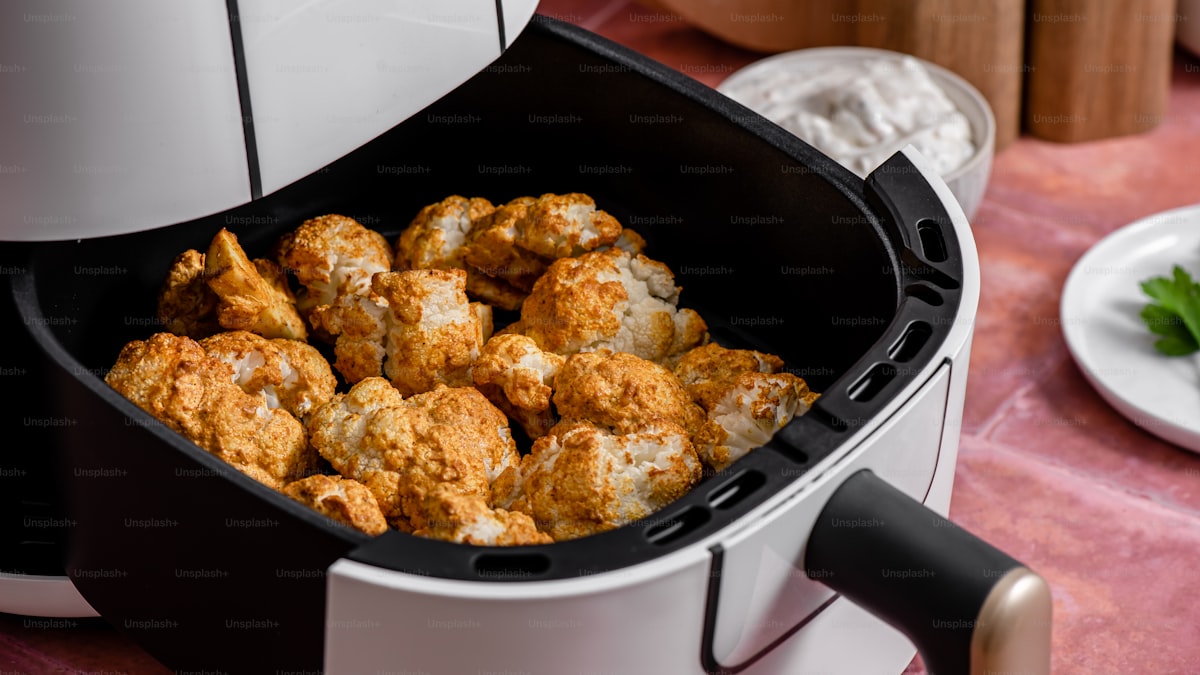
Best Air Fryers for Home Cooks (2026 Buyer's Guide)
Find the best air fryer for your kitchen and budget. We compare 6 top-rated air fryers from basket to oven style, with honest pros and cons for each.
Related Articles
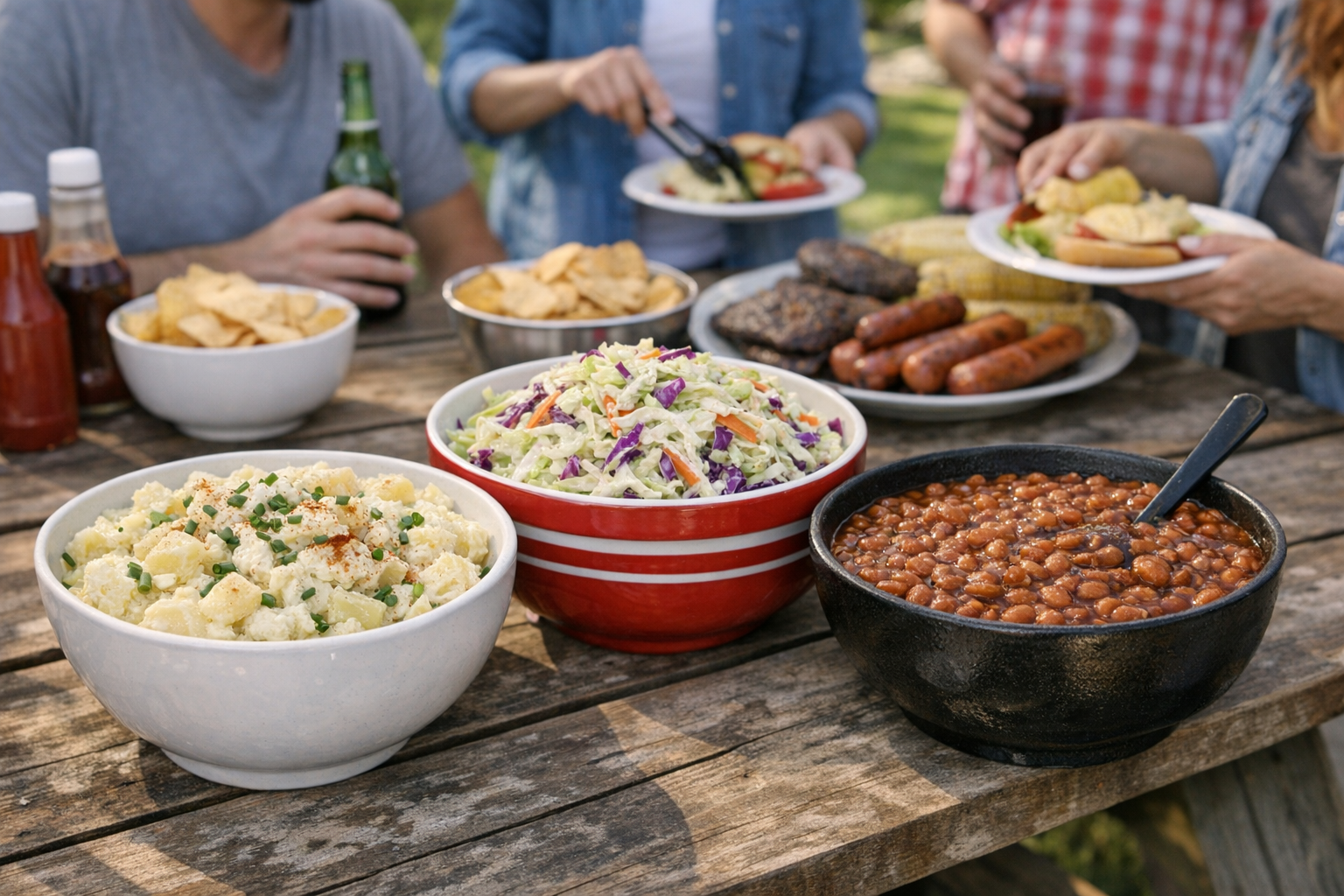
Cookout Staples to Prep Ahead (For Stress-Free Summer Entertaining)
The 8 cookout staples you can make 1 to 3 days ahead — better-tasting than last-minute and lets you actually enjoy the party.
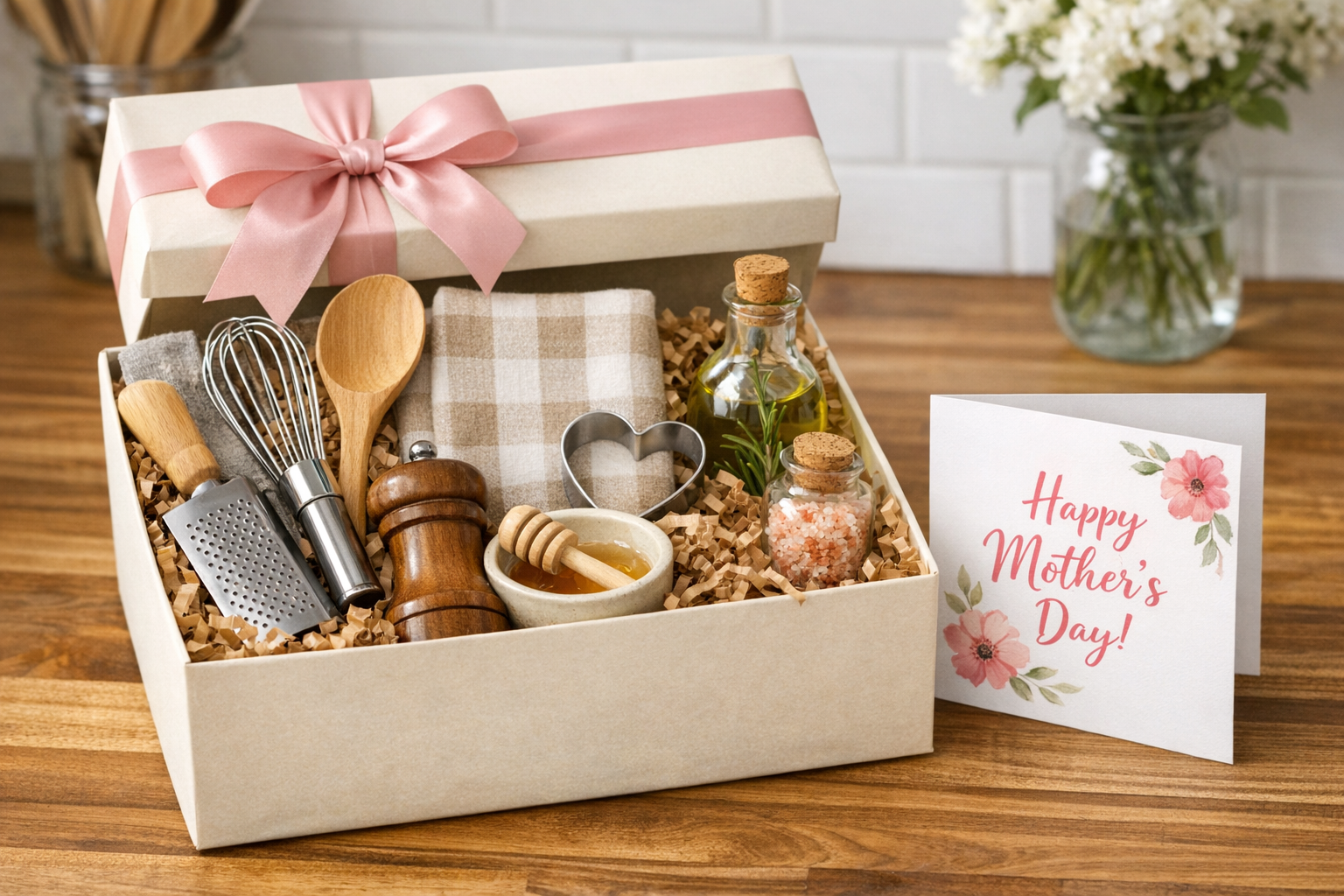
Mother's Day Gifts That Ship Well (Last-Minute Friendly)
If Mother's Day snuck up on you, these gift ideas ship in 3 days or less and don't feel last-minute. From specialty foods to thoughtful kitchen tools.
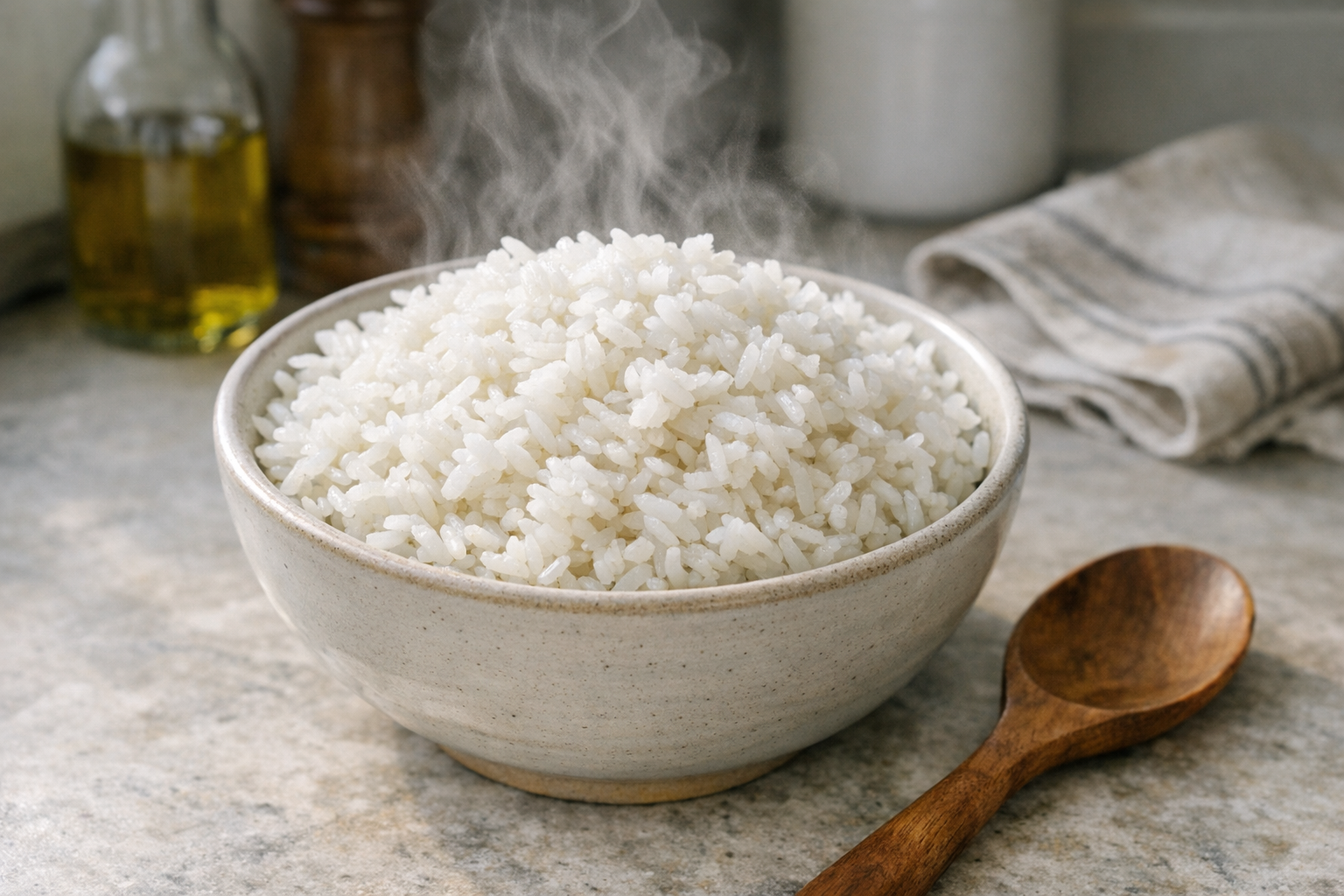
How to Cook Fluffy Rice Every Time (No Sticky Bottom)
Fluffy separate rice grains, no clumping, no scorched bottom. The exact ratios and technique that work whether you use a pot, rice cooker, or Instant Pot.
Best Instant Read Meat Thermometers (2026 Tested)
We tested instant read thermometers for grilling, roasting, and candy making. The picks that read in under 3 seconds and don't break after a year.