How to Keep Bread Fresh Longer (Stop Wasting Loaves)
This article may contain affiliate links. If you make a purchase through these links, we may earn a small commission at no extra cost to you. Learn more
Quick Answer
How to Keep Bread Fresh Longer (Stop Wasting Loaves)
The best way to keep bread fresh is to store it at room temperature in a bread box or wrapped in a linen bread bag, which balances moisture retention and airflow. Never refrigerate bread — cold temperatures accelerate staling by up to six times. For long-term storage, slice and freeze bread in airtight freezer bags, where it stays good for up to three months.
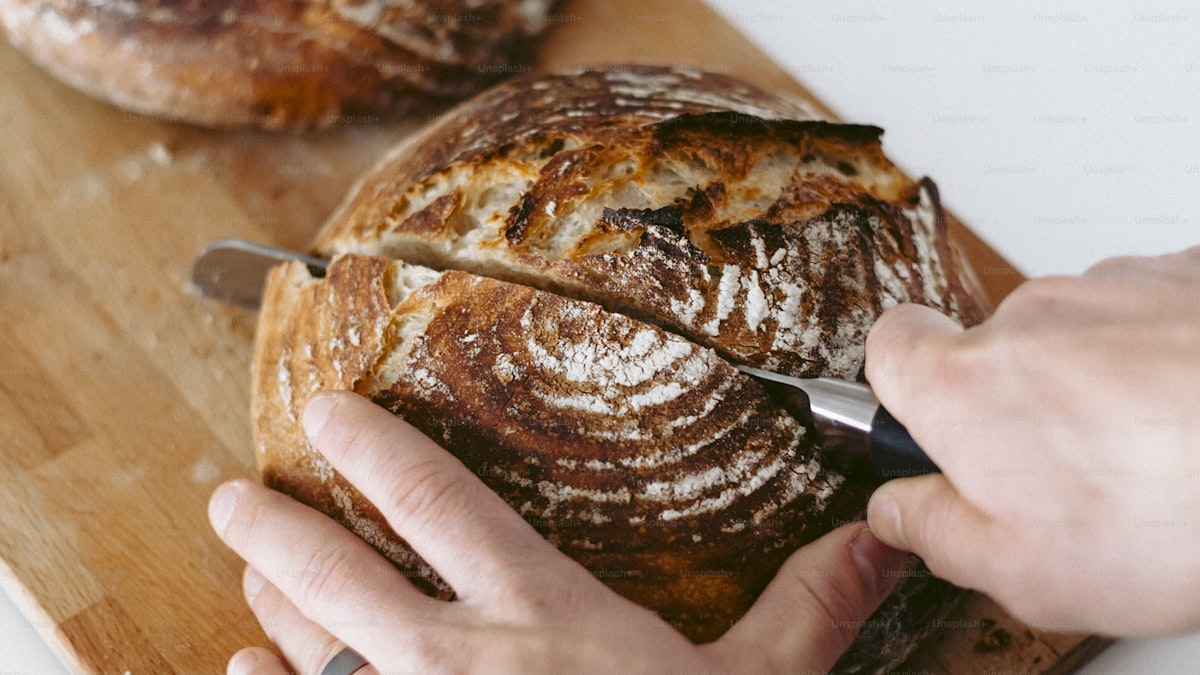
Few things are more frustrating than reaching for a loaf of bread only to find it stale, hard, or speckled with mold. The average American household throws away roughly 40% of the bread it buys, which adds up to a significant amount of wasted money every year. But the good news is that most bread waste is completely preventable.
With a few simple changes to how you store and handle bread, you can extend its life by days or even weeks. If you are already working on reducing food waste at home, fixing your bread storage habits is one of the highest-impact moves you can make.
Why Does Bread Go Stale? (The Science)
Understanding why bread goes stale helps you choose the right storage method. Contrary to what most people think, bread does not go stale because it dries out. Staling is actually caused by a process called starch retrogradation.
When bread is baked, the starch molecules in the flour absorb water and become soft and flexible. After baking, those starch molecules slowly recrystallize and push the water back out of their structure, making the bread firm and crumbly. This process happens fastest at refrigerator temperatures (around 35 to 40 degrees Fahrenheit) and slows dramatically below freezing (32 degrees Fahrenheit and below).
That is why refrigerating bread is the worst thing you can do. Cold temperatures above freezing accelerate starch retrogradation by up to six times compared to room temperature. The fridge is where bread goes to die.
Mold, on the other hand, is caused by moisture and warm temperatures. So the ideal storage solution needs to balance two competing forces: retaining enough moisture to keep bread soft while allowing enough airflow to prevent mold growth.
What Is the Best Way to Store Bread at Room Temperature?
The best room-temperature storage method is a bread box or linen bread bag, which maintains the right balance of moisture and airflow to keep bread fresh for 4 to 5 days. Avoid sealed plastic bags at room temperature, which trap moisture and encourage mold within 2 to 3 days.
Bread Boxes
A quality bread box is the gold standard for room-temperature bread storage. The enclosed space traps just enough humidity to keep the crust from drying out, while small ventilation holes or a loose-fitting lid allow excess moisture to escape so mold cannot take hold.
Look for a bread box made of wood, bamboo, or metal with ventilation. Avoid fully airtight boxes, which create the same mold problem as sealed plastic bags. Place your bread box in a cool, dry spot on the counter away from direct sunlight, the stove, and the dishwasher — all of which generate heat that speeds up spoiling.
Linen and Beeswax Bread Bags
If counter space is tight, reusable linen bread bags are an excellent alternative. The natural fabric is breathable enough to prevent mold while keeping the bread from drying out. Beeswax-coated cotton wraps also work well for the same reason.
These bags are especially good for artisan loaves with thick crusts, as they help the crust stay crispy rather than turning soft and chewy the way plastic does.
The Paper Bag Trick
In a pinch, the paper bag your bread came home in from the bakery works reasonably well for the first day or two. Paper allows airflow and wicks away excess surface moisture. However, paper provides less moisture retention than a bread box or linen bag, so the bread will dry out faster — typically within 2 days.
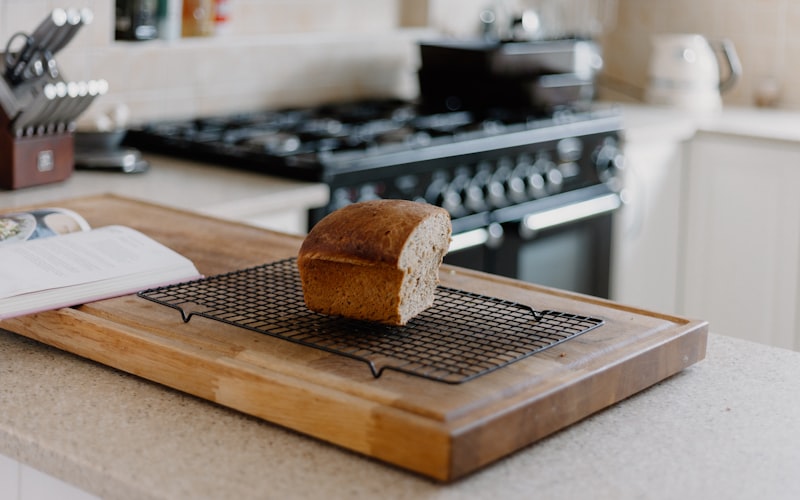
Should You Refrigerate Bread?
No. Never refrigerate bread unless it is the only way to prevent mold in extremely hot and humid conditions. Refrigerator temperatures (35 to 40 degrees Fahrenheit) cause the starch in bread to recrystallize up to six times faster than at room temperature, making bread stale in as little as one day. If you need to store bread longer than 4 to 5 days, freezing is far superior to refrigerating.
The only exception is sliced sandwich bread in very hot, humid climates (above 80 degrees Fahrenheit with high humidity) where mold develops within a day on the counter. In that specific situation, the trade-off of slightly faster staling in the fridge is worth it to avoid mold.
How to Freeze Bread the Right Way
Freezing is the single best method for long-term bread storage. Because starch retrogradation essentially stops below 32 degrees Fahrenheit, properly frozen bread tastes nearly as good as fresh when thawed correctly. Bread stored in the freezer stays good for up to 3 months.
Step-by-Step Freezing Method
- Slice before freezing if the loaf is not already sliced. This lets you pull out exactly what you need without thawing the entire loaf.
- Wrap tightly in plastic wrap or aluminum foil, pressing out as much air as possible to prevent freezer burn.
- Place in a freezer-safe bag. Use heavy-duty freezer bags and squeeze out all the air before sealing.
- Label and date the bag. Bread is best used within 3 months, though it remains safe to eat indefinitely when frozen.
How to Thaw Frozen Bread
For individual slices, toast directly from frozen. There is no need to thaw first — the toaster or toaster oven brings them right back to life in about 2 minutes.
For a whole loaf or larger portions, remove the bread from the freezer bag and let it thaw at room temperature on a wire rack, still wrapped in its foil or plastic. This takes about 2 to 3 hours depending on size. Once thawed, unwrap and let it sit uncovered for 10 to 15 minutes so the crust can re-crisp slightly.
For an even better result, place the thawed loaf in a 350 degree Fahrenheit oven for 5 to 10 minutes. This reheating briefly reverses starch retrogradation and makes the bread taste nearly fresh-baked.
How Do You Revive Stale Bread?
Stale bread that has not developed mold can be rescued. Run the loaf quickly under the tap for 2 to 3 seconds (just enough to dampen the crust), then place it in a 300 to 350 degree Fahrenheit oven for 5 to 10 minutes. The water turns to steam inside the crust, and the heat temporarily reverses the starch retrogradation, making the bread soft and chewy again.
This works best on crusty artisan breads and baguettes. Softer sandwich bread benefits more from toasting. Either way, revived bread should be eaten within a few hours — the staling process will restart and happen even faster the second time.
For bread that is beyond reviving for sandwiches, consider repurposing it instead of throwing it away. Stale bread is perfect for breadcrumbs, croutons, French toast, bread pudding, and panzanella salad. Keep a bag of stale bread pieces in the freezer and use them for these recipes as needed. This approach pairs perfectly with a broader strategy to reduce food waste in your kitchen.
Does Storage Differ by Bread Type?
Yes. Different breads have different moisture levels, preservative content, and crust structures, which affect how quickly they stale and how they should be stored.
Store-Bought Sliced Bread
Commercial sandwich bread contains preservatives (typically calcium propionate) and added fats that slow staling and inhibit mold. It lasts 5 to 7 days on the counter in its original plastic bag, which is fine because the soft crust does not benefit from airflow. Keep the bag sealed and stored in a bread box or a cool, dark spot in the pantry. This is the one type of bread where the original packaging works well.
Artisan and Bakery Bread
Crusty sourdough, baguettes, ciabatta, and other bakery breads contain no preservatives and have high moisture content, which means they stale faster — typically within 2 to 3 days at room temperature. Store them cut-side down on a cutting board with a linen bread bag draped over top, or in a bread box. Do not use a sealed plastic bag, which will make the crust turn soft and leathery.
For sourdough specifically, the natural acidity from the fermentation process provides some mold resistance, which is why sourdough tends to last a day or two longer than other artisan breads.
Homemade Bread
Homemade bread behaves similarly to artisan bread — no preservatives means a shorter shelf life of 2 to 4 days at room temperature. Let homemade bread cool completely on a wire rack before storing (at least 1 to 2 hours). Wrapping bread while it is still warm traps steam and creates a soggy texture.
Store cooled homemade bread in a bread box or wrapped in a clean kitchen towel. If you bake regularly, slice and freeze half the loaf immediately after cooling. That way you always have fresh bread on hand without racing to eat it all before it stales.
Common Bread Storage Mistakes
- Refrigerating bread: The number one mistake. Cold temperatures above freezing accelerate staling dramatically. Freeze instead.
- Storing bread in a sealed plastic bag on the counter: Traps moisture and breeds mold within 2 to 3 days, especially in warm kitchens. Use a breathable bag or bread box.
- Putting warm bread in a bag: Always let bread cool completely before wrapping. Trapped steam makes the interior gummy and the crust soft.
- Storing bread near the stove or oven: Heat accelerates both staling and mold growth. Choose a cool spot away from heat sources.
- Cutting bread with a dull knife: A dull knife crushes the crumb structure and exposes more surface area to air. Keep a sharp serrated bread knife on hand and use a sawing motion rather than pressing down.
- Ignoring the first sign of mold: If you spot a single moldy patch, discard the entire loaf. Mold sends invisible threads (hyphae) throughout the bread long before they are visible. Simply cutting off the moldy piece is not enough.
Frequently Asked Questions
Does refrigerating bread make it last longer?
No. Refrigerating bread actually accelerates staling because the cold temperature (35 to 40 degrees Fahrenheit) speeds up starch retrogradation, the chemical process that makes bread firm and crumbly. Refrigerated bread goes stale up to six times faster than bread stored at room temperature. If you need bread to last longer than 4 to 5 days, freeze it instead.
How long does bread last in the freezer?
Properly wrapped bread lasts up to 3 months in the freezer with minimal loss in quality. It remains safe to eat indefinitely while frozen, but after 3 months you may notice some freezer burn or flavor loss. For best results, wrap tightly in plastic wrap or foil, place in a freezer bag with the air pressed out, and label with the date.
Can you eat bread after the expiration date?
The date on commercial bread packaging is a "best by" date, not a safety expiration date. Bread is safe to eat past this date as long as it shows no signs of mold, has no off smell, and the texture is still acceptable. Always inspect bread visually and by smell before eating, regardless of the printed date.
Is it safe to just cut the mold off bread and eat the rest?
No. Bread is porous and soft, which means mold can send invisible root-like threads (called hyphae) deep into the loaf well beyond the visible moldy spot. The USDA recommends discarding the entire loaf once any mold is visible. This is different from hard cheeses and firm vegetables, where cutting an inch around the mold is considered safe.
What is the best container for storing bread on the counter?
A bread box with ventilation is the best countertop option. It creates a microenvironment that retains enough humidity to keep the crust from drying out while allowing enough airflow to discourage mold. Wood, bamboo, and enameled metal bread boxes all work well. The key is that the box should not be completely airtight — a small gap or ventilation holes are essential.
Getting bread storage right is a small change that adds up fast, both in money saved and food rescued from the trash. Store it at room temperature in a bread box or linen bag, freeze what you will not eat within a few days, and never, ever refrigerate it. For more ways to make your kitchen storage smarter, check out our guides on storing fresh herbs, organizing your fridge to keep food fresh, keeping avocados fresh longer, and organizing your pantry like a pro.
Get weekly home tips that actually work
Join thousands of homeowners getting practical cleaning hacks, DIY fixes, and money-saving tips every week. Free, and you can unsubscribe anytime.

Written by
Beth SullivanFounder & Editor-in-Chief
Beth Sullivan is the founder of Practical Home Guides. With over a decade of hands-on experience tackling every home challenge imaginable, she started this site to share the practical, no-nonsense solutions she wishes she had found years ago. When she's not testing cleaning hacks or organizing pantries, you'll find her in the garden or working on her next DIY project.
Recommended Products
Looking for specific product recommendations? Check out our tested picks.
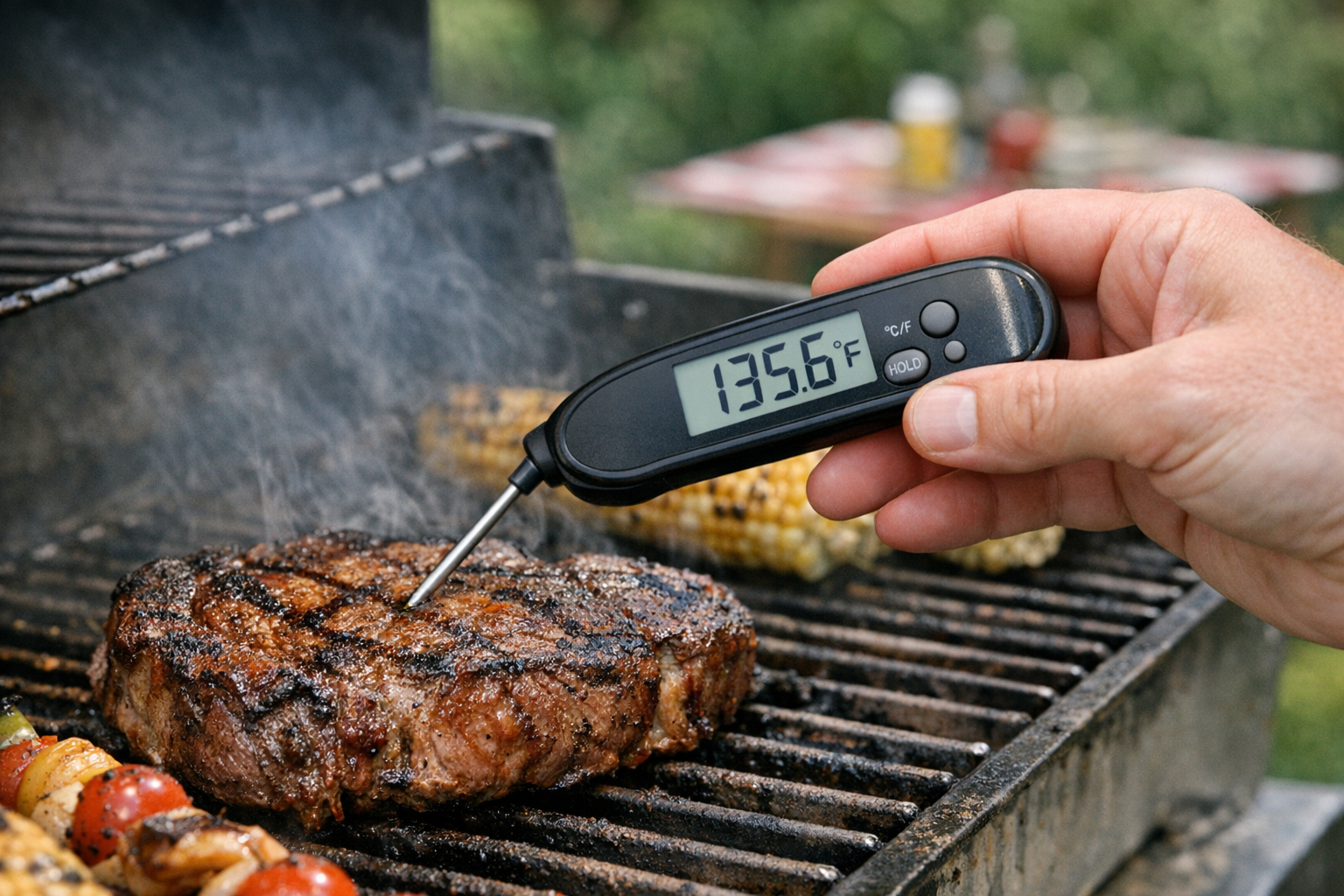
Best Instant Read Meat Thermometers (2026 Tested)
We tested instant read thermometers for grilling, roasting, and candy making. The picks that read in under 3 seconds and don't break after a year.
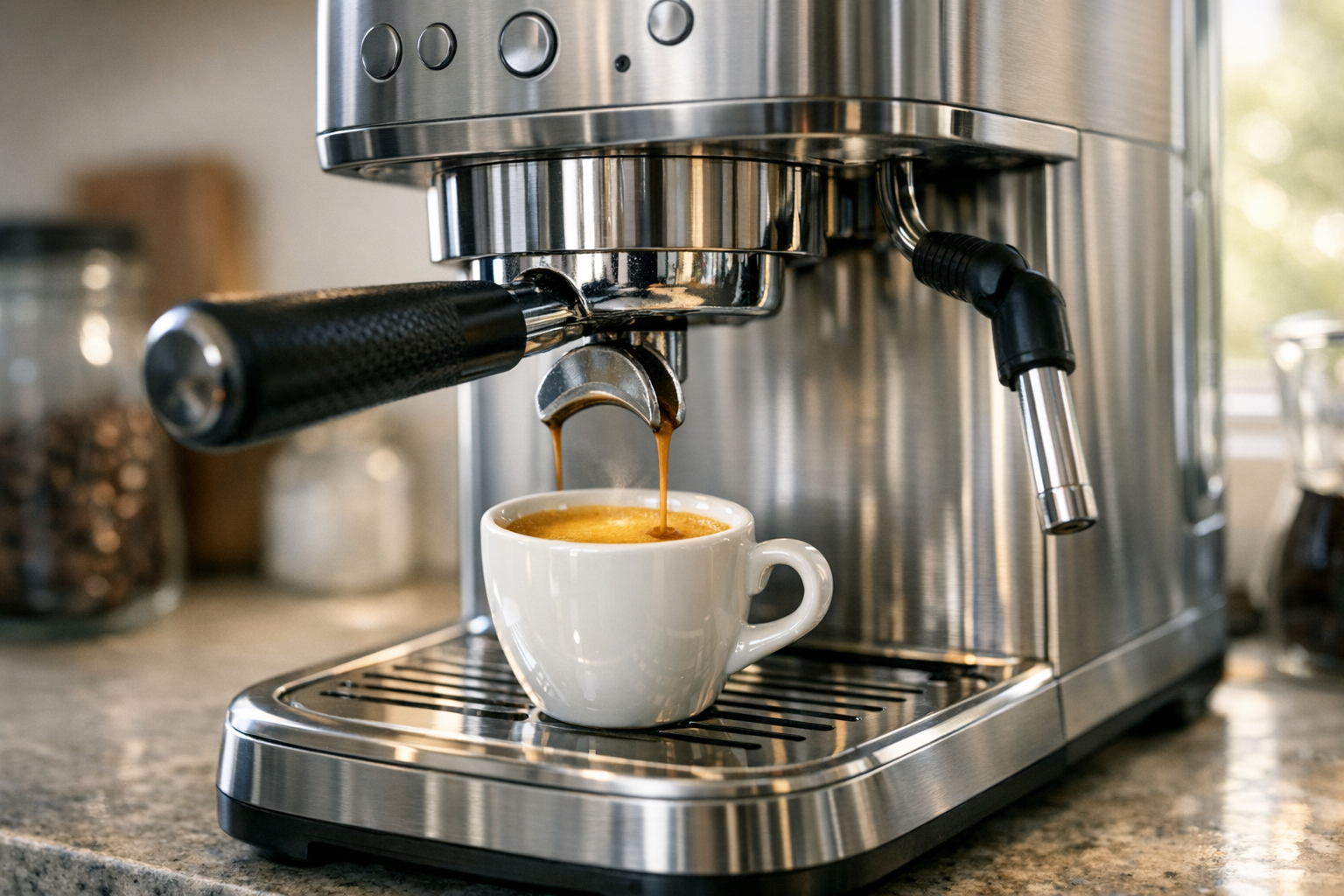
Best Espresso Machines for Home (2026 Buyer's Guide)
From under-300-dollar starter machines to 2000-dollar prosumer espresso, here are the espresso machines worth your money in 2026.
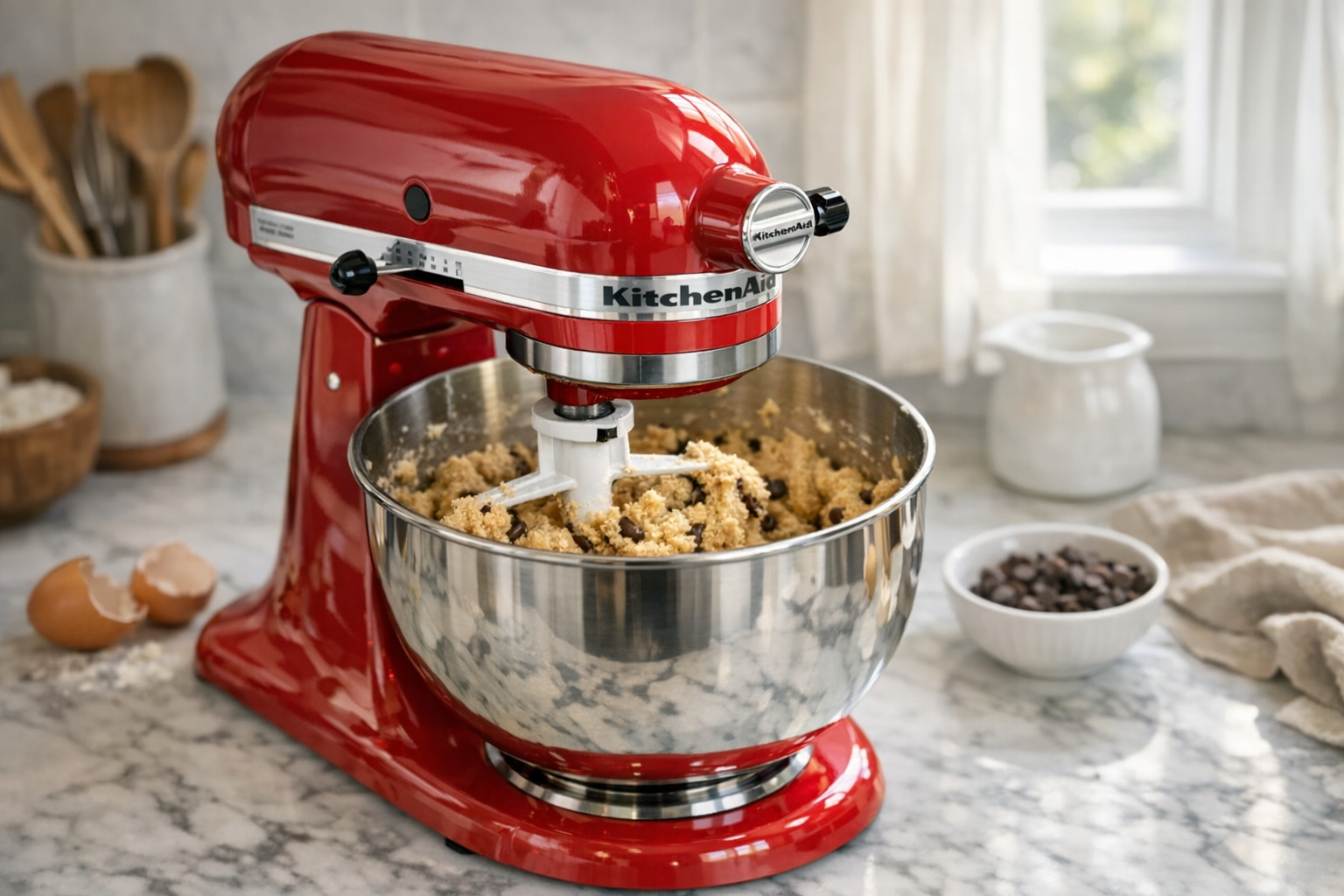
Best Stand Mixers (2026 Buyer's Guide)
We tested stand mixers from KitchenAid, Cuisinart, and Breville on bread dough, cookie batter, and meringues. Here are the picks worth the counter space.
5 Best Kitchen Knife Sets for Home Cooks (2026)
Stop struggling with dull knives. We compared the top kitchen knife sets for home cooks at every budget — here are the 5 best with honest pros and cons.
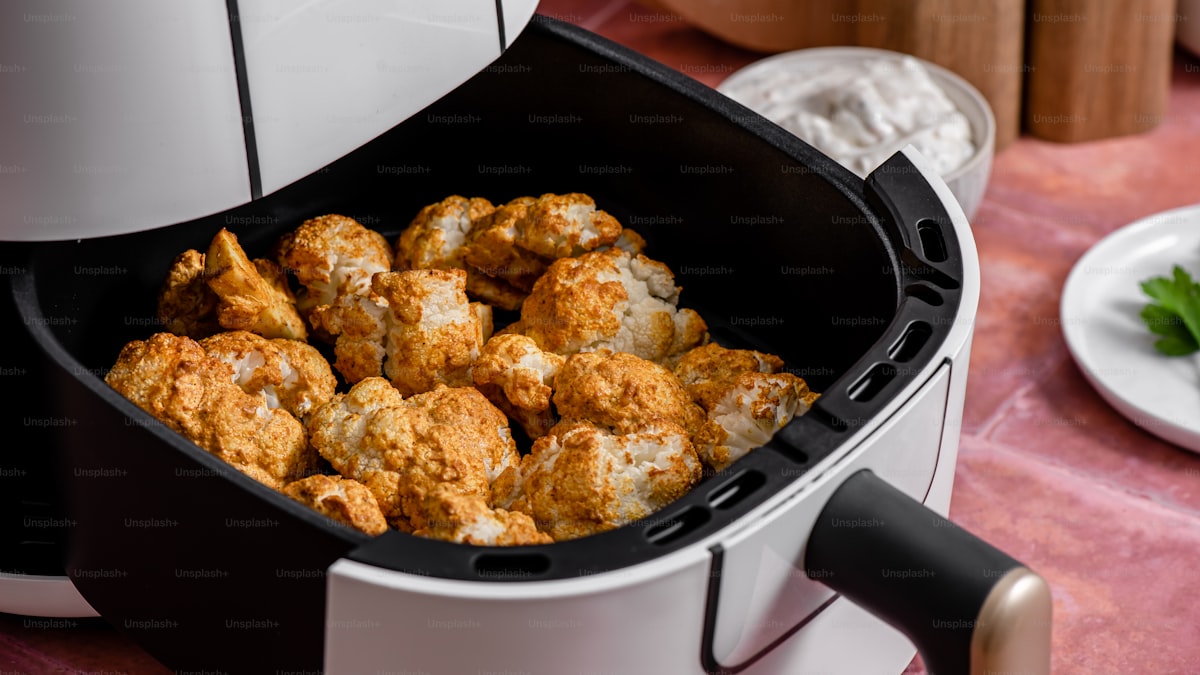
Best Air Fryers for Home Cooks (2026 Buyer's Guide)
Find the best air fryer for your kitchen and budget. We compare 6 top-rated air fryers from basket to oven style, with honest pros and cons for each.
Related Articles
Cookout Staples to Prep Ahead (For Stress-Free Summer Entertaining)
The 8 cookout staples you can make 1 to 3 days ahead — better-tasting than last-minute and lets you actually enjoy the party.
Mother's Day Gifts That Ship Well (Last-Minute Friendly)
If Mother's Day snuck up on you, these gift ideas ship in 3 days or less and don't feel last-minute. From specialty foods to thoughtful kitchen tools.
How to Cook Fluffy Rice Every Time (No Sticky Bottom)
Fluffy separate rice grains, no clumping, no scorched bottom. The exact ratios and technique that work whether you use a pot, rice cooker, or Instant Pot.
Best Instant Read Meat Thermometers (2026 Tested)
We tested instant read thermometers for grilling, roasting, and candy making. The picks that read in under 3 seconds and don't break after a year.