How to Deep Clean Your BBQ Grill for Spring Cooking Season
This article may contain affiliate links. If you make a purchase through these links, we may earn a small commission at no extra cost to you. Learn more
Quick Answer
How to Deep Clean Your BBQ Grill for Spring Cooking Season
Burn off residue on high heat for 15 minutes, scrape grates with a stiff brush, soak grates in hot soapy water, scrub burners and inside surfaces with a degreaser, empty and scrub the drip tray, and wipe the exterior. Total time: 1 to 2 hours, plus an oil seasoning of the grates before first cook.
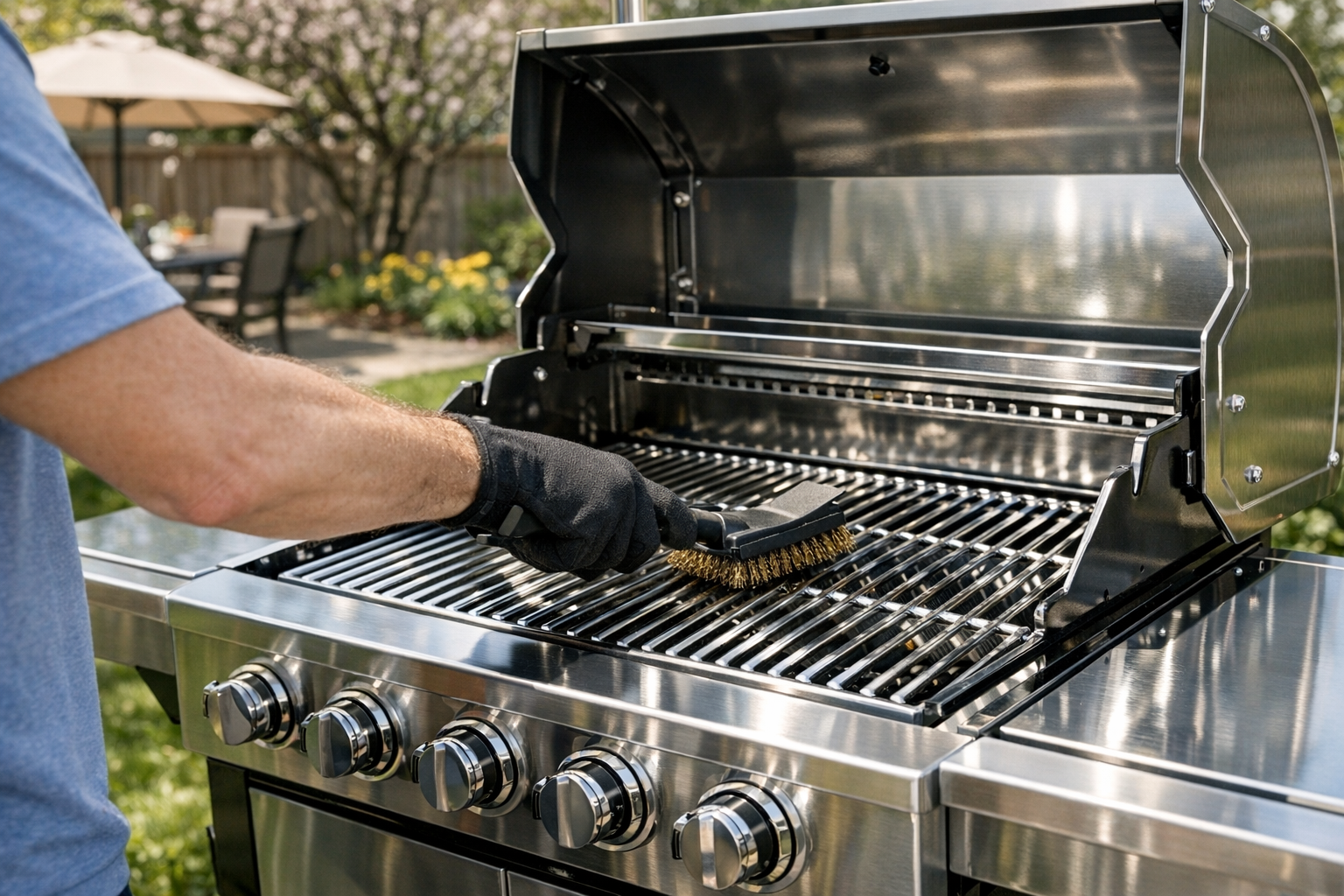
The grill you stored in November is not the grill you'll cook on in April — at least not safely. Old grease, mouse droppings, spider webs in burner tubes, and rusted grates are all common after a winter outside. A real spring deep-clean takes about 90 minutes and turns a grimy grill into a like-new one.
Here's the order I run, and what to do if you find serious problems.
Why a Deep Clean Matters Beyond the Cosmetic
- Spider webs in burner tubes block gas flow — common cause of weak flames and fires
- Built-up grease in the firebox is the biggest fire risk on any grill
- Old grease tastes like old grease (it transfers flavor to the next 5 cookouts)
- Rusted grates flake into food
Plus — a clean grill heats faster and more evenly. Worth the time.
What You'll Need
- A sturdy grill brush with stainless steel bristles (or a bristle-free grill scraper — safer)
- A grill grate cleaner or any heavy-duty degreaser
- A paint scraper (plastic, not metal — won't scratch porcelain)
- Heavy-duty rubber gloves
- A bucket of hot soapy water (Dawn or similar)
- A stiff bristle brush
- A roll of paper towels and a few microfiber cloths
- A bottle of stainless steel cleaner and polish for the exterior
- For seasoning afterward: a high smoke-point oil (canola, grapeseed, or grill seasoning oil)
Step 1: Burn Off Old Residue
Disconnect nothing yet. Light the grill, set all burners to high, and close the lid for 15 minutes. The heat carbonizes any old grease and food into ash that brushes off easily.
For charcoal grills: run a full chimney of charcoal until everything is gray ash, then let it burn down completely.
After burnoff, turn the grill off and let it cool until you can comfortably touch the grates with gloves on (about 15 minutes for gas).
Step 2: Scrape and Brush the Grates
While the grates are still warm, scrape them with the grill brush or scraper. Warm carbon comes off in flakes. Cold carbon is glued in place.
Scrape with the grain of the grates, not across. Two minutes of scraping per grate usually clears 90 percent of residue.
If your grill brush still has wire bristles, throw it out and replace it. Loose wire bristles end up in food and have caused real medical emergencies. A bristle-free grill scraper is the modern safer choice.
Step 3: Soak the Grates
Pull the grates out and submerge them in a sink, large bucket, or grill grate cleaning tray full of hot soapy water. Add a half cup of baking soda — it cuts grease faster than soap alone.
Let them soak 30 minutes to an hour while you handle the inside.
For really crusted grates: spray with oven cleaner (in a well-ventilated area, with gloves) and bag them in a contractor trash bag for an hour. Rinse thoroughly. This is a last resort — strong stuff.
Step 4: Clean Out the Firebox
Pull out the heat shields (the metal bars or tents over the burners). Scrape off the heavy stuff with a putty knife, then brush.
Look at the burner tubes carefully. Spider webs, especially in spring, can block the small gas ports along the burner. A burner tube brush (looks like a long pipe cleaner) clears them out.
Spray the inside walls with grill cleaner or degreaser. Let it sit 5 to 10 minutes. Wipe with paper towels. Repeat for stubborn spots.
Step 5: Empty the Drip Tray and Grease Catcher
The single grossest part of grill cleaning. Wear gloves.
Pull the drip tray out. Scrape it into the trash. Soak it in hot soapy water with a few drops of degreaser. Scrub with a stiff brush. Rinse thoroughly.
If the drip tray is rusted through, replace it before grilling — old grease is a real fire hazard. Universal grill drip pan liners catch grease and make next year's cleanup a 30-second job.
Step 6: Scrub the Grates and Reassemble
Pull the grates out of the soak. By now most of the gunk wipes off with the stiff brush. For stuck spots, scrub harder with the brush — soaking has loosened most of it.
Rinse thoroughly. Dry with paper towels (especially cast iron — it'll rust). Set in the sun to fully dry.
Reassemble: drip tray, heat shields, grates.
Step 7: Re-Season the Grates
Cast iron and bare steel grates need to be re-oiled or they'll rust the moment you close the lid. Pour a tablespoon of high smoke-point oil onto a paper towel, hold the towel with tongs, and rub a thin layer all over the grates.
Run the grill on high for 15 minutes with the lid closed to bond the oil to the metal. That's a new seasoning layer.
Porcelain-coated grates don't need seasoning — just wipe with a light coat of oil before storing or before the first cook.
Step 8: Clean the Exterior
For stainless steel: stainless steel cleaner on a microfiber cloth, going with the grain. Removes fingerprints, water spots, and the streaky residue that builds up over winter.
For painted exteriors: dish soap and water on a soft cloth.
Don't forget the propane tank — wipe it down and check the date stamp. Tanks more than 12 years old should be exchanged or recertified.
Step 9: Check the Gas Connections
This is the safety step nobody does. Mix a tablespoon of dish soap into a cup of water. Brush it on every gas connection (tank to regulator, regulator to grill, valve hookups). Open the gas valve.
If you see bubbles forming, you have a leak. Don't grill until it's fixed. Tighten connections, replace washers, or replace the grill regulator and hose assembly if the leak persists.
Frequently Asked Questions
How often should I deep clean my grill?
A real deep clean once at the start of grilling season and once at the end (before storage). Quick clean (burn off, brush grates) every 2 to 3 cookouts.
My grill grates are rusted. Can I save them?
If the rust is surface only, scrub it off with a grill brush and re-season with oil. If the metal is pitted through or flaking, replace the grates — pieces of rust in food are not safe to eat.
Is it safe to use oven cleaner on a grill?
Yes for the exterior firebox surfaces and for soaking grates in a sealed bag, but rinse very thoroughly afterward. Don't spray oven cleaner directly on burners or gas connections.
Should I cover my grill in winter?
Yes — a waterproof grill cover extends grill life by years. Even better, store it in a covered patio or shed if you have the space.
Final Thoughts
A real spring deep-clean takes 90 minutes and pays you back in better-tasting food, faster heating, and a safer grill. Add a 30-second wipe-down after every cookout and you'll never face this kind of cleanup again.
Get weekly home tips that actually work
Join thousands of homeowners getting practical cleaning hacks, DIY fixes, and money-saving tips every week. Free, and you can unsubscribe anytime.

Written by
Priya PatelKitchen & Lifestyle Writer
Priya Patel is a former restaurant pastry chef turned home-cooking obsessive. She writes about meal prep, kitchen organization, and the small appliances actually worth your counter space. Priya tests recipes and gadgets out of a tiny Brooklyn galley kitchen, so she has strong opinions about what earns its footprint.
Recommended Products
Looking for specific product recommendations? Check out our tested picks.
Best Cordless Stick Vacuums (2026 Buyer's Guide)
We tested cordless stick vacuums on hardwood, carpet, pet hair, and stairs. Here are the picks worth the price for every home and budget in 2026.
Best Pressure Washers for Home Use (2026 Buyer's Guide)
We tested electric and gas pressure washers for siding, decks, driveways, and patio furniture. Here are the best picks for every budget and home size.
Best Self-Emptying Robot Vacuums (2026 Tested)
Self-emptying robot vacuums let you forget about the dust bin for weeks. We tested the top models on hardwood, carpet, pet hair, and floor plans.

5 Best Steam Mops for Tile Floors (2026)
We tested the top steam mops for tile, grout, and hard floors. Here are the 5 best picks with honest pros, cons, and who each one is best for.

7 Best Robot Vacuums Under $300 (2026)
We compared the top robot vacuums under $300 for pet hair, hardwood floors, and carpet. Here are the 7 best picks with pros, cons, and who each is best for.
Related Articles
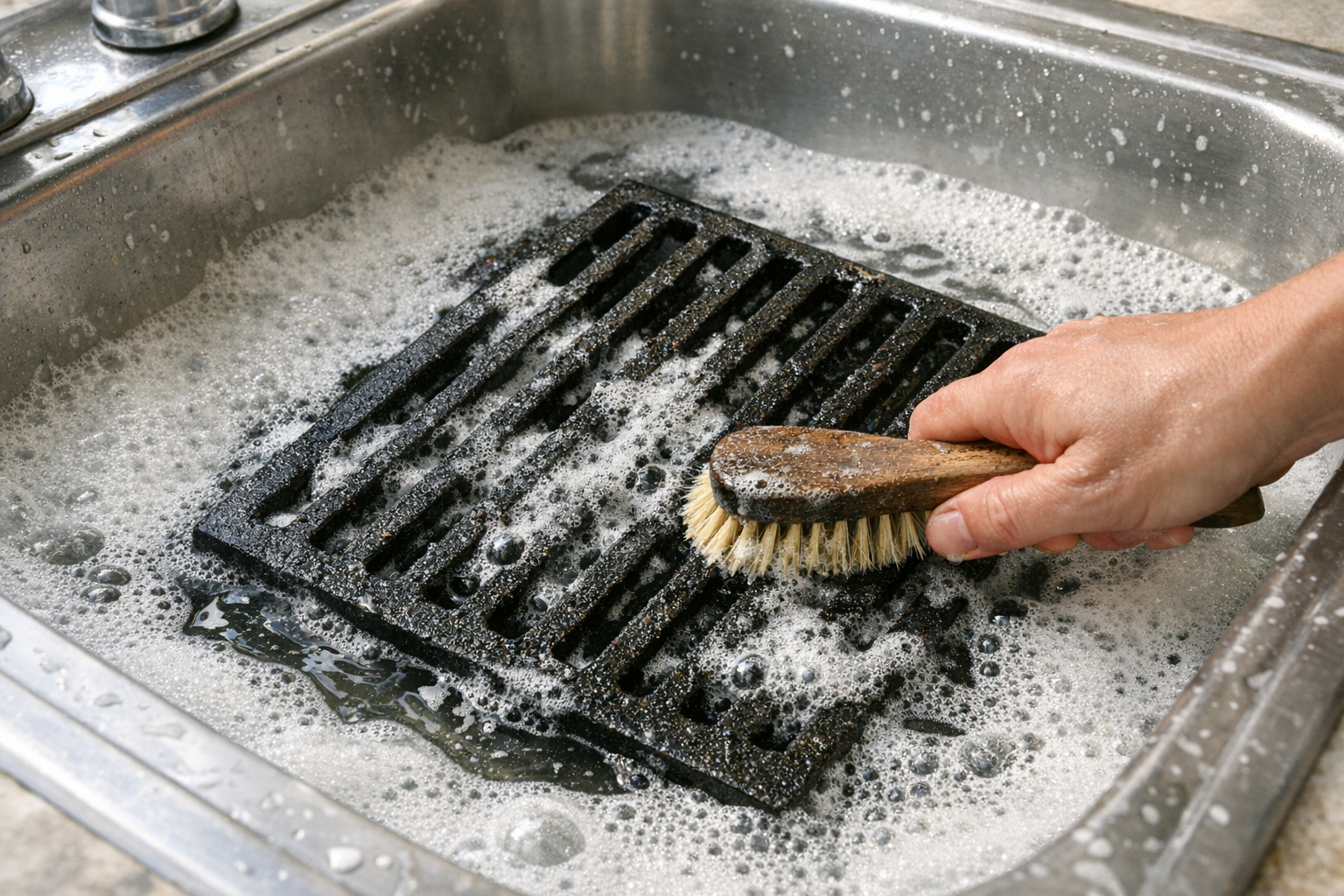
How to Remove Rust From Grill Grates (Without Replacing Them)
Rusted grill grates can be revived if rust is surface-only. Here's the safe restoration method that gets cast iron and steel grates back to cooking-ready.
How to Remove Grass Stains From Clothes (Even After Drying)
Grass stains are protein and chlorophyll bonded into fabric. Here's the order of treatments that gets them out — even on jeans that already went through the dryer.

How to Refresh Outdoor Rugs Without Replacing Them
Before you toss that faded, grimy outdoor rug, try this simple revival routine. Most polypropylene outdoor rugs come back like new with 30 minutes of work.
How to Deep Clean Window Screens (The Bathtub Method)
Window screens accumulate a winter's worth of dust, pollen, and grime. The bathtub method gets them all clean in one shot — cleaner than cleaning them individually.