How to Remove Rust From Grill Grates (Without Replacing Them)
This article may contain affiliate links. If you make a purchase through these links, we may earn a small commission at no extra cost to you. Learn more
Quick Answer
How to Remove Rust From Grill Grates (Without Replacing Them)
Soak grates in a 1:1 white vinegar and water solution for 1 to 2 hours, then scrub with a stiff steel brush or balled-up aluminum foil. For deeper rust, use a paste of baking soda and water with a stiff scrub brush. Rinse, dry completely, and re-season with a thin coat of high smoke-point oil.
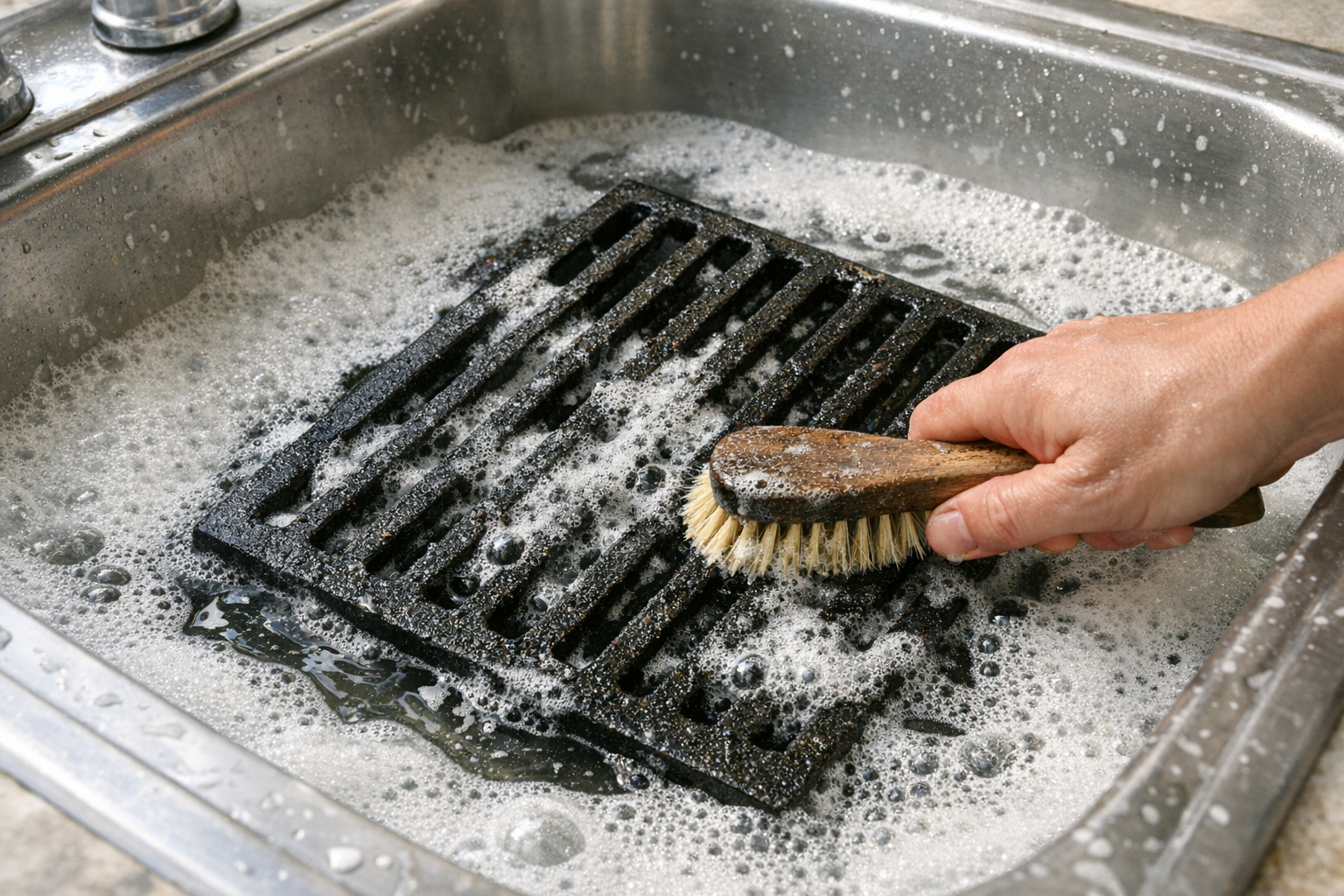
Stored a grill outside all winter and pulled it out this spring to find rusty grates? Don't trash them. Surface rust comes off completely with the right approach. Only rust that's pitted through the metal needs replacement.
Here's the routine.
Assess the Damage First
Look at the rust. There are three levels:
- Surface rust — orange-brown coating, metal underneath is intact. Easily removable.
- Heavy rust — flaking, larger areas, but metal still has structure. Removable with effort.
- Pitted rust — holes through the metal, brittle areas, flakes when pressed. Replace the grates.
Press a flathead screwdriver against the grate. If it sinks through or flakes off pieces, replace. If it scratches the surface but the metal underneath is solid, restore.
What You'll Need
- A bottle of distilled white vinegar
- A box of baking soda
- A stiff wire grill brush or bristle-free grill scraper
- Crumpled aluminum foil (the secret weapon)
- A stiff bristle scrub brush
- Dish soap
- A grill cleaning oil or any high smoke-point oil
- A grocery bag or large bin big enough to hold the grates
Step 1: Scrape Off Loose Rust First
Dry-scrape with the stiff brush or scraper to remove loose flakes. The more you remove dry, the less work the soak does.
Step 2: Vinegar Soak
Lay the grates in a large bin or shallow container. Pour 50/50 vinegar and water until grates are submerged. Let soak 1 to 2 hours.
For really rusted grates, soak 4 to 6 hours.
The acetic acid in vinegar dissolves iron oxide (rust). After soaking, the rust comes off with much less scrubbing.
Step 3: Scrub with Aluminum Foil
This is the trick most people don't know. Crumple a sheet of aluminum foil into a tight ball. Use it like a scouring pad on the grates. The aluminum is softer than the steel grate but harder than rust — it scrubs rust off without scratching the metal underneath.
Replace the foil ball as it gets dirty.
Step 4: Baking Soda Paste for Deep Spots
For stubborn spots, mix 3 tablespoons baking soda with enough water to make a thick paste. Apply with the stiff brush, scrub vigorously. Rinse and check.
Step 5: Wash with Dish Soap
Once rust is gone, wash with hot soapy water to remove all vinegar and baking soda residue. Rinse thoroughly.
Step 6: Dry Completely
This is critical. Wet metal rusts within hours. Dry the grates with paper towels, then put them in the sun or in a 200F oven for 15 minutes to drive off all moisture.
Step 7: Re-Season with Oil
For cast iron grates: rub a thin layer of high smoke-point oil (canola, grapeseed, or grill seasoning oil) over every surface.
For porcelain-coated grates: skip seasoning. Just store dry.
For uncoated steel: same as cast iron — thin oil layer prevents new rust.
Heat the grill on high for 15 minutes after oiling to bond the oil to the metal.
How to Prevent Future Rust
- Cover the grill with a waterproof cover when not in use
- Store indoors for winter if possible (garage, shed)
- Oil the grates after every cookout while still warm
- Replace porcelain grates that chip — exposed steel underneath rusts fast
A grill stored properly and oiled regularly should never see significant rust.
When to Just Buy New Grates
Replace grates if:
- Pitting goes through the metal (visible pinholes when held to light)
- Grates flake off pieces when pressed firmly
- Bars are noticeably thinner than originally
- Rust returns within a few weeks of cleaning despite proper oiling
A pair of universal replacement grill grates costs 30 to 80 dollars depending on size and material. Worth it for a grill that's otherwise in good shape.
Frequently Asked Questions
Can I use steel wool on rusted grates?
Yes, but the aluminum foil ball method is gentler and just as effective. Steel wool can leave fine fibers that end up in food.
Is it safe to cook on grates after rust removal?
Yes, if you've removed all visible rust and re-seasoned with oil. Surface rust isn't toxic — your body processes small amounts of iron — but it does affect food flavor and texture.
What about rust on the inside of the grill (firebox, burners)?
Vinegar and baking soda work the same way. For burners, use a burner cleaning brush to clear gas ports. See our full grill deep clean guide.
How often should I deep-clean grates?
A real deep clean once at the start of grilling season and once before winter storage. Quick brush-and-oil after every cookout maintains them between deep cleans.
Final Thoughts
Surface rust on grill grates is fully recoverable with vinegar, foil, and a thin oil layer. Save the replacement money for a quality grill cover that prevents next year's rust.
Get weekly home tips that actually work
Join thousands of homeowners getting practical cleaning hacks, DIY fixes, and money-saving tips every week. Free, and you can unsubscribe anytime.

Written by
Priya PatelKitchen & Lifestyle Writer
Priya Patel is a former restaurant pastry chef turned home-cooking obsessive. She writes about meal prep, kitchen organization, and the small appliances actually worth your counter space. Priya tests recipes and gadgets out of a tiny Brooklyn galley kitchen, so she has strong opinions about what earns its footprint.
Recommended Products
Looking for specific product recommendations? Check out our tested picks.
Best Cordless Stick Vacuums (2026 Buyer's Guide)
We tested cordless stick vacuums on hardwood, carpet, pet hair, and stairs. Here are the picks worth the price for every home and budget in 2026.
Best Pressure Washers for Home Use (2026 Buyer's Guide)
We tested electric and gas pressure washers for siding, decks, driveways, and patio furniture. Here are the best picks for every budget and home size.
Best Self-Emptying Robot Vacuums (2026 Tested)
Self-emptying robot vacuums let you forget about the dust bin for weeks. We tested the top models on hardwood, carpet, pet hair, and floor plans.

5 Best Steam Mops for Tile Floors (2026)
We tested the top steam mops for tile, grout, and hard floors. Here are the 5 best picks with honest pros, cons, and who each one is best for.
7 Best Robot Vacuums Under $300 (2026)
We compared the top robot vacuums under $300 for pet hair, hardwood floors, and carpet. Here are the 7 best picks with pros, cons, and who each is best for.
Related Articles
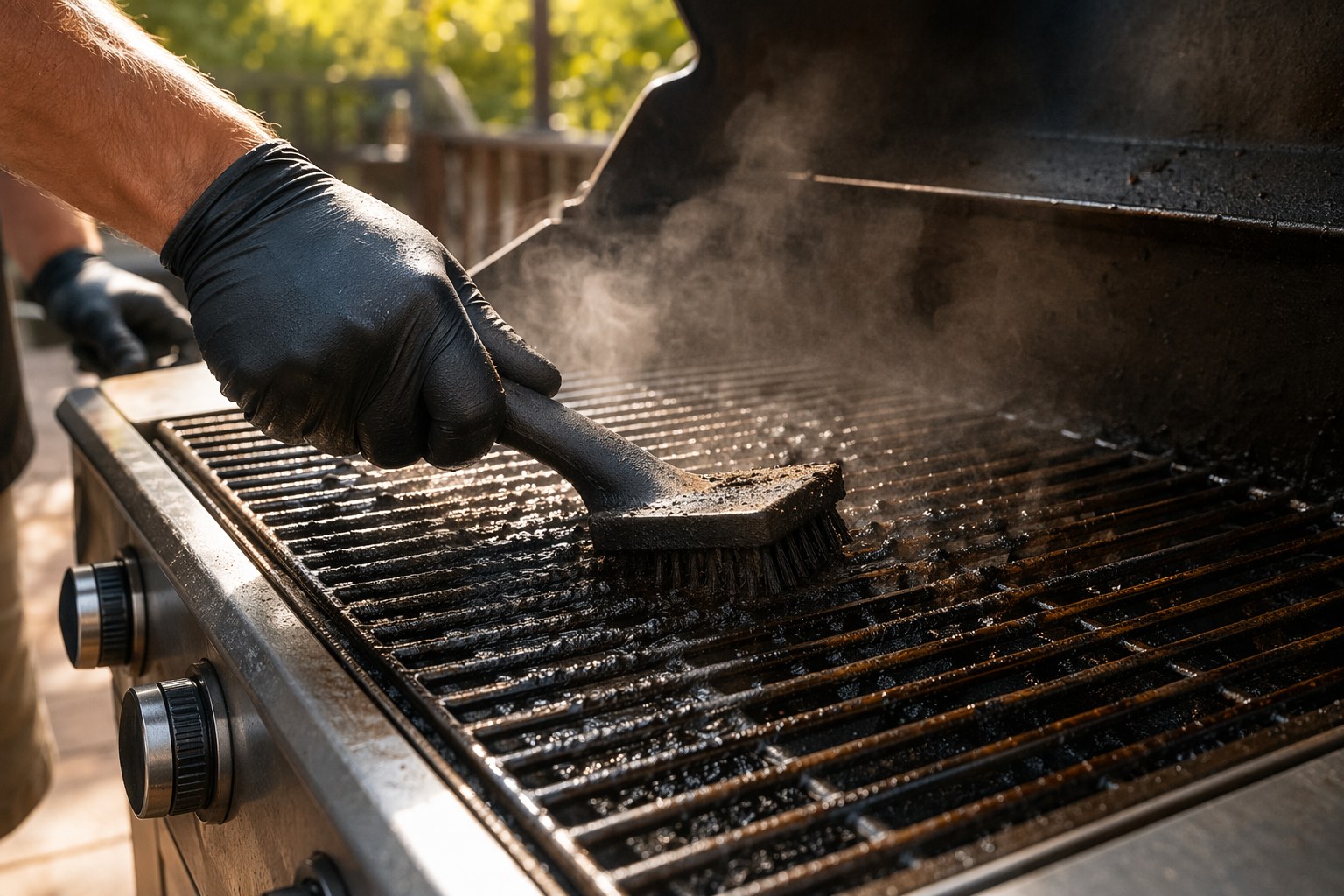
Post-Cookout Cleanup: Fast Grill & Patio Restoration Strategy
Turn a trashed post-party patio back to perfect in 45 minutes flat. A timed grill, furniture, and deck cleanup strategy that beats the morning-after dread.

Post-Spring-Break Deep Clean: Restore Your House Room by Room
Restore your house after spring break travel and guests with this room-by-room deep clean plan. Finish a full reset in one weekend, no chaos required.

Spring Pollen Defense: Air Purifiers vs. HEPA Filters (Testing Results)
We tested 6 HEPA air purifiers against pollen during spring allergy season. See real efficacy data, room-size guidance, and ROI to pick the right one for you.
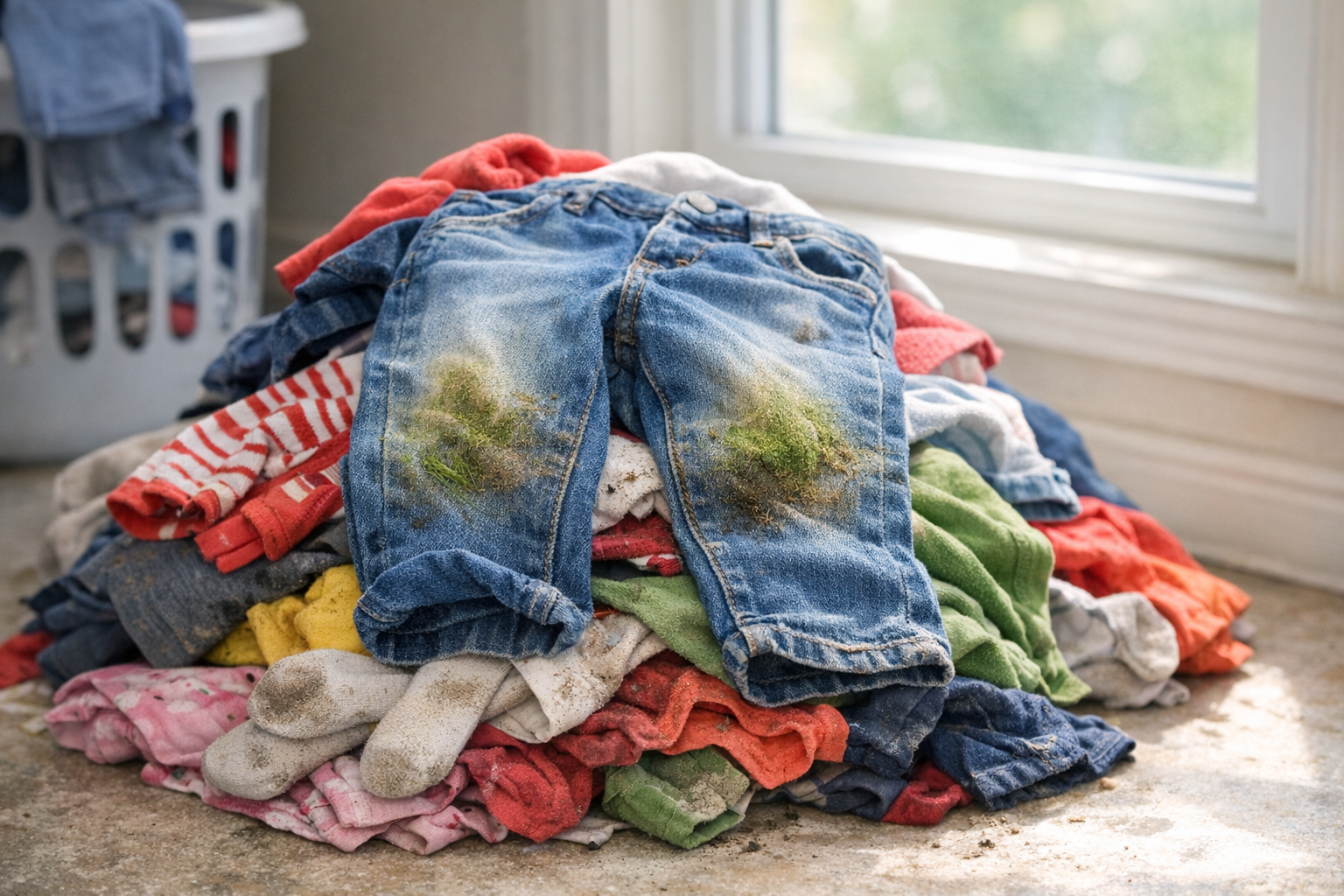
How to Remove Grass Stains From Clothes (Even After Drying)
Grass stains are protein and chlorophyll bonded into fabric. Here's the order of treatments that gets them out — even on jeans that already went through the dryer.