5 Best Steam Mops for Tile Floors (2026)
This article may contain affiliate links. If you make a purchase through these links, we may earn a small commission at no extra cost to you. Learn more
Quick Answer
5 Best Steam Mops for Tile Floors (2026)
The best steam mop for tile floors is the Bissell PowerFresh Slim for its lightweight design, fast heat-up, and excellent grout cleaning. For large tile areas, the Shark S5003D is worth the upgrade for its larger water tank and wider mop head. Budget shoppers should look at the O-Cedar Microfiber Steam Mop — it handles everyday tile cleaning for under $40.
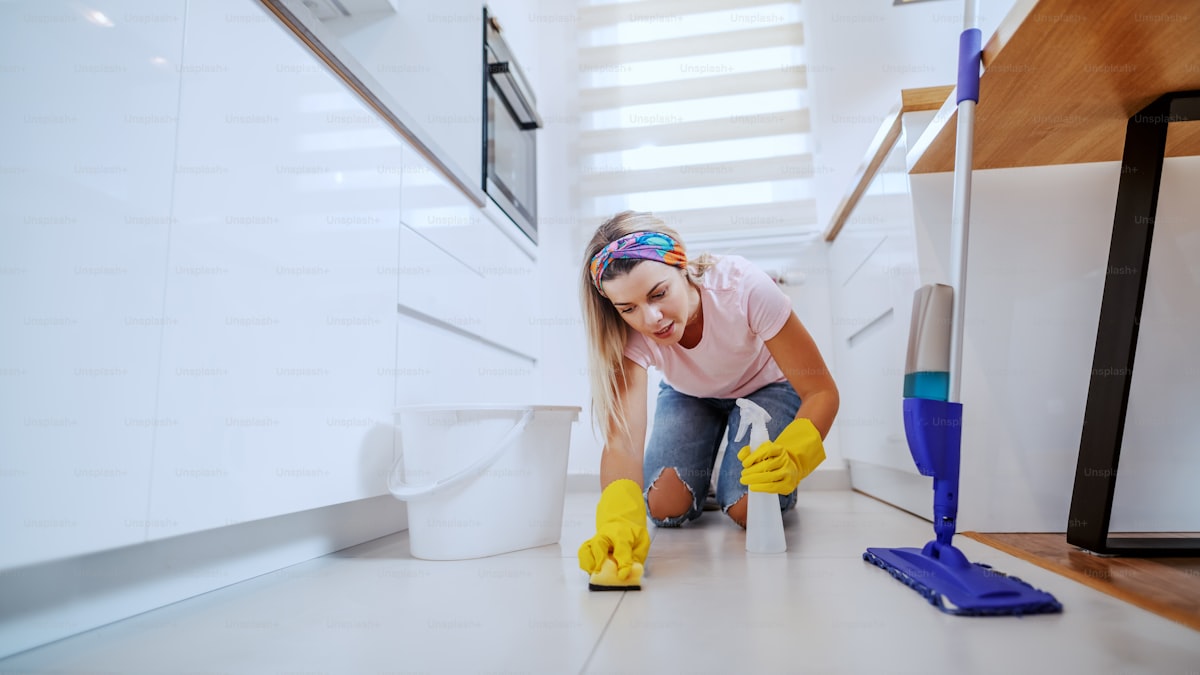
If you have tile floors, you already know they can be both a blessing and a curse. They look beautiful, they're durable, and they handle moisture better than almost any other flooring material. But keeping them truly clean -- especially the grout lines -- is a different story. Regular mopping pushes dirty water around and often leaves a film behind. Swiffer-style pads pick up surface dust but don't do much for stuck-on grime. That's where steam mops change the game.
A steam mop uses nothing but water, heated to roughly 200 to 212 degrees Fahrenheit, to sanitize and clean hard floors. The steam loosens dirt, dissolves grease, and kills up to 99.9 percent of common household bacteria without any chemicals. For tile specifically, steam is ideal because it penetrates the porous surface of grout lines where traditional mops can't reach. You get cleaner grout, streak-free tile, and a floor that actually feels clean when you walk on it barefoot.
We spent several weeks testing the most popular steam mops on ceramic, porcelain, and natural stone tile. We evaluated heat-up time, steam output, maneuverability, water tank capacity, pad quality, and how well each model handled the real test: dirty grout. Here are the five best steam mops for tile floors in 2026, with honest reviews for each.
Quick Comparison
| Product | Best For | Price Range | Key Feature |
|---|---|---|---|
| Bissell PowerFresh Slim | Overall tile cleaning | $60-$80 | 3 steam levels + fast 30-second heat-up |
| Shark S5003D | Large tile areas | $80-$100 | Extra-large 450 mL water tank |
| Bissell SpinWave | Scrubbing grout | $100-$130 | Rotating mop pads for scrubbing action |
| O-Cedar Microfiber Steam Mop | Budget pick | $30-$40 | Snap-on microfiber pad, lightweight |
| Dupray Neat Steam Cleaner | Versatility | $100-$130 | Multi-surface with accessories included |
1. Bissell PowerFresh Slim -- Best Overall
The Bissell PowerFresh Slim is the steam mop we keep reaching for when it's time to clean tile. It heats up in about 30 seconds, which is noticeably faster than most competitors, and produces a consistent, strong burst of steam across three adjustable settings. The low setting works well for sealed tile and light maintenance, while the high setting is what you want for deep-cleaning grout and tackling sticky kitchen floor messes.
At just under eight pounds, the PowerFresh Slim is light enough to maneuver comfortably for 20 to 30 minutes of continuous cleaning without arm fatigue. The swivel head gets into corners and along baseboards without much effort, and the slim profile lets you reach under cabinets and between furniture legs. The mop pad attaches with a simple hook-and-loop system, and Bissell includes both a soft microfiber pad for general cleaning and a scrubby pad for tougher grime.
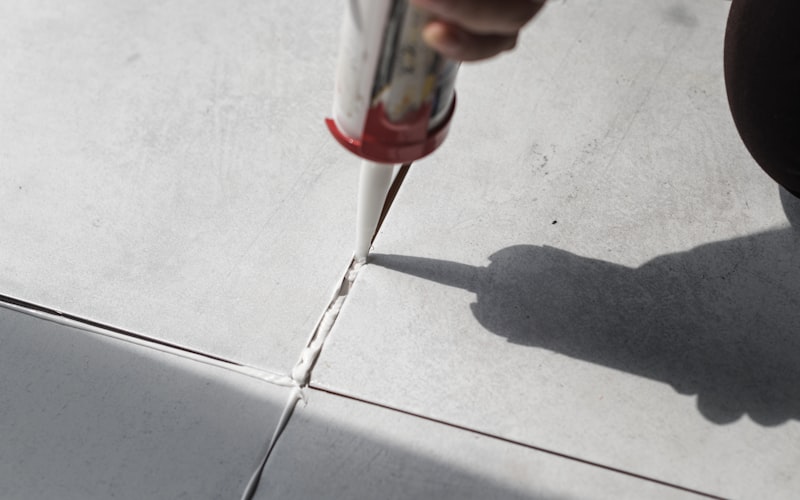
What makes this our top pick specifically for tile is how effectively it handles grout. The steam penetrates grout lines and loosens embedded dirt that regular mopping misses entirely. After a single pass with the PowerFresh Slim on high, we noticed a visible difference in grout color on a kitchen floor that hadn't been deep-cleaned in months. If you've been struggling with dingy grout, check out our guide on how to clean grout without scrubbing for additional tips that pair well with regular steam mopping.
What we like:
- Heats up in roughly 30 seconds -- fastest on this list
- Three steam levels let you match intensity to the job
- Lightweight at under 8 pounds with a comfortable swivel head
- Included scrubby pad works great on stubborn grout stains
What could be better:
- Water tank is on the smaller side at about 350 mL, requiring refills on larger floors
- Power cord could be longer for big rooms
- Replacement pads are a recurring cost, though they're machine washable
Best for: Anyone who wants the best balance of cleaning power, ease of use, and grout-cleaning performance on ceramic or porcelain tile.
2. Shark S5003D -- Best for Large Areas
The Shark S5003D is the steam mop to get if you have a lot of tile to cover. Its 450 mL water tank is significantly larger than what most competitors offer, which translates to about 20 to 25 minutes of continuous steaming before you need a refill. For kitchens, bathrooms, entryways, and laundry rooms all tiled, that extra capacity means fewer interruptions and faster whole-house cleaning sessions.
The mop head is wider than average, covering more surface area with each pass. Shark uses a double-sided dirt grip pad that you can flip when one side gets dirty, effectively doubling the pad life between washes. Steam output is strong and consistent, and the two steam settings -- low for everyday maintenance and high for deep cleaning -- cover most situations well. Heat-up time is around 45 seconds, which is quick enough that you won't be standing around waiting.
Build quality is solid without being heavy. At about nine pounds, it's slightly heavier than the Bissell PowerFresh Slim, but the larger tank and wider head make it feel proportional. The 25-foot power cord is a nice touch for larger rooms, reducing the need to unplug and switch outlets. If you have a large open-plan kitchen or a home where tile runs through multiple rooms, the S5003D handles the job without running dry.
What we like:
- Largest water tank in this roundup at 450 mL
- Wider mop head covers more floor per pass
- Double-sided flip pads extend cleaning time between swaps
- 25-foot power cord reaches across large rooms
What could be better:
- Only two steam settings compared to three on some competitors
- Slightly heavier than the Bissell PowerFresh Slim
- Swivel head isn't quite as nimble in tight spaces
Best for: Homeowners with large tiled areas -- open kitchens, multiple bathrooms, or whole-house tile -- who want fewer refills and faster coverage.
3. Bissell SpinWave -- Best for Scrubbing Grout
The Bissell SpinWave takes a different approach from a traditional steam mop. Instead of relying on steam alone, it uses dual rotating mop pads that spin at high RPM to scrub the floor as you push it forward. You fill the tank with water and Bissell's cleaning formula (or plain water if you prefer), and the spinning pads work the moisture into the tile surface and grout lines with genuine mechanical scrubbing action.
This spinning scrub motion makes the SpinWave the most effective model on this list for seriously dirty grout. Where a standard steam mop loosens grime and lets the pad absorb it, the SpinWave actively agitates the surface. On a heavily soiled kitchen floor with years of built-up grout discoloration, the SpinWave produced noticeably better results than steam-only models in our testing. It comes with two sets of pads: soft pads for everyday maintenance and scrubby pads for deep cleaning.
The tradeoff is that the SpinWave doesn't produce steam, so you're not getting the sanitizing benefit of high-temperature cleaning. If killing bacteria is a priority, this isn't the right pick. But if your main concern is grout that looks dingy no matter what you do, the SpinWave's scrubbing power is hard to beat. Pair it with our tips on how to clean hardwood floors if you also have wood flooring in your home -- the soft pads work well on sealed hardwood too.
What we like:
- Rotating pads provide genuine scrubbing action on grout
- Visibly better results on heavily soiled grout than steam-only models
- Two pad types included for light and heavy cleaning
- Works on tile, sealed hardwood, laminate, and vinyl
What could be better:
- Not a true steam mop -- doesn't sanitize with heat
- Requires Bissell cleaning formula for best results (ongoing cost)
- Pads wear out faster than non-spinning steam mop pads
Best for: Anyone whose top priority is restoring dirty, discolored grout lines -- especially in kitchens and bathrooms that haven't been deep-cleaned in a while.
4. O-Cedar Microfiber Steam Mop -- Best Budget
The O-Cedar Microfiber Steam Mop proves that you don't need to spend $100 to get a functional steam mop. At roughly $30 to $40, it's the most affordable steam mop worth buying, and it handles everyday tile maintenance surprisingly well. It heats up in about 20 to 30 seconds, produces a steady stream of steam, and uses a snap-on microfiber pad that's machine washable and holds up through dozens of wash cycles.
Steam output is fixed -- there's no adjustable steam level -- which keeps the design simple but limits your control. On standard ceramic and porcelain tile, the single steam setting is perfectly adequate for routine cleaning. It loosens light dirt, absorbs it into the microfiber pad, and leaves the floor dry within a minute or two. The mop weighs just about five pounds, making it the lightest option on this list and very easy to maneuver, even for extended cleaning sessions.
Where the O-Cedar falls short is deep cleaning. If your grout is heavily stained or you're dealing with caked-on kitchen grease, you'll want something with more steam power or a scrubbing mechanism. But for weekly maintenance on reasonably clean tile floors, it does the job without chemicals and without spending much money. The included microfiber pad is the same quality you'd expect from O-Cedar's well-regarded mop line, and replacement pads cost very little.
What we like:
- Extremely affordable at around $30 to $40
- Lightweight at about 5 pounds -- easy to handle
- Fast heat-up time and consistent steam output
- Machine-washable microfiber pad lasts through many uses
What could be better:
- No adjustable steam settings
- Struggles with heavy grout stains and stuck-on grime
- Smaller water tank requires more frequent refills
Best for: Budget-conscious buyers who want a chemical-free way to maintain tile floors that are already in decent shape, without investing in a premium model.
5. Dupray Neat Steam Cleaner -- Most Versatile
The Dupray Neat Steam Cleaner isn't a traditional stick-style steam mop. It's a canister steam cleaner with a floor attachment, which means it can do everything a regular steam mop does plus a lot more. The included accessory kit gives you nozzles, brushes, and extensions for cleaning countertops, stovetops, bathroom fixtures, windows, upholstery, and even the inside of your oven. If you want one machine that handles tile floors and everything else, this is it.
For tile specifically, the floor attachment works well. The canister heats water to approximately 275 degrees Fahrenheit and pushes steam through a hose to whatever attachment you're using. On tile, the higher temperature and strong steam pressure do an excellent job loosening ground-in dirt and sanitizing the surface. The small detail brush attachment is particularly useful for grout -- you can direct concentrated steam right into grout lines and scrub with the brush simultaneously. The 54-ounce water tank is the largest in this roundup by a wide margin, giving you up to 50 minutes of continuous steam.
The downside is ergonomics. Because it's a canister unit, you're dragging a base behind you rather than pushing a lightweight stick. It's heavier overall at about nine pounds for the canister alone, and setup takes a minute or two since you need to attach the hose and floor head. Heat-up time is also longer at about seven minutes, which is a noticeable wait compared to the 30-second models above. But if versatility matters to you and you plan to use steam cleaning beyond just floors, the Dupray Neat pays for itself quickly. For more cleaning projects around the house, take a look at our guide on how to clean your oven without self-clean -- the Dupray's oven nozzle attachment makes that job much easier.
What we like:
- Works on floors, counters, stovetops, bathrooms, windows, and more
- Highest steam temperature on this list at around 275 degrees Fahrenheit
- Massive 54-ounce water tank for up to 50 minutes of continuous use
- Detail brush attachment is excellent for targeted grout cleaning
What could be better:
- Canister design is less convenient than a stick-style mop for quick cleanups
- Seven-minute heat-up time is significantly longer than competitors
- Heavier and bulkier to store than a traditional steam mop
Best for: Anyone who wants a single steam cleaning machine that handles tile floors, grout, kitchen surfaces, bathrooms, and more -- and doesn't mind the canister form factor.

How to Choose the Right Steam Mop for Tile
Not all steam mops work equally well on tile, and the right choice depends on your specific situation. Here's what to consider before you buy.
Tile type matters. Ceramic and porcelain tile handle steam beautifully -- the glazed surface is non-porous and won't absorb moisture. Natural stone tile like marble, travertine, or slate requires more caution. Steam can penetrate the pores of unsealed stone and potentially cause discoloration or damage over time. If you have natural stone, make sure it's properly sealed before using any steam mop, and stick to the lowest steam setting.
Think about grout condition. If your grout is in decent shape and you just want to maintain it, any steam mop on this list will work. If your grout is heavily stained, yellowed, or hasn't been deep-cleaned in years, you'll get better results from models with higher steam output or dedicated scrubbing action -- the Bissell SpinWave or Dupray Neat are your best bets for serious grout restoration.
Water tank size determines how far you can go. A 350 mL tank gets you through a bathroom and small kitchen. If you have tile throughout your home, look for 450 mL or more to avoid constant refill stops. The Dupray Neat's 54-ounce canister is overkill for a single room but ideal if you're cleaning multiple areas in one session.
Weight and maneuverability affect how long you'll actually use it. A five-pound steam mop that swivels easily will get used far more often than a ten-pound unit that fights you around corners. If you have a smaller home or plan to steam mop frequently for quick maintenance, go lighter. If you're doing less frequent deep cleans, a heavier model with more power is worth the tradeoff.
Heat-up time is a convenience factor. Models that heat up in 30 seconds or less encourage spontaneous use -- you'll actually grab it to clean up a spill or quickly do the kitchen after dinner. A seven-minute heat-up time means you need to plan ahead, which is fine for scheduled cleaning sessions but less practical for daily spot cleaning.
Pad quality saves money over time. Machine-washable microfiber pads that survive dozens of wash cycles cost far less than disposable pads over a year. Check whether the manufacturer sells replacement pads at a reasonable price, and consider buying a few extras so you always have a clean one ready.
Frequently Asked Questions
Can you use a steam mop on all types of tile?
Steam mops are safe for glazed ceramic and porcelain tile, which are the most common types found in homes. These tiles have a non-porous surface that handles heat and moisture without any issues. Natural stone tile -- including marble, travertine, limestone, and slate -- requires more caution. If your natural stone is properly sealed, you can typically use a steam mop on the lowest setting, but check with the tile manufacturer's recommendations first. Unsealed or poorly sealed stone can absorb moisture from steam, leading to discoloration, etching, or weakened grout. When in doubt, test a small inconspicuous area first and let it dry completely before assessing the results.
How often should you steam mop tile floors?
For most households, steam mopping once a week is the sweet spot for tile floors. This keeps grout lines from accumulating dirt and prevents the sticky buildup that makes tile floors look dull. High-traffic areas like kitchens and entryways may benefit from twice-weekly steam mopping, while guest bathrooms and low-traffic rooms can go every two weeks. Between steam mopping sessions, a quick dry sweep or vacuum to pick up loose debris will keep things looking fresh and prevent grit from scratching the tile surface.
Do steam mops damage grout?
When used correctly, steam mops do not damage grout. In fact, they're one of the best tools for keeping grout clean because the steam penetrates the porous grout surface to lift out embedded dirt without harsh chemicals. However, there are a couple of precautions. Avoid holding the steam mop stationary over one spot for extended periods, as concentrated heat and moisture could weaken older or already-crumbling grout. If your grout is cracked, loose, or missing sealant, address those issues before steam mopping -- the moisture could penetrate behind the tile. For grout in good condition, regular steam mopping actually helps maintain its appearance and can delay the need for re-grouting.
Are steam mops better than regular mops for tile?
For tile floors specifically, steam mops offer several advantages over traditional mops. They sanitize without chemicals, which is healthier for homes with kids and pets. They don't leave behind the soapy residue that traditional mopping often does -- that residue is what makes tile floors feel sticky or look hazy after drying. Steam also dries much faster than a traditional wet mop, reducing the risk of slip hazards and water sitting in grout lines. The main advantage of a regular mop is cost and simplicity. But once you've used a steam mop on tile and seen how much cleaner the grout looks, it's hard to go back to pushing a string mop and bucket around.
Final Verdict
For most people with tile floors, the Bissell PowerFresh Slim is the best steam mop to buy. Its fast heat-up time, adjustable steam levels, lightweight design, and effective grout cleaning make it the most well-rounded option for ceramic and porcelain tile. It's the one we'd recommend to anyone who asks.
If you have a large home with tile throughout, upgrade to the Shark S5003D for its bigger tank and wider mop head. If grout restoration is your main goal, the Bissell SpinWave will scrub away years of buildup better than any steam-only model. And if you just need a simple, affordable tool for weekly tile maintenance, the O-Cedar Microfiber Steam Mop gets the job done for under $40.
Whichever model you choose, the upgrade from traditional mopping to steam cleaning is one of those changes where the difference is immediately visible. Your tile will look better, your grout will stay cleaner, and you'll never want to go back to a bucket and mop again.
Get weekly home tips that actually work
Join thousands of homeowners getting practical cleaning hacks, DIY fixes, and money-saving tips every week. Free, and you can unsubscribe anytime.

Written by
Beth SullivanFounder & Editor-in-Chief
Beth Sullivan is the founder of Practical Home Guides. With over a decade of hands-on experience tackling every home challenge imaginable, she started this site to share the practical, no-nonsense solutions she wishes she had found years ago. When she's not testing cleaning hacks or organizing pantries, you'll find her in the garden or working on her next DIY project.
Recommended Products
Looking for specific product recommendations? Check out our tested picks.
Best Cordless Stick Vacuums (2026 Buyer's Guide)
We tested cordless stick vacuums on hardwood, carpet, pet hair, and stairs. Here are the picks worth the price for every home and budget in 2026.
Best Pressure Washers for Home Use (2026 Buyer's Guide)
We tested electric and gas pressure washers for siding, decks, driveways, and patio furniture. Here are the best picks for every budget and home size.
Best Self-Emptying Robot Vacuums (2026 Tested)
Self-emptying robot vacuums let you forget about the dust bin for weeks. We tested the top models on hardwood, carpet, pet hair, and floor plans.
7 Best Robot Vacuums Under $300 (2026)
We compared the top robot vacuums under $300 for pet hair, hardwood floors, and carpet. Here are the 7 best picks with pros, cons, and who each is best for.
Related Articles
How to Remove Rust From Grill Grates (Without Replacing Them)
Rusted grill grates can be revived if rust is surface-only. Here's the safe restoration method that gets cast iron and steel grates back to cooking-ready.
How to Remove Grass Stains From Clothes (Even After Drying)
Grass stains are protein and chlorophyll bonded into fabric. Here's the order of treatments that gets them out — even on jeans that already went through the dryer.

How to Refresh Outdoor Rugs Without Replacing Them
Before you toss that faded, grimy outdoor rug, try this simple revival routine. Most polypropylene outdoor rugs come back like new with 30 minutes of work.
How to Deep Clean Window Screens (The Bathtub Method)
Window screens accumulate a winter's worth of dust, pollen, and grime. The bathtub method gets them all clean in one shot — cleaner than cleaning them individually.