How to Clean Your Dog's Teeth at Home (Vet-Approved Methods)
This article may contain affiliate links. If you make a purchase through these links, we may earn a small commission at no extra cost to you. Learn more
Quick Answer
How to Clean Your Dog's Teeth at Home (Vet-Approved Methods)
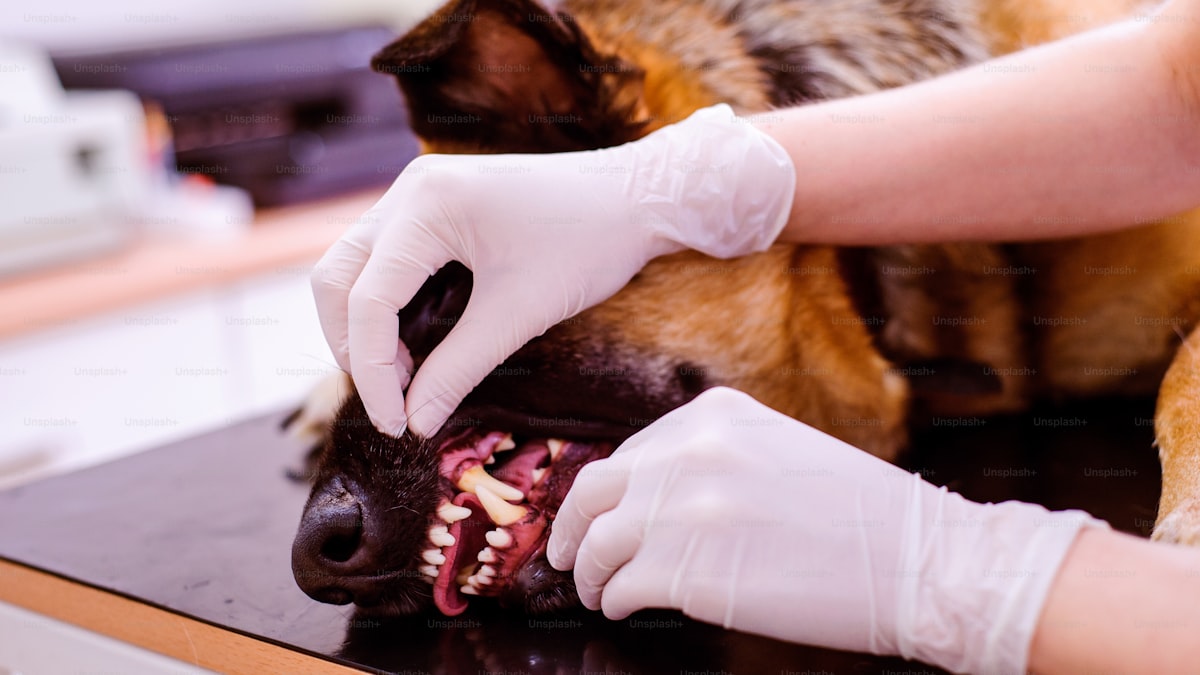
Brush your dog's teeth daily using an enzymatic dog toothpaste and a soft-bristled dog toothbrush or finger brush, angling bristles at 45 degrees along the gum line. Supplement brushing with VOHC-approved dental chews and a water additive for dogs that resist the toothbrush.
How to Clean Your Dog's Teeth at Home (Vet-Approved Methods)
By the age of three, over 80 percent of dogs show signs of periodontal disease. That statistic from the American Veterinary Dental College means most of us are overlooking one of the most important parts of our dog's health routine. Dental disease leads to pain, tooth loss, and in severe cases, bacteria entering the bloodstream and damaging the heart, liver, and kidneys.
Preventing dental problems is straightforward, and you can do most of it at home. This guide covers daily brushing technique, getting reluctant dogs on board, and effective alternatives for dogs that refuse the toothbrush.
Why Does Dog Dental Care Matter So Much?
Dental disease is the most common health issue veterinarians diagnose in adult dogs, yet it is also one of the most preventable. When food particles and bacteria build up along the gum line, they form plaque. Within 24 to 48 hours, plaque hardens into tartar, which cannot be removed by brushing and requires professional cleaning under anesthesia.
Left unchecked, tartar leads to gingivitis, periodontal disease, and tooth loss. Bacteria from advanced dental disease can enter the bloodstream and infect the heart valves, kidneys, and liver.
Professional dental cleanings typically cost $300 to $800 or more depending on whether extractions are needed. Maintaining your dog's teeth at home reduces the frequency of professional cleanings and catches problems early. For more ways to keep pet costs manageable, our guide on how to save money on pet care covers budgeting strategies across all aspects of pet ownership.
How Often Should You Brush Your Dog's Teeth?
Daily brushing is the gold standard recommended by veterinary dentists. Plaque begins forming within hours of eating, and brushing once a day removes it before it mineralizes into tartar.
If daily brushing is not realistic, aim for a minimum of three times per week. Anything less allows plaque to harden between sessions, significantly reducing the effectiveness of your efforts. A quick 60-second brushing every day does far more good than an occasional five-minute session once a week.
What Do You Need to Brush Your Dog's Teeth?
Gather the right supplies before your first session. Using the wrong tools makes the process harder and less effective.
The Essential Dental Kit
- Dog toothbrush kit — a soft-bristled brush sized for your dog's mouth, or a dual-ended brush with large and small heads
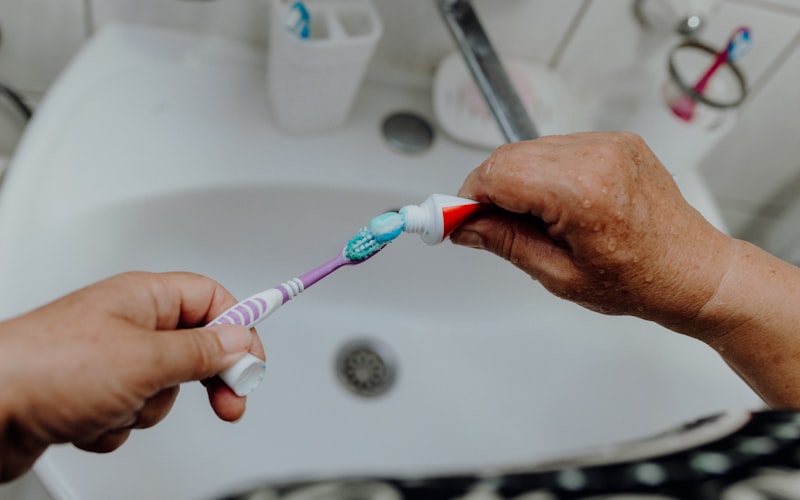
- Enzymatic dog toothpaste — contains enzymes that continue fighting bacteria after brushing stops, available in flavors dogs enjoy like poultry and beef
- Finger toothbrush for dogs — a silicone brush that fits over your fingertip, ideal for beginners and small dogs
- Treats — for rewarding cooperation at every stage
Never use human toothpaste on your dog. Human toothpaste contains fluoride and often xylitol, both of which are toxic to dogs when swallowed. Enzymatic dog toothpaste is specifically formulated to be safe when ingested.
How Do You Get a Dog Used to Toothbrushing?
If your dog has never had their teeth brushed, do not start by forcing a toothbrush into their mouth. Just like with nail trimming, desensitization is the key to long-term success.
Week 1 — Touch and taste. Let your dog lick enzymatic toothpaste off your finger. While they enjoy the taste, gently lift their lip and touch their teeth and gums for a few seconds. Reward with praise and a treat.
Week 2 — Introduce the finger brush. Apply toothpaste to a finger brush and gently rub along the outside surface of a few front teeth. Keep sessions under 30 seconds.
Week 3 — Transition to the toothbrush. Let your dog sniff and lick toothpaste off the brush, then gently brush the outer surfaces of the front teeth with small circular motions. Work toward the back teeth gradually.
Week 4 and beyond — Full sessions. Build up to a complete routine covering all surfaces. Most dogs accept the process within three to four weeks. If your dog resists at any stage, go back one step and spend more time there.
Step-by-Step Guide to Brushing Your Dog's Teeth
Once your dog is comfortable with the toothbrush, follow this technique for the most effective cleaning.
1. Position your dog comfortably. Sit beside or behind your dog, not in front of them. Facing them head-on can feel confrontational.
2. Lift the lip gently. Use your non-dominant hand to expose the teeth and gum line on one side.
3. Angle the bristles at 45 degrees. Position the toothbrush where the teeth meet the gums. This angle allows bristles to clean both the tooth surface and just under the gum line, where plaque accumulates most.
4. Brush in small circular motions. Focus on the gum line, where bacteria concentration is highest. Each tooth needs only about five seconds.
5. Prioritize the outer surfaces. The outside of the teeth accumulates the most plaque. The tongue naturally cleans the inner surfaces, so brushing only the outside still provides significant benefit.
6. Work from front to back. Start with the canine teeth, then move to the premolars and molars where tartar buildup is heaviest. The upper back teeth are the most important to reach.
7. Keep sessions short. A thorough brushing takes 60 to 90 seconds. If your dog becomes stressed, stop and continue tomorrow.
8. Reward immediately. Praise, treats, or a favorite toy right after finishing builds positive associations for next time.
What Can I Use Instead of a Dog Toothbrush?
Not every dog will accept a toothbrush. Fortunately, several alternatives can supplement or partially replace brushing.
Dental Chews
VOHC-accepted dental chews are among the most effective non-brushing options. The Veterinary Oral Health Council tests and certifies products that meet specific standards for reducing plaque and tartar. Dental chews work through mechanical scraping action, reaching surfaces that are difficult to access with a brush. Give one chew per day, choosing a size appropriate for your dog to avoid choking hazards.
Water Additives
Water additives for dog dental health are flavorless solutions you add to your dog's drinking water daily. They contain antimicrobial agents that reduce plaque and bacteria throughout the day. Water additives are the easiest dental care method since your dog consumes them naturally while drinking. They are not as effective as brushing alone but make an excellent supplement.
Dental Wipes and Raw Bones
Pre-moistened dental wipes let you physically wipe tooth surfaces when brushing is not an option. Raw, uncooked bones and textured rubber chew toys provide additional mechanical cleaning action. Always supervise your dog with bones and discard them once small enough to swallow.
What Are the Signs of Dental Problems in Dogs?
Even with regular home care, dental issues can develop. Watch for these warning signs:
- Bad breath — persistent foul odor is the most common early sign of dental disease
- Red, swollen, or bleeding gums — healthy gums are pink and firm
- Yellow or brown buildup on teeth — visible tartar means brushing alone is no longer enough
- Difficulty eating or dropping food — pain from infected teeth or gums
- Pawing at the mouth — signals oral pain or discomfort
- Excessive drooling — sudden changes often point to mouth pain
- Loose or missing teeth — advanced periodontal disease
If you notice any of these signs, schedule a veterinary dental exam promptly.
When Should You See a Vet for Your Dog's Teeth?
Home care is preventive, not curative. Once tartar has hardened, it requires professional scaling under anesthesia. See your veterinarian for visible tartar that does not improve with brushing, persistent bad breath, bleeding gums, broken teeth, or changes in eating behavior. Most vets recommend professional cleanings every one to two years, with small breeds often needing them more frequently.
Building a Daily Dental Care Routine
The most effective plan combines multiple methods. Here is a practical daily routine:
Morning: Add a dental water additive to your dog's fresh water bowl.
After meals: Give a VOHC-approved dental chew once daily.
Evening: Brush your dog's teeth for 60 to 90 seconds with enzymatic toothpaste.
Weekly: Do a quick visual inspection of teeth and gums for tartar, redness, or anything unusual.
This routine adds about two minutes to your day and can save hundreds in veterinary dental bills. It pairs well with other grooming tasks — if you are already bathing your dog at home and keeping their nails trimmed, adding dental care is a natural next step.
Dental care also helps with pet odor in the house, since healthy teeth mean fresher breath. And if you are pet-proofing your home, keep dental care supplies in one convenient spot so the routine stays consistent.
Frequently Asked Questions
Can I use human toothpaste on my dog?
No. Human toothpaste contains fluoride and often xylitol, both of which are toxic to dogs when swallowed. Even small amounts of xylitol can cause a rapid drop in blood sugar and liver failure. Since dogs swallow toothpaste rather than spitting, always use enzymatic dog toothpaste, which is safe to ingest and comes in flavors like poultry and beef.
What if my dog absolutely refuses to let me brush their teeth?
Start with the desensitization steps above, spending as many weeks as needed at each stage. If your dog still refuses, rely on alternatives: daily VOHC-accepted dental chews, a water additive, and dental wipes provide meaningful plaque reduction without brushing. Dental sprays or gels applied to the gum line are another option. Discuss the best combination with your veterinarian.
At what age should I start cleaning my dog's teeth?
Start as early as possible. Introducing toothbrushing during puppyhood (around 8 to 12 weeks) creates a lifelong habit with minimal resistance. However, it is never too late — adult and senior dogs can learn to accept brushing with patience and positive reinforcement. For dogs with no dental care history, schedule a veterinary exam first to address existing problems before beginning a home routine.
Are dental chews alone enough to keep my dog's teeth clean?
Dental chews help but are not a complete replacement for brushing. VOHC-accepted chews reduce plaque by 15 to 20 percent, while daily brushing reduces it by up to 70 percent. The best approach combines brushing, dental chews, and a water additive. Dogs that will not tolerate brushing still benefit from chews and alternatives, but will likely need professional cleanings more often.
How can I tell the difference between normal dog breath and a dental problem?
A healthy dog's breath should be relatively neutral. Persistent foul or rotten breath signals bacterial buildup from plaque, tartar, or infection. A sweet or fruity smell can indicate diabetes, while a urine-like odor may suggest kidney problems. Any sudden change that does not improve within a few days of consistent dental care warrants a veterinary visit.
Get weekly home tips that actually work
Join thousands of homeowners getting practical cleaning hacks, DIY fixes, and money-saving tips every week. Free, and you can unsubscribe anytime.

Written by
Beth SullivanFounder & Editor-in-Chief
Beth Sullivan is the founder of Practical Home Guides. With over a decade of hands-on experience tackling every home challenge imaginable, she started this site to share the practical, no-nonsense solutions she wishes she had found years ago. When she's not testing cleaning hacks or organizing pantries, you'll find her in the garden or working on her next DIY project.
Recommended Products
Looking for specific product recommendations? Check out our tested picks.
5 Best Dog Grooming Kits for Home Use (2026)
Save hundreds on groomer visits by doing it yourself. We compared the top dog grooming kits — here are the 5 best for different coat types and budgets.
Best Pet Hair Removers That Actually Work (2026)
We tested the most popular pet hair removers for furniture, clothes, and cars. Here are the 7 best picks that actually get the job done — from lint rollers to rubber brooms.
Related Articles

How to Stop a Cat From Spraying (And Why They Start)
Cats spray for specific reasons — and identifying the cause is half the battle. Here's the vet-tech approach to stopping spraying without rehoming the cat.
Dog-Safe Spring Yard Checklist (Lawn Chemicals, Plants, and More)
Spring yard prep can poison your dog faster than you'd expect. Here's the checklist of toxic plants, lawn treatments, and seasonal hazards to remove before letting your dog roam.
How to Soothe Your Dog's Itchy Spring Skin Naturally
Spring allergies hit dogs hard. These vet-tech-approved natural remedies soothe itchy skin without immediately reaching for prescription meds.

How to Introduce a New Baby to Your Family Pet Safely
A vet tech's step-by-step plan for preparing your dog or cat for a new baby. Start weeks before the due date — not the day you come home from the hospital.