How to Wash Your Dog at Home (Stress-Free Bath Guide)
This article may contain affiliate links. If you make a purchase through these links, we may earn a small commission at no extra cost to you. Learn more
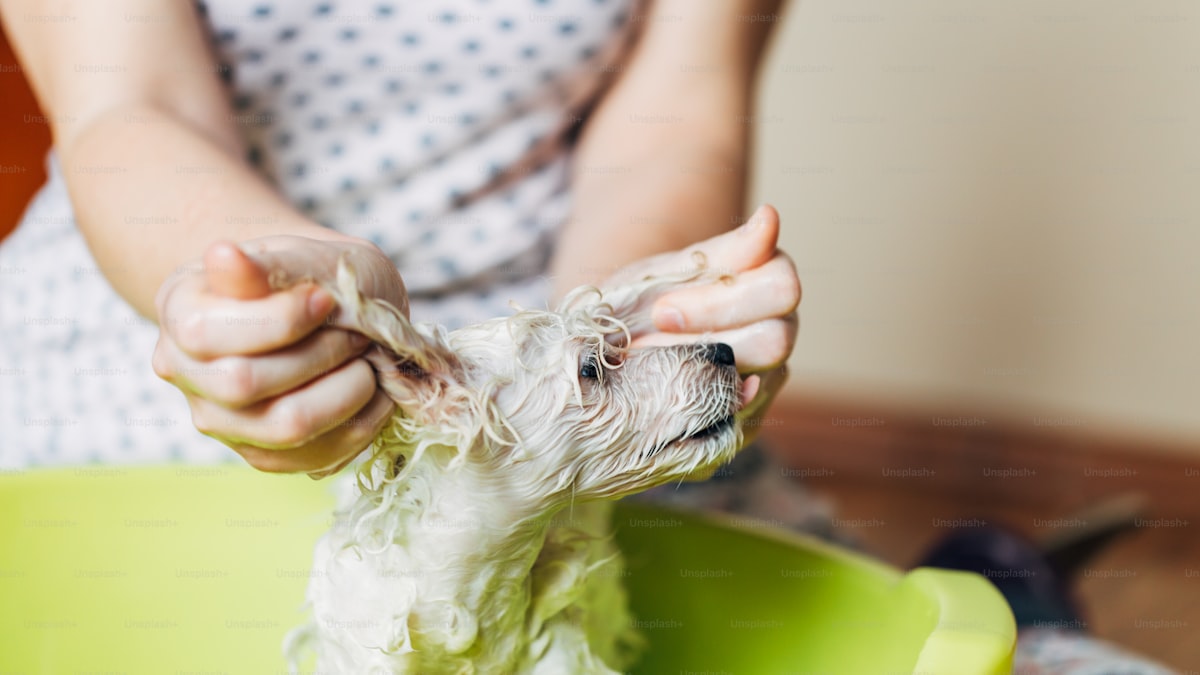
Bathing your dog at home should not feel like a wrestling match. If bath time in your household involves a panicked dog, a soaked bathroom, and an owner who needs a shower themselves afterward, you are not alone. The truth is that most dogs do not inherently hate water. They hate unpredictable, uncomfortable experiences, and that is exactly what an unplanned bath feels like to them.
We have put together this complete guide to help you give your dog a professional-quality bath at home with minimal stress for both of you. Whether you have a tiny Chihuahua or a 100-pound Labrador, these techniques will make bath time calmer, faster, and far less messy. Best of all, you will save a significant amount of money compared to professional grooming visits.
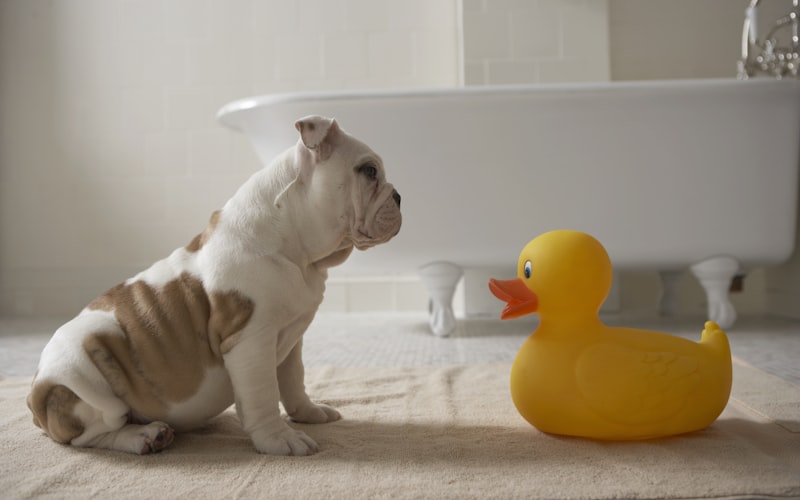
Why Regular Baths Matter
Before we get into the how, let's talk about the why. Regular bathing does more than just keep your dog smelling pleasant. It removes dirt, allergens, loose hair, and parasites from their coat and skin. It also gives you a chance to check for lumps, bumps, hot spots, or skin irritations that you might otherwise miss under all that fur.
Most dogs benefit from a bath every four to eight weeks, depending on breed, coat type, and lifestyle. Dogs that spend a lot of time outdoors, roll in things they shouldn't, or have skin conditions may need more frequent baths. On the other hand, overbathing can strip natural oils from the coat and cause dry, irritated skin, so finding the right balance is important.
Regular home baths also help reduce pet odor that can build up in your home between grooming sessions. That "wet dog" smell that lingers on furniture and carpets is often a sign that baths are overdue or not thorough enough.
Gathering Your Supplies Before You Start
One of the biggest mistakes people make is starting the bath before they have everything they need. Once your dog is wet and in the tub, the last thing you want is to leave them alone while you hunt for shampoo or a towel. Gather everything within arm's reach before you even turn on the water.
The Essential Bath Kit
Here is what you need for a successful at-home dog bath:
- Dog-specific shampoo (never use human shampoo, which has the wrong pH for dogs)
- Dog conditioner (optional but helpful for long-haired breeds)
- Two to three large absorbent towels (old towels work perfectly)
- A non-slip bath mat for the tub or shower floor
- A handheld sprayer or detachable showerhead (a large plastic cup works as a backup)
- Cotton balls to gently protect ears from water
- Treats for positive reinforcement throughout the process
- A brush or comb for pre-bath and post-bath grooming
- An old shirt or apron to keep yourself dry
If your dog tends to shake water everywhere, consider keeping a spare towel to drape over them between rinses. This simple trick can save your walls and ceiling from a thorough splattering.
Oatmeal Dog Shampoo (Natural Formula)
Gentle, soap-free formula with the right pH for dogs. Oatmeal soothes itchy skin while coconut-based cleansers remove dirt and odor without stripping natural oils. Works on all coat types.
Check Price on Amazon →Choosing the Right Shampoo
Not all dog shampoos are created equal, and choosing the right one matters more than you might think. For most healthy dogs, a gentle oatmeal-based shampoo works well. Dogs with sensitive or itchy skin benefit from hypoallergenic or medicated formulas recommended by your veterinarian.
Avoid shampoos with artificial fragrances, parabens, or sulfates. While a strongly scented shampoo might smell appealing to you, it can irritate your dog's skin and overwhelm their sensitive nose. Look for natural ingredients like aloe vera, chamomile, and coconut oil.
If your dog has a flea or tick problem, use a vet-recommended treatment product rather than relying solely on flea shampoo, which typically only kills parasites on contact and offers no lasting protection.
Preparing Your Dog for the Bath
Preparation is where most of the stress reduction happens. A little effort before the bath makes the actual washing far smoother.
Brush First, Always
Brushing your dog before the bath is not optional. Mats and tangles in your dog's coat become worse when wet, turning into tight knots that are painful to remove. Brushing also removes loose hair and debris, meaning less fur clogging your drain and a more effective bath overall.
For thick or double-coated breeds like Golden Retrievers, Huskies, and German Shepherds, spend at least five to ten minutes with an undercoat rake or de-shedding tool. You will be amazed how much loose fur comes out before the bath even starts. This also reduces the amount of pet hair you will need to clean off furniture after your dog dries off and settles onto the couch.
Set the Mood
This might sound excessive, but the environment matters enormously to your dog. Run the water before bringing them into the bathroom so the sudden noise does not startle them. Keep the bathroom warm, especially in cooler months, since a cold room makes the wet experience even more unpleasant.
Speak to your dog in a calm, upbeat voice throughout the process. Your energy directly affects theirs. If you are tense, rushing, or frustrated, your dog will pick up on it instantly and become anxious.
For dogs that are particularly nervous about baths, try a few practice sessions where you bring them into the bathroom, give treats, and let them leave without actually bathing them. Building positive associations with the space goes a long way.
The Bath: Step-by-Step Technique
Now that you are prepared, let's walk through the actual bathing process. Follow these steps for a thorough, stress-free wash.
Step 1: Get the Water Temperature Right
This is critical. Water that is too hot or too cold will make your dog miserable and create a negative association with bath time. The ideal water temperature is lukewarm, roughly the same temperature you would use for a baby's bath. Test it on the inside of your wrist, where your skin is most sensitive. It should feel comfortably warm but never hot.
Keep in mind that dogs have a higher body temperature than humans (about 101 to 102.5 degrees Fahrenheit), so what feels slightly cool to you might feel cold to them. Err on the slightly warmer side, but always monitor your dog's reaction.
If you are concerned about water usage during baths, our guide on how to lower your water bill has practical tips that apply to pet bathing as well.
Step 2: Wet the Coat Thoroughly
Start wetting your dog from the back of the neck and work toward the tail. Avoid spraying water directly at their face, which is startling and uncomfortable. Keep the water pressure gentle and the sprayer close to the body to reduce splashing.
Make sure the water penetrates all the way through the coat to the skin. Double-coated breeds and dogs with thick fur take longer to saturate, so be patient. A coat that is not fully wet will not lather properly, and you will end up using more shampoo than necessary.
Place cotton balls loosely in your dog's ears before wetting to prevent water from entering the ear canals. Trapped water in the ears can lead to painful infections, especially in floppy-eared breeds.
Step 3: Shampoo and Massage
Apply a line of shampoo along your dog's back and work it into a lather using your fingers in a gentle massaging motion. Most dogs actually enjoy this part once they relax, so take your time and make it feel good. Work the shampoo from neck to tail, then down each leg, the chest, belly, and hindquarters.
Be very careful around the face. Use a damp washcloth to gently clean the muzzle, around the eyes, and the top of the head rather than applying shampoo directly. Even "tearless" formulas can cause discomfort if they get into a dog's eyes.
Don't forget the often-missed areas: between the toes, under the armpits, behind the ears, and the base of the tail. These spots tend to accumulate dirt and oils and are where skin infections commonly develop.
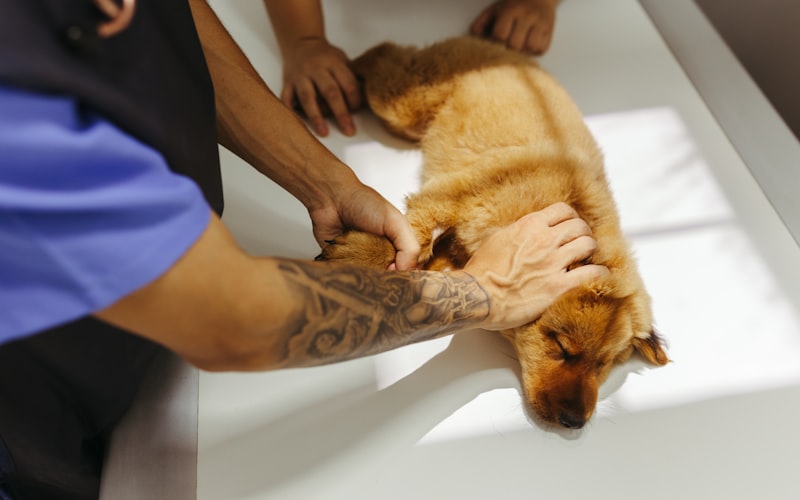
Step 4: Rinse Completely
This is arguably the most important step, and the one people most often rush through. Leftover shampoo residue causes itching, flaking, and skin irritation, which will make your dog associate baths with discomfort.
Rinse from head to tail, letting the water run through the coat until it runs completely clear with no suds. Then rinse one more time for good measure. If you used conditioner, rinse that thoroughly as well.
For breeds with thick undercoats, you may need to separate the fur with your fingers while rinsing to ensure the water reaches through to the skin. This extra attention prevents hidden soap residue that leads to hot spots and scratching.
Step 5: Dry Properly
How you dry your dog matters just as much as how you wash them. Start by letting your dog shake (they are going to do it anyway), then immediately drape a towel over them to catch the spray. Press the towel into the coat rather than rubbing vigorously, which can tangle fur and irritate skin.
For short-haired breeds, one or two towels and some air drying are usually sufficient. Long-haired and double-coated breeds need more thorough drying to prevent moisture from getting trapped against the skin, which can lead to hot spots and fungal infections.
If you use a blow dryer, use one designed for pets or set a human dryer to the low-heat or cool setting only. High heat can burn your dog's skin and damage the coat. Keep the dryer moving constantly and maintain a reasonable distance from the coat. Many dogs are afraid of blow dryers, so introduce it gradually with lots of treats.
After the bath, keep your dog indoors and away from dirt or grass until they are fully dry. A freshly bathed dog who immediately rolls in the yard is a frustrating but unfortunately common experience.
Breed-Specific Tips
Not all dogs need the same bath routine. Here are adjustments for common coat types.
Short-Haired Breeds (Beagles, Boxers, Bulldogs)
Short-haired dogs are the easiest to bathe. They dry quickly and require less shampoo. However, breeds with skin folds, like Bulldogs and Shar-Peis, need special attention in the creases where moisture and bacteria can get trapped. Dry between each fold thoroughly after the bath.
Long-Haired Breeds (Shih Tzus, Yorkshire Terriers, Collies)
Long-haired breeds need thorough brushing before the bath and usually benefit from conditioner to prevent tangles. Work through the coat with a wide-toothed comb after applying conditioner, then rinse completely. These breeds often require blow drying to prevent matting.
Double-Coated Breeds (Huskies, Golden Retrievers, German Shepherds)
Double-coated breeds take the longest to bathe because of their dense undercoat. Budget extra time for wetting, lathering, and especially rinsing. These dogs also take much longer to dry and should never be shaved, as their undercoat actually protects them from both heat and cold.
Water-Loving Breeds (Labradors, Poodles, Portuguese Water Dogs)
Some breeds genuinely enjoy water and may be cooperative bath partners. Take advantage of their comfort by making the experience positive with play and treats. Poodles and other curly-coated breeds benefit from special detangling shampoos.
Where to Bathe Your Dog
Your bathing location depends on your dog's size and your home setup. Small dogs can be bathed in a kitchen or bathroom sink. Medium dogs do well in a standard bathtub. Large dogs may need a walk-in shower, an outdoor setup during warm weather, or a raised dog wash tub.
No matter where you bathe your dog, always use a non-slip surface. A rubber mat on the bottom of the tub or shower prevents slipping, which is one of the most common sources of bath anxiety in dogs. A dog who feels unstable will panic.
If you bathe your dog in your bathtub or sink, you will want to address the inevitable drain situation. Dog hair accumulates quickly and causes clogs. Use a drain cover to catch hair, and check out our guide on how to unclog a drain without chemicals for when things inevitably back up. After the bath, give your tub or stainless steel sink a thorough cleaning to remove residue and hair.
Post-Bath Care and Rewards
What happens after the bath is just as important as the bath itself. Make the post-bath experience overwhelmingly positive so your dog looks forward to the next one.
Immediate Rewards
The second the bath is over, shower your dog with praise, treats, and affection. Play their favorite game or give them a special chew. The goal is for your dog's final memory of bath time to be something wonderful, not the uncomfortable washing part.
Post-Bath Brushing
Once your dog is mostly dry, do a final brushing session. This removes any loosened hair the bath freed up, prevents tangles from forming as the coat finishes drying, and distributes natural oils for a healthy, shiny coat.
Ear Check
Remove the cotton balls and inspect your dog's ears. If you notice any redness, unusual odor, or your dog is shaking their head excessively, moisture may have entered the ear canal. A gentle wipe with a dry cotton ball usually solves minor moisture issues. If symptoms persist, consult your veterinarian.
Common Bath Time Mistakes to Avoid
Even well-intentioned owners make these errors. Avoiding them makes a significant difference in your dog's bath experience.
Bathing too frequently strips natural oils and causes dry, flaky skin. Stick to the recommended schedule for your breed unless your vet advises otherwise.
Using human shampoo disrupts your dog's skin pH balance (dogs have more neutral skin than humans), leading to irritation and vulnerability to bacteria.
Skipping the pre-bath brush creates tangles that are painful and time-consuming to remove from a wet coat.
Rushing the rinse leaves soap residue that causes itching and skin problems for days or weeks afterward.
Forcing a scared dog into the bath creates lasting negative associations. Patience and gradual desensitization always produce better long-term results than manhandling.
Frequently Asked Questions
How often should I bathe my dog at home?
Most dogs do well with a bath every four to eight weeks, but the ideal frequency depends on several factors. Dogs with oily coats, like Basset Hounds, may need baths every two to three weeks. Dogs with water-repellent coats, like Golden Retrievers, may go longer between baths. Active outdoor dogs or those with allergies might need more frequent washing. If your dog starts to smell, their coat looks greasy, or they have been rolling in something unpleasant, it is time for a bath regardless of the schedule. When in doubt, consult your veterinarian for breed-specific recommendations.
What water temperature is best for bathing a dog?
Lukewarm water is ideal, around 98 to 102 degrees Fahrenheit. Test it on the inside of your wrist before applying it to your dog. It should feel comfortably warm but never hot. Remember that dogs are more sensitive to temperature extremes than many people realize. Puppies and senior dogs are especially vulnerable to cold water, which can cause shivering and stress. In warmer months, slightly cooler water is acceptable and can even be refreshing, but avoid cold water from an outdoor hose during cool weather.
Can I use human shampoo on my dog in a pinch?
We strongly recommend against it, even as a one-time solution. Human shampoo is formulated for a pH of around 5.5, while dog skin has a pH of about 6.5 to 7.5. Using human shampoo disrupts your dog's acid mantle, a protective barrier on the skin that guards against bacteria, viruses, and parasites. This can lead to dry, irritated, and infection-prone skin. If you absolutely have no dog shampoo available, plain lukewarm water is a safer option than human shampoo. Baby shampoo is a slightly better emergency substitute but should still not be used regularly.
How do I bathe a dog that is terrified of water?
Desensitization is the key, and it takes patience. Start by simply bringing your dog into the bathroom with treats and praise, without any water involved. Over several days or weeks, gradually introduce elements of the bath: let them hear running water while eating treats, then touch them with a damp cloth, then let water run over their paws. Never force your dog into the tub. Use high-value treats that they only receive during bath-related activities. For severely anxious dogs, talk to your vet about calming supplements or consult a professional trainer. Some dogs also respond well to lick mats smeared with peanut butter and stuck to the tub wall, which gives them something positive to focus on during the bath.
What should I do if my dog gets shampoo in their eyes?
Immediately flush the affected eye with clean, lukewarm water for several minutes. Tilt your dog's head so the water runs away from the eye rather than into it. Most dog shampoos are designed to be gentle, but they can still cause temporary stinging and redness. If your dog is pawing at their eye, squinting, or showing redness that does not improve within an hour, contact your veterinarian. To prevent this from happening, always wash the face with a damp cloth rather than pouring shampoo and water directly over your dog's head.
Making Bath Time a Bonding Experience
Dog bathing at home does not have to be a chore that both you and your dog dread. With the right preparation, technique, and attitude, it can become a bonding experience that strengthens your relationship. The money you save compared to professional grooming is a nice bonus, but the real reward is a clean, healthy, happy dog and a home that smells fresh.
Start slow if your dog is new to home baths. Focus on making every experience positive, even if the first few baths are not perfect. Over time, most dogs come to tolerate and even enjoy the routine. The key is consistency, patience, and plenty of treats.
If you are concerned about keeping your home safe and comfortable for your pet beyond bath time, we have plenty of additional guides to help you create the best environment for your four-legged family member. A clean dog in a clean home is a happy combination for everyone involved.
Get weekly home tips that actually work
Join thousands of homeowners getting practical cleaning hacks, DIY fixes, and money-saving tips every week. Free, and you can unsubscribe anytime.

Written by
Beth SullivanFounder & Editor-in-Chief
Beth Sullivan is the founder of Practical Home Guides. With over a decade of hands-on experience tackling every home challenge imaginable, she started this site to share the practical, no-nonsense solutions she wishes she had found years ago. When she's not testing cleaning hacks or organizing pantries, you'll find her in the garden or working on her next DIY project.
Recommended Products
Looking for specific product recommendations? Check out our tested picks.
5 Best Dog Grooming Kits for Home Use (2026)
Save hundreds on groomer visits by doing it yourself. We compared the top dog grooming kits — here are the 5 best for different coat types and budgets.
Best Pet Hair Removers That Actually Work (2026)
We tested the most popular pet hair removers for furniture, clothes, and cars. Here are the 7 best picks that actually get the job done — from lint rollers to rubber brooms.
Related Articles
How to Stop a Cat From Spraying (And Why They Start)
Cats spray for specific reasons — and identifying the cause is half the battle. Here's the vet-tech approach to stopping spraying without rehoming the cat.
Dog-Safe Spring Yard Checklist (Lawn Chemicals, Plants, and More)
Spring yard prep can poison your dog faster than you'd expect. Here's the checklist of toxic plants, lawn treatments, and seasonal hazards to remove before letting your dog roam.
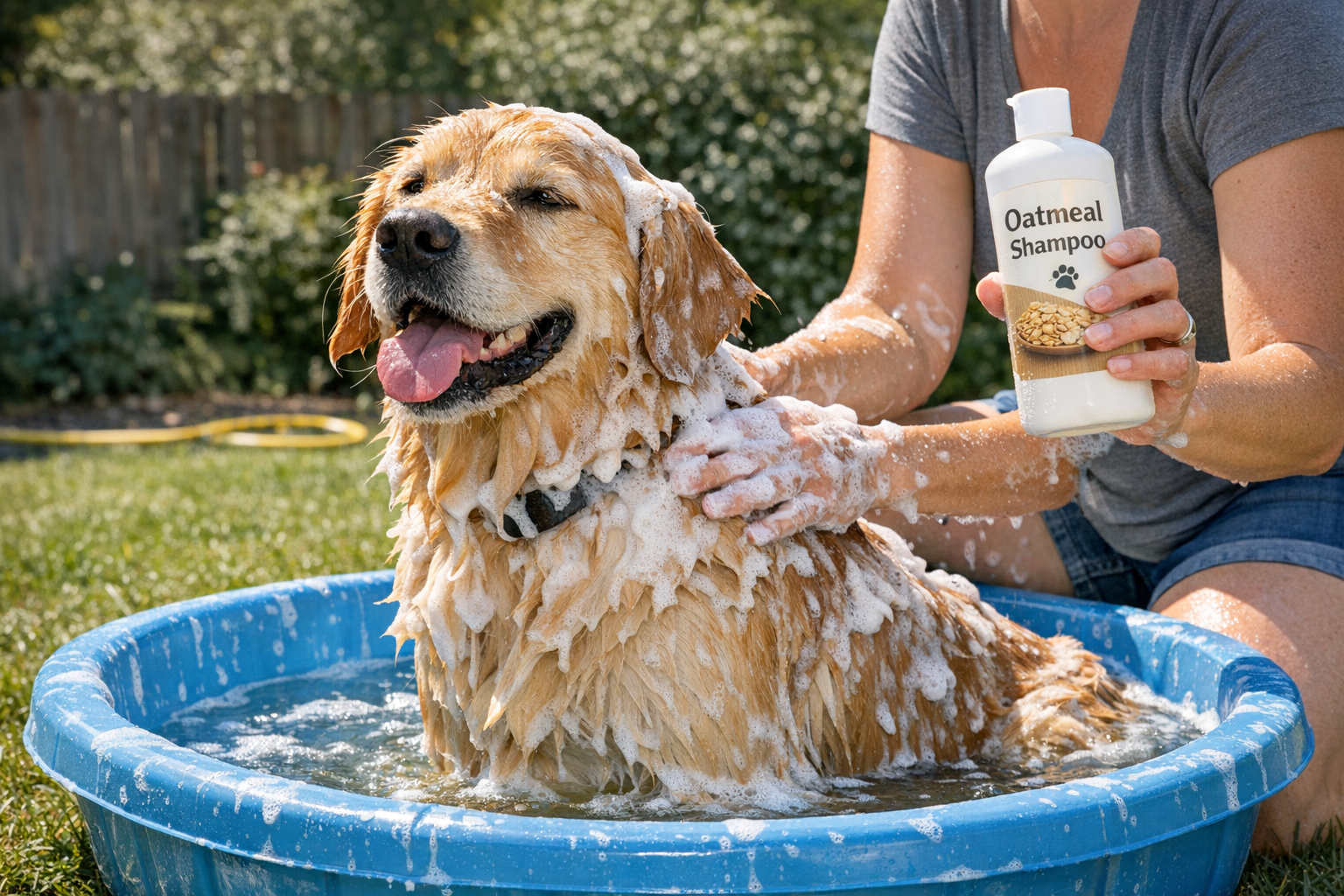
How to Soothe Your Dog's Itchy Spring Skin Naturally
Spring allergies hit dogs hard. These vet-tech-approved natural remedies soothe itchy skin without immediately reaching for prescription meds.
How to Introduce a New Baby to Your Family Pet Safely
A vet tech's step-by-step plan for preparing your dog or cat for a new baby. Start weeks before the due date — not the day you come home from the hospital.