How to Save Money on Pet Care Without Cutting Corners
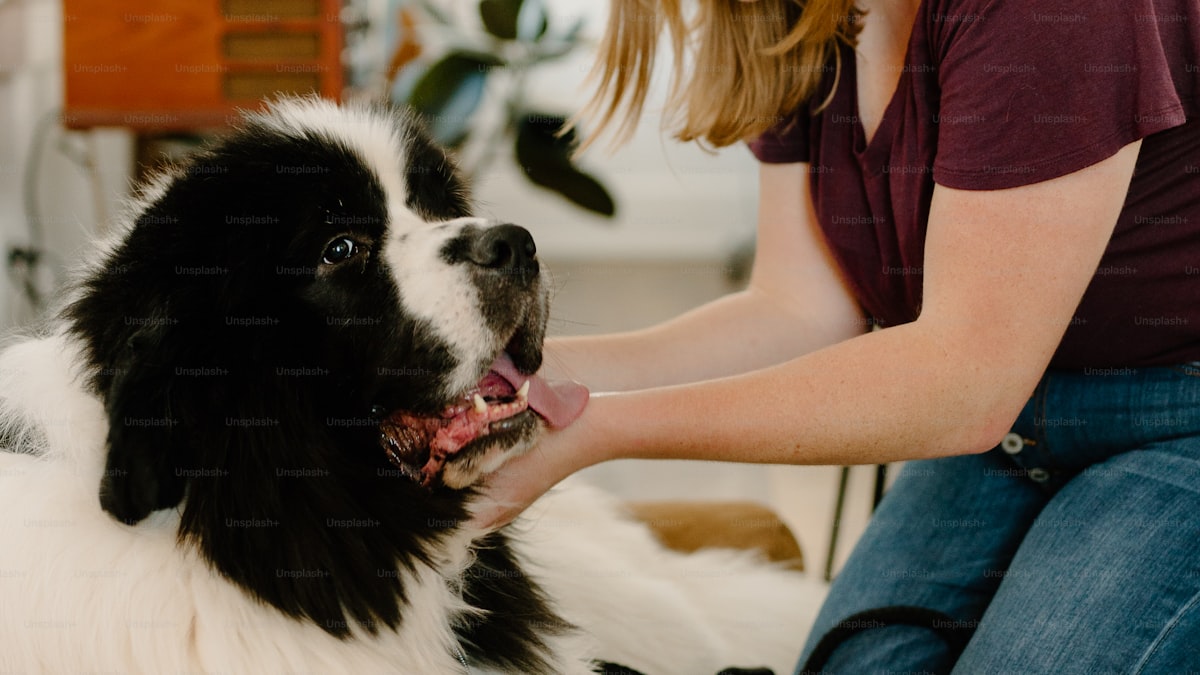
Americans spend over $140 billion per year on their pets — and that number keeps climbing. The average dog owner spends $1,500-$2,500 annually, while cat owners spend $800-$1,500. Between food, vet visits, grooming, supplies, and the occasional emergency, pet costs can feel overwhelming.
But here's what the pet industry doesn't want you to know: a significant portion of what pet owners spend is on premium branding, unnecessary products, and services you can easily do yourself. You can cut your pet care costs by 30-50% without affecting your pet's health or happiness.
Food: The Biggest Ongoing Expense
Pet food accounts for 30-40% of annual pet costs. It's also where the biggest savings opportunities exist.
Buy in Bulk
Buying larger bags of quality pet food costs 20-40% less per pound than smaller bags. A 30-pound bag of dog food typically costs $45-$60 versus $15-$20 for a 5-pound bag of the same brand — that's $1.50-$2.00/lb versus $3.00-$4.00/lb.
Store bulk food properly in an airtight container to prevent it from going stale. If you're worried about freshness, split a large bag into portions and freeze what you won't use within a month.
Skip Premium Marketing Buzzwords
Terms like "human-grade," "holistic," "artisan," and "ancestral" on pet food labels are marketing — not regulated nutritional claims. What actually matters is whether the food meets AAFCO (Association of American Feed Control Officials) nutritional standards and lists a named protein as the first ingredient.
Many mid-range brands ($1-$2/lb) meet the same nutritional standards as premium brands ($3-$5/lb). Ask your vet which specific nutrients your pet needs rather than relying on marketing.
Make Your Own Treats
Store-bought pet treats cost $8-$15 per bag and go fast. Simple homemade alternatives cost pennies:
- Dog treats: Slice sweet potatoes thin, bake at 250°F for 3 hours. Cost: ~$0.50 per batch
- Cat treats: Small pieces of cooked chicken or tuna. Cost: whatever you'd spend on your own meal prep
- Frozen treats: Freeze low-sodium broth in ice cube trays. Dogs love them in summer. Cost: ~$0.10 each
Avoid giving pets: chocolate, grapes, raisins, onions, garlic, xylitol, and cooked bones.

Grooming: Do It Yourself
Professional grooming costs $50-$100 per session for dogs, and most dogs need grooming every 4-8 weeks. That's $300-$1,200 per year. Many grooming tasks are straightforward to do at home.
Bathing at Home
A professional dog bath costs $30-$50. Doing it at home costs about $1 in shampoo. Our guide on washing your dog at home covers the full technique — it takes about 20 minutes once you have a routine.
Invest in a good dog shampoo ($10-$15, lasts months) and a washable bathrub mat for grip. Bathe dogs every 4-8 weeks depending on breed and activity level — over-bathing strips natural oils and can cause skin problems.
Nail Trimming
Nail trimming at a vet or groomer costs $15-$25 per visit, and most dogs need it monthly. A quality pet nail clipper costs $10-$15 and lasts years. The technique takes practice, but it's learnable.
Start by trimming just the tips — take off less than you think you need. For dogs with dark nails where you can't see the quick, trim in small increments. Keep styptic powder on hand (about $5) in case you clip too short.
Brushing and Basic Haircuts
Regular brushing prevents mats and reduces shedding, which means fewer deep-grooming sessions. If your dog has a simple coat, you can handle basic trims with a set of pet clippers ($25-$40). Leave complex breed cuts to professionals, but maintain the basics yourself between appointments.
For pets that shed heavily, frequent brushing also reduces the amount of pet hair on your furniture.
Veterinary Care: Smart Spending
Vet costs are the most variable pet expense and the hardest to control. These strategies help you minimize vet bills without skipping important care.
Prioritize Preventive Care
Annual wellness exams ($50-$100) catch problems early when they're cheapest to treat. A $75 checkup that catches a dental issue saves you the $1,000-$3,000 emergency extraction later. Skipping annual exams to save money almost always costs more in the long run.
Keep vaccinations current. A rabies or distemper shot costs $15-$30. Treating the actual disease costs hundreds to thousands — if the pet survives.
Use Preventive Flea and Tick Treatment
Monthly flea and tick prevention costs $10-$20 per month. Treating a full-blown flea infestation — vet visits, medication, and whole-home treatment — costs $200-$500+. Our guide on getting rid of fleas naturally covers treatment options, but prevention is always cheaper than cure.
Look Into Wellness Plans
Many vet clinics offer wellness plans that bundle annual exams, vaccinations, dental cleaning, and basic blood work for a monthly fee ($30-$60). These plans typically save 20-30% over paying for each service individually and make budgeting easier.
Consider Pet Insurance (Carefully)
Pet insurance costs $30-$60/month for dogs and $15-$30/month for cats. It's not worth it for routine care (wellness plans are better for that), but it can be a lifesaver for unexpected emergencies or chronic conditions.
The best time to get pet insurance is when your pet is young and healthy — pre-existing conditions are never covered. If you go this route, choose a plan with a reasonable deductible ($250-$500) and focus on accident/illness coverage rather than wellness add-ons.
Explore Low-Cost Vet Options
Many communities have low-cost spay/neuter clinics, vaccination clinics, and community vet services. Check with your local humane society or ASPCA for affordable care options. Veterinary schools also offer discounted services performed by supervised students.

Supplies and Toys: Save Without Sacrificing
DIY Toys
Pet stores charge $5-$15 for toys that your dog will destroy in a day. DIY alternatives that work just as well:
- Rope toys: Braid old t-shirts into tug toys
- Puzzle feeders: Cut holes in a plastic bottle and fill with kibble
- Cat toys: Crumple aluminum foil into a ball, or dangle a string (supervised only)
- Frozen Kong: Stuff a Kong toy with peanut butter and freeze it — hours of entertainment
Buy Supplies at Non-Pet Stores
Many "pet products" are identical to regular household items but marked up because they're in the pet aisle:
- Pet beds: A human pillow or folded blanket from a thrift store works just as well
- Food bowls: Stainless steel mixing bowls cost less than identical "pet bowls"
- Cleaning sprays: DIY enzyme cleaners work as well as pet-specific products. Check our guide on removing pet odor for recipes
Stock Up During Sales
Pet food and supplies go on significant sales during Prime Day, Black Friday, and end-of-season clearances. Stock up on non-perishables like food, litter, flea treatment, and cleaning supplies when prices drop. Buy 2-3 months' worth during major sales.
Pet-Proofing Saves Money Long-Term
Preventing pet damage is cheaper than fixing it. Pet-proofing your home properly prevents the destroyed furniture, chewed cords, and eaten-what-they-shouldn't incidents that lead to expensive replacements and vet bills.
Key pet-proofing investments that save money:
- Baby gates ($20-$40): Keep pets out of rooms with valuables
- Cord covers ($10-$15): Prevent chewed electrical cords (and potential electrocution)
- Bitter apple spray ($8-$10): Deters chewing on furniture and shoes
- Proper trash cans ($25-$40): Prevents garbage raids that lead to vet visits
Annual Savings Breakdown
Here's what a realistic savings plan looks like for a dog owner:
| Category | Typical Spend | With Savings Tips | Saved |
|---|---|---|---|
| Food | $600-$900 | $400-$600 | $200-$300 |
| Grooming | $400-$800 | $50-$150 | $350-$650 |
| Vet care | $400-$800 | $300-$600 | $100-$200 |
| Supplies/toys | $200-$400 | $50-$100 | $150-$300 |
| Total | $1,600-$2,900 | $800-$1,450 | $800-$1,450 |
That's potentially cutting your pet costs in half.
Frequently Asked Questions
Is cheap pet food bad for my pet?
Not necessarily. Price doesn't directly correlate with nutrition. What matters is that the food meets AAFCO standards, lists a named protein source (chicken, beef, salmon) as the first ingredient, and doesn't rely heavily on fillers like corn or wheat gluten. Many store-brand and mid-range foods meet these criteria. Ask your vet for specific brand recommendations based on your pet's age, size, and health needs rather than assuming expensive equals better.
How often do dogs really need professional grooming?
It depends entirely on the breed. Dogs with continuously growing hair (poodles, shih tzus, yorkies) need professional grooming every 4-8 weeks. Dogs with short coats (labs, beagles, bulldogs) rarely need professional grooming — regular home bathing and brushing is sufficient. Double-coated breeds (huskies, golden retrievers) benefit from professional deshedding treatments twice yearly but can be maintained at home between visits.
Is pet insurance worth it?
Pet insurance is most valuable for young, healthy pets (locked-in lower rates, no pre-existing condition exclusions) and for breeds prone to expensive health issues. It's generally not worth it if your pet is already senior or has pre-existing conditions. A good alternative is a dedicated "pet emergency fund" — save $50-$100 per month in a savings account specifically for unexpected vet costs. After a year or two, you'll have a substantial cushion without monthly premiums.
Can I really trim my dog's nails myself?
Yes, most pet owners can learn to trim nails safely. The key is starting with just the tips, using sharp clippers, and staying calm (your dog senses your anxiety). For dogs with light-colored nails, you can see the pink quick and avoid it. For dark nails, trim in small increments. If you accidentally cut the quick, apply styptic powder to stop bleeding — it looks dramatic but heals quickly. Most dogs that seem fearful of nail trimming can be desensitized with patience and treat rewards.
What's the best way to save on pet medications?
Ask your vet for generic versions of prescribed medications — they're often 50-75% cheaper than brand names. For ongoing medications like flea/tick prevention or joint supplements, buy from reputable online pharmacies (1-800-PetMeds, Chewy) which are often 20-30% cheaper than vet office prices. Your vet can call in prescriptions just like a human doctor. Also check manufacturer websites for rebates and coupons on common pet medications.
Love Your Pet, Save Your Money
Being a budget-conscious pet owner doesn't mean being a bad one. The most important things your pet needs — exercise, attention, proper nutrition, and preventive healthcare — don't require premium pricing. Focus your spending on quality food, annual vet visits, and preventive care, and save aggressively on everything else.
Your pet doesn't care whether their toy costs $15 or was made from an old t-shirt. They care that you played with them.
Get weekly home tips that actually work
Join thousands of homeowners getting practical cleaning hacks, DIY fixes, and money-saving tips every week. Free, and you can unsubscribe anytime.

Written by
Beth SullivanFounder & Editor-in-Chief
Beth Sullivan is the founder of Practical Home Guides. With over a decade of hands-on experience tackling every home challenge imaginable, she started this site to share the practical, no-nonsense solutions she wishes she had found years ago. When she's not testing cleaning hacks or organizing pantries, you'll find her in the garden or working on her next DIY project.
Recommended Products
Looking for specific product recommendations? Check out our tested picks.

Best Outdoor Patio Furniture Deals (2026 Spring Picks)
Late April is the sweet spot for patio furniture deals — pre-summer sales without late-season picked-over selection. Here are the picks worth buying now.

5 Best LED Light Bulbs to Cut Your Electric Bill (2026)
Switch to LED bulbs and save $100+ per year on electricity. We compared the top LED bulbs for brightness, color quality, and longevity — here are the 5 best picks.

Best Smart Thermostats to Lower Your Energy Bill (2026)
The best smart thermostats that actually save money on heating and cooling. We compare 5 top picks from Nest, Ecobee, Honeywell, and more with real energy savings data.
Related Articles
Best Outdoor Patio Furniture Deals (2026 Spring Picks)
Late April is the sweet spot for patio furniture deals — pre-summer sales without late-season picked-over selection. Here are the picks worth buying now.
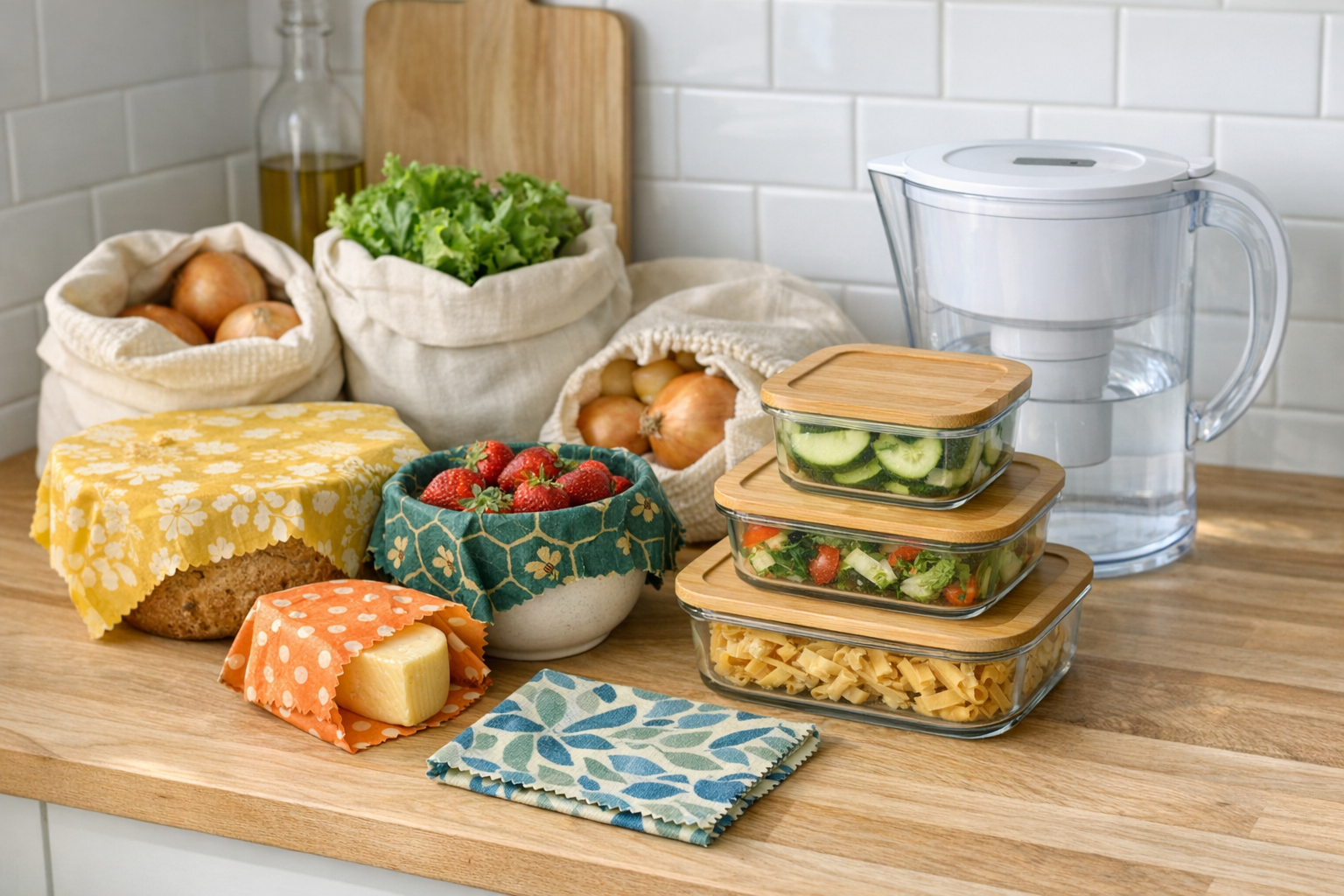
12 Earth Day Eco Swaps That Save Money All Year
These 12 home swaps reduce waste AND save money — most under 30 dollars upfront and pay for themselves within a few months.

12 Budget Mother's Day Gifts That Actually Feel Thoughtful
Skip the generic flowers-and-card combo. These under-50-dollar Mother's Day ideas feel personal without breaking the budget.
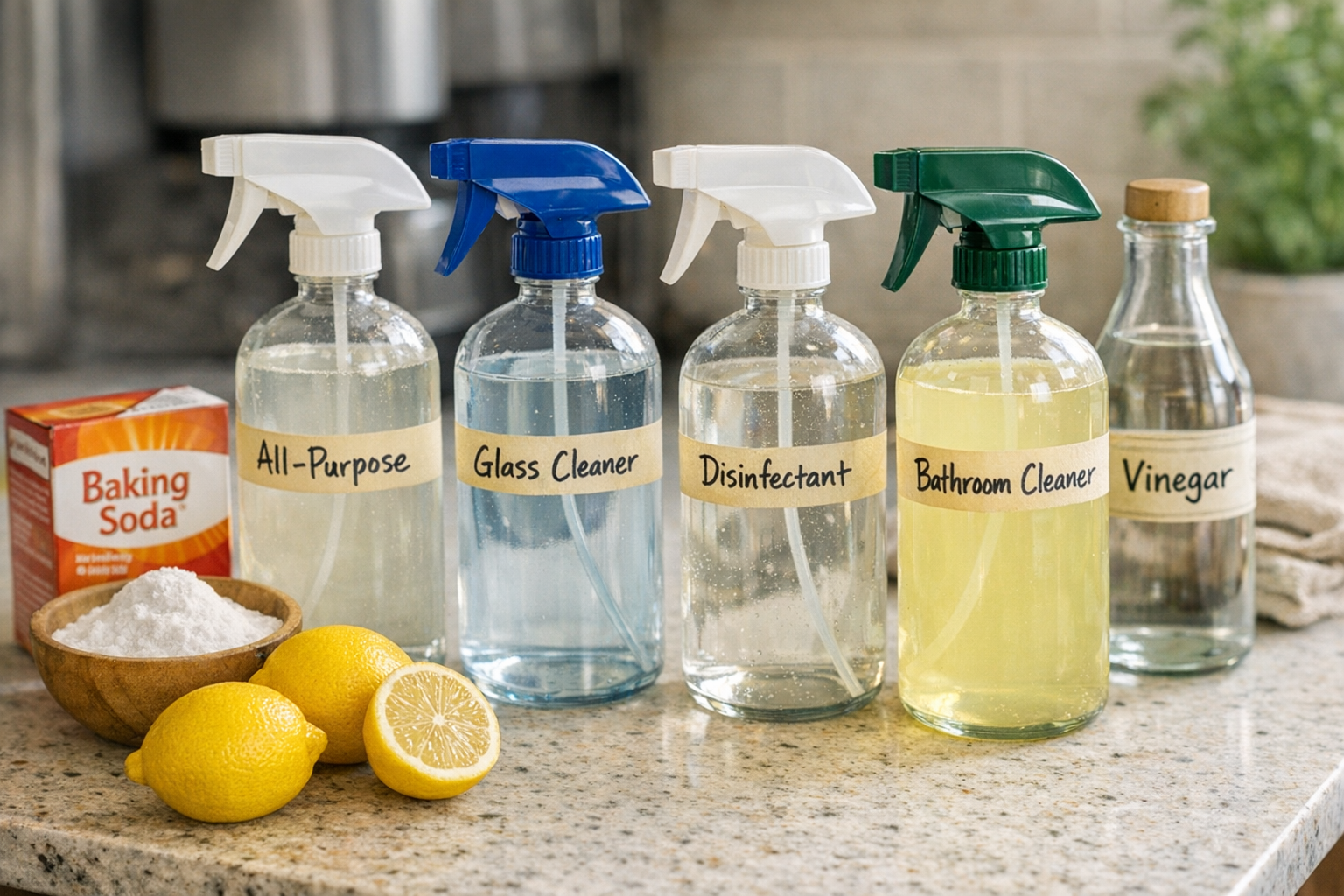
Homemade Cleaning Supplies That Save Real Money (7 Recipes That Work)
Skip the 8-dollar bottles of name-brand cleaner. These 7 homemade cleaner recipes replace everything in the cleaning aisle with 4 basic ingredients.