12 Earth Day Eco Swaps That Save Money All Year
This article may contain affiliate links. If you make a purchase through these links, we may earn a small commission at no extra cost to you. Learn more
Quick Answer
12 Earth Day Eco Swaps That Save Money All Year
The eco swaps with the highest dollar AND environmental return: reusable paper towels, refillable cleaning bottles, beeswax wraps instead of plastic wrap, a quality water filter pitcher, LED bulbs, low-flow showerheads, a clothesline, reusable produce bags, a compost bin, washable cleaning cloths, refillable soap dispensers, and silicone food storage bags.
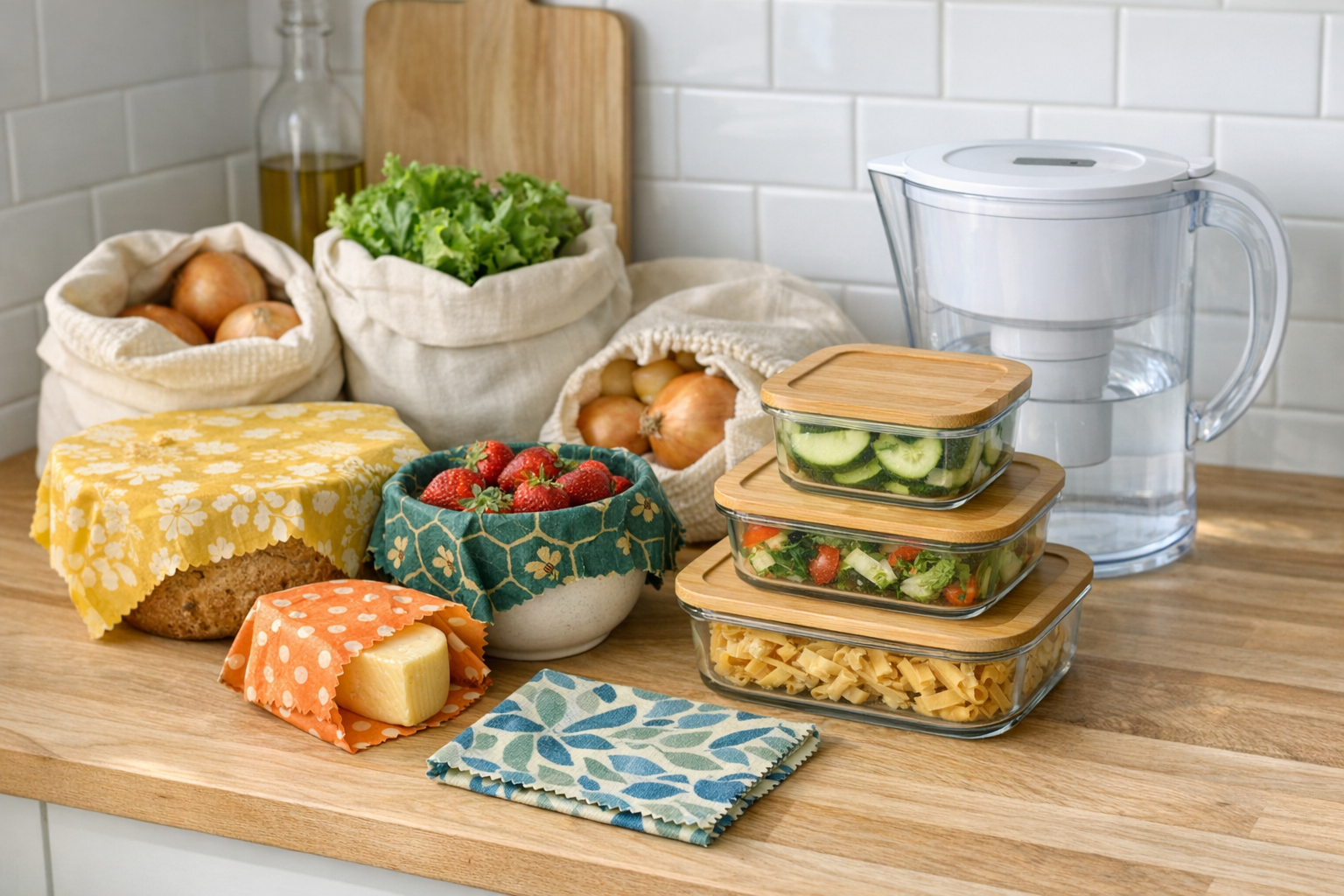
Eco-friendly often gets pitched as "spend more to save the planet." Most of the genuinely useful swaps actually save money — usually within a few months, sometimes immediately.
Here are the 12 with the best return on both dollars and waste reduction.
1. Reusable Paper Towels (Save 200-400 Dollars/Year)
A roll of paper towels lasts a few weeks. A pack of Swedish dishcloths lasts a year. Wash with regular laundry, reuse hundreds of times.
Most households go through 8+ rolls of paper towels per month. At 2 dollars per roll, that's 200 dollars a year. Swedish dishcloths cost 25 dollars for a year's supply.
2. Beeswax Food Wraps (Save Plastic Wrap Forever)
Beeswax wraps replace plastic wrap. Body warmth molds them to bowls and food. Wash with cool water, reuse for a year.
A pack of 6 wraps is 20 dollars. Replaces 5+ years of plastic wrap.
3. Refillable Cleaning Spray Bottles (Save 50+ Dollars/Year)
Make your own cleaners from vinegar, baking soda, and dish soap (see our homemade cleaning supplies guide). A set of reusable glass spray bottles is 20 dollars and lasts forever.
4. Quality Water Filter Pitcher (Save 200+ Dollars/Year)
Bottled water averages 1.50 dollars per gallon. Tap water is essentially free. A Brita Stream pitcher costs 25 dollars plus filters at 5-7 dollars each (lasts 2 months).
A family that drinks 2 gallons of bottled water a week saves around 250 dollars a year.
5. LED Bulbs Everywhere (Save 100-200 Dollars/Year)
If you still have any non-LED bulbs, replace them. LED bulbs use 85 percent less electricity and last 15 to 25 years. See our LED bulb roundup.
6. Low-Flow Showerheads (Save 75-150 Dollars/Year)
A WaterSense-certified low-flow showerhead cuts water use by 30 to 50 percent without weak pressure. The pressure-boosting designs feel as strong as old high-flow heads.
25 dollars upfront, payback in 6 to 8 months on water and water heating.
7. A Simple Clothesline (Save 100+ Dollars/Year)
Dryers are the second-biggest electricity hog after AC. A retractable clothesline for outdoors or an indoor drying rack saves 100 dollars+ a year on electricity for households that line-dry just half their loads.
Bonus: line-dried clothes last longer (no heat damage to fibers).
8. Reusable Produce Bags (Save 20+ Dollars/Year)
Mesh produce bags replace plastic produce bags at the grocery store. Many stores even give a small discount per reusable bag.
Cost: 12 dollars for a set. Saves a small but consistent amount of plastic waste.
9. Backyard Compost Bin (Save Garden Inputs)
A tumbling compost bin turns kitchen scraps and yard waste into garden compost in 4-6 weeks. See composting at home for beginners.
Saves 50-100 dollars/year in bagged compost and reduces household trash by 30 percent.
10. Microfiber Cleaning Cloths (Save 50+ Dollars/Year)
A 24-pack of microfiber cleaning cloths replaces disposable wipes for cleaning glass, dusting, kitchen surfaces, and bathroom cleaning. Wash and reuse hundreds of times.
11. Refillable Soap Dispensers (Save 30+ Dollars/Year)
Buying bulk concentrated soap and refilling smaller dispensers cuts both packaging waste and per-ounce cost dramatically.
A gallon of concentrated castile soap makes about 8 dispenser bottles' worth of hand soap.
12. Silicone Food Storage Bags (Replace Ziploc)
Reusable silicone food bags replace single-use Ziploc bags. Dishwasher-safe, freezer-safe, last for years.
A set of 6 bags is 30 to 40 dollars. Replaces hundreds of single-use plastic bags.
What to Skip (Doesn't Actually Save Money or Help)
- Bamboo paper towels. Marketed as eco but still single-use. Reusable cloth is better.
- Cleaning concentrate refill subscriptions. Look like deals but per-ounce cost often matches name brands. DIY is cheaper.
- Most "eco" laundry detergent pods. Still wrapped in plastic film. Buy bulk powder in cardboard.
- Solar yard lights. Cheap models last one season. Either invest in quality ones or skip.
Highest ROI Combination
If you only do 3 of these, the best ROI:
- LED bulbs everywhere — 100-200 dollars/year, 5-minute swap
- Reusable paper towels — 200-400 dollars/year, immediate
- Water filter pitcher — 200+ dollars/year, immediate
That's 500-800 dollars/year for under 100 dollars upfront.
Frequently Asked Questions
Are eco-friendly products always more expensive upfront?
Some yes, some no. Reusable produce bags, microfiber cloths, and refill bottles are cheaper than the disposables they replace. Higher-end items (electric mowers, EVs) require upfront investment.
What's the single highest-impact eco swap?
Switching to LED bulbs and a smart thermostat together cuts household energy use by 15-25 percent. That's bigger than any other single change.
Are these swaps actually better for the environment?
Yes — the math on cradle-to-grave impact for reusables consistently beats single-use, even accounting for manufacturing. The break-even on a Stasher silicone bag is around 10-15 uses; most last hundreds.
Where should I start?
Pick the swap that addresses your biggest current spending. If your grocery bill is huge, start with reusable paper towels and bags. If your electric bill is huge, LED bulbs and smart thermostat.
Final Thoughts
Eco-friendly is mostly about replacing recurring costs (paper towels, plastic wrap, bottled water) with one-time investments. Most swaps pay back within 3 to 12 months and continue paying every year afterward.
Get weekly home tips that actually work
Join thousands of homeowners getting practical cleaning hacks, DIY fixes, and money-saving tips every week. Free, and you can unsubscribe anytime.

Written by
Sarah RodriguezGardening & Pet Care Contributor
Sarah Rodriguez is a certified Master Gardener and former veterinary technician. She lives on a half-acre lot in central Texas with three rescue dogs, two backyard chickens, and a very ambitious vegetable garden. She covers gardening, sustainable yard care, and everyday pet care for Practical Home Guides.
Recommended Products
Looking for specific product recommendations? Check out our tested picks.

Best Outdoor Patio Furniture Deals (2026 Spring Picks)
Late April is the sweet spot for patio furniture deals — pre-summer sales without late-season picked-over selection. Here are the picks worth buying now.
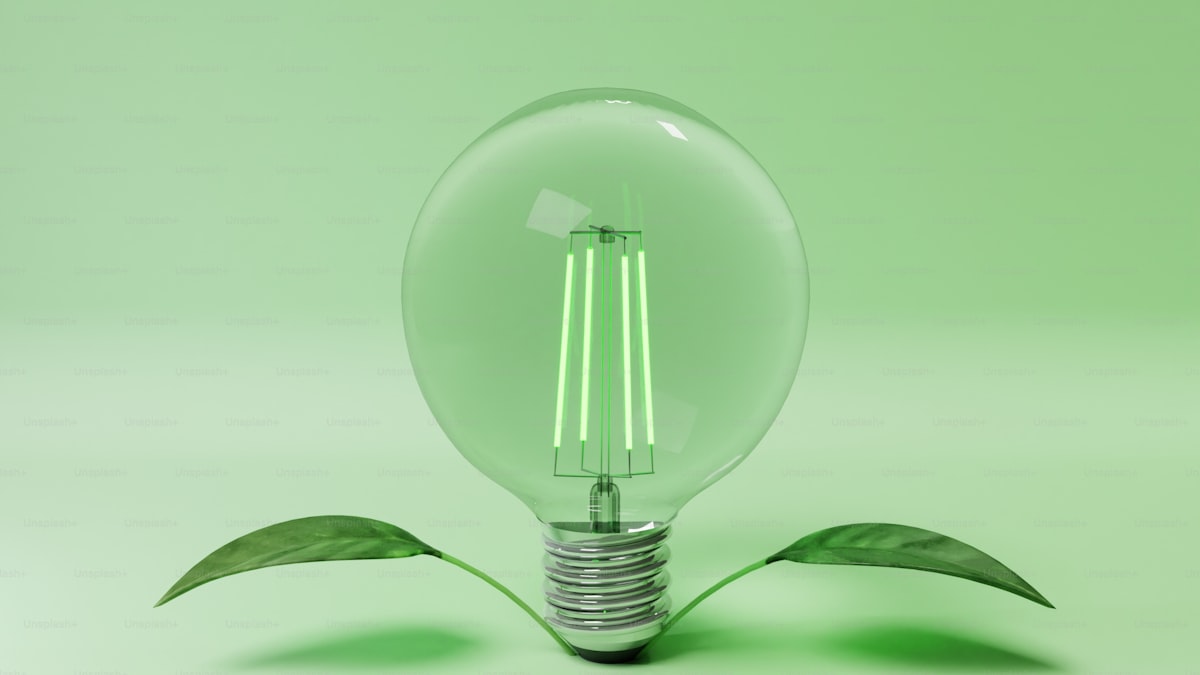
5 Best LED Light Bulbs to Cut Your Electric Bill (2026)
Switch to LED bulbs and save $100+ per year on electricity. We compared the top LED bulbs for brightness, color quality, and longevity — here are the 5 best picks.
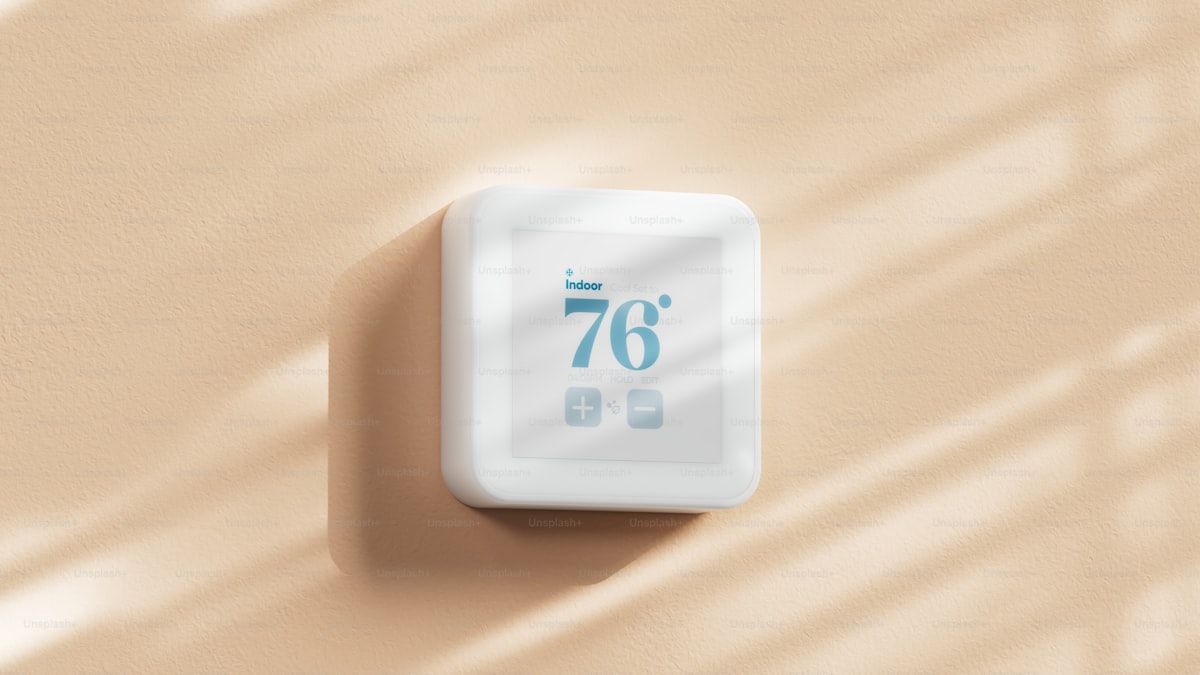
Best Smart Thermostats to Lower Your Energy Bill (2026)
The best smart thermostats that actually save money on heating and cooling. We compare 5 top picks from Nest, Ecobee, Honeywell, and more with real energy savings data.
Related Articles

DIY vs. Hiring a Pro: The Real ROI of 8 Popular Home Projects (2026)
A contractor breaks down the real DIY vs. pro cost, time, and resale ROI of 8 popular home projects in 2026, with a decision framework and tool picks.

Hurricane Season 2026: Survival Strategy Beyond Basic Emergency Kits
A complete hurricane season survival strategy for 2026: communication plans, insurance gaps, financial recovery, and power backup that go far beyond the basic emergency kit.

Summer Outdoor Living 2026: Patio, Grill, Garden & Decor Buying Guide
A complete 2026 summer outdoor living buying guide covering patio furniture, grills, lighting, plants, and decor, with real prices and the best week to buy each.
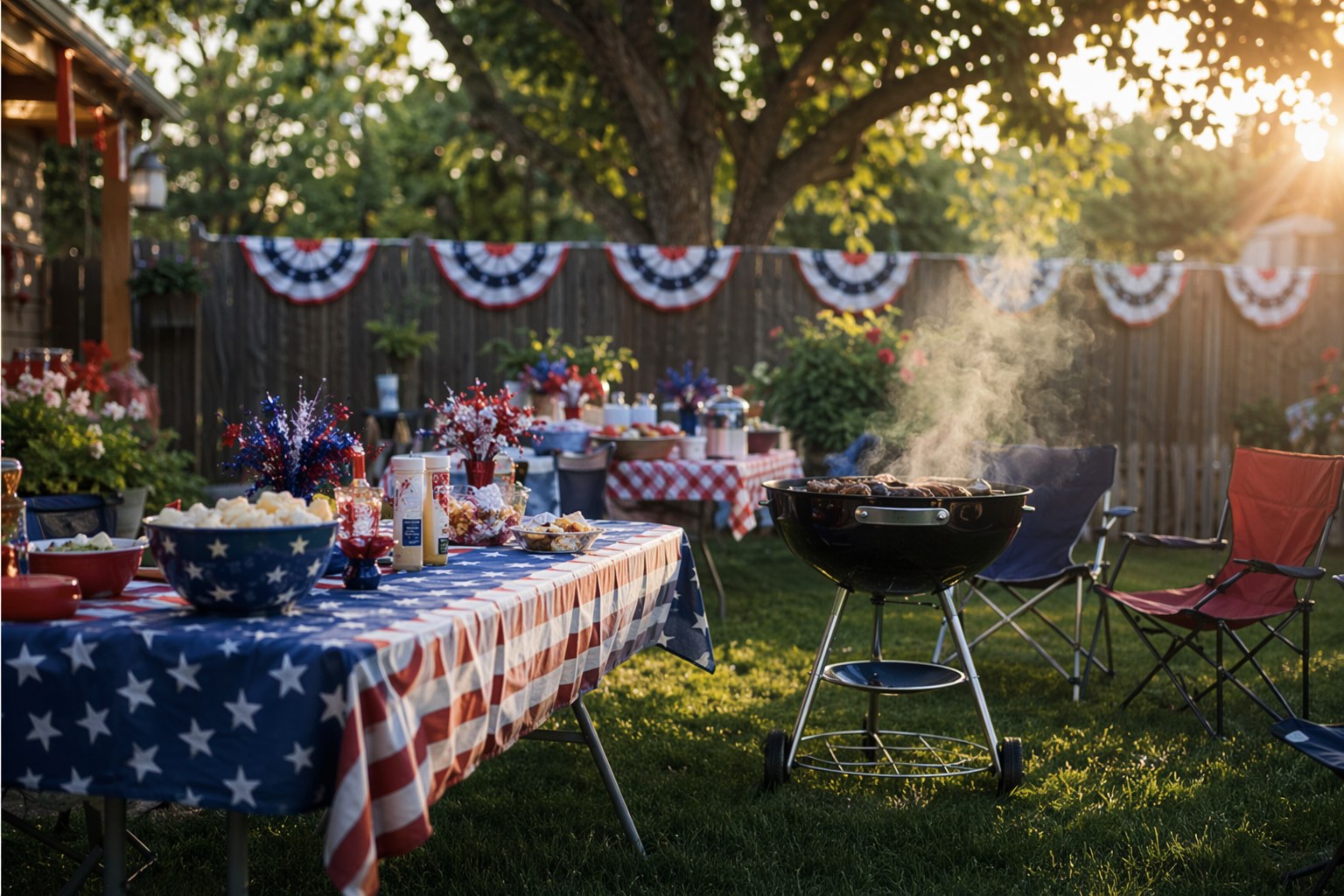
Memorial Day Cookout Prep: Food, Decor & Timing for 30 Guests
Host a patriotic Memorial Day cookout for 30 guests under $200. Bulk shopping math, make-ahead strategies, and an hour-by-hour timeline to skip day-of stress.