Best Smart Thermostats to Lower Your Energy Bill (2026)
This article may contain affiliate links. If you make a purchase through these links, we may earn a small commission at no extra cost to you. Learn more
Quick Answer
Best Smart Thermostats to Lower Your Energy Bill (2026)
The best smart thermostat for most homes is the ecobee Smart Thermostat Premium — it includes a built-in room sensor, supports Alexa, and can save up to 23% on heating and cooling costs. For a simpler, more affordable option, the Google Nest Thermostat (the $130 version, not the Learning model) offers easy setup and solid energy savings without the premium price tag.
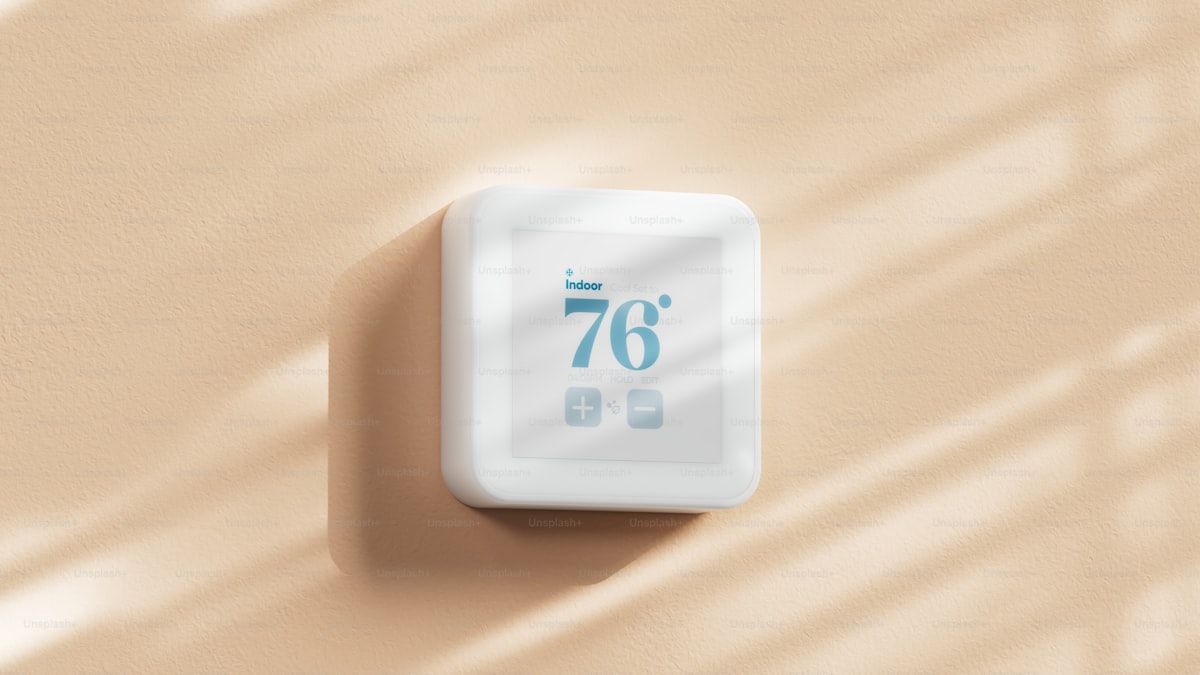
Heating and cooling account for roughly half of the average household's energy bill. That is a huge chunk of money, and a smart thermostat is one of the fastest ways to claw some of it back. According to Energy Star, a qualified smart thermostat saves about 8% on HVAC costs on average, and many models deliver 10-23% depending on your habits and climate.
The real magic is automation. Unlike a basic programmable thermostat you set and forget (or, let's be honest, never program at all), a smart thermostat learns your schedule, detects when nobody is home, and adjusts temperatures on its own. Some use geofencing to track your phone so the house warms up before you pull into the driveway. Others use room sensors to balance temperatures across multiple rooms instead of just reading the hallway.
At an average HVAC cost of $150 per month, even a 15% savings puts $270 back in your pocket each year. Most smart thermostats cost $80-250, so the payback period is usually 6-18 months. If you are already working on cutting your electric bill or reducing your heating costs, a smart thermostat is one of the highest-return upgrades you can make.
Quick Comparison: Best Smart Thermostats at a Glance
| Thermostat | Best For | Price Range | Works With |
|---|---|---|---|
| ecobee Smart Thermostat Premium | Best Overall | $220-250 | Alexa, Apple HomeKit, Google Home, SmartThings |
| Google Nest Learning Thermostat (4th Gen) | Google Home Users | $270-280 | Google Home, Amazon Alexa, SmartThings |
| Google Nest Thermostat | Budget Smart Thermostat | $125-130 | Google Home, Amazon Alexa |
| Honeywell Home T9 | Multi-Room Homes | $170-200 | Alexa, Google Home, SmartThings, IFTTT |
| Amazon Smart Thermostat | Ultra-Budget | $60-80 | Alexa |
ecobee Smart Thermostat Premium -- Best Overall
The ecobee Smart Thermostat Premium is our top pick for most people. It ships with one SmartSensor you can place in a different room -- a bedroom, nursery, or wherever comfort matters most. The thermostat balances temperatures between its own reading and the sensor's, which solves the common problem of the hallway being 72 degrees while the upstairs bedroom is 78.
Setup takes about 30 minutes. The app walks you through a step-by-step wiring guide, and the built-in Power Extender Kit means you can install it even without a C-wire. Once running, it learns your preferences, adjusts based on occupancy detection, and uses local weather data to optimize runtimes. Ecobee claims savings of up to 23%, and independent testing backs up 15-20% for most homes.
The built-in Alexa speaker is a nice bonus, and it works with Apple HomeKit -- the only thermostat on this list that does. For anyone looking to save money on their cooling bill without fiddling with schedules, this is the set-it-and-forget-it choice.
What we like:
- Includes a room sensor in the box
- Works with Alexa, Google Home, and Apple HomeKit
- Built-in C-wire adapter for older homes
- Excellent occupancy detection and energy reports
What could be better:
- Premium price compared to budget options
- Built-in Alexa speaker is mediocre
Best for: Homeowners who want the most complete smart thermostat with room sensors and broad smart home compatibility.
Google Nest Learning Thermostat (4th Gen) -- Best for Google Home Users
The fourth-generation Nest Learning Thermostat features a larger borderless display that looks great on the wall, and now includes a temperature sensor for a second room. Where it truly shines is adaptive learning: after about a week of manual adjustments, it builds a schedule based on your habits and starts making changes for you.
The Home/Away Assist feature uses your phone's location and the thermostat's motion sensor to detect when the house is empty, then shifts to an energy-saving temperature. Google estimates savings of 10-12% on heating and 15% on cooling, roughly $130-180 per year. If your home runs on Google speakers, Chromecast, and Home routines, this thermostat integrates seamlessly.
What we like:
- Beautiful updated design with a larger display
- Excellent learning algorithm that adapts to your routine
- Includes a remote temperature sensor
- Deep Google Home integration with energy dashboard
What could be better:
- Most expensive option on this list
- No Apple HomeKit support
Best for: Google Home users who want a premium thermostat that learns and adapts without manual scheduling.
Google Nest Thermostat -- Best Budget Smart Thermostat
The standard Google Nest Thermostat (not the Learning model) is the sweet spot for people who want smart features without the premium price. At around $130, it costs roughly half of the Learning version while still delivering the energy savings that matter most.
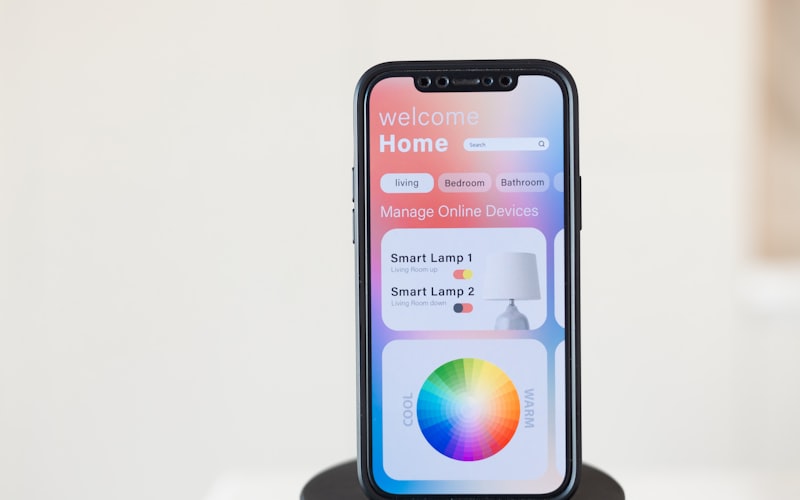
It does not learn your schedule automatically, but it offers guided schedule setup and the same Home/Away Assist feature. The Savings Finder tool in the Google Home app suggests schedule tweaks that can save energy, and you accept them with a single tap. The Nest app also checks your wiring compatibility before you buy -- a great touch. The main trade-off is no remote temperature sensor, but for a household that wants solid savings at a fair price, this is hard to beat.
What we like:
- Affordable price with real smart features
- Savings Finder suggests ways to reduce energy use
- Home/Away Assist for automatic adjustments
- Compatibility checker before purchase
What could be better:
- No remote temperature sensor included
- Does not learn your schedule automatically
Best for: Budget-conscious households that want smart energy savings without spending $250.
Honeywell Home T9 -- Best for Multi-Room Homes
If your home has hot and cold spots, the Honeywell Home T9 was built for you. It supports up to 20 wireless room sensors, each with temperature, humidity, and occupancy detection. The thermostat prioritizes rooms that are actually occupied, so it is not wasting energy keeping an empty basement at 72 degrees.
You can set different comfort preferences for different rooms and time periods. It works with Alexa, Google Home, SmartThings, and IFTTT -- the widest compatibility on this list. The interface is not quite as polished as the Nest or ecobee, but the scalability is unmatched. For anyone also working on lowering their water bill and other household costs, the T9's detailed energy tracking helps you see exactly where money is going.
What we like:
- Supports up to 20 room sensors with occupancy detection
- Sensors include humidity readings
- Broadest smart home compatibility
- Geofencing support
What could be better:
- Sensors sold separately (about $40 each)
- Interface is not as sleek as competitors
Best for: Larger homes with multiple floors or rooms that need individual temperature management.
Amazon Smart Thermostat -- Best Ultra-Budget
At $60-80, the Amazon Smart Thermostat is the cheapest way to get real smart thermostat features. Made by Honeywell in partnership with Amazon, it is built around Alexa as its primary control platform. If you already have Echo devices, this slots right in.
Despite the low price, it is Energy Star certified with auto-scheduling and the Hunches feature that detects when you have left and adjusts the temperature automatically. There is no touchscreen -- just a basic display with physical buttons -- but the expectation is that you control it via the Alexa app or voice. The trade-off is clear: no room sensors and Alexa-only smart home integration. But if your goal is to stop heating an empty house, this thermostat delivers for less than the cost of a dinner out. Those basic features alone can save $15-25 per month on energy.
What we like:
- Incredibly affordable entry point
- Energy Star certified
- Alexa Hunches for automatic adjustments
- Frequent discounts bring the price even lower
What could be better:
- Alexa-only (no Google Home or HomeKit)
- No room sensor support
- Basic display with no touchscreen
Best for: Alexa households on a tight budget who want basic smart thermostat savings at the lowest possible price.
How to Choose the Right Smart Thermostat
Check your wiring. Most smart thermostats need a C-wire (common wire) for power. Many modern homes have one, but older homes often do not. The ecobee includes an adapter, and the Nest models can sometimes work without one, though a C-wire is always more reliable.
Match your ecosystem. If you are all-in on Apple HomeKit, ecobee is your only option here. Google Home households get the deepest integration from either Nest model. Alexa users have the widest selection.
Decide on room sensors. If your home has consistent temperatures throughout, a single-point thermostat works fine. For homes with hot upstairs bedrooms or cold basements, room sensors from ecobee, Nest Learning (4th Gen), or the Honeywell T9 make a real difference.
Geofencing vs. learning vs. scheduling. Some thermostats learn your routine, some track your phone's GPS, and some rely on manual schedules. The best models combine all three. If you have an irregular schedule, geofencing matters more than learning.
DIY vs. professional install. All five of these support DIY installation in 30-45 minutes. If you are not comfortable with wiring, an HVAC technician typically charges $75-150.
How Much Will You Actually Save?
It depends on your home, climate, and current habits. Here is a realistic breakdown.
Replacing a manual thermostat you rarely adjust: expect 15-23% savings on HVAC. At $150 per month in heating and cooling, that is $270-414 per year.
Upgrading from a programmable thermostat you actually use: expect 8-12% savings from occupancy detection, geofencing, and weather-responsive optimization. That is $144-216 per year.
Mild climate or already optimized habits: expect 5-8% savings. You still benefit from convenience and energy reports, but the financial payback takes longer.
The bottom line: for the typical household, a smart thermostat pays for itself within one to two years. After that, every dollar saved is money back in your budget -- and it compounds nicely alongside other savings like reducing your heating bill and cutting your cooling costs.
Frequently Asked Questions
Do smart thermostats really save money, or is it just marketing?
They do. Energy Star independently certifies smart thermostats that meet savings criteria, and multiple studies confirm average savings of 8-15% on HVAC costs. The key is that they automate behaviors most people intend to do but forget -- like turning down the heat when you leave.
Can I install a smart thermostat myself?
In most cases, yes. If your current thermostat has four or more wires and you are comfortable turning off the breaker and connecting labeled wires, the job takes 20-45 minutes. Every thermostat on this list includes step-by-step instructions. For unusual wiring or no C-wire, a professional install runs $75-150.
Will a smart thermostat work with my existing HVAC system?
Smart thermostats work with most 24-volt systems, covering central heat, forced air, heat pumps, and radiant systems. They generally do not work with high-voltage systems like 120/240V baseboard heaters. Use the compatibility checker on the manufacturer's app before purchasing.
Are utility rebates available for smart thermostats?
Many utility companies offer rebates of $25-100 on Energy Star certified smart thermostats. Check with your local provider or visit the Energy Star rebate finder online. These rebates can cut your payback period to just a few months.
Final Verdict
For most households, the ecobee Smart Thermostat Premium is the best smart thermostat you can buy. The included room sensor, broad compatibility (including Apple HomeKit), and reliable 15-23% energy savings make it the most complete package.
If you are on a tighter budget, the Google Nest Thermostat at around $130 is the best value. You get real smart features -- Home/Away Assist, Savings Finder, voice control -- at a price that pays for itself in under a year.
And if you want the cheapest entry into smart thermostat savings, the Amazon Smart Thermostat at $60-80 is a solid pick for Alexa households. It does the basics well and costs so little that even modest savings make it worthwhile.
Whichever model you choose, you are replacing a manual or underused programmable thermostat with something that actively works to reduce energy waste. That single upgrade, combined with sealing air leaks and smart heating habits, can save your household hundreds of dollars every year.
Get weekly home tips that actually work
Join thousands of homeowners getting practical cleaning hacks, DIY fixes, and money-saving tips every week. Free, and you can unsubscribe anytime.

Written by
Beth SullivanFounder & Editor-in-Chief
Beth Sullivan is the founder of Practical Home Guides. With over a decade of hands-on experience tackling every home challenge imaginable, she started this site to share the practical, no-nonsense solutions she wishes she had found years ago. When she's not testing cleaning hacks or organizing pantries, you'll find her in the garden or working on her next DIY project.
Recommended Products
Looking for specific product recommendations? Check out our tested picks.

Best Outdoor Patio Furniture Deals (2026 Spring Picks)
Late April is the sweet spot for patio furniture deals — pre-summer sales without late-season picked-over selection. Here are the picks worth buying now.

5 Best LED Light Bulbs to Cut Your Electric Bill (2026)
Switch to LED bulbs and save $100+ per year on electricity. We compared the top LED bulbs for brightness, color quality, and longevity — here are the 5 best picks.
Related Articles
Best Outdoor Patio Furniture Deals (2026 Spring Picks)
Late April is the sweet spot for patio furniture deals — pre-summer sales without late-season picked-over selection. Here are the picks worth buying now.

12 Earth Day Eco Swaps That Save Money All Year
These 12 home swaps reduce waste AND save money — most under 30 dollars upfront and pay for themselves within a few months.

12 Budget Mother's Day Gifts That Actually Feel Thoughtful
Skip the generic flowers-and-card combo. These under-50-dollar Mother's Day ideas feel personal without breaking the budget.

Homemade Cleaning Supplies That Save Real Money (7 Recipes That Work)
Skip the 8-dollar bottles of name-brand cleaner. These 7 homemade cleaner recipes replace everything in the cleaning aisle with 4 basic ingredients.