How to Reduce Food Waste at Home (Save $1,500+ a Year)
Last updated: February 7, 2026
This article may contain affiliate links. If you make a purchase through these links, we may earn a small commission at no extra cost to you. Learn more
How to Reduce Food Waste at Home (Save $1,500+ a Year)
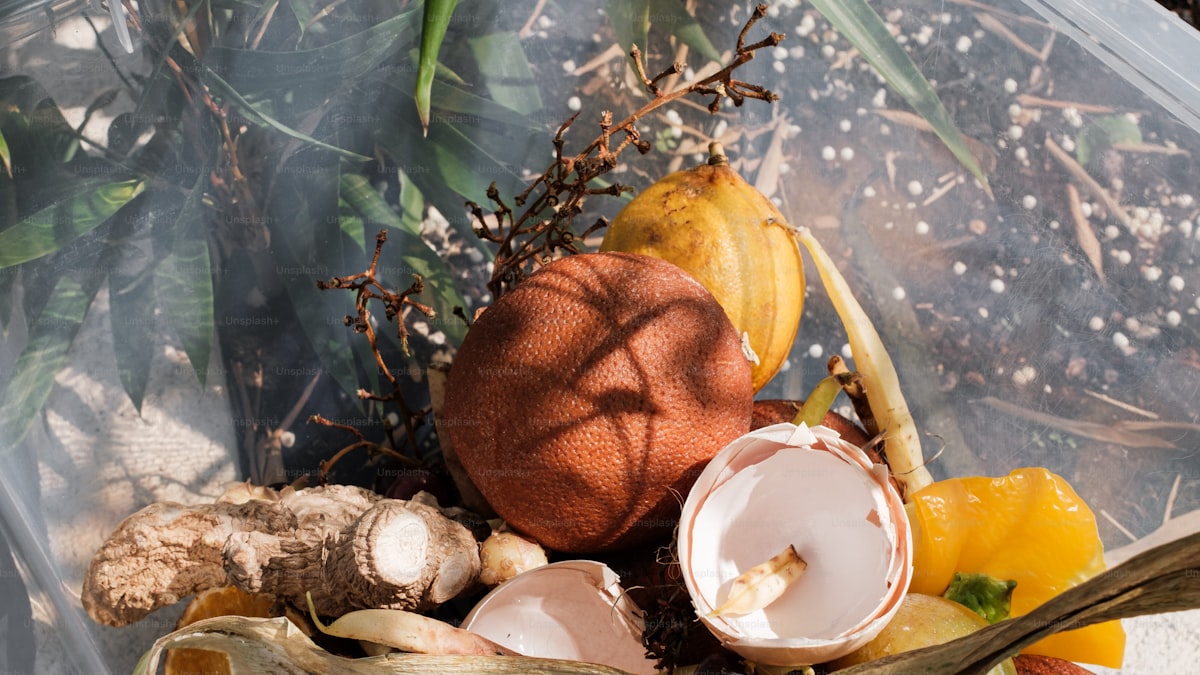
Here's a number that should make every household stop and think: the average American family throws away roughly $1,500 worth of food every single year. That's not a typo. According to the USDA, about 30-40% of the food supply in the United States ends up uneaten — in landfills, in compost bins, or scraped off plates into the trash. For a family of four, that works out to nearly $125 per month in groceries that never get eaten.
We've all been there. The bag of salad greens that turned into green slime in the back of the crisper drawer. The leftover pasta you swore you'd eat for lunch but forgot about for a week. The optimistic bunch of fresh herbs that wilted before you figured out what to do with them. It adds up fast, and it's not just bad for your wallet — it's a massive environmental problem too.
The good news? Reducing food waste at home doesn't require radical lifestyle changes. It takes a handful of intentional habits, some basic kitchen know-how, and a willingness to rethink how we buy, store, and use food. In this guide, we'll walk through every practical strategy we know to help you waste less and keep more of your hard-earned money.
Why We Waste So Much Food (and Why It Matters)
Before we dive into solutions, it helps to understand why food waste happens in the first place. Most household food waste falls into a few predictable categories:
- Overbuying — Buying more than we can realistically eat before it spoils
- Poor storage — Storing food in ways that accelerate spoilage
- Forgotten leftovers — Cooking more than we need, then letting the extras languish in the fridge
- Confusion about dates — Tossing perfectly good food because of "best by" labels that don't actually indicate safety
- Lack of planning — Shopping without a plan and ending up with ingredients that don't form meals
Each one of these problems has a straightforward fix. Let's work through them.
Plan Before You Shop
The single most effective way to reduce food waste starts before you ever set foot in a grocery store. When we shop without a plan, we buy on impulse, duplicate things we already have, and end up with a fridge full of ingredients that don't work together.
Build a Realistic Meal Plan
We're not talking about a rigid, color-coded spreadsheet. A simple weekly meal plan — even a rough one — can cut food waste by 25% or more. The key word here is "realistic." Plan for the number of meals you'll actually cook at home, account for nights you'll eat out or order in, and build meals around ingredients that overlap.
For example, if you buy a bunch of cilantro for tacos on Tuesday, plan a dish for Thursday that also uses cilantro — maybe a stir-fry or a grain bowl. If you're roasting a whole chicken on Sunday, plan to use the leftover meat in sandwiches or soup later in the week. This kind of ingredient overlap is the secret to using everything you buy.
If you're new to planning meals ahead of time, our guide on meal prep for beginners walks through the whole process step by step, including how to batch cook so nothing goes to waste.
Shop Your Kitchen First
Before writing your grocery list, do a full audit of what's already in your fridge, freezer, and pantry. Pull everything out, check dates, and make a mental note of what needs to be used soon. Then build your meal plan around those items first, adding only what you truly need from the store.
This one habit alone can save $30-50 per grocery trip. We've lost count of how many times we've come home with a second jar of marinara sauce or a duplicate bag of frozen broccoli simply because we didn't check first. A well-organized pantry makes this step much easier — if you haven't tackled yours yet, our guide on how to organize your pantry like a pro is a great place to start.
Store Food the Right Way
You'd be amazed how much longer food lasts when it's stored properly. Most of us just throw groceries into the fridge wherever they fit and hope for the best, but a few simple changes can extend the life of your food by days or even weeks.
Organize Your Fridge by Zones
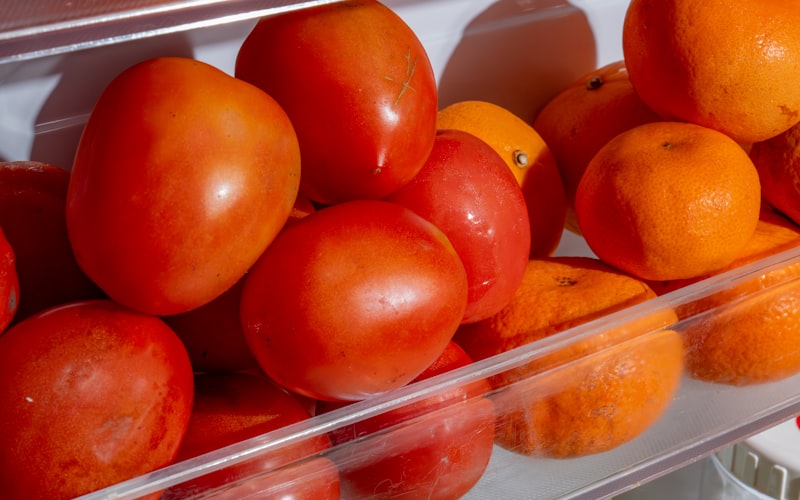
Your fridge has different temperature zones, and using them correctly makes a real difference. Raw meat goes on the bottom shelf (coldest, and prevents drips from contaminating other food). Dairy and eggs go on the middle shelves. Leftovers and ready-to-eat foods go on top. Fruits and vegetables get separated into the crisper drawers — high humidity for veggies, low humidity for fruits.
We wrote an entire deep-dive on this topic in our guide to organizing your fridge to keep food fresh longer. If you implement just the zone system and the first-in-first-out method, you'll see a noticeable drop in spoiled food within the first week.
Stop Storing These Foods in the Fridge
Not everything belongs in the refrigerator. Tomatoes lose flavor and turn mealy when chilled. Potatoes convert their starches to sugars in cold temperatures, affecting taste and texture. Onions get soft and moldy. Bread goes stale faster in the fridge due to retrogradation. Avocados and bananas ripen best at room temperature.
Keep these items in a cool, dark spot on the counter or in the pantry, and they'll last longer and taste better.
Preserve Fresh Herbs Properly
Fresh herbs are one of the most commonly wasted grocery items. A $3 bunch of cilantro or parsley can go from vibrant to slimy in just a few days if stored incorrectly. The fix is simple: treat soft herbs like cut flowers. Trim the stems, place them in a jar of water, and loosely cover the leaves with a plastic bag in the fridge. Basil is the exception — it prefers room temperature on the counter.
For a complete breakdown of every herb and the best way to store it, check out our guide on how to store fresh herbs. It covers everything from parsley to rosemary to chives, with specific methods that can keep herbs fresh for two to three weeks.
Understand Date Labels (They Don't Mean What You Think)
This is one of the biggest drivers of unnecessary food waste, and it's almost entirely based on a misunderstanding. Those "best by," "sell by," and "use by" dates on food packaging are not safety dates in most cases. They're manufacturer suggestions for peak quality.
Here's what each one actually means:
- "Best by" or "Best before" — The food is at its peak quality until this date, but it's still perfectly safe to eat afterward. Canned goods, for example, are often fine for months or even years past this date.
- "Sell by" — This is a guide for the store, telling them when to rotate stock. It has nothing to do with whether the food is safe for you to eat.
- "Use by" — This is the closest thing to an actual expiration date, but even this is conservative for many items. Infant formula is the only product where this date is federally regulated for safety.
A 2019 study from the Natural Resources Defense Council found that Americans throw away $29 billion worth of food annually just because of confusion about date labels. Trust your senses — if it looks fine, smells fine, and tastes fine, it almost certainly is fine.
Use What You Have: Creative Cooking Strategies
Some of the best meals come from working with whatever is on hand. Building a few flexible recipes into your rotation is one of the most effective ways to prevent food from ending up in the trash.
Master the "Clean Out the Fridge" Meals
Every kitchen needs a handful of forgiving recipes that can absorb whatever random ingredients are lingering in the fridge. These are your waste-prevention workhorses:
- Fried rice — Leftover rice, any vegetables, a protein, soy sauce, and an egg. Ready in 15 minutes and infinitely customizable.
- Frittata or quiche — Eggs, cheese, and literally any combination of vegetables and cooked meat. Feeds a crowd and uses up odds and ends.
- Stir-fry — That half a bell pepper, the last two carrots, a handful of snap peas. Toss them in a hot pan with some sauce and serve over rice or noodles.
- Soup or stew — The ultimate food waste weapon. Wilting celery, a lonely potato, the end of a bag of frozen corn — it all works in a pot of soup.
- Smoothies — Overripe bananas, soft berries, that yogurt that's two days from expiring. Blend it all up and call it breakfast.
These five recipe templates alone can rescue hundreds of dollars worth of food every year.
Embrace the Freezer as Your Best Friend
Your freezer is an incredible tool for preventing food waste if you use it proactively rather than as a graveyard for mystery containers. The key is freezing food before it goes bad, not after.
Here's what freezes exceptionally well:
- Overripe bananas (peel first, freeze in bags — perfect for smoothies and banana bread)
- Bread and tortillas (freeze the second half of the loaf if you won't finish it in time)
- Cooked grains like rice and quinoa (freeze in portions for quick meals)
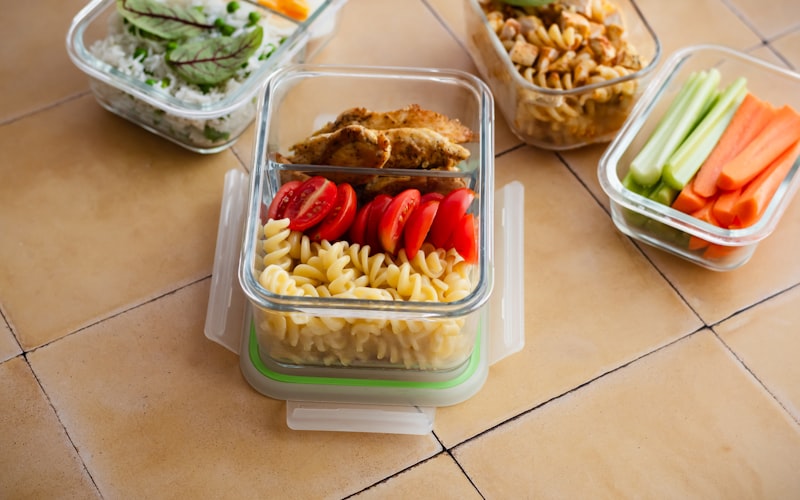
- Soups, stews, and chili (freeze in glass food storage containers for grab-and-go lunches)
- Fresh herbs in olive oil (use ice cube trays, then pop the cubes into a freezer bag)
- Leftover wine (freeze in ice cube trays for cooking)
- Grated cheese (it freezes beautifully and melts perfectly)
Label everything with the contents and date. A piece of masking tape and a marker takes five seconds and prevents that inevitable "what is this?" moment three months later.
Compost What You Can't Save
Even with the best planning, some food waste is unavoidable. Banana peels, coffee grounds, eggshells, and vegetable trimmings are all going to happen. Instead of sending them to the landfill — where they produce methane, a potent greenhouse gas — turn them into nutrient-rich compost for your garden or houseplants.
Composting at home is far simpler than most people think. You don't need a big backyard or any special equipment to get started. Even apartment dwellers can compost with a small countertop bin. If you've been curious about getting started, our beginner's guide to composting at home covers everything from choosing a method to knowing what can and can't go in the bin.
Track Your Waste to Find Your Weak Spots
One of the most eye-opening exercises you can do is keep a "waste log" for two weeks. Every time you throw away food, write down what it was, how much, and why. Was it spoiled? Left over from a meal? Bought on impulse and never used?
After two weeks, you'll see clear patterns. Maybe you consistently overbuy produce. Maybe your family never finishes a full gallon of milk before it goes bad (switch to a half gallon). Maybe bread always goes stale before the loaf is done (freeze half immediately).
These patterns are specific to your household, and once you see them, the solutions become obvious. Most families find that 3-4 specific items account for the majority of their waste.
How Much Can You Actually Save?
Let's get specific about the money. If the average family wastes $1,500 per year in food, and you implement even half the strategies in this guide, here's a conservative estimate of annual savings:
| Strategy | Estimated Annual Savings |
|---|---|
| Meal planning and shopping your kitchen first | $400-500 |
| Proper food storage | $200-300 |
| Understanding date labels | $150-200 |
| "Use it up" cooking | $200-300 |
| Freezing food proactively | $150-200 |
Total estimated annual savings: $1,100-1,500+
That's real money — a vacation fund, an emergency fund contribution, or a few months of utility bills. And it doesn't require spending more time or money. If anything, you'll spend less time at the grocery store because you're shopping more efficiently.
For even more ways to stretch your grocery budget, our guide on how to cut your grocery bill in half pairs perfectly with these waste-reduction strategies.
Frequently Asked Questions
What foods are wasted the most in American homes?
Fresh fruits and vegetables top the list by a wide margin, accounting for nearly 40% of all household food waste. Dairy products come in second, followed by bread and baked goods, then meat and seafood. The common thread is perishability — these are all items with short shelf lives that spoil quickly if not stored or used properly. Focusing your waste-reduction efforts on produce and dairy alone can make a significant dent in your overall food waste.
Is it safe to eat food past the "best by" date?
In most cases, yes. "Best by" dates indicate peak quality, not safety. Canned goods are often perfectly fine for one to two years past the printed date. Dry goods like pasta, rice, and cereal can last months beyond their dates when stored properly. Dairy products are usually good for a week or more past the date if they've been refrigerated consistently. The exceptions are infant formula (the only federally regulated date), deli meats, and soft cheeses — use more caution with those. Always rely on your senses: look, smell, and taste before eating, and discard anything that seems off.
How do I get my family on board with reducing food waste?
Start small and make it visible. Put a "use first" bin in the fridge where items approaching their limit go — make it a game to build meals around what's in the bin. Get kids involved in meal planning and let them pick one "leftover makeover" meal per week. Track your savings together on a chart on the fridge and set a goal for what you'll do with the money you save. Most families respond well to seeing the actual dollar amounts — when your teenager realizes that wasted food could have been a new pair of shoes, they suddenly care about finishing their leftovers.
Can I compost if I live in an apartment?
Absolutely. You have several options. A countertop compost collector lets you save scraps and drop them off at a local community composting site or farmers market (many cities now offer this). Bokashi bins use fermentation to break down food waste indoors, including meat and dairy that traditional composting can't handle. Vermicomposting (worm bins) works well in small spaces and produces excellent fertilizer. Many cities also offer curbside composting pickup. Check your local municipality's website — you might be surprised at the options available.
What's the single most impactful thing I can do to reduce food waste this week?
If you only do one thing, make it the "shop your kitchen first" habit. Before your next grocery trip, go through your entire fridge, freezer, and pantry. Pull out anything that needs to be used in the next few days and plan your meals around those items. Then write your grocery list based only on what you actually need to fill in the gaps. This single step addresses the two biggest causes of food waste — overbuying and forgotten food — and most families see immediate results. It takes 10 minutes and can save you $30-50 on your very next grocery run.
Start Small, Build From There
Reducing food waste doesn't have to be an all-or-nothing effort. You don't need to overhaul your entire kitchen routine overnight. Pick two or three strategies from this guide that resonate with you and focus on those for a few weeks. Maybe it's organizing your fridge by zones and committing to a weekly meal plan. Maybe it's finally learning what those date labels actually mean and stopping the premature tossing of perfectly good food.
Once those habits feel natural, add another. Then another. Within a couple of months, you'll have built a system that saves you real money, reduces your environmental footprint, and makes your kitchen run more smoothly. The $1,500 you've been throwing away every year? It's waiting to be redirected toward things that actually matter to your family.
Your food deserves better than the trash can. And your wallet definitely agrees.
Get weekly home tips that actually work
Join thousands of homeowners getting practical cleaning hacks, DIY fixes, and money-saving tips every week. Free, and you can unsubscribe anytime.

Written by
Beth SullivanFounder & Editor-in-Chief
Beth Sullivan is the founder of Practical Home Guides. With over a decade of hands-on experience tackling every home challenge imaginable, she started this site to share the practical, no-nonsense solutions she wishes she had found years ago. When she's not testing cleaning hacks or organizing pantries, you'll find her in the garden or working on her next DIY project.
Recommended Products
Looking for specific product recommendations? Check out our tested picks.

Best Outdoor Patio Furniture Deals (2026 Spring Picks)
Late April is the sweet spot for patio furniture deals — pre-summer sales without late-season picked-over selection. Here are the picks worth buying now.

5 Best LED Light Bulbs to Cut Your Electric Bill (2026)
Switch to LED bulbs and save $100+ per year on electricity. We compared the top LED bulbs for brightness, color quality, and longevity — here are the 5 best picks.
Best Smart Thermostats to Lower Your Energy Bill (2026)
The best smart thermostats that actually save money on heating and cooling. We compare 5 top picks from Nest, Ecobee, Honeywell, and more with real energy savings data.
Related Articles
Best Outdoor Patio Furniture Deals (2026 Spring Picks)
Late April is the sweet spot for patio furniture deals — pre-summer sales without late-season picked-over selection. Here are the picks worth buying now.
12 Earth Day Eco Swaps That Save Money All Year
These 12 home swaps reduce waste AND save money — most under 30 dollars upfront and pay for themselves within a few months.
12 Budget Mother's Day Gifts That Actually Feel Thoughtful
Skip the generic flowers-and-card combo. These under-50-dollar Mother's Day ideas feel personal without breaking the budget.
Homemade Cleaning Supplies That Save Real Money (7 Recipes That Work)
Skip the 8-dollar bottles of name-brand cleaner. These 7 homemade cleaner recipes replace everything in the cleaning aisle with 4 basic ingredients.