How to Organize a Small Closet (Maximize Every Inch)
Last updated: February 7, 2026
This article may contain affiliate links. If you make a purchase through these links, we may earn a small commission at no extra cost to you. Learn more
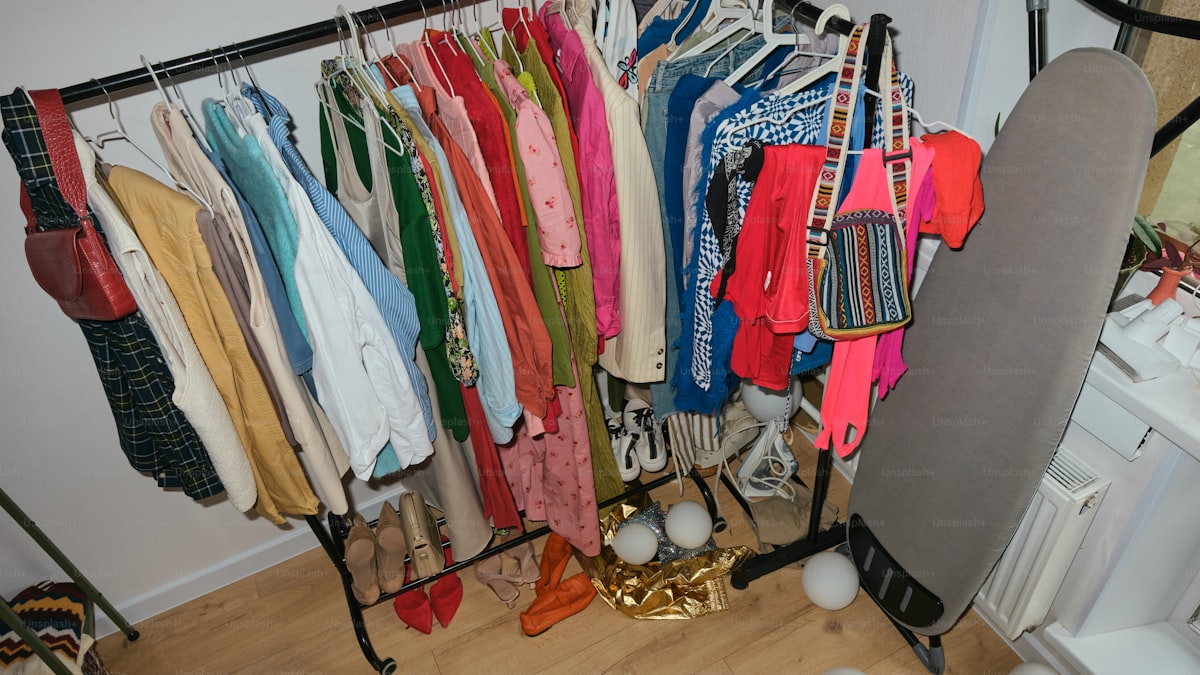
We've all been there. You open your closet door, stare at the jumbled mass of clothes, shoes, and mystery bags, and wonder how such a small space can hold so much chaos. A cramped closet doesn't mean you're stuck with disorder. It just means you need a smarter strategy.
The truth is, most small closets aren't actually short on space. They're short on systems. With a handful of practical changes and some honest decluttering, you can transform even the tiniest closet into a well-organized space that makes getting dressed each morning feel effortless instead of frustrating.
In this guide, we'll walk you through a complete plan to organize your small closet from start to finish. No expensive custom build-outs required, no weekend-long renovation projects. Just proven techniques that squeeze storage out of every forgotten inch.

Why Small Closets Deserve a Real Organization Plan
It's tempting to think organization only matters in large walk-in closets, but the opposite is true. The smaller the closet, the more every inch counts, and the faster things spiral into disarray without a clear system in place.
A disorganized closet costs you more than just time in the morning. When you can't see what you own, you end up buying duplicate items you forgot about. Clothes get wrinkled from being crammed together, shoes get scuffed from piling on top of each other, and seasonal items swallow up space that your everyday wardrobe needs.
When we organize a small closet properly, something interesting happens. We start to realize we have more than enough room for the things that actually matter. The problem was never the size of the closet. It was the amount of stuff competing for that space and the lack of a system to manage it.
Step 1: Empty the Closet Completely
We know this step sounds drastic, especially when you're already short on space and time. But pulling everything out is non-negotiable. You need to see the full picture of what you own and the actual dimensions of your closet before you can make smart decisions.
Lay everything out on your bed, a clean floor, or a spare table. Group items loosely as you go: tops in one area, bottoms in another, shoes together, accessories in a pile. This visual inventory is one of the most revealing parts of the entire process.
While the closet is empty, take a few minutes to clean the interior. Wipe down the rod, vacuum or sweep the floor, and dust the shelf. A clean slate makes the rest of the process feel like a fresh start rather than a chore.
Step 2: Declutter Ruthlessly
Here's where we need to be brutally honest with ourselves. A small closet simply cannot hold everything, and trying to force it all back in defeats the purpose of organizing.
Go through every single item and ask these questions: Have I worn this in the last 12 months? Does it fit well right now? Is it in good condition? Do I feel good when I wear it? If the answer is no to any of these, it's time to let it go.
Create four piles: keep, donate, trash, and relocate. The relocate pile is for items that belong somewhere else, like coats that should live in a hall closet or formal wear that could go into a guest room closet or garment bag.
Don't let guilt keep you holding onto clothes. That expensive jacket you never wear isn't serving you by taking up hanger space. Someone else can put it to use. If you're struggling with the emotional side of letting things go, our guide to decluttering your home room by room walks through practical mindset shifts that make the process much easier.
Step 3: Measure Your Closet and Plan Zones
Before you put anything back or buy a single organizer, grab a tape measure. Write down the width, depth, and height of your closet, including the height from the floor to the existing rod and from the rod to the top shelf.
These measurements are your blueprint. They tell you exactly what storage solutions will fit and where you have underutilized space. Most standard closets have a single rod at about 66 inches and one shelf above it, leaving enormous amounts of wasted vertical and floor space.
Create Functional Zones
Think of your small closet in zones, even if it feels like there isn't room for zones. Every closet has at least three: the hanging zone (the rod), the shelf zone (above the rod), and the floor zone (below the hanging clothes). We're going to make each one work harder.
Assign categories to each zone based on how you use your clothes. Daily essentials should be at eye level and easy to reach. Seasonal or occasional items can live higher up or tucked away. Shoes and heavier items do best on the floor or on low shelves.
Step 4: Maximize the Hanging Rod
The hanging rod is the backbone of any closet, and in a small space, how you use it makes all the difference.
Double Up with a Second Rod
If your closet has a single rod at standard height, you're wasting roughly half of your vertical hanging space. Install a second, lower rod for shorter items like shirts, blouses, skirts, and folded pants. The top rod handles longer items like dresses and coats.
A double-hang closet rod instantly doubles your hanging capacity without any complicated installation. Many options are adjustable, tension-mounted, or simply hang from the existing rod. This one change alone is often the single biggest improvement you can make in a small closet.
Use Slim Velvet Hangers
Swap out bulky plastic and wire hangers for slim velvet hangers. This is not just an aesthetic upgrade. Velvet hangers are roughly one-third the thickness of standard plastic hangers, which means you can fit significantly more garments on the same rod. The velvet surface also prevents clothes from slipping off, so you stop finding shirts in a heap on the closet floor.
Matching hangers create a uniform look that instantly makes your closet feel calmer and more organized. It's a small investment that pays off daily.
Cascade Hooks and Multi-Hangers
For items that work well layered, like tank tops or scarves, cascading hooks let you hang multiple items vertically from a single hanger spot. Multi-pant hangers hold five or six pairs in the space of one. These vertical stacking solutions are essential in a small closet where horizontal rod space is at a premium.
Step 5: Conquer the Shelf Space
That single shelf above the rod? It's probably holding a haphazard pile of sweaters, bags, and random items that haven't been touched in months. We're going to fix that.
Add Shelf Dividers
Shelf dividers are simple acrylic or wire partitions that clip onto your shelf and create defined sections. They prevent stacks of sweaters and folded items from toppling over into each other. This one small addition turns a messy shelf into an organized series of compartments.
Use Labeled Bins and Baskets
Soft-sided fabric bins and baskets are perfect for grouping smaller items on the top shelf: scarves, belts, seasonal accessories, or off-season clothing. Label each bin so you know what's inside without pulling everything down. Square or rectangular bins stack more efficiently than round baskets and use the full depth of the shelf.
If your closet is deep, place items you use less often toward the back and everyday items at the front. A bin with handles makes it easy to pull the whole container down when you need something from the back.
Install an Additional Shelf
Many closets have a large gap between the top shelf and the ceiling. Adding a second shelf up high creates storage for items you rarely need: luggage, off-season clothes, holiday accessories, or memorabilia. It's out-of-the-way space that's currently doing nothing.
Step 6: Reclaim the Floor
The floor of a small closet is often a dumping ground for shoes, bags, and whatever else doesn't have a home. Reclaiming this space with intention creates room you didn't know you had.
Shoe Storage Solutions
A stackable shoe shelf or an over-the-door shoe organizer keeps pairs visible and accessible without eating into your hanging space. If floor space is tight, a hanging shoe organizer on the back of the closet door works beautifully and holds 12 to 24 pairs in a slim profile.
For a minimal collection, a simple shoe rack on the closet floor keeps everything tidy. Angle shoes toe-to-heel to fit more pairs in the same footprint.
Slim Rolling Drawers
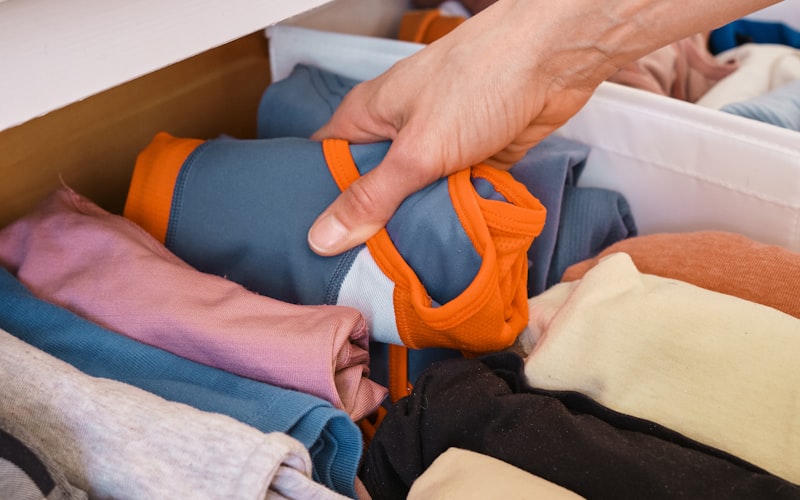
A set of slim stacking drawers that fits under your shortest hanging clothes adds drawer storage where none existed before. Use them for folded items like t-shirts, workout clothes, pajamas, or undergarments. This is especially useful in closets that don't have a built-in dresser nearby.
Step 7: Use the Door and Walls
The back of your closet door and the narrow wall space inside the closet are often completely ignored. These surfaces can hold a surprising amount when used intentionally.
An over-the-door organizer with hooks or pockets is excellent for accessories, belts, scarves, jewelry, or small bags. Adhesive hooks on the inside walls can hold hats, necklaces, or next-day outfit planning.
A small mounted mirror on the inside of the door serves double duty: it helps you get dressed and reflects light to make the closet feel more open.
These are the same kinds of strategies that work in other tight spaces around the home. If you've been frustrated with storage in your bathroom, our 10 clever bathroom storage ideas for small spaces covers many of the same vertical and door-based solutions.
Maintaining Your Organized Small Closet
An organized closet only stays organized if you maintain it. The good news is that maintenance in a small closet takes very little time once your system is in place.
The One-In-One-Out Rule
This is the single most important habit for a small closet. Every time you bring in a new item, one existing item leaves. No exceptions. This prevents your closet from slowly creeping back toward overflow and forces you to be intentional about what you keep.
Adopting this mindset also changes how you shop. You start thinking about whether a new purchase is actually better than something you already own, which often saves money. For more on breaking the cycle of accumulating things you don't need, take a look at our article on things to stop buying to save money.
Weekly Five-Minute Reset
Once a week, take five minutes to rehang anything that's slipped off a hanger, straighten folded stacks, and return items to their designated zones. This tiny habit prevents small messes from snowballing into full-blown closet chaos.
Seasonal Rotation
Every time the seasons change, rotate your wardrobe. Move off-season items to the top shelf in labeled bins and bring the upcoming season's clothes to the prime hanging and folding spots. This effectively gives you a closet that only holds what you actually need right now, making it feel twice as spacious.
Budget-Friendly Small Closet Organization Tips
You don't need to spend a fortune to organize a small closet. Here's how to get impressive results on a tight budget.
Start with decluttering, which is completely free and creates the biggest impact. Next, swap to slim hangers, which typically cost less than 20 dollars for a pack of 50. A tension rod for a second hanging level runs about 10 to 15 dollars. Shelf dividers are usually under 15 dollars for a set.
Check thrift stores and discount retailers for bins, baskets, and small organizers. Dollar stores carry surprisingly functional options. Repurpose items you already have: a shoe box becomes a drawer divider, a towel rack becomes a scarf holder, and a mug hook becomes a purse hanger.
Focus your spending on the solutions that solve your biggest pain points first. You can always add more organization tools over time.
Common Small Closet Mistakes to Avoid
Even with good intentions, certain habits undermine your hard work. Avoid these common pitfalls.
Don't skip the declutter step. Organizing clutter is just rearranging a mess. If you need more motivation and a systematic approach, our room-by-room decluttering guide helps you build momentum.
Avoid buying organizers before measuring. That beautiful basket set means nothing if it doesn't fit your shelf dimensions. Measure first, shop second.
Don't store items in the closet that belong somewhere else. A small closet can't double as a junk drawer. If cleaning supplies, paperwork, or hobby materials have crept in, relocate them.
Resist the urge to fill every last gap. A little breathing room between items prevents wrinkles, makes things easier to find, and lets you actually enjoy the space.
Taking Organization Beyond the Closet
Once you see how much a good system transforms your closet, you'll want to apply the same principles everywhere. The zone-based approach and vertical storage strategies we've covered here work in any small space.
Your pantry is another area where smart organization pays daily dividends. Our step-by-step guide to organizing your pantry like a pro uses many of the same techniques: empty, sort, zone, and maintain.
The space under your kitchen sink is another notoriously cluttered area that responds beautifully to these same methods. Tension rods, bins, and door-mounted storage can turn that awkward cabinet into a model of efficiency.
Frequently Asked Questions
How do I organize a closet with no built-in shelves or drawers?
Start with the rod and build from there. Add a second hanging rod to double your capacity, then use a freestanding shelf unit or stacking drawers on the floor. Over-the-door organizers and adhesive hooks add storage without any drilling. Hanging fabric shelves that attach to the rod give you folding space where none existed. With these portable solutions, you can create a fully functional closet system without modifying the structure at all, which is especially helpful for renters.
What's the best way to store seasonal clothes in a small closet?
Vacuum-seal bags are the most space-efficient option for bulky seasonal items like winter coats, sweaters, and heavy blankets. They compress items down to a fraction of their size and protect against moisture, dust, and pests. Store the sealed bags on the top shelf or under the bed. Alternatively, labeled fabric bins on a high shelf keep seasonal items accessible for quick rotation. The key is removing off-season items from your main hanging and folding areas so your current wardrobe has room to breathe.
How many hangers should I have in a small closet?
A good rule of thumb is to leave about one finger width of space between each hanger. For a standard 48-inch closet rod using slim velvet hangers, that translates to roughly 40 to 50 hangers. If you're consistently running out of room, that's a signal to declutter rather than to cram more in. Overcrowding causes wrinkles, makes it harder to see your options, and leads to the frustrating experience of never being able to find what you want.
Can I organize a small closet without spending any money?
Absolutely. The most impactful step, decluttering, is completely free and often creates all the room you need. Use shoeboxes as drawer dividers, repurpose hooks you already own, and fold items using space-saving techniques like the KonMari file fold to maximize drawer and shelf space. Rearranging what you already have, grouping items by category, and establishing zones costs nothing but time. Save your budget for one or two targeted purchases later, like slim hangers or a second tension rod, once you've identified your specific needs.
How often should I reorganize my closet?
A full reorganization once or twice a year, usually at seasonal transitions, keeps your system fresh and prevents buildup. Between those deep sessions, a weekly five-minute reset is all you need. Straighten hangers, refold stacks, and return anything that's migrated to the wrong zone. If you follow the one-in-one-out rule consistently, your closet will stay organized with minimal effort between seasonal overhauls.
Your Organized Closet Is Closer Than You Think
A small closet isn't a limitation. It's an invitation to be intentional about what you keep and how you store it. With the right approach, a compact closet can hold everything you need, in a way that makes getting dressed each day genuinely enjoyable.
Start this weekend with just the first two steps: empty and declutter. You'll be amazed at how much space appears once the excess is gone. From there, add smart storage solutions one at a time and build the system that fits your life.
Every inch of your closet has potential. Now you have the plan to unlock it.
Get weekly home tips that actually work
Join thousands of homeowners getting practical cleaning hacks, DIY fixes, and money-saving tips every week. Free, and you can unsubscribe anytime.

Written by
Beth SullivanFounder & Editor-in-Chief
Beth Sullivan is the founder of Practical Home Guides. With over a decade of hands-on experience tackling every home challenge imaginable, she started this site to share the practical, no-nonsense solutions she wishes she had found years ago. When she's not testing cleaning hacks or organizing pantries, you'll find her in the garden or working on her next DIY project.
Recommended Products
Looking for specific product recommendations? Check out our tested picks.
Best Garage Shelving Systems (2026 Tested)
Wire shelving, freestanding steel, wall-mounted, and overhead — we tested the garage shelving systems that hold real weight without sagging.
5 Best Closet Organizer Systems Under $100 (2026)
Transform your cluttered closet without spending a fortune. We compared the top closet organizer systems under $100 — here are the 5 best for different closet sizes and needs.
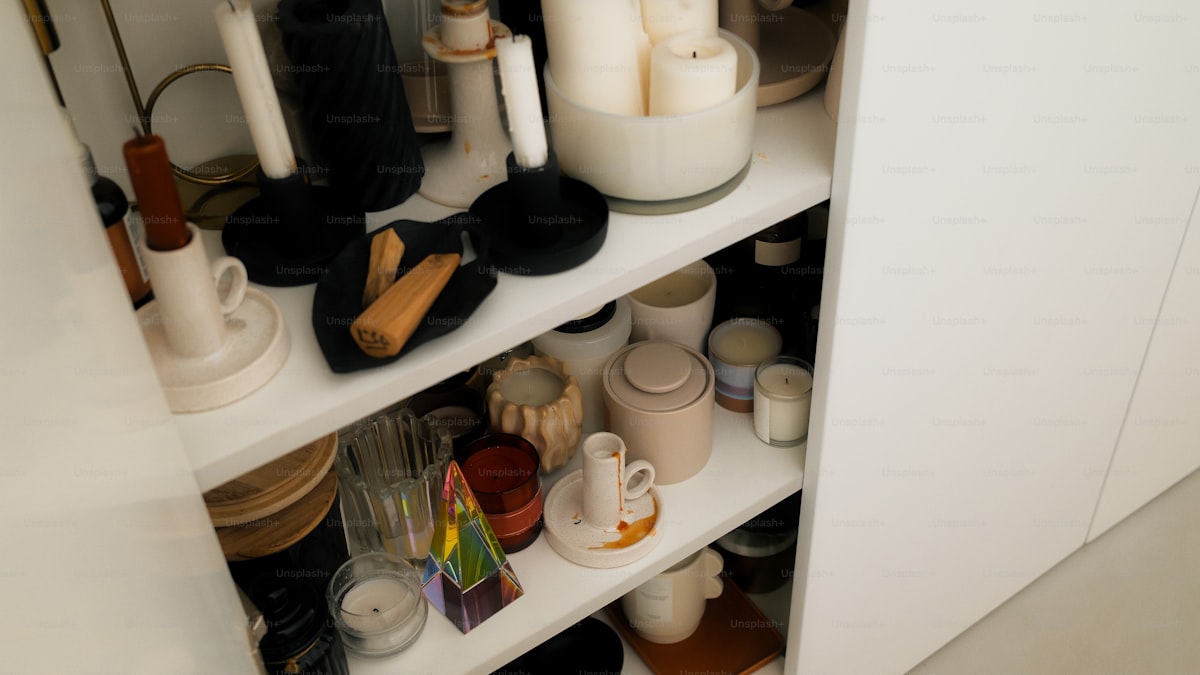
Best Storage Bins and Organizers for Every Room (2026)
The best storage bins, baskets, and organizers for closets, pantries, bathrooms, and garages. Practical picks at every price point to get your home organized.
Related Articles
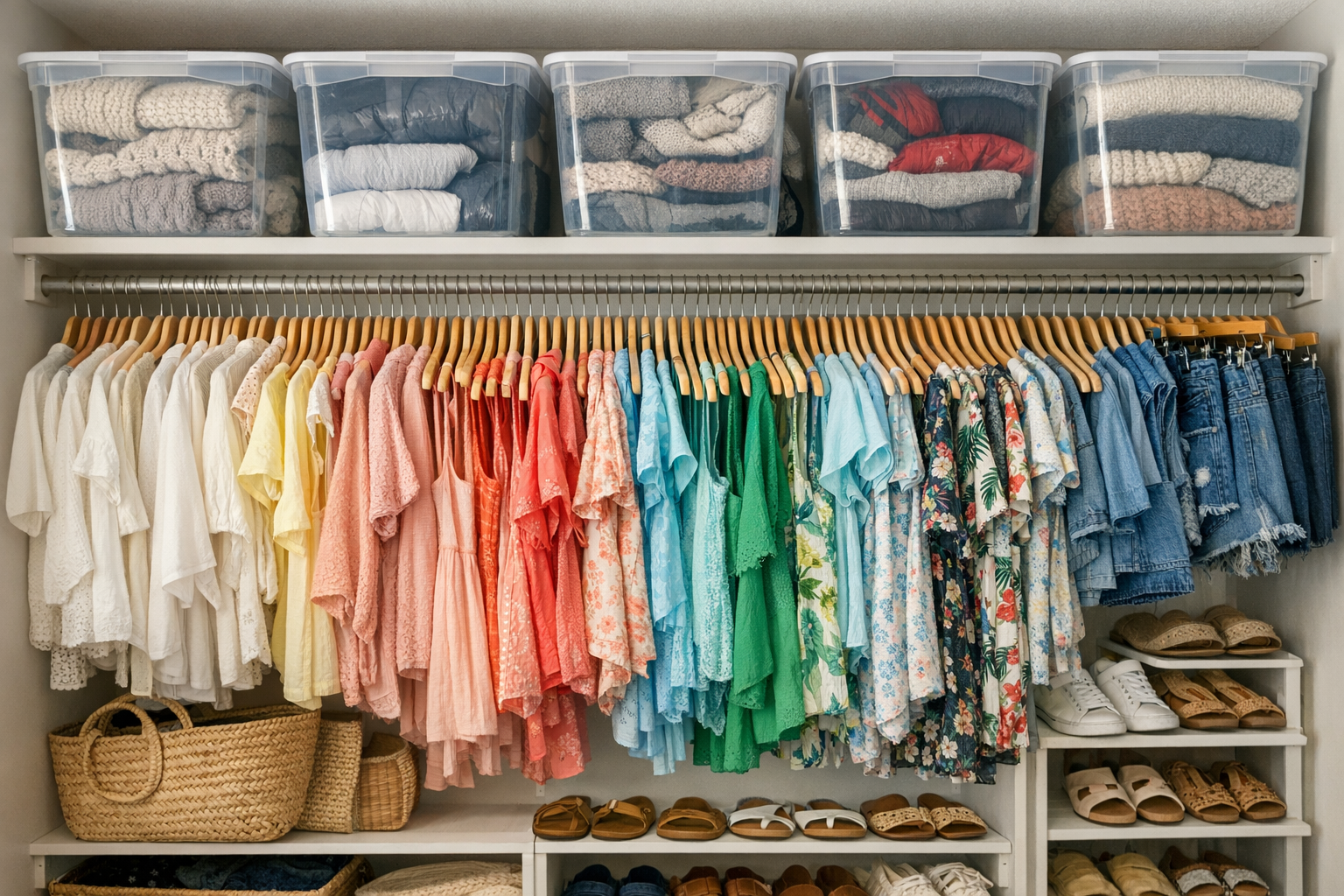
How to Swap Winter and Summer Wardrobes (And Cut Your Closet in Half)
The seasonal wardrobe swap is the highest-leverage closet declutter you can do. Here's the system that takes 90 minutes and dramatically simplifies dressing for months.
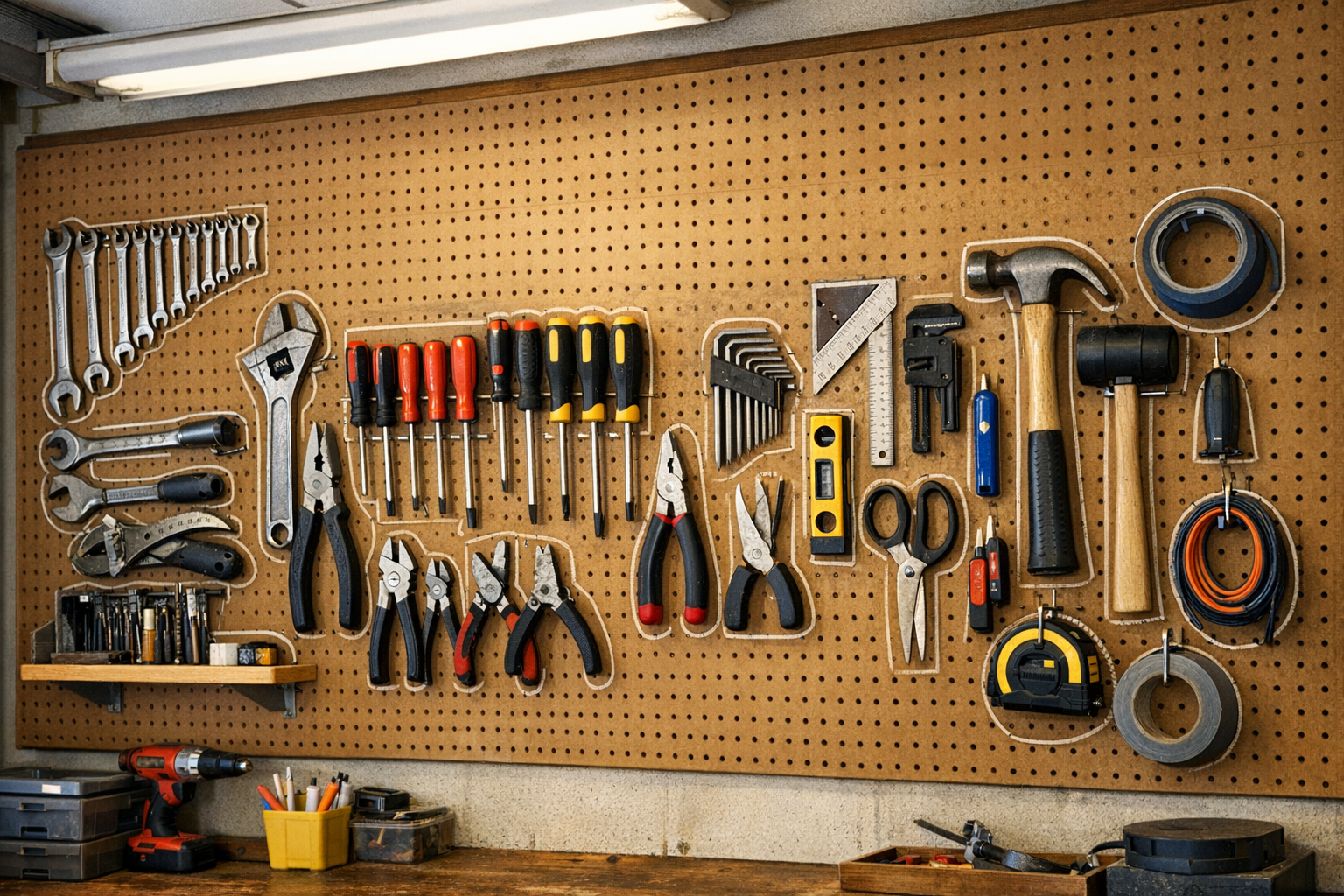
How to Set Up Garage Pegboard Zones (Pro Mechanic Style)
A pegboard wall keeps every tool in its own spot. Here's the zone-based layout pro mechanics use — adapted for home garages.
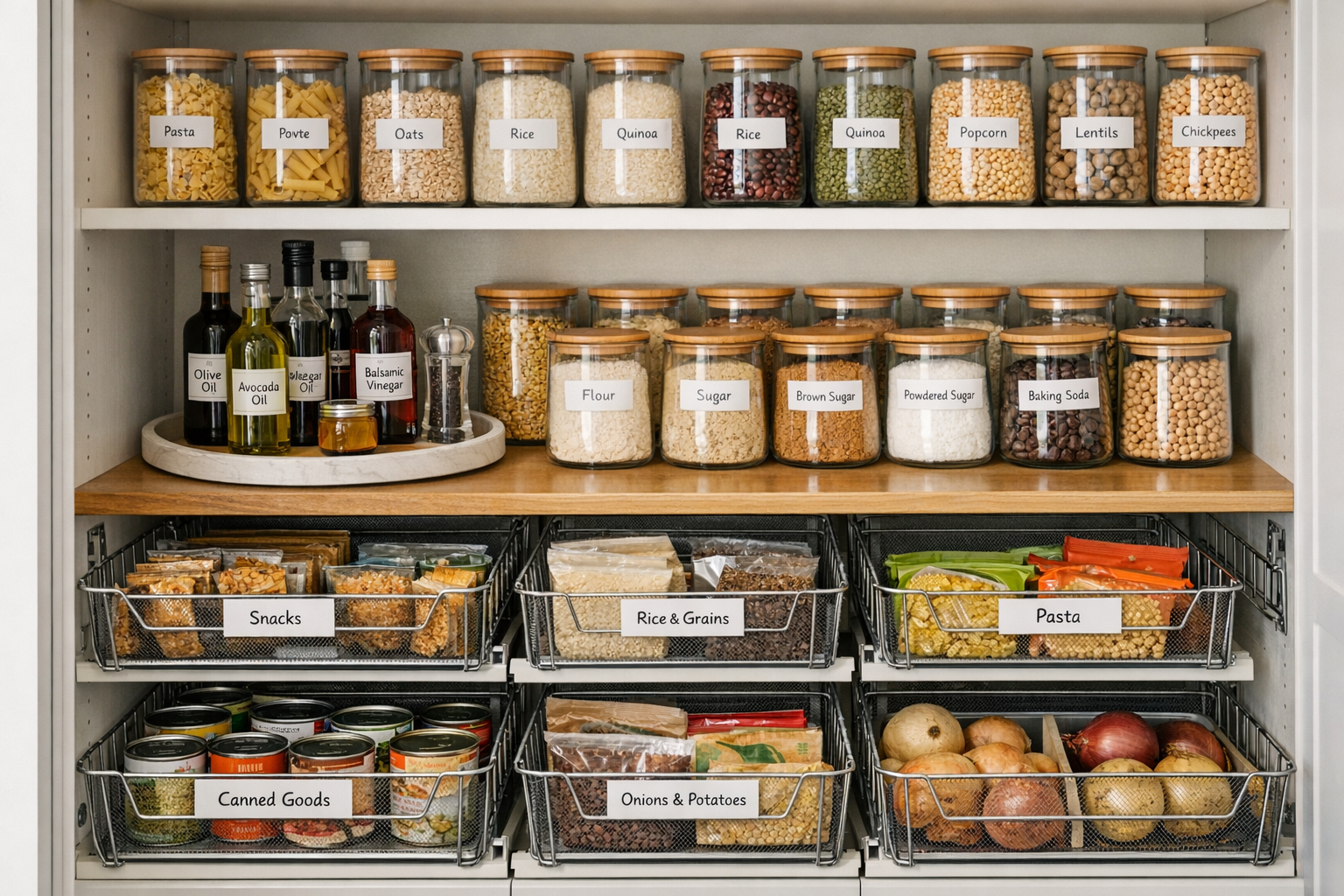
How to Organize Deep Pantry Shelves Without Wasting Food
Deep pantry shelves are where food goes to be forgotten. Here's the system that keeps everything visible and rotated — even on 24-inch deep shelves.
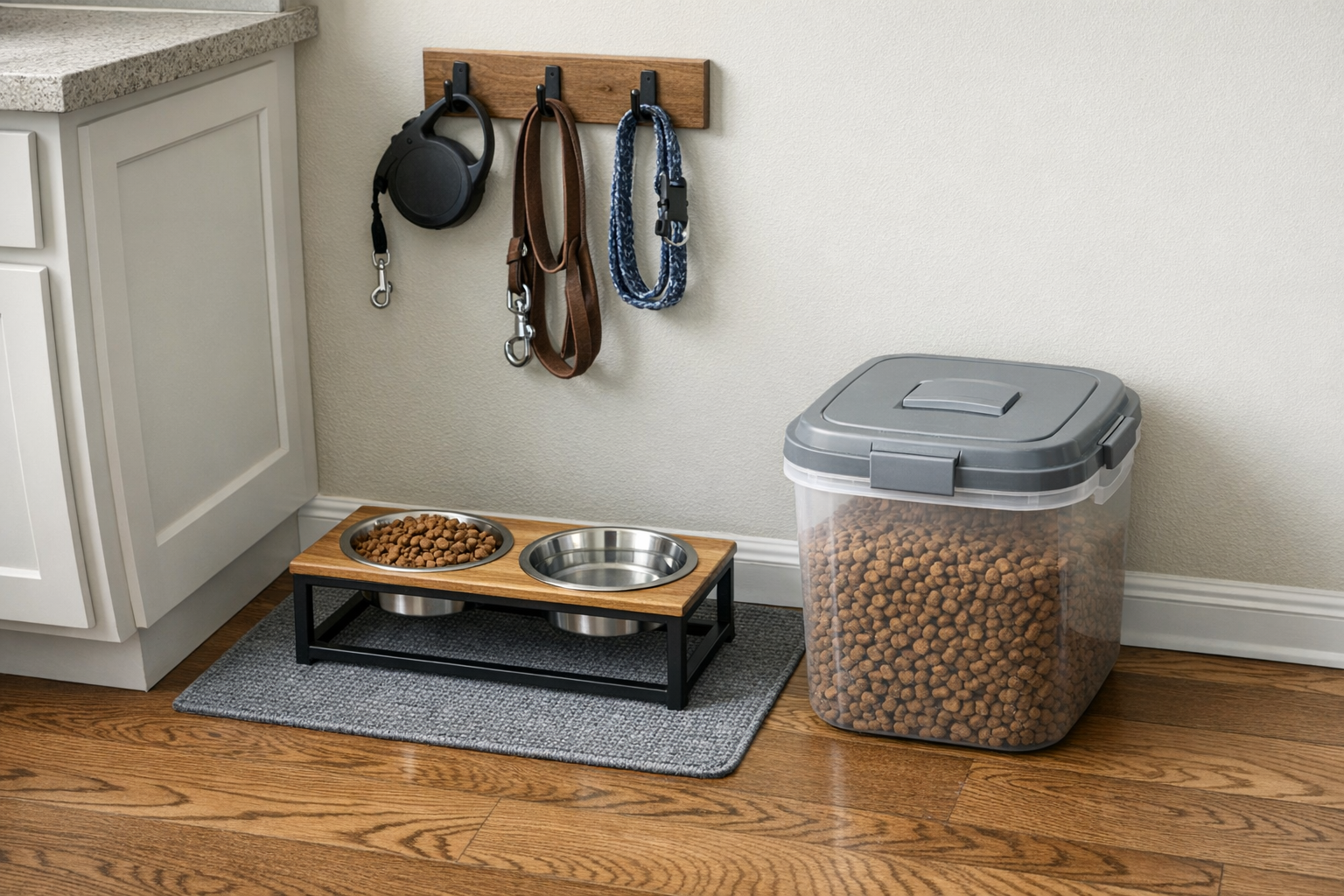
How to Organize Pet Supplies and Build a Tidy Feeding Station
Stop tripping over kibble bags and digging through a chaotic pet drawer. A simple feeding station system that works for one pet or five.