How to Organize Under Your Bathroom Cabinet (Even in a Tiny Space)
This article may contain affiliate links. If you make a purchase through these links, we may earn a small commission at no extra cost to you. Learn more
Quick Answer
How to Organize Under Your Bathroom Cabinet (Even in a Tiny Space)
Start by emptying everything out and discarding expired products. Then use stackable bins or a two-tier shelf riser to maximize vertical space around the pipes. Group items by category (hair care, first aid, cleaning supplies) in clear containers, and mount a tension rod or adhesive hooks on the cabinet door for hanging spray bottles and tools.
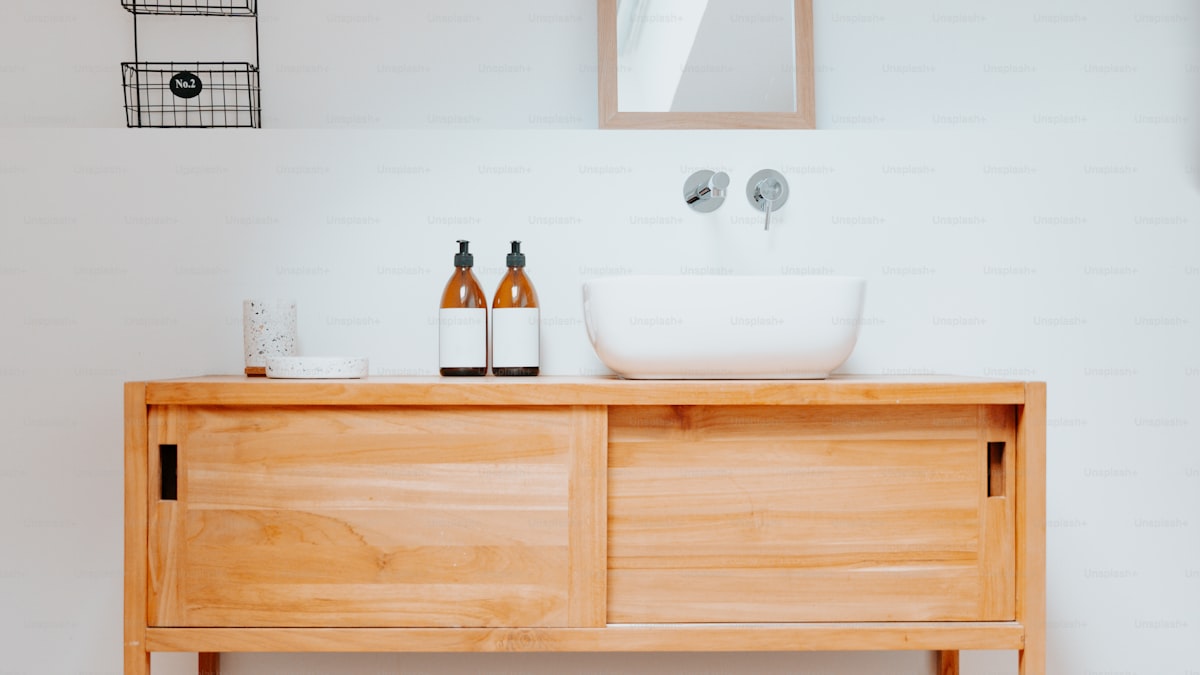
The cabinet under the bathroom sink is one of those spaces that starts out organized and slowly descends into chaos. Between half-used shampoo bottles, expired medications, tangled hair tools, and mystery products you bought once and never used again, it becomes a black hole where things go in but never come out.
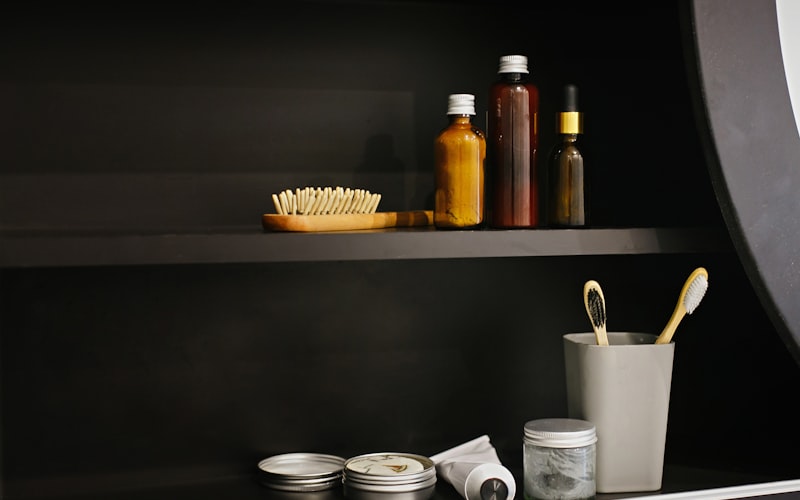
The good news is that even the smallest, most awkward under-sink cabinet can be transformed into a functional storage space. It doesn't require expensive organizers or a complete renovation — just a clear plan and about 30 minutes. If you've already tackled organizing under your kitchen sink, you'll find many of the same principles apply here.
Step 1: Empty Everything Out
Pull everything out from under the cabinet and lay it all on the bathroom floor or counter. This is the most important step because it lets you see exactly what you have and how much space you're actually working with.
Sort Into Four Piles
- Keep: Items you use regularly (at least once a month)
- Relocate: Things that belong in another room (kitchen cleaners, extra toilet paper that could go in a closet)
- Toss: Expired products, dried-out items, things you haven't used in 6+ months
- Donate: Unopened products you won't use
Check expiration dates on everything. Sunscreen, medications, contact solution, and many beauty products have expiration dates. Expired products can be ineffective or even harmful. Most people find they can eliminate 30-50% of what's under their bathroom sink during this purge.
Step 2: Measure Your Space
Before buying any organizers, measure the usable space inside your cabinet. Note:
- Width and depth of the cabinet floor
- Height from the cabinet floor to the shelf or top
- Pipe location — where the drain pipe is and how much space it takes up
- Door clearance — how much room you have before items hit the closed door
The pipes under a bathroom sink are the biggest obstacle to organization. Most solutions involve working around them with containers that fit in the available gaps.
Step 3: Choose Your Organization System
The best system depends on your cabinet size and what you need to store.
For Small Cabinets (Under 24 Inches Wide)
- Stackable bins: Use two or three small bins that fit around the pipes
- Lazy Susan: A small turntable makes corner items accessible
- Door-mounted organizer: Use the inside of the cabinet door for flat items
For Standard Cabinets (24-30 Inches)
- Two-tier shelf riser: Creates a second level above the cabinet floor
- Pull-out drawers: Sliding bins on tracks make everything accessible
- Tension rod: Mount across the cabinet to hang spray bottles by their triggers
For Large Cabinets (Over 30 Inches)
- Multi-tier shelf system: Adjustable shelving that works around pipes
- Combination approach: Shelf riser + bins + door storage
- Under-sink drawer organizer: Specially designed units with cutouts for pipes
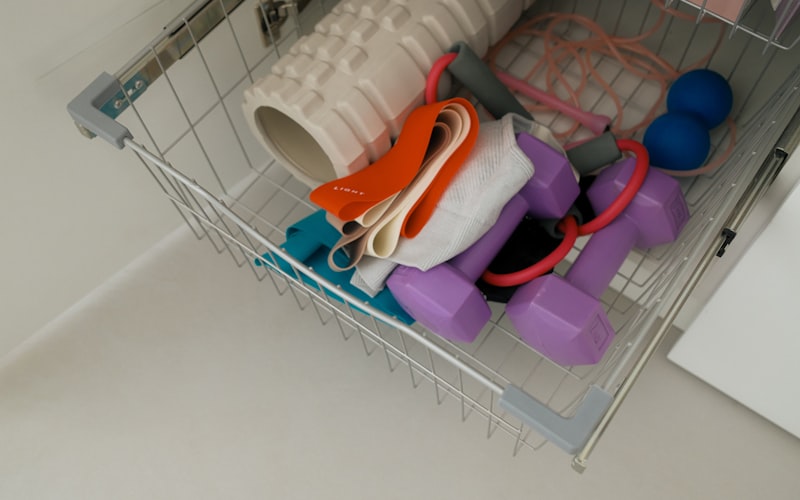
Step 4: Group Items by Category
Once you've chosen your containers, organize items into logical groups:
Suggested Categories
- Daily essentials: Items you reach for every day (deodorant, face wash, toothpaste refills)
- Hair care: Shampoo, conditioner, styling products, hair tools
- First aid: Band-aids, antiseptic, pain relievers, thermometer
- Cleaning supplies: Bathroom cleaner, scrub brush, extra sponges
- Backup stock: Extra soap, toothpaste, razors (keep minimal — one backup per item)
- Specialty items: Nail care, face masks, seasonal products
Put the items you use most often in the most accessible spots (front and center). Less frequently used items go in the back or on higher shelves.
Step 5: Use the Cabinet Door
The inside of the cabinet door is prime real estate that most people ignore. Here's how to use it:
- Adhesive hooks: Hang hair ties, headbands, or a small mirror
- Command strip baskets: Mount small wire or plastic baskets for flat items
- Magnetic strip: Attach bobby pins, tweezers, nail clippers
- Clear pocket organizer: A hanging shoe organizer trimmed to fit works great for small items
Just make sure whatever you mount on the door doesn't prevent the door from closing. Test the clearance before committing to adhesive hooks or baskets.
Budget-Friendly Organizer Ideas
You don't need to spend a fortune on fancy organizing products. Here are affordable options:
- Dollar store bins ($1-3 each): Perfect for grouping items by category
- Tension rod ($3-5): Hang spray bottles to free up floor space
- Lazy Susan ($5-10): Makes corner items in deep cabinets accessible
- Stacking shelf riser ($8-15): Doubles your usable space instantly
- Clear shoe boxes (free-$3): Great for corralling small items in groups
If you're looking for more ways to organize on a tight budget, our guide to organizing your garage on a budget has lots of affordable storage hacks that work in any room.
Maintenance Tips
An organized cabinet only stays organized if you maintain it. These habits keep the clutter from creeping back:
Monthly Check (2 Minutes)
- Put anything that wandered out of its container back where it belongs
- Toss any empty containers
- Wipe down the cabinet floor with a damp cloth
Quarterly Purge (10 Minutes)
- Check expiration dates on all products
- Remove anything you haven't used in 3 months
- Evaluate whether your system is working and adjust if needed
One-In-One-Out Rule
When you buy a new product, use up or discard the old one first. This prevents the slow accumulation that leads to cabinet chaos. It's the same principle that works for organizing your closet and decluttering room by room.
Common Mistakes to Avoid
Buying Organizers Before Measuring
The most common mistake is buying containers that don't fit. Always measure your space and plan your layout before shopping. Return anything that doesn't work — an ill-fitting organizer just creates more clutter.
Storing Too Much Under the Sink
Just because the space exists doesn't mean you need to fill it. A cabinet that's 70% full is much more functional than one that's packed to the brim. Leave room to easily grab items without moving everything else out of the way.
Ignoring Moisture
Under-sink cabinets are prone to moisture from pipe condensation or small leaks. Place a small waterproof mat or tray on the cabinet floor before organizing. Check periodically for dampness, which can damage products and cause mold. If you're dealing with mold elsewhere, our guide to removing mold from bathroom ceilings can help.
Using Cardboard Boxes
Cardboard absorbs moisture and falls apart in a bathroom environment. Always use plastic, wire, or bamboo containers under the sink.
Frequently Asked Questions
What's the best organizer for a pedestal sink with no cabinet?
For pedestal sinks, use a freestanding storage unit that fits around the pedestal, or mount a small wall cabinet or floating shelves above or beside the sink. A tiered cart on wheels that slides next to the pedestal is another great option for keeping essentials within reach.
How do I organize under the sink with a garbage disposal?
A garbage disposal takes up space on one side of the cabinet. Use a tiered shelf riser on the open side and small bins that fit around the disposal unit. Avoid stacking anything directly against the disposal, and keep the area around it clear for maintenance access.
Should I keep cleaning supplies under the bathroom sink?
Only keep bathroom-specific cleaning supplies there (toilet cleaner, bathroom spray, scrub brush). General household cleaners are better stored in a central cleaning caddy or closet. If you have young children, make sure any cleaning products under the sink are behind a childproof lock.
How do I prevent under-sink pipes from leaking on my organizers?
Check your pipe connections for any signs of moisture before organizing. Place a waterproof drip tray or silicone mat under the pipes. You can also wrap pipe joints with pipe insulation to reduce condensation. If you notice active leaks, address them first — our guide to fixing a leaky faucet covers common pipe connection issues.
What should I do with products I rarely use but don't want to throw away?
Seasonal or occasional-use items (self-tanner, special occasion hair products, travel-sized toiletries) should be stored elsewhere — a hall closet, linen closet, or bedroom drawer. Reserve the under-sink space for items you actually use regularly.
An organized bathroom cabinet makes your morning routine smoother and eliminates the frustration of digging through a cluttered mess to find what you need. Once everything has a designated spot, keeping it tidy takes almost no effort. Next up, consider tackling your bathroom storage for a complete bathroom refresh.
Get weekly home tips that actually work
Join thousands of homeowners getting practical cleaning hacks, DIY fixes, and money-saving tips every week. Free, and you can unsubscribe anytime.

Written by
Beth SullivanFounder & Editor-in-Chief
Beth Sullivan is the founder of Practical Home Guides. With over a decade of hands-on experience tackling every home challenge imaginable, she started this site to share the practical, no-nonsense solutions she wishes she had found years ago. When she's not testing cleaning hacks or organizing pantries, you'll find her in the garden or working on her next DIY project.
Recommended Products
Looking for specific product recommendations? Check out our tested picks.
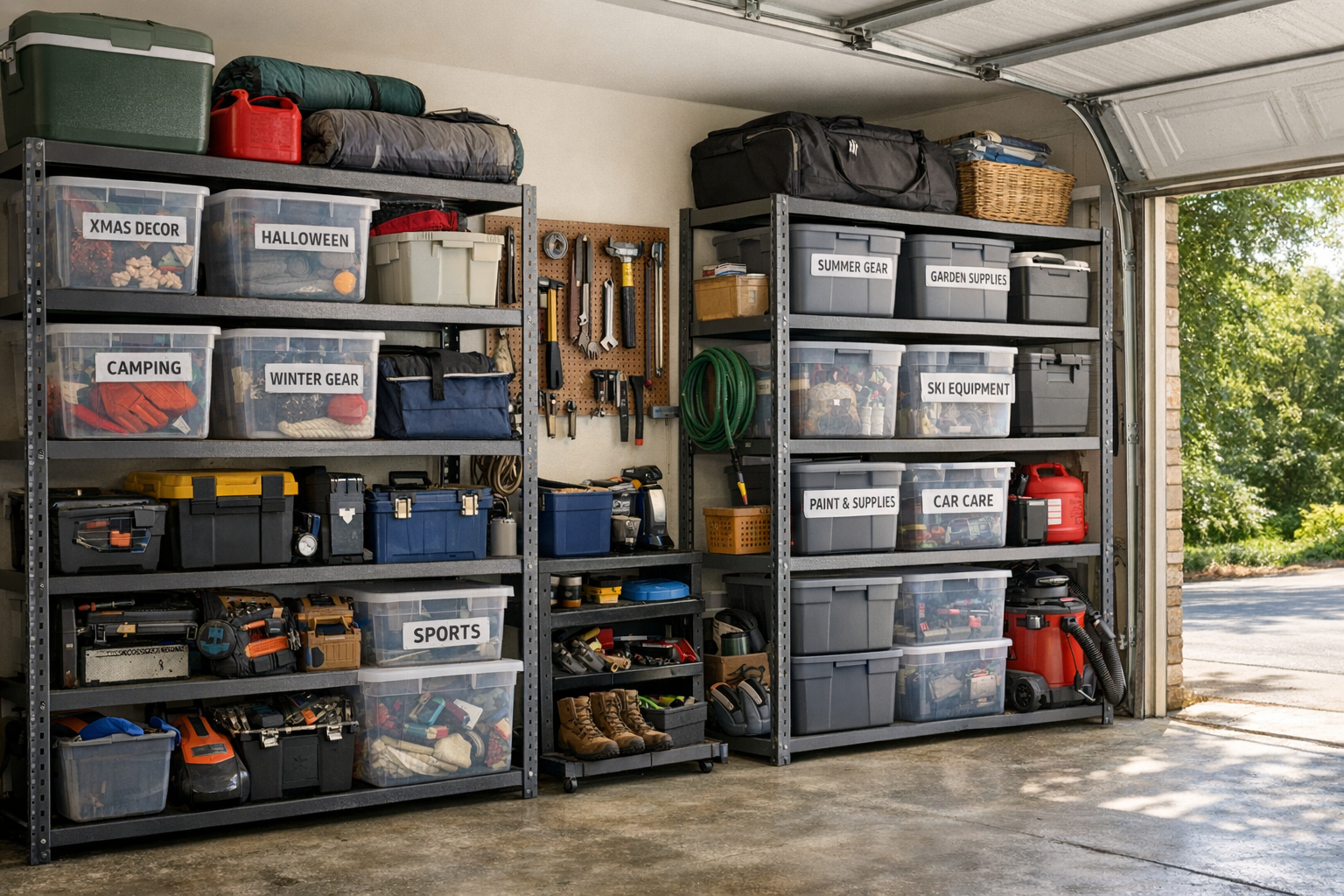
Best Garage Shelving Systems (2026 Tested)
Wire shelving, freestanding steel, wall-mounted, and overhead — we tested the garage shelving systems that hold real weight without sagging.

5 Best Closet Organizer Systems Under $100 (2026)
Transform your cluttered closet without spending a fortune. We compared the top closet organizer systems under $100 — here are the 5 best for different closet sizes and needs.
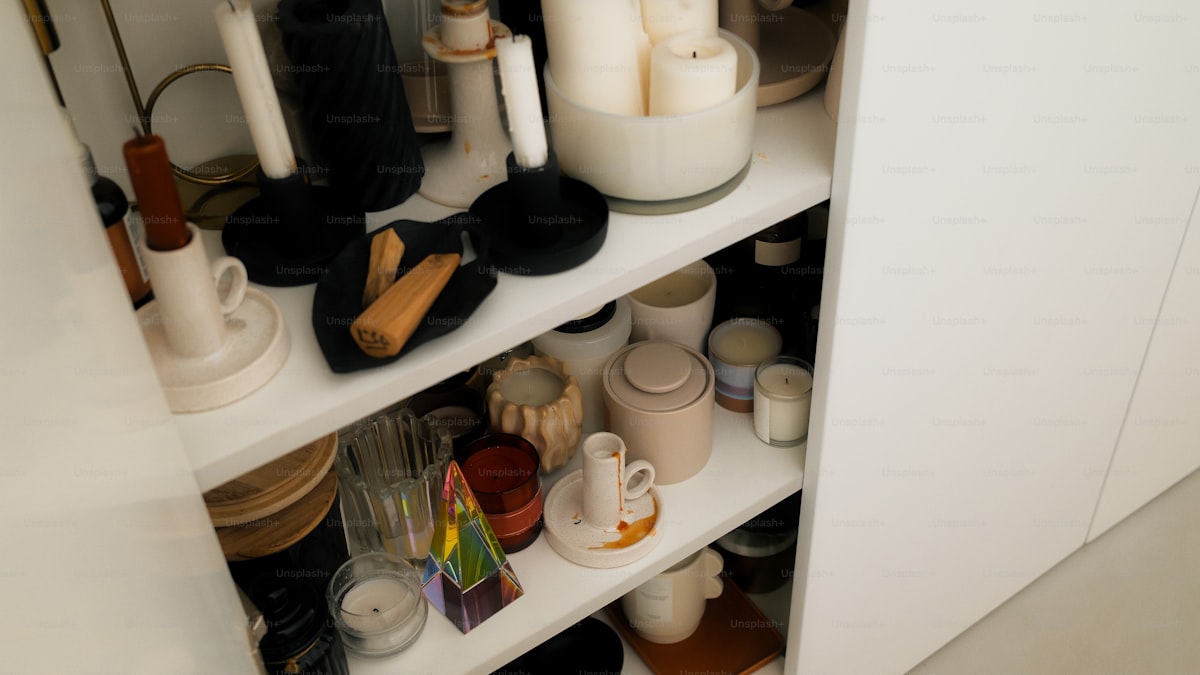
Best Storage Bins and Organizers for Every Room (2026)
The best storage bins, baskets, and organizers for closets, pantries, bathrooms, and garages. Practical picks at every price point to get your home organized.
Related Articles
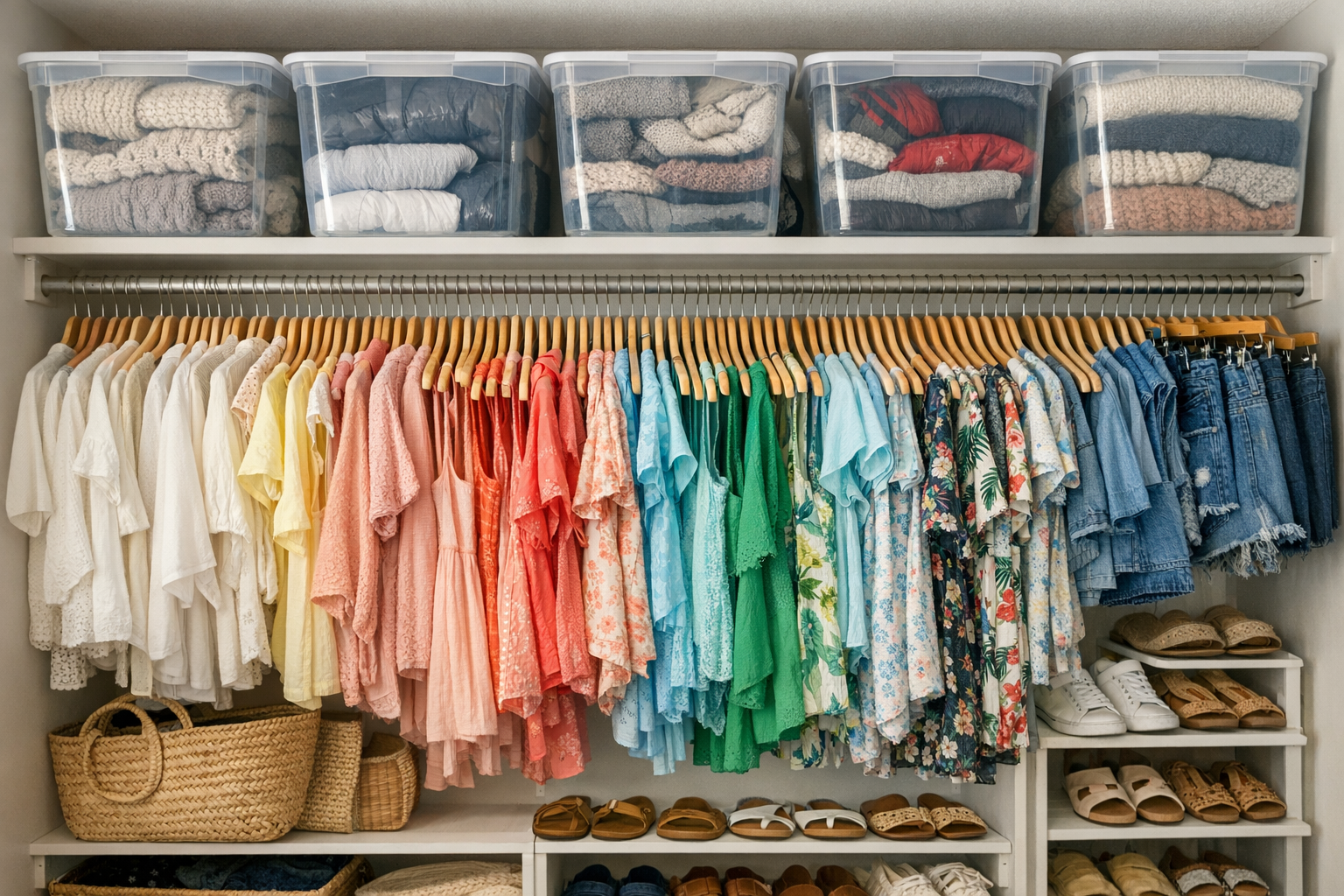
How to Swap Winter and Summer Wardrobes (And Cut Your Closet in Half)
The seasonal wardrobe swap is the highest-leverage closet declutter you can do. Here's the system that takes 90 minutes and dramatically simplifies dressing for months.
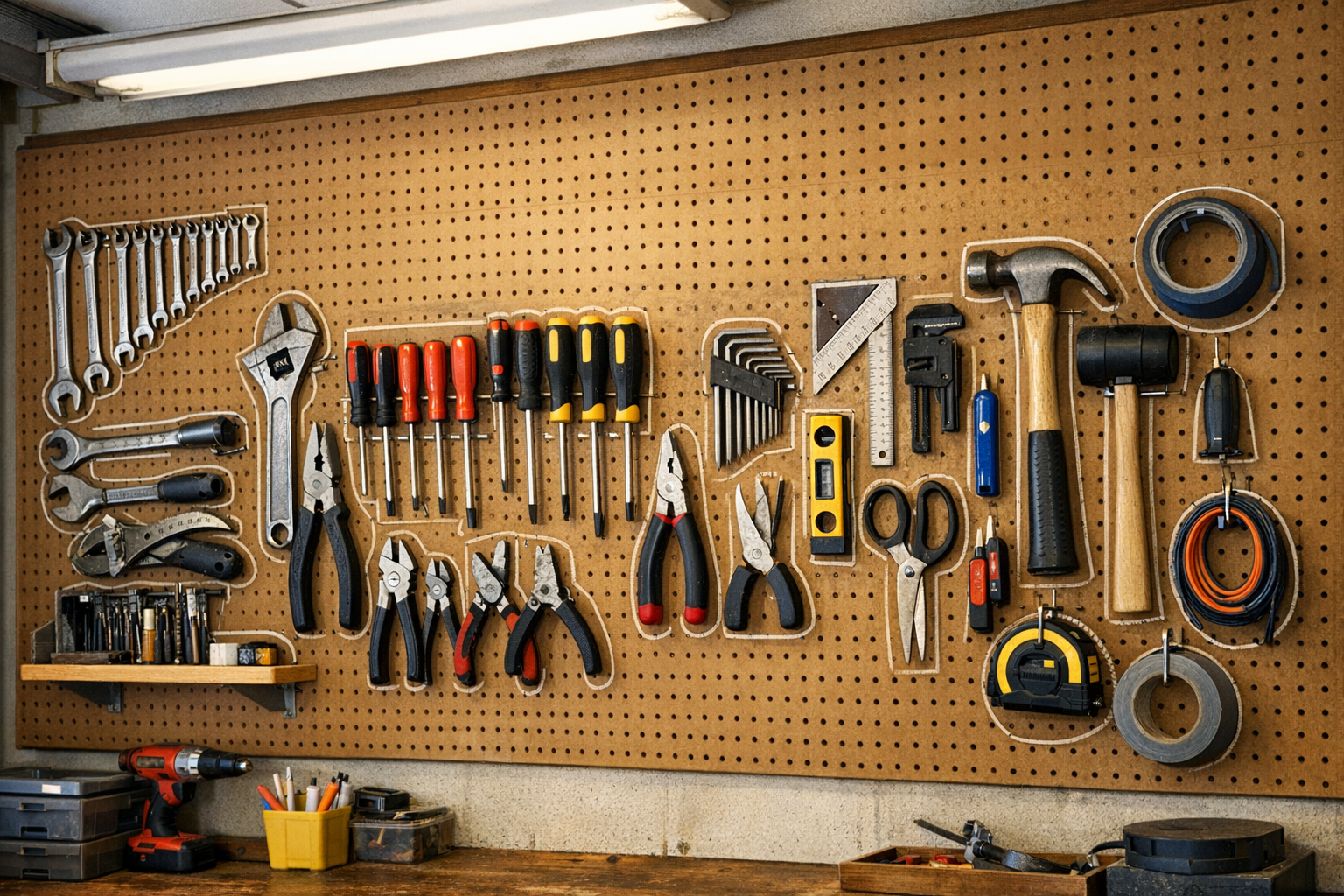
How to Set Up Garage Pegboard Zones (Pro Mechanic Style)
A pegboard wall keeps every tool in its own spot. Here's the zone-based layout pro mechanics use — adapted for home garages.
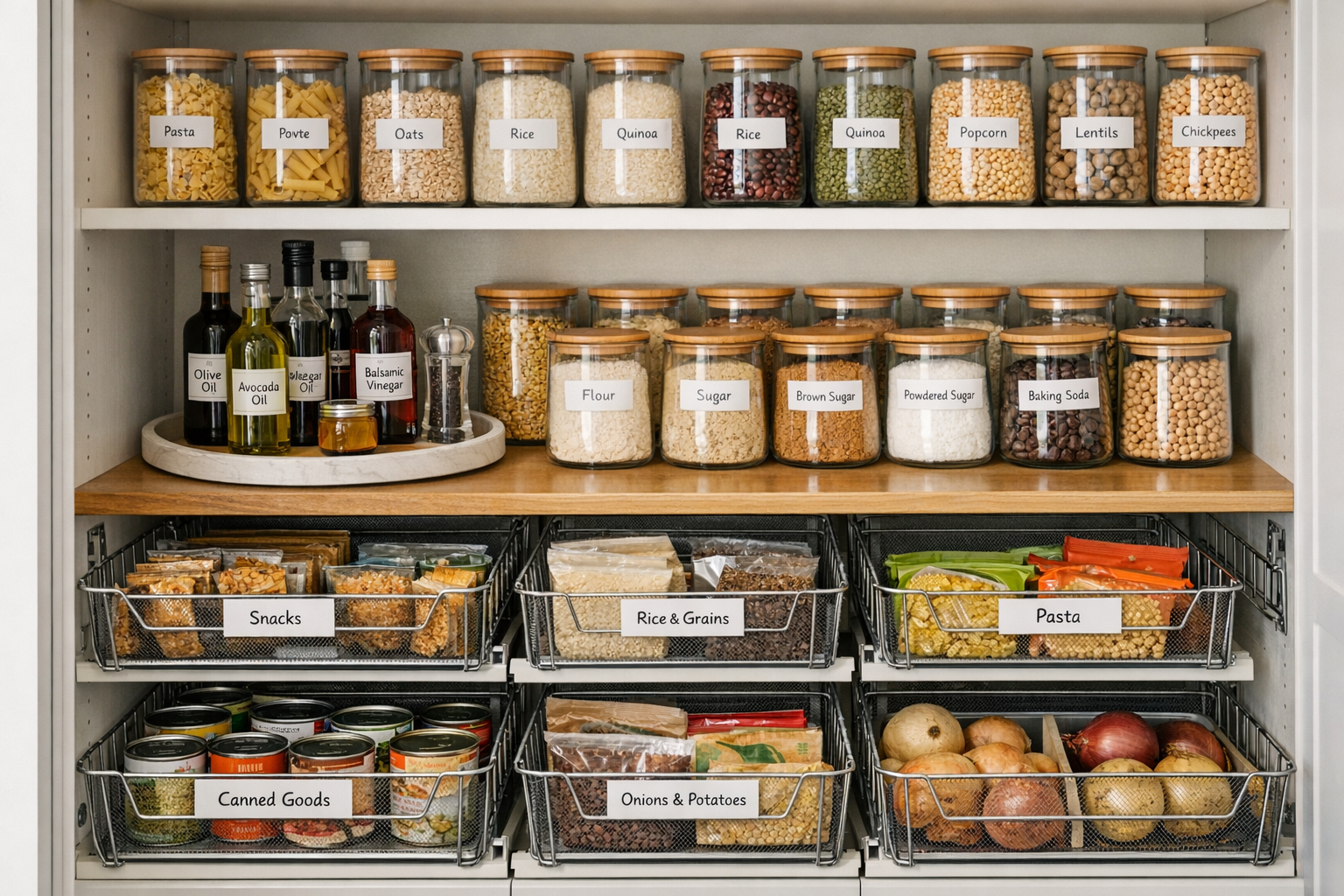
How to Organize Deep Pantry Shelves Without Wasting Food
Deep pantry shelves are where food goes to be forgotten. Here's the system that keeps everything visible and rotated — even on 24-inch deep shelves.
How to Organize Pet Supplies and Build a Tidy Feeding Station
Stop tripping over kibble bags and digging through a chaotic pet drawer. A simple feeding station system that works for one pet or five.