How to Organize Your Entryway to Stop Clutter at the Door
This article may contain affiliate links. If you make a purchase through these links, we may earn a small commission at no extra cost to you. Learn more
Quick Answer
How to Organize Your Entryway to Stop Clutter at the Door
The key to an organized entryway is creating a 'drop zone' with designated spots for the five things people carry in: keys, shoes, bags, coats, and mail. Install hooks at the right height, add a shoe tray or rack near the door, put a small bowl or wall-mounted key holder by the entrance, and set up a mail sorter to prevent paper pileup. The system works because everything has exactly one home.
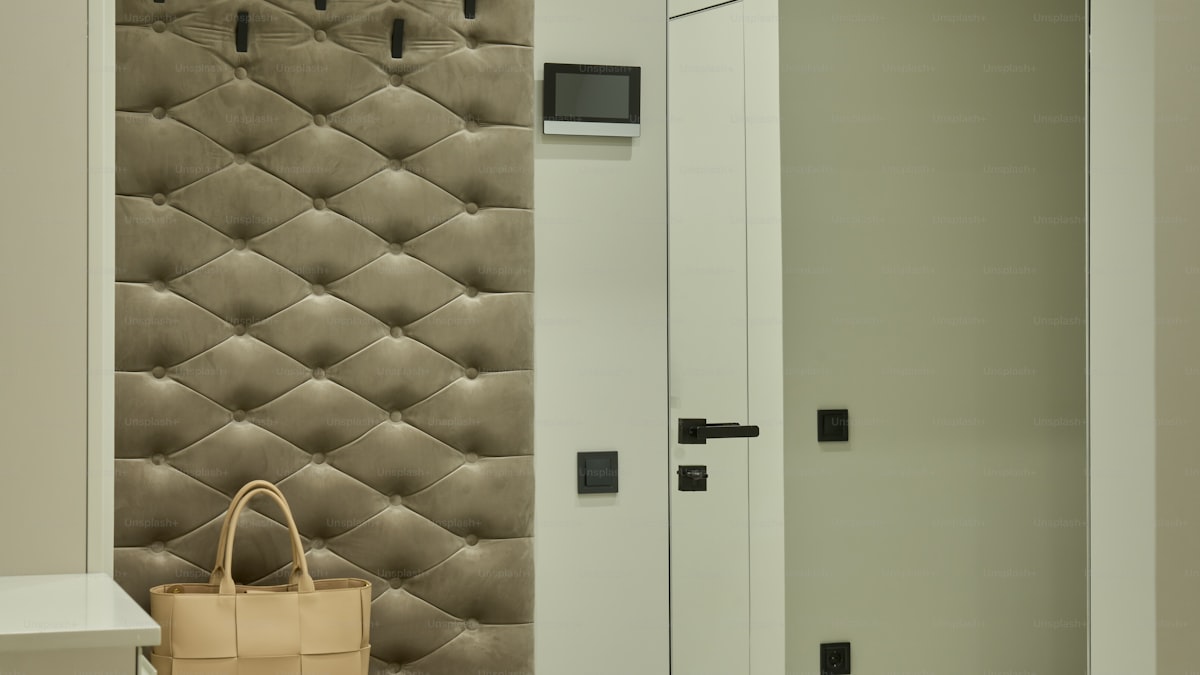
Every evening, the same scene plays out. You walk through the front door and toss your keys on the nearest flat surface. Shoes get kicked off in the middle of the floor. The mail lands on the kitchen counter in a pile you swear you will deal with later. Coats end up draped over a dining room chair. Within fifteen minutes, the entryway looks like a yard sale.
Sound familiar? You are not disorganized. You just do not have a system. The entryway is the first and last space you interact with every day, and without a plan for the stuff that flows through it, clutter takes over faster than anywhere else in the house.
The fix is simpler than you think. It starts with understanding one concept that professional organizers swear by: the drop zone.
What Is a Drop Zone (and Why You Need One)
A drop zone is a designated area right inside your door where every item you carry in and out of the house has a specific home. It is not a furniture set you buy or a complicated system you have to learn. It is simply an intentional setup that accounts for the five things people carry through the door every day: keys, shoes, bags, coats, and mail.
The reason entryways get messy is not laziness. It is that there is no obvious place for things to go. When you walk in tired from work or wrangling kids, you are going to take the path of least resistance. If that path is "drop everything on the floor," that is exactly what will happen.
A drop zone works because it makes the right choice the easiest choice. When there is a hook at the perfect height right next to the door, hanging your coat takes zero extra effort. When a key bowl is sitting right there on the console table, tossing your keys into it is just as easy as tossing them on the counter. You are not changing behavior. You are redirecting it.
Shoe Storage: Taming the Pile by the Door
Shoes are usually the worst offenders in an entryway. They multiply, they scatter, and they track dirt everywhere. The solution depends on how much space you have and how many people live in your home.
For small entryways, a shoe rack for entryway that sits low to the ground and holds two or three tiers of shoes is the most practical option. Look for one that is narrow enough to sit against a wall without blocking the walkway. Metal or bamboo racks work well because they allow air to circulate, which helps with odor and drying out wet shoes.
A boot tray is another simple option that works surprisingly well, especially in wet or snowy climates. Place a rubber or plastic tray by the door and make it the rule: shoes go on the tray or they go in the closet. The tray catches dirt and water, protecting your floors while keeping shoes contained in one spot.
If you have a larger mudroom or entryway, a shoe cabinet with doors is worth the investment. It hides the visual clutter completely while keeping shoes accessible. Families with kids especially benefit from this approach because you can assign each person a shelf or section.
The key rule with shoes: limit how many pairs live in the entryway at any given time. Two pairs per person is a good guideline. The rest belong in bedroom closets. If your closets are overflowing too, that is a separate project, but our guide on how to organize your closet can help you sort that out.
Key Management: Never Lose Your Keys Again
Lost keys account for an absurd amount of wasted time and morning stress. The fix is dead simple, and it costs less than ten dollars.
You have three main options for key management in an entryway. A small bowl or dish on a console table works if you live alone or with one other person. You walk in, keys go in the bowl. Every time. No exceptions.
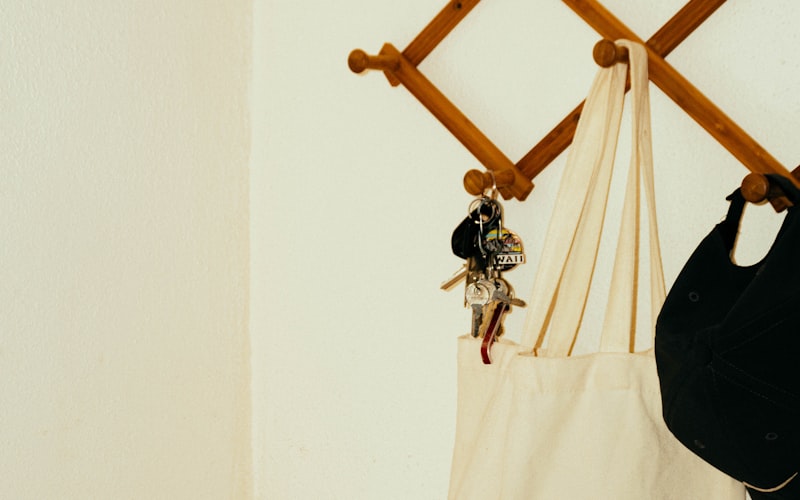
For families, a wall-mounted key holder with labeled hooks is better. Mount it right next to the door at a height everyone can reach. Each family member gets their own hook. When the keys are not on the hook, you know exactly who has them.
A third option is a small shelf with hooks underneath, which gives you a two-in-one solution. The shelf holds your wallet, sunglasses, or a small mail tray, while the hooks below handle keys. These combination pieces are great for tight spaces where every inch counts.
Whatever you choose, the placement matters more than the product. Your key spot needs to be within arm's reach of the door. If you have to walk even five extra steps to put your keys away, the system will fail within a week. Put it where you naturally reach when you walk in, and the habit will stick on its own.
Coat and Bag Hooks: The Backbone of Your Entryway
Hooks are the single most useful thing you can add to an entryway. They are cheap, easy to install, and they solve the "coats and bags on every chair in the house" problem overnight.
Wall-mounted coat hooks come in every style imaginable, from sleek modern designs to rustic farmhouse rows. The style matters less than the placement and quantity. Here is what actually matters when choosing and installing hooks.
Height is critical. For adults, hooks should be mounted between 55 and 65 inches from the floor. For kids, add a second row at 36 to 42 inches. If your kids are young, install their hooks at a height where they can hang things independently. This is the difference between a system the whole family uses and one that only works for you.
Quantity matters too. You need at least one hook per person for coats, plus a couple of extras for guests and bags. Overcrowding hooks defeats the purpose because coats pile up and fall off. If you have a family of four, six to eight hooks is a good starting point.
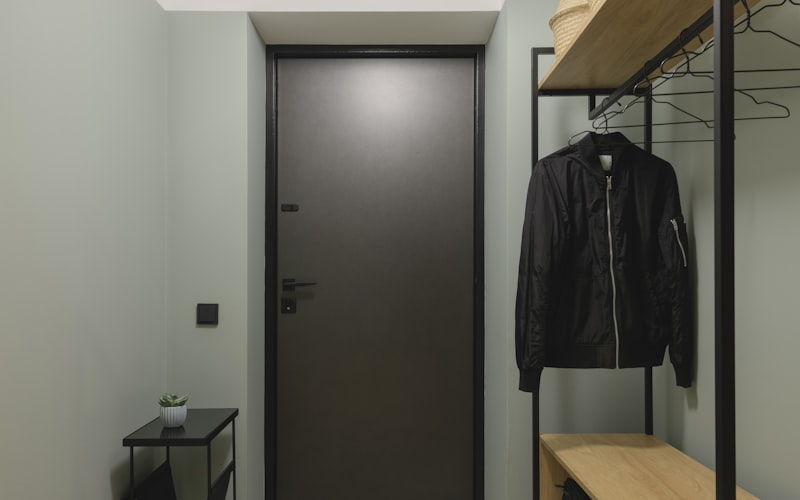
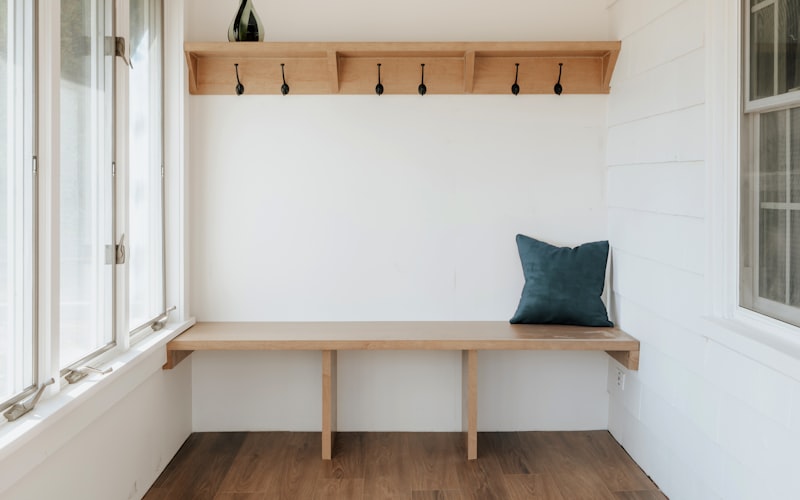
For bags, backpacks, and purses, a dedicated hook or two separate from the coat hooks keeps things from getting tangled. Some people prefer a bench with hooks above it, which adds seating for putting on shoes and creates a natural landing zone for bags underneath.
Mail Management: Stopping the Paper Pileup
Mail is sneaky. It comes in a little at a time, but if you do not deal with it immediately, it turns into a towering stack of papers that breeds anxiety every time you look at it. The entryway is where you need to stop the paper flood before it spreads through your house.
Set up a simple mail sorting station right by the door. This can be a wall-mounted mail organizer with two or three slots, a small desktop sorter on your entryway table, or even a set of labeled trays stacked vertically.
The system is straightforward. When mail comes in, sort it immediately into three categories: action needed (bills, forms, invitations), file (statements, records), and recycle (junk mail, catalogs, flyers). The recycle pile should go straight into a recycling bin near the door. Do not let it sit. Junk mail that enters the house is junk mail that becomes clutter.
For the action items, deal with them within 48 hours. Set a recurring reminder on your phone if you need to. The filing pile can be handled weekly. The point is that nothing sits in the entryway indefinitely. Mail either gets processed or it leaves.
If you want to take this further, a family command center near your entryway can handle mail along with calendars, schedules, and other family paperwork all in one spot.
Small Entryway vs. Large Mudroom: Making It Work in Any Space
Not everyone has a spacious mudroom with built-in cubbies. If your entryway is a narrow hallway or barely a landing by the front door, you can still create an effective drop zone. You just have to think vertically and be strategic about what earns a spot.
In a small entryway, the walls are your best friend. Go vertical with a wall-mounted shelf that has hooks underneath. Add a slim shoe rack that sits flat against the wall. Mount a mail sorter and key hooks on the wall instead of taking up surface space with a table. An over-the-door organizer on the back of your coat closet door can hold scarves, gloves, hats, and accessories without using any floor or wall space at all.
If you do not have a coat closet, a slim hall tree that combines hooks, a mirror, and a small shelf can serve as an all-in-one entryway station without a large footprint. Look for ones that are no more than 18 inches deep.
For larger mudrooms, you have the luxury of space. Built-in cubbies with one section per family member are the gold standard. Each person gets a cubby for their bag, a hook for their coat, a shelf for their shoes, and a small bin for their personal items. Label each section and the system practically runs itself.
Regardless of size, the principle is the same: every item that regularly passes through the door needs a home within arm's reach. The only difference is how creatively you have to use the space to make that happen.
Getting the Family on Board
The best entryway system in the world is useless if your family ignores it. Getting everyone to actually use the system takes a combination of good design and a little communication.
First, involve your family in setting it up. Let kids pick their hook color or spot. Let your partner weigh in on what goes where. When people have ownership of the system, they are more likely to use it. If you build the whole thing yourself and then announce the rules, expect resistance.
Second, make it ridiculously easy. If someone has to open a door, lift a lid, and place their shoes on a specific shelf, they will not do it. The fewer steps between walking in and putting things away, the better. Open hooks, open trays, and open shelves win over doors and lids every time.
Third, give it two weeks before you judge whether it is working. New habits take time. Gentle reminders are fine. Nagging is not. If someone consistently ignores a specific part of the system, ask them why. Maybe the hook is too high, the shoe rack is in an awkward spot, or they just need a different solution for their bag. Adjust the system to fit the behavior, not the other way around.
For families with young kids, make the system visual. Low hooks they can reach, a picture label showing what goes where, and a specific color or character for each child's section all help. Kids are great at following systems when the systems are designed for them.
Budget vs. Investment: What to Spend and Where to Save
You do not need to spend a fortune to organize your entryway. A functional drop zone can be set up for under $50, or you can invest in quality pieces that will last for years. Here is where to save and where to spend.
Save on hooks. Basic coat hooks from the hardware store cost a few dollars each and work just as well as designer versions. Adhesive hooks are even cheaper and require no tools, though they are less durable for heavy coats.
Save on shoe trays. A simple rubber boot tray from a home improvement store costs under $15 and does the job. You do not need a fancy shoe cabinet to start.
Save on mail sorting. A set of wall-mounted file organizers or even repurposed magazine holders work perfectly for sorting mail. Dollar stores carry options that are functional and decent-looking.
Invest in a quality bench or console table if your space allows for one. This is the anchor of your entryway, and a sturdy piece will hold up to daily use for years. Look for one with built-in storage like shelves or drawers underneath.
Invest in a solid shoe rack if you have a family. A cheap plastic rack will sag and break within months. A bamboo or metal entryway shoe storage rack costs a bit more but will actually last.
Invest in a good doormat. This is not exactly an organizational tool, but a high-quality doormat drastically reduces the dirt and debris that enters your home. Less dirt means less cleaning and a cleaner entryway overall.
If you are working with a tight budget, start with hooks and a shoe tray. Those two things alone will make a noticeable difference. Add a key bowl and mail sorter next. Build the system over time rather than trying to buy everything at once.
Frequently Asked Questions
How do I organize an entryway that does not have a closet?
A hall tree or a wall-mounted hook rail with a shelf solves the coat storage problem without needing a closet. For shoes, use a slim rack that sits against the wall. A small console table or floating shelf provides a landing spot for keys, mail, and small items. The key is using vertical wall space aggressively since you do not have the luxury of a closet to hide things in. You would be surprised how much you can fit on a single wall.
What is the best way to keep an entryway clean with kids?
Lower everything to kid height so they can participate in the system. Use open bins instead of closed storage so putting things away takes one motion, not three. Assign each child a color so they know which hook and bin belongs to them. Keep a small basket for the random things kids bring home, like rocks, sticks, and art projects, so those items have a spot instead of ending up scattered on the floor. For more strategies on managing kid-related chaos, our guide on how to declutter your home room by room covers kids' spaces in detail.
How often should I declutter the entryway?
Do a quick five-minute reset every evening. Put stray shoes back on the rack, hang up any coats that migrated to chairs, and recycle junk mail. Once a month, do a deeper pass: remove shoes that belong back in closets, toss expired coupons from the mail pile, and wipe down surfaces. Seasonal changes are also a good time for a full entryway audit. Swap out winter coats and boots for lighter jackets and sandals, and vice versa.
Can I organize an entryway in a rental without drilling holes?
Absolutely. Adhesive hooks like Command Strips hold a surprising amount of weight and come off cleanly. An over-the-door hook rack works for coats and bags. Freestanding shoe racks, slim console tables, and tabletop mail sorters require zero wall mounting. A freestanding coat rack is another rental-friendly option that gives you plenty of hook space without touching the walls.
Start With One Change Today
You do not need a full weekend renovation to fix your entryway. You need one decision and ten minutes.
Pick the biggest problem. Is it shoes everywhere? Get a shoe tray today. Keys constantly missing? Put a bowl by the door right now. Mail piling up? Grab a small bin and label it "action" and another one for recycling.
Start with the single change that will make the biggest difference for your household, and build from there. Add hooks next week. Set up a mail station the week after. Within a month, you will have a fully functional drop zone that the whole family actually uses.
The entryway is the smallest room in most homes, but it has an outsized impact on how your house feels. When you walk in to a clean, organized space instead of a pile of clutter, the whole evening starts differently. And when you walk out in the morning and grab your keys from the same spot they always are, the whole day starts better too.
That is worth ten minutes and a shoe tray.
Get weekly home tips that actually work
Join thousands of homeowners getting practical cleaning hacks, DIY fixes, and money-saving tips every week. Free, and you can unsubscribe anytime.

Written by
Beth SullivanFounder & Editor-in-Chief
Beth Sullivan is the founder of Practical Home Guides. With over a decade of hands-on experience tackling every home challenge imaginable, she started this site to share the practical, no-nonsense solutions she wishes she had found years ago. When she's not testing cleaning hacks or organizing pantries, you'll find her in the garden or working on her next DIY project.
Recommended Products
Looking for specific product recommendations? Check out our tested picks.
Best Garage Shelving Systems (2026 Tested)
Wire shelving, freestanding steel, wall-mounted, and overhead — we tested the garage shelving systems that hold real weight without sagging.
5 Best Closet Organizer Systems Under $100 (2026)
Transform your cluttered closet without spending a fortune. We compared the top closet organizer systems under $100 — here are the 5 best for different closet sizes and needs.
Best Storage Bins and Organizers for Every Room (2026)
The best storage bins, baskets, and organizers for closets, pantries, bathrooms, and garages. Practical picks at every price point to get your home organized.
Related Articles
How to Swap Winter and Summer Wardrobes (And Cut Your Closet in Half)
The seasonal wardrobe swap is the highest-leverage closet declutter you can do. Here's the system that takes 90 minutes and dramatically simplifies dressing for months.
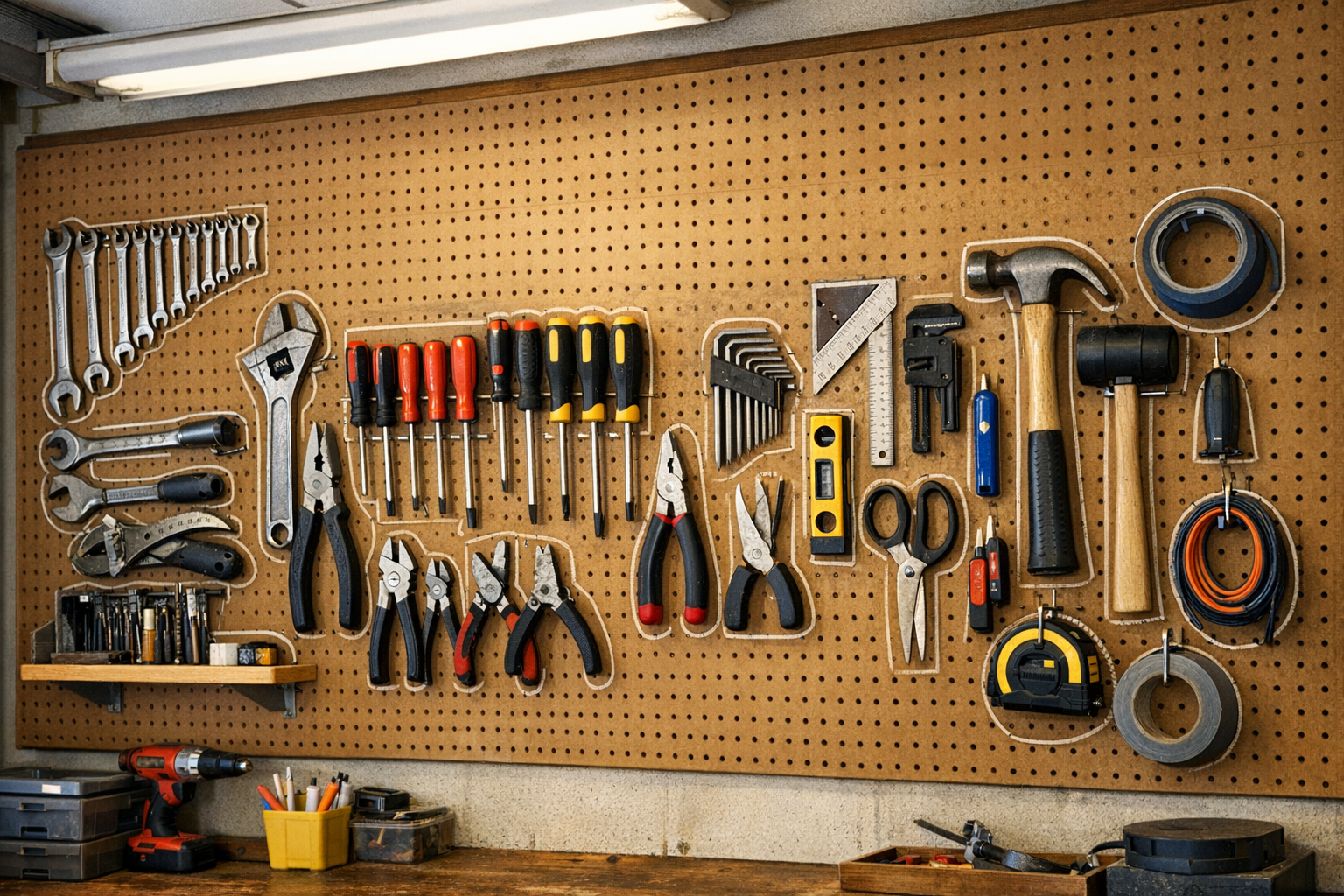
How to Set Up Garage Pegboard Zones (Pro Mechanic Style)
A pegboard wall keeps every tool in its own spot. Here's the zone-based layout pro mechanics use — adapted for home garages.
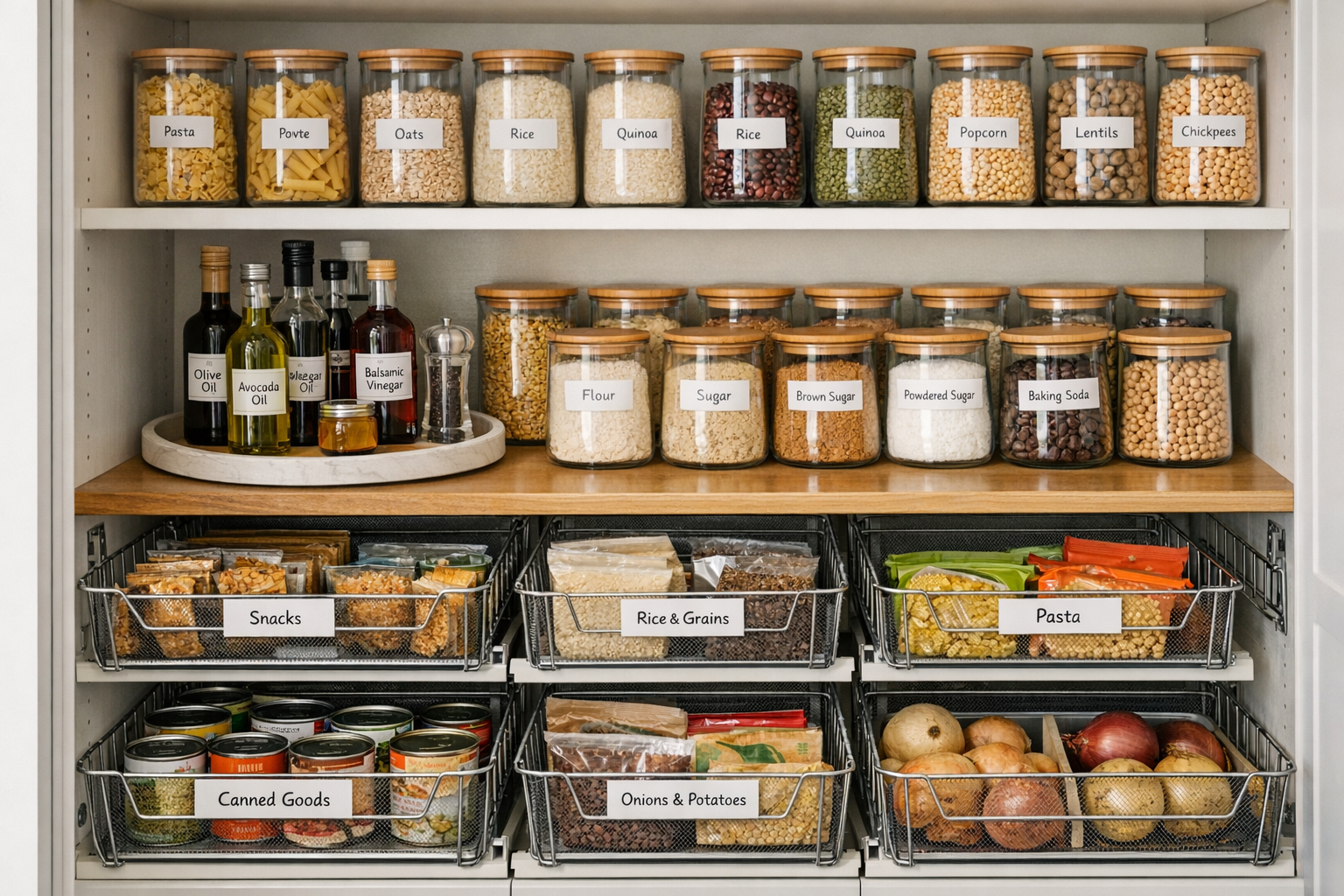
How to Organize Deep Pantry Shelves Without Wasting Food
Deep pantry shelves are where food goes to be forgotten. Here's the system that keeps everything visible and rotated — even on 24-inch deep shelves.
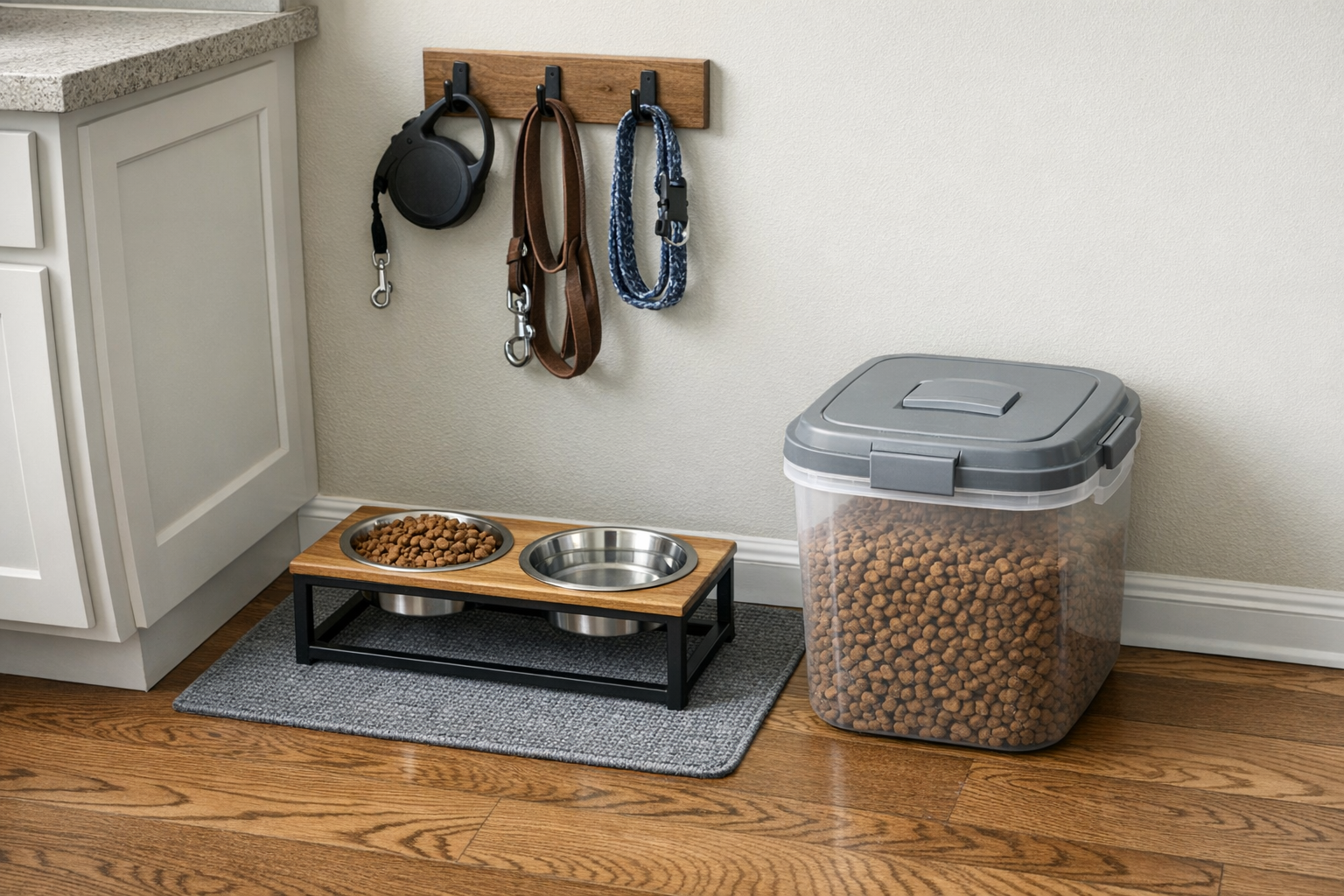
How to Organize Pet Supplies and Build a Tidy Feeding Station
Stop tripping over kibble bags and digging through a chaotic pet drawer. A simple feeding station system that works for one pet or five.