Organize Your Mudroom for the Spring Transition (Small Spaces Welcome)
This article may contain affiliate links. If you make a purchase through these links, we may earn a small commission at no extra cost to you. Learn more
Quick Answer
Organize Your Mudroom for the Spring Transition (Small Spaces Welcome)
Build three zones: stored winter gear (in labeled bins, moved to a closet or basement), active spring gear (rain jackets, light shoes, umbrella, on hooks at the door), and a drop zone (keys, mail, dog leash). Use vertical hooks, a slim shoe rack, and a single basket for each family member.
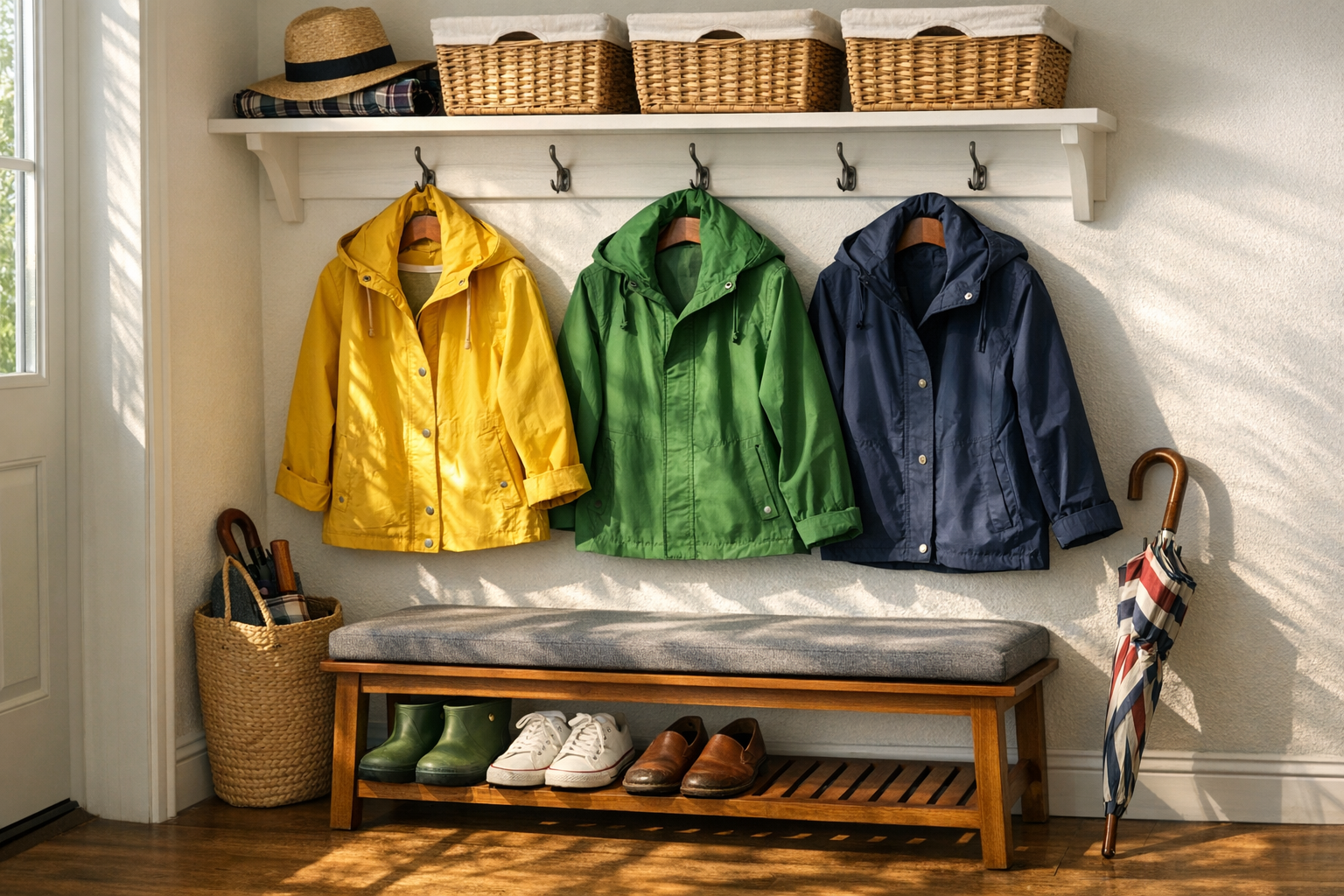
The mudroom you set up in November doesn't work for April. Heavy boots, parkas, and snow gear take over a small space until you can't find the dog leash. Spring fixes itself if you swap winter for spring deliberately, instead of just shoving things over.
This is a 90-minute project that resets the mudroom for the next 6 months.
What Counts as a Mudroom
If you don't have a dedicated room, the entryway is your mudroom. So is the small landing inside a side door, or that 4-foot stretch of hallway by the back door. The system works the same.
Step 1: Empty the Space and Sort
Pull everything out. Sort into four piles:
- Spring/summer gear to keep visible (rain jacket, light sneakers, umbrella, garden boots, dog gear)
- Winter gear to store away (parkas, snow boots, snow pants, heavy gloves, scarves)
- Year-round (everyday shoes, keys, mail, sunglasses)
- Donate, repair, or trash (lone gloves, broken umbrellas, outgrown rain boots)
Be honest about the donate pile. Last year's unused snow boots are this year's donate boots.
Step 2: Store Winter Gear Properly
Wash everything before storing. Salt and grime on coats and boots stain over the off-season.
- Run washable coats through a heavy cycle with sport-detergent for technical fabric
- Wipe boots inside and out, stuff with newspaper to hold their shape
- Store everything in clear stackable storage bins labeled "Winter Coats" and "Winter Boots"
- Store bins in a closet, attic, basement, or under-bed
A few vacuum compression bags shrink bulky parkas to a quarter of their size — game-changing in small spaces.
Step 3: Build the Three-Zone Spring Setup
A working mudroom has three zones. They can overlap in tiny spaces, but you want them all.
Zone 1: Hanging Zone
Wall hooks at chest to shoulder height for what you grab on the way out.
- One hook per family member for the active jacket
- One hook for hats and umbrellas
- One hook for the dog leash and a grab-and-go dog walking bag with poop bags and treats
A 4-hook coat rack holds far more than you'd think when used vertically.
Zone 2: Shoe Zone
Floor or low bench, only for the 2 pairs of shoes each person actually wears this week. Everything else goes in a closet.
- A slim shoe rack handles 4 to 6 pairs in 2 feet of floor space
- A boot tray catches mud and snowmelt before it ruins the floor
If you have room for a bench, a storage bench with lift-up lid doubles as a place to sit for shoes and storage for hats and gloves.
Zone 3: Drop Zone
Keys, mail, sunglasses, headphones — the small daily items.
- A wall-mounted mail organizer keeps it off the counter
- One small basket per person for misc daily items
- A key hook with a small shelf for the always-needs-a-home stuff
Step 4: Add a Spring-Specific Touch
Spring brings garden tools tracked through the house, bike helmets, and outdoor sports gear. Designate one bin or shelf for the season:
- Garden gloves and small hand tools in a bamboo desktop organizer repurposed
- Bike helmets on a hook
- Sports gear in a labeled basket
Pull out a doormat designed for muddy boots — coir mats scrape grit off the bottom of shoes and are much better than cheap polyester mats.
The Small Tweaks That Make It Stick
Most mudroom systems fall apart in 2 weeks because of small friction points. Eliminate them:
- Make the hook taller for kids. Most adults hang a coat instinctively. Most kids drop it. Lower hooks at kid height help.
- No hangers in the mudroom. Hangers slow people down. Hooks are faster.
- Empty the basket weekly. Drop zone baskets become bottomless pits if you don't.
- A shoe-off rule at the door. Cuts cleaning everywhere else by 50 percent.
Common Mistakes That Wreck the System
The number one mistake is buying organizers before sorting. You'll buy a beautiful 6-hook rack and discover you needed 4 hooks plus a basket. Sort first, then measure, then buy.
Second mistake: too much storage. Mudrooms are not closets. They are entry zones. Anything not used multiple times a week belongs somewhere else. Less is more.
Frequently Asked Questions
What if I don't have any wall space?
Use the back of the door. A hanging over-the-door organizer or a pocket shoe organizer holds shoes, gloves, dog gear, and keys without a single screw in the wall.
How do I keep the floor from getting destroyed by spring mud?
A coir doormat outside, a heavy boot tray inside, and a no-shoes-past-this-line rule. A washable rug runner is way more practical than a non-washable one.
What's the best way to organize for kids?
Each kid gets one hook, one basket, and one shelf at their height. Label everything with their name or a picture. Kids will follow a system if it's obvious and theirs.
Should I include a charging station?
Only if your phones and tablets actually live in the entryway. If they're in bedrooms, don't try to force a charging station in. It'll be empty and dusty in a month.
Final Thoughts
A working mudroom is the difference between leaving the house in 90 seconds and a 10-minute hunt for keys, jacket, and the dog leash. Reset it twice a year (now and again in October), keep the active inventory small, and the system holds up through every season.
Get weekly home tips that actually work
Join thousands of homeowners getting practical cleaning hacks, DIY fixes, and money-saving tips every week. Free, and you can unsubscribe anytime.

Written by
Priya PatelKitchen & Lifestyle Writer
Priya Patel is a former restaurant pastry chef turned home-cooking obsessive. She writes about meal prep, kitchen organization, and the small appliances actually worth your counter space. Priya tests recipes and gadgets out of a tiny Brooklyn galley kitchen, so she has strong opinions about what earns its footprint.
Recommended Products
Looking for specific product recommendations? Check out our tested picks.
Best Garage Shelving Systems (2026 Tested)
Wire shelving, freestanding steel, wall-mounted, and overhead — we tested the garage shelving systems that hold real weight without sagging.
5 Best Closet Organizer Systems Under $100 (2026)
Transform your cluttered closet without spending a fortune. We compared the top closet organizer systems under $100 — here are the 5 best for different closet sizes and needs.
Best Storage Bins and Organizers for Every Room (2026)
The best storage bins, baskets, and organizers for closets, pantries, bathrooms, and garages. Practical picks at every price point to get your home organized.
Related Articles
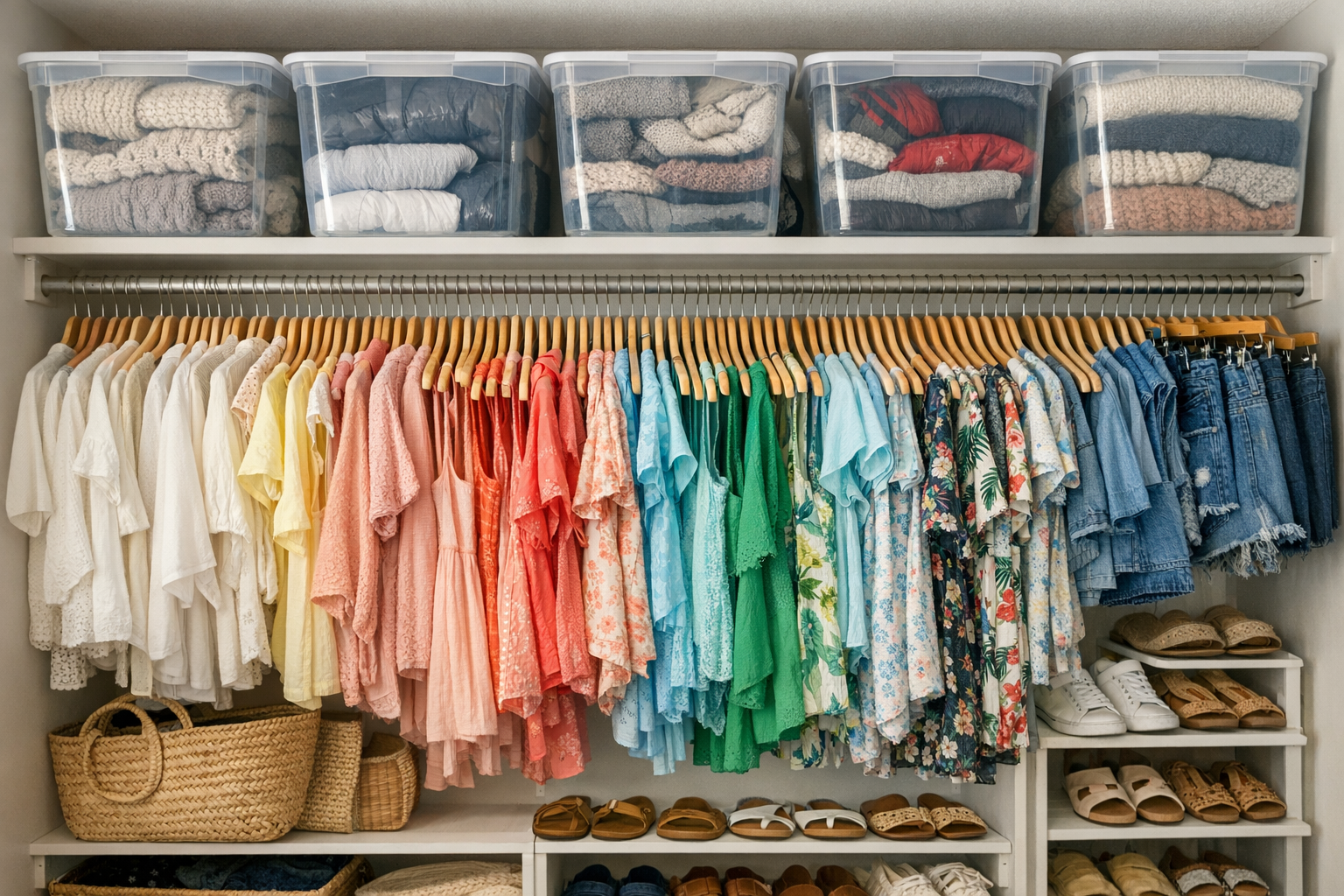
How to Swap Winter and Summer Wardrobes (And Cut Your Closet in Half)
The seasonal wardrobe swap is the highest-leverage closet declutter you can do. Here's the system that takes 90 minutes and dramatically simplifies dressing for months.
How to Set Up Garage Pegboard Zones (Pro Mechanic Style)
A pegboard wall keeps every tool in its own spot. Here's the zone-based layout pro mechanics use — adapted for home garages.
How to Organize Deep Pantry Shelves Without Wasting Food
Deep pantry shelves are where food goes to be forgotten. Here's the system that keeps everything visible and rotated — even on 24-inch deep shelves.
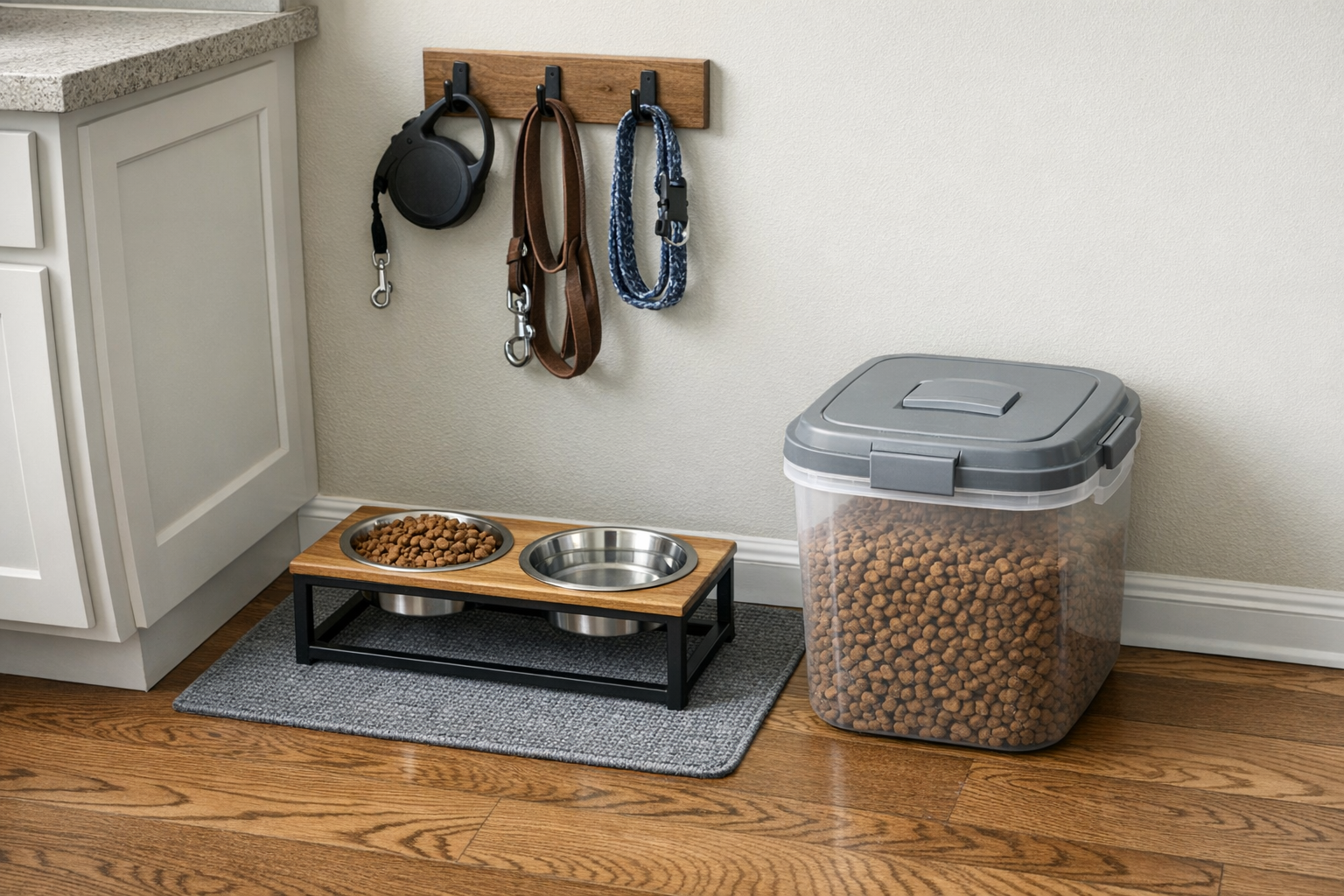
How to Organize Pet Supplies and Build a Tidy Feeding Station
Stop tripping over kibble bags and digging through a chaotic pet drawer. A simple feeding station system that works for one pet or five.