How to Get Rid of Musty Smell in Your House (8 Proven Fixes)
Last updated: February 27, 2026
This article may contain affiliate links. If you make a purchase through these links, we may earn a small commission at no extra cost to you. Learn more
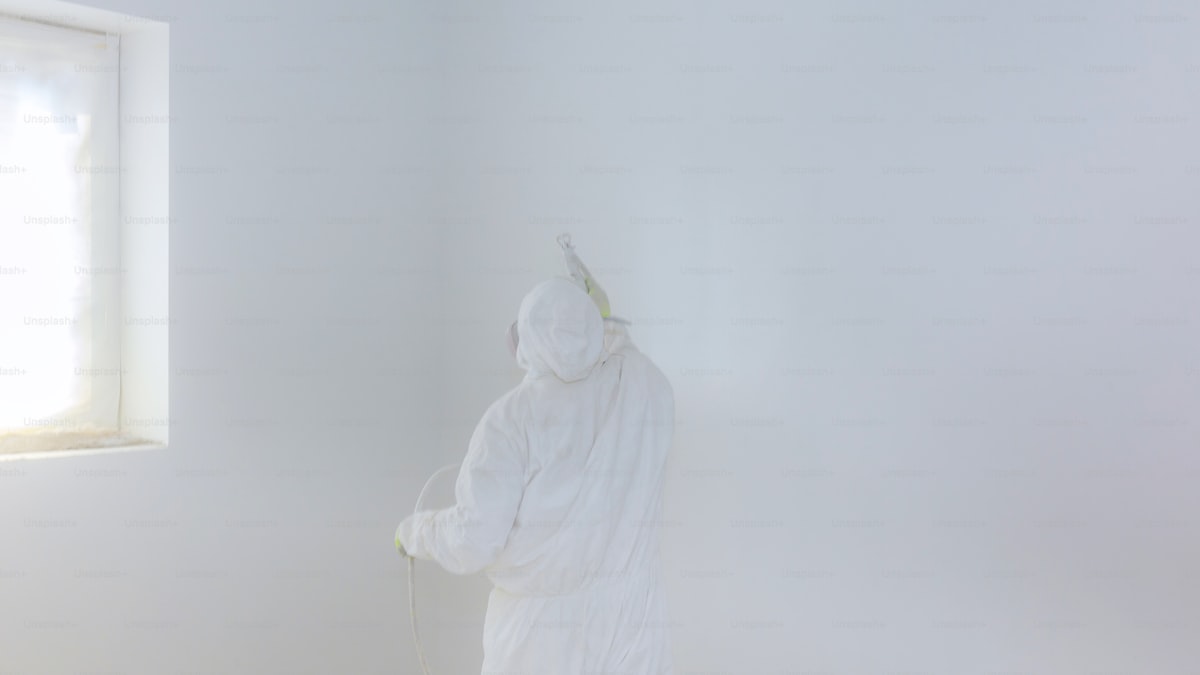
You walk into your house and immediately notice it—that stale, earthy smell that makes you wrinkle your nose. A musty odor isn't just unpleasant; it's often a sign of excess moisture, mold, or mildew lurking somewhere in your home.
The good news? You can eliminate musty smells with the right approach. In this guide, I'll walk you through how to find the source of the odor and share 8 proven methods to get rid of it for good.

What Causes Musty Smells in Houses?
Musty odors are typically caused by mold, mildew, or bacteria growing in damp environments. These microorganisms release volatile organic compounds (VOCs) that create that distinctive stale smell.
Common culprits include poor ventilation, water leaks, high humidity, and moisture trapped in fabrics or building materials. Basements, bathrooms, laundry rooms, and attics are prime locations for musty smells to develop.
Understanding the root cause is essential because masking the odor with air fresheners won't solve the problem. You need to eliminate the moisture source and clean affected areas thoroughly.
How to Find the Source of Musty Smells
Before you can fix the problem, you need to locate where the smell is coming from. Start by doing a thorough walk-through of your home, paying special attention to areas where moisture accumulates.
Check your basement first, as it's the most common source of musty odors. Look for signs of water damage, dampness on walls or floors, and condensation on pipes or windows.
Inspect bathrooms and laundry rooms for leaks under sinks, around toilets, and behind washing machines. Don't forget to check your HVAC system, which can circulate musty air throughout your entire house if the ducts or filters are contaminated.
Examine your attic for roof leaks or inadequate ventilation. Water stains on ceilings, peeling paint, and warped wood are all telltale signs of moisture problems.
Sniff around carpets, curtains, and upholstered furniture, especially in rooms that don't get much airflow. Fabrics are excellent at trapping moisture and developing that characteristic musty smell.
Use your nose as a guide, but also look for visual clues like discoloration, water stains, or visible mold growth. Sometimes the source isn't obvious, so be patient and methodical in your search.
8 Proven Methods to Eliminate Musty Smells
Once you've identified the source, it's time to take action. Here are eight effective strategies to get rid of musty odors and prevent them from returning.
1. Use a Dehumidifier
A dehumidifier is your first line of defense against musty smells. By removing excess moisture from the air, you create an environment where mold and mildew can't thrive.
Place dehumidifiers in problem areas like basements, bathrooms, and laundry rooms. Aim to keep indoor humidity levels between 30-50% for optimal results.
Empty the water reservoir regularly and clean the filter according to the manufacturer's instructions. For larger homes or severe moisture issues, consider investing in a whole-house dehumidifier that integrates with your HVAC system.
2. Improve Ventilation Throughout Your Home
Proper airflow is crucial for preventing musty odors. Stagnant air allows moisture to accumulate, creating the perfect breeding ground for mold and mildew.
Open windows regularly to let fresh air circulate, especially in rooms that tend to stay closed. Install exhaust fans in bathrooms and kitchens to remove humid air at its source.
Make sure your dryer vents to the outside, not into your laundry room or basement. Check that attic vents aren't blocked and that there's adequate air circulation in crawl spaces.
Consider using ceiling fans or portable fans to keep air moving in rooms with poor natural ventilation. Even in winter, cracking a window for a few minutes each day can make a significant difference.
3. Clean or Replace HVAC Filters
Your heating and cooling system can either help eliminate musty smells or spread them throughout your house. Dirty filters and contaminated ductwork are common culprits.
Replace HVAC filters every 1-3 months, depending on usage and the type of filter. If you notice a musty smell coming from your vents, it's time for a change.
Have your air ducts professionally cleaned if they haven't been serviced in several years. Dust, mold, and debris can accumulate in ductwork and get circulated every time your system runs.
Consider upgrading to high-quality HEPA filters that can capture mold spores and other allergens. Some homeowners find that installing a UV light in their HVAC system helps kill mold and bacteria before they spread.
Just like you need to deep clean your dishwasher regularly, your HVAC system requires ongoing maintenance to function properly and keep your air fresh.
4. Use Baking Soda for Natural Absorption
Baking soda is an incredibly effective and inexpensive odor absorber. It works by neutralizing acidic odor molecules rather than just masking them.
Sprinkle baking soda liberally on carpets, rugs, and upholstered furniture. Let it sit for several hours or overnight, then vacuum thoroughly.
Place open boxes or bowls of baking soda in closets, basements, and other areas prone to musty smells. Replace every month for continued odor control.
For particularly stubborn odors, create a paste with baking soda and water, apply it to affected surfaces, let it dry, and then vacuum or wipe clean. This method works well on mattresses, car interiors, and other fabric surfaces.
5. Deploy Activated Charcoal
Activated charcoal is a powerful natural odor eliminator that works by trapping odor molecules in its porous surface. It's especially effective in enclosed spaces.
Purchase activated charcoal bags designed specifically for odor absorption. Place them in closets, shoe racks, gym bags, and storage areas where air circulation is limited.
Unlike baking soda, activated charcoal bags can be "recharged" by placing them in direct sunlight for a few hours each month. This releases trapped odors and extends their effectiveness for up to two years.

For larger spaces like basements or garages, you'll need multiple bags or larger quantities of loose activated charcoal in breathable containers. The investment is worth it for long-term odor control.
6. Deep Clean Carpets and Fabrics
Carpets, curtains, and upholstery are magnets for moisture and odors. Even if they look clean, they can harbor mold spores and bacteria deep in their fibers.
Rent or buy a carpet steam cleaner or hire professionals for a thorough deep cleaning. Make sure carpets dry completely afterward—use fans and dehumidifiers to speed up the process.
Wash all curtains, throw pillows, and removable upholstery covers in hot water with a cup of white vinegar added to the wash cycle. Vinegar is a natural disinfectant that kills mold and neutralizes odors.
For items that can't be washed, use a fabric refresher spray or steam cleaner. Consider removing carpets entirely in areas with chronic moisture problems, replacing them with tile or waterproof flooring.
Similar to how you need to remove soap scum from shower doors regularly, fabrics require consistent maintenance to stay fresh and odor-free.
7. Check for Hidden Mold and Address It
Musty smells often indicate hidden mold growth that you can't see. Common hiding spots include behind walls, under flooring, inside cabinets, and in HVAC systems.
Use a flashlight to inspect dark corners, under sinks, and behind appliances. Look for black, green, or white spots, as well as water stains and soft spots in walls or ceilings.
For small areas of mold (less than 10 square feet), you can clean it yourself using a solution of one cup bleach per gallon of water. Wear protective gear including gloves, goggles, and an N95 mask.
Apply the cleaning solution, scrub the affected area, and let it dry completely. Fix any water leaks or moisture sources to prevent the mold from returning.
If you find extensive mold growth, water damage, or mold in your HVAC system, call a professional remediation company. Some types of mold can be hazardous to your health and require specialized equipment to remove safely.
8. Seal and Waterproof Your Basement
Basements are notorious for musty smells because they're partially or fully underground, making them naturally damp. Taking steps to seal and waterproof your basement can make a dramatic difference.
Apply waterproof sealant to concrete walls and floors to prevent moisture from seeping through. Check for cracks in the foundation and seal them with hydraulic cement or epoxy.
Install a sump pump if you don't already have one, especially if your basement is prone to flooding. Make sure your gutters and downspouts direct water away from your foundation.
Consider adding a vapor barrier to walls before finishing a basement. This plastic sheeting prevents moisture from passing through and creating a breeding ground for mold.
Organize your basement storage properly—keep items off the floor using shelves or pallets, and avoid storing cardboard boxes that absorb moisture. Just as you'd organize your pantry like a pro, apply the same principles to basement organization.
Preventing Musty Smells from Returning
Eliminating musty odors is only half the battle—you also need to prevent them from coming back. The key is controlling moisture and maintaining good air quality.
Make it a habit to run bathroom exhaust fans during and after showers for at least 20 minutes. Wipe down shower walls to remove excess water, and leave the bathroom door open to allow air circulation.
Fix leaks promptly, whether they're in your plumbing, roof, or foundation. Even small leaks can create enough moisture to cause musty smells over time.
Regularly clean and maintain your appliances, especially those that use water like washing machines, dishwashers, and refrigerators. Your washing machine in particular can harbor mold and mildew inside the drum and gasket—learn how to clean your washing machine to prevent it from becoming a source of musty odors. Check hoses and connections for leaks or wear.
Add houseplants to your home—certain varieties like low-maintenance indoor plants can help improve air quality and absorb excess humidity. Just be careful not to overwater them, as this can contribute to moisture problems.
Schedule regular HVAC maintenance, clean gutters twice a year, and do seasonal home inspections to catch potential issues before they become major problems. Prevention is always easier than remediation.
When to Call a Professional
While many musty smell issues can be handled as DIY projects, some situations require professional help. Knowing when to call in the experts can save you time, money, and potential health risks.
If you discover extensive mold growth (more than 10 square feet), call a certified mold remediation specialist. Large-scale mold problems often indicate serious moisture issues that need professional diagnosis and treatment.
Persistent musty smells that don't improve after implementing these fixes may indicate hidden water damage, plumbing leaks inside walls, or sewer line issues. A professional inspector can use specialized equipment to locate the source.
If you or your family members experience respiratory issues, allergic reactions, or other health symptoms that coincide with the musty smell, take it seriously. Some types of mold produce mycotoxins that can be harmful, especially to children, elderly individuals, and those with compromised immune systems.
Don't hesitate to call a professional if you're dealing with a flooded basement, significant water damage from a burst pipe, or structural issues that may be contributing to moisture problems. These situations often require specialized equipment and expertise.
The Bottom Line on Musty Smells
A musty smell in your house isn't just an annoyance—it's a clear signal that excess moisture and potentially mold are present. By identifying the source and implementing the right combination of these eight proven methods, you can eliminate the odor and create a healthier living environment.
Start with the basics: improve ventilation, reduce humidity with a dehumidifier, and clean or replace your HVAC filters. Then tackle specific problem areas with targeted solutions like baking soda, activated charcoal, and deep cleaning.
Remember that prevention is key to keeping your home fresh long-term. Regular maintenance, prompt leak repairs, and good ventilation habits will help ensure that musty smells don't return.
Frequently Asked Questions
Why does my house smell musty after rain?
Increased humidity during and after rain can cause existing moisture problems to become more noticeable. Rain may also reveal leaks in your roof, foundation, or windows that allow water to enter your home. Check for water intrusion points and improve ventilation to help moisture evaporate more quickly.
Can musty smells make you sick?
Yes, the mold and mildew that cause musty smells can trigger allergic reactions, asthma attacks, and respiratory issues in sensitive individuals. Prolonged exposure to certain types of mold can cause more serious health problems. If you experience symptoms like coughing, sneezing, or difficulty breathing, address the moisture issue promptly and consult a healthcare provider.
How long does it take to get rid of a musty smell?
It depends on the severity of the problem and the methods you use. Minor musty odors from poor ventilation can improve within a few days of opening windows and using a dehumidifier. More serious issues involving hidden mold or water damage may take several weeks to fully resolve, especially if professional remediation is required.
Will an air purifier help with musty smells?
An air purifier with a HEPA filter can help remove mold spores from the air and reduce musty odors, but it won't solve the underlying moisture problem. Use an air purifier as part of a comprehensive approach that includes controlling humidity, improving ventilation, and eliminating the source of the smell. It's a helpful supplement, not a standalone solution.
Get weekly home tips that actually work
Join thousands of homeowners getting practical cleaning hacks, DIY fixes, and money-saving tips every week. Free, and you can unsubscribe anytime.

Written by
Beth SullivanFounder & Editor-in-Chief
Beth Sullivan is the founder of Practical Home Guides. With over a decade of hands-on experience tackling every home challenge imaginable, she started this site to share the practical, no-nonsense solutions she wishes she had found years ago. When she's not testing cleaning hacks or organizing pantries, you'll find her in the garden or working on her next DIY project.
Recommended Products
Looking for specific product recommendations? Check out our tested picks.
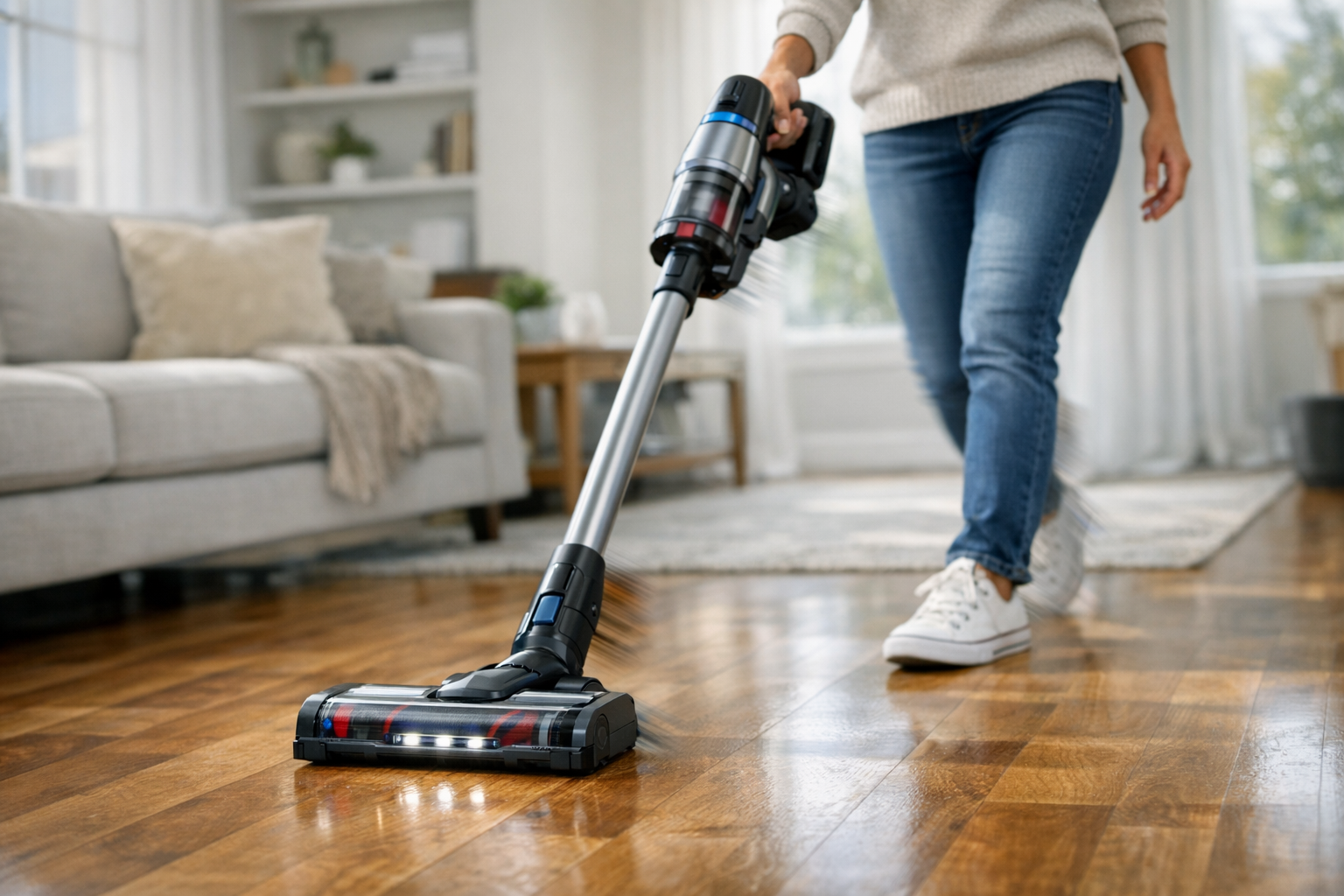
Best Cordless Stick Vacuums (2026 Buyer's Guide)
We tested cordless stick vacuums on hardwood, carpet, pet hair, and stairs. Here are the picks worth the price for every home and budget in 2026.
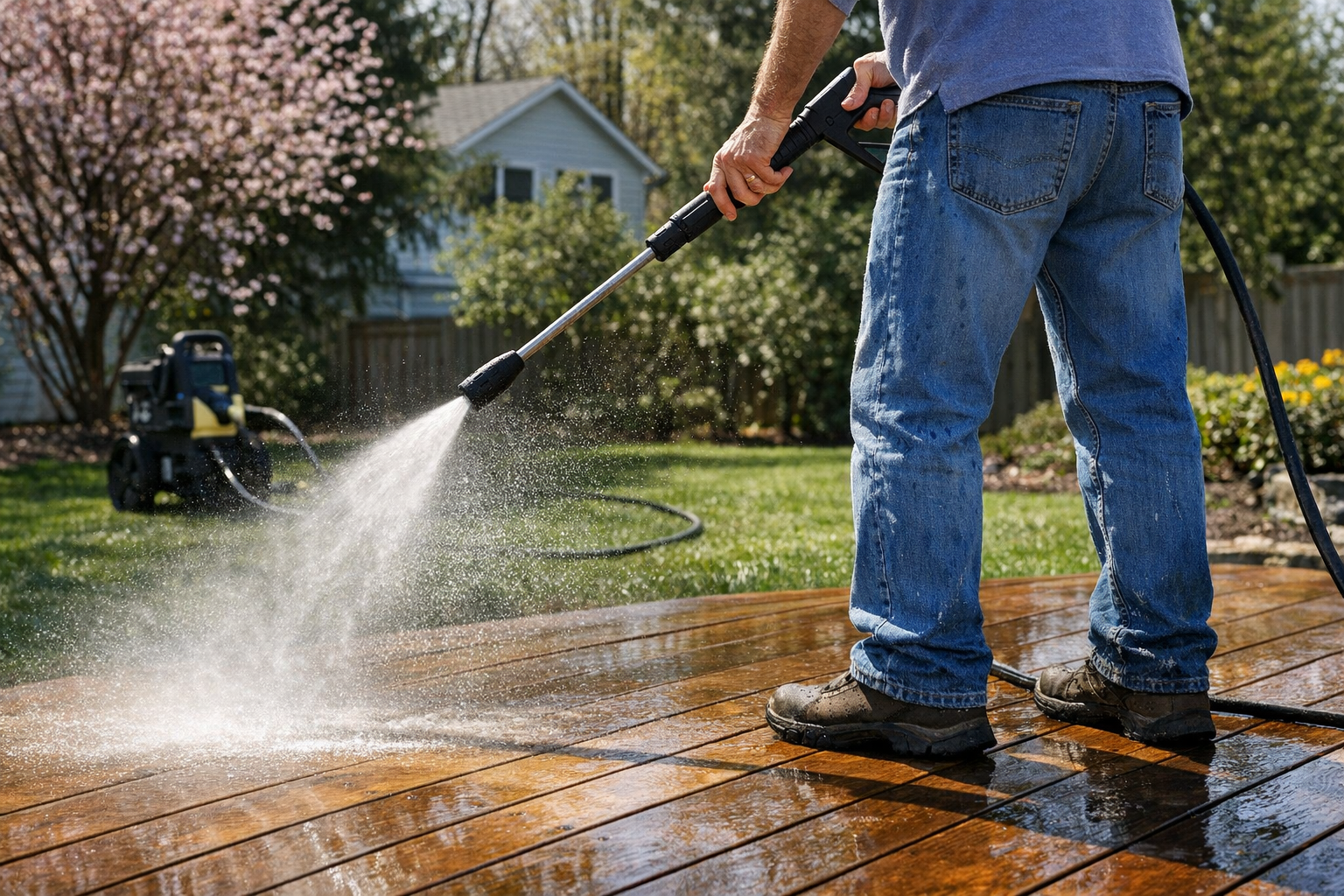
Best Pressure Washers for Home Use (2026 Buyer's Guide)
We tested electric and gas pressure washers for siding, decks, driveways, and patio furniture. Here are the best picks for every budget and home size.
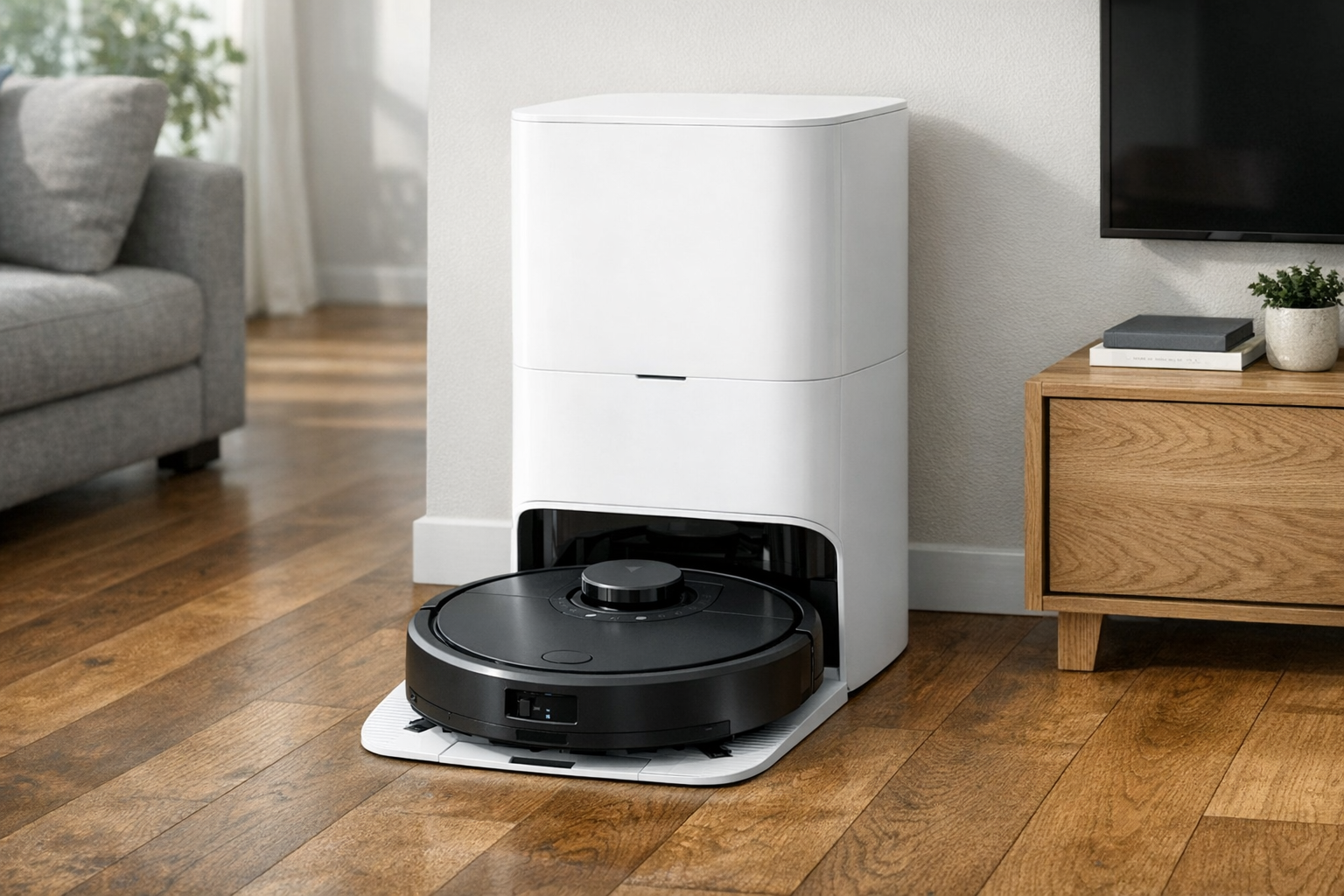
Best Self-Emptying Robot Vacuums (2026 Tested)
Self-emptying robot vacuums let you forget about the dust bin for weeks. We tested the top models on hardwood, carpet, pet hair, and floor plans.

5 Best Steam Mops for Tile Floors (2026)
We tested the top steam mops for tile, grout, and hard floors. Here are the 5 best picks with honest pros, cons, and who each one is best for.

7 Best Robot Vacuums Under $300 (2026)
We compared the top robot vacuums under $300 for pet hair, hardwood floors, and carpet. Here are the 7 best picks with pros, cons, and who each is best for.
Related Articles
How to Remove Rust From Grill Grates (Without Replacing Them)
Rusted grill grates can be revived if rust is surface-only. Here's the safe restoration method that gets cast iron and steel grates back to cooking-ready.
How to Remove Grass Stains From Clothes (Even After Drying)
Grass stains are protein and chlorophyll bonded into fabric. Here's the order of treatments that gets them out — even on jeans that already went through the dryer.

How to Refresh Outdoor Rugs Without Replacing Them
Before you toss that faded, grimy outdoor rug, try this simple revival routine. Most polypropylene outdoor rugs come back like new with 30 minutes of work.
How to Deep Clean Window Screens (The Bathtub Method)
Window screens accumulate a winter's worth of dust, pollen, and grime. The bathtub method gets them all clean in one shot — cleaner than cleaning them individually.