How to Save Hundreds on Car Insurance Without Losing Coverage
Quick Answer
How to Save Hundreds on Car Insurance Without Losing Coverage
The fastest way to save on car insurance is to compare quotes from at least 3-5 providers every 6-12 months. Most drivers can save $300-$700 per year by bundling policies, raising their deductible to $1,000, asking about available discounts (safe driver, low mileage, good credit), and removing unnecessary coverage on older vehicles.
If you haven't shopped around for car insurance in the last year, there's a good chance you're overpaying. Insurance companies quietly raise rates over time, counting on the fact that most people won't bother to compare prices. The average American household spends over $1,700 per year on auto insurance — but with a few smart moves, you can cut that number significantly without sacrificing the protection you need.

Whether you're renewing your policy or looking for coverage for the first time, these strategies can help you keep more money in your pocket. And if you're already working on cutting your grocery bill or reducing your electric bill, lowering your insurance is another easy win for your monthly budget.
Compare Quotes From Multiple Providers
This is the single most effective way to save money on car insurance. Rates vary dramatically between companies — sometimes by hundreds of dollars for the exact same coverage.
How to Shop Smart
- Get at least 3-5 quotes from different insurers, including both national companies and local/regional ones
- Use comparison tools like The Zebra, Policygenius, or Jerry to streamline the process
- Compare identical coverage levels so you're making an apples-to-apples comparison
- Re-shop every 6-12 months, especially after major life changes like moving, getting married, or paying off your car
Many people stick with the same insurer for years out of loyalty, but insurance companies rarely reward that loyalty with lower rates. Switching takes about 30 minutes and can save you $500 or more per year.
Raise Your Deductible
Your deductible is the amount you pay out of pocket before insurance kicks in. Raising it from $500 to $1,000 can lower your premium by 15-30%.
Is a Higher Deductible Right for You?
A higher deductible makes sense if:
- You have an emergency fund that can cover the deductible amount
- You're a safe driver who rarely files claims
- Your car is in good condition and well-maintained
Think of it this way: if raising your deductible from $500 to $1,000 saves you $300 per year, you'd recoup the extra $500 risk in less than two years — even if you did have an accident. Most drivers go years without filing a claim, so the savings add up fast.

Take Advantage of Every Discount
Insurance companies offer dozens of discounts, but they don't always advertise them. You have to ask.
Common Discounts Most People Miss
- Bundling discount (10-25% off): Combine auto with homeowners or renters insurance
- Safe driver discount (10-20% off): No accidents or tickets for 3-5 years
- Low mileage discount (5-15% off): Drive less than 7,500-10,000 miles per year
- Good student discount (5-15% off): Students with a B average or higher
- Defensive driving course (5-10% off): Complete a state-approved course
- Pay-in-full discount (5-10% off): Pay your annual premium upfront instead of monthly
- Paperless/autopay discount (3-5% off): Sign up for electronic billing and automatic payments
- Professional or alumni associations: Some employers, unions, and alumni groups have negotiated group rates
Call your insurer and specifically ask: "What discounts am I currently receiving, and what additional discounts might I qualify for?" You might be surprised at what they find.
Drop Coverage You Don't Need
If you're driving an older vehicle, you may be paying for coverage that doesn't make financial sense.
When to Drop Comprehensive and Collision
The general rule of thumb: if your car is worth less than 10 times your annual premium for comprehensive and collision, consider dropping those coverages. For example, if your car is worth $3,000 and you're paying $400 per year for comp and collision, it's probably not worth it.
However, never drop liability coverage — that protects you financially if you cause an accident and injure someone or damage their property. Most financial experts recommend carrying at least 100/300/100 in liability coverage.
Also keep in mind that if you have a car loan or lease, your lender will require comprehensive and collision coverage until the vehicle is paid off.
Improve Your Credit Score
In most states, your credit score significantly impacts your insurance rates. Drivers with poor credit can pay up to 50-100% more than those with excellent credit for the same coverage.
Quick Credit Wins
- Pay all bills on time (payment history is the biggest factor)
- Keep credit card balances below 30% of your limit
- Don't close old credit accounts — the length of credit history helps
- Check your credit report for errors and dispute them
If you're already working on saving money by canceling unused subscriptions, redirect some of those savings toward paying down credit card balances. It's a double win: less debt and lower insurance rates.
Consider Usage-Based Insurance
If you're a low-mileage or safe driver, usage-based insurance programs can save you 10-40% on your premiums.
How It Works
Programs like Progressive's Snapshot, State Farm's Drive Safe & Save, or Allstate's Drivewise track your driving habits through a phone app or plug-in device. They monitor:
- How many miles you drive
- How hard you brake
- What time of day you drive
- How fast you accelerate
If you mainly drive during low-risk times, keep your mileage low, and drive smoothly, these programs can lead to significant discounts. Just be aware that some programs can also increase your rates if your driving habits are poor.
Review Your Policy Annually
Life changes affect your rates. Make sure your policy reflects your current situation.
Changes That Could Lower Your Rate
- Moved to a safer neighborhood: Zip code is a major rating factor
- Started working from home: Lower mileage means lower risk
- Got married: Married drivers typically pay less
- Turned 25: Rates drop significantly at this age
- Car paid off: You can now choose your own coverage levels
- Improved credit score: Ask for a re-quote
Set a calendar reminder to review your policy 30 days before renewal. That gives you time to shop around and make changes before your current policy expires.
Frequently Asked Questions
How often should I shop around for car insurance?
At least once a year, ideally 2-4 weeks before your policy renews. Also shop after major life events like moving, getting married, buying a new car, or turning 25. Even if you're happy with your current insurer, getting competing quotes gives you leverage to negotiate.
Will switching insurance companies hurt my coverage?
No, as long as you have your new policy active before canceling the old one. Never have a gap in coverage — even one day without insurance can raise your rates significantly and may be illegal in your state. Most new policies can start on any date you choose.
Does my credit score really affect car insurance rates?
Yes, in most states (California, Hawaii, Massachusetts, and Michigan are exceptions). Insurers use a credit-based insurance score to help predict the likelihood of filing a claim. Improving your credit score from "poor" to "good" can save you 20-40% on your premiums.
Is the minimum required coverage enough?
State minimums are rarely sufficient. If you cause an accident that results in serious injuries, minimum liability coverage could leave you personally responsible for tens or hundreds of thousands of dollars in damages. Most financial advisors recommend at least 100/300/100 coverage, and an umbrella policy if you have significant assets.
Can I negotiate my car insurance rate?
Not directly like you would at a car dealership, but you can ask about discounts, adjust your coverage, and use competing quotes as leverage. If a competitor offers you a lower rate, call your current insurer and ask if they can match or beat it. Many will offer a retention discount to keep your business.
Saving on car insurance doesn't mean cutting corners on protection. It means being a smart consumer — shopping around, asking for discounts, and making sure your coverage matches your actual needs. Even small changes can add up to hundreds of dollars saved every year. Combine these insurance savings with other strategies like lowering your water bill and reducing food waste, and you'll see a meaningful difference in your monthly budget.
Get weekly home tips that actually work
Join thousands of homeowners getting practical cleaning hacks, DIY fixes, and money-saving tips every week. Free, and you can unsubscribe anytime.

Written by
Beth SullivanFounder & Editor-in-Chief
Beth Sullivan is the founder of Practical Home Guides. With over a decade of hands-on experience tackling every home challenge imaginable, she started this site to share the practical, no-nonsense solutions she wishes she had found years ago. When she's not testing cleaning hacks or organizing pantries, you'll find her in the garden or working on her next DIY project.
Recommended Products
Looking for specific product recommendations? Check out our tested picks.

Best Outdoor Patio Furniture Deals (2026 Spring Picks)
Late April is the sweet spot for patio furniture deals — pre-summer sales without late-season picked-over selection. Here are the picks worth buying now.

5 Best LED Light Bulbs to Cut Your Electric Bill (2026)
Switch to LED bulbs and save $100+ per year on electricity. We compared the top LED bulbs for brightness, color quality, and longevity — here are the 5 best picks.

Best Smart Thermostats to Lower Your Energy Bill (2026)
The best smart thermostats that actually save money on heating and cooling. We compare 5 top picks from Nest, Ecobee, Honeywell, and more with real energy savings data.
Related Articles
Best Outdoor Patio Furniture Deals (2026 Spring Picks)
Late April is the sweet spot for patio furniture deals — pre-summer sales without late-season picked-over selection. Here are the picks worth buying now.

12 Earth Day Eco Swaps That Save Money All Year
These 12 home swaps reduce waste AND save money — most under 30 dollars upfront and pay for themselves within a few months.

12 Budget Mother's Day Gifts That Actually Feel Thoughtful
Skip the generic flowers-and-card combo. These under-50-dollar Mother's Day ideas feel personal without breaking the budget.
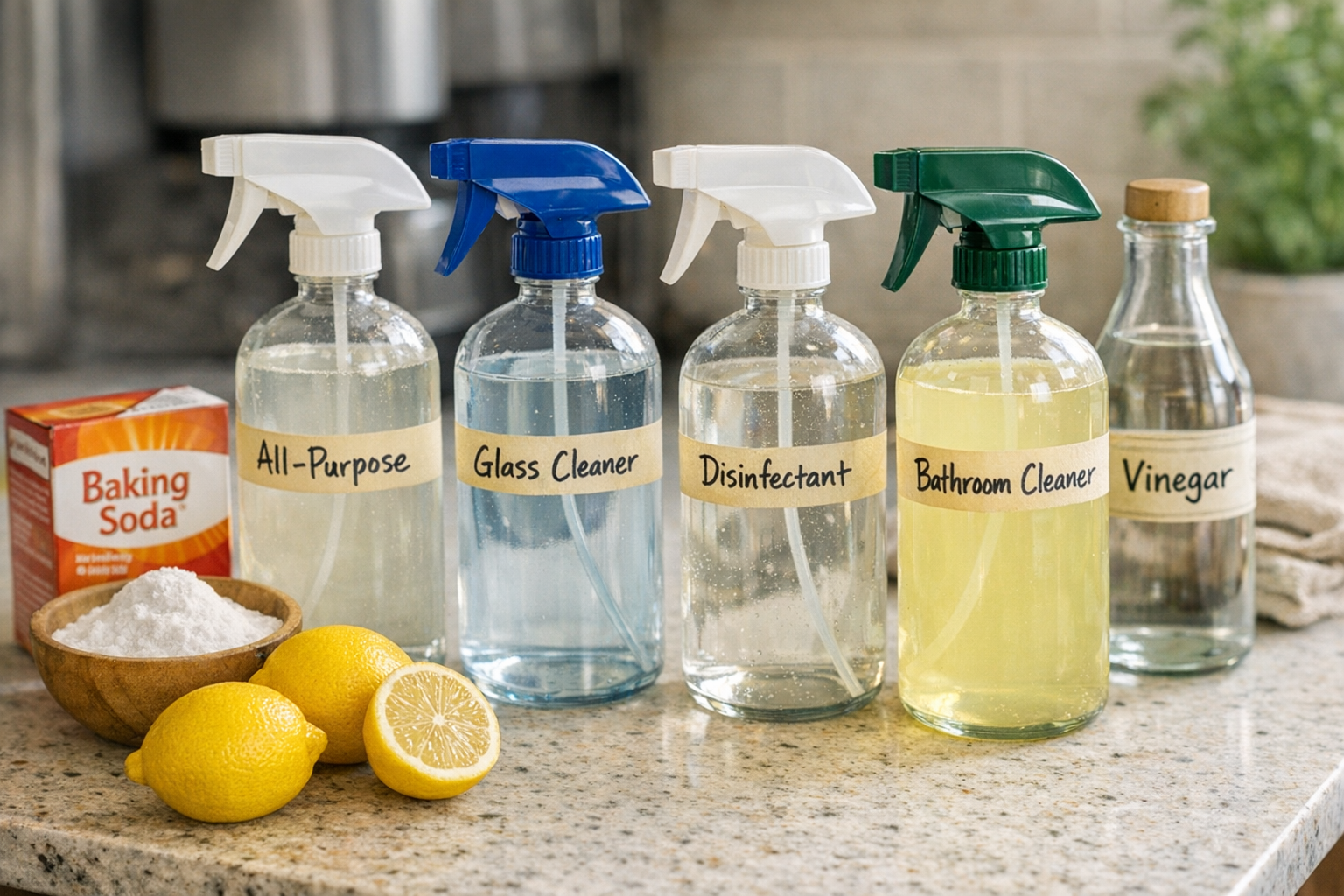
Homemade Cleaning Supplies That Save Real Money (7 Recipes That Work)
Skip the 8-dollar bottles of name-brand cleaner. These 7 homemade cleaner recipes replace everything in the cleaning aisle with 4 basic ingredients.