How to Save Money on Coffee Without Giving It Up
This article may contain affiliate links. If you make a purchase through these links, we may earn a small commission at no extra cost to you. Learn more
Quick Answer
How to Save Money on Coffee Without Giving It Up
Switching from daily coffee shop visits to brewing at home can save you $1,000 to $1,500 per year. A $5 daily latte costs $1,825 annually, while home-brewed coffee costs just $0.25 to $0.50 per cup — roughly $150 per year. A basic French press or pour-over dripper pays for itself in less than a week.
You don't have to give up coffee to save money. You just have to rethink where it comes from and how you make it.
The average American coffee drinker spends $1,100 per year at coffee shops, and heavy latte lovers easily top $1,800. Meanwhile, a cup of coffee brewed at home costs somewhere between $0.25 and $0.50 — even with good beans. That's a gap of over $1,000 per year, and closing it doesn't require drinking bad coffee or white-knuckling your way past every Starbucks drive-through.
This guide covers the math, the methods, and the mindset shifts that let you enjoy great coffee every day while keeping hundreds of dollars in your pocket. If you're already working on cutting things you don't need to buy or slashing your grocery bill, your coffee habit is one of the fastest wins on the list.
How Much Can You Save Making Coffee at Home?
The numbers are hard to argue with. Here's what a daily coffee habit costs at different price points:
- $3/day (basic drip coffee): $1,095 per year
- $5/day (latte or specialty drink): $1,825 per year
- $7/day (large specialty + pastry): $2,555 per year
Now compare that to home brewing:
- Drip coffee maker: $0.20-$0.35 per cup ($73-$128/year)
- French press: $0.25-$0.40 per cup ($91-$146/year)
- Pour-over: $0.25-$0.45 per cup ($91-$164/year)
- Cold brew concentrate: $0.15-$0.30 per cup ($55-$110/year)
Even if you buy premium whole beans at $15 per pound, you're getting roughly 45 cups per pound — about $0.33 each. Compare that to $5.50 for the same quality drink at a coffee shop and the math speaks for itself.
The bottom line: switching from a daily $5 coffee shop habit to home brewing saves roughly $1,500 to $1,700 per year. That's a car payment, a vacation fund, or a solid chunk of an emergency fund.
What's the Best Budget Coffee Brewing Method?
You don't need a $300 espresso machine to make excellent coffee at home. Some of the best brewing methods are also the cheapest, and they produce a better cup than most coffee shops.
French Press ($15-$30)
A French press is the best entry point for home brewing on a budget. There are no filters to buy, no electricity required, and the full-immersion brewing method produces a rich, full-bodied cup that drip machines can't match.
How it works: Add coarsely ground coffee, pour in hot water, wait four minutes, press the plunger, pour. That's it. Total cost per cup: about $0.25-$0.35 depending on your beans.
A French press also doubles as a milk frother — pump cold milk rapidly with the plunger for 30 seconds and you've got foam for lattes without buying a separate gadget.
Pour-Over Dripper ($8-$25)
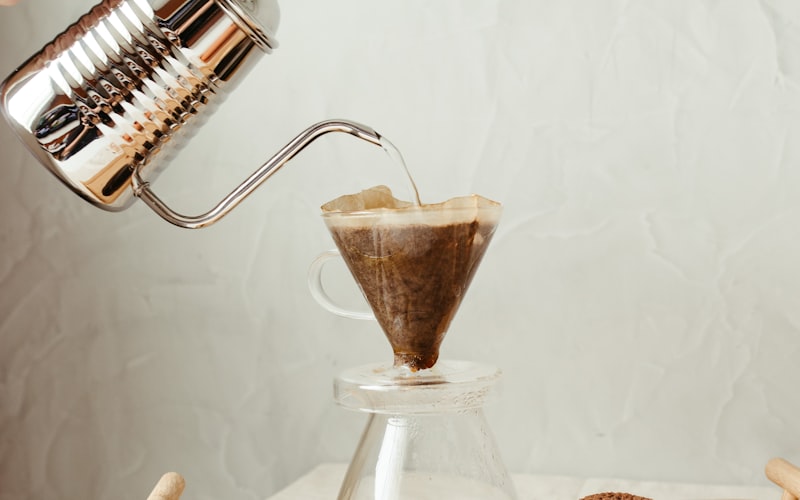
A pour-over dripper like a Melitta cone or ceramic dripper sits on top of your mug and produces a clean, bright cup of coffee. Filters cost about $0.02 each, so the ongoing cost is negligible.
Pour-over is the method most specialty coffee shops use for their single-origin brews — and they charge $4-$6 for the privilege. At home, the same quality cup costs you under $0.40.
Standard Drip Coffee Maker ($25-$50)
If you want the set-it-and-forget-it convenience, a basic drip machine still works perfectly. Fill the reservoir, add a filter and grounds, press the button, and come back to a full pot. Per-cup cost is the lowest of any method since you're brewing in volume.
The one downside is that drip machines often sit on a hot plate that scorches the coffee after 20-30 minutes. If you go this route, look for a model with a thermal carafe instead of a glass pot.
How Do You Make Cold Brew Coffee at Home?
Cold brew is one of the biggest markups at coffee shops. A large cold brew runs $4-$6, but making it at home costs roughly $0.15-$0.30 per serving and takes almost no effort.
The Simple Cold Brew Method
- Combine 1 cup of coarsely ground coffee with 4 cups of cold water in a jar or cold brew maker
- Stir gently, cover, and refrigerate for 12-24 hours
- Strain through a fine mesh strainer or cheesecloth
- Dilute the concentrate 1:1 with water or milk
This makes a concentrate that lasts up to two weeks in the fridge. One batch yields about 8-10 servings, bringing your per-cup cost to around $0.20. Compare that to spending $4.50 per cold brew at the shop and you're saving over $4 per drink.
Cold brew is also naturally smoother and less acidic than hot-brewed coffee, so if you've ever thought you needed expensive beans to avoid bitterness, this method solves that problem with any mid-range coffee.
Can You Make Coffee Shop Drinks at Home?
Absolutely — and for a fraction of the price. The flavored drinks that cost $5-$7 at coffee shops use ingredients that cost pennies per serving when you buy them yourself.
DIY Vanilla Latte ($0.40-$0.60 vs. $5.50)
- Brew a strong cup of coffee (double the grounds you'd normally use)
- Heat and froth milk with a handheld milk frother ($10-$15, lasts for years)
- Add 1-2 teaspoons of vanilla extract and a drizzle of sweetener
That's it. The same drink costs $5.50 at most coffee chains. Your homemade version: about $0.50.
DIY Mocha ($0.50-$0.70 vs. $6.00)
- Brew strong coffee
- Stir in 1 tablespoon of cocoa powder and your preferred sweetener
- Top with frothed milk
A tablespoon of cocoa powder costs about $0.10. The entire drink comes in under $0.70 compared to $6.00 at a cafe.
DIY Flavored Iced Coffee ($0.30-$0.50 vs. $5.00)
- Make a batch of cold brew concentrate (see above)
- Add milk and a splash of vanilla, caramel syrup, or hazelnut extract
- Pour over ice
You can buy a bottle of coffee syrup for $5-$8 that lasts months, or make simple syrup at home with sugar and water for essentially free. Either way, your per-drink cost stays under $0.50.
If you're already meal prepping, batch-brewing your coffee fits right into the same weekly routine.
How Do You Save Money Buying Coffee Beans?
The beans themselves are your biggest ongoing expense, so buying smart makes a real difference.
Buy Whole Beans in Bulk
Pre-ground coffee in small bags costs $8-$12 per pound at most grocery stores. Whole beans purchased in bulk — from warehouse clubs, online retailers, or local roasters — typically run $7-$10 per pound for quality coffee and as low as $5-$6 per pound for solid everyday options.
Whole beans also stay fresh much longer than pre-ground coffee. Ground coffee starts losing flavor within days of opening, while whole beans hold up for weeks when stored in an airtight container away from light and heat.
Store Beans Properly
Don't put coffee in the fridge — the moisture and odors ruin it. Instead, keep beans in an opaque, airtight container at room temperature. Buy only what you'll use in 2-3 weeks, and grind just before brewing for the best flavor.
Try Store Brands and Lesser-Known Roasters
Brand-name coffee carries a premium that doesn't always correspond to quality. Many store-brand whole bean coffees score just as well in blind taste tests as brands that cost twice as much. Local roasters often sell fresh beans at competitive prices too, especially if you buy a 2-pound or 5-pound bag.
This is the same principle behind saving on groceries without coupons — you're paying for the product, not the marketing.
Should You Use Reusable K-Cups and Travel Mugs?
If you already own a Keurig or single-serve machine, single-use pods are one of the most expensive ways to drink coffee — roughly $0.70-$1.20 per cup. Reusable K-cup filters cost $8-$12 and let you use your own ground coffee, dropping the per-cup cost to $0.15-$0.25.
As for travel mugs, a good insulated travel mug pays for itself quickly in two ways. First, many coffee shops offer a $0.10-$0.50 discount when you bring your own cup. Second — and more importantly — having hot coffee ready to grab on your way out the door removes the temptation to stop at a drive-through.
The same logic applies to reducing food waste in your kitchen. When you have good systems in place, you naturally spend less without feeling like you're sacrificing anything.
When Should You Still Buy Coffee Out?
Saving money doesn't mean never setting foot in a coffee shop again. The goal is to make coffee shop visits intentional rather than habitual.
A reasonable approach: brew at home on weekdays and allow yourself one or two coffee shop trips per week as a treat. If your weekday habit was costing $5 per day ($25/week), dropping to one $5 weekend treat brings your weekly coffee shop spend from $25 to $5 — an 80% reduction that still lets you enjoy the experience.
You can also use coffee shop visits strategically. Meeting a friend? Working remotely and need a change of scenery? Traveling and don't have your setup? Those are all perfectly good reasons to buy a coffee out without guilt.
The key is recognizing the difference between wanting coffee (which you can make at home for $0.30) and wanting the coffee shop experience (which is worth paying for occasionally). This mindset is the same one behind knowing what to stop buying — it's not about deprivation, it's about spending intentionally.
Your Coffee Savings Action Plan
Here's how to start saving this week:
- Calculate your current coffee spending — check your bank statement for the last 30 days and add up every coffee shop transaction
- Pick one brewing method — a French press or pour-over dripper is the cheapest starting point
- Buy a bag of whole beans — even a $12 bag gives you 40+ cups
- Make your favorite coffee shop drink at home — nail one recipe and you'll lose the craving to buy it out
- Set a coffee shop budget — allow yourself 1-2 visits per week and stick to it
Most people who make this switch save $100-$150 in their first month alone. Over a year, that's $1,200 to $1,800 back in your pocket — money that could go toward building your grocery savings or any other financial goal.
Frequently Asked Questions
Is instant coffee cheaper than brewed?
Instant coffee is slightly cheaper per cup — roughly $0.10-$0.20 per serving compared to $0.25-$0.40 for freshly brewed. However, the flavor difference is significant enough that most people who switch to instant end up going back to the coffee shop out of dissatisfaction. A French press or pour-over costs only marginally more per cup than instant and produces coffee that's genuinely enjoyable to drink, making it the better long-term savings strategy.
How much does a basic home coffee setup cost?
You can get started for under $30. A French press runs $15-$25, and a bag of whole beans costs $8-$15. That's enough to make 40-50 cups of coffee, meaning your setup pays for itself in about a week compared to buying $5 lattes. If you want to add a hand grinder ($20-$30) and a milk frother ($10-$15), your total investment is still under $70 — which you'll recoup within a month.
Is it worth buying an espresso machine to save money?
For most people, no. Entry-level espresso machines cost $100-$300 and require a learning curve, additional accessories, and finer-ground coffee that's slightly more expensive. Unless you drink multiple espresso-based drinks daily and would otherwise spend $10+ per day at a coffee shop, the payback period is too long. A French press or pour-over with a milk frother gives you 90% of the latte experience at a fraction of the cost and complexity.
Does buying coffee in bulk actually save money?
Yes, substantially. Buying whole beans in 2-pound or 5-pound bags from warehouse clubs or online retailers typically costs $5-$8 per pound compared to $10-$14 per pound for small bags at the grocery store. That's a 30-50% savings on your biggest recurring coffee expense. Just make sure you store bulk beans properly in an airtight container and only grind what you need each day to maintain freshness.
How can I make my coffee taste as good as the coffee shop?
Three things make the biggest difference: use freshly ground beans (a $20 hand grinder transforms your coffee), heat your water to 195-205 degrees Fahrenheit (just below boiling — let your kettle sit for 30 seconds after it boils), and use the right coffee-to-water ratio (about 2 tablespoons per 6 ounces of water). These are the same techniques baristas use, and they cost nothing extra once you know them.
Get weekly home tips that actually work
Join thousands of homeowners getting practical cleaning hacks, DIY fixes, and money-saving tips every week. Free, and you can unsubscribe anytime.

Written by
Beth SullivanFounder & Editor-in-Chief
Beth Sullivan is the founder of Practical Home Guides. With over a decade of hands-on experience tackling every home challenge imaginable, she started this site to share the practical, no-nonsense solutions she wishes she had found years ago. When she's not testing cleaning hacks or organizing pantries, you'll find her in the garden or working on her next DIY project.
Recommended Products
Looking for specific product recommendations? Check out our tested picks.
Best Outdoor Patio Furniture Deals (2026 Spring Picks)
Late April is the sweet spot for patio furniture deals — pre-summer sales without late-season picked-over selection. Here are the picks worth buying now.
5 Best LED Light Bulbs to Cut Your Electric Bill (2026)
Switch to LED bulbs and save $100+ per year on electricity. We compared the top LED bulbs for brightness, color quality, and longevity — here are the 5 best picks.
Best Smart Thermostats to Lower Your Energy Bill (2026)
The best smart thermostats that actually save money on heating and cooling. We compare 5 top picks from Nest, Ecobee, Honeywell, and more with real energy savings data.
Related Articles
Best Outdoor Patio Furniture Deals (2026 Spring Picks)
Late April is the sweet spot for patio furniture deals — pre-summer sales without late-season picked-over selection. Here are the picks worth buying now.
12 Earth Day Eco Swaps That Save Money All Year
These 12 home swaps reduce waste AND save money — most under 30 dollars upfront and pay for themselves within a few months.
12 Budget Mother's Day Gifts That Actually Feel Thoughtful
Skip the generic flowers-and-card combo. These under-50-dollar Mother's Day ideas feel personal without breaking the budget.
Homemade Cleaning Supplies That Save Real Money (7 Recipes That Work)
Skip the 8-dollar bottles of name-brand cleaner. These 7 homemade cleaner recipes replace everything in the cleaning aisle with 4 basic ingredients.