How to Save Money on Home Insurance Without Losing Coverage
This article may contain affiliate links. If you make a purchase through these links, we may earn a small commission at no extra cost to you. Learn more
Quick Answer
How to Save Money on Home Insurance Without Losing Coverage
The fastest way to save on home insurance is to shop around and compare at least 3-5 quotes — most homeowners overpay simply because they never switch. Beyond that, bundle your home and auto policies (saves 10-25%), raise your deductible from $500 to $1,000 or $2,500 (saves 10-20%), ask about discounts for smart home devices like water leak sensors and security systems, and maintain a good credit score. These steps alone can cut your premium by 30-40%.
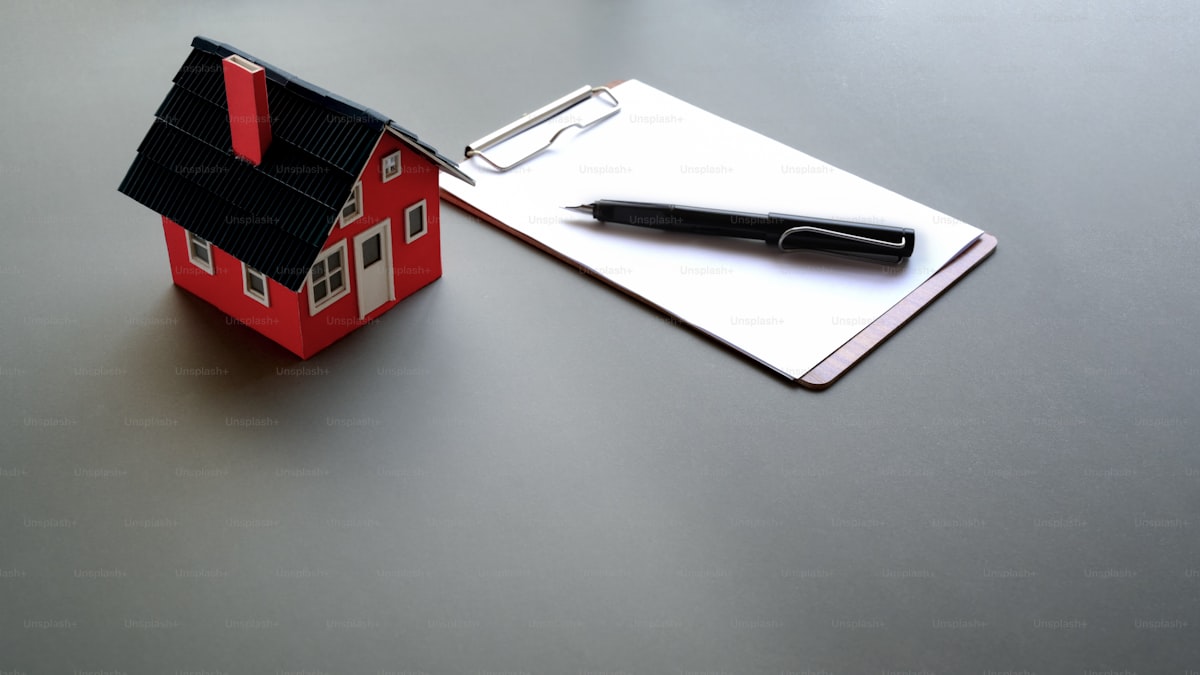
Homeowners insurance is one of those bills most people set up once and never think about again. That's exactly what insurance companies are counting on. The average U.S. homeowner pays around $2,300 per year for home insurance, and rates have been climbing steadily. But here's the thing — your premium is far more negotiable than you probably realize.
Unlike your mortgage principal, your insurance rate is not fixed. The same house, the same coverage, the same owner can get wildly different quotes from different providers. And beyond shopping around, there are dozens of discounts, adjustments, and improvements that can meaningfully lower what you pay every year.

If you're already working on lowering your electric bill and reducing home repair costs, tackling your insurance premium is the next logical step. Here are 12 proven strategies to cut your costs without cutting your coverage.
How Much Can You Save by Shopping Around?
Shopping around is the single most effective way to save on homeowners insurance. Rates between carriers can differ by 30-50% or more for identical coverage on the same property. If you haven't compared quotes in the past two years, you're almost certainly leaving money on the table.
How to Compare the Right Way
- Get at least 3-5 quotes from a mix of national carriers, regional companies, and mutual insurers
- Use an independent insurance agent who can pull quotes from multiple carriers at once, saving you time
- Compare identical coverage limits and deductibles so you're making a fair comparison
- Check financial strength ratings from AM Best or Standard & Poor's — a cheap policy from an unstable company won't help you when you need to file a claim
- Re-shop every 1-2 years, and always shop 30 days before your renewal date
Online comparison tools like Policygenius and The Zebra make this faster than ever, but an independent agent can often find carriers and discounts that online tools miss. Either way, the 30-60 minutes you spend comparing could easily save you $300-$800 per year.
How Much Can You Save by Bundling Home and Auto Insurance?
Bundling your homeowners and auto policies with the same carrier is one of the easiest discounts to claim, typically saving you 10-25% on your home insurance premium and sometimes reducing your auto rate as well.
Most major insurers offer multi-policy discounts, and some extend the bundling benefit to renters insurance, umbrella policies, or even life insurance. If you're already looking to save money on car insurance, bundling lets you knock both premiums down at the same time.
That said, always run the numbers. Sometimes the cheapest home insurer and cheapest auto insurer are different companies, and buying them separately still costs less than bundling with one carrier. The only way to know is to compare both options.
Should You Raise Your Deductible?
Raising your deductible from $500 to $1,000 can lower your premium by 10-15%. Bumping it to $2,500 can save you 15-25%. It's one of the simplest adjustments you can make, but it's not the right move for everyone.
How to Decide
The math is straightforward. If raising your deductible from $500 to $2,500 saves you $400 per year on your premium, you'd break even in five claim-free years. Since the average homeowner files a claim roughly once every 10 years, the savings usually win over time.
But you need to be honest about your financial situation:
- You should raise your deductible if you have an emergency fund that can comfortably cover the higher amount without going into debt
- You should keep a lower deductible if an unexpected $2,500 expense would put you in a tough spot financially
A good rule of thumb: don't set your deductible higher than the amount you have readily available in savings. The goal is to lower your monthly cost, not create a financial crisis when something goes wrong.
What Home Improvements Lower Your Insurance Premium?
Certain upgrades to your home directly reduce the risk your insurer takes on, and many carriers will reward you with meaningful discounts.
Improvements That Earn the Biggest Discounts
- New roof (10-20% savings): A roof less than 10 years old, especially one with impact-resistant shingles, is one of the biggest premium reducers. If your roof is aging, ask your agent how a replacement would affect your rate before you decide
- Impact-resistant windows and doors (5-10% savings): Particularly valuable in storm-prone areas. Hurricane shutters and reinforced garage doors also qualify in many states
- Security system (5-15% savings): A monitored alarm system with a central station connection earns the best discounts. A home security camera system adds another layer of protection that some insurers reward
- Smart water leak detectors (3-10% savings): Water damage is the most common homeowners insurance claim. Installing a smart water leak detector near water heaters, washing machines, and under sinks can qualify you for discounts with many carriers, and it could prevent a catastrophic claim in the first place
- Smart smoke and fire detection (3-5% savings): Upgrading to a smart smoke detector that sends alerts to your phone and connects to a monitoring service shows insurers you're serious about fire prevention
- Whole-house generator (varies): Prevents damage from power outages, like burst pipes in winter or sump pump failure during storms
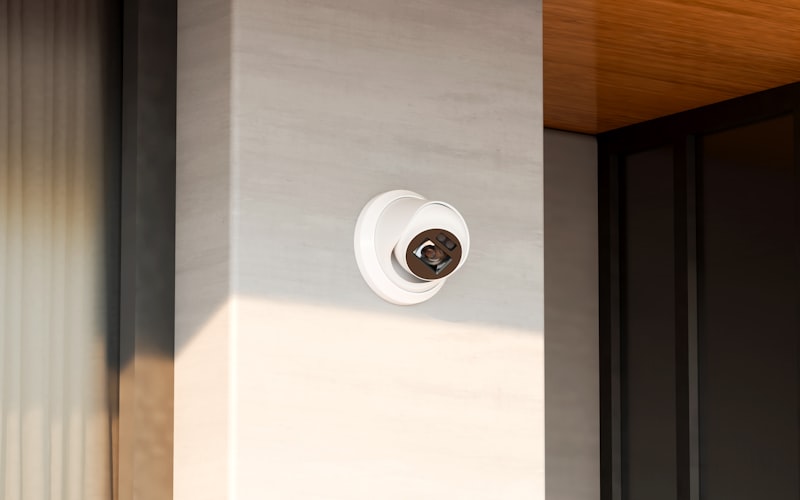
Keep documentation and receipts for all upgrades. You'll need to provide proof to your insurer, and it also helps to have those records in a fireproof safe alongside your policy documents.
What Discounts Do Most Homeowners Miss?
Insurance companies offer a long list of discounts, but they rarely volunteer them. You have to know what to ask for.
Discounts You Should Ask About
- Claims-free discount (5-20%): If you haven't filed a claim in 3-5 years, you likely qualify. Some insurers call this a "vanishing deductible" — your deductible decreases for every year you go claim-free
- New home discount (5-15%): Homes built within the last 10-15 years typically qualify because newer construction meets updated building codes and has newer electrical, plumbing, and roofing
- Loyalty discount (3-10%): Staying with the same carrier for 3-5+ years sometimes earns a discount — though shopping around and switching still saves more in most cases
- Senior/retiree discount (5-10%): Many insurers offer discounts to homeowners over 55, based on the logic that retirees are home more often and catch problems earlier
- Professional discounts: Some carriers offer lower rates to certain professions — teachers, first responders, military, engineers, and others
- Autopay and paperless billing (3-5%): A small but easy savings for signing up for electronic statements and automatic payments
- Gated community or HOA: Living in a gated community or one with an HOA that maintains common areas can sometimes qualify for lower rates
Call your insurer and ask directly: "Can you review my policy and tell me every discount I currently receive and every discount I might qualify for?" This single phone call can save you 10-15%.
How Often Should You Review Your Coverage?
At least once a year — ideally 30 days before your renewal date. The goal is to make sure you're not over-insured, under-insured, or paying for coverage you no longer need.
Common Ways Homeowners Overpay
- Insuring for market value instead of replacement cost: Your home insurance should cover the cost to rebuild your home, not what it would sell for. Land value is a big part of market price but is irrelevant for insurance purposes. If your coverage amount is based on your home's sale price, you're likely over-insured
- Keeping unnecessary riders or endorsements: If you sold the expensive jewelry, art, or collectibles you once scheduled on your policy, remove those riders
- Not updating after renovations: If you renovated your kitchen or finished your basement, your replacement cost may have increased. Under-insuring is just as wasteful as over-insuring because a claim payout could fall short
- Duplicate coverage: If your condo association's master policy covers the building exterior, make sure your individual policy isn't duplicating that coverage
Review your policy declarations page line by line. It only takes 15 minutes and could reveal hundreds of dollars in adjustments. This pairs well with an annual home maintenance review to catch small issues before they become expensive claims.
How Does Your Credit Score Affect Home Insurance Rates?
In most states, your credit-based insurance score is one of the biggest factors determining your premium — sometimes as impactful as where you live. Homeowners with poor credit can pay 40-100% more than those with excellent credit for the exact same coverage.
Why Insurers Use Credit Scores
Insurance companies use a specialized credit-based insurance score (different from your FICO score but based on similar data) because statistical models show a strong correlation between credit history and the likelihood of filing claims. Fair or not, that's how it works in 46 states (California, Maryland, Massachusetts, and Hawaii restrict or prohibit credit-based insurance scoring).
How to Improve Your Insurance Score
- Pay every bill on time — payment history is the single biggest factor
- Keep credit card utilization below 30% of your available limits
- Don't close old credit accounts — length of credit history matters
- Check your credit reports annually at AnnualCreditReport.com and dispute any errors
Improving your credit from "fair" to "good" can save you 15-25% on your home insurance premium. It takes time, but the savings show up across your car insurance, home insurance, and borrowing costs all at once.

Frequently Asked Questions
How often should I shop around for home insurance?
At minimum, every two to three years, and always when your premium increases by more than 5-10% at renewal. You should also shop after major life changes like completing renovations, paying off your mortgage, installing a security system, or improving your credit score. Getting competing quotes takes an afternoon and routinely saves homeowners $300-$800 per year.
Does filing a claim raise my home insurance rates?
Yes, in most cases. Filing even one claim can raise your premium by 7-25%, and the surcharge typically lasts 3-5 years. Multiple claims in a short period can make you difficult to insure at any reasonable rate. This is why it's generally wise to avoid filing claims for amounts that are only slightly above your deductible — paying $800 out of pocket to avoid a rate increase that costs you $1,500 over three years is the better financial move.
Is minimum coverage enough to protect my home?
Rarely. Your dwelling coverage should equal the full cost to rebuild your home at current construction prices, not the minimum your mortgage lender requires. You should also carry enough liability coverage to protect your assets — most experts recommend at least $300,000 in liability, and an umbrella policy if your net worth exceeds your liability limit. Skimping on coverage to save $200 per year is a gamble that can cost you everything.
Does a home security system actually lower insurance rates?
Yes, but the savings depend on the type of system. A professionally monitored security system with a central station connection typically earns a 5-15% discount. Self-monitored cameras and smart home devices may qualify for smaller discounts of 3-5%. Water leak detection systems are increasingly earning their own discounts as water damage claims continue to rise. Contact your insurer before purchasing to confirm which systems and brands qualify for their specific discounts.
Saving money on home insurance comes down to being an informed, active consumer rather than a passive one. Shop around regularly, ask about every possible discount, make smart improvements to your home, and review your coverage annually to make sure it matches your actual needs. Most homeowners who take these steps see their premiums drop by 20-40% — and that's money you can redirect toward keeping your home well-maintained and reducing your other household bills. The insurance companies are not going to hand you these savings. You have to go get them.
Get weekly home tips that actually work
Join thousands of homeowners getting practical cleaning hacks, DIY fixes, and money-saving tips every week. Free, and you can unsubscribe anytime.

Written by
Beth SullivanFounder & Editor-in-Chief
Beth Sullivan is the founder of Practical Home Guides. With over a decade of hands-on experience tackling every home challenge imaginable, she started this site to share the practical, no-nonsense solutions she wishes she had found years ago. When she's not testing cleaning hacks or organizing pantries, you'll find her in the garden or working on her next DIY project.
Recommended Products
Looking for specific product recommendations? Check out our tested picks.

Best Outdoor Patio Furniture Deals (2026 Spring Picks)
Late April is the sweet spot for patio furniture deals — pre-summer sales without late-season picked-over selection. Here are the picks worth buying now.

5 Best LED Light Bulbs to Cut Your Electric Bill (2026)
Switch to LED bulbs and save $100+ per year on electricity. We compared the top LED bulbs for brightness, color quality, and longevity — here are the 5 best picks.
Best Smart Thermostats to Lower Your Energy Bill (2026)
The best smart thermostats that actually save money on heating and cooling. We compare 5 top picks from Nest, Ecobee, Honeywell, and more with real energy savings data.
Related Articles
Best Outdoor Patio Furniture Deals (2026 Spring Picks)
Late April is the sweet spot for patio furniture deals — pre-summer sales without late-season picked-over selection. Here are the picks worth buying now.

12 Earth Day Eco Swaps That Save Money All Year
These 12 home swaps reduce waste AND save money — most under 30 dollars upfront and pay for themselves within a few months.

12 Budget Mother's Day Gifts That Actually Feel Thoughtful
Skip the generic flowers-and-card combo. These under-50-dollar Mother's Day ideas feel personal without breaking the budget.
Homemade Cleaning Supplies That Save Real Money (7 Recipes That Work)
Skip the 8-dollar bottles of name-brand cleaner. These 7 homemade cleaner recipes replace everything in the cleaning aisle with 4 basic ingredients.