How to Stop a Cat From Spraying (And Why They Start)
This article may contain affiliate links. If you make a purchase through these links, we may earn a small commission at no extra cost to you. Learn more
Quick Answer
How to Stop a Cat From Spraying (And Why They Start)
First rule out medical issues with a vet visit (UTIs and bladder problems often look like spraying). For stress-based spraying, identify the trigger (new pet, new baby, outdoor cats visible through windows) and address it. Use enzyme cleaner on sprayed areas, plug in a Feliway diffuser, and consider neutering if not already done.
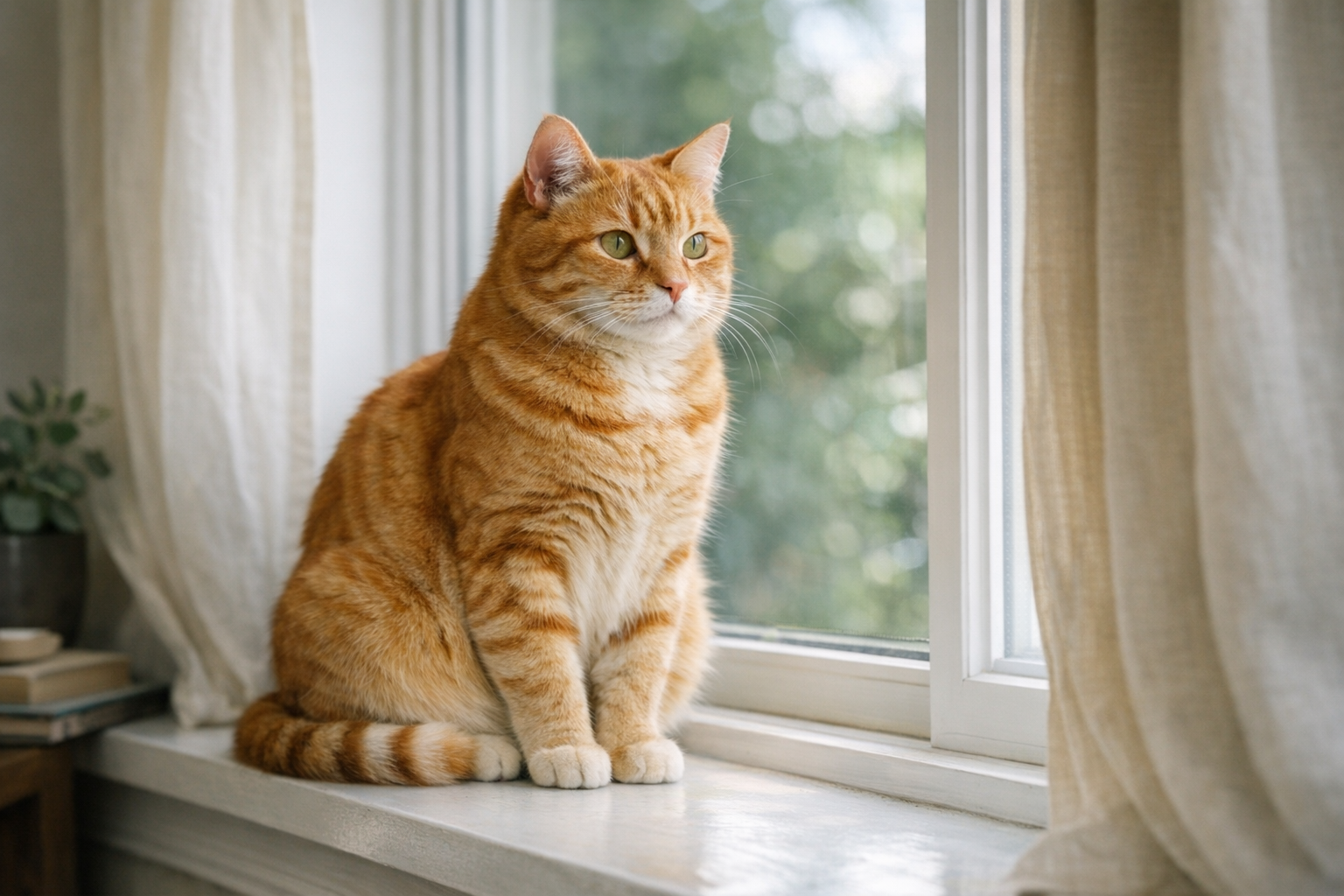
Cats spray for specific reasons. The first step is figuring out which reason — guessing leads to weeks of frustration. As a former vet tech, I've seen this problem solved fast when owners approach it systematically.
Here's the order of investigation.
Spraying vs Inappropriate Urination — Important Distinction
These look similar but are different problems:
- Spraying: Cat backs up to a vertical surface (wall, door, furniture leg) and releases small amounts of urine. Tail quivers. Often standing.
- Inappropriate urination: Cat squats and urinates a normal volume in the wrong place. Often horizontal surface (carpet, bed, laundry pile).
Spraying is usually behavioral. Inappropriate urination is usually medical (UTI, bladder stones, diabetes).
If you're not sure which, document the behavior — note position, location, and amount.
Step 1: Vet Visit First (Always)
Before assuming it's behavioral, rule out medical:
- Urinary tract infection (especially in older cats)
- Bladder crystals or stones
- Diabetes (excessive urination)
- Kidney issues
- Arthritis (cat avoids stairs to litter box)
A vet visit is 50-100 dollars and rules out half the possibilities. Don't skip this step.
Step 2: If Not Already, Get the Cat Neutered
Intact male cats spray to mark territory. Neutering eliminates 90 percent of spraying behavior, especially if done before 6 months of age.
If your cat is older than 6 months and intact, neutering can still significantly reduce spraying — just not always eliminate it. Talk to your vet.
Step 3: Identify the Trigger
Once medical is ruled out, find the cause. Common triggers:
New Cat in the Home
A new cat (yours or neighbor's) shifts territory boundaries. Existing cats spray to reassert claim.
Solution: separate territory for each cat (multiple litter boxes, multiple feeding zones, multiple resting spots), gradual introduction over weeks, Feliway Multicat diffuser.
Outdoor Cats Visible Through Windows
Your indoor cat sees an outdoor cat through a window and feels its territory is invaded. Indoor cat sprays at the window or door.
Solution: Block the cat's view. Window film on lower windows, deter outdoor cats from visiting your yard with motion-activated sprinklers.
Major Household Changes
New baby, moving furniture, contractor in the house, schedule changes, new partner moved in. Cats are creatures of habit.
Solution: maintain as much routine as possible (same feeding times, same sleeping spots), use a Feliway Classic diffuser to release calming pheromones.
Litter Box Issues
Even though cats spray vertically, litter box stress can trigger marking elsewhere.
Solution: one litter box per cat plus one extra (3 cats = 4 boxes), keep boxes clean (scoop daily), try a different litter, ensure boxes are in low-stress locations.
Conflict With Another Pet
Dog, other cat, child. Cat feels insecure.
Solution: provide vertical escape routes (cat tree, shelves), separate feeding stations, never punish the cat for spraying — it increases stress.
Step 4: Clean Sprayed Areas Properly
This is critical. If you don't fully eliminate the smell, the cat will keep spraying the same spot.
- Use enzyme-based pet cleaner — it breaks down the proteins in cat urine. Regular cleaners just mask the smell.
- Soak the area for 10 minutes (don't just spray and wipe)
- Blot dry, don't rub
- For carpets and upholstery, repeat treatment after first dries
For very persistent spots, a black light flashlight shows urine spots invisible in normal light. Find every spot — cats keep returning to spots you missed.
Step 5: Pheromone Therapy
Feliway diffusers release synthetic feline calming pheromones. Many cat owners see noticeable reduction in spraying within 2 to 4 weeks.
For multi-cat households, Feliway Multicat is a different formula targeting inter-cat tension.
Plug into the room where most spraying happens. Replace cartridge monthly.
Step 6: When to Consider Medication
If behavioral interventions don't work after 6 to 8 weeks, ask your vet about anti-anxiety medication. Several cat-safe medications (fluoxetine, others) reduce stress-driven spraying significantly.
This isn't a first resort but it's a real option for resistant cases. Better than rehoming.
What Doesn't Work
- Punishment. Increases stress, makes spraying worse.
- Rubbing the cat's nose in it. Same — and confuses the cat about what's wrong.
- "Just" cleaning with regular cleaners. Doesn't eliminate the smell.
- Adding "more love" without addressing the trigger. Doesn't fix the underlying issue.
Frequently Asked Questions
Is spraying always behavioral?
No — always rule out medical first. UTIs and bladder stones are common in cats and the symptoms can look like behavioral spraying.
How long does it take to stop spraying after addressing the trigger?
Once the trigger is addressed, expect 2 to 4 weeks of decrease. Full cessation can take 6 to 8 weeks. Cats develop habits — pattern interruption takes time.
Should I confine the cat to a small room?
Sometimes helpful as part of a re-introduction protocol or stress reduction. Talk to your vet or a cat behaviorist about whether this fits your specific situation.
Will my cat just eventually stop on their own?
Sometimes, if the trigger resolves itself. But chronic spraying becomes a habit — the longer it goes on, the harder to stop. Address it early.
Final Thoughts
Cat spraying is solvable in most cases — but requires identifying the cause first. Vet visit, then trigger identification, then proper cleaning and pheromone support. Most cats stop spraying within a couple of months once the underlying cause is addressed.
Get weekly home tips that actually work
Join thousands of homeowners getting practical cleaning hacks, DIY fixes, and money-saving tips every week. Free, and you can unsubscribe anytime.

Written by
Sarah RodriguezGardening & Pet Care Contributor
Sarah Rodriguez is a certified Master Gardener and former veterinary technician. She lives on a half-acre lot in central Texas with three rescue dogs, two backyard chickens, and a very ambitious vegetable garden. She covers gardening, sustainable yard care, and everyday pet care for Practical Home Guides.
Recommended Products
Looking for specific product recommendations? Check out our tested picks.

5 Best Dog Grooming Kits for Home Use (2026)
Save hundreds on groomer visits by doing it yourself. We compared the top dog grooming kits — here are the 5 best for different coat types and budgets.

Best Pet Hair Removers That Actually Work (2026)
We tested the most popular pet hair removers for furniture, clothes, and cars. Here are the 7 best picks that actually get the job done — from lint rollers to rubber brooms.
Related Articles

Pet Summer Safety: Heat Stress Prevention + Parasite Protection
A vet tech's summer playbook for keeping pets safe in 90°F-plus heat: hydration hacks, exercise timing, paw protection, plus tick and heartworm prevention through the dog days.

Spring Pet Yard Prep: 10-Point Safety Checklist Before Outdoor Season
A vet-tech-approved 10-point spring checklist to make your yard safe for pets: fencing, toxic plants, parasite prevention, water, shade, and the gear that actually helps.

Dog-Safe Spring Yard Checklist (Lawn Chemicals, Plants, and More)
Spring yard prep can poison your dog faster than you'd expect. Here's the checklist of toxic plants, lawn treatments, and seasonal hazards to remove before letting your dog roam.
How to Soothe Your Dog's Itchy Spring Skin Naturally
Spring allergies hit dogs hard. These vet-tech-approved natural remedies soothe itchy skin without immediately reaching for prescription meds.