Dog-Safe Spring Yard Checklist (Lawn Chemicals, Plants, and More)
This article may contain affiliate links. If you make a purchase through these links, we may earn a small commission at no extra cost to you. Learn more
Quick Answer
Dog-Safe Spring Yard Checklist (Lawn Chemicals, Plants, and More)
Before letting your dog into the spring yard, walk through and check for: toxic plants (lilies, sago palm, daffodils, azaleas), lawn treatments still wet, mulch types (avoid cocoa mulch), fertilizer pellets accessible, sharp garden tools, antifreeze leaks, and standing water that could attract mosquitoes. Most poisoning incidents happen the first week of spring yard work.
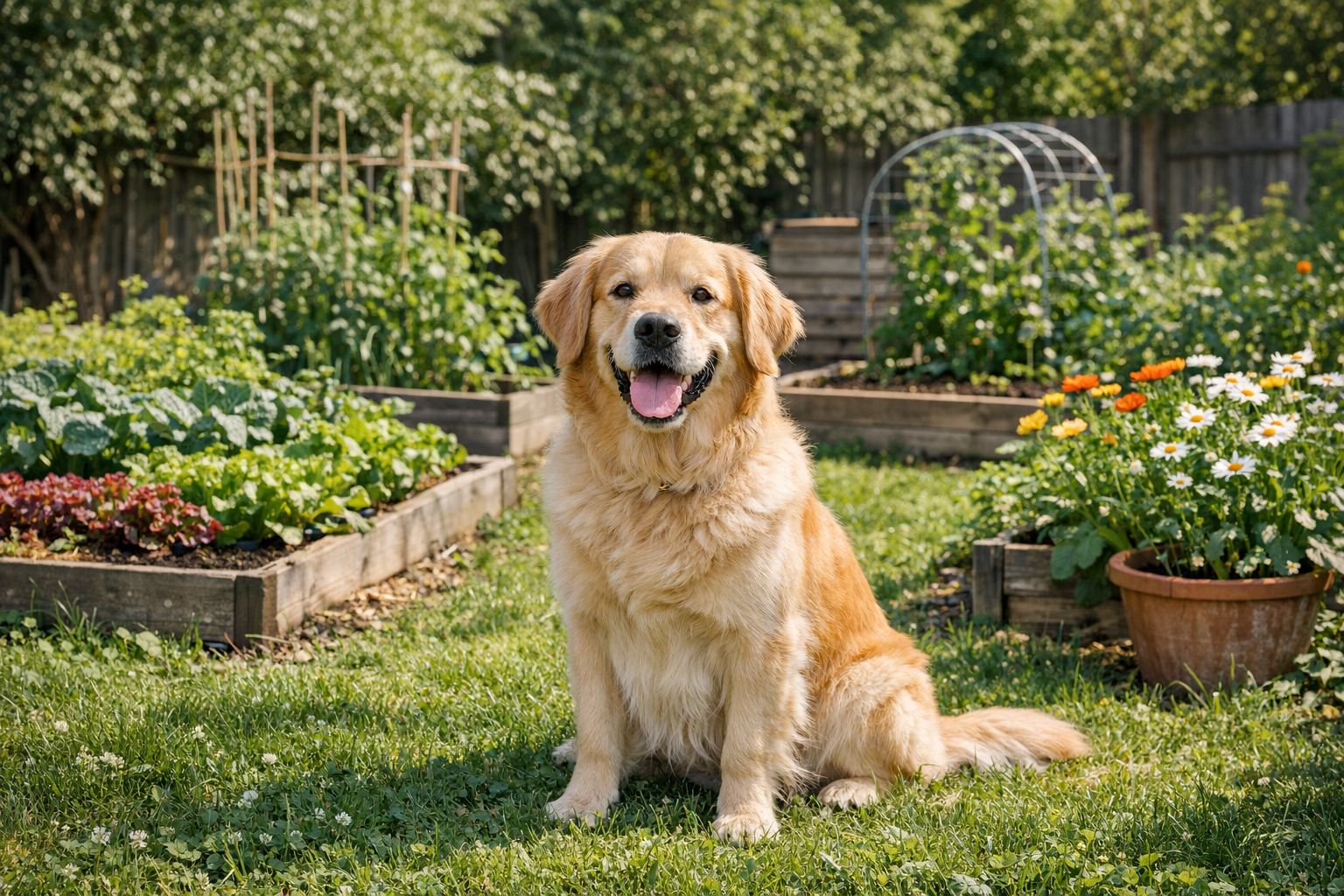
Spring is the most dangerous season for dogs in the yard. Lawn chemicals, toxic spring bulbs, mulch, fertilizer pellets, and tools all show up in March and April. Most poisoning incidents I saw at the vet clinic happened within the first month of yard prep.
Run through this checklist before letting your dog roam your spring yard. Most of the items take seconds to check.
1. Identify and Remove Toxic Spring Plants
Several common spring plants are highly toxic to dogs. The biggest offenders:
Severely Toxic (Can Be Fatal)
- Sago palm — every part toxic, especially seeds. Often planted as a landscape accent.
- Lily of the valley — heart toxin, even small amounts dangerous
- Foxglove — heart toxin
- Oleander — heart toxin
Significantly Toxic
- Daffodils — bulbs especially toxic. Dogs sometimes dig them up.
- Tulips — bulbs especially toxic
- Hyacinth — bulbs especially toxic
- Azalea and rhododendron — toxic in small amounts
Mildly to Moderately Toxic
- Iris — root and leaves
- Hosta — large quantities cause GI upset
- Wisteria — seeds and pods
- English ivy — leaves and berries
For a complete list, the ASPCA Toxic Plants list covers hundreds of species. Bookmark it.
If you have a dog who chews plants, remove the most toxic species or fence them off. For dogs who don't bother plants, keeping them away from the bulbs is usually enough.
2. Wait After Lawn Treatments
Most lawn chemicals — fertilizer, herbicide, pesticide — say "wait until dry" before allowing pets back. The actual safe re-entry time is usually longer than the label suggests:
- Granular fertilizer: Wait 24 hours and water in thoroughly first
- Liquid herbicide: 24 to 48 hours after fully dry
- Insecticide: Follow label, but err on side of waiting 48 hours
- Weed and feed combo products: 48 to 72 hours
If using lawn services, ask what they're applying and the manufacturer's pet re-entry time.
For pet households, look for pet-safe lawn fertilizer options that don't require waiting periods. Organic fertilizers are generally pet-safer than synthetic chemicals.
3. Avoid Cocoa Mulch (Toxic to Dogs)
Cocoa mulch (made from cocoa bean shells) contains theobromine — the same toxin in chocolate. Dogs find it appetizing and can get seriously sick from eating it.
Use any other mulch:
- Cedar mulch — pet-safe, also repels insects
- Hardwood mulch — pet-safe
- Pine straw — pet-safe and inexpensive
- Stone or rubber mulch — pet-safe and lasts longer
If your neighbors use cocoa mulch and your dog gets into their yard, watch them when they're over there.
4. Secure Fertilizer and Pesticide Bags
Even bagged dry fertilizer is dangerous if a dog tears into the bag. Granular blood meal and bone meal smell like food and dogs will eat them — sometimes fatally.
- Store all fertilizer, herbicide, and pesticide in a locked storage container or out of pet reach
- Don't leave bags open in the garage or shed
- Sweep up any spilled granules immediately
5. Watch for Mushrooms
Spring rain plus warm soil = mushrooms popping up overnight. Most are harmless. Some are deadly to dogs.
You can't easily identify which mushrooms are dangerous. The safe approach: pick any wild mushroom you find before your dog does. A garden trowel makes quick work of it.
If you see your dog eating a mushroom, take a photo of the mushroom and call your vet immediately — even if the dog seems fine. Some toxic mushrooms cause delayed liver failure 24 to 72 hours later.
6. Inspect for Antifreeze and Other Chemical Leaks
Spring inspection time. Walk the garage floor and driveway looking for:
- Antifreeze leaks (sweet-tasting, highly toxic to dogs)
- Oil leaks
- Spilled gasoline
- Other automotive fluids
Antifreeze is the most dangerous — even a small amount causes kidney failure. Switch to pet-safer propylene glycol antifreeze if your vehicle allows it.
Clean any spills immediately. A dog will lap up sweet-tasting antifreeze if it's available.
7. Empty Standing Water
Standing water breeds mosquitoes, which carry heartworm. Walk your yard:
- Empty bird baths weekly
- Tip over old buckets, plant saucers, kiddie pools
- Refill water dishes daily (not just topping off)
- Check gutters for standing water
Use a BTI mosquito dunk in larger water features (rain barrels, ornamental ponds). Pet-safe and kills mosquito larvae.
Make sure your dog is on year-round heartworm prevention — your vet can prescribe.
8. Check Fences for Winter Damage
Winter freeze-thaw cycles damage fencing. Walk the perimeter looking for:
- Loose boards or panels
- Gaps at the bottom
- Damaged gate latches
- Chewed or scratched spots from previous escape attempts
A determined dog finds the weakest spot. Repair before letting them off-leash in the yard.
9. Lock Up Garden Tools
Sharp tools left out are paw-injury hazards. Common spring offenders:
- Rakes left tines-up (a rake stepped on can crack open a paw pad)
- Pruning shears in the grass
- Loose nails from deck repair
- Broken glass from winter
Walk the yard before letting the dog out. Tools go back in the organized garden shed at the end of every work session.
10. Watch for Bees and Other Stings
Spring brings out pollinators. Most stings are minor, but dogs can have serious reactions:
- Watch dogs around blooming clover (bees love it)
- Be especially careful around fruit trees in bloom
- Wasp nests in eaves and shed corners — knock down before dog goes near them
Symptoms of a serious reaction:
- Severe swelling, especially around face or throat
- Difficulty breathing
- Vomiting or weakness
- Collapse
If your dog has had an allergic reaction before, talk to your vet about keeping pet-specific Benadryl on hand and the correct dose.
11. Set Up a Safe Bathroom Spot
Dogs do best with a designated bathroom area. Set one up in spring:
- Stake off a corner of the yard
- Cover with pea gravel or pet-friendly artificial turf
- Take the dog there on leash for the first week to establish habit
This protects your lawn from urine burn and keeps cleanup contained.
12. Check Outdoor Water Bowl
If your dog has an outdoor water bowl:
- Empty and refill daily (mosquitoes breed in standing water)
- Use a heavy ceramic or stainless steel bowl that won't tip
- Place in shade
- Consider a self-filling outdoor pet bowl attached to a hose for hot weather
Frequently Asked Questions
How long should I keep my dog off the lawn after fertilizing?
24 hours after a granular fertilizer is fully watered in is the typical safe re-entry time. For organic fertilizers, often less. For synthetic herbicide-fertilizer combos, 48 to 72 hours.
Are essential oils safe for dogs in the yard?
No — many essential oils used as natural pest repellents (tea tree, citrus, eucalyptus, peppermint in concentrated form) are toxic to dogs. If you want natural pest control, stick to non-essential-oil options like diatomaceous earth (food grade only).
What plants are safe to plant if I have a dog?
Most herbs (basil, thyme, parsley, rosemary), most vegetables, sunflowers, marigolds, snapdragons, and zinnias are dog-safe. Stick to confirmed safe lists from the ASPCA.
My dog ate something I'm not sure about. What now?
Call ASPCA Animal Poison Control (888-426-4435) — they're available 24/7. There's a consultation fee but it's worth it. Have ready: what your dog ate, how much, when, and your dog's weight.
Final Thoughts
Spring yard prep is exciting for everyone — including dogs who've been cooped up all winter. A 15-minute walkthrough before opening the back door catches most preventable hazards. Identify toxic plants, secure chemicals, watch lawn treatment timing, and your dog gets to enjoy spring with you safely.
Get weekly home tips that actually work
Join thousands of homeowners getting practical cleaning hacks, DIY fixes, and money-saving tips every week. Free, and you can unsubscribe anytime.

Written by
Sarah RodriguezGardening & Pet Care Contributor
Sarah Rodriguez is a certified Master Gardener and former veterinary technician. She lives on a half-acre lot in central Texas with three rescue dogs, two backyard chickens, and a very ambitious vegetable garden. She covers gardening, sustainable yard care, and everyday pet care for Practical Home Guides.
Recommended Products
Looking for specific product recommendations? Check out our tested picks.

5 Best Dog Grooming Kits for Home Use (2026)
Save hundreds on groomer visits by doing it yourself. We compared the top dog grooming kits — here are the 5 best for different coat types and budgets.

Best Pet Hair Removers That Actually Work (2026)
We tested the most popular pet hair removers for furniture, clothes, and cars. Here are the 7 best picks that actually get the job done — from lint rollers to rubber brooms.
Related Articles
How to Stop a Cat From Spraying (And Why They Start)
Cats spray for specific reasons — and identifying the cause is half the battle. Here's the vet-tech approach to stopping spraying without rehoming the cat.
How to Soothe Your Dog's Itchy Spring Skin Naturally
Spring allergies hit dogs hard. These vet-tech-approved natural remedies soothe itchy skin without immediately reaching for prescription meds.
How to Introduce a New Baby to Your Family Pet Safely
A vet tech's step-by-step plan for preparing your dog or cat for a new baby. Start weeks before the due date — not the day you come home from the hospital.
How to Keep Your Pets Cool in Summer (Dogs, Cats, and More)
Learn how to keep dogs, cats, rabbits, and other pets safe and cool during summer heat. Covers hydration, shade, cooling products, signs of heatstroke, and breed-specific tips.