How to Keep Your Pets Cool in Summer (Dogs, Cats, and More)
This article may contain affiliate links. If you make a purchase through these links, we may earn a small commission at no extra cost to you. Learn more
Quick Answer
How to Keep Your Pets Cool in Summer (Dogs, Cats, and More)
Keep pets cool by providing constant access to fresh water, creating shaded rest areas, and avoiding outdoor activity during peak heat hours (10 a.m. to 4 p.m.). Use cooling mats, frozen treats, and kiddie pools for dogs. Watch for signs of heatstroke -- heavy panting, drooling, lethargy, and vomiting -- and contact your vet immediately if they appear.
How to Keep Your Pets Cool in Summer (Dogs, Cats, and More)
Summer brings longer days, backyard barbecues, and plenty of outdoor fun. But for your pets, rising temperatures can turn dangerous quickly. Dogs, cats, rabbits, and other companion animals are far more vulnerable to heat than most people realize. They can't sweat the way you do, which means their bodies have limited ways to cool down.
Every year, thousands of pets end up in emergency veterinary clinics with heat-related illness -- and many of these cases are entirely preventable. Whether you have a flat-faced bulldog who overheats on a short walk or an indoor cat lounging in a sunny window, understanding how to manage heat exposure could save your pet's life.

Why Are Pets So Vulnerable to Summer Heat?
Pets regulate body temperature very differently from humans. Dogs primarily cool themselves by panting, which circulates air across moist surfaces in the mouth and lungs. Cats lick their fur to create an evaporative cooling effect. Neither method is particularly efficient when the air itself is hot and humid.
Dogs have a normal body temperature of 101 to 102.5 degrees Fahrenheit -- already higher than yours. At 104 degrees, a dog is experiencing heatstroke. At 106 degrees, organ damage begins. The window between "a bit warm" and "medical emergency" is narrower than most pet owners expect.
Certain pets face even greater risk. Brachycephalic breeds -- dogs and cats with flat faces like Bulldogs, Pugs, and Persians -- have shortened airways that make panting far less effective. Senior pets, overweight animals, and thick-coated breeds like Huskies also overheat faster.
How Do You Keep a Dog Cool in Hot Weather?
Dogs are the most active outdoor pets, which means they face the highest heat risk during summer. The good news is that a few consistent habits will keep your dog safe in all but the most extreme conditions.
Step 1: Adjust your walk schedule. Move walks to early morning (before 8 a.m.) or evening (after 6 p.m.) when pavement has cooled. Asphalt absorbs heat and can reach 140 degrees or more on a sunny day -- hot enough to burn paw pads in under a minute. Place the back of your hand on the pavement for five seconds. If it is too hot for your hand, it is too hot for your dog's paws.
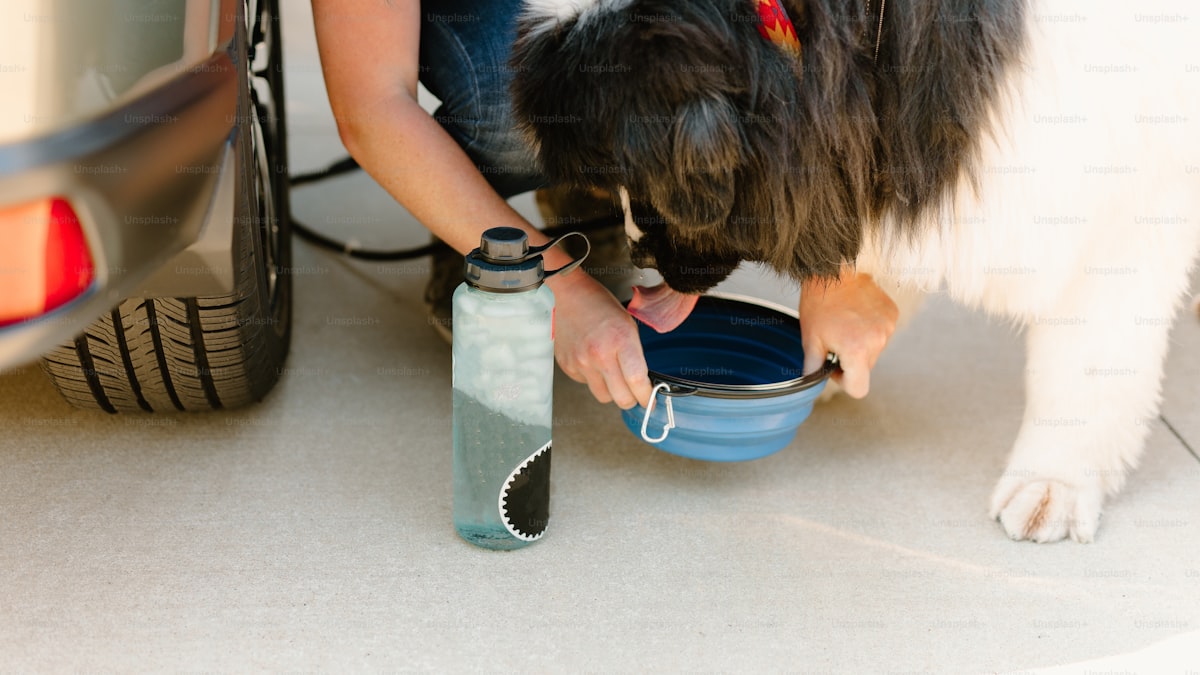
Step 2: Provide unlimited fresh water. Place multiple water bowls around your home and yard. Add ice cubes to keep the water cool longer. If you take your dog on outings, carry a collapsible dog water bottle so your dog can drink on the go. Dehydration accelerates overheating, so water access is non-negotiable.
Step 3: Create shade and airflow. If your dog spends time outdoors, make sure there is always a shaded area available. Move outdoor dog houses into the shade, since enclosed structures can trap heat inside. A fan pointed toward your dog's resting area helps circulate air.
Step 4: Use a cooling mat or elevated bed. Pressure-activated cooling mats use gel technology to drop the surface temperature several degrees when your dog lies on them -- no electricity or refrigeration needed.
Step 5: Set up a kiddie pool. Many dogs love splashing in shallow water. A hard plastic kiddie pool or collapsible dog pool filled with a few inches of cool water gives your dog a quick way to lower body temperature. Always supervise pool time, and empty the pool after use to prevent mosquito breeding.
Step 6: Make frozen treats. Freeze low-sodium chicken broth, peanut butter (make sure it contains no xylitol), or pureed watermelon in ice cube trays or a Kong toy. These give your dog a cooling activity and hydration at the same time. For more ideas, check out our guide to making homemade dog treats -- several recipes work perfectly as frozen summer snacks.
If your dog is due for grooming, a summer brush-out to remove loose undercoat is more effective than shaving -- especially for double-coated breeds, whose undercoat actually insulates against heat and sunburn. Between baths and brushing, keep shedding under control with the right tools from our best pet hair removers guide.
How Do You Keep Cats Cool During Summer?
Cats are generally better at self-regulating heat than dogs because they tend to seek cool spots instinctively. But they are not immune to heat-related illness, especially indoor cats in homes without air conditioning.
Step 1: Keep your home ventilated. If you do not have central air conditioning, use fans and open windows on opposite sides of the house to create a cross-breeze. Close blinds and curtains on sun-facing windows during peak hours to reduce indoor temperatures.
Step 2: Provide cool resting spots. Place ceramic or stone tiles in your cat's favorite resting areas. These surfaces naturally stay cooler than carpet or fabric. You can also freeze a water bottle, wrap it in a towel, and place it near your cat's bed for a DIY cooling pad.
Step 3: Refresh water frequently. Cats are notoriously picky about water freshness. A cat water fountain encourages more drinking by providing flowing, filtered water that stays cooler than a stagnant bowl. Dehydration in cats can lead to urinary tract issues, so extra hydration during summer is doubly important.
Step 4: Offer wet food. Wet cat food contains significantly more moisture than dry kibble. Switching to wet food or mixing water into dry food during summer adds hydration your cat might not get from their water bowl alone.
Step 5: Brush regularly. Removing loose fur from your cat's coat improves airflow to the skin. Long-haired breeds like Persians and Maine Coons benefit from daily brushing during hot months. Avoid shaving unless your veterinarian specifically recommends it, as a cat's coat provides sun protection.
Keep in mind that cats love sunny windowsills, but a cat napping in direct sun behind glass can overheat without realizing it. Monitor cats who love sunbathing and make sure they have access to shaded alternatives. If your cat goes outdoors, ensure that your home is set up as a cool retreat they can easily access -- our guide on how to pet-proof your home includes tips on making every room safe and accessible.
What About Rabbits, Guinea Pigs, and Small Pets?
Small animals are often the most overlooked when it comes to heat safety, yet they are among the most heat-sensitive pets you can own. Rabbits in particular cannot tolerate temperatures above 80 degrees Fahrenheit and can die from heatstroke very quickly.
Rabbits: Move outdoor hutches to the coolest, most shaded part of your yard -- or bring your rabbit indoors during heat waves. Place frozen water bottles (wrapped in a thin towel) in the hutch so your rabbit can lean against them. Ceramic tiles also provide a cool resting surface. Mist your rabbit's ears lightly with cool water, as rabbits release heat through their ears.
Guinea pigs: Equally sensitive to heat. Keep their enclosure away from windows and out of direct sunlight. A frozen water bottle wrapped in fleece gives them something cool to lean against.
Hamsters and gerbils: Move cages away from sunny windows. A small ceramic hideout inside the cage stays naturally cooler than plastic alternatives and gives them a comfortable retreat.
Birds: Keep cages out of direct sunlight, offer a shallow dish for bathing, and mist your bird lightly with room-temperature water. Watch for open-mouth breathing, which signals heat distress.
For all small pets, the rule is the same: keep them in the coolest room of the house, provide plenty of fresh water, and never leave enclosures in direct sunlight.
What Are the Signs of Heatstroke in Pets?
Recognizing heatstroke early can be the difference between a quick recovery and a fatal outcome. The symptoms progress rapidly, so knowing what to watch for is critical.
Early Warning Signs
- Excessive, heavy panting (dogs) or open-mouth breathing (cats, rabbits)
- Drooling more than usual, with thick or sticky saliva
- Restlessness or pacing, followed by lethargy
- Bright red tongue and gums
- Rapid heart rate
- Seeking cool surfaces -- lying on tile floors or digging into soil
Advanced Symptoms (Veterinary Emergency)
- Vomiting or diarrhea
- Stumbling, disorientation, or loss of coordination
- Gums that turn pale, gray, or blue
- Glazed eyes or unresponsiveness
- Seizures or collapse
What to Do if You Suspect Heatstroke
Step 1: Move your pet to a cool, shaded area immediately -- an air-conditioned room is best.
Step 2: Apply cool (not cold) water to their body, focusing on the neck, armpits, and groin where blood vessels are close to the surface. Drape cool wet towels over your pet, replacing them frequently as they absorb body heat.
Step 3: Offer small amounts of cool water to drink, but do not force it. A pet that is severely overheated may not be able to drink safely.
Step 4: Do not use ice water or ice packs directly on the skin. Extreme cold causes blood vessels to constrict, which traps heat inside the body and makes things worse.
Step 5: Get to a veterinarian immediately, even if your pet seems to recover. Internal organ damage from heatstroke can be delayed, and your pet may need IV fluids and monitoring.
What Cooling Products Actually Work?
The pet cooling product market has exploded in recent years, with options ranging from genuinely useful to outright gimmicks. Here is what is worth your money.
Cooling mats are one of the most effective options for both dogs and cats. Pressure-activated gel mats require no electricity and recharge themselves when your pet steps off. Look for non-toxic gel in case a curious pet chews through the cover.
The Green Pet Shop Self-Cooling Pet Pad
Pressure-activated cooling mat that drops temperature by up to 10°F for 3 hours of continuous use. No water, electricity, or refrigeration needed. Available in 5 sizes. Non-toxic gel is safe for pets.
Check Price on Amazon →Cooling vests and bandanas work through evaporative cooling. Soak them in water, wring them out, and put them on your dog before a walk. A cooling vest is especially useful for brachycephalic breeds that overheat quickly.
Elevated pet beds allow air to circulate underneath your pet instead of trapping body heat against the floor. They work indoors and outdoors.
Frozen treat dispensers like Kong toys filled with frozen peanut butter or broth give your dog a cooling activity that lasts 20 to 30 minutes. It doubles as mental stimulation -- something you will appreciate if you have already worked through our guide to pet-proofing your home.
Skip products that seem too good to be true, like pet-specific "cooling sprays" that are essentially water in a fancy bottle.
How Do You Keep Pets Safe During Car Travel in Summer?
At 85 degrees outside, a car's interior hits 104 degrees in just 10 minutes and 119 degrees in 30 minutes -- even with the windows cracked. Pets die in hot cars every summer, and it happens faster than most people think.
The most important rule is absolute: never leave your pet in a parked car during warm weather. Not for "just a minute," not with the windows down, not in the shade. If you cannot take your pet inside with you, leave them at home.
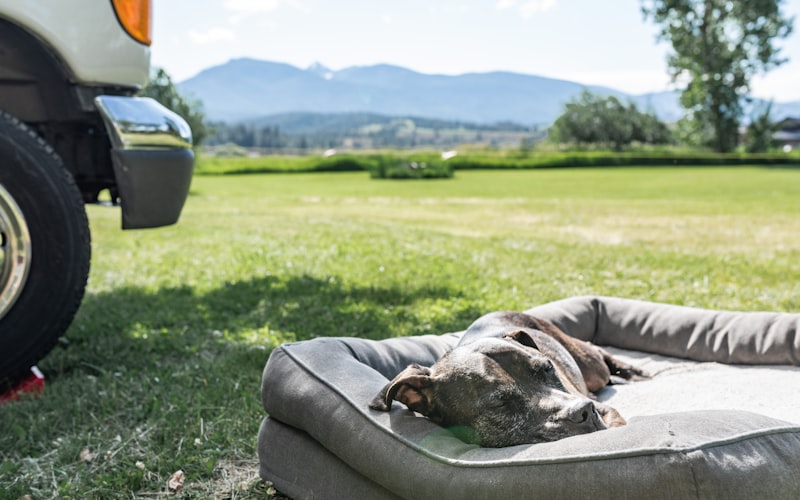
When you do travel with your pet, run the air conditioning before loading them in. Place a cooling mat on the seat or in the carrier, bring a portable water bowl, and offer water at every stop. For longer road trips, attach a car seat cover with a mesh window that allows airflow while protecting your upholstery.
If you see a pet locked in a hot car, call 911 or your local animal control immediately. In many states, Good Samaritan laws protect people who break a car window to rescue an animal in distress.
What Should You Know About Breed-Specific Heat Risks?
Not all pets handle heat equally. Understanding your specific pet's risk factors helps you tailor your cooling strategy.
Brachycephalic breeds -- Bulldogs, Pugs, Boston Terriers, Shih Tzus, Boxers, Persian cats, and Himalayans -- top the risk list. Their shortened airways make panting inefficient, so they overheat at temperatures other breeds tolerate. These pets should stay indoors in air conditioning on any day above 80 degrees.
Heavy-coated breeds like Huskies, Malamutes, and Saint Bernards carry thick double coats designed for cold climates. Regular brushing to remove loose undercoat is essential -- do not shave these breeds, as it removes UV protection and can cause sunburn. Giant breeds (Great Danes, Mastiffs) generate more body heat due to their mass and need shorter exercise sessions with ample cool-down time.
Senior pets and overweight animals are significantly more vulnerable regardless of breed. Their cardiovascular systems work harder to regulate temperature, and underlying health conditions compound the risk. If your senior pet needs a summer grooming routine, our guide on how to wash your dog at home covers gentle bathing techniques that help cool them down safely.
How Can You Keep Outdoor Pets Comfortable All Summer?
If your pet spends significant time outdoors, your setup needs to account for full-day heat management.
Start with shade. Keep in mind that shade shifts as the sun moves, so a spot shaded at 9 a.m. may be fully exposed by noon. Shade sails and covered patios provide more consistent coverage than a single tree. Place water stations in multiple shaded locations, use heavy tip-proof bowls, and refresh them at least twice a day.
Provide a way to cool off. A kiddie pool, sprinkler, or misting system gives dogs an active cooling option. Many dogs who will not willingly lie on a cooling mat will happily run through a sprinkler for 10 minutes.
Never tether or chain pets outdoors in summer. A tethered animal cannot move to shade as it shifts. If your dog must be contained outdoors, use a covered run or fenced area with multiple shade sources and water access.
Check outdoor surfaces too. Concrete and stone patios retain heat for hours after the sun passes. Grass is almost always cooler than hardscape, so prioritize access to lawn areas. For dogs who spend time in the yard, maintaining a clean outdoor environment also helps -- pet waste attracts flies and creates odor that intensifies in heat. Our guide on getting rid of pet odor in your home covers indoor and outdoor deodorizing strategies.
Frequently Asked Questions
Can you shave your dog to keep them cool in summer?
Single-coated dogs (Poodles, Maltese, Yorkshire Terriers) can be trimmed shorter for summer comfort. However, double-coated breeds (Huskies, Golden Retrievers, German Shepherds) should never be shaved. Their undercoat insulates against heat and protects skin from UV rays, and shaving can cause permanent coat damage. The best approach is regular brushing to remove loose undercoat. If you are also managing nail length during grooming sessions, our guide on how to trim your dog's nails at home pairs well with a summer grooming routine.
At what temperature is it too hot to walk your dog?
As a general guideline, if the air temperature is above 85 degrees Fahrenheit, exercise caution. Above 90 degrees, limit walks to 10 to 15 minutes and stick to grassy or shaded paths. The pavement test is your best tool: hold the back of your hand against the ground for five seconds. If you cannot hold it there comfortably, the surface will burn your dog's paw pads. Early morning before 8 a.m. and evening after 6 p.m. are the safest times for walks during summer.
Do fans help cool down dogs and cats?
Fans help dogs and cats to a limited degree. Since dogs cool primarily through panting (evaporation from the mouth) and cats cool through grooming (evaporation from wet fur), a fan that increases air circulation can enhance these processes. However, fans alone are not enough in extreme heat because pets do not sweat through their skin the way humans do. A fan combined with a cooling mat or damp towel is more effective than a fan alone.
How much extra water do pets need in summer?
Pets generally need 50 to 100 percent more water during hot weather. A healthy dog typically needs one ounce of water per pound of body weight daily -- so a 50-pound dog needs about 50 ounces normally and 75 to 100 ounces in summer heat. Cats need about 4 to 6 ounces daily and should be encouraged to drink more through fountains, wet food, and multiple fresh water stations. If you notice your pet drinking dramatically more or less than usual, consult your veterinarian.
Final Thoughts
Keeping your pets cool in summer does not require expensive gadgets or a complete lifestyle overhaul. It comes down to awareness, preparation, and a handful of consistent habits: providing constant water access, managing outdoor time around the heat of the day, creating cool resting spaces, and knowing the warning signs of heatstroke.
The investments that make the biggest difference are often the simplest -- a cooling mat, a kiddie pool, a portable water bottle for walks, and a schedule that keeps strenuous activity out of peak heat hours. These small changes protect your pet from a dangerous and entirely preventable condition.
If you are looking for more ways to keep your pets healthy and your household running smoothly, explore our guides on how to save money on pet care and making homemade dog treats for budget-friendly ideas that benefit both you and your furry family members.
Get weekly home tips that actually work
Join thousands of homeowners getting practical cleaning hacks, DIY fixes, and money-saving tips every week. Free, and you can unsubscribe anytime.

Written by
Beth SullivanFounder & Editor-in-Chief
Beth Sullivan is the founder of Practical Home Guides. With over a decade of hands-on experience tackling every home challenge imaginable, she started this site to share the practical, no-nonsense solutions she wishes she had found years ago. When she's not testing cleaning hacks or organizing pantries, you'll find her in the garden or working on her next DIY project.
Recommended Products
Looking for specific product recommendations? Check out our tested picks.

5 Best Dog Grooming Kits for Home Use (2026)
Save hundreds on groomer visits by doing it yourself. We compared the top dog grooming kits — here are the 5 best for different coat types and budgets.

Best Pet Hair Removers That Actually Work (2026)
We tested the most popular pet hair removers for furniture, clothes, and cars. Here are the 7 best picks that actually get the job done — from lint rollers to rubber brooms.
Related Articles
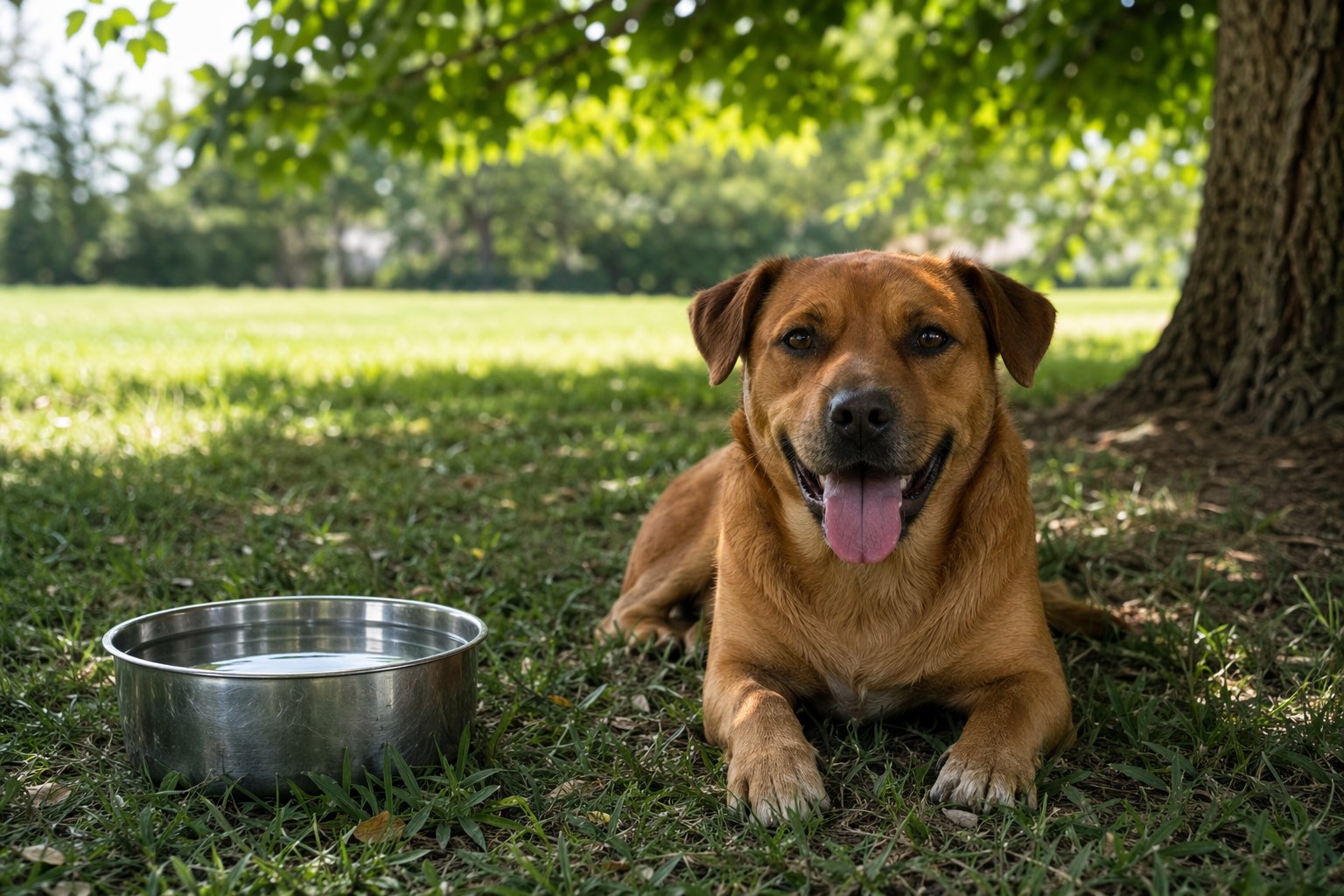
Pet Summer Safety: Heat Stress Prevention + Parasite Protection
A vet tech's summer playbook for keeping pets safe in 90°F-plus heat: hydration hacks, exercise timing, paw protection, plus tick and heartworm prevention through the dog days.
Spring Pet Yard Prep: 10-Point Safety Checklist Before Outdoor Season
A vet-tech-approved 10-point spring checklist to make your yard safe for pets: fencing, toxic plants, parasite prevention, water, shade, and the gear that actually helps.
How to Stop a Cat From Spraying (And Why They Start)
Cats spray for specific reasons — and identifying the cause is half the battle. Here's the vet-tech approach to stopping spraying without rehoming the cat.
Dog-Safe Spring Yard Checklist (Lawn Chemicals, Plants, and More)
Spring yard prep can poison your dog faster than you'd expect. Here's the checklist of toxic plants, lawn treatments, and seasonal hazards to remove before letting your dog roam.