Best Basement Dehumidifiers (2026 Buyer's Guide)
This article may contain affiliate links. If you make a purchase through these links, we may earn a small commission at no extra cost to you. Learn more
Quick Answer
Best Basement Dehumidifiers (2026 Buyer's Guide)
The best basement dehumidifier for most homes is the Frigidaire Gallery 50-pint with built-in pump — Energy Star certified, drains continuously without manual emptying, lasts 8+ years. For smaller damp areas, the hOmeLabs 35-pint is the budget pick. Skip cheap dehumidifiers under 200 dollars — compressors fail within 2 years.
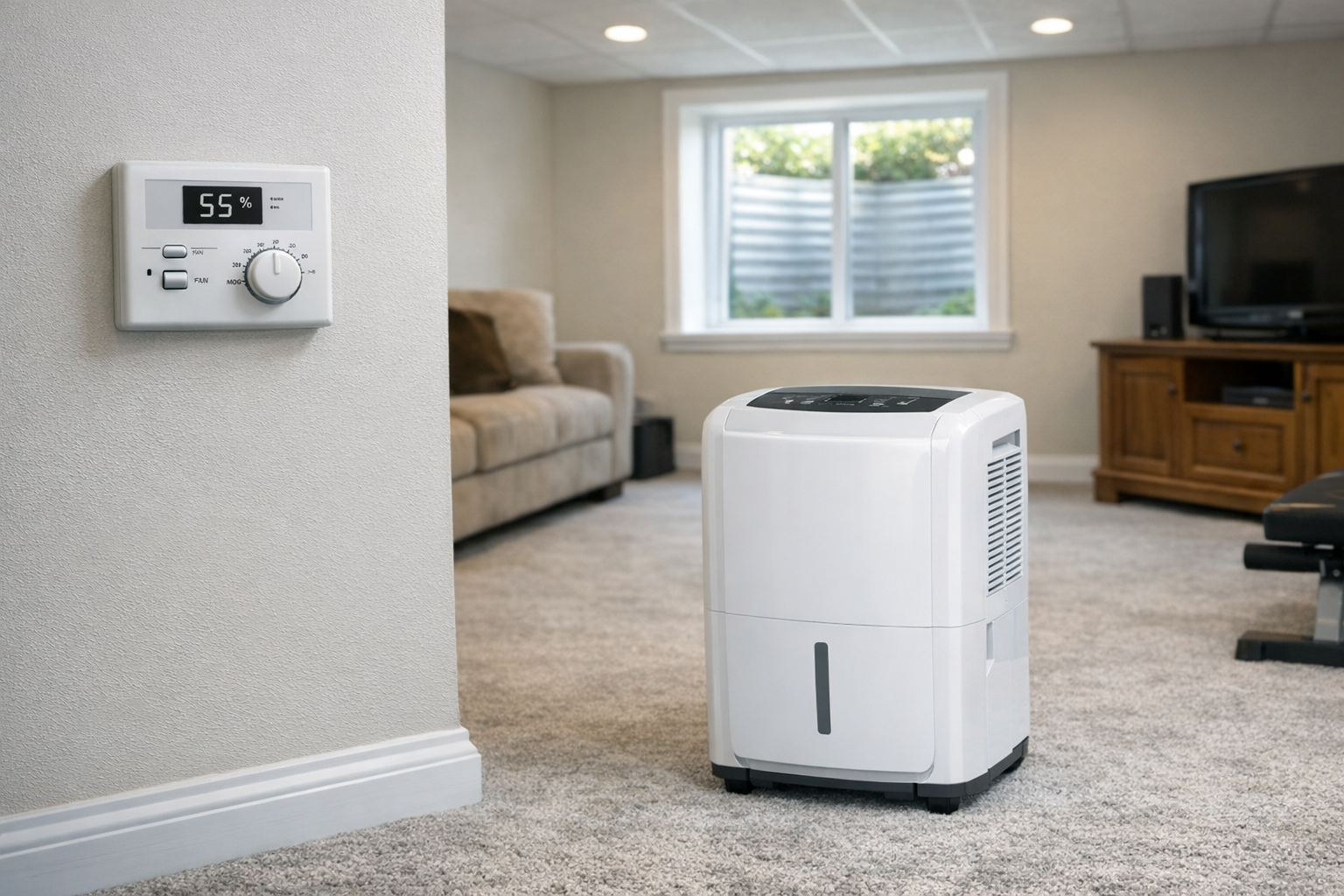
A damp basement is more than uncomfortable — it grows mold, ruins stored items, and damages the structure. The right dehumidifier solves it. The wrong one runs nonstop, costs a fortune in electricity, and dies in 2 years.
I install dehumidifiers in basements for a living. Here are the picks worth your money in 2026.
Quick Picks
- Best Overall: Frigidaire Gallery FGAC5044W1 50-Pint with Pump
- Best Budget: hOmeLabs 35-Pint Dehumidifier
- Best for Large Basements: Aprilaire 1850 Whole-House Dehumidifier
- Best for Crawlspaces: AlorAir Sentinel HDi65
- Best Quiet Room Pick: Midea Cube 50 Pint
The Picks in Detail
Frigidaire Gallery 50-Pint Dehumidifier with Built-In Pump
Energy Star certified, built-in pump for continuous drain anywhere (no need for floor drain), full bucket alert, washable filter. The unit I install most often.
Check Price on Amazon →The built-in pump is the killer feature. Most dehumidifiers either fill a bucket you have to empty constantly, or drain by gravity to a nearby drain. The pump pushes water uphill — into a sink, out a window, anywhere. Set and forget.
The Frigidaire is also the most reliable consumer brand I've installed. Lasts 8 to 10 years with light maintenance.
hOmeLabs 4500 Sq Ft 35-Pint Dehumidifier
Energy Star, washable filter, gravity drain port. Solid for smaller basements and damp rooms. Under 250 dollars.
Check Price on Amazon →The hOmeLabs 35-pint is the pick if your basement is on the smaller side or you can't justify the Frigidaire's price. No built-in pump, but the gravity drain port works fine if you have a floor drain or sump pump nearby.
Build quality is decent — expect 4 to 6 years of reliable service.
Aprilaire 1850 Whole-House Dehumidifier
Whole-house unit ducted into your HVAC. 95 pints/day capacity. The right call for finished basements over 2,500 square feet or chronic humidity issues.
Check Price on Amazon →For really big basements or homes with chronic humidity issues across multiple floors, a whole-house dehumidifier integrated with your HVAC system handles humidity invisibly. Doesn't take up floor space, runs quieter than a portable.
Requires HVAC professional installation — not DIY for most homeowners. But the long-term solution if your problem is the whole house.
AlorAir Sentinel HDi65 Crawlspace Dehumidifier
Designed for crawlspaces — low profile, ducted intake, automatic defrost for cold spaces. Industrial grade for permanent installation.
Check Price on Amazon →Crawlspaces need dehumidifiers built for cold damp continuous use. Consumer dehumidifiers freeze up below 50F. Crawlspace-specific units like the AlorAir handle the conditions.
If your crawlspace has chronic moisture, encapsulating with crawlspace vapor barrier plastic plus a dedicated dehumidifier is the gold standard solution.
Midea Cube 50 Pint Dehumidifier
Quiet operation, modern stackable design, integrated water tank that holds 19.4 pints (less frequent emptying). Right for finished basements where noise matters.
Check Price on Amazon →If your basement is finished and used as living space, the Midea Cube's quieter operation makes a real difference. The stackable design lets you raise the unit on top of the integrated water tank, which holds way more water than typical dehumidifier buckets.
How to Size a Dehumidifier
Size matters more than people realize. Undersized units run constantly and never catch up.
Rough sizing chart:
| Square Footage | Slightly Damp | Very Damp | Wet (Visible Moisture) |
|---|---|---|---|
| 500 sq ft | 30 pint | 35 pint | 50 pint |
| 1000 sq ft | 35 pint | 50 pint | 60 pint |
| 1500 sq ft | 45 pint | 55 pint | 70 pint |
| 2000 sq ft | 50 pint | 60 pint | 80 pint |
| 2500+ sq ft | 60 pint | 70 pint | Whole-house |
When in doubt, oversize. An oversized dehumidifier hits the target humidity faster, then cycles less often — uses less electricity overall.
Note: in 2019, Department of Energy testing standards changed. Old "70-pint" units became "50-pint" under the new test. The capacity is similar — just measured differently.
Where to Position the Dehumidifier
For best results:
- Center of the room (or central to the dampest area)
- At least 6 inches from walls (needs airflow around all sides)
- Off the floor on a vibration-isolating pad reduces noise
- Set up continuous drain to a floor drain or sump pump
Run with doors closed in the dehumidified space — otherwise you're just dehumidifying the whole house.
Set the Right Humidity Target
Optimal indoor humidity range: 40 to 50 percent. Below 40 percent feels uncomfortably dry. Above 60 percent grows mold.
Most dehumidifiers let you set a target. Set 45 to 50 percent for basements; 40 to 45 percent if you've had mold problems.
A separate hygrometer verifies the dehumidifier is working — built-in sensors can drift over time.
Maintenance That Doubles Lifespan
A dehumidifier needs minimal maintenance, but skipping it kills the unit fast:
- Clean the filter monthly during use — dust on the filter forces the compressor to work harder
- Wipe coils annually with a soft brush
- Empty bucket regularly even with continuous drain (some humidity bypasses the drain)
- Run on highest setting initially to dry out the space, then back off to maintenance setting
Common Mistakes
- Buying too small. A 30-pint unit can't dehumidify a wet 1500 sq ft basement. Size up.
- Setting humidity too low. 35 percent is unnecessarily low and uses more electricity. Stay at 45 to 50.
- No continuous drain. Emptying buckets daily means people stop using the dehumidifier. Plumb a continuous drain.
- Ignoring the source. A dehumidifier helps but doesn't fix water leaks, drainage problems, or grading issues outside the foundation.
When You Need More Than a Dehumidifier
Some basement moisture problems aren't solved by removing humidity from the air. They need to be solved at the source:
- Wet walls — exterior drainage and waterproofing
- Standing water — sump pump (and likely exterior drainage)
- Visible cracks with moisture — concrete sealing or foundation repair
- Musty smell that persists — possibly hidden mold, may need professional assessment
A dehumidifier is the right complement to fixing the source, not a replacement.
Frequently Asked Questions
How much electricity does a dehumidifier use?
A 50-pint Energy Star unit uses 600 to 900 watts when running. At average US electricity rates, that's about 7 to 11 cents per hour. A unit running 12 hours a day costs 25 to 40 dollars per month.
Can I drain a dehumidifier into a sump pump?
Yes — a continuous drain hose from the dehumidifier into the sump pit is a common setup. Just make sure the sump pump itself is working properly.
How long should a dehumidifier last?
Quality units (Frigidaire, GE, Aprilaire): 8 to 10 years. Budget units: 3 to 5. The compressor is the part that fails — once it does, repair often costs more than replacement.
Is it cheaper to run a dehumidifier than air conditioning?
Generally yes — a dehumidifier removes moisture without significant cooling. AC removes moisture as a side effect of cooling, which is more energy-intensive. In humid climates, running a dehumidifier in summer can let you raise the AC setting and still feel comfortable.
Final Thoughts
For most basements, the Frigidaire 50-pint with built-in pump is the right buy. Size up if your space is large or wet, and always plumb a continuous drain. Cheap dehumidifiers are false economy — they fail fast and cost more to run while they're working.
Get weekly home tips that actually work
Join thousands of homeowners getting practical cleaning hacks, DIY fixes, and money-saving tips every week. Free, and you can unsubscribe anytime.

Written by
Marcus ChenDIY & Home Repair Editor
Marcus Chen spent fifteen years as a licensed general contractor in the Pacific Northwest before joining Practical Home Guides full time. He specializes in plumbing, electrical, and weekend warrior projects that save homeowners thousands. Marcus has personally tested every tool he recommends in his own century-old fixer-upper.
Recommended Products
Looking for specific product recommendations? Check out our tested picks.
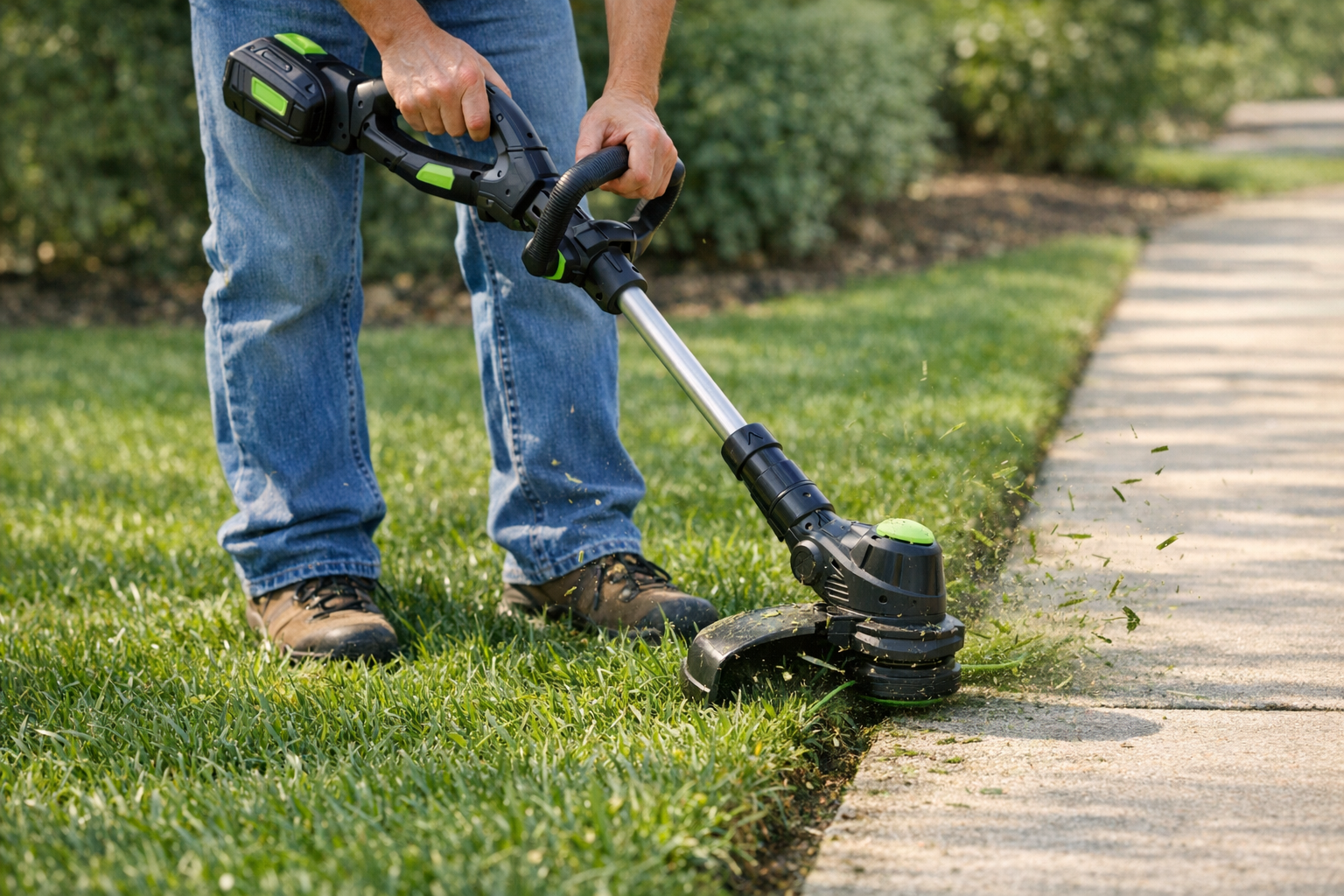
Best Cordless String Trimmers (2026 Tested)
Battery-powered string trimmers have caught up to gas. We tested the top models on bermuda, fescue, and overgrown areas to find the picks worth your money.
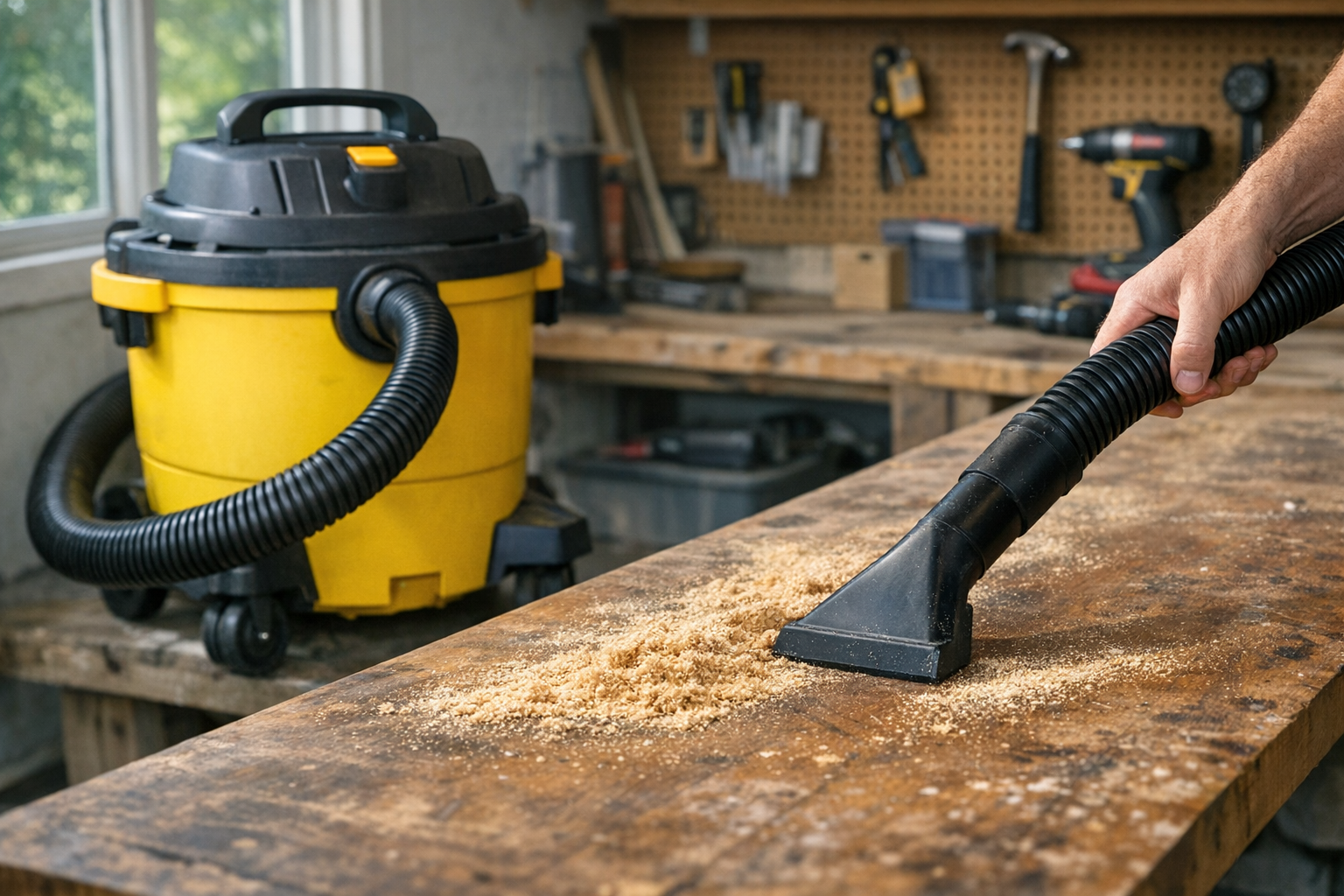
Best Wet/Dry Shop Vacs (2026 Tested)
Whether you need to clean a flooded basement, dust the garage, or pick up workshop debris, here are the wet/dry shop vacs worth the money.
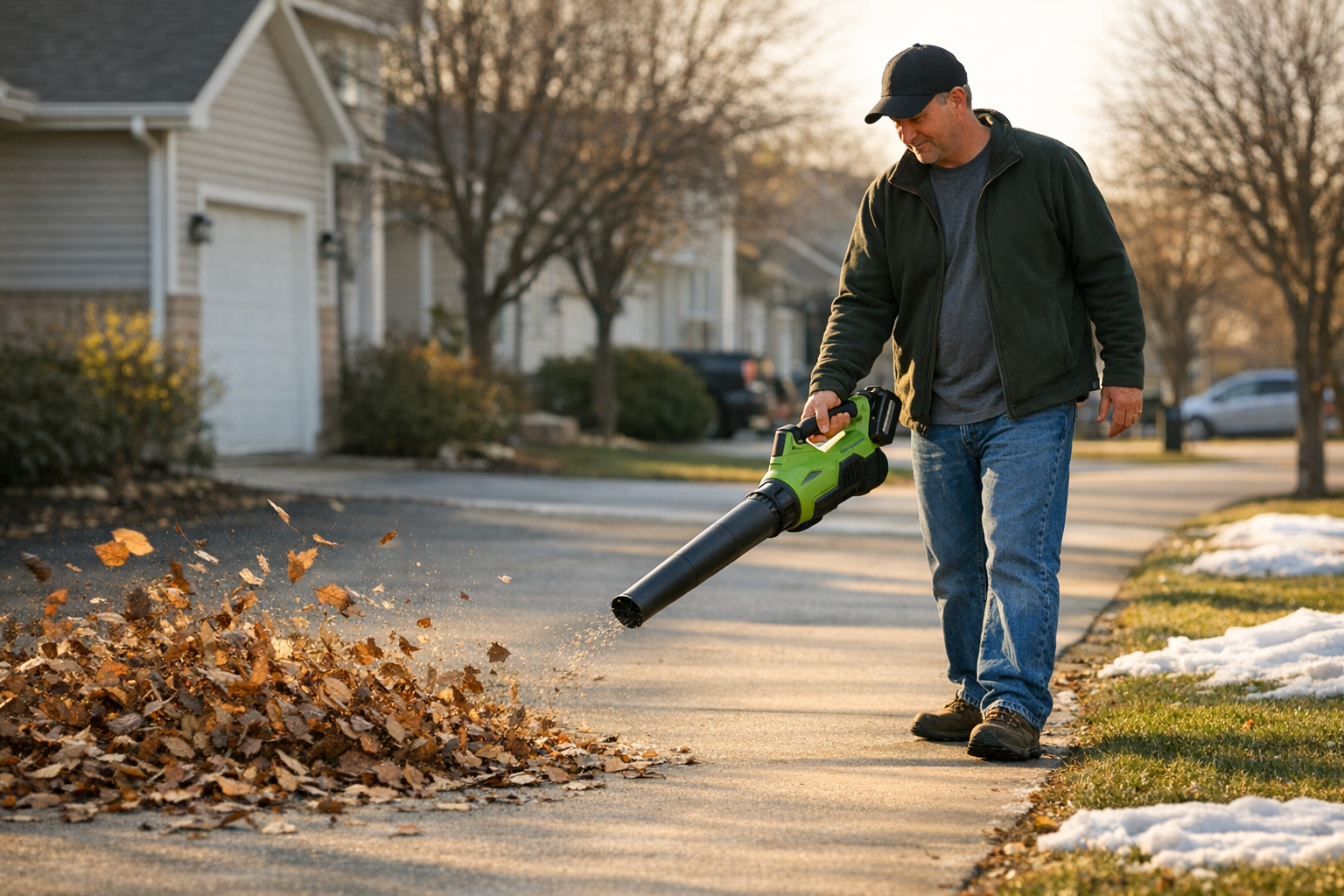
Best Electric Leaf Blowers (2026 Buyer's Guide)
Cordless and corded electric leaf blowers tested for power, runtime, and noise. Our picks for small yards, large yards, and pro-grade home use.
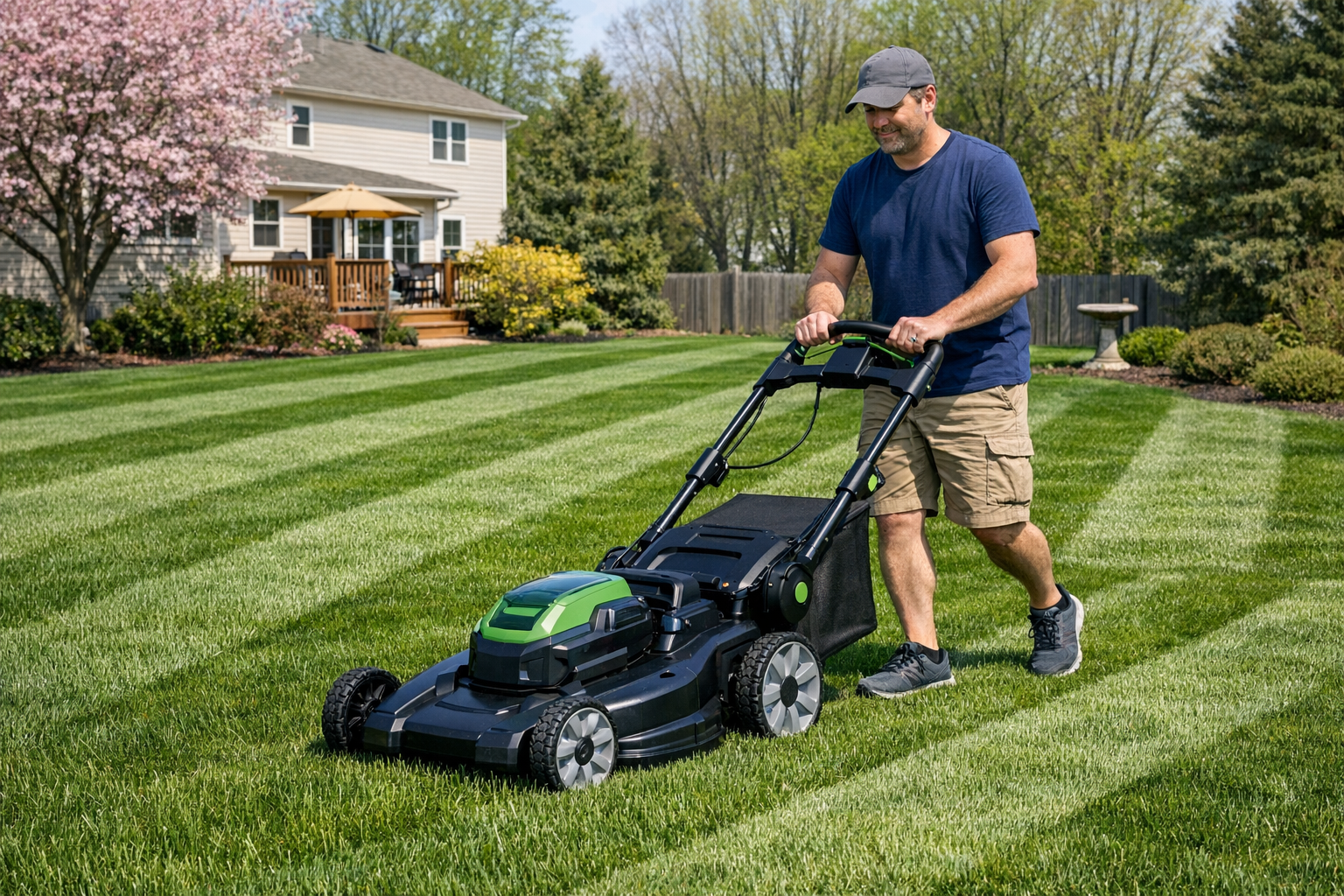
Best Cordless Lawn Mowers (2026 Spring Buyer's Guide)
Battery-powered mowers have caught up to gas. We tested the top cordless mowers on grass length, slopes, and runtime to find the picks worth your money.

5 Best Cordless Drills for Homeowners (2026)
Find the right cordless drill for home projects without overspending. We compared the top drills for DIYers — here are the 5 best for everyday home use.
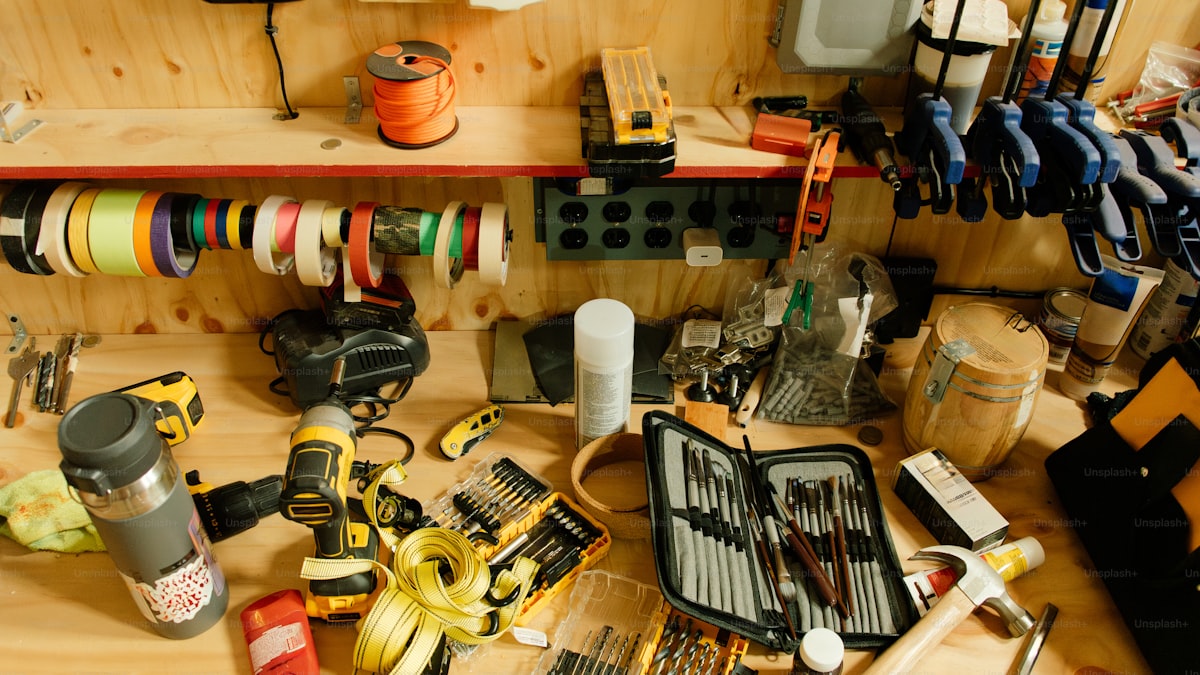
Best Home Tool Kits for Beginners (2026)
The best home tool kits for new homeowners and renters. We compare 6 tool sets from basic to comprehensive, so you can handle common repairs without calling a handyman.
Related Articles

How to Paint a Front Door (Pro-Quality Result in One Afternoon)
A fresh-painted front door is the highest-impact curb appeal upgrade. Here's the step-by-step that gets a smooth pro finish in 4 hours — no peeling, no brush marks.
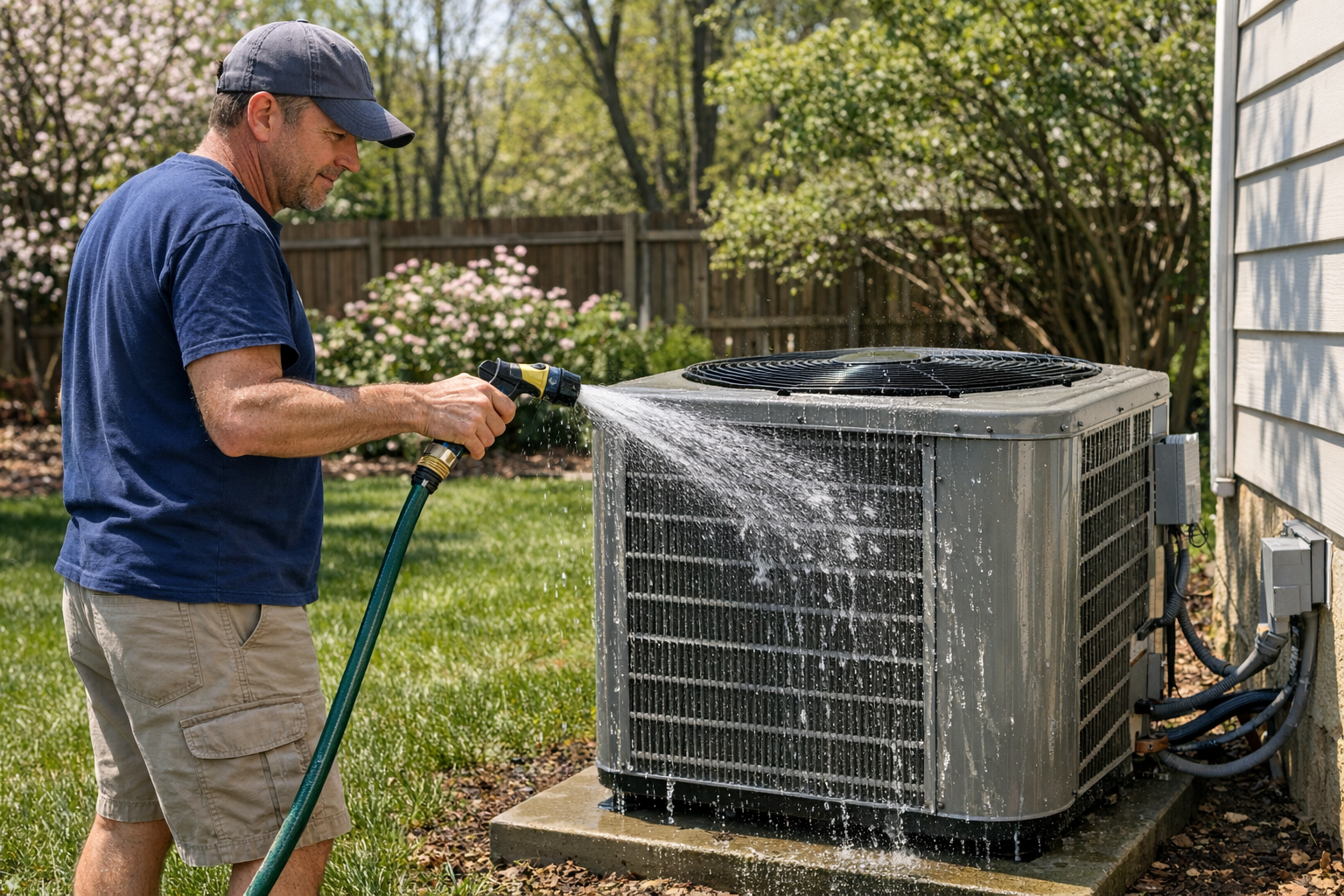
How to Prevent Summer AC Breakdowns (April Tune-Up Checklist)
Most AC failures happen in the first 90F week. A 30-minute April tune-up prevents 80 percent of those breakdowns and extends the unit's life by years.
Best Cordless String Trimmers (2026 Tested)
Battery-powered string trimmers have caught up to gas. We tested the top models on bermuda, fescue, and overgrown areas to find the picks worth your money.
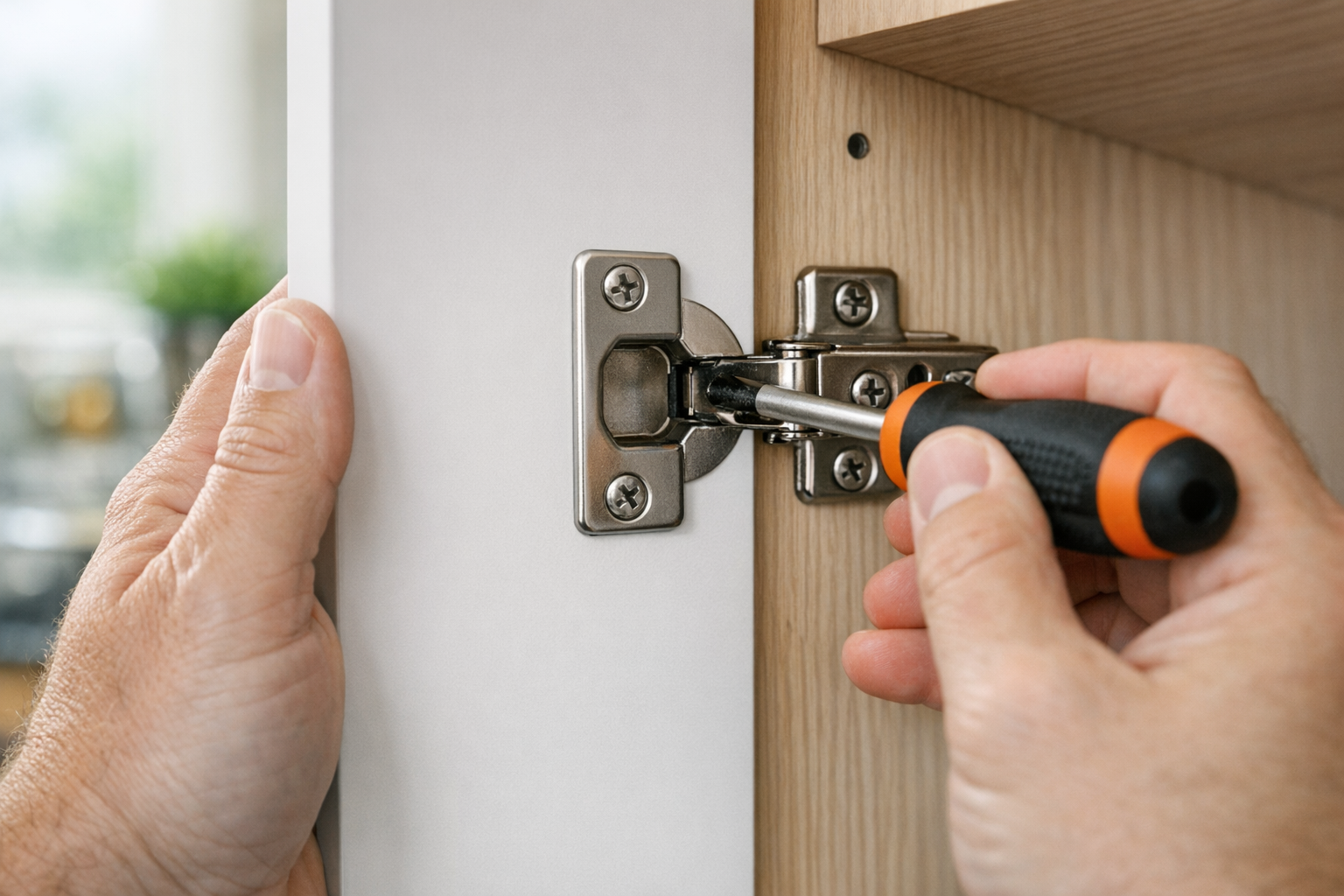
How to Fix Sticky Kitchen Cabinet Doors (Without Replacing Hardware)
Cabinet doors that bind, rub, or won't close all the way are almost always a hinge adjustment problem. Here's the 10-minute fix.