5 Best Cordless Drills for Homeowners (2026)
This article may contain affiliate links. If you make a purchase through these links, we may earn a small commission at no extra cost to you. Learn more
Quick Answer
5 Best Cordless Drills for Homeowners (2026)
The best cordless drill for homeowners is the DeWalt DCD771C2 20V MAX for its reliable performance, lightweight design, and excellent battery life — all for around $100. For lighter tasks like hanging shelves and assembling furniture, the BLACK+DECKER 20V MAX saves you money at around $50. If you want a drill that grows with your skill level, the Milwaukee M18 offers professional-grade power with a battery system that works across 200+ tools.
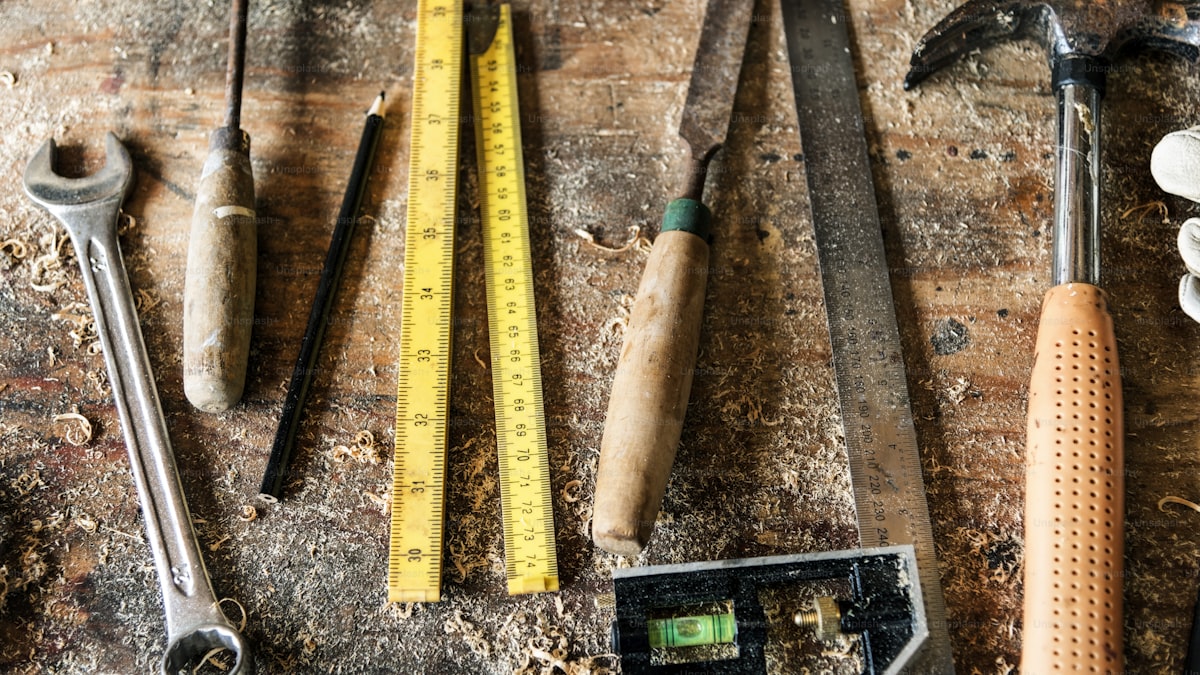
A cordless drill is arguably the single most useful power tool a homeowner can own. It drives screws, drills holes, and handles tasks that would take five times longer with a manual screwdriver. Whether you are fixing a loose door handle, mounting a TV bracket, assembling flat-pack furniture, or building a raised garden bed on a budget, a cordless drill makes the job faster, easier, and less frustrating.
The problem is choosing one. Walk into any hardware store or scroll Amazon and you will find hundreds of options ranging from $30 budget models to $300 professional kits. For homeowners, most of those options are either too weak to be useful or too powerful and expensive for what you actually need. The sweet spot for home use sits between $50 and $180 -- enough to get a reliable motor, decent battery life, and the torque to handle 95% of household projects.
We compared over a dozen cordless drills across that range, focusing on what matters most for homeowners: enough power for everyday tasks, comfortable weight for extended use, battery life that lasts through a full project, and a price that makes sense when you are not using it every day on a job site. Here are the five best cordless drills for homeowners in 2026.
Quick Comparison
| Product | Best For | Price Range | Key Feature |
|---|---|---|---|
| DeWalt DCD771C2 20V MAX | Best Overall | $90-$110 | 300 UWO power output |
| Milwaukee M18 Compact Drill | Serious DIYers | $130-$170 | 500 in-lbs torque |
| BLACK+DECKER 20V MAX | Budget Pick | $45-$60 | Lightweight at 3.4 lbs |
| Bosch PS31-2A 12V | Compact/Lightweight | $100-$130 | Only 2.1 lbs |
| Ryobi ONE+ HP 18V | Battery Ecosystem | $70-$100 | Compatible with 300+ tools |
1. DeWalt DCD771C2 20V MAX -- Best Overall
The DeWalt DCD771C2 has earned its reputation as the go-to cordless drill for homeowners, and after testing it against everything else in this price range, we understand why. It delivers 300 units watts out (UWO) of power, which translates to enough torque to drive 3-inch deck screws into softwood without straining and drill clean holes through hardwood, drywall, and light metal. The two-speed transmission gives you a low-speed setting (0-450 RPM) for driving screws with precision and a high-speed setting (0-1,500 RPM) for drilling holes quickly.
At 3.6 pounds with the battery attached, it is light enough to use overhead without your arm giving out after two minutes. The ergonomic grip feels natural and the balance point sits close to your hand, which reduces wrist fatigue on longer projects. DeWalt includes two 20V MAX lithium-ion batteries in the kit, so you can keep working while one charges. Each battery provides roughly 30 to 45 minutes of intermittent use, and the charger gets them back to full in about an hour.
The half-inch single-sleeve ratcheting chuck locks bits securely and makes swapping between drill bits and driver bits quick and tool-free. The 16-position clutch allows you to dial in exactly the right torque for delicate work -- like driving screws into a fix loose door handle project without stripping the screw or cracking the hardware. For around $100, this kit gives you everything you need to handle household drilling and driving tasks for years.
What we like:
- Two batteries included so you always have one ready to go
- Two-speed transmission handles both driving and drilling with ease
- 16-position clutch prevents overdriving screws on delicate work
- Lightweight and well-balanced for comfortable extended use
What could be better:
- The 20V MAX batteries are on the smaller side (1.3 Ah) and drain faster on heavy tasks
- No brushless motor, so it runs slightly less efficiently than pricier models
- LED light position could be better -- it sits above the trigger rather than at the base of the chuck
Best for: Any homeowner who wants a reliable, proven drill that handles the vast majority of household projects without overcomplicating things or overspending.

2. Milwaukee M18 Compact Drill -- Best for Serious DIYers
If you have caught the DIY bug and find yourself tackling bigger projects -- building shelves, framing a closet, or working through a list from your best home tool kits for beginners -- the Milwaukee M18 is the drill that will grow with you. It puts out 500 inch-pounds of torque, which is noticeably more than the DeWalt and enough to drive lag bolts and bore large-diameter holes through dimensional lumber without bogging down.
The M18 uses a brushless motor in its newer configurations, which means it runs cooler, lasts longer, and converts more battery power into actual drilling force. At 3.8 pounds it is only marginally heavier than the DeWalt, but the extra torque is immediately obvious when you squeeze the trigger. The all-metal chuck and gear train inspire confidence -- this tool is built to handle weekend warrior abuse for a decade or more.
What really sets Milwaukee apart is the M18 battery platform. Those same 18V batteries power over 200 other tools in the Milwaukee lineup, from impact drivers and circular saws to inflators and work lights. If you start with the drill and later decide you need a reciprocating saw to cut through an old pipe or an oscillating multi-tool for trim work, you just buy the bare tool and use the batteries you already own. That ecosystem saves serious money over time and makes the higher upfront cost a smart investment for anyone planning to build out their tool collection.
What we like:
- 500 in-lbs of torque handles demanding projects that lesser drills cannot
- Brushless motor runs efficiently and extends battery and tool life
- M18 battery platform works across 200+ tools for long-term savings
- All-metal chuck and gearing built for durability
What could be better:
- Higher price point than what most occasional users need to spend
- Kit configurations vary widely, so check which batteries are included
- Slightly heavier than the most compact options on this list
Best for: Homeowners who tackle frequent or ambitious projects and want a drill that performs at a professional level without needing a professional budget.
3. BLACK+DECKER 20V MAX -- Best Budget
Not every homeowner needs 500 inch-pounds of torque. If your drill use consists of hanging picture frames, assembling furniture, tightening cabinet hardware, and the occasional shelf bracket, the BLACK+DECKER 20V MAX does everything you need at a price that is hard to argue with. At around $45 to $60 for a complete kit with battery and charger, it costs less than a single visit from a handyman.
The drill delivers 115 inch-pounds of torque and spins up to 750 RPM -- modest numbers on paper, but perfectly adequate for screws in drywall, softwood, and pre-drilled holes. The 24-position clutch gives you fine control over how much torque reaches the screw, which is especially helpful when working with delicate materials or small fasteners. At just 3.4 pounds with the battery, it is light enough that anyone in the household can pick it up and use it comfortably.
The 20V MAX lithium-ion battery holds a charge for up to 18 months in storage, which is a real advantage for homeowners who might go weeks between uses. You pull it out of the closet, and it is ready to go. The built-in LED work light illuminates your work area, and the 3/8-inch chuck accepts standard bits. It will not power through hardwood or drive 3-inch screws into deck joists, but for the everyday tasks that make up 80% of home repairs, this drill punches well above its price.
What we like:
- Outstanding value -- complete kit for around $50
- Lightweight and easy to handle for all skill levels
- 24-position clutch provides precise torque control
- Battery holds charge for up to 18 months in storage
What could be better:
- Limited torque means it struggles with hardwood and heavy-duty tasks
- Single-speed motor lacks the versatility of two-speed models
- 3/8-inch chuck will not accept larger drill bits
Best for: Homeowners who need a drill for occasional light-duty tasks and do not want to spend more than they have to.
4. Bosch PS31-2A 12V -- Best Compact/Lightweight
The Bosch PS31-2A proves that smaller does not have to mean weaker. At just 2.1 pounds with the battery attached, it is the lightest drill on this list by a significant margin, and yet it still delivers 265 inch-pounds of torque -- enough for the vast majority of household tasks. The compact size is not just a comfort feature. It lets you work in tight spaces like inside cabinets, behind toilets, or in electrical boxes where a full-size drill simply will not fit.
Bosch achieves this compactness by using a 12V battery platform instead of the 18V or 20V systems that the other drills on this list use. The trade-off is slightly less peak power and shorter run time per charge, but the included two-pack of 12V batteries mitigates the run-time concern. Each battery provides around 20 to 30 minutes of intermittent use, and swapping takes just a couple of seconds. The 20+1 torque settings and two-speed transmission (0-350 RPM low, 0-1,300 RPM high) give you the same versatility as larger drills.
The build quality is distinctly Bosch -- tight tolerances, smooth gear changes, and a 3/8-inch three-jaw chuck that grips bits firmly. The integrated LED light sits right above the chuck, exactly where it should be, illuminating the work surface directly. For homeowners who want a drill that feels effortless to use and stores easily in a kitchen drawer or small toolbox, the PS31 is the clear winner. It pairs beautifully with a beginner tool kit as a lightweight power upgrade.
What we like:
- Incredibly light at 2.1 lbs -- virtually no wrist fatigue even on long projects
- Compact enough to fit into tight spaces larger drills cannot reach
- Two batteries included for uninterrupted work
- 20+1 clutch settings and two-speed transmission offer excellent control
What could be better:
- 12V platform has less peak power than 18V/20V competitors
- Shorter battery life per charge compared to higher-voltage models
- 3/8-inch chuck limits maximum bit size
Best for: Homeowners who prioritize comfort and maneuverability, especially anyone with smaller hands, limited grip strength, or lots of tight-space work.
5. Ryobi ONE+ HP 18V -- Best Battery Ecosystem
Ryobi has built something no other brand in this price range can match: a battery ecosystem so large that choosing their drill is really choosing an entire tool platform. The ONE+ system powers over 300 tools -- from drills and saws to glue guns, fans, and even a portable power station -- all using the same 18V battery. If you buy this drill today and a circular saw next month, you already own the battery. That adds up to hundreds of dollars in savings over time.
The HP version of the ONE+ drill uses a brushless motor that produces up to 500 inch-pounds of torque, putting it in the same performance class as the Milwaukee M18 at a lower price point. It weighs about 3.2 pounds with the compact battery and features a 24-position clutch, two-speed transmission (0-450 RPM and 0-1,800 RPM), and a half-inch keyless chuck. The high-speed setting at 1,800 RPM is the fastest on this list, which means cleaner holes and quicker drilling through harder materials.
Ryobi tools are sold exclusively through The Home Depot, which means you can walk into a store and hold the drill before you buy it -- a real advantage over online-only brands. The downside is you will not find Ryobi deals on Amazon. The starter kit usually includes the drill, one or two batteries, a charger, and a carrying bag. For someone just beginning to build a tool collection and planning to add more cordless tools over time, the sheer breadth of the Ryobi ONE+ ecosystem makes it a compelling choice that no other brand in this price range can match.
What we like:
- Massive 300+ tool ecosystem all running on the same battery
- Brushless motor delivers strong 500 in-lbs torque at a competitive price
- Fastest max RPM on this list at 1,800 for clean, quick drilling
- Half-inch chuck accepts a wider range of drill bits
What could be better:
- Only available at The Home Depot, limiting where you can shop
- Build quality is good but a step below Milwaukee and Bosch at a component level
- Battery life varies significantly depending on which Ryobi battery you use (1.5 Ah vs 4.0 Ah)
Best for: Homeowners who plan to expand their cordless tool collection over time and want the widest range of compatible tools at an affordable price.
How to Choose the Right Cordless Drill
With dozens of specs and marketing claims thrown at you, choosing a drill can feel more complicated than it needs to be. Here are the four things that actually matter for homeowners.
Voltage and Power
Voltage is a rough indicator of a drill's power potential. For home use, 12V drills handle light to moderate tasks comfortably. 18V and 20V drills (which are actually the same -- 20V MAX is the peak voltage measurement, while 18V is the nominal rating) provide more torque and power for demanding work. If you mostly drive screws and drill small holes, 12V is enough. If you want to tackle a wider range of projects, 18V/20V gives you more headroom.
Chuck Size
Cordless drills come with either a 3/8-inch or 1/2-inch chuck. The chuck is what holds the drill bit, and its size determines the maximum bit shank diameter it can accept. A 3/8-inch chuck handles most standard drill bits and is common on compact and budget drills. A 1/2-inch chuck accepts larger bits and provides a stronger grip, making it the better choice if you plan to drill larger holes or use spade bits and hole saws.
Battery Type and Capacity
Every drill on this list uses lithium-ion batteries, which are lighter, charge faster, and hold their charge longer than the older nickel-cadmium batteries you might find on clearance models. Battery capacity is measured in amp-hours (Ah). A 1.5 Ah battery is lighter and fine for quick tasks. A 3.0 Ah or 4.0 Ah battery lasts much longer but adds weight. Many kits include smaller batteries to keep the price down -- buying a higher-capacity battery separately later is a common and worthwhile upgrade.
Brushed vs. Brushless Motors
Brushless motors are more efficient, generate less heat, and last longer than brushed motors. They also deliver more power from the same battery. The trade-off is cost -- brushless drills typically run $20 to $50 more than their brushed equivalents. For occasional home use, a brushed motor is perfectly fine. If you plan to use your drill frequently or want every minute of battery life you can get, brushless is worth the premium.
Frequently Asked Questions
What voltage cordless drill do I need for home use?
For most homeowners, an 18V or 20V MAX drill provides the best balance of power and versatility. It can handle everything from hanging curtain rods to drilling into studs for fixing a loose door handle or mounting heavy shelves. A 12V drill like the Bosch PS31 is sufficient if your tasks are primarily light-duty -- assembling furniture, small repairs, and working in tight spaces. Avoid drills under 12V, as they lack the torque for anything beyond the most basic tasks.
How much should I spend on a cordless drill?
Homeowners get the best value in the $50 to $150 range. Below $50, you risk getting a drill that struggles with basic tasks or dies after a year. Above $150, you are paying for professional features that most homeowners will never use. The DeWalt DCD771C2 at around $100 represents the sweet spot -- reliable performance, solid build quality, and a proven track record without any unnecessary extras. Refer to our best home tool kits for beginners guide if you need a drill as part of a complete starter setup.
Can I use a cordless drill as a screwdriver?
Absolutely, and this is actually how most homeowners use their drill the majority of the time. Use the clutch setting to control torque -- start at a lower number and increase until the screw drives in flush without stripping. The low-speed setting on a two-speed drill gives you more control for driving screws. Make sure you have a set of basic driver bits (Phillips #1 and #2, flat head, and a few star/Torx sizes) and you can handle nearly any fastener in your home.
How long do cordless drill batteries last?
Lithium-ion batteries typically last 3 to 5 years or 300 to 500 charge cycles before they start losing noticeable capacity. In practical terms, a homeowner who uses their drill a few times a month can expect the original batteries to last the better part of a decade. To maximize battery lifespan, store them in a cool and dry place, avoid leaving them on the charger indefinitely after they are full, and do not let them drain completely to zero. When a battery does eventually wear out, replacements are widely available and cost $20 to $60 depending on the brand and capacity.
Final Verdict
For most homeowners, the DeWalt DCD771C2 20V MAX is the best cordless drill you can buy. It has the right combination of power, weight, battery life, and price for everyday home projects. Two included batteries mean you are never stuck waiting for a charge, and the 16-position clutch gives you the control to handle delicate work without damaging materials.
If budget is your primary concern, the BLACK+DECKER 20V MAX does the essentials for about half the price. It will not win any torque contests, but for light tasks around the house, it is all most people need.
If you are a more ambitious DIYer who plans to expand your tool collection, choose between the Milwaukee M18 for its professional-grade build quality or the Ryobi ONE+ HP for its unmatched battery ecosystem. Both offer the power to handle serious projects, but Ryobi gives you more options down the road while Milwaukee gives you more durability per tool.
And if comfort and compactness matter most -- whether due to tight workspaces, smaller hands, or simply preferring a lighter tool -- the Bosch PS31-2A 12V is in a class by itself at just over two pounds.
No matter which drill you choose, owning one immediately expands what you can accomplish around your home. Pair it with a basic tool kit and you will be equipped to handle the majority of household repairs and projects on your own -- saving money on every handyman call you no longer need to make.
Get weekly home tips that actually work
Join thousands of homeowners getting practical cleaning hacks, DIY fixes, and money-saving tips every week. Free, and you can unsubscribe anytime.

Written by
Beth SullivanFounder & Editor-in-Chief
Beth Sullivan is the founder of Practical Home Guides. With over a decade of hands-on experience tackling every home challenge imaginable, she started this site to share the practical, no-nonsense solutions she wishes she had found years ago. When she's not testing cleaning hacks or organizing pantries, you'll find her in the garden or working on her next DIY project.
Recommended Products
Looking for specific product recommendations? Check out our tested picks.
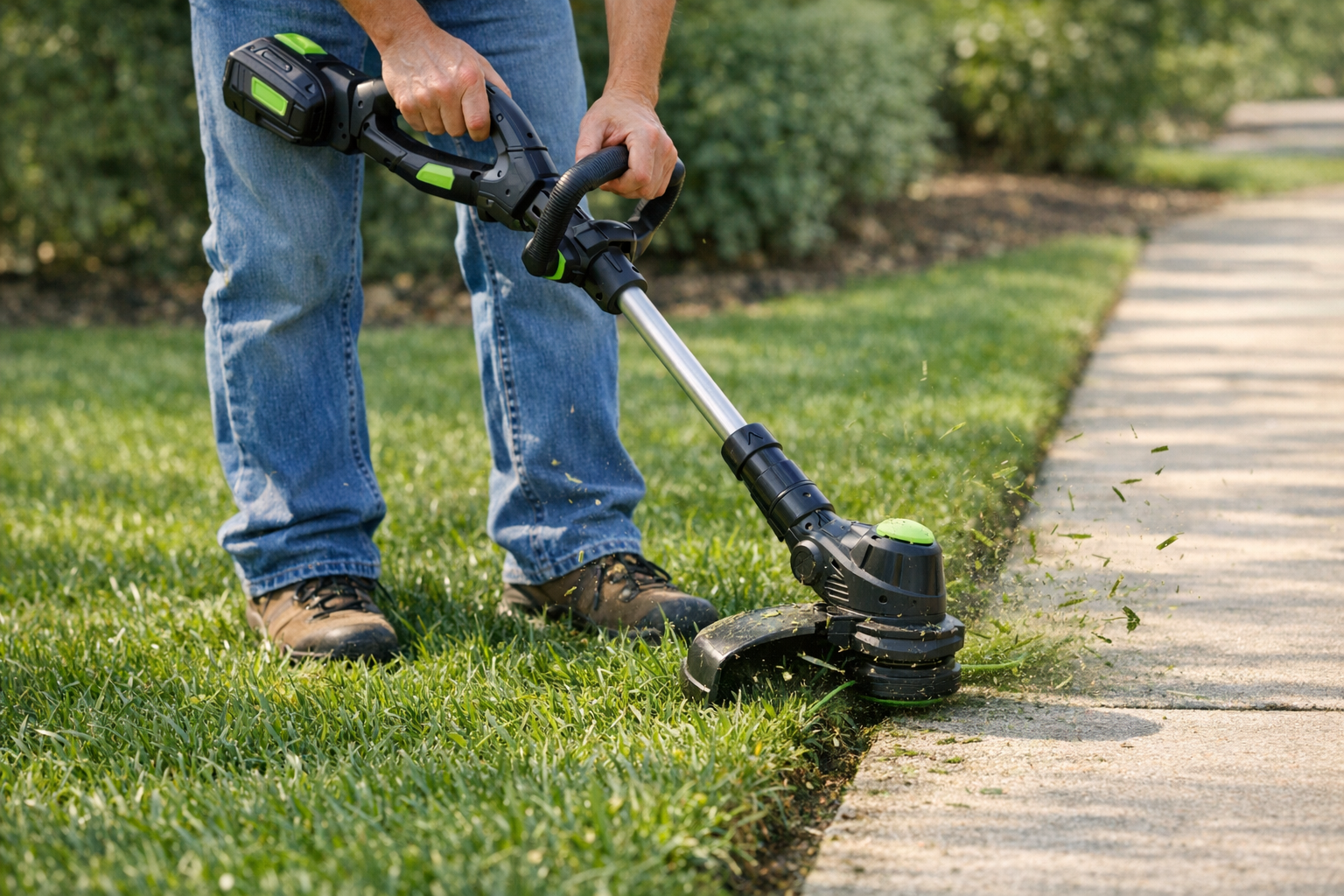
Best Cordless String Trimmers (2026 Tested)
Battery-powered string trimmers have caught up to gas. We tested the top models on bermuda, fescue, and overgrown areas to find the picks worth your money.
Best Basement Dehumidifiers (2026 Buyer's Guide)
Damp basements destroy stored items, grow mold, and stink. We tested dehumidifiers for capacity, durability, and energy use to find the picks worth the money.
Best Wet/Dry Shop Vacs (2026 Tested)
Whether you need to clean a flooded basement, dust the garage, or pick up workshop debris, here are the wet/dry shop vacs worth the money.
Best Electric Leaf Blowers (2026 Buyer's Guide)
Cordless and corded electric leaf blowers tested for power, runtime, and noise. Our picks for small yards, large yards, and pro-grade home use.
Best Cordless Lawn Mowers (2026 Spring Buyer's Guide)
Battery-powered mowers have caught up to gas. We tested the top cordless mowers on grass length, slopes, and runtime to find the picks worth your money.
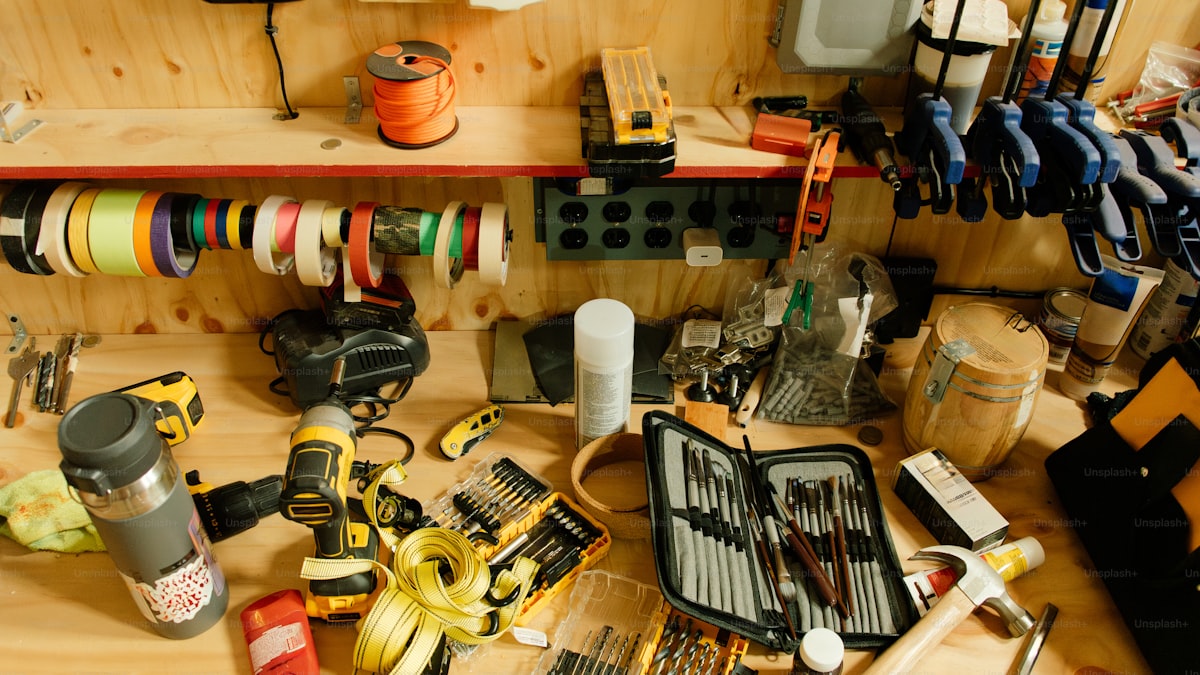
Best Home Tool Kits for Beginners (2026)
The best home tool kits for new homeowners and renters. We compare 6 tool sets from basic to comprehensive, so you can handle common repairs without calling a handyman.
Related Articles

How to Paint a Front Door (Pro-Quality Result in One Afternoon)
A fresh-painted front door is the highest-impact curb appeal upgrade. Here's the step-by-step that gets a smooth pro finish in 4 hours — no peeling, no brush marks.
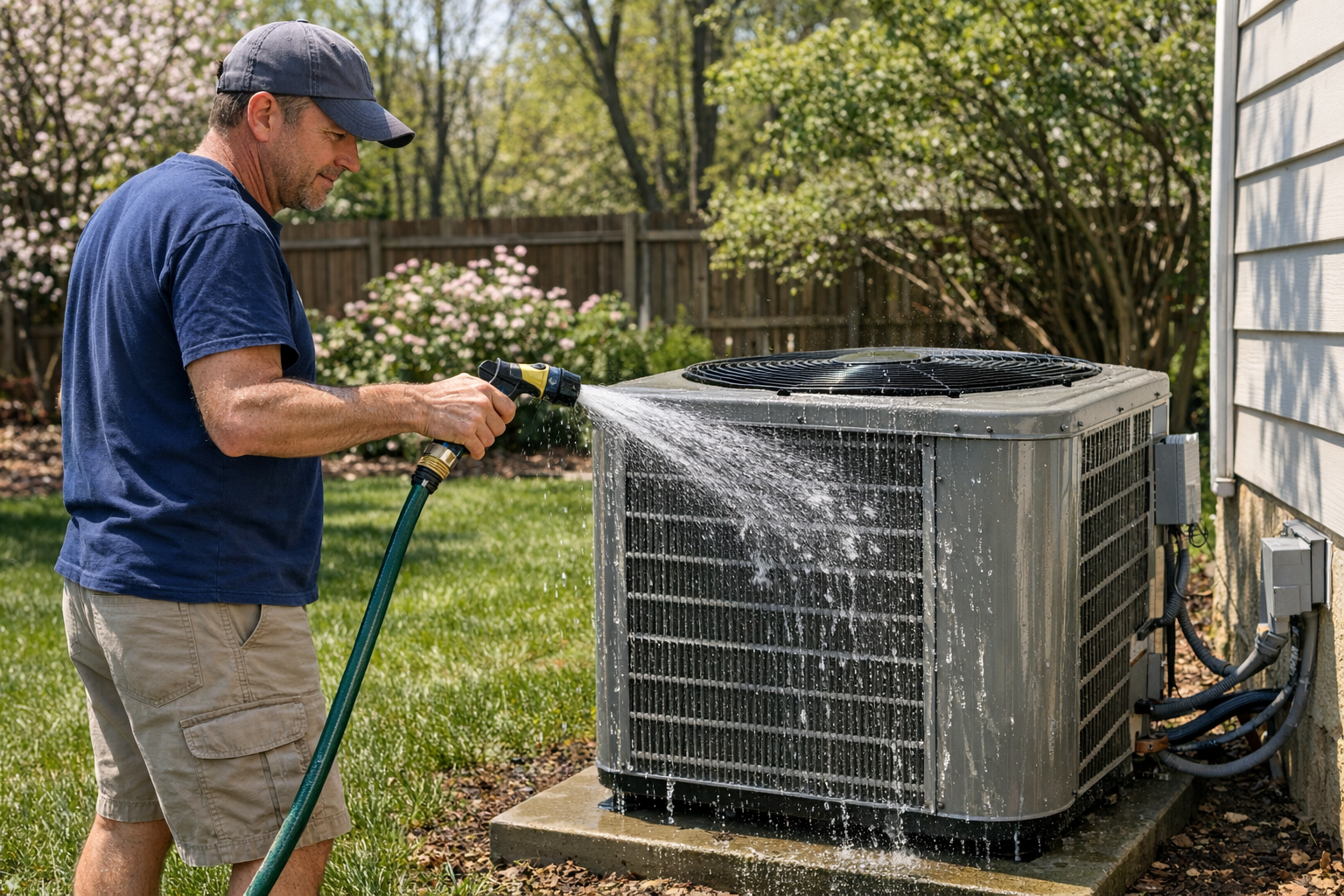
How to Prevent Summer AC Breakdowns (April Tune-Up Checklist)
Most AC failures happen in the first 90F week. A 30-minute April tune-up prevents 80 percent of those breakdowns and extends the unit's life by years.
Best Cordless String Trimmers (2026 Tested)
Battery-powered string trimmers have caught up to gas. We tested the top models on bermuda, fescue, and overgrown areas to find the picks worth your money.
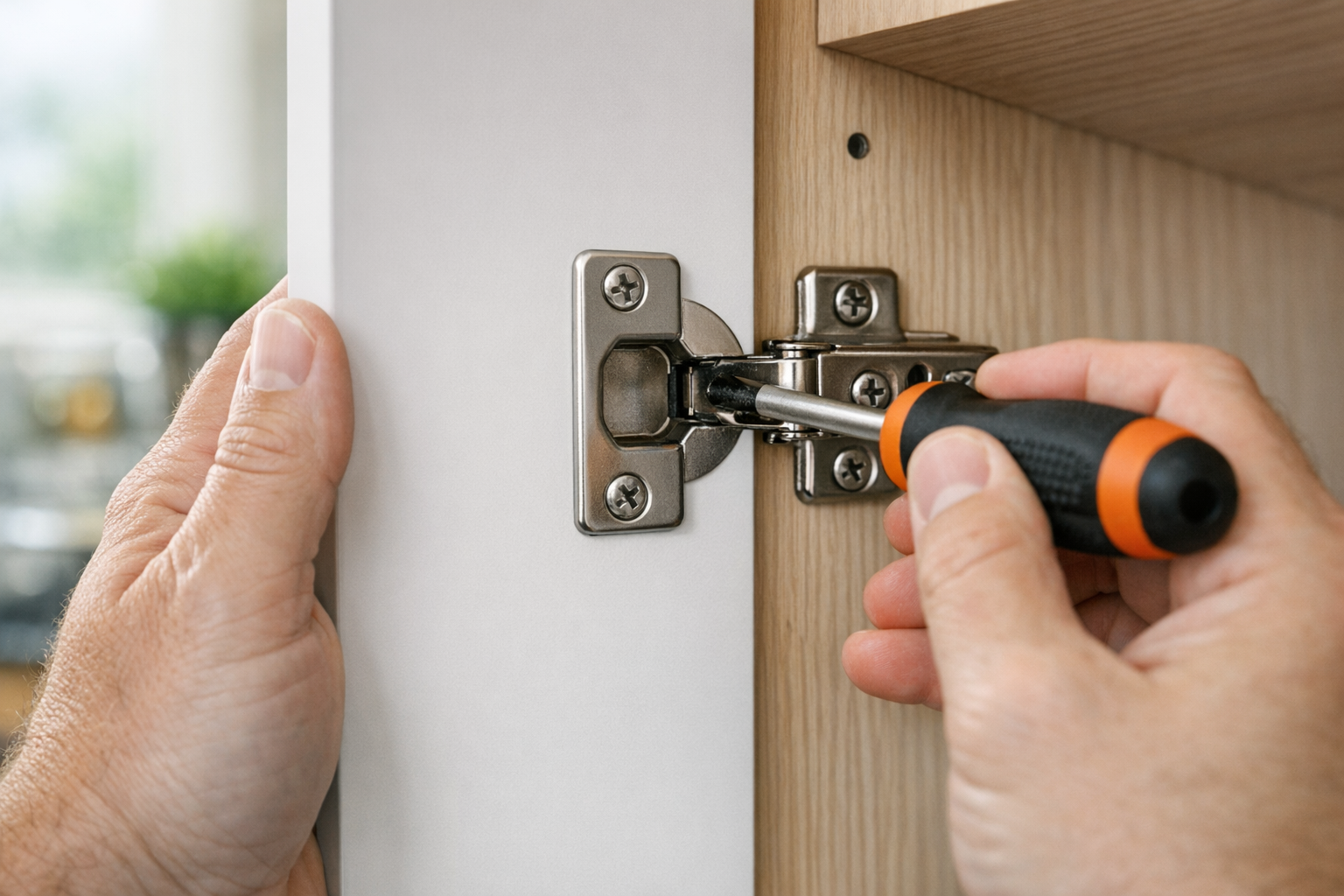
How to Fix Sticky Kitchen Cabinet Doors (Without Replacing Hardware)
Cabinet doors that bind, rub, or won't close all the way are almost always a hinge adjustment problem. Here's the 10-minute fix.