How to Save Money on Your Cooling Bill (17 Tips That Actually Work)
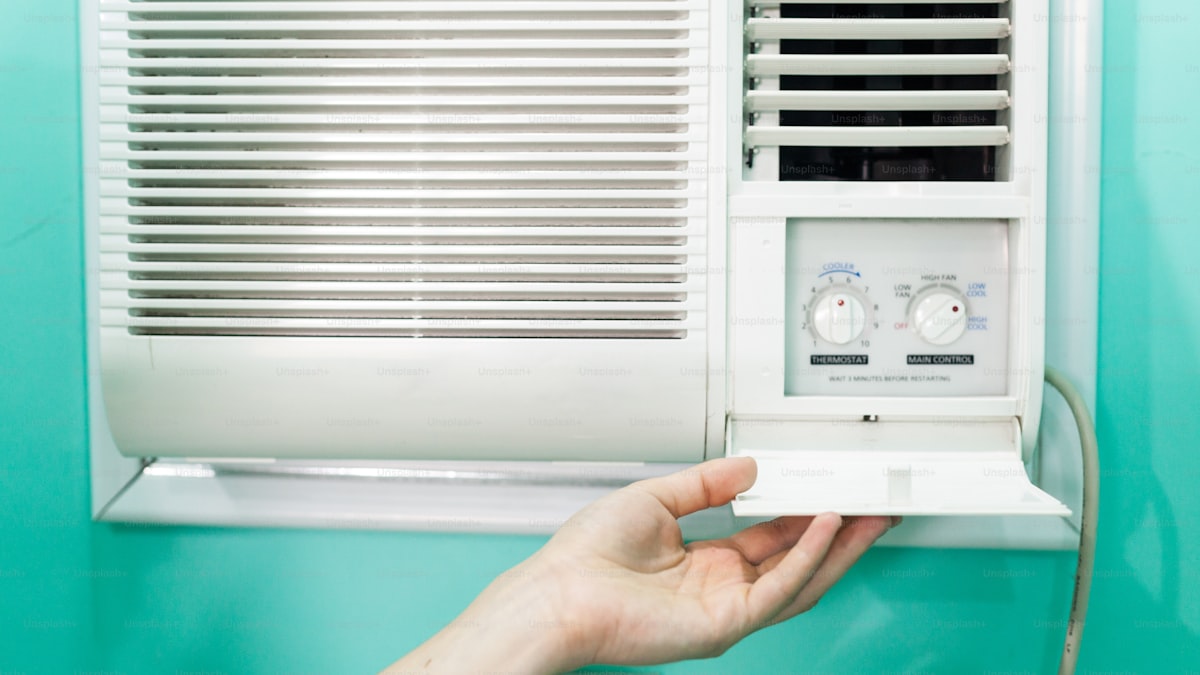
Summer cooling costs can easily double or triple your electric bill. The average American household spends over $400 on air conditioning between June and September, and in hotter climates that number can climb past $700. But here's what most people don't realize: a huge portion of that cost comes from inefficiency, not necessity.
You don't need to sweat through summer to save money. With the right combination of habits, low-cost upgrades, and smart thermostat use, you can cut your cooling bill by 30-40% while staying perfectly comfortable. These 17 tips range from completely free behavioral changes to affordable one-time investments that pay for themselves within a single summer.
Thermostat Strategies That Save the Most
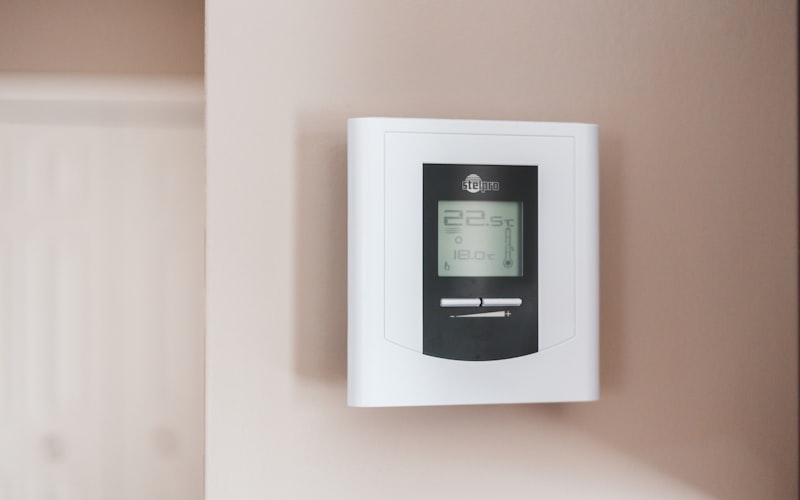
Your thermostat is the single biggest lever you have for controlling cooling costs. Small adjustments here create the largest savings.
1. Set It to 78°F When You're Home
The Department of Energy recommends 78°F as the sweet spot between comfort and efficiency. Every degree below 78°F increases your cooling costs by roughly 3-5%. That means running your AC at 72°F instead of 78°F can cost you 18-30% more — potentially hundreds of extra dollars per summer.
If 78°F feels warm at first, give it three days. Your body acclimates to warmer temperatures surprisingly quickly, and ceiling fans (tip #5) make 78°F feel closer to 74°F.
2. Raise It When You Leave
Set your thermostat to 85-88°F when you're away from home for more than an hour. There's a persistent myth that it costs more to cool a warm house back down than to maintain a constant temperature all day, but the Department of Energy has thoroughly debunked this. You save money any time the house is warmer than your set temperature because the AC simply runs less.
A programmable or smart thermostat automates this entirely. Program it to start cooling 30 minutes before you typically arrive home, and you'll walk into a comfortable house without wasting energy all day.
3. Use the "Auto" Fan Setting
Set your AC fan to "auto" rather than "on." The "on" setting runs the fan continuously even when the compressor isn't cooling, which wastes electricity and actually adds humidity back into your home by re-evaporating moisture from the coils. The "auto" setting runs the fan only during cooling cycles, which is more efficient and better for humidity control.
4. Don't Crank It Lower to Cool Faster
Setting your thermostat to 65°F won't cool your house to 78°F any faster. Your AC cools at the same rate regardless of the set temperature — it's either on or off. All you'll accomplish by overcooling is wasting money and possibly forgetting to raise it back up.
Free and Low-Cost Cooling Hacks
These tips cost nothing or very little but can make a meaningful difference in your cooling costs.
5. Use Ceiling Fans Strategically
Ceiling fans create a wind-chill effect that makes the air feel 4-6°F cooler on your skin. This means you can set your thermostat 4°F higher with fans running and feel exactly the same comfort level. Since ceiling fans cost about 1 cent per hour to run versus 15-30 cents per hour for central AC, the math is overwhelmingly in your favor.
Make sure your fans spin counterclockwise in summer (you should feel a breeze directly below). And always turn fans off when you leave the room — they cool people, not rooms.
6. Close Blinds and Curtains During the Day
Up to 30% of unwanted heat enters your home through windows. Closing blinds, curtains, or shades on south and west-facing windows during the hottest part of the day can reduce the temperature inside by 5-10°F without touching the thermostat.
Blackout curtains are especially effective, blocking up to 99% of incoming light and a significant amount of heat transfer. They're a one-time investment of $20-$50 per window that pays for itself quickly.
7. Cook Outside or Use Small Appliances
Your oven pumps 3,000-5,000 BTUs of heat into your kitchen, which your AC then has to remove. In summer, grill outside whenever possible, or use a slow cooker, Instant Pot, air fryer, or microwave instead. These small appliances generate a fraction of the heat that a full oven produces.
The same logic applies to your dryer — it generates significant heat and pushes conditioned air outside. Running your dryer in the evening or early morning when it's cooler reduces the cooling load on your AC. For more laundry-specific tips, check out our guide on saving money on laundry.
8. Turn Off Heat-Generating Electronics
Incandescent light bulbs convert 90% of their energy into heat. If you haven't already, switching to LED bulbs eliminates this hidden heat source and cuts your electric bill in the process. Also turn off computers, gaming consoles, and other electronics when not in use — they all generate heat that your AC has to overcome.
9. Ventilate at Night
When nighttime temperatures drop below 75°F, open windows on opposite sides of your home to create cross-ventilation. Use a window fan to pull cool air in on one side and push warm air out on the other. This free cooling can allow you to delay turning on your AC until mid-morning or later.
Close all windows before the outdoor temperature rises above your indoor temperature — usually by 8-9 AM in most climates.
Maintenance That Pays for Itself
A well-maintained AC system runs significantly more efficiently than a neglected one. These maintenance tasks are cheap or free and directly reduce your cooling costs.
10. Change Your Air Filter Monthly in Summer
A dirty air filter forces your AC to work harder by restricting airflow. This alone can increase energy consumption by 5-15%. During peak summer months, check your filter monthly and replace it when it looks gray or clogged.
Basic filters cost $3-$8 each. Buying a multi-pack at the start of summer ensures you always have a clean one ready.
11. Clean the Outdoor Condenser Unit
Your outdoor AC unit needs clear airflow to release heat efficiently. Clear away any leaves, grass clippings, or debris within two feet of the unit. Gently hose down the fins (from inside out) to remove dust buildup. A clean condenser can improve efficiency by 5-10%.
12. Seal Duct Leaks
Leaky ductwork can waste 20-30% of your cooled air before it ever reaches your rooms. Check visible ducts in your attic, basement, or crawl space for gaps, disconnected joints, or deteriorated tape. Seal leaks with mastic sealant or metal-backed tape (not standard duct tape, which deteriorates quickly). This one fix can save $200-$400 per year.
13. Keep Vents Open and Unblocked
Closing vents in unused rooms seems logical but actually increases pressure in the duct system, which can cause leaks, reduce efficiency, and strain the compressor. Keep all vents open and make sure furniture, rugs, and curtains aren't blocking airflow.

Smart Upgrades Worth the Investment
These cost more upfront but deliver substantial ongoing savings.
14. Install a Smart Thermostat
A smart thermostat like the Ecobee or Nest learns your schedule and adjusts automatically, eliminating the energy waste from forgetting to raise the temperature. Most users save 10-15% on cooling costs, which means the $100-$250 device typically pays for itself within the first summer.
Many utility companies offer rebates of $50-$100 for smart thermostat installation, reducing your out-of-pocket cost even further.
15. Add Weatherstripping and Caulking
Cool air escapes through gaps around doors and windows — the same gaps that let cold air in during winter. If you've already weatherstripped for heating season, you're ahead. If not, a $20 kit of weatherstripping and a tube of caulk can seal the most common leaks in an afternoon.
Check around door frames, window edges, electrical outlets on exterior walls, and where pipes or wires enter the house.
16. Install a Whole-House Fan
A whole-house fan pulls cool evening air through your home and exhausts hot air through the attic. It costs about 90% less to run than central AC and can cool your entire house in minutes when outdoor temperatures cooperate. In many climates, a whole-house fan can replace AC for 3-4 months of the year.
Installation costs $300-$700 including the fan, but it can cut cooling costs by 50-70% during spring and fall shoulder seasons.
17. Shade Your AC Unit
An outdoor condenser unit sitting in direct sunlight works harder to release heat. Planting shade trees or installing an awning to shade the unit (while maintaining 2+ feet of clearance on all sides for airflow) can improve its efficiency by up to 10%. Just never enclose or restrict airflow — shade the top, not the sides.
The Cooling Savings Calculator
Here's what realistic savings look like when you combine several of these tips:
Starting point: $500 summer cooling bill
- Raise thermostat from 74°F to 78°F with fans: -$75 to -$100
- Program thermostat for away hours: -$50 to -$75
- Close blinds on sunny windows: -$25 to -$50
- Change filters monthly + clean condenser: -$25 to -$50
- Seal duct leaks: -$50 to -$100
- Night ventilation (when possible): -$25 to -$50
Realistic total savings: $250-$425 per summer
That's a 50-85% reduction, and most of these tips cost nothing. The biggest savings come from the thermostat and duct sealing — focus there first.
Frequently Asked Questions
Is it cheaper to leave AC on all day or turn it on and off?
It's cheaper to raise the temperature when you're away and cool the house back down when you return. The Department of Energy confirms that you save energy any time your house is warmer than the thermostat set point because heat transfer slows as the temperature difference between inside and outside decreases. A programmable thermostat makes this effortless — set it to start cooling 30 minutes before you get home, and you'll never notice the difference.
What temperature should I set my AC at night?
Most sleep experts recommend 65-68°F for optimal sleep quality, but running your AC that low all night gets expensive. A good compromise is setting the thermostat to 72-75°F and using a fan for the wind-chill effect. You can also use the "sleep" mode on your thermostat, which gradually raises the temperature by 1-2 degrees per hour as you enter deeper sleep stages.
Do ceiling fans really save money on cooling?
Yes, significantly. A ceiling fan costs about $0.01 per hour to run, while central AC costs $0.15-$0.30 per hour. Fans create a wind-chill effect that makes air feel 4-6°F cooler, allowing you to raise your thermostat by 4°F and still feel comfortable. The net savings is substantial — often $50-$100+ per summer. Just remember to turn fans off when you leave the room, since they cool people through evaporation, not air temperature.
How often should I service my AC unit?
Professional AC maintenance should be done once per year, ideally in spring before cooling season begins. A technician checks refrigerant levels, inspects electrical connections, cleans coils, and verifies the system operates efficiently. Annual service costs $75-$150 and typically improves efficiency enough to pay for itself. Between professional visits, change your filter monthly and keep the outdoor unit clean.
Will closing vents in unused rooms save money?
No — and it can actually increase costs and damage your system. Closing vents increases pressure in the duct system, which can cause duct leaks, reduce overall airflow, and force the compressor to work harder. Modern HVAC systems are sized and balanced for all vents being open. If you want to reduce cooling in specific rooms, a zoned HVAC system with dampers is the proper solution, though it requires professional installation.
Start Saving Before Summer Hits
The best time to prepare for summer cooling costs is before the heat arrives. Seal your ducts, clean your condenser, stock up on filters, and program your thermostat now. When the first heat wave hits, you'll be ready — and your wallet will thank you all season long.
Combined with the heating bill savings we covered for winter, these cooling strategies can reduce your total annual HVAC costs by $500-$800. That's real money back in your pocket just from being smarter about how you heat and cool your home.
Get weekly home tips that actually work
Join thousands of homeowners getting practical cleaning hacks, DIY fixes, and money-saving tips every week. Free, and you can unsubscribe anytime.

Written by
Beth SullivanFounder & Editor-in-Chief
Beth Sullivan is the founder of Practical Home Guides. With over a decade of hands-on experience tackling every home challenge imaginable, she started this site to share the practical, no-nonsense solutions she wishes she had found years ago. When she's not testing cleaning hacks or organizing pantries, you'll find her in the garden or working on her next DIY project.
Recommended Products
Looking for specific product recommendations? Check out our tested picks.

Best Outdoor Patio Furniture Deals (2026 Spring Picks)
Late April is the sweet spot for patio furniture deals — pre-summer sales without late-season picked-over selection. Here are the picks worth buying now.

5 Best LED Light Bulbs to Cut Your Electric Bill (2026)
Switch to LED bulbs and save $100+ per year on electricity. We compared the top LED bulbs for brightness, color quality, and longevity — here are the 5 best picks.
Best Smart Thermostats to Lower Your Energy Bill (2026)
The best smart thermostats that actually save money on heating and cooling. We compare 5 top picks from Nest, Ecobee, Honeywell, and more with real energy savings data.
Related Articles
Best Outdoor Patio Furniture Deals (2026 Spring Picks)
Late April is the sweet spot for patio furniture deals — pre-summer sales without late-season picked-over selection. Here are the picks worth buying now.

12 Earth Day Eco Swaps That Save Money All Year
These 12 home swaps reduce waste AND save money — most under 30 dollars upfront and pay for themselves within a few months.

12 Budget Mother's Day Gifts That Actually Feel Thoughtful
Skip the generic flowers-and-card combo. These under-50-dollar Mother's Day ideas feel personal without breaking the budget.
Homemade Cleaning Supplies That Save Real Money (7 Recipes That Work)
Skip the 8-dollar bottles of name-brand cleaner. These 7 homemade cleaner recipes replace everything in the cleaning aisle with 4 basic ingredients.