How to Save Money on Your Heating Bill (15 Easy Tips)
This article may contain affiliate links. If you make a purchase through these links, we may earn a small commission at no extra cost to you. Learn more
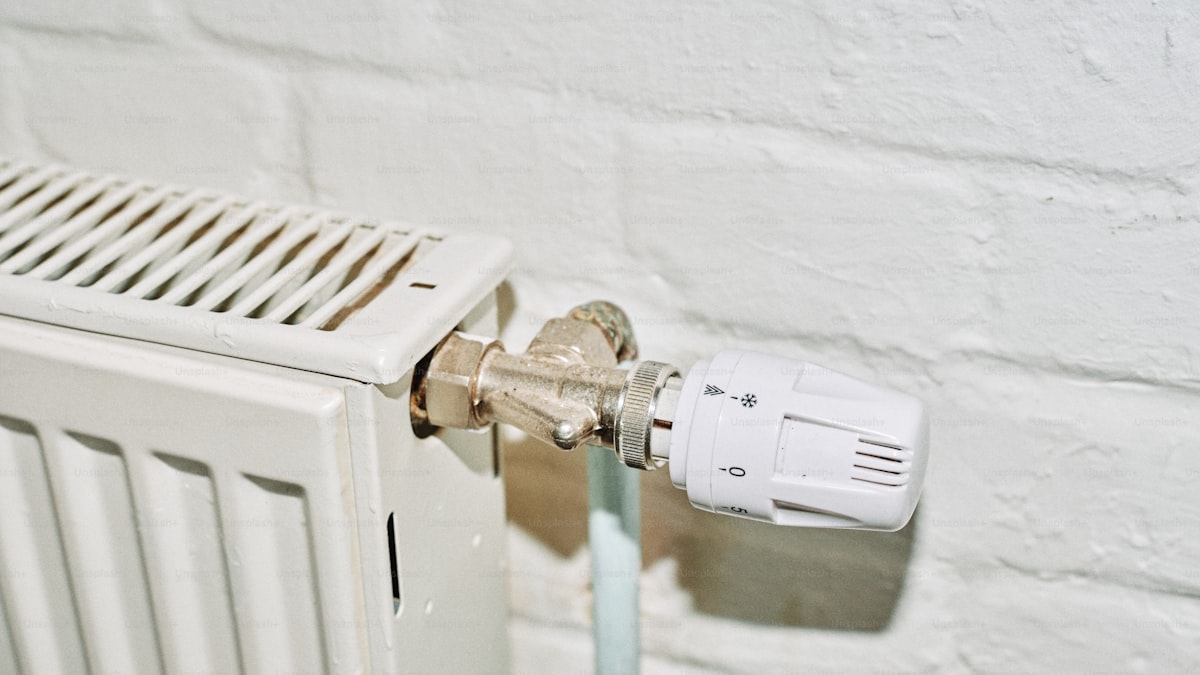
How to Save Money on Your Heating Bill (15 Easy Tips)
If you've ever opened a heating bill in the dead of winter and felt your stomach drop, you're in good company. The average American household spends over $1,000 per year on heating alone, and in colder climates that number can easily double. When temperatures plunge and your furnace is running around the clock, it can feel like there's nothing you can do except write the check and move on.
But here's the thing: most of us are spending far more on heating than we need to. Small inefficiencies stack up fast — a drafty window here, a thermostat set a few degrees too high there — and before you know it, you're hemorrhaging money every single month. The good news is that with a handful of practical changes, we can realistically cut our heating bills by 20-30% without shivering through winter in a parka.
We've put together 15 proven strategies, ranging from free, five-minute fixes to smart upgrades that pay for themselves within a single season. Let's get into it.
Quick Wins (Free or Nearly Free)
These first five tips cost almost nothing and can be done this weekend. They're the low-hanging fruit of heating savings.
1. Turn Your Thermostat Down 2-3 Degrees
This is the single easiest way to save on your heating bill. The Department of Energy estimates that you can save roughly 3% on heating costs for every degree you lower your thermostat during the winter. Dropping from 72 to 69 degrees can save you 9% or more — and most people don't even notice the difference after a day or two.
Pair the lower setting with a warm sweater, cozy socks, or a throw blanket, and you'll stay perfectly comfortable. If you're spending $200 a month on heating, that one adjustment could save you $18-20 right off the bat.
2. Use Your Curtains Strategically
Your curtains are free heating tools hiding in plain sight. During the day, open curtains and blinds on south-facing windows to let the sun's warmth pour in. On a clear winter day, the solar heat gain through even average windows can raise a room's temperature by several degrees.
At night, close all your curtains to create an extra layer of insulation. Heavy, thermal-lined curtains are best, but even standard curtains help reduce heat loss through windows by 10-15%. Think of it as a daily ritual: open in the morning, close at dusk.
3. Reverse Your Ceiling Fans
Most ceiling fans have a small switch on the housing that reverses the blade direction. In winter, set your fans to run clockwise on low speed. This pushes the warm air that naturally rises to the ceiling back down into the living space, distributing heat more evenly without your furnace working harder.
This trick is especially effective in rooms with high or vaulted ceilings, where a surprising amount of warm air can get trapped above head level. You've already paid to heat that air — you might as well enjoy it.
4. Close Vents and Doors in Unused Rooms
There's no reason to heat rooms nobody is using. If you have a guest bedroom, a formal dining room, or any space that sits empty most of the day, close the heating vents and shut the door. This concentrates warm air in the rooms you actually live in and reduces the total volume your furnace has to heat.
A word of caution: don't close off more than about 30% of your vents, as restricting airflow too much can strain your HVAC system. But strategically closing a couple of vents can shave 5-10% off your bill.
5. Layer Up and Use Warm Bedding
It sounds old-fashioned, but it works. Instead of cranking the thermostat at bedtime, invest in a quality down comforter or flannel sheets and turn the heat down to 62-65 degrees overnight. Most sleep experts actually recommend cooler sleeping temperatures anyway, so you'll save money and potentially sleep better.
During the day, keeping a warm robe and slippers handy means you can stay comfortable at a lower thermostat setting. This one habit alone can save $15-25 per month if you're currently keeping the house above 70 at night.
Sealing and Insulation Fixes
Air leaks and poor insulation are the biggest hidden culprits behind expensive heating bills. Fixing them is usually cheap and always effective.
6. Seal Drafty Windows and Doors
Air leaks around windows and doors can account for 25-30% of your heating costs. Run your hand along the edges of your windows and exterior doors on a cold day — if you feel cool air coming in, you're literally paying to heat the outdoors.
Weatherstripping is inexpensive (about $5-10 per door) and takes minutes to install. For windows, removable caulk or plastic window insulation kits cost just a few dollars per window and can reduce heat loss by up to 55%. This is one of the highest-return improvements you can make.
If you've noticed drafts affecting your indoor air quality or causing stale, musty smells in parts of your house, sealing those leaks solves both problems at once.
7. Insulate Your Attic
Heat rises, and if your attic isn't properly insulated, a huge portion of the warmth you're paying for goes straight through the roof. The Department of Energy recommends R-38 to R-60 insulation for most attics, but many older homes have far less than that.
Adding insulation to your attic is one of the most cost-effective home improvements you can make. Blown-in cellulose or fiberglass batts typically cost $1,500-2,500 for a professional installation, but the energy savings — often 20-25% on your heating bill — mean the project pays for itself in 2-3 years.
If you're handy, you can install fiberglass batt insulation yourself for a fraction of the cost. Just make sure to seal any air gaps around pipes, wiring, and light fixtures before laying the insulation.
8. Insulate Exposed Pipes and Ducts
If your heating ducts run through unheated spaces like the basement, garage, or crawl space, they could be losing 20-30% of the heat they carry before it ever reaches your living areas. Wrapping them in duct insulation is a straightforward weekend project that costs about $50-100 in materials.
Similarly, insulating hot water pipes prevents heat loss and means you won't have to wait as long for hot water — a bonus that also trims your water bill. Pipe insulation sleeves are about $1 per foot at any hardware store and slip on in seconds.
Smart Upgrades That Pay for Themselves
These tips involve a bit more investment upfront, but each one delivers ongoing savings that quickly exceed the initial cost.
9. Install a Programmable or Smart Thermostat
A programmable thermostat lets you automatically reduce heating when you're asleep or away from home, then warm things back up before you return. The EPA estimates that a properly used programmable thermostat saves about $180 per year on heating and cooling costs.
Smart thermostats like the Nest or Ecobee take it further by learning your schedule, adjusting based on occupancy, and letting you control settings from your phone. They typically cost $100-250, meaning they pay for themselves within the first year.
Set your thermostat to drop to 62-65 degrees while you sleep and 58-62 degrees when nobody's home. Program it to warm back up 30 minutes before you wake or arrive, and you'll never notice the difference.
10. Get a Furnace Tune-Up
A well-maintained furnace runs more efficiently and lasts longer. Annual professional maintenance — usually $80-150 — ensures your system is operating at peak efficiency, catches small problems before they become expensive repairs, and can improve efficiency by 5-10%.
During a tune-up, the technician will clean the burners, check the heat exchanger, test safety controls, and replace the air filter. Speaking of which: changing your furnace filter every 1-3 months is a simple task you should be doing yourself. A clogged filter forces your furnace to work harder, driving up energy costs and shortening the system's lifespan. Regular maintenance like this is part of a broader strategy — our preventive home maintenance checklist covers every seasonal task that saves money.
11. Upgrade to a High-Efficiency Furnace
If your furnace is more than 15-20 years old, it's likely operating at 60-80% efficiency, meaning 20-40% of the fuel you're paying for is being wasted. Modern high-efficiency furnaces achieve 95-98% efficiency.
The upfront cost is significant — typically $3,000-6,000 installed — but the energy savings of 20-30% add up fast. For a household spending $2,000 per year on heating, that's $400-600 in annual savings, meaning the upgrade pays for itself in 5-10 years while also increasing your home's value.
Many utility companies and state programs offer rebates for high-efficiency furnace installations, so check what's available in your area before you buy.

Behavioral Habits That Add Up
Small daily habits make a bigger difference than most people realize. These tips require no spending at all — just a shift in awareness.
12. Use Space Heaters Strategically
If you spend most of your evening in one room, it can be cheaper to lower the whole-house thermostat and use an energy-efficient space heater to warm just that room. A modern ceramic space heater costs about 15-20 cents per hour to run, which is far less than heating your entire house to the same temperature.
This strategy works best in well-insulated homes where you can close off the room you're heating. Just be sure to follow safety guidelines: keep the heater at least three feet from anything flammable, never leave it unattended, and choose a model with tip-over and overheat protection.
13. Cook and Bake More at Home
Here's a pleasant side effect of home cooking: your oven and stove generate significant heat. Baking dinner at 375 degrees warms your kitchen noticeably, and after you're done, leaving the oven door open lets that residual heat warm the room instead of going to waste.
Cooking at home more frequently is also one of the best ways to cut your overall household spending. You save on food costs while your kitchen appliances double as supplemental heaters during the colder months. It's a true win-win.
14. Use Rugs on Hard Floors
Bare hardwood, tile, and laminate floors can feel brutally cold in winter, tempting you to crank the thermostat. Instead, lay down area rugs in the rooms you use most. Rugs provide an insulating layer that keeps your feet warm and reduces heat loss through the floor. Just make sure to use rugs with breathable, non-rubber backing on hardwood — our guide on cleaning hardwood floors explains why rubber-backed rugs can cause damage.
This is especially important on floors above unheated spaces like garages or basements. A good area rug can make a room feel 2-3 degrees warmer, which means you can comfortably keep the thermostat a bit lower.
15. Block Fireplace Drafts
An open fireplace damper is like leaving a window wide open in the middle of winter. When you're not using your fireplace, make sure the damper is fully closed. If you rarely use your fireplace, consider installing an inflatable chimney balloon or draft stopper to seal it completely.
Even with the damper closed, traditional fireplaces can be net heat losers — they pull warm air from the room up the chimney faster than the fire can replace it. If you love the ambiance of a fire, consider upgrading to a fireplace insert, which captures and recirculates heat far more efficiently.
Your Total Savings Potential
Let's see how these strategies stack up for a household currently spending $200 per month on heating:
- Lower thermostat 2-3 degrees: $15-20/month
- Strategic curtain use: $5-10/month
- Reverse ceiling fans: $2-5/month
- Close unused rooms: $10-20/month
- Warmer bedding/clothing: $15-25/month
- Seal air leaks: $20-35/month
- Attic insulation: $30-50/month
- Insulate pipes/ducts: $10-20/month
- Programmable thermostat: $15-20/month
- Furnace tune-up: $10-15/month
- Space heaters in key rooms: $10-20/month
Even implementing just half of these tips could realistically save you $60-100 per month during the heating season. Over a full winter, that's $300-600 back in your pocket — money you could put toward other household costs or the everyday expenses that quietly drain your budget.
Getting Started This Weekend
You don't need to tackle everything at once. Here's a suggested order for maximum impact with minimum effort:
- This afternoon: Turn the thermostat down 2 degrees, reverse your ceiling fans, and close off unused rooms.
- This weekend: Check for drafts around windows and doors. Pick up weatherstripping and caulk at the hardware store.
- This month: Schedule a furnace tune-up and replace your air filter.
- This season: Research programmable thermostats and attic insulation options.
Each step builds on the last, and you'll start seeing savings on your very next bill. If you're also looking to reduce your electricity costs, we have a full guide on how to save money on your electric bill that pairs perfectly with these heating tips. Tackling both together can cut your total utility costs dramatically.
And if you enjoy tackling small home maintenance projects yourself, you'll find that most of these heating fixes are well within DIY territory. A single weekend of sealing drafts and adjusting your thermostat habits can pay dividends for years to come.
Frequently Asked Questions
What temperature should I set my thermostat to in winter to save money?
The Department of Energy recommends setting your thermostat to 68 degrees when you're home and awake, and lowering it by 7-10 degrees when you're asleep or away. This balance gives most people a comfortable living temperature while still delivering meaningful energy savings. If 68 feels chilly at first, try dropping the temperature gradually — one degree per week — so your body has time to adjust. Most people find that after a week or two at a lower setting, they don't notice the difference at all. Pairing the lower setting with warm clothing, blankets, and strategic use of space heaters makes it even easier.
How much can I actually save by sealing drafts and adding insulation?
Sealing air leaks and improving insulation are consistently the highest-return improvements for reducing heating costs. According to Energy Star, sealing air leaks and adding insulation can save up to 15% on heating and cooling costs, or about 11% on total energy costs. For a household spending $200 per month on heating, that translates to roughly $30 per month in savings. In older homes with significant gaps, the savings can be even more dramatic — some homeowners report 25-30% reductions after a thorough air-sealing and insulation project. The best part is that weatherstripping and caulk cost just a few dollars, making the return on investment nearly instant.
Is it cheaper to use a space heater or run the central heating?
It depends on how much of your home you need to heat. If you're spending most of your time in one or two rooms, a space heater can be significantly cheaper than heating the entire house. A typical 1,500-watt space heater costs about 15-20 cents per hour to run, while a central furnace heating your whole house can cost $1-3 per hour depending on fuel type and efficiency. The break-even point is usually around heating 2-3 rooms. If you need more rooms than that heated at once, central heating is generally more efficient. For maximum savings, lower your central thermostat to 60-62 degrees and use a space heater to boost the room you're actually in.
How often should I replace my furnace filter?
Most standard one-inch furnace filters should be replaced every 30-90 days, depending on factors like whether you have pets, allergies, or a dusty environment. Homes with pets or allergy sufferers should change filters monthly, while homes without those factors can usually go 60-90 days. Higher-quality pleated filters and HEPA-style filters last longer — typically 3-6 months — but they also cost more upfront. A clogged filter restricts airflow, forcing your furnace to work harder and use more energy. Regularly replacing your filter can improve your furnace's efficiency by 5-15% and also extends the life of the system. Set a reminder on your phone so you never forget.
Do smart thermostats really save money, or is it just marketing?
Smart thermostats genuinely save money for most households, though the amount depends on your habits. Studies by the EPA and independent researchers consistently show savings of 10-15% on heating costs, which works out to about $130-180 per year for the average home. The biggest savings come from the thermostat automatically reducing heating when you're away or asleep, something many people intend to do manually but often forget. Smart thermostats also learn your schedule over time and make micro-adjustments that maximize efficiency. If you already religiously program a basic thermostat and never forget to adjust it, a smart thermostat won't save you much extra. But for the majority of us who sometimes leave the heat blasting in an empty house, the savings are real and well worth the $100-250 investment.
Your heating bill doesn't have to be a source of dread every winter. With these 15 strategies — from free thermostat adjustments to smart long-term upgrades — you have a clear roadmap to cutting your costs by 20-30% or more. Start with the quick wins this weekend, plan the bigger improvements over the coming months, and watch your heating bill shrink month after month. Your wallet will thank you, and honestly, so will the planet.
Get weekly home tips that actually work
Join thousands of homeowners getting practical cleaning hacks, DIY fixes, and money-saving tips every week. Free, and you can unsubscribe anytime.

Written by
Beth SullivanFounder & Editor-in-Chief
Beth Sullivan is the founder of Practical Home Guides. With over a decade of hands-on experience tackling every home challenge imaginable, she started this site to share the practical, no-nonsense solutions she wishes she had found years ago. When she's not testing cleaning hacks or organizing pantries, you'll find her in the garden or working on her next DIY project.
Recommended Products
Looking for specific product recommendations? Check out our tested picks.

Best Outdoor Patio Furniture Deals (2026 Spring Picks)
Late April is the sweet spot for patio furniture deals — pre-summer sales without late-season picked-over selection. Here are the picks worth buying now.

5 Best LED Light Bulbs to Cut Your Electric Bill (2026)
Switch to LED bulbs and save $100+ per year on electricity. We compared the top LED bulbs for brightness, color quality, and longevity — here are the 5 best picks.
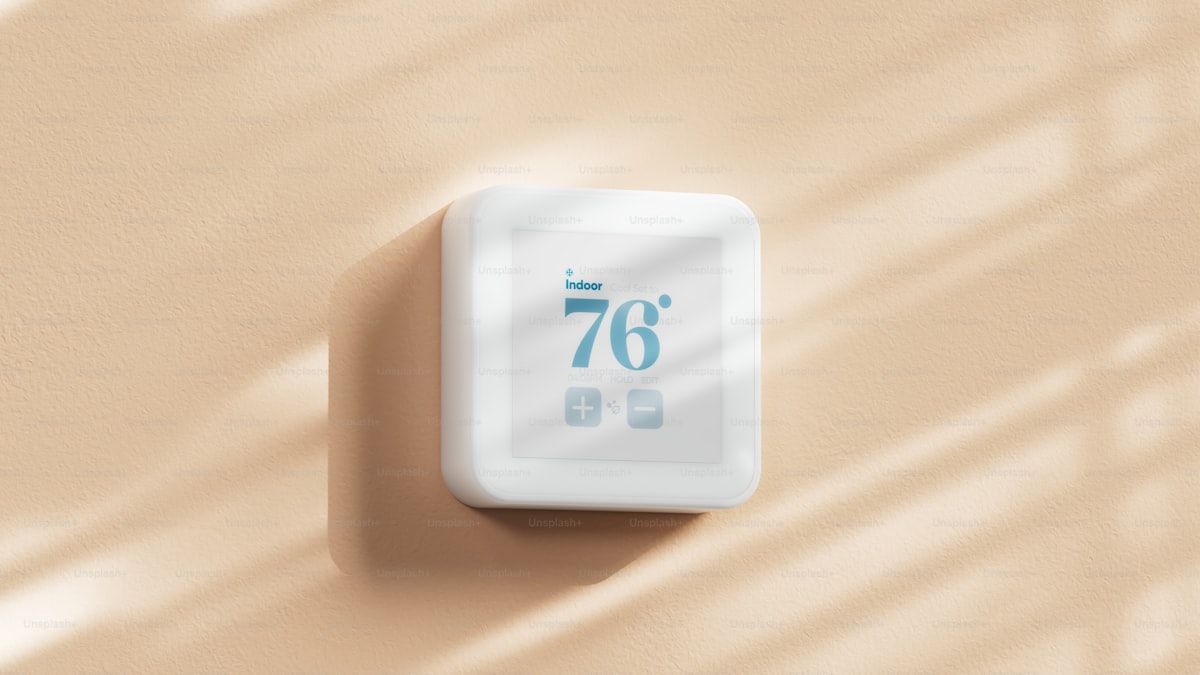
Best Smart Thermostats to Lower Your Energy Bill (2026)
The best smart thermostats that actually save money on heating and cooling. We compare 5 top picks from Nest, Ecobee, Honeywell, and more with real energy savings data.
Related Articles
Best Outdoor Patio Furniture Deals (2026 Spring Picks)
Late April is the sweet spot for patio furniture deals — pre-summer sales without late-season picked-over selection. Here are the picks worth buying now.

12 Earth Day Eco Swaps That Save Money All Year
These 12 home swaps reduce waste AND save money — most under 30 dollars upfront and pay for themselves within a few months.

12 Budget Mother's Day Gifts That Actually Feel Thoughtful
Skip the generic flowers-and-card combo. These under-50-dollar Mother's Day ideas feel personal without breaking the budget.
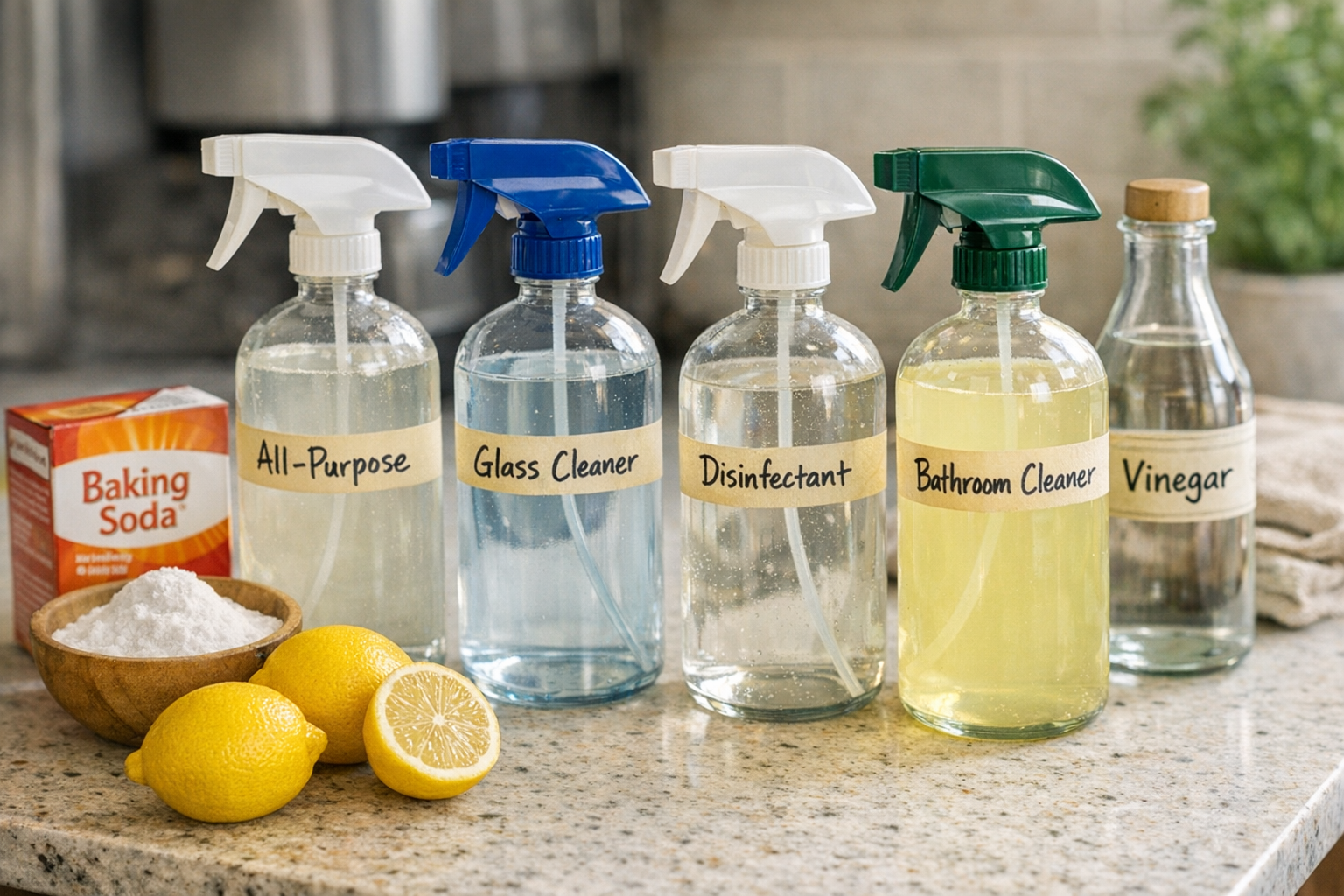
Homemade Cleaning Supplies That Save Real Money (7 Recipes That Work)
Skip the 8-dollar bottles of name-brand cleaner. These 7 homemade cleaner recipes replace everything in the cleaning aisle with 4 basic ingredients.