How to Clean Baseboards Without Breaking Your Back
This article may contain affiliate links. If you make a purchase through these links, we may earn a small commission at no extra cost to you. Learn more
Quick Answer
How to Clean Baseboards Without Breaking Your Back
The fastest way to clean baseboards is to vacuum them with a brush attachment first, then wipe them down with a dryer sheet (which also repels future dust). For stubborn grime, use a Magic Eraser or a mix of warm water with a drop of dish soap. To avoid bending down, attach a microfiber cloth to a flat mop or use a baseboard cleaning tool on a handle.
How to Clean Baseboards Without Breaking Your Back
Baseboards are the most neglected surface in most homes. They quietly collect dust, pet hair, scuff marks, and mysterious sticky spots for months — sometimes years — before anyone notices. And when you finally do notice, the thought of crawling around the entire house on your hands and knees is enough to put it off for another six months.
Here's the thing: baseboards don't have to be a dreaded chore. With the right tools and methods, you can clean every baseboard in your house in under 30 minutes without destroying your knees or back.
Why Baseboards Get So Dirty
Understanding why baseboards attract dirt helps you prevent it from building up as fast.
Baseboards sit at floor level where they catch everything that gravity brings down: dust from the air settles on them, mops and vacuums push debris against them, shoes kick dirt onto them, and pets rub against them. In humid rooms like bathrooms and kitchens, the dust sticks to moisture on the surface and becomes a grime layer that's much harder to remove than simple dust.
Textured or painted baseboards are worse than smooth ones because the grooves and ridges trap particles. And if you have light-colored baseboards (white is the most common), every speck of dirt shows.
The Two-Step Cleaning Method
The most effective way to clean baseboards is a simple two-step process: dry clean first, then wet clean.
Step 1: Dry Clean — Remove Loose Dust and Hair
Before any wet cleaning, remove all the loose dust and debris. Applying a wet cloth to dusty baseboards just turns dust into mud streaks.
Best dry cleaning methods:
- Vacuum with brush attachment — Run the soft brush attachment along all your baseboards. This is the fastest dry cleaning method and picks up pet hair that clings to the surface. If you've already got the vacuum out for cleaning your floors, just hit the baseboards while you're at it.
- Dryer sheet wipe — Run a used or new dryer sheet along the baseboards. The anti-static properties pick up dust like a magnet and leave a coating that actually repels future dust. This is the best preventive trick in the whole guide.
- Microfiber duster — A dry microfiber cloth or duster swept along the baseboards pulls dust off effectively thanks to the electrostatic charge of the fibers.
Step 2: Wet Clean — Remove Grime and Stains
After the dry pass, go back over the baseboards with a damp cleaning method for any remaining grime, stains, or sticky spots.
Best wet cleaning solutions:
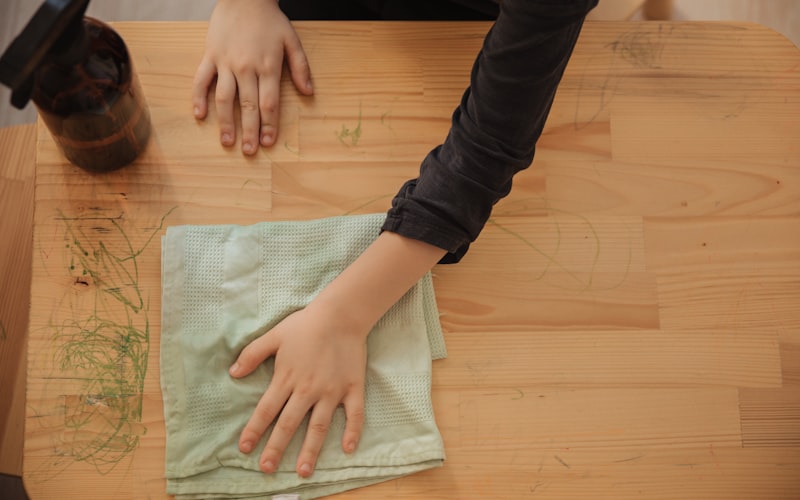
- Warm water + a drop of dish soap — The simplest and most effective all-purpose baseboard cleaner. Wring out your cloth well so it's barely damp, not dripping. Excess water can damage the paint or cause water marks on the wall above.
- Magic Eraser — For scuff marks, crayon, and stubborn spots, a damp Magic Eraser works like a charm. Lightly dampen it and rub gently over the mark. Be careful on flat paint finishes — Magic Erasers are mildly abrasive and can dull the sheen.
- Vinegar solution — Mix equal parts white vinegar and warm water for a natural cleaning option that cuts through grease and grime. This works well in kitchens where baseboards collect cooking splatter.
No-Bend Methods (Save Your Knees)
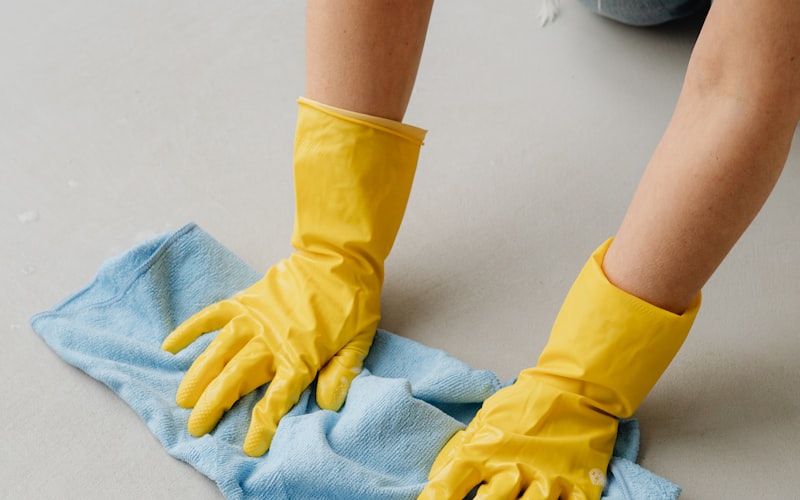
The biggest complaint about baseboard cleaning is the bending and kneeling. Here are methods that let you clean standing up.
The Flat Mop Method
Wrap a damp microfiber cloth around the head of a flat mop (like a Swiffer or any flat-head mop). Run the mop head along the baseboards while standing. The flat surface conforms to the baseboard profile and cleans the top edge and face in one pass.
For the dry cleaning step, wrap a dryer sheet around the mop head instead. Same technique, standing up the whole time.
Baseboard Cleaning Tools
Several companies now make baseboard-specific cleaning tools that are designed for this exact problem. They're essentially flat pads on an angled handle that match the profile of standard baseboards. They cost $10-20 and work surprisingly well.
The Sock Method
Put an old sock over your hand (or over a flat mop head), spray it with your cleaning solution, and run it along the baseboard. The sock conforms to the shape of the baseboard including any grooves or trim details.
Room-by-Room Tips
Different rooms create different baseboard challenges.
Kitchen Baseboards
Kitchen baseboards deal with grease splatter, food spills, and moisture. The vinegar and water solution works best here because it cuts through cooking grease. Pay extra attention to baseboards near the stove and under the sink, where spills accumulate.
Bathroom Baseboards
Bathroom baseboards face humidity, hair product overspray, and potential mold. Clean them with a solution of warm water and a splash of hydrogen peroxide, which kills mold spores and removes soap residue. If you spot mold on the baseboards, treat it like you would mold on a bathroom ceiling — address the moisture source first.
Living Room and Bedroom Baseboards
These are primarily dust and pet hair zones. The dry cleaning methods (vacuum or dryer sheet) handle most of the work. A damp cloth pass once a month keeps them looking fresh.
Hallway and Entryway Baseboards
High-traffic areas get the worst scuff marks from shoes. A Magic Eraser is your best friend here. Keep one under the hall bathroom sink for quick touch-ups whenever you notice a new scuff.
How to Handle Tough Stains
Scuff Marks
Rub gently with a damp Magic Eraser. For colored scuff marks (like from dark-soled shoes), a small amount of baking soda on a damp cloth also works well.
Crayon and Marker
Apply a small amount of rubbing alcohol to a cloth and blot the crayon or marker. It dissolves the wax or ink without damaging the paint underneath. WD-40 also works on crayon — spray a tiny amount on a cloth, wipe the mark, then clean the area with soap and water to remove the oily residue.
Yellowed Baseboards
White baseboards that have yellowed over time (usually from heat exposure near radiators or sun damage) can't always be cleaned back to white. If cleaning doesn't restore them, a fresh coat of paint is the fix. Lightly sand, prime with a stain-blocking primer, and apply one coat of semi-gloss white paint.
Sticky Residue
Tape residue, sticker remnants, or mystery sticky spots come off with a cloth dampened with rubbing alcohol or a dab of cooking oil. Let the oil sit for a minute to soften the adhesive, then wipe clean. Follow up with soap and water.
How to Keep Baseboards Clean Longer
The real win is reducing how often you need to deep clean in the first place.
The Dryer Sheet Trick
After cleaning, wipe all baseboards with a fresh dryer sheet. The anti-static coating repels dust for weeks, extending the time between cleanings significantly. This single trick is the most effective preventive measure you can take.
Vacuum Baseboards During Routine Cleaning
Add a quick baseboard pass to your regular vacuuming routine. It takes about 3-4 extra minutes and prevents dust from building up to the point where you need a full wet clean.
Apply a Furniture Polish Coat
After cleaning, spray a light mist of furniture polish on a cloth and wipe it along the baseboards. The polish creates a slick surface that dust has trouble sticking to. Reapply every 2-3 months.
Control Dust at the Source
The less dust in your home overall, the less ends up on your baseboards. Change your HVAC filter regularly, use doormats at entries, and consider running an air purifier in high-dust rooms. If you're tackling dust throughout the house, a full room-by-room declutter also helps since less stuff means fewer surfaces collecting dust.
Frequently Asked Questions
How often should I clean baseboards?
A light dusting or vacuuming every 2-4 weeks prevents buildup. A full wet clean every 2-3 months keeps them looking fresh. High-traffic areas and rooms with pets may need attention more frequently.
Can I use bleach to clean baseboards?
You can, but it's rarely necessary and can damage paint finishes. A mild dish soap solution or Magic Eraser handles virtually every baseboard cleaning challenge. If you need to disinfect (like in a bathroom), use diluted hydrogen peroxide instead of bleach.
What's the best paint finish for easy-to-clean baseboards?
Semi-gloss or high-gloss paint is the easiest to clean because the smooth surface doesn't trap dirt and wipes down easily. If your baseboards are currently flat or matte, consider repainting them in semi-gloss for significantly easier maintenance.
Will Magic Erasers damage my baseboard paint?
Magic Erasers are mildly abrasive, similar to fine sandpaper. They're safe on semi-gloss and gloss finishes but can dull flat or matte paint. Test on a hidden area first. Use light pressure — you don't need to scrub hard.
How do I clean baseboards with lots of detail or grooves?
Use an old toothbrush or a small paintbrush dipped in your cleaning solution to get into grooves and decorative details. A cotton swab works for very tight corners. For dust, a dry paintbrush sweeps debris out of grooves effectively.
Start With One Room
Don't try to clean every baseboard in the house in one session if it hasn't been done in a while. Start with the room that bugs you most — usually the kitchen or a bathroom — and do one room at a time. Once they're all caught up, maintaining them with a quick monthly dusting takes almost no effort. Your home will look noticeably cleaner, and you'll wonder why you put it off so long.
Get weekly home tips that actually work
Join thousands of homeowners getting practical cleaning hacks, DIY fixes, and money-saving tips every week. Free, and you can unsubscribe anytime.

Written by
Beth SullivanFounder & Editor-in-Chief
Beth Sullivan is the founder of Practical Home Guides. With over a decade of hands-on experience tackling every home challenge imaginable, she started this site to share the practical, no-nonsense solutions she wishes she had found years ago. When she's not testing cleaning hacks or organizing pantries, you'll find her in the garden or working on her next DIY project.
Recommended Products
Looking for specific product recommendations? Check out our tested picks.
Best Cordless Stick Vacuums (2026 Buyer's Guide)
We tested cordless stick vacuums on hardwood, carpet, pet hair, and stairs. Here are the picks worth the price for every home and budget in 2026.
Best Pressure Washers for Home Use (2026 Buyer's Guide)
We tested electric and gas pressure washers for siding, decks, driveways, and patio furniture. Here are the best picks for every budget and home size.
Best Self-Emptying Robot Vacuums (2026 Tested)
Self-emptying robot vacuums let you forget about the dust bin for weeks. We tested the top models on hardwood, carpet, pet hair, and floor plans.
5 Best Steam Mops for Tile Floors (2026)
We tested the top steam mops for tile, grout, and hard floors. Here are the 5 best picks with honest pros, cons, and who each one is best for.
7 Best Robot Vacuums Under $300 (2026)
We compared the top robot vacuums under $300 for pet hair, hardwood floors, and carpet. Here are the 7 best picks with pros, cons, and who each is best for.
Related Articles
How to Remove Rust From Grill Grates (Without Replacing Them)
Rusted grill grates can be revived if rust is surface-only. Here's the safe restoration method that gets cast iron and steel grates back to cooking-ready.
How to Remove Grass Stains From Clothes (Even After Drying)
Grass stains are protein and chlorophyll bonded into fabric. Here's the order of treatments that gets them out — even on jeans that already went through the dryer.

How to Refresh Outdoor Rugs Without Replacing Them
Before you toss that faded, grimy outdoor rug, try this simple revival routine. Most polypropylene outdoor rugs come back like new with 30 minutes of work.
How to Deep Clean Window Screens (The Bathtub Method)
Window screens accumulate a winter's worth of dust, pollen, and grime. The bathtub method gets them all clean in one shot — cleaner than cleaning them individually.