How to Clean a Microfiber Couch Like a Professional
This article may contain affiliate links. If you make a purchase through these links, we may earn a small commission at no extra cost to you. Learn more
Quick Answer
How to Clean a Microfiber Couch Like a Professional
Check your couch's cleaning code tag first. For S-coded microfiber (most common), spray rubbing alcohol on the fabric, wipe with a white microfiber cloth, let it dry completely, then brush with a soft-bristled brush to restore softness. Never use water on S-coded microfiber — it causes water rings and stiff spots.

How to Clean a Microfiber Couch Like a Professional
Microfiber couches are popular for a reason: they're soft, durable, and generally affordable. But if you've ever tried to clean one and ended up with water stains, stiff fabric, or rings that look worse than the original mess, you know how frustrating microfiber can be.
The problem isn't the fabric itself. It's that most people clean microfiber the wrong way. Using the wrong cleaning solution or too much water can leave your couch looking worse than before.
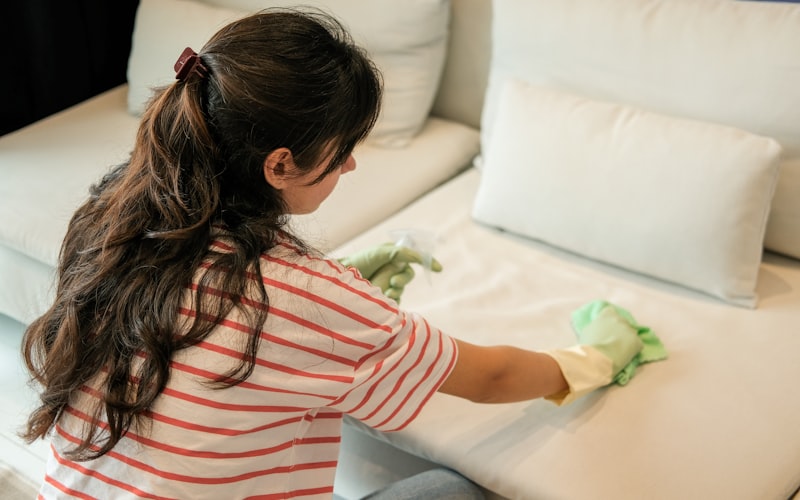
Here's the professional approach to getting your microfiber couch looking and feeling brand new, without risking damage to the fabric.
First: Check Your Couch's Cleaning Code
Before you grab any cleaning product, flip over your couch cushions and look for a tag with a cleaning code. This small tag tells you exactly what your microfiber can handle, and ignoring it is the number one reason people ruin their couches.
What the Codes Mean
- W — Water-based cleaners only. You can use water and mild soap safely.
- S — Solvent-based cleaners only. Do NOT use water. This is the most common code for microfiber and the one that trips people up.
- S/W — Either water-based or solvent-based cleaners are safe. You have the most flexibility here.
- X — Vacuum only. No liquid cleaners of any kind. Professional cleaning recommended for stains.
If your couch has an "S" code (most microfiber couches do), water is your enemy. Using water on an S-coded couch is what causes those ugly water rings and stiff, crunchy spots. Instead, you'll use rubbing alcohol, which evaporates quickly without leaving marks.
How to Clean an S-Coded Microfiber Couch
This is the method that works for the majority of microfiber couches. It uses rubbing alcohol as the primary cleaning agent, which cuts through grime, evaporates fast, and won't leave water marks.
What You'll Need
- Isopropyl rubbing alcohol (91% concentration works best)
- A clean spray bottle
- Several white or light-colored microfiber cloths (avoid colored cloths that might transfer dye)
- A soft-bristled brush (a clean scrub brush or even a dry sponge works)
- A vacuum with an upholstery attachment
Step 1: Vacuum Thoroughly
Start by vacuuming every surface of the couch with the upholstery attachment. Get into the crevices between cushions, along the arms, and underneath any removable cushions. You'd be surprised how much dirt, crumbs, pet hair, and dust hide in the folds of a couch.
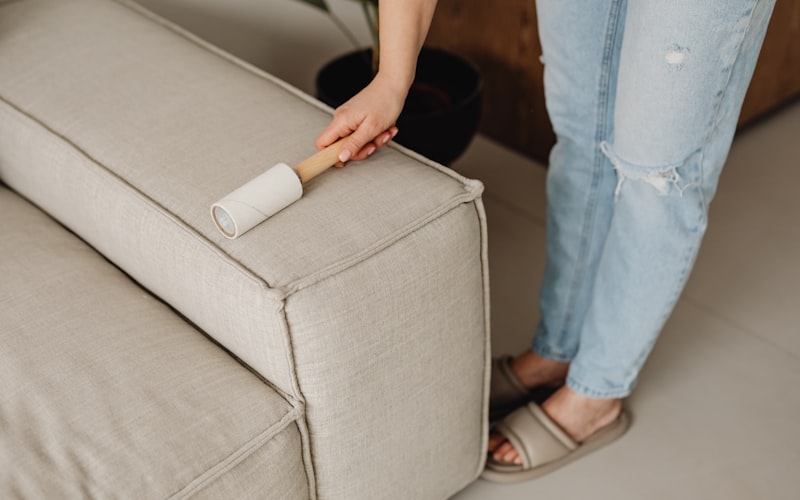
This step matters because any loose debris left on the surface will turn into muddy smears when you start applying cleaner. If you're dealing with pet hair, a lint roller works well for the stubborn stuff the vacuum misses.
Step 2: Spray With Rubbing Alcohol
Pour rubbing alcohol into a clean spray bottle and mist it onto one section of the couch at a time. Work in small areas, roughly 2 feet by 2 feet, so the alcohol doesn't dry before you can wipe it.
Spray until the fabric is damp but not soaking. You want enough alcohol to dissolve the grime without saturating the cushion filling underneath.
Step 3: Wipe and Blot
Using a clean white microfiber cloth, wipe the sprayed area in gentle circular motions. You'll immediately see dirt transferring to the cloth. Once one side of the cloth gets dirty, switch to a clean area or grab a fresh cloth.
For stubborn stains, spray a bit more alcohol directly on the stain and let it sit for 30 seconds before blotting with firm pressure. Repeat as needed, always blotting rather than rubbing aggressively.
Step 4: Let It Dry Completely
Rubbing alcohol evaporates much faster than water, so your couch should be dry within 15-20 minutes. Open a window or turn on a fan to speed up the process.
Step 5: Brush the Fabric
This is the step most people skip, and it makes a huge difference. Once the couch is completely dry, use a soft-bristled brush to fluff up the microfiber. Brush in gentle, circular motions across the entire surface.
Cleaning can leave microfiber feeling stiff or matted. Brushing restores the soft, velvety texture that makes microfiber so comfortable. A clean shoe brush, a soft scrub brush, or even a dry sponge works perfectly for this.
How to Clean a W-Coded Microfiber Couch
If your couch has a W code, you can safely use water-based cleaners. This makes the process a bit simpler.
The Dish Soap Method
Mix two cups of warm water with a few drops of clear dish soap (avoid colored soaps that could stain). Dip a clean microfiber cloth into the solution, wring it out thoroughly so it's barely damp, and wipe down the couch in sections.
Follow up with a cloth dampened with plain water to remove any soap residue, then let it air dry completely. Brush the fabric once dry to restore softness.
The Baking Soda Deep Clean
For couches that need a more thorough refresh, sprinkle baking soda liberally over the entire surface. Let it sit for 20-30 minutes to absorb odors and loosen dirt. Vacuum it all up, then clean with the dish soap method above.
This two-step approach is great for couches that smell musty or have been exposed to pet odors. If you're dealing with persistent odors throughout your home, you might also want to check out our guide on getting rid of musty smells.
How to Remove Specific Stains From Microfiber
Different stains require different approaches. Here are the most common microfiber stain emergencies and how to handle them.
Food and Drink Spills
Act fast. Blot up as much liquid as possible with a clean cloth. Don't rub, as that pushes the stain deeper into the fibers. Once you've absorbed the excess, treat the area with rubbing alcohol (S-coded) or diluted dish soap (W-coded) and blot until clean.
Ink Stains
Rubbing alcohol is actually the best solution for ink on microfiber. Apply alcohol directly to the stain with a cotton ball, blotting gently. The ink should transfer to the cotton ball. Rotate to a clean section of the cotton ball and repeat until the stain is gone.
Grease and Oil Stains
Sprinkle baking soda or cornstarch on the grease stain and let it sit for 15-20 minutes. The powder will absorb the oil. Vacuum it up, then treat any remaining discoloration with rubbing alcohol and a clean cloth.
Pet Stains
For fresh pet accidents, blot up as much moisture as possible, then apply an enzyme-based cleaner designed for pet stains. These cleaners break down the proteins in urine and other organic matter, eliminating both the stain and the odor at the source. Follow up with your standard cleaning method once the enzyme cleaner has dried.
Chocolate
Scrape off any solid chocolate with a dull knife or credit card edge. Then treat the remaining stain with rubbing alcohol, blotting gently until the chocolate residue lifts away.
How to Deodorize a Microfiber Couch
Even if your couch looks clean, it can hold onto odors from pets, cooking, body oils, and everyday use. Here's how to freshen it up.
The Baking Soda Treatment
Sprinkle a generous layer of baking soda over the entire couch surface, including the back and arms. Let it sit for at least 30 minutes, though overnight is ideal for strong odors. Vacuum thoroughly to remove all the baking soda.
Baking soda is a natural odor absorber that neutralizes smells rather than just masking them. For ongoing freshness, do this once a month.
The Vodka Trick
For quick odor removal, fill a spray bottle with plain vodka (the cheapest brand you can find) and lightly mist the couch. Vodka kills odor-causing bacteria and evaporates cleanly without leaving a scent. This is actually a trick borrowed from theater costume departments, where they use it to freshen costumes between shows.
Preventing Future Stains and Damage
A little prevention goes a long way toward keeping your microfiber couch clean between deep cleanings.
Apply a Fabric Protector
After cleaning, apply a microfiber-safe fabric protector spray. This creates an invisible barrier that repels liquids and makes future spills easier to clean. Reapply every 6-12 months or after deep cleanings.
Vacuum Weekly
A quick once-over with the upholstery attachment once a week prevents dirt from grinding into the fibers. This takes about 5 minutes and dramatically extends the time between deep cleanings.
Rotate and Flip Cushions
If your cushions are removable and reversible, rotate and flip them every week or two. This distributes wear evenly and prevents one spot from getting dirtier or more worn than the rest.
Address Spills Immediately
The number one rule with microfiber: clean spills the moment they happen. Fresh spills are dramatically easier to remove than set-in stains. Keep a spray bottle of rubbing alcohol and a clean cloth stashed near the couch for quick response.
Frequently Asked Questions
Can I put microfiber couch cushion covers in the washing machine?
Only if the manufacturer's care label specifically says machine washable. Many microfiber covers will shrink, warp, or lose their texture in the washing machine. When in doubt, stick to spot cleaning and hand cleaning methods.
Why does my microfiber couch get water rings?
Water rings happen when you use water on an S-coded microfiber couch. The water dissolves minerals and dirt, then as it dries, those minerals get deposited at the edges of the wet area, creating a visible ring. This is why rubbing alcohol works better — it evaporates cleanly without leaving residue.
How often should I deep clean my microfiber couch?
For a couch that gets daily use, deep clean every 3-4 months. If you have kids or pets, every 1-2 months is better. In between deep cleans, vacuum weekly and address stains immediately.
Will rubbing alcohol discolor my microfiber couch?
When used correctly, rubbing alcohol should not discolor microfiber. However, always test on a hidden area first, like the bottom of a cushion or the back of the couch near the wall. Wait for it to dry completely before judging the result.
Is it worth hiring a professional upholstery cleaner?
For routine maintenance, the DIY methods in this guide work just as well as professional cleaning. However, for severe staining, large area damage, or if your couch has an X cleaning code, a professional cleaner is worth the investment. Expect to pay $100-200 for a standard sofa.
Get Your Couch Looking New Again
Cleaning a microfiber couch doesn't have to be intimidating. The key is knowing your cleaning code, using the right products, and always brushing the fabric after it dries. With these techniques, you can keep your microfiber couch looking and feeling great for years, and save yourself the cost of professional cleaning in the process.
For more tips on keeping your whole home spotless, check out our guides on cleaning hardwood floors and removing carpet stains.
Get weekly home tips that actually work
Join thousands of homeowners getting practical cleaning hacks, DIY fixes, and money-saving tips every week. Free, and you can unsubscribe anytime.

Written by
Beth SullivanFounder & Editor-in-Chief
Beth Sullivan is the founder of Practical Home Guides. With over a decade of hands-on experience tackling every home challenge imaginable, she started this site to share the practical, no-nonsense solutions she wishes she had found years ago. When she's not testing cleaning hacks or organizing pantries, you'll find her in the garden or working on her next DIY project.
Recommended Products
Looking for specific product recommendations? Check out our tested picks.
Best Cordless Stick Vacuums (2026 Buyer's Guide)
We tested cordless stick vacuums on hardwood, carpet, pet hair, and stairs. Here are the picks worth the price for every home and budget in 2026.
Best Pressure Washers for Home Use (2026 Buyer's Guide)
We tested electric and gas pressure washers for siding, decks, driveways, and patio furniture. Here are the best picks for every budget and home size.
Best Self-Emptying Robot Vacuums (2026 Tested)
Self-emptying robot vacuums let you forget about the dust bin for weeks. We tested the top models on hardwood, carpet, pet hair, and floor plans.
5 Best Steam Mops for Tile Floors (2026)
We tested the top steam mops for tile, grout, and hard floors. Here are the 5 best picks with honest pros, cons, and who each one is best for.
7 Best Robot Vacuums Under $300 (2026)
We compared the top robot vacuums under $300 for pet hair, hardwood floors, and carpet. Here are the 7 best picks with pros, cons, and who each is best for.
Related Articles
How to Remove Rust From Grill Grates (Without Replacing Them)
Rusted grill grates can be revived if rust is surface-only. Here's the safe restoration method that gets cast iron and steel grates back to cooking-ready.
How to Remove Grass Stains From Clothes (Even After Drying)
Grass stains are protein and chlorophyll bonded into fabric. Here's the order of treatments that gets them out — even on jeans that already went through the dryer.
How to Refresh Outdoor Rugs Without Replacing Them
Before you toss that faded, grimy outdoor rug, try this simple revival routine. Most polypropylene outdoor rugs come back like new with 30 minutes of work.
How to Deep Clean Window Screens (The Bathtub Method)
Window screens accumulate a winter's worth of dust, pollen, and grime. The bathtub method gets them all clean in one shot — cleaner than cleaning them individually.