How to Clean Blinds Without Taking Them Down
This article may contain affiliate links. If you make a purchase through these links, we may earn a small commission at no extra cost to you. Learn more
Quick Answer
How to Clean Blinds Without Taking Them Down
The fastest way to clean blinds without removing them is to close them flat and wipe each slat with a damp microfiber cloth or run the brush attachment of your vacuum across them. For deeper grime, use a solution of warm water and a drop of dish soap on a wrung-out cloth, wiping one slat at a time.

How to Clean Blinds Without Taking Them Down
Blinds are one of those things you don't notice until they're filthy. One day you glance over during golden hour and the sun catches every layer of dust sitting on each slat, and suddenly your entire room looks neglected. The standard advice is to pull them down and soak them in a bathtub — but who actually wants to do that? Unhooking blinds, hauling them to the tub, waiting for them to dry, and rehinging them is an entire afternoon project.
The good news is that you can clean every type of blind perfectly well while they're still hanging. It takes a fraction of the time, and the results are just as good for routine maintenance. Here's exactly how to do it based on the type of blinds you have.
What's the Best Way to Dust Blinds While They're Hanging?
The best way to dust blinds in place is to close them flat, then wipe each slat from left to right with a dry microfiber cloth or a specialty blind duster. Flip the blinds to the opposite closed position and repeat. This removes 90% of surface dust in under five minutes per window.
Dusting should always be your first step before any wet cleaning. Applying moisture to dusty blinds creates muddy streaks that are harder to remove than the original dust.
Method 1: Microfiber Cloth by Hand
Close the blinds so the slats overlap flat. Pinch each slat between a folded microfiber cloth, gripping the top and bottom of the slat simultaneously. Slide from one end to the other. This cleans both sides of every slat in a single pass.
This is the most thorough dry method and the one professional cleaners use. It takes about 3-5 minutes per standard window.
Method 2: Vacuum with Brush Attachment
If you already have the vacuum out for cleaning your baseboards or floors, use the soft brush attachment to run along each slat. Close the blinds flat first, vacuum one side, flip them, vacuum the other side.
This method is fastest for large windows or houses with many blinds. A cordless stick vacuum makes it even easier since you can work through multiple rooms without dragging a cord.
Method 3: Blind Duster Tools
Specialty blind cleaning tools have multiple prongs that slide between several slats at once, dusting 3-5 slats in a single pass. They cost around $5-10 and cut dusting time roughly in half compared to the cloth method.
These tools work particularly well for standard 2-inch horizontal blinds. They're less effective for vertical blinds or wide plantation shutters where a cloth or vacuum does a better job.

How to Wet Clean Vinyl and Aluminum Blinds Without Removing Them
Vinyl and aluminum blinds are the easiest to wet clean in place because they're waterproof and durable. Mix a few drops of dish soap into a bowl of warm water, dip a microfiber cloth in the solution, wring it out thoroughly, and wipe each slat individually. Follow immediately with a dry cloth to prevent water spots.
For heavy grease buildup — common in kitchens — add a splash of white vinegar to the soapy water. The vinegar cuts through cooking grease that plain soap may leave behind.
Step-by-Step Process
- Dust first using any of the dry methods above. Never skip this step.
- Lay a towel on the windowsill to catch drips. This also protects wood sills from water damage, similar to how you'd protect wood furniture from water stains.
- Close blinds flat so slats overlap.
- Wipe each slat with your damp cloth, working from top to bottom so dirty water drips onto uncleaned slats below.
- Flip the blinds and repeat on the other side.
- Dry each slat with a clean, dry cloth to prevent water spots and streaking.
For blinds near the kitchen stove or in a bathroom, you may need to refresh your cleaning water partway through if it gets visibly dirty. Dirty water just redistributes grime.
How to Clean Wood and Faux Wood Blinds in Place
Wood blinds require gentler treatment because excess moisture causes warping, cracking, and finish damage. Never soak wood blinds or use dripping-wet cloths on them. Instead, use a barely damp cloth — wring it until no water drips when you squeeze hard — and dry each slat immediately after wiping.
For faux wood blinds, you have slightly more flexibility since they won't warp, but the same gentle technique keeps them looking their best.
What Cleaning Solution Is Safe for Wood Blinds?
Use plain warm water or a wood-safe cleaner. Avoid vinegar on real wood blinds — its acidity can strip the finish over time. A tiny drop of Murphy's Oil Soap in warm water is a safe alternative that cleans and conditions the wood simultaneously.
For faux wood, the same dish soap and water solution used on vinyl works fine. The key is minimal moisture and immediate drying.
Dealing with Buildup on Wood Blinds
If your wood blinds have sticky dust or grime buildup from months (or years) of neglect, try this approach:
- Spray a small amount of furniture polish onto a cloth (never directly onto the blind) and wipe each slat. The polish loosens stuck-on grime while conditioning the wood.
- For stubborn spots, a damp cloth with a drop of dish soap followed by immediate drying handles most buildup.
- Avoid abrasive cleaners, Magic Erasers, or anything that could scratch or dull the wood finish.
How to Clean Fabric and Cellular Blinds Without Taking Them Down
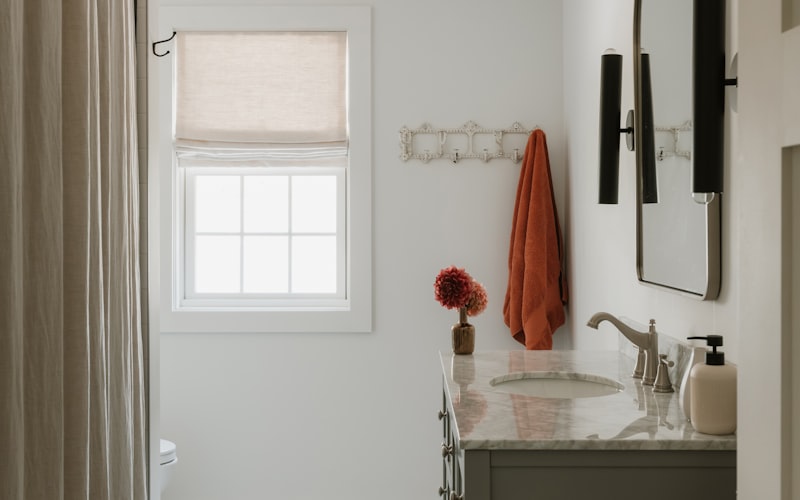
Fabric blinds — including cellular (honeycomb) shades, Roman shades, and roller blinds — are the most delicate and need the most careful approach. Vacuuming with a brush attachment on low suction is the safest routine cleaning method. For spot cleaning, use a barely damp cloth and blot rather than rub.
Routine Dusting for Fabric Blinds
Use the upholstery or brush attachment on your vacuum set to the lowest suction setting. High suction can pull fabric out of shape, especially on cellular shades where the honeycomb cells are delicate.
Work from top to bottom in gentle, overlapping passes. For cellular shades, vacuum the front face and then angle the nozzle slightly to clean inside the open cells at the top and bottom edges where dust accumulates.
A lint roller works as a quick alternative for light dust on fabric blinds and is especially useful for picking up pet hair that clings to the fabric surface.
Spot Cleaning Fabric Blinds
For stains or marks on fabric blinds:
- Blot (don't rub) the area with a clean, white cloth dampened with warm water.
- For stubborn stains, add a tiny amount of mild laundry detergent to the water.
- Blot the stain working from the outside edges toward the center to prevent spreading.
- Blot with a dry cloth to absorb moisture.
- Let the blind hang open to air dry completely.
Never use harsh chemicals, bleach, or strong solvents on fabric blinds. If a stain won't come out with gentle spot cleaning, consider professional blind cleaning services rather than risking damage.
How to Deep Clean Blinds Without Removing Them
Sometimes a routine dust and wipe isn't enough. If your blinds haven't been cleaned in a long time, or if they're in a kitchen or bathroom where grime builds up fast, a more intensive in-place cleaning is needed.
The Steam Clean Method
A handheld steam cleaner is one of the best deep cleaning tools for blinds that can't be easily removed. The steam loosens caked-on grime and kills bacteria and dust mites without chemicals.
Hold the steamer a few inches from the blind surface and work along each slat. Follow immediately with a microfiber cloth to wipe away the loosened dirt. This works well on vinyl, aluminum, and faux wood blinds. Avoid steaming real wood blinds — the moisture and heat can damage the finish and cause warping.
Compressed Air for Hard-to-Reach Areas
Cans of compressed air are effective for blasting dust out of areas your cloth can't reach — like the top rail mechanism, tilt gears, and cord slots. This is especially helpful for cellular shades where dust hides deep inside the honeycomb cells.
The Two-Bucket Method for Heavily Soiled Vinyl Blinds
For vinyl or aluminum blinds that are seriously grimy:
- Fill one bucket with warm, soapy water (dish soap works fine).
- Fill a second bucket with clean rinse water.
- Dip your cloth in the soapy water, wring well, wipe a section of slats.
- Rinse the cloth in the clean water, wring, wipe the same section again.
- Dry with a clean towel.
Changing the rinse water frequently prevents you from spreading dirty water back onto clean slats.
How to Keep Blinds Clean Longer
Preventing dust buildup means cleaning less often and less intensely. These habits make a noticeable difference.
Dust Weekly During Routine Cleaning
The single best prevention strategy is a quick weekly dusting as part of your regular cleaning routine. A 30-second pass with a duster or vacuum brush while you're already cleaning the room prevents the kind of heavy buildup that requires deep cleaning. If you're keeping up with cleaning in a busy household, adding a blind dusting pass takes minimal extra time.
Use an Anti-Static Spray
After cleaning, spray a light mist of anti-static spray or fabric softener diluted with water onto a cloth and wipe each slat. The anti-static coating repels dust, extending the time between cleanings by several weeks. This is the same principle as using dryer sheets on baseboards — it actually works.
Address Humidity and Airflow
Blinds in humid rooms (kitchens, bathrooms) accumulate grime faster because dust sticks to moisture on the surface. Running an exhaust fan while cooking or showering reduces moisture that makes dust adhesive. If your home has a persistent musty smell, addressing the humidity source will also slow down grime buildup on your blinds.
Keep Windows Closed on High-Pollen Days
If you like fresh air, so do your blinds — they catch everything that blows in. On high-pollen or high-dust days, keep windows closed or use screens that filter particles. Your blinds (and allergies) will thank you.
Frequently Asked Questions
Can I clean blinds in a dishwasher?
No. Dishwashers use high heat and harsh detergent cycles that can warp vinyl blinds, strip finishes off wood and faux wood blinds, and destroy fabric shades. If you want to do an off-the-window deep clean, a bathtub soak in lukewarm soapy water is the safe alternative for vinyl and aluminum blinds only. But the whole point of the methods above is that you shouldn't need to take them down at all.
How often should I clean my blinds?
Dust blinds every 1-2 weeks as part of your routine cleaning for best results. A wet wipe-down every 1-3 months prevents grime from building up. Kitchen and bathroom blinds may need wet cleaning monthly due to grease and moisture exposure. If you have allergies, weekly dusting makes a noticeable difference in air quality.
What's the fastest way to clean a whole house full of blinds?
Use a vacuum with a brush attachment and move room to room, closing the blinds flat and running the brush along them without stopping to wipe individually. You can dust every blind in a typical three-bedroom house in about 20-30 minutes this way. Save the wet cleaning for the dirtiest blinds only, like kitchen and bathroom windows.
Do dryer sheets actually work for cleaning blinds?
Yes. Used dryer sheets pick up dust effectively thanks to their anti-static properties, and they leave a coating that repels future dust. They work best as a finishing step after you've already cleaned the blinds with a damp cloth. Just run a sheet along each slat after cleaning for extended freshness. They're not as thorough as a microfiber cloth for removing existing grime, though.
Will vinegar damage my blinds?
Vinegar is safe for vinyl, aluminum, and faux wood blinds and is actually excellent for cutting through kitchen grease. However, avoid using vinegar on real wood blinds — the acidity can strip the finish and dry out the wood over time. For fabric and cellular blinds, stick to plain water or a mild detergent since vinegar may discolor certain fabrics.
Start With the Worst Window
If every blind in your house is overdue for a cleaning, don't try to do them all at once. Pick the room where the blinds bother you most — usually the kitchen or a south-facing window that catches full sun and shows every dust particle. Clean that one set of blinds using the method that matches their material, and you'll see how quick it actually is. Most people find that once they knock out the first window, they're motivated to keep going because the difference is so dramatic.
Get weekly home tips that actually work
Join thousands of homeowners getting practical cleaning hacks, DIY fixes, and money-saving tips every week. Free, and you can unsubscribe anytime.

Written by
Beth SullivanFounder & Editor-in-Chief
Beth Sullivan is the founder of Practical Home Guides. With over a decade of hands-on experience tackling every home challenge imaginable, she started this site to share the practical, no-nonsense solutions she wishes she had found years ago. When she's not testing cleaning hacks or organizing pantries, you'll find her in the garden or working on her next DIY project.
Recommended Products
Looking for specific product recommendations? Check out our tested picks.
Best Cordless Stick Vacuums (2026 Buyer's Guide)
We tested cordless stick vacuums on hardwood, carpet, pet hair, and stairs. Here are the picks worth the price for every home and budget in 2026.
Best Pressure Washers for Home Use (2026 Buyer's Guide)
We tested electric and gas pressure washers for siding, decks, driveways, and patio furniture. Here are the best picks for every budget and home size.
Best Self-Emptying Robot Vacuums (2026 Tested)
Self-emptying robot vacuums let you forget about the dust bin for weeks. We tested the top models on hardwood, carpet, pet hair, and floor plans.
5 Best Steam Mops for Tile Floors (2026)
We tested the top steam mops for tile, grout, and hard floors. Here are the 5 best picks with honest pros, cons, and who each one is best for.
7 Best Robot Vacuums Under $300 (2026)
We compared the top robot vacuums under $300 for pet hair, hardwood floors, and carpet. Here are the 7 best picks with pros, cons, and who each is best for.
Related Articles
How to Remove Rust From Grill Grates (Without Replacing Them)
Rusted grill grates can be revived if rust is surface-only. Here's the safe restoration method that gets cast iron and steel grates back to cooking-ready.
How to Remove Grass Stains From Clothes (Even After Drying)
Grass stains are protein and chlorophyll bonded into fabric. Here's the order of treatments that gets them out — even on jeans that already went through the dryer.

How to Refresh Outdoor Rugs Without Replacing Them
Before you toss that faded, grimy outdoor rug, try this simple revival routine. Most polypropylene outdoor rugs come back like new with 30 minutes of work.
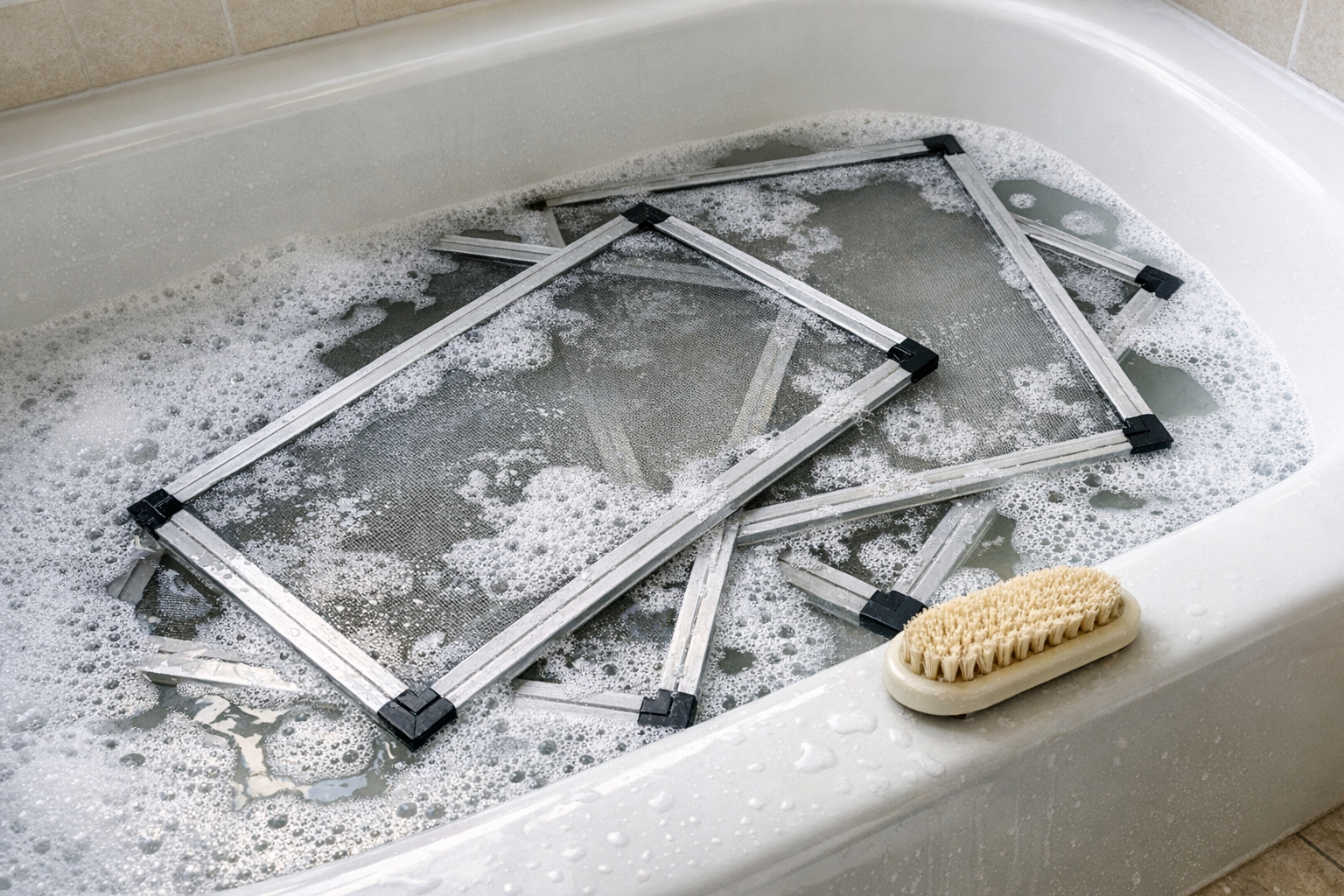
How to Deep Clean Window Screens (The Bathtub Method)
Window screens accumulate a winter's worth of dust, pollen, and grime. The bathtub method gets them all clean in one shot — cleaner than cleaning them individually.