How to Clean a Mattress and Remove Every Type of Stain
This article may contain affiliate links. If you make a purchase through these links, we may earn a small commission at no extra cost to you. Learn more
Quick Answer
How to Clean a Mattress and Remove Every Type of Stain
Strip all bedding and vacuum the entire mattress surface with an upholstery attachment. For general freshening, sprinkle baking soda over the whole mattress, let it sit for 30 minutes to an hour, then vacuum it up. For stains, make a paste of 2 tablespoons baking soda, 1 tablespoon dish soap, and 1 tablespoon hydrogen peroxide — apply to the stain, let it sit 20 minutes, then blot with a damp cloth. For urine stains, spray with a 50/50 vinegar-water solution first, blot dry, then apply baking soda overnight.
How to Clean a Mattress and Remove Every Type of Stain
You spend roughly a third of your life on your mattress, and during that time it absorbs sweat, dead skin cells, body oils, and dust mite waste. The average mattress gains several pounds of this buildup over its lifetime. Yet most people never clean their mattress — not even once.
The good news is that deep cleaning a mattress is straightforward, takes about an hour of actual work, and uses ingredients you probably already have in your kitchen. Here's how to handle every type of mattress stain and keep it fresh for years.
How Do You Deep Clean a Mattress?
The basic deep-cleaning process takes about an hour of hands-on time plus some waiting. Do this every 3-6 months.
Step 1: Strip everything off. Remove all bedding — sheets, mattress pad, mattress protector, everything. Toss them in the wash while you work on the mattress.
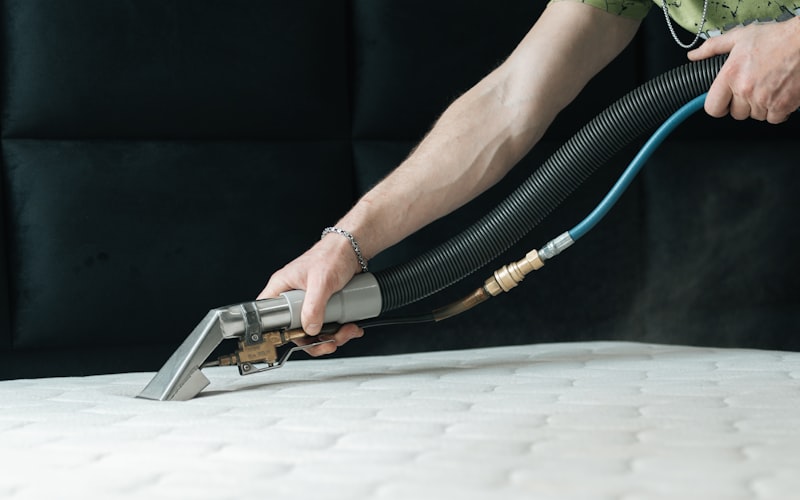
Step 2: Vacuum the entire surface. Use a vacuum with an upholstery attachment and go over every inch of the mattress — top, sides, and seams. The seams and edges are where dust mites and dead skin cells accumulate most. Use the crevice tool to get into tufts and along piping.
Step 3: Spot treat stains. Before the general cleaning, address any visible stains with the targeted methods below.
Step 4: Apply baking soda. Sprinkle a generous layer of baking soda over the entire surface. Baking soda absorbs moisture and odors from deep within the mattress. For extra deodorizing, mix 5-10 drops of lavender essential oil into the baking soda before sprinkling.
Step 5: Wait. Let the baking soda sit for at least 30 minutes — an hour or more is better. If you can open a window and let sunlight hit the mattress, even better. UV light kills bacteria naturally.
Step 6: Vacuum again. Thoroughly vacuum up all the baking soda. Go over the surface multiple times to make sure you get it all.
Step 7: Flip or rotate. If your mattress is flippable, flip it and repeat. If not, rotate it 180 degrees so the head end is now at the foot. This evens out wear.
How Do You Remove Sweat Stains From a Mattress?
Sweat stains are the most common mattress stain — those yellowish discolorations that spread gradually over time. They're caused by body oils and sweat reacting with the fabric.
The hydrogen peroxide method works best:
- Mix 2 tablespoons of baking soda, 1 tablespoon of dish soap, and 1 tablespoon of hydrogen peroxide (3% solution) into a paste
- Apply the paste directly to the stain with a soft cloth or old toothbrush
- Gently work it into the fabric — don't soak the mattress
- Let it sit for 20-30 minutes
- Blot with a clean damp cloth to remove the paste
- Let it air dry completely before putting sheets back on
For old or set-in sweat stains, you may need to repeat this process two or three times. Between applications, let the mattress dry fully. The same approach works well for yellow stains on mattresses that you can't identify — they're almost always sweat or body oil.
How Do You Get Blood Stains Out of a Mattress?
Cold water is the key. Never use hot water on blood — heat sets protein-based stains permanently.
For fresh blood stains:
- Blot up as much as possible with a cold, damp cloth — don't rub, just blot
- Apply hydrogen peroxide (3%) directly to the stain — it will fizz as it breaks down the blood
- Blot with a clean cloth
- Repeat until the stain fades
- Blot with plain cold water to rinse, then let dry
For dried blood stains:
- Make a paste of 1 tablespoon of salt, 1 tablespoon of cornstarch, and 1 tablespoon of hydrogen peroxide
- Apply to the stain and let it sit for 30 minutes
- Scrape off the paste gently and blot with a cold damp cloth
- Repeat if needed
If hydrogen peroxide isn't doing the job on an old stain, an enzyme cleaner designed for biological stains will break down the proteins more effectively.
How Do You Clean Urine Stains and Odor From a Mattress?
Urine stains — whether from kids, pets, or accidents — require a two-step approach because you need to address both the stain and the odor. The smell comes from uric acid crystals that standard cleaning doesn't always remove.
For fresh urine:
- Blot up as much liquid as possible with towels — press firmly and use several towels
- Spray the area with a 50/50 mix of white vinegar and water
- Blot again with clean towels
- Sprinkle a thick layer of baking soda over the entire area
- Let it sit 8-10 hours (overnight is ideal)
- Vacuum up the baking soda thoroughly
For old urine stains with lingering odor:
The vinegar and baking soda method above handles most cases, but for stubborn odor that keeps coming back, you need an enzyme cleaner. Enzyme-based cleaners contain bacteria that literally eat the uric acid crystals causing the smell. Spray it on according to the product directions, let it work for the recommended time, and blot dry.
This is the same approach you'd use to remove carpet stains caused by pet accidents — enzymes are the only thing that truly eliminates the uric acid.
How Do You Get Rid of Dust Mites in a Mattress?
Every mattress has dust mites — millions of them. They feed on the dead skin cells you shed at night. You can't see them, but if you wake up congested or sneezy, they might be part of the problem.
To reduce dust mites:
- Vacuum regularly — Vacuum your mattress with an upholstery attachment every time you change your sheets. This removes the dead skin cells they feed on.
- Baking soda treatment — The deep cleaning method above (sprinkle baking soda, wait, vacuum) dehydrates and removes mites.
- Wash bedding in hot water — Sheets, pillowcases, and mattress protectors should be washed weekly in water at least 130°F to kill mites.
- Use a mattress protector — A waterproof mattress protector creates a barrier between you and the mites living in your mattress. This is the single most effective long-term solution.
- Reduce humidity — Dust mites thrive in humid environments. Keep your bedroom below 50% humidity. If your bedroom feels stuffy or damp, address it the same way you'd get rid of a musty smell — improve ventilation and consider a dehumidifier.
How to Keep Your Mattress Clean Longer
Prevention is far easier than deep cleaning. These habits dramatically reduce how often you need to do a full mattress cleaning.
Use a Mattress Protector
This is non-negotiable. A quality waterproof mattress protector costs $25-50 and prevents sweat, spills, dead skin, and dust mites from reaching your mattress. Modern protectors are thin, quiet, and breathable — not the crinkly plastic ones from years ago. Wash it monthly.
Waterproof Mattress Protector
Thin, breathable, and quiet — blocks sweat, spills, and dust mites while feeling like a regular fitted sheet. The single best investment for keeping your mattress clean long-term.
Check Price on Amazon →Wash Sheets Weekly
Your sheets are the first line of defense. Washing them in hot water every week removes the oils, sweat, and skin cells before they soak through to the mattress. Don't let sheets go more than two weeks without washing.
Vacuum Monthly
Add a quick mattress vacuum to your monthly cleaning routine. It takes five minutes and prevents buildup between deep cleans. If you have a robot vacuum handling your floors, use the handheld for a quick mattress pass when you change sheets.
Rotate or Flip Regularly
Rotate your mattress 180 degrees every 3-4 months. If it's a flippable mattress, flip it too. This evens out body impressions and prevents one area from absorbing all the wear. Mark your calendar so you don't forget.
Don't Eat in Bed
Crumbs attract pests and create stains. If you eat or drink in bed (most of us do sometimes), at least shake out the sheets and wipe up any crumbs immediately. The same principle applies to keeping your couch clean — prevention is easier than stain removal.
Frequently Asked Questions
Can you steam clean a mattress?
Yes, a handheld steam cleaner can sanitize a mattress and kill dust mites with heat. Hold the steamer a few inches from the surface and move slowly across the mattress. The critical step is letting the mattress dry completely afterward — point a fan at it or open windows. A damp mattress can develop mold.
How often should you clean your mattress?
Deep clean every 3-6 months. Vacuum whenever you change sheets (ideally weekly or biweekly). Spot treat stains immediately when they happen — fresh stains are dramatically easier to remove than set-in ones.
Can you use bleach on a mattress?
Avoid bleach. It can damage the mattress fabric, discolor it, leave harsh chemical fumes where you sleep, and break down foam materials. Hydrogen peroxide is a much safer alternative that works just as well on stains without the risks.
How long does a mattress take to dry after cleaning?
Allow 4-8 hours for a mattress to fully dry after wet cleaning. Speed it up by pointing a fan at the mattress, opening windows for airflow, or running a dehumidifier in the room. Never put sheets back on a damp mattress — this leads to mold and mildew growth.
What causes yellow stains on a mattress?
Yellow stains are almost always caused by sweat and body oils soaking through your sheets over time. They can also come from urine or spilled drinks. Regardless of the cause, the hydrogen peroxide and baking soda paste method described above is the most effective treatment.
Start With What You Can See
You don't have to tackle every stain and every method in one session. If your mattress has a specific stain that's been bugging you, start there with the targeted treatment. If it just needs a general freshening up, the baking soda method takes minimal effort and makes a noticeable difference. And if you don't have a mattress protector yet, adding one today means you'll rarely need to deep clean the mattress itself again.
Get weekly home tips that actually work
Join thousands of homeowners getting practical cleaning hacks, DIY fixes, and money-saving tips every week. Free, and you can unsubscribe anytime.

Written by
Beth SullivanFounder & Editor-in-Chief
Beth Sullivan is the founder of Practical Home Guides. With over a decade of hands-on experience tackling every home challenge imaginable, she started this site to share the practical, no-nonsense solutions she wishes she had found years ago. When she's not testing cleaning hacks or organizing pantries, you'll find her in the garden or working on her next DIY project.
Recommended Products
Looking for specific product recommendations? Check out our tested picks.
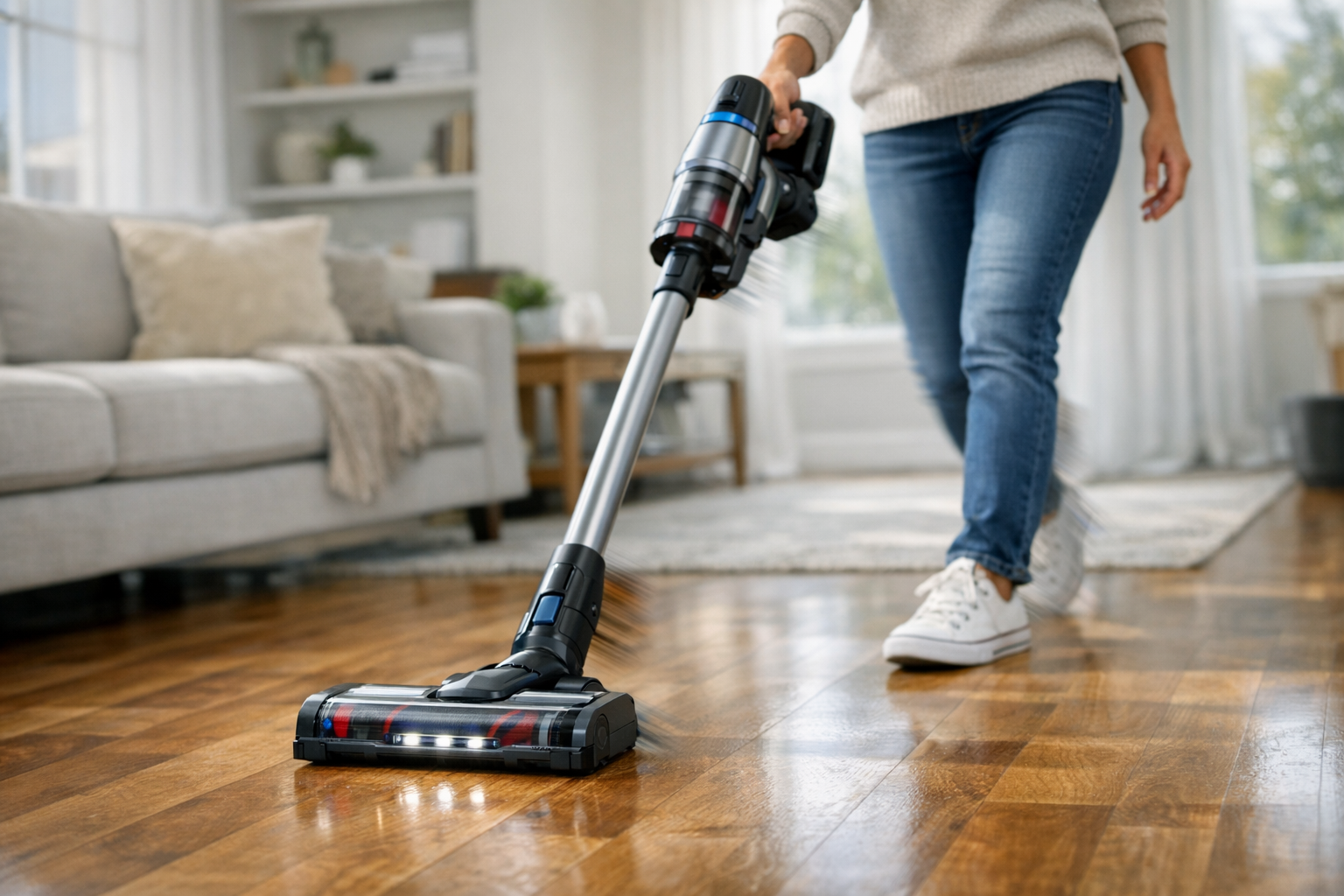
Best Cordless Stick Vacuums (2026 Buyer's Guide)
We tested cordless stick vacuums on hardwood, carpet, pet hair, and stairs. Here are the picks worth the price for every home and budget in 2026.
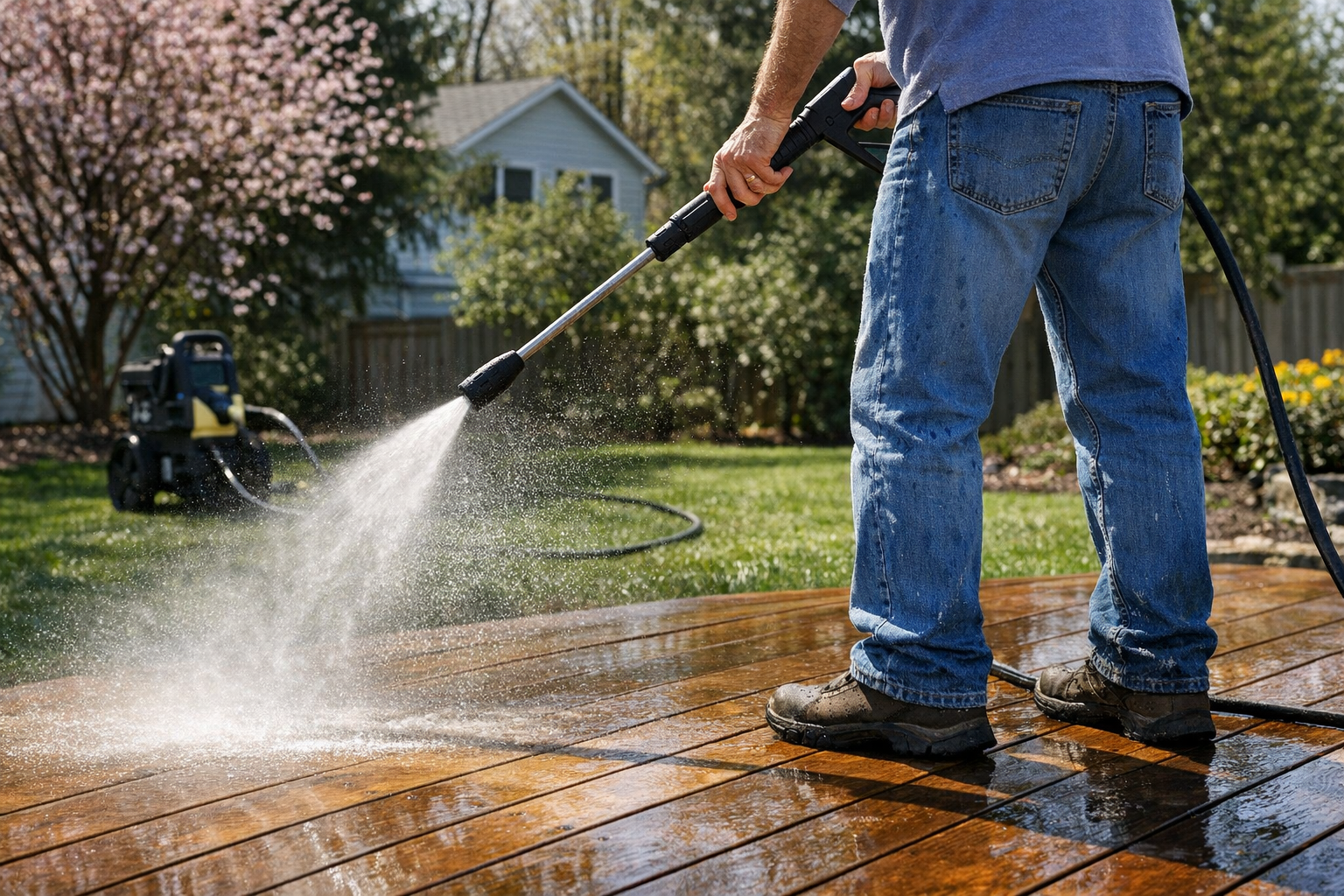
Best Pressure Washers for Home Use (2026 Buyer's Guide)
We tested electric and gas pressure washers for siding, decks, driveways, and patio furniture. Here are the best picks for every budget and home size.
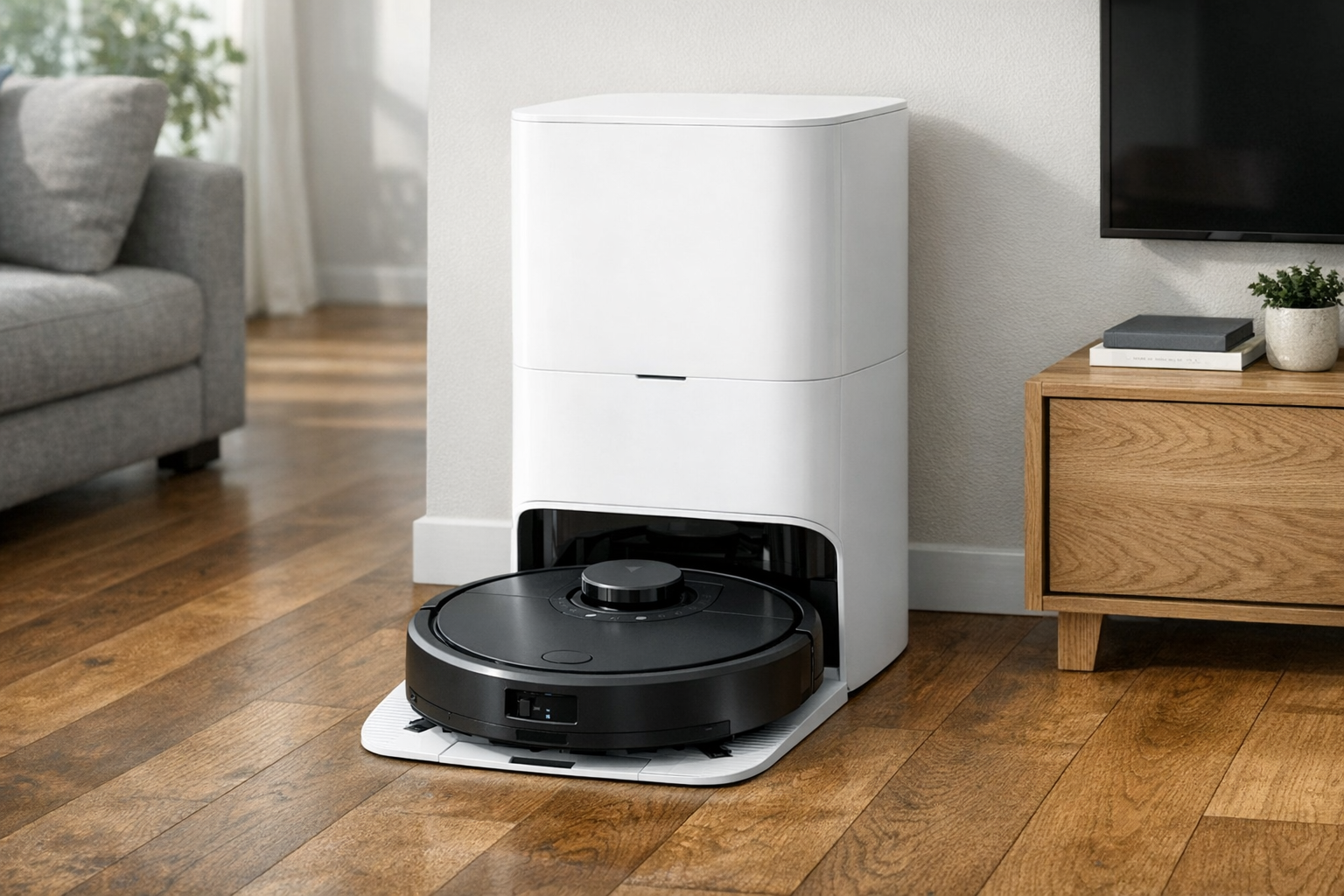
Best Self-Emptying Robot Vacuums (2026 Tested)
Self-emptying robot vacuums let you forget about the dust bin for weeks. We tested the top models on hardwood, carpet, pet hair, and floor plans.
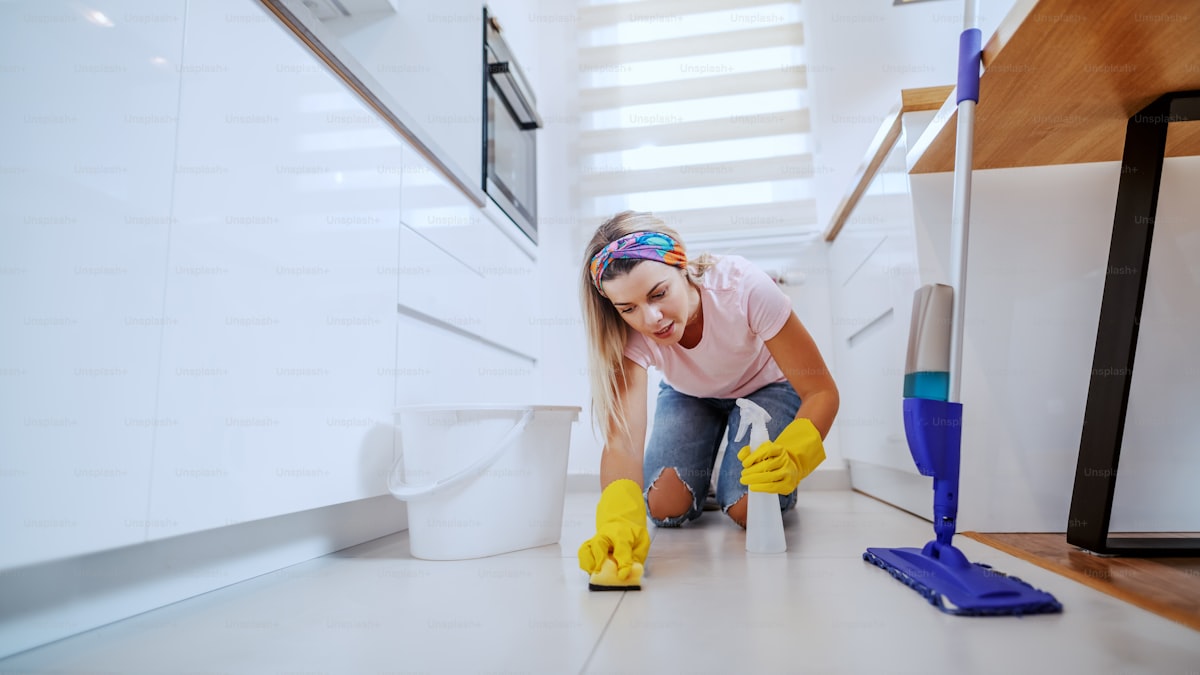
5 Best Steam Mops for Tile Floors (2026)
We tested the top steam mops for tile, grout, and hard floors. Here are the 5 best picks with honest pros, cons, and who each one is best for.
7 Best Robot Vacuums Under $300 (2026)
We compared the top robot vacuums under $300 for pet hair, hardwood floors, and carpet. Here are the 7 best picks with pros, cons, and who each is best for.
Related Articles
How to Remove Rust From Grill Grates (Without Replacing Them)
Rusted grill grates can be revived if rust is surface-only. Here's the safe restoration method that gets cast iron and steel grates back to cooking-ready.
How to Remove Grass Stains From Clothes (Even After Drying)
Grass stains are protein and chlorophyll bonded into fabric. Here's the order of treatments that gets them out — even on jeans that already went through the dryer.

How to Refresh Outdoor Rugs Without Replacing Them
Before you toss that faded, grimy outdoor rug, try this simple revival routine. Most polypropylene outdoor rugs come back like new with 30 minutes of work.
How to Deep Clean Window Screens (The Bathtub Method)
Window screens accumulate a winter's worth of dust, pollen, and grime. The bathtub method gets them all clean in one shot — cleaner than cleaning them individually.