Cut Your Spring Electric Bill: 12 Simple Swaps That Pay Off Fast
This article may contain affiliate links. If you make a purchase through these links, we may earn a small commission at no extra cost to you. Learn more
Quick Answer
Cut Your Spring Electric Bill: 12 Simple Swaps That Pay Off Fast
The biggest spring wins: swap to LED bulbs, install a smart thermostat, seal duct leaks, replace old weatherstripping, and clean refrigerator coils. These five fixes alone typically cut a 200 dollar monthly bill by 40 to 70 dollars. Total cost: under 200 dollars in materials.
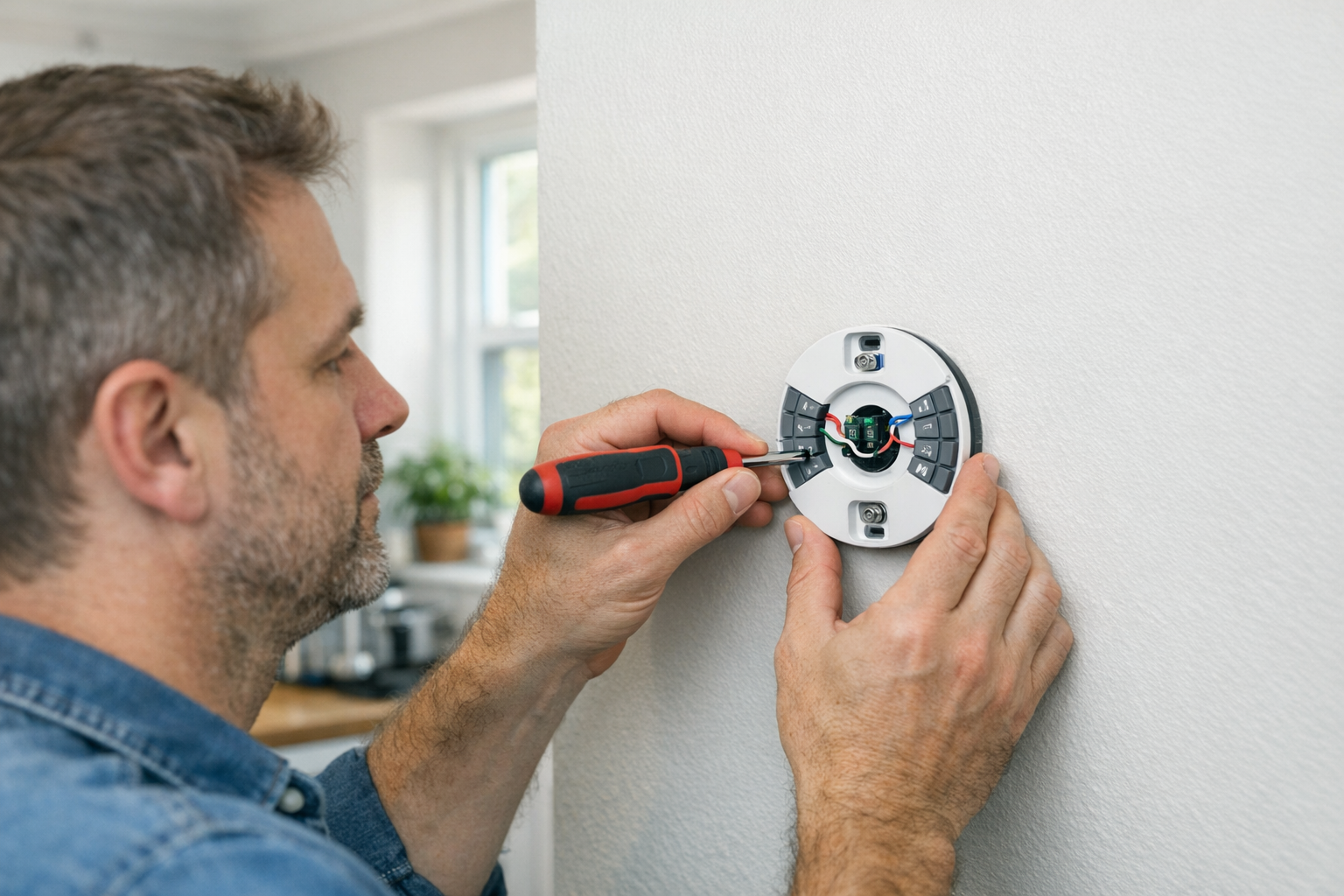
Spring is the best time of year to fix electricity waste. The weather is mild, the AC and heat are mostly off, and you can do small projects without sweating. Every fix you make in April pays off all summer when the AC runs nonstop.
These are the swaps and fixes I make at every house I visit, ranked roughly by ROI. The top five typically pay back in under 6 months.
1. Replace All Incandescent and Halogen Bulbs with LEDs
If you still have any non-LED bulbs in the house, this is the highest single-impact swap.
- A 60W incandescent uses about 60 watts. An equivalent LED uses 8 to 9 watts. That's 85 percent less electricity per bulb.
- LEDs last 15 to 25 years. You replace incandescents annually.
- A pack of 24 LED light bulbs costs around 25 to 35 dollars and saves 100 to 200 dollars a year in a typical home.
For outdoor and high-use areas, smart LED bulbs add scheduling and remote control with the same power savings.
2. Install a Smart Thermostat
A Nest, Ecobee, or Honeywell smart thermostat typically pays for itself in under a year. The ones I install at clients' houses save 10 to 20 percent on heating and cooling, which is the single biggest line item on most electric bills.
Key features that drive the savings:
- Automatic schedules (cool/heat less when you're not home)
- Geofencing (adjust based on whether your phone is home)
- Remote control from your phone
- Reports showing exactly when your HVAC ran
Install yourself in 30 minutes if you have a C-wire (most homes do). If not, an add-a-wire kit typically comes free with your thermostat.
3. Seal Duct Leaks (the Hidden Money Drain)
Most homes lose 20 to 30 percent of heated and cooled air through leaky ducts in the attic and crawlspace. That air is paid for and goes nowhere useful.
The fix is a roll of aluminum HVAC foil tape and a tube of duct mastic sealant. Crawl into your attic or crawlspace, find every joint and seam in the ductwork, and seal them.
Don't use cloth "duct tape" — it dries out and falls off in a year. The aluminum foil tape and mastic last decades.
This single fix saves more on cooling and heating than any other DIY project — but it's the dirtiest, sweatiest hour you'll spend. Worth it.
4. Replace Weatherstripping Around Doors and Windows
Old weatherstripping cracks, compresses, and leaves gaps. Run your hand around the frame of every exterior door — if you feel a draft, replace it.
A roll of self-adhesive foam weatherstripping is 5 to 10 dollars and seals an entire door. Add a door sweep to the bottom of any door with a visible gap underneath.
For windows, removable rope caulk seals seasonal leaks without ruining the paint. Pull off in the fall.
5. Clean Refrigerator Coils
Most fridges run 24/7 and use 8 to 15 percent of total household electricity. Dirty condenser coils make the compressor work harder and cost more.
Pull the fridge out, vacuum the coils with a refrigerator coil cleaning brush, and put it back. 15 minutes, 0 dollars in materials, typically saves 50 to 100 dollars a year.
Do it every 6 months. See our full guide on troubleshooting noisy refrigerators.
6. Replace HVAC Air Filter
A clogged HVAC filter forces the system to work harder. Most homes need new filters every 2 to 3 months, more often with pets.
A pack of 6 pleated HVAC filters covers a year for under 30 dollars. The actual energy savings is modest (5 to 10 percent on cooling) but the system also lasts longer.
7. Switch to Cold Water Wash Cycles
Heating water for laundry is a substantial fraction of your hot water heating bill. Modern laundry detergents work in cold water — there's no quality penalty for clothes that aren't visibly dirty.
A bottle of cold-water laundry detergent and a habit change: 50 to 100 dollars a year saved.
8. Install Low-Flow Showerheads
Hot water for showers is the second biggest hot water expense. A WaterSense-certified low-flow showerhead cuts water use by 30 to 50 percent without making the shower feel weak.
Modern low-flow heads use pressure-boosting technology — the spray feels stronger than the old high-flow heads, not weaker. 25 dollars per shower, payback in 6 to 8 months.
9. Use Power Strips for Phantom Loads
Devices in standby mode (TVs, game consoles, cable boxes, computer monitors) use 5 to 10 percent of household electricity for nothing.
Plug clusters of these into smart power strips that cut power when devices aren't in use. The savings is small per device but adds up across a house full of plugged-in stuff.
10. Set the Water Heater to 120F
Most water heaters ship set to 140F. 120F is plenty hot for showers and dishwashers, and dropping the setting reduces standby losses by 4 to 10 percent.
If your water heater is in an unconditioned space (garage, basement), wrap it in an insulating water heater blanket for another 7 to 16 percent savings.
11. Add Ceiling Fans (and Use Them Right)
A ceiling fan lets you raise the AC setting by 4F without feeling warmer. That alone cuts cooling costs 8 to 15 percent.
But fans cool people, not rooms. Turn them off when you leave the room — running fans in empty rooms wastes electricity and adds heat from the motor.
In summer, fans should spin counterclockwise (cooling). In winter, switch to clockwise on low to push warm air down.
12. Run Big Appliances at Off-Peak Times
If your utility has time-of-use pricing, dishwashers, washers, and dryers cost much less to run in the evening or overnight.
Even on flat-rate electricity plans, running heat-generating appliances at night avoids fighting the AC during the hot afternoon — a hidden savings.
A smart plug with scheduling on your dehumidifier, dryer, or pool pump automates this.
How to Track What's Actually Working
You can't manage what you don't measure. A smart energy monitor clips into your electrical panel and shows real-time consumption by device. Most users find one or two big surprises (a vampire load nobody knew about, a fridge running 4x as much as it should) within the first month.
The Sense system is overkill for some, but a single plug-in energy meter lets you check individual appliances for under 30 dollars.
Frequently Asked Questions
Which spring fix saves the most?
A smart thermostat installed correctly typically saves the most absolute dollars (often 150 to 300 a year). LED bulb swaps usually have the fastest payback (under 3 months). Duct sealing has the highest savings per dollar invested.
Are LED bulbs really worth replacing if my old bulbs still work?
Yes. The electricity savings (about 8 to 12 dollars per bulb per year for a frequently-used fixture) pays back the LED price in under a year. Plus you stop replacing bulbs every 12 months.
Will sealing my house too tight cause problems?
Most homes are nowhere near tight enough to be a concern. If you do major air sealing (rare for DIY), make sure you have working bathroom and kitchen exhaust fans for moisture control.
How much can I really cut my bill?
Doing all 12 of these in a typical home cuts the annual electric bill by 25 to 40 percent. The smaller items add up: a 5 percent here, 8 percent there. Track your bill monthly compared to the same month last year — that's the real test.
Final Thoughts
Spring is the right time for energy efficiency because the weather doesn't punish a half-finished project. Tackle one fix per weekend through April, and by the time summer cooling kicks in, your bill is dramatically lower than it was last year. Track the results so you can see exactly what worked.
Get weekly home tips that actually work
Join thousands of homeowners getting practical cleaning hacks, DIY fixes, and money-saving tips every week. Free, and you can unsubscribe anytime.

Written by
Marcus ChenDIY & Home Repair Editor
Marcus Chen spent fifteen years as a licensed general contractor in the Pacific Northwest before joining Practical Home Guides full time. He specializes in plumbing, electrical, and weekend warrior projects that save homeowners thousands. Marcus has personally tested every tool he recommends in his own century-old fixer-upper.
Recommended Products
Looking for specific product recommendations? Check out our tested picks.

Best Outdoor Patio Furniture Deals (2026 Spring Picks)
Late April is the sweet spot for patio furniture deals — pre-summer sales without late-season picked-over selection. Here are the picks worth buying now.

5 Best LED Light Bulbs to Cut Your Electric Bill (2026)
Switch to LED bulbs and save $100+ per year on electricity. We compared the top LED bulbs for brightness, color quality, and longevity — here are the 5 best picks.
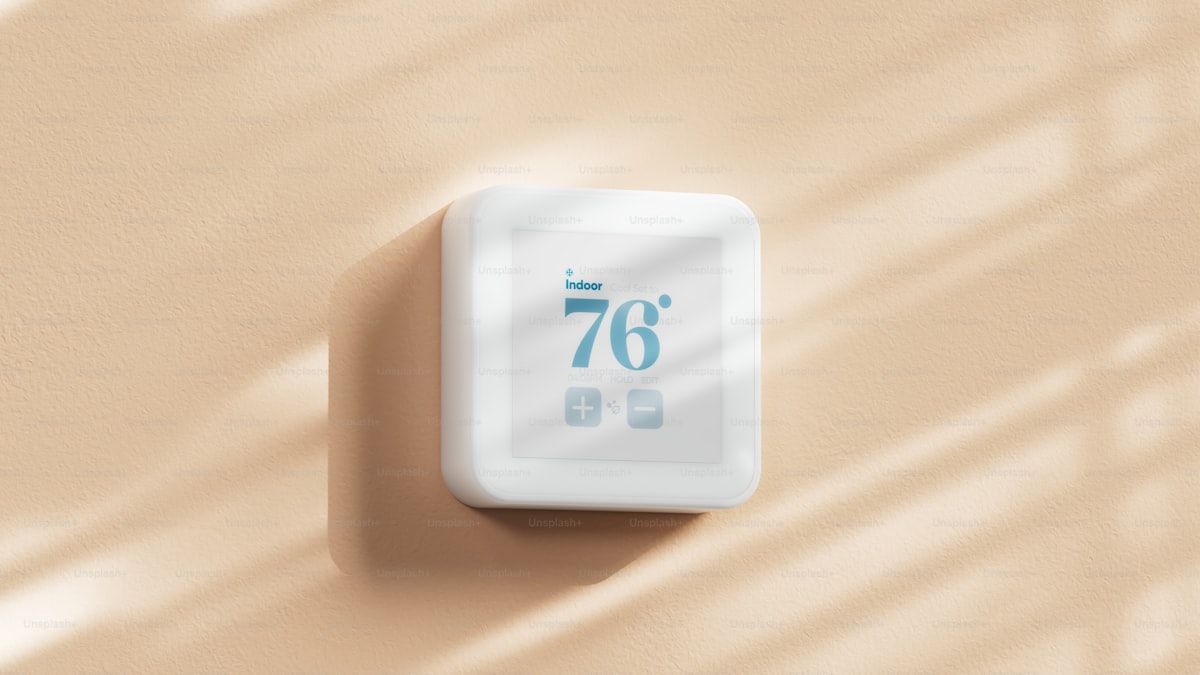
Best Smart Thermostats to Lower Your Energy Bill (2026)
The best smart thermostats that actually save money on heating and cooling. We compare 5 top picks from Nest, Ecobee, Honeywell, and more with real energy savings data.
Related Articles
Best Outdoor Patio Furniture Deals (2026 Spring Picks)
Late April is the sweet spot for patio furniture deals — pre-summer sales without late-season picked-over selection. Here are the picks worth buying now.

12 Earth Day Eco Swaps That Save Money All Year
These 12 home swaps reduce waste AND save money — most under 30 dollars upfront and pay for themselves within a few months.

12 Budget Mother's Day Gifts That Actually Feel Thoughtful
Skip the generic flowers-and-card combo. These under-50-dollar Mother's Day ideas feel personal without breaking the budget.
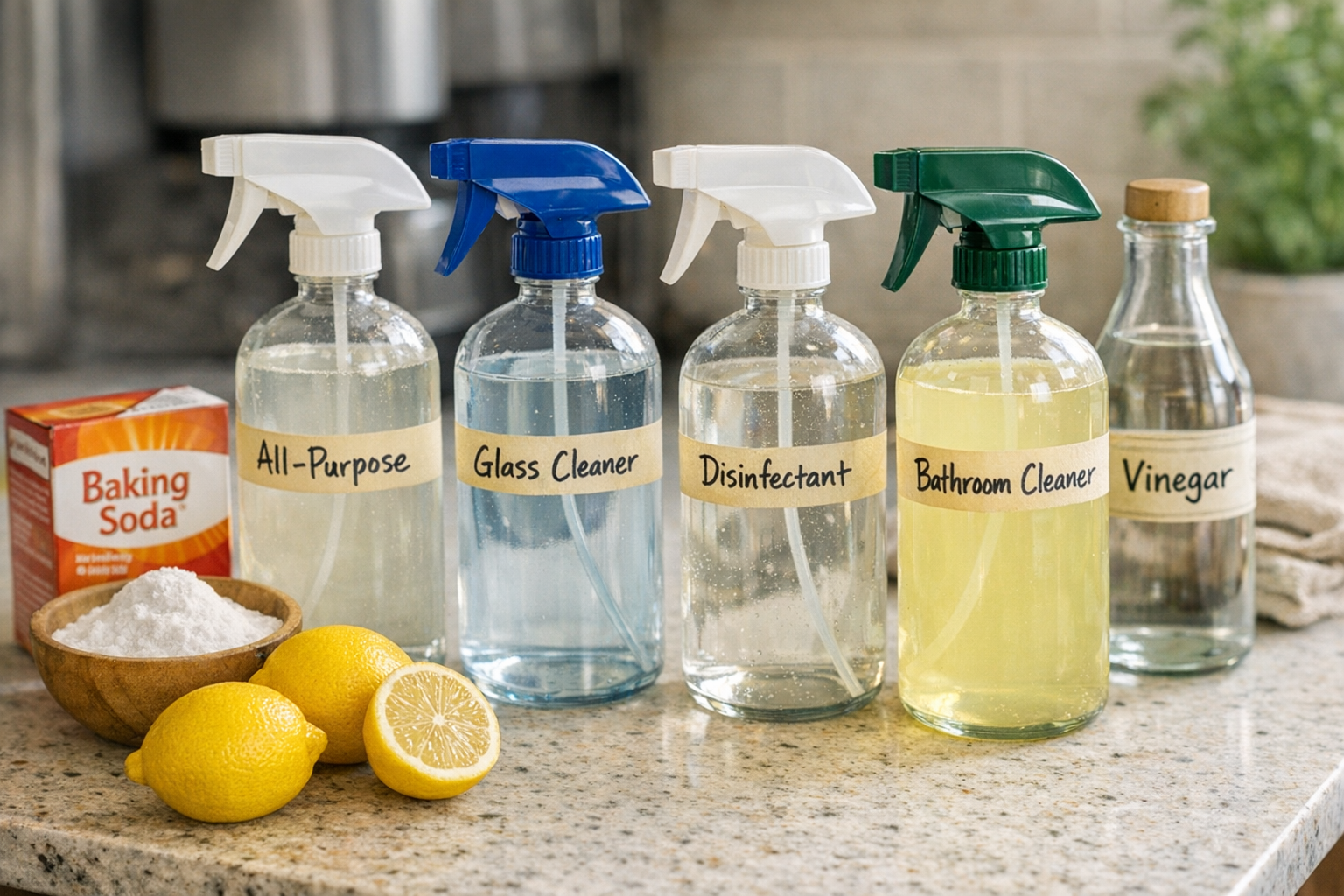
Homemade Cleaning Supplies That Save Real Money (7 Recipes That Work)
Skip the 8-dollar bottles of name-brand cleaner. These 7 homemade cleaner recipes replace everything in the cleaning aisle with 4 basic ingredients.