Troubleshooting a Noisy Refrigerator (What Each Sound Means)
This article may contain affiliate links. If you make a purchase through these links, we may earn a small commission at no extra cost to you. Learn more
Quick Answer
Troubleshooting a Noisy Refrigerator (What Each Sound Means)
Loud humming means dirty condenser coils. Rattling usually means an unbalanced fridge or items vibrating against the back. Hissing can be normal coolant flow. Knocking or banging usually means the compressor is failing. Most fixes are 15 minutes and 0 to 20 dollars in parts.
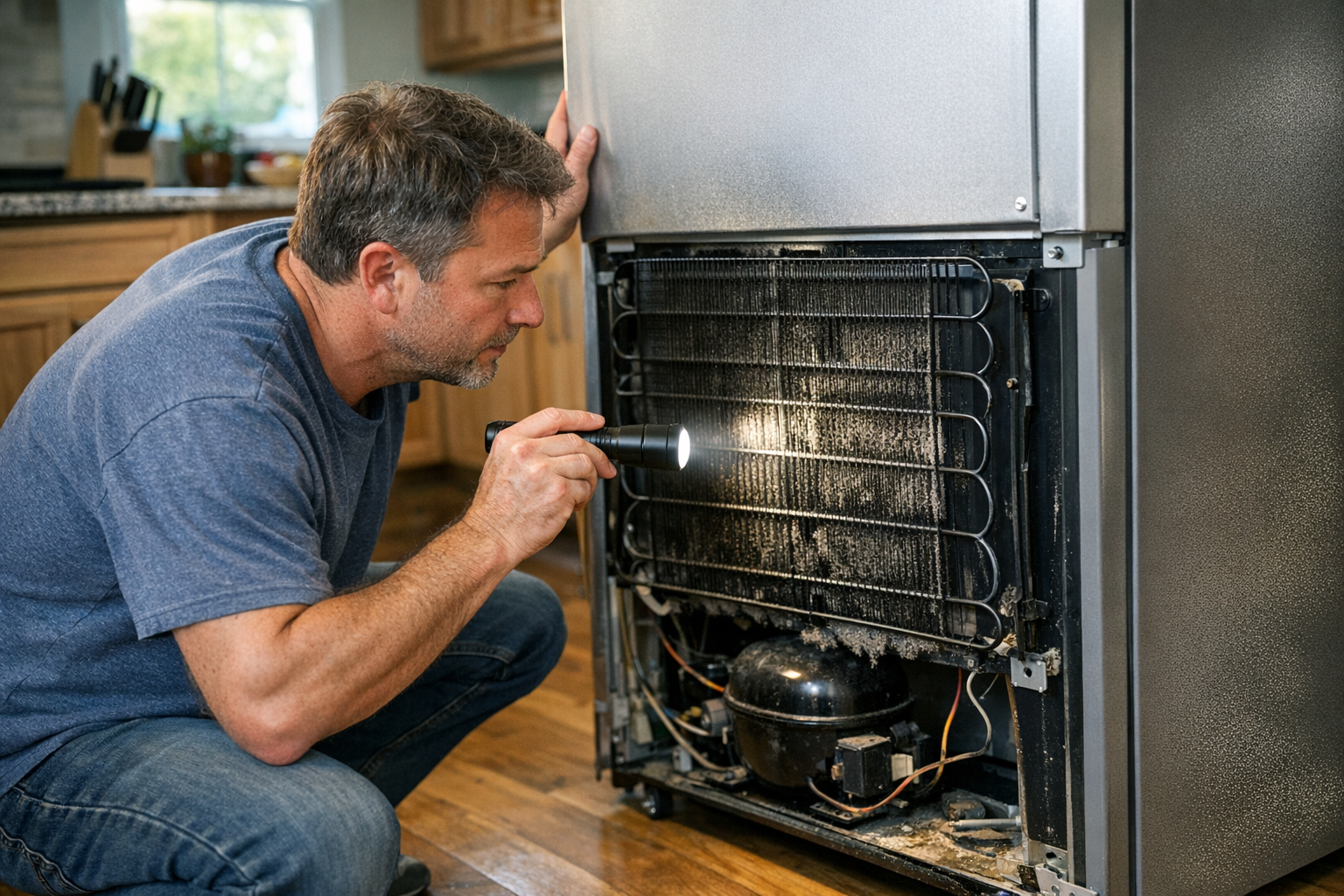
A refrigerator should hum quietly. Anything louder — buzzing, rattling, knocking, screaming — is the appliance asking for attention. Most of those sounds point to specific problems with specific fixes you can do yourself in 15 minutes.
Here's the diagnostic guide I run when neighbors call about a fridge making weird noises.
Step 1: Identify the Type of Sound
Sounds fall into a few clear categories:
- Loud humming or buzzing — usually condenser coils dirty or condenser fan dying
- Rattling or vibrating — fridge unlevel, or items on top vibrating against the wall
- Hissing or sizzling — usually normal coolant or defrost cycle
- Clicking — defrost timer (normal) or relay (failing)
- Knocking, thumping, or banging — compressor problem, possibly serious
- Whining or screaming — fan motor (evaporator or condenser) failing
Listen carefully and note when the sound happens. Constant? Cyclic (every 30 minutes or so)? Only when the door's open?
Step 2: Loud Humming or Buzzing — Clean the Condenser Coils
This is the single most common refrigerator noise complaint and the easiest fix.
Pull the fridge away from the wall. The condenser coils are either on the back (older models) or under the fridge behind a kickplate (newer models). They look like a black grid.
Coils get coated with dust, pet hair, and lint. A coated coil can't release heat efficiently, so the compressor runs harder and louder — and your electric bill goes up.
To clean:
- Unplug the fridge
- Vacuum the coils with a refrigerator coil cleaning brush
- Vacuum the floor underneath
- Plug back in
Do this every 6 months. A clean fridge runs quieter and uses 15 percent less electricity.
Step 3: Rattling or Vibrating — Level the Fridge and Check for Loose Items
Rattles usually come from one of three sources:
The fridge isn't level
Use a bubble level on top of the fridge. If it's tilted, adjust the front feet (most refrigerators have screw-adjustable feet) until level front-to-back and side-to-side.
Most fridges should actually be tilted very slightly backward (about 1/4 inch) so the door swings closed on its own.
Items on top are vibrating
A cereal box on top of the fridge becomes a small drum when the compressor runs. Move stuff off the top, or set it on a silicone shelf liner to dampen vibration.
Drip pan is loose
Underneath the fridge is a drip pan that catches condensate. If it's loose or warped, it rattles. Pull it out, clean it, slide it back in. If it's cracked, search for a replacement universal refrigerator drip pan by your model.
Step 4: Hissing or Sizzling — Usually Nothing
Hissing often turns out to be normal:
- Coolant flowing through the system — short, intermittent
- Defrost cycle — once or twice a day, water drips onto the heater and sizzles
If the hissing is constant and loud, it might be a refrigerant leak. Refrigerant leaks need a professional — that's not DIY territory.
Step 5: Clicking — Defrost Timer or Failing Relay
A click every 6 to 12 hours is the defrost timer cycling. Normal.
A click every couple of seconds, especially if the fridge isn't cooling, is the start relay on the compressor failing. The compressor tries to start, fails, and the relay clicks.
The start relay is a small part on the side of the compressor. Replacing one is a 30-minute job and a universal start relay costs under 20 dollars. Match the part to your fridge's make and model.
Step 6: Knocking, Thumping, or Banging — Compressor Trouble
Loud knocking from the back of the fridge is usually the compressor. If the fridge is also struggling to stay cold, the compressor may be on its way out.
A failing compressor is the most expensive single repair on a refrigerator — typically 400 to 800 dollars. On a fridge over 10 years old, replacement is usually the better economic choice.
Before calling for service, double-check:
- Coils are clean (a dirty coil can cause this same symptom)
- Fridge is level
- Nothing is touching the back of the fridge (push it 2 inches off the wall if you can)
If those don't help, get a professional diagnostic. Many local appliance repair techs charge a flat 75 to 100 dollars for diagnosis applied toward the repair if you proceed.
Step 7: Whining or Screaming — Fan Motor
Two fans run inside a refrigerator: the condenser fan (back, near the compressor) and the evaporator fan (inside the freezer).
A whining condenser fan: pull the fridge out, unplug, and look for ice buildup or debris in the fan blades. Clean carefully. If the fan still whines after cleanup, the motor is failing — replacement universal condenser fan motor is 25 to 50 dollars and a 1-hour DIY job.
A whining evaporator fan: usually a sign of ice buildup blocking the blades, often from a failed defrost system. Manual defrost the freezer (turn off, empty, leave doors open with towels for 24 hours) and see if the noise resolves.
When to Call a Pro
Some sounds need an appliance technician:
- Loud knocking that didn't go away after coil cleaning and leveling
- Constant loud hissing (possible refrigerant leak)
- The fridge is running but not cooling
- Burning electrical smell (unplug immediately)
Refrigerators have sealed refrigerant systems — anything involving the coolant lines requires EPA certification. Don't open them yourself.
Routine Maintenance That Prevents Most Noise
A 15-minute spring tune-up keeps fridges quiet for years:
- Clean condenser coils (every 6 months)
- Vacuum behind and under the fridge
- Check level
- Wipe the door gasket and check for tears
- Replace water filter if applicable
- Listen — if anything sounds off, investigate now while it's small
Frequently Asked Questions
How long should a refrigerator last?
10 to 15 years is normal. Premium brands and well-maintained units sometimes last 20+. Once a fridge is over 12 years old and starts having repair needs over 300 dollars, replacement is usually the better choice.
Why does my fridge get louder at night?
The house is quieter at night, so you notice the same sounds more. If the noise is genuinely louder, the compressor may be working harder due to a hot kitchen — make sure there's airflow around the fridge.
Can I move my refrigerator after it's been running?
Yes, but tilt it as little as possible (never more than 45 degrees) and let it sit upright for at least an hour before plugging back in. This lets the oil settle back into the compressor.
Does a noisy refrigerator use more electricity?
Often yes — a noisy compressor is usually working harder than it should, which costs more to run. Cleaning coils and leveling the fridge usually drops both noise and energy use noticeably.
Final Thoughts
Most refrigerator noises are minor and DIY-fixable. Coil cleaning solves more "loud fridge" complaints than any other single fix. If you've never pulled your fridge out and vacuumed the back — do it this weekend. You'll be surprised how much quieter it gets.
Get weekly home tips that actually work
Join thousands of homeowners getting practical cleaning hacks, DIY fixes, and money-saving tips every week. Free, and you can unsubscribe anytime.

Written by
Marcus ChenDIY & Home Repair Editor
Marcus Chen spent fifteen years as a licensed general contractor in the Pacific Northwest before joining Practical Home Guides full time. He specializes in plumbing, electrical, and weekend warrior projects that save homeowners thousands. Marcus has personally tested every tool he recommends in his own century-old fixer-upper.
Recommended Products
Looking for specific product recommendations? Check out our tested picks.

Best Cordless String Trimmers (2026 Tested)
Battery-powered string trimmers have caught up to gas. We tested the top models on bermuda, fescue, and overgrown areas to find the picks worth your money.
Best Basement Dehumidifiers (2026 Buyer's Guide)
Damp basements destroy stored items, grow mold, and stink. We tested dehumidifiers for capacity, durability, and energy use to find the picks worth the money.
Best Wet/Dry Shop Vacs (2026 Tested)
Whether you need to clean a flooded basement, dust the garage, or pick up workshop debris, here are the wet/dry shop vacs worth the money.
Best Electric Leaf Blowers (2026 Buyer's Guide)
Cordless and corded electric leaf blowers tested for power, runtime, and noise. Our picks for small yards, large yards, and pro-grade home use.

Best Cordless Lawn Mowers (2026 Spring Buyer's Guide)
Battery-powered mowers have caught up to gas. We tested the top cordless mowers on grass length, slopes, and runtime to find the picks worth your money.

5 Best Cordless Drills for Homeowners (2026)
Find the right cordless drill for home projects without overspending. We compared the top drills for DIYers — here are the 5 best for everyday home use.
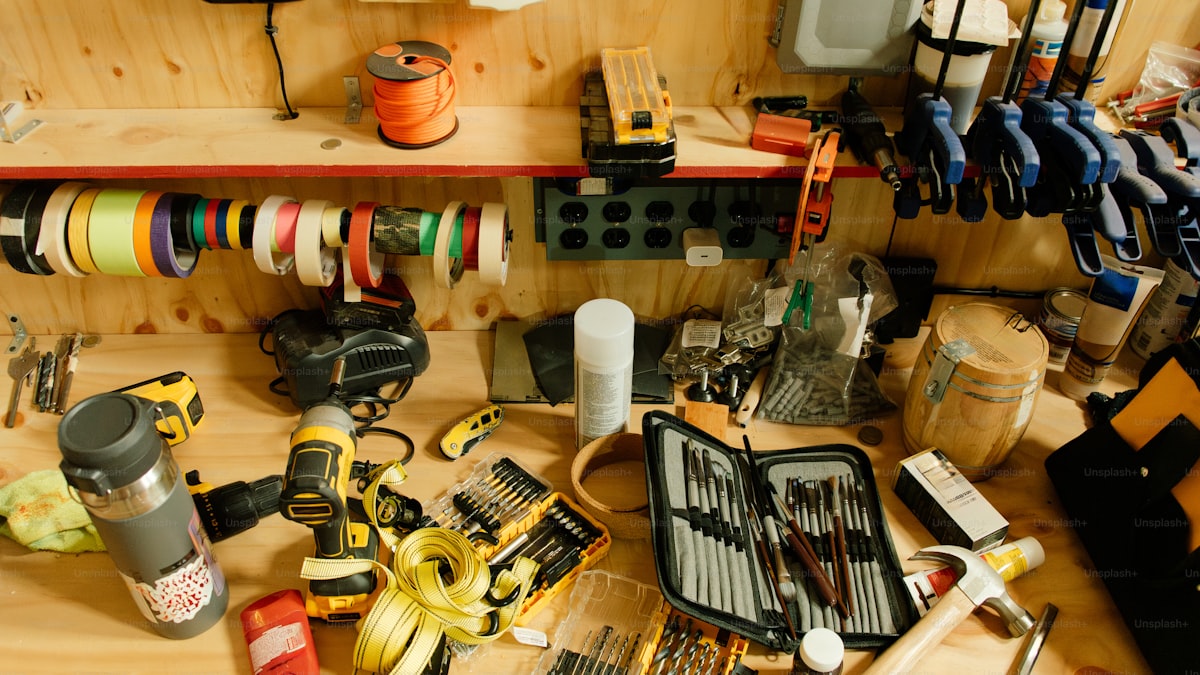
Best Home Tool Kits for Beginners (2026)
The best home tool kits for new homeowners and renters. We compare 6 tool sets from basic to comprehensive, so you can handle common repairs without calling a handyman.
Related Articles

How to Paint a Front Door (Pro-Quality Result in One Afternoon)
A fresh-painted front door is the highest-impact curb appeal upgrade. Here's the step-by-step that gets a smooth pro finish in 4 hours — no peeling, no brush marks.
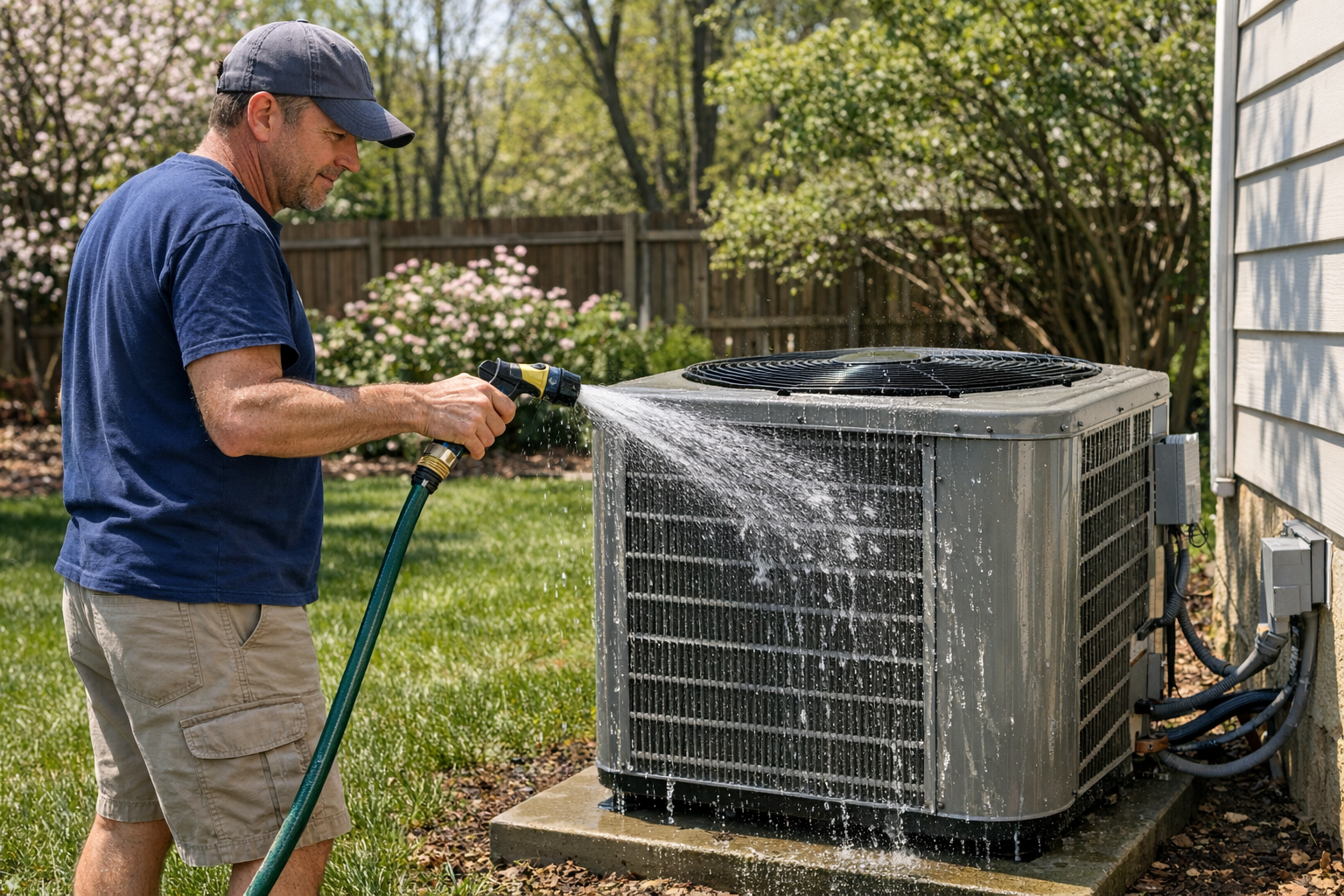
How to Prevent Summer AC Breakdowns (April Tune-Up Checklist)
Most AC failures happen in the first 90F week. A 30-minute April tune-up prevents 80 percent of those breakdowns and extends the unit's life by years.
Best Cordless String Trimmers (2026 Tested)
Battery-powered string trimmers have caught up to gas. We tested the top models on bermuda, fescue, and overgrown areas to find the picks worth your money.
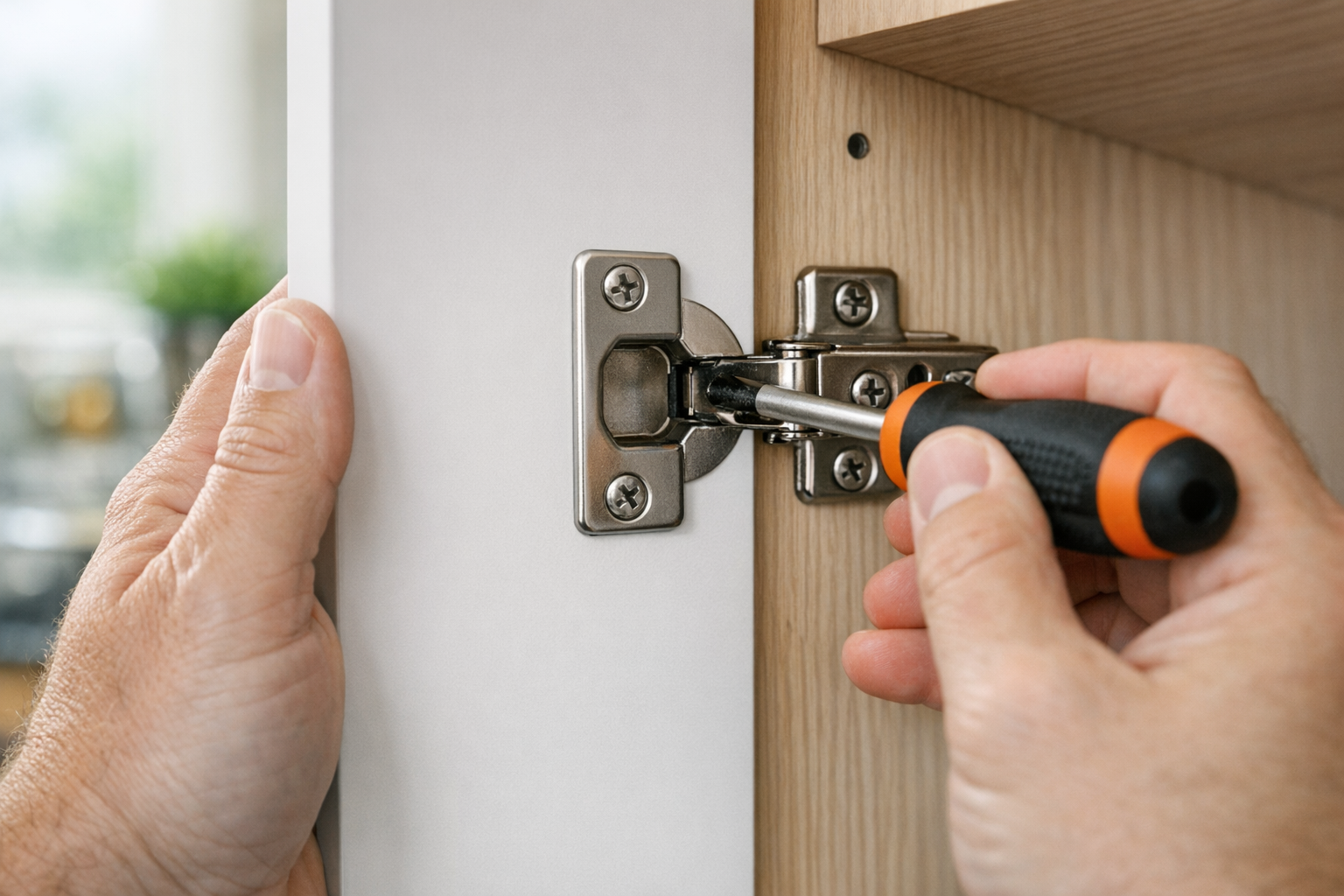
How to Fix Sticky Kitchen Cabinet Doors (Without Replacing Hardware)
Cabinet doors that bind, rub, or won't close all the way are almost always a hinge adjustment problem. Here's the 10-minute fix.