How to Fix a Squeaky Door in 5 Minutes
Last updated: February 7, 2026
This article may contain affiliate links. If you make a purchase through these links, we may earn a small commission at no extra cost to you. Learn more

There are few sounds around the house more grating than a squeaky door. Every time you open or close it, that high-pitched creak announces your presence to the entire household. Maybe it wakes up the baby at naptime, startles the dog, or just slowly chips away at your sanity. Whatever the case, we have great news: a squeaky door is one of the fastest, simplest fixes in all of home maintenance. In most cases, you can silence it in under five minutes with items you already have at home.
In this guide, we will walk you through every reliable method for fixing a squeaky door, starting with the quickest solutions and working our way up to more involved repairs for stubborn cases. We will also cover what actually causes door squeaks in the first place, so you can prevent them from coming back.
What Causes a Door to Squeak?
Before we grab the lubricant, it helps to understand what is actually happening inside your hinges. A door squeak is caused by metal-on-metal friction. Your door hinges consist of two interlocking plates (called leaves or knuckles) connected by a metal pin that runs through the center. When that pin and the surrounding knuckles lose their lubrication, the bare metal surfaces rub against each other every time the door swings, producing that familiar creak.
Several factors accelerate this process. Humidity and temperature fluctuations cause metal to expand and contract slightly, wearing away any existing lubrication over time. Dust and grime work their way into the hinge mechanism, creating an abrasive paste that grinds down surfaces. In older homes, decades of use simply wear the hinge components down until the fit becomes rough and noisy.
Occasionally, the squeak is not coming from the hinge at all. A door that has settled or warped can rub against the frame, producing a different kind of sound. We will cover how to diagnose and address that situation later in this guide. But in roughly 90 percent of cases, the hinge is the culprit, and the fix is satisfyingly simple.
Method 1: Spray Lubricant (The 60-Second Fix)
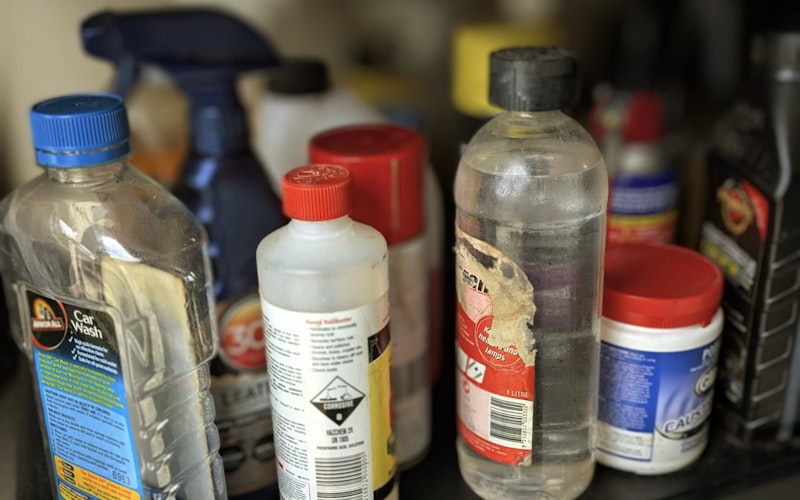
If you have a can of WD-40, silicone spray, or any multipurpose lubricant in your garage or under your kitchen sink, this is the fastest way to silence a squeaky door. It takes less than a minute and requires zero disassembly.
What You Need
All you need is a can of spray lubricant with a straw nozzle attachment. WD-40 is the most commonly available option, but silicone-based sprays tend to last longer and do not attract dust the way petroleum-based products can. White lithium grease spray is another excellent choice for metal-on-metal friction.
How to Do It
Open the door about halfway so you can access all the hinges. Attach the straw nozzle to the spray can for precision. Aim the nozzle directly at the top of each hinge pin, where the pin enters the knuckle. Give it two or three short bursts, allowing the lubricant to seep down into the hinge mechanism.
Now swing the door back and forth several times to work the lubricant into all the contact surfaces. You should notice the squeak diminishing almost immediately. If any excess lubricant drips, wipe it away with a rag or paper towel to prevent staining.
Repeat for each hinge on the door. Most interior doors have two hinges, while heavier or taller doors may have three. Test the door a few more times, and you are done.
How Long It Lasts
A spray lubricant fix typically lasts anywhere from a few months to a year, depending on how frequently the door is used and the humidity level in your home. When the squeak returns, simply repeat the process. For a longer-lasting solution, consider one of the methods below.
Method 2: Petroleum Jelly or Cooking Oil (The Pantry Fix)
No spray lubricant on hand? No problem. You almost certainly have something in your kitchen that will do the job. This method requires removing the hinge pin, but it is still a five-minute project and produces a longer-lasting result than spray alone.
What You Need
You will need petroleum jelly (such as Vaseline), cooking oil (olive oil, vegetable oil, or coconut oil all work), or even a bar of soap. You will also need a nail or thin screwdriver and a hammer.
How to Do It
Start by closing the door most of the way, leaving it slightly ajar. Position yourself so the hinge you want to work on is accessible. Place the tip of a nail or thin screwdriver underneath the hinge pin, angled upward. Tap the bottom of the nail with a hammer to push the pin up and out of the hinge. If the pin is stuck, work it from side to side gently while tapping.
Once the pin is out, coat it generously with petroleum jelly or cooking oil. If using a bar of soap, rub it along the entire length of the pin. You can also apply a small amount of lubricant inside the hinge knuckles themselves using your finger or a cotton swab.
Slide the pin back into the hinge and tap it down until it is fully seated. Swing the door back and forth to distribute the lubricant, and wipe away any excess. The squeak should be completely gone.
Why This Method Works Well
Petroleum jelly and cooking oils create a thicker barrier between the metal surfaces compared to spray lubricants. This thicker coating lasts longer and does a better job of preventing dust and grime from getting into the hinge. Petroleum jelly in particular stays in place for months or even years because it does not evaporate or run like thinner liquids.
One word of caution with cooking oil: it can go rancid over time, which may produce a faint smell near the door. Petroleum jelly is odorless and does not break down, making it the better choice of the two.
Method 3: Wax or Bar Soap (The Old-School Fix)
This is the method your grandparents probably used, and it works surprisingly well. Paraffin wax, beeswax, or plain white bar soap all serve as effective dry lubricants that leave no residue and last a long time.
How to Do It
Remove the hinge pin using the nail-and-hammer technique described above. Rub the wax or soap thoroughly along the entire pin, building up a visible coating. For bar soap, make sure to use a plain, unscented variety rather than one with moisturizers or additives that could attract dirt.
You can also rub the wax or soap directly on the inside of the hinge knuckles for extra coverage. Reinsert the pin, tap it into place, and test the door. The waxy coating fills in the microscopic gaps between the metal surfaces, eliminating friction without any mess or smell.
This method is particularly good for doors in bedrooms, nurseries, or anywhere you want a completely odor-free solution.
Method 4: Removing and Cleaning the Hinges (For Stubborn Squeaks)
If the quick-fix methods above do not solve your squeak, the hinges likely have significant rust, corrosion, or built-up grime that needs to be cleaned before lubrication will be effective. This method takes a bit longer but addresses the root cause.
What You Need
You will need a hammer and nail for pin removal, steel wool or fine-grit sandpaper (220 grit works well), white vinegar or a rust remover, clean rags, and your lubricant of choice.
How to Do It
Remove the hinge pins one at a time. Examine them closely. If you see visible rust, discoloration, or rough patches, those are the friction points causing your squeak.
Soak the pins in white vinegar for 10-15 minutes to dissolve rust. After soaking, scrub each pin with steel wool or sandpaper until the surface is smooth and shiny. Rinse with clean water and dry thoroughly.
While the pins are out, use a cotton swab dipped in vinegar to clean inside the hinge knuckles as well. Wipe everything dry, apply your chosen lubricant generously, and reassemble the hinges.
This deep-clean approach is similar in spirit to other preventive home maintenance tasks. Just as we recommend getting rid of musty smells in your house before they become entrenched, addressing hinge rust early prevents more serious problems down the road.
When the Squeak Is Not the Hinge
Sometimes you go through all the lubrication steps and the squeak persists. That is because the sound is not coming from the hinge at all. There are two other common culprits to investigate.
The Door Is Rubbing Against the Frame
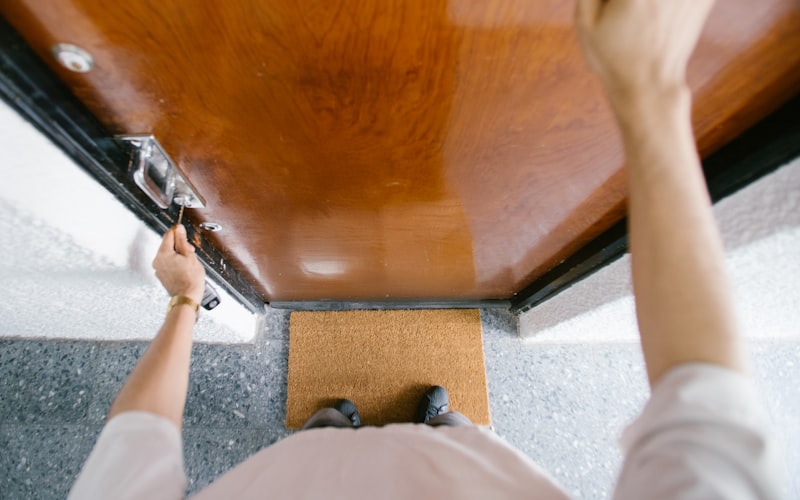
If your door has settled, warped, or swollen due to humidity, it may be rubbing against the door frame or the strike plate when it opens and closes. This creates a scraping or creaking sound that is easily mistaken for a hinge squeak.
To test for this, look at the gap between the door and the frame on all sides. It should be roughly even. If the gap is tighter on one side, the door is making contact. You can fix this by tightening or replacing loose hinge screws (which may have caused the door to sag), or by lightly sanding the edge of the door where it makes contact with the frame.
Loose Hinge Screws
Over time, the screws that hold the hinge plates to the door and frame can work themselves loose. A loose hinge allows the door to shift slightly as it swings, which can produce squeaks and creaks even with well-lubricated pins.
Tighten all the hinge screws with a screwdriver. If a screw spins without tightening, the screw hole has been stripped. Fix this by removing the screw, inserting a wooden toothpick or golf tee coated with wood glue into the hole, letting it dry, and then reinstalling the screw. The wood provides new material for the screw threads to grip. This is a classic DIY trick that works on the same principle as patching a hole in drywall -- you are restoring the substrate so the hardware has something solid to hold onto.
When to Replace Hinges Entirely
In rare cases, the hinges themselves are beyond saving. If the hinge knuckles are badly worn, cracked, or corroded to the point where the pin wobbles even after cleaning and lubrication, it is time for new hardware.
Replacement hinges are inexpensive, typically costing between $3 and $10 per hinge at any hardware store. Bring your old hinge with you to match the size, style, and finish. Standard interior door hinges are usually 3.5 inches, while exterior doors use 4-inch hinges.
Replacing a hinge is straightforward: remove the old hinge by unscrewing both plates, hold the new hinge in position (use the old screw holes as a guide), and drive in the new screws. Make sure the door is supported while the old hinge is off -- having a helper hold the door is much easier than wrestling with it alone.
If you are replacing hinges on an older home, this is a good opportunity to inspect the door frame for other issues. Older homes sometimes develop settling problems that affect doors, windows, and walls alike. Keeping up with these small repairs is part of a broader strategy for maintaining your home's efficiency and preventing costly problems later.
Preventing Future Squeaks
Once your door is blissfully silent, a few simple habits will keep it that way for the long haul.
We recommend adding hinge lubrication to your seasonal home maintenance routine. A quick spray or application of petroleum jelly to every door hinge in your house twice a year -- once in spring and once in fall -- takes only about 15 minutes total and prevents squeaks from ever developing. Think of it like changing your air filters or checking smoke detector batteries: a small preventive step that saves frustration later.
If you live in a particularly humid climate, consider applying a rust-inhibiting lubricant like silicone spray rather than petroleum-based products. Silicone creates a moisture-resistant barrier that protects hinges from humidity-driven corrosion.
For doors that get heavy use, such as the front door or the bathroom door that gets opened and closed dozens of times a day, you may want to lubricate the hinges quarterly rather than biannually. High-traffic hinges wear faster and benefit from more frequent attention.
This kind of routine maintenance mindset applies to every system in your home. The same way we recommend tackling a leaky faucet before it wastes hundreds of gallons of water, addressing small annoyances like squeaky doors before they worsen saves time and money in the long run.
Frequently Asked Questions
Is WD-40 a good long-term fix for a squeaky door?
WD-40 works well as a quick fix, but it is not the best long-term solution. WD-40 is primarily a solvent and water displacer rather than a true lubricant. It will dissolve rust and grime and temporarily reduce friction, but it evaporates relatively quickly and can actually attract dust once it dries. For a longer-lasting fix, we recommend silicone spray, white lithium grease, or petroleum jelly. These products leave a more durable lubricating film that lasts for months rather than weeks. That said, if WD-40 is what you have on hand right now, use it -- a temporary fix is better than enduring the squeak while you shop for something else.
Can I use olive oil or cooking spray to fix a squeaky door?
Yes, cooking oils and cooking sprays like PAM will lubricate a squeaky hinge in a pinch. Olive oil, vegetable oil, and coconut oil all reduce metal-on-metal friction effectively. However, there are a couple of drawbacks to be aware of. Cooking oils can go rancid over time, producing a faint unpleasant odor near the door. They can also become sticky as they oxidize, potentially attracting more dust and grime. If you use cooking oil as an emergency fix, plan to follow up with a proper lubricant like silicone spray or petroleum jelly when you get the chance. Cooking spray in particular tends to gum up over time, so it is better suited as a temporary measure than a permanent solution.
How do I fix a squeaky door without removing the hinge pin?
If you do not want to remove the hinge pin (or if it is painted shut and will not budge), you can still fix the squeak without any disassembly. Use a spray lubricant with a straw nozzle and aim it directly at the top and bottom of each hinge knuckle, where the pin meets the barrel. Give it several short bursts and then swing the door back and forth repeatedly to work the lubricant into the mechanism. You can also drip a few drops of lightweight machine oil (such as 3-in-1 oil) onto the top of the hinge pin and let gravity draw it down through the knuckles. This method is not as thorough as removing the pin and coating it directly, but it works well for most squeaks and requires no tools at all.
Why does my door squeak more in certain seasons?
Seasonal squeaking is extremely common and is caused by temperature and humidity changes. In humid weather (typically summer), metal hinge components absorb moisture and expand slightly, increasing friction between the pin and the knuckles. Wood doors and frames also swell with humidity, which can cause the door to rub against the frame. In dry winter months, metal contracts and wood shrinks, sometimes creating different squeaks as components shift. This is why we recommend lubricating hinges at least twice a year, in spring and fall, to account for these seasonal transitions. If your door only squeaks during certain seasons, a preventive lubrication before the problem season begins is usually all you need.
Should I replace my hinges if they keep squeaking after lubrication?
If you have thoroughly cleaned and lubricated your hinges and the squeak returns within a few weeks, the hinge hardware itself may be worn out. Check for visible signs of damage: grooves worn into the hinge pin, elongated or oval-shaped holes in the hinge knuckles, or cracks in the hinge plates. Any of these indicate that the hinge components no longer fit together snugly, allowing movement and noise that lubrication cannot solve. Replacement hinges are inexpensive and easy to install, so do not hesitate to swap them out. While you are at it, consider upgrading to hinges with a built-in bearing or nylon washer between the knuckles, which provides smoother, quieter operation and resists squeaking far longer than standard hinges. These are well worth the small additional cost, similar to how fixing a running toilet with quality replacement parts prevents repeat trips to the hardware store.
Wrapping Up
A squeaky door might seem like a minor annoyance, but we all know how quickly a minor annoyance becomes a major irritation when you hear it twenty times a day. The good news is that this is one of the easiest and fastest home repairs you will ever tackle. Whether you grab a can of WD-40 for a 60-second spray, raid the kitchen for olive oil, or take five minutes to pull the hinge pin and give it a proper coating of petroleum jelly, the result is the same: blessed silence.
We encourage you to take this as an opportunity to hit every squeaky door in your house in one quick session. Walk room to room, test each door, and lubricate as needed. The whole-house sweep takes about 15 minutes and saves you from future irritation. Add it to your seasonal maintenance checklist alongside other quick wins, and your home will feel noticeably more polished and well-kept.
Now that you have conquered the squeaky door, why not keep the momentum going? Tackling small household fixes one at a time builds your confidence and saves real money over hiring professionals for every little issue. Your home -- and your ears -- will thank you.
Get weekly home tips that actually work
Join thousands of homeowners getting practical cleaning hacks, DIY fixes, and money-saving tips every week. Free, and you can unsubscribe anytime.

Written by
Beth SullivanFounder & Editor-in-Chief
Beth Sullivan is the founder of Practical Home Guides. With over a decade of hands-on experience tackling every home challenge imaginable, she started this site to share the practical, no-nonsense solutions she wishes she had found years ago. When she's not testing cleaning hacks or organizing pantries, you'll find her in the garden or working on her next DIY project.
Recommended Products
Looking for specific product recommendations? Check out our tested picks.
Best Cordless String Trimmers (2026 Tested)
Battery-powered string trimmers have caught up to gas. We tested the top models on bermuda, fescue, and overgrown areas to find the picks worth your money.
Best Basement Dehumidifiers (2026 Buyer's Guide)
Damp basements destroy stored items, grow mold, and stink. We tested dehumidifiers for capacity, durability, and energy use to find the picks worth the money.
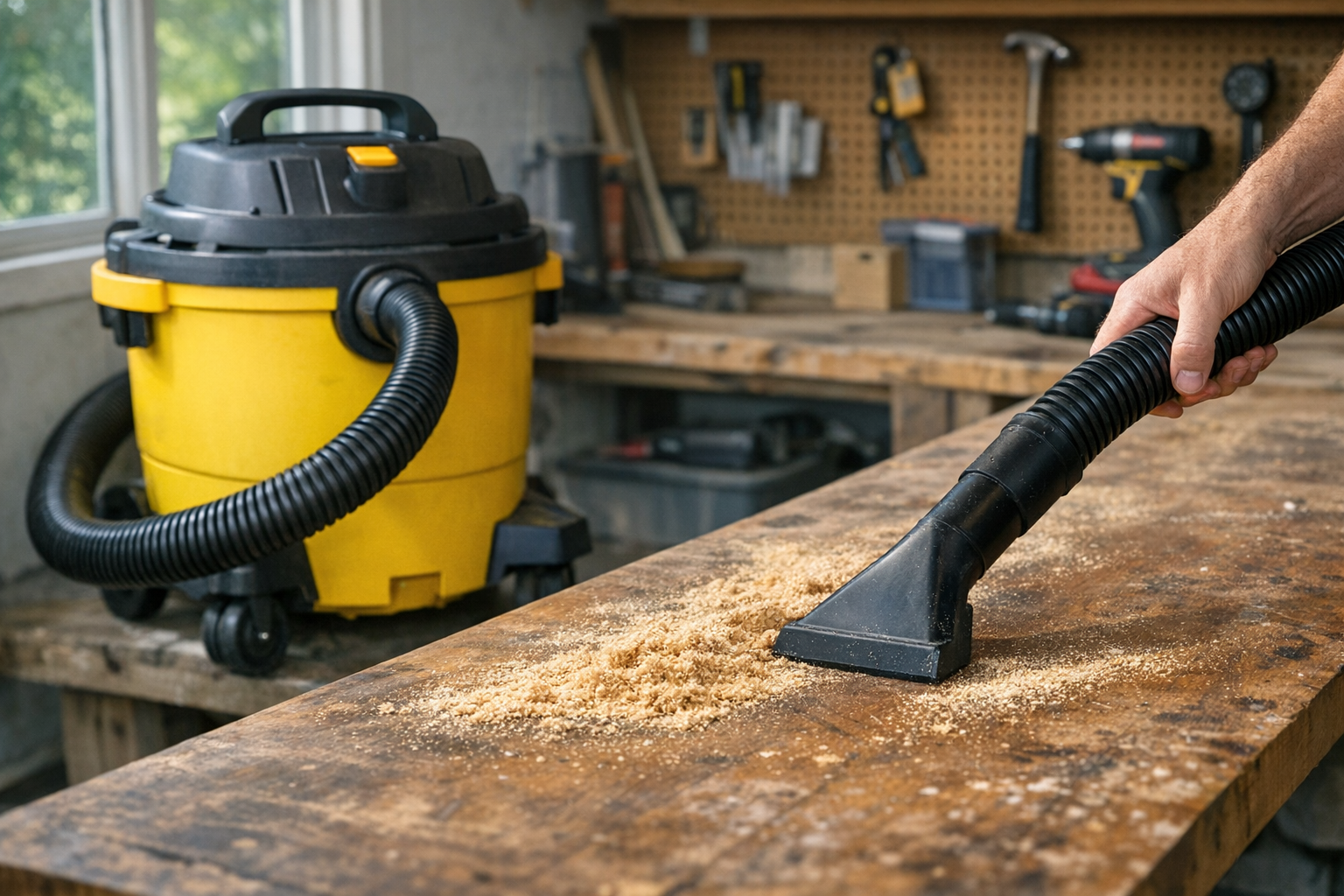
Best Wet/Dry Shop Vacs (2026 Tested)
Whether you need to clean a flooded basement, dust the garage, or pick up workshop debris, here are the wet/dry shop vacs worth the money.
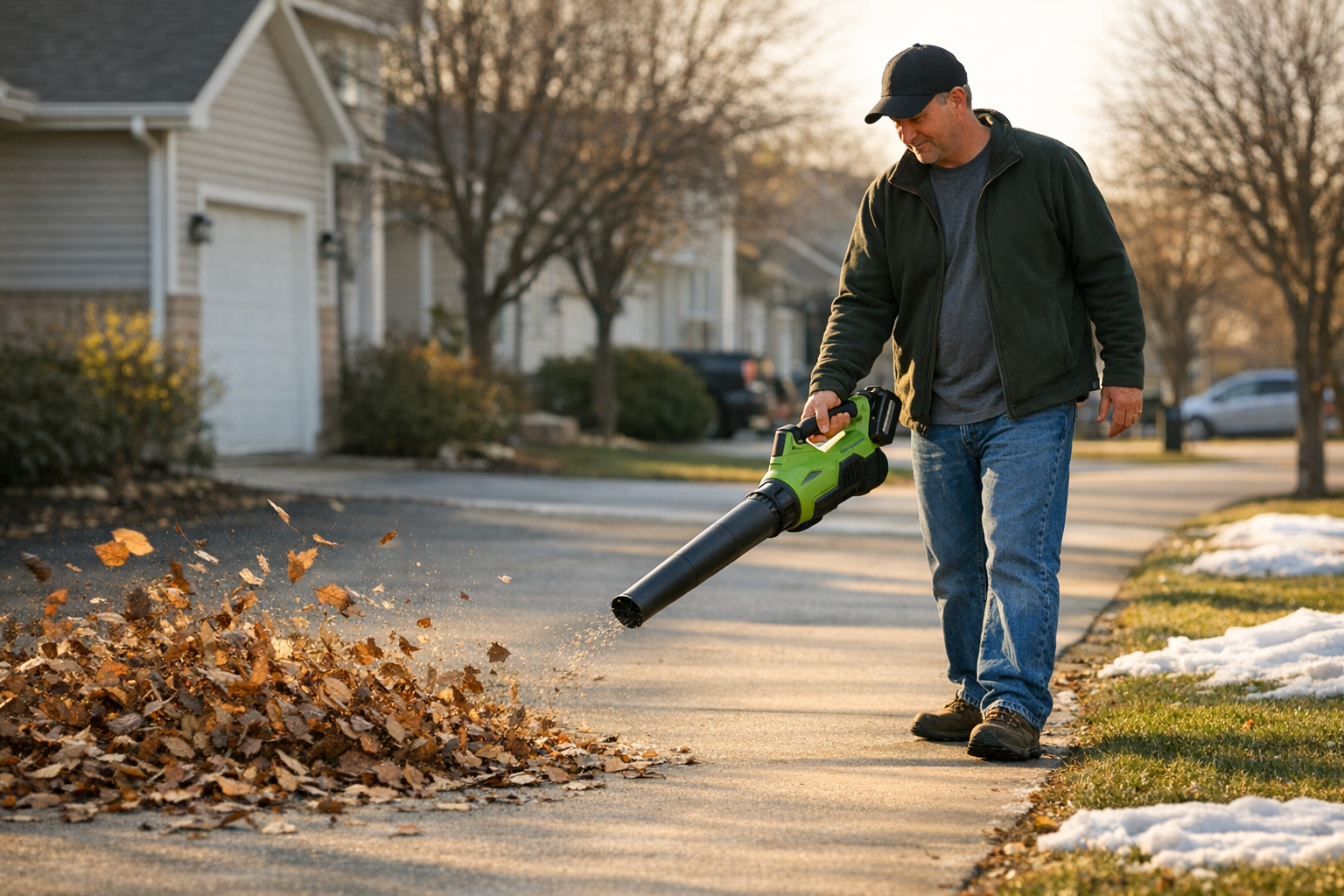
Best Electric Leaf Blowers (2026 Buyer's Guide)
Cordless and corded electric leaf blowers tested for power, runtime, and noise. Our picks for small yards, large yards, and pro-grade home use.
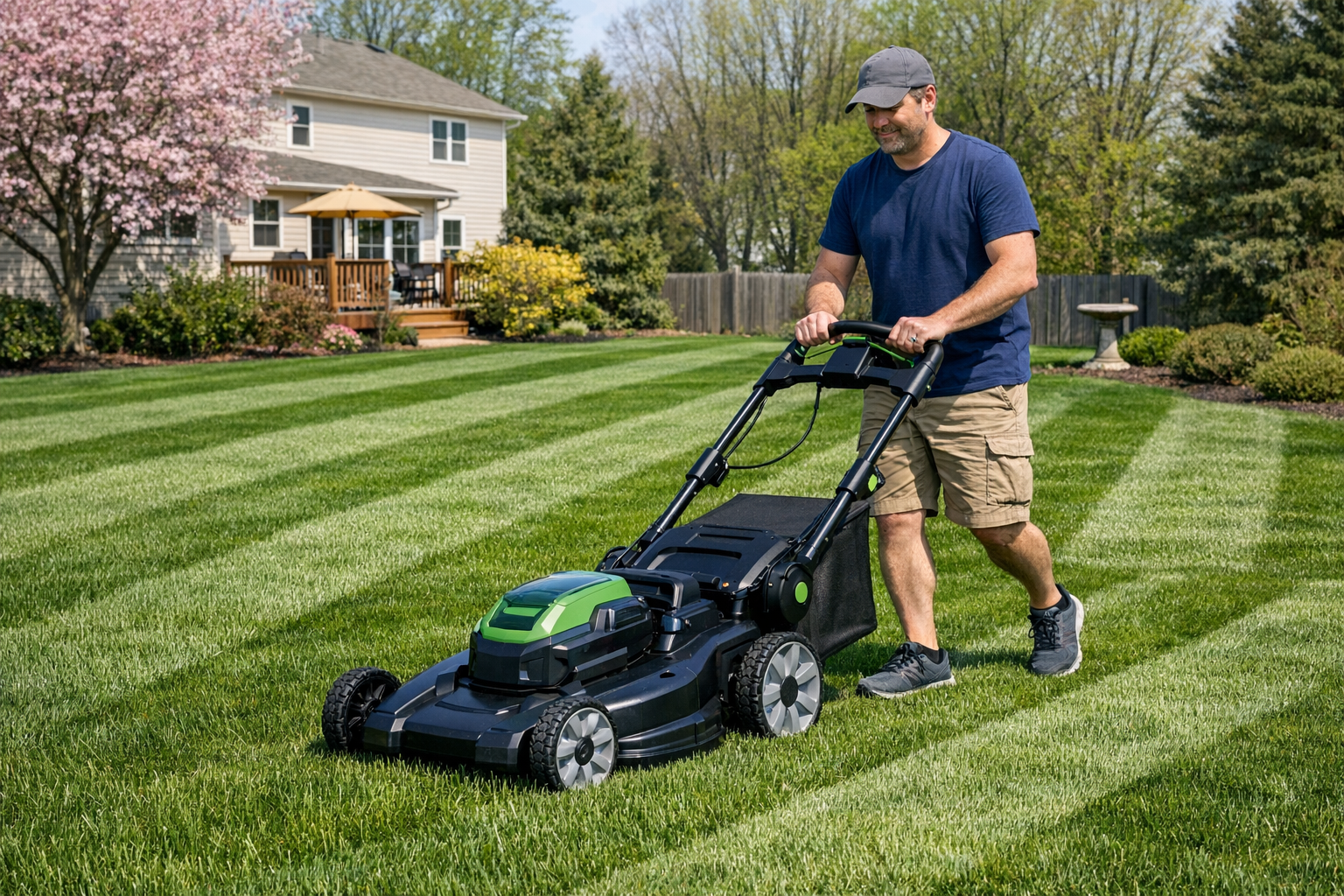
Best Cordless Lawn Mowers (2026 Spring Buyer's Guide)
Battery-powered mowers have caught up to gas. We tested the top cordless mowers on grass length, slopes, and runtime to find the picks worth your money.

5 Best Cordless Drills for Homeowners (2026)
Find the right cordless drill for home projects without overspending. We compared the top drills for DIYers — here are the 5 best for everyday home use.
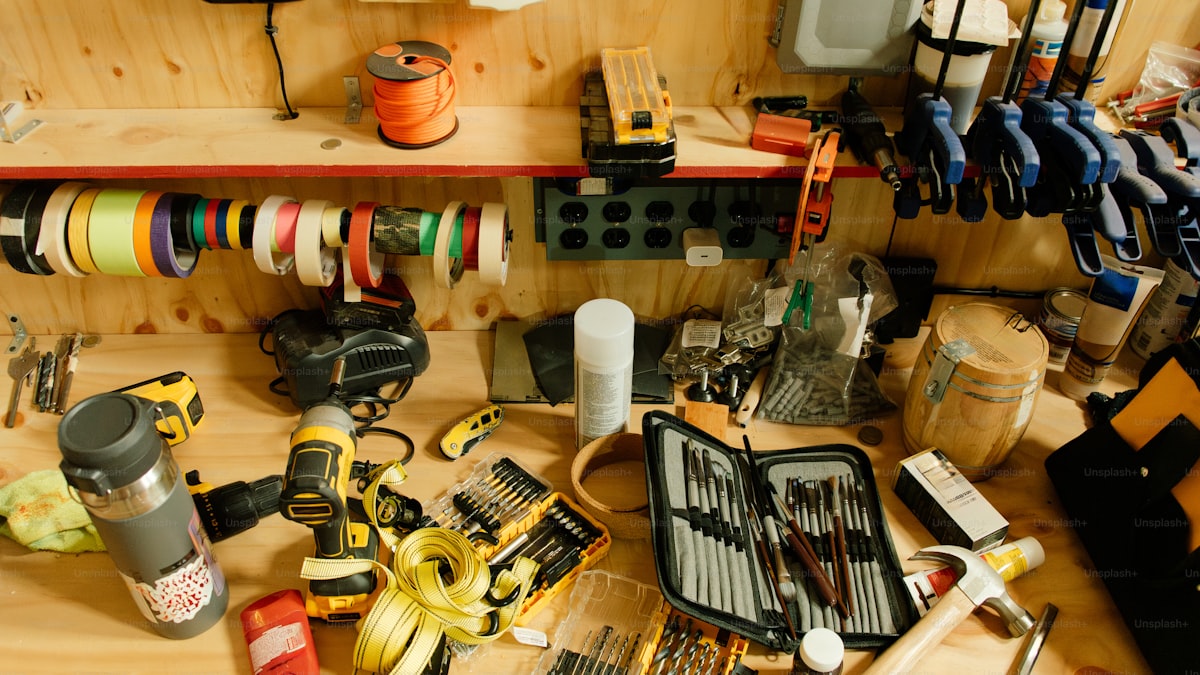
Best Home Tool Kits for Beginners (2026)
The best home tool kits for new homeowners and renters. We compare 6 tool sets from basic to comprehensive, so you can handle common repairs without calling a handyman.
Related Articles

How to Paint a Front Door (Pro-Quality Result in One Afternoon)
A fresh-painted front door is the highest-impact curb appeal upgrade. Here's the step-by-step that gets a smooth pro finish in 4 hours — no peeling, no brush marks.
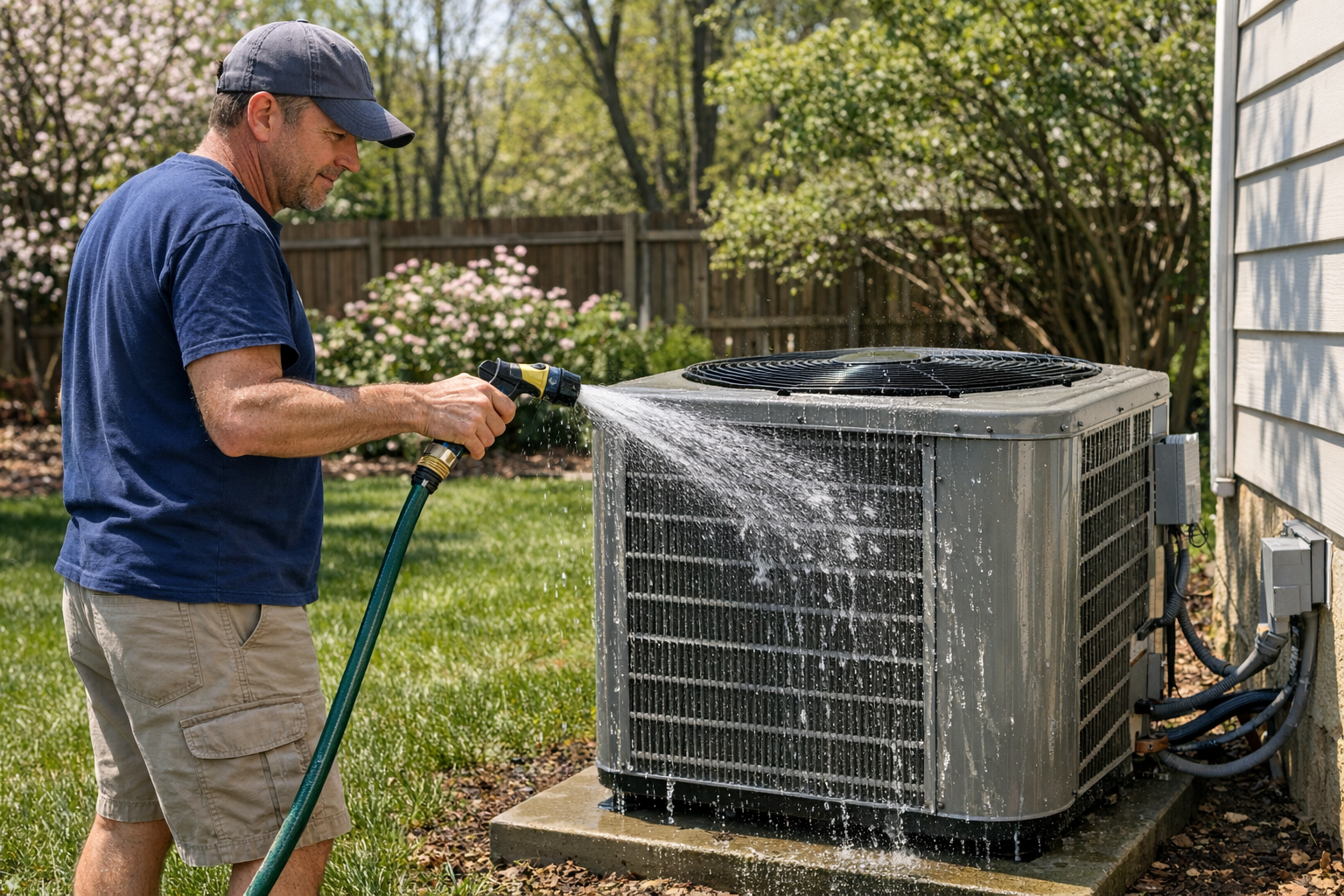
How to Prevent Summer AC Breakdowns (April Tune-Up Checklist)
Most AC failures happen in the first 90F week. A 30-minute April tune-up prevents 80 percent of those breakdowns and extends the unit's life by years.
Best Cordless String Trimmers (2026 Tested)
Battery-powered string trimmers have caught up to gas. We tested the top models on bermuda, fescue, and overgrown areas to find the picks worth your money.
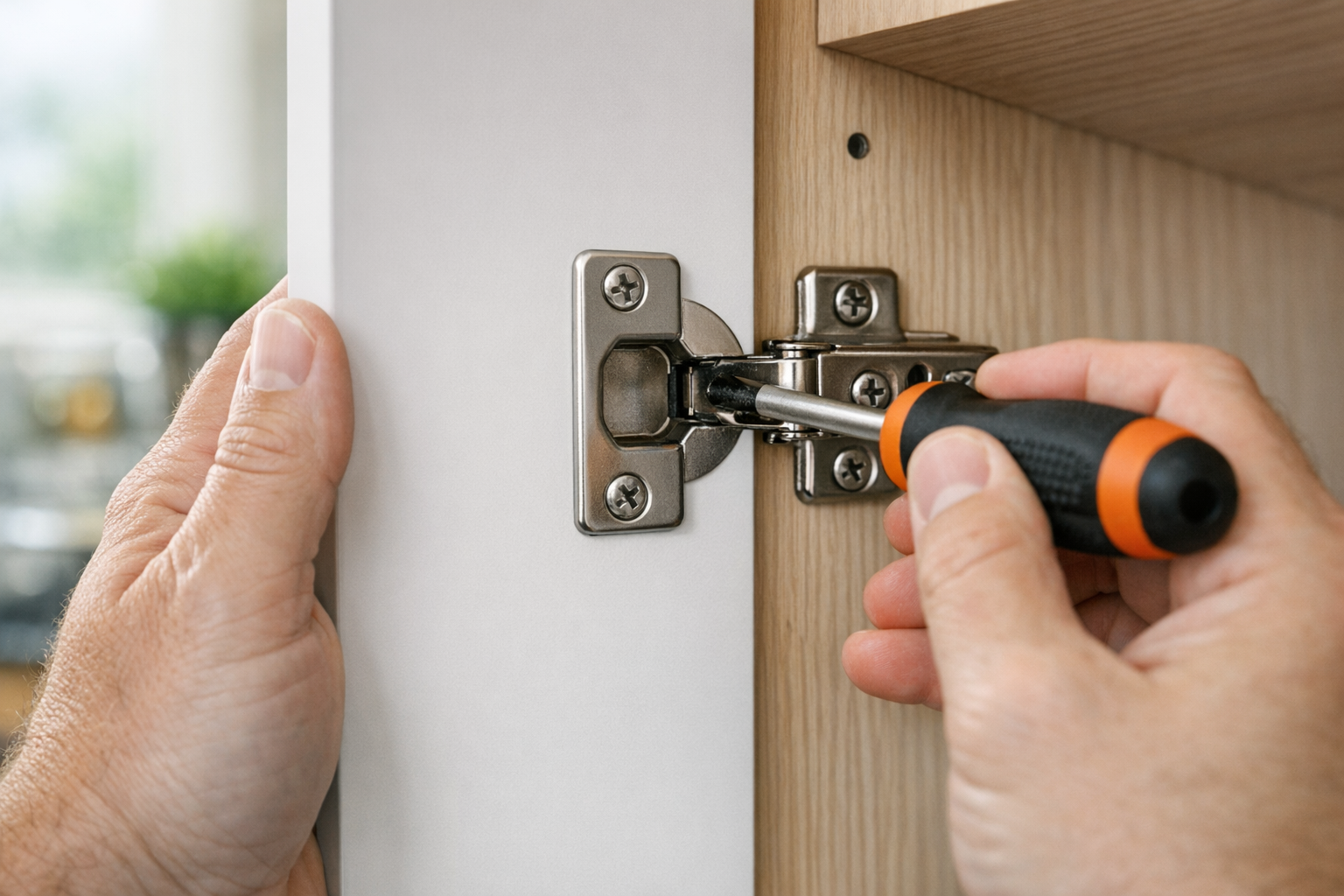
How to Fix Sticky Kitchen Cabinet Doors (Without Replacing Hardware)
Cabinet doors that bind, rub, or won't close all the way are almost always a hinge adjustment problem. Here's the 10-minute fix.