How to Fix a Stuck Window That Won't Open or Close
This article may contain affiliate links. If you make a purchase through these links, we may earn a small commission at no extra cost to you. Learn more
Quick Answer
How to Fix a Stuck Window That Won't Open or Close
Most stuck windows are painted shut. Fix it by scoring the paint seal with a utility knife along both sides, tapping a stiff putty knife between the sash and frame to break the seal, then sanding the contact points and applying paste wax for smooth operation. The fix takes under an hour and costs less than $20 in materials.
How to Fix a Stuck Window That Won't Open or Close
Few things are more frustrating than a window that refuses to budge. You grab the handles, plant your feet, and pull with everything you've got — nothing. Or maybe it opens an inch and then jams. Or it's been painted shut since the Clinton administration and hasn't seen daylight in decades.
The good news is that stuck windows are almost always fixable with basic tools and a little patience. In most cases, you don't need to call a window specialist or replace the whole unit. The fix is usually simpler than you'd expect.

Here's how to diagnose what's causing your window to stick and how to fix each type of problem.
Why Windows Get Stuck
Before you start prying, it helps to understand what's going on. Windows get stuck for a handful of common reasons, and each one has a different fix.
Paint Seal
This is the most common cause, especially in older homes. When a window frame gets painted, the paint can form a seal between the sash (the moving part) and the frame (the stationary part). Over multiple paint jobs, this seal gets stronger and the window becomes essentially glued shut.
Wood Swelling
Wood windows expand and contract with humidity and temperature changes. During humid months, the wood absorbs moisture and swells, causing a tight fit that can make the window impossible to move. This is especially common in bathrooms, kitchens, and any room with poor ventilation.
Dirty or Corroded Tracks
For vinyl and aluminum sliding windows, the tracks that the window slides in can accumulate dirt, debris, and corrosion over time. This creates friction that makes the window hard to open or close.
Broken Sash Cords or Balances
Older double-hung windows use counterweight systems — either sash cords attached to hidden weights or spring-loaded balances — to make the window easy to lift. When these break, the full weight of the sash fights you every time you try to open it.
Warped Frame
In rare cases, the window frame itself has warped due to structural settling, water damage, or age. This creates an uneven fit that pinches the sash.
How to Fix a Painted-Shut Window
This is the most satisfying fix because the results are immediate. Your goal is to break the paint seal without damaging the window or frame.
What You'll Need
- A utility knife or paint zipper tool
- A stiff putty knife (stiff, not flexible)
- A rubber mallet or a hammer and a block of wood
- Fine sandpaper (150-220 grit)
Step-by-Step
1. Score the paint seal. Run a sharp utility knife along the seam between the sash and the frame on both sides (inside and outside) and along the top and bottom. Make multiple passes, cutting deeper each time. A specialty paint zipper tool works even better if you have one — it's designed specifically for this job.
2. Break the seal from outside. Go to the exterior side of the window. Place a stiff putty knife between the sash and the frame at the bottom corner. Tap it gently with a rubber mallet to wedge it in, then work along the entire bottom edge. Repeat on both sides.
3. Free the sash from inside. From inside, place a block of wood against the window frame where the sash meets the sill. Tap the block with a hammer to jar the sash loose. Work from one corner to the other, alternating sides to prevent the window from racking (twisting in the frame).
4. Sand the contact points. Once the window is free, open it fully and sand the areas where the sash contacts the frame. This removes excess paint buildup and prevents the window from sticking again. A few passes with 150-grit sandpaper is usually enough.
5. Lubricate. Apply a thin coat of paste wax, paraffin wax (a candle works), or silicone spray to the tracks and contact points. This makes the window glide smoothly and protects against future sticking.

How to Fix a Swollen Wood Window
If your window sticks only during humid weather, swelling is the likely culprit. This fix requires a bit more patience but is straightforward.
The Quick Fix
Wait for a dry spell. Seriously — if the window only sticks during humid months, it may free up on its own when the air dries out. In the meantime, running a dehumidifier in the room can help shrink the wood enough to open the window.
The Permanent Fix
Once you get the window open (using the putty knife and mallet method from above if needed), identify the areas where the sash is rubbing against the frame. Look for shiny spots or worn paint on the sash edges — these are your contact points.
Sand these areas down with 80-grit sandpaper, removing a small amount of wood. Work gradually, testing the fit frequently. You want to remove just enough material so the window moves freely with a small gap on each side.
After sanding, prime and paint the bare wood immediately. Unsealed wood will absorb moisture again and the problem will return. Two coats of primer and a coat of exterior paint provide the best protection against future swelling.
How to Fix Dirty or Corroded Window Tracks
This fix applies mainly to vinyl and aluminum sliding windows, including horizontal sliders and single/double-hung windows with vinyl or metal tracks.
Cleaning the Tracks
Start by vacuuming out the tracks with a crevice attachment to remove loose dirt, dead bugs, and debris. Then scrub the tracks with an old toothbrush and a solution of warm water and dish soap.
For stubborn grime, spray the tracks with white vinegar and let it sit for 10 minutes before scrubbing. A cotton swab dipped in vinegar is great for getting into the corners and grooves of the track.
Removing Corrosion
If aluminum tracks have white, powdery corrosion, scrub it with fine steel wool (0000 grade) or a Scotch-Brite pad. This removes the oxidation without scratching the track surface.
Lubricating the Tracks
Once clean, apply a silicone-based lubricant to the tracks. Avoid WD-40 or oil-based lubricants, which attract dust and grime and make the problem worse over time. Silicone spray or a dry PTFE lubricant stays clean and provides long-lasting slip.
Open and close the window several times to distribute the lubricant evenly along the tracks.
How to Fix Broken Sash Cords or Balances
If your double-hung window slams shut when you let go or feels extremely heavy to lift, the counterbalance system is likely broken.
Older Windows: Sash Cord Replacement
Traditional double-hung windows use sash cords (ropes) connected to iron weights hidden inside the wall cavity beside the window frame. When the cord breaks, the weight drops inside the wall and you lose the counterbalancing effect.
To replace sash cords:
- Remove the interior window trim (the stop molding) on the side with the broken cord. Pry it off gently with a putty knife.
- Tilt the sash inward and lift it out of the frame.
- Locate the access panel on the side of the frame (a small wooden panel near the bottom). Remove it to access the weight cavity.
- Retrieve the old weight and untie or cut the old cord from it.
- Thread new sash cord (available at hardware stores) over the pulley at the top of the frame and down to the weight.
- Tie the cord to the weight, reinsert the weight, and reattach the other end to the sash.
- Reinstall the sash and stop molding.
This sounds complicated, but it's actually a straightforward job that takes about 30-45 minutes per cord. The materials cost under $10.
Newer Windows: Spring Balance Replacement
Modern double-hung windows typically use spring-loaded balances instead of weights and cords. These are metal channels with internal springs that counterbalance the sash weight.
If a spring balance fails, the fix is to replace the entire balance unit. Remove the sash, unscrew the old balance from the frame, and install a replacement. You'll need to know the exact model or take the old one to a hardware store for matching.
How to Fix a Warped Frame
A warped frame is the trickiest issue because the structure itself has shifted. Mild warping can often be managed; severe warping may require professional help or window replacement.
For Mild Warping
Sand down the high spots where the sash is binding, just enough to allow the window to move freely. Apply wax or silicone lubricant to reduce friction.
You can also try adjusting the stop molding. Pry it off, reposition it to give the sash slightly more room, and renail it in place.
For Severe Warping
If the frame is badly warped due to structural settling or water damage, the underlying cause needs to be addressed first. Water damage especially should be investigated and repaired before fixing the window, as the rot will only get worse. Check for water damage around the frame and sill, and address any drainage or flashing issues.
In cases of severe warping, a full window replacement may be more cost-effective than trying to repeatedly patch the fit.
Preventing Windows From Sticking Again
Once you've freed your stuck window, these habits will keep it operating smoothly.
Maintain the Finish
Keep window frames and sashes properly painted or sealed. Exposed wood absorbs moisture and swells. Touch up any chipped or peeling paint promptly, especially on the exterior.
Lubricate Annually
Once a year, apply a thin coat of paraffin wax, paste wax, or silicone spray to the tracks and contact points. Spring is the ideal time — before the humidity of summer arrives.
Keep Tracks Clean
Vacuum window tracks every few months to prevent dirt buildup. This takes 30 seconds per window and prevents the gradual friction increase that leads to sticking.
Control Indoor Humidity
If wood swelling is a recurring issue, use a dehumidifier or improve ventilation in affected rooms. Keeping indoor humidity between 30-50% is ideal for both your windows and your overall home maintenance.
Frequently Asked Questions
Is it safe to use a crowbar or pry bar to force a stuck window?
Avoid pry bars — they can crack the frame, break glass, or permanently damage the window. Use a putty knife and rubber mallet instead. The goal is gradual, distributed force rather than concentrated prying.
My window opens but won't stay up. What's wrong?
The counterbalance system (sash cords or spring balances) is likely broken. As a temporary fix, use a window prop stick or cut a piece of wood to the right length to hold the window open. For a permanent fix, replace the sash cords or spring balances as described above.
Should I replace or repair an old stuck window?
If the window is structurally sound and the glass is in good condition, repair is almost always more cost-effective. A full window replacement can cost $300-1,000+ per window, while most stuck-window repairs cost under $20 in materials.
How do I free a stuck window that's painted shut on the outside?
Work from the outside if you can safely access it. Score the exterior paint seal with a utility knife, then use a putty knife and mallet to break the seal. If you can't reach the exterior, the interior approach works too — it just takes more patience to break through both interior and exterior paint seals from one side.
Can I use WD-40 on window tracks?
It works as a temporary fix but isn't ideal for the long term. WD-40 is a solvent and water displacer, not a true lubricant. It will attract dust and grime over time, eventually making the sticking problem worse. Use silicone spray or dry PTFE lubricant instead.
Don't Live With Stuck Windows
A stuck window is one of those household annoyances that's easy to ignore but surprisingly simple to fix. Most repairs take under an hour, cost less than $20, and require only basic tools you probably already own.
Start with the most common culprit — a paint seal — and work your way through the other possibilities if that's not the issue. Once your windows are moving freely again, a few minutes of annual maintenance will keep them that way for years. For more straightforward home repairs you can handle yourself, check out our guides on fixing a squeaky door and fixing a leaky faucet.
Get weekly home tips that actually work
Join thousands of homeowners getting practical cleaning hacks, DIY fixes, and money-saving tips every week. Free, and you can unsubscribe anytime.

Written by
Beth SullivanFounder & Editor-in-Chief
Beth Sullivan is the founder of Practical Home Guides. With over a decade of hands-on experience tackling every home challenge imaginable, she started this site to share the practical, no-nonsense solutions she wishes she had found years ago. When she's not testing cleaning hacks or organizing pantries, you'll find her in the garden or working on her next DIY project.
Recommended Products
Looking for specific product recommendations? Check out our tested picks.
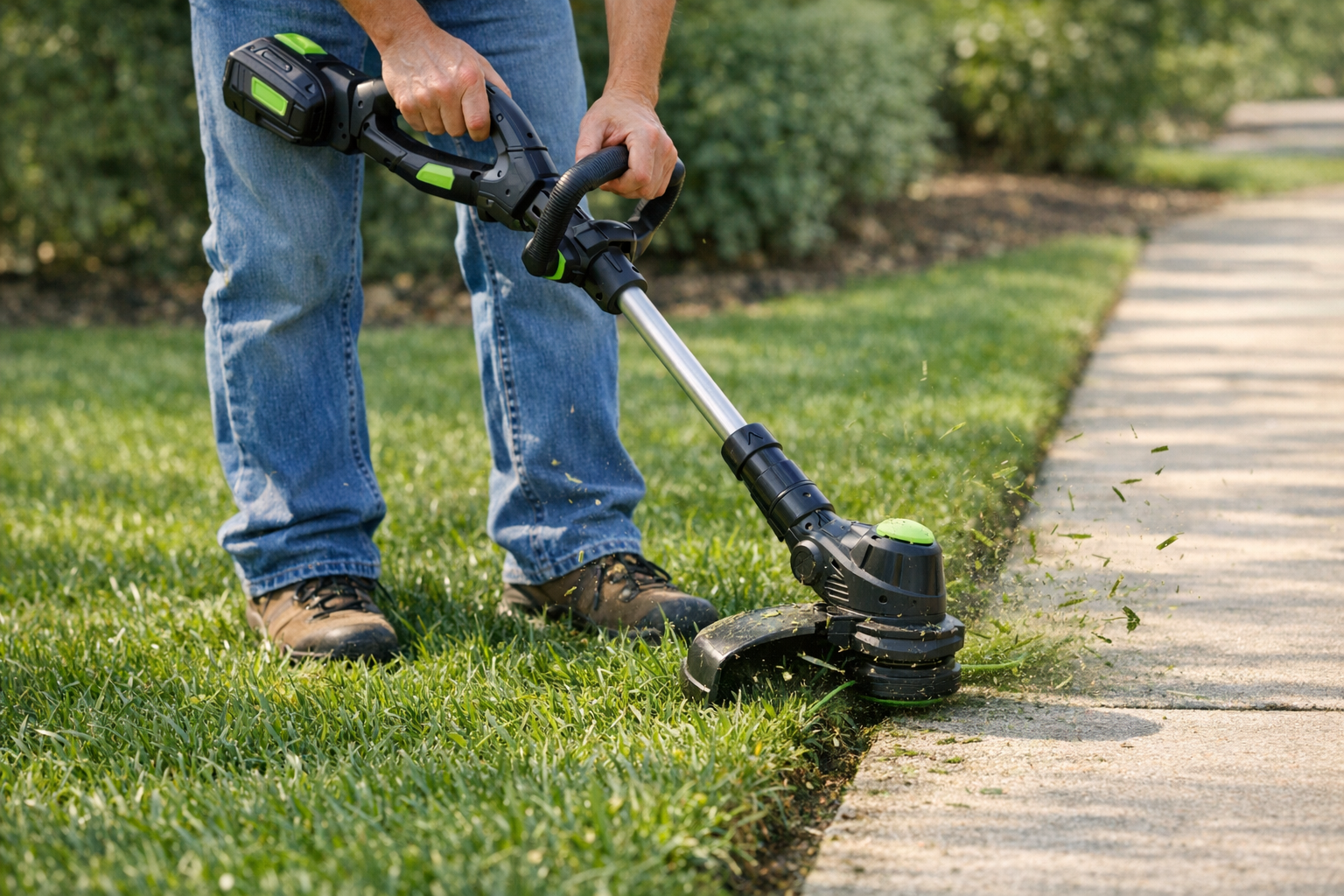
Best Cordless String Trimmers (2026 Tested)
Battery-powered string trimmers have caught up to gas. We tested the top models on bermuda, fescue, and overgrown areas to find the picks worth your money.
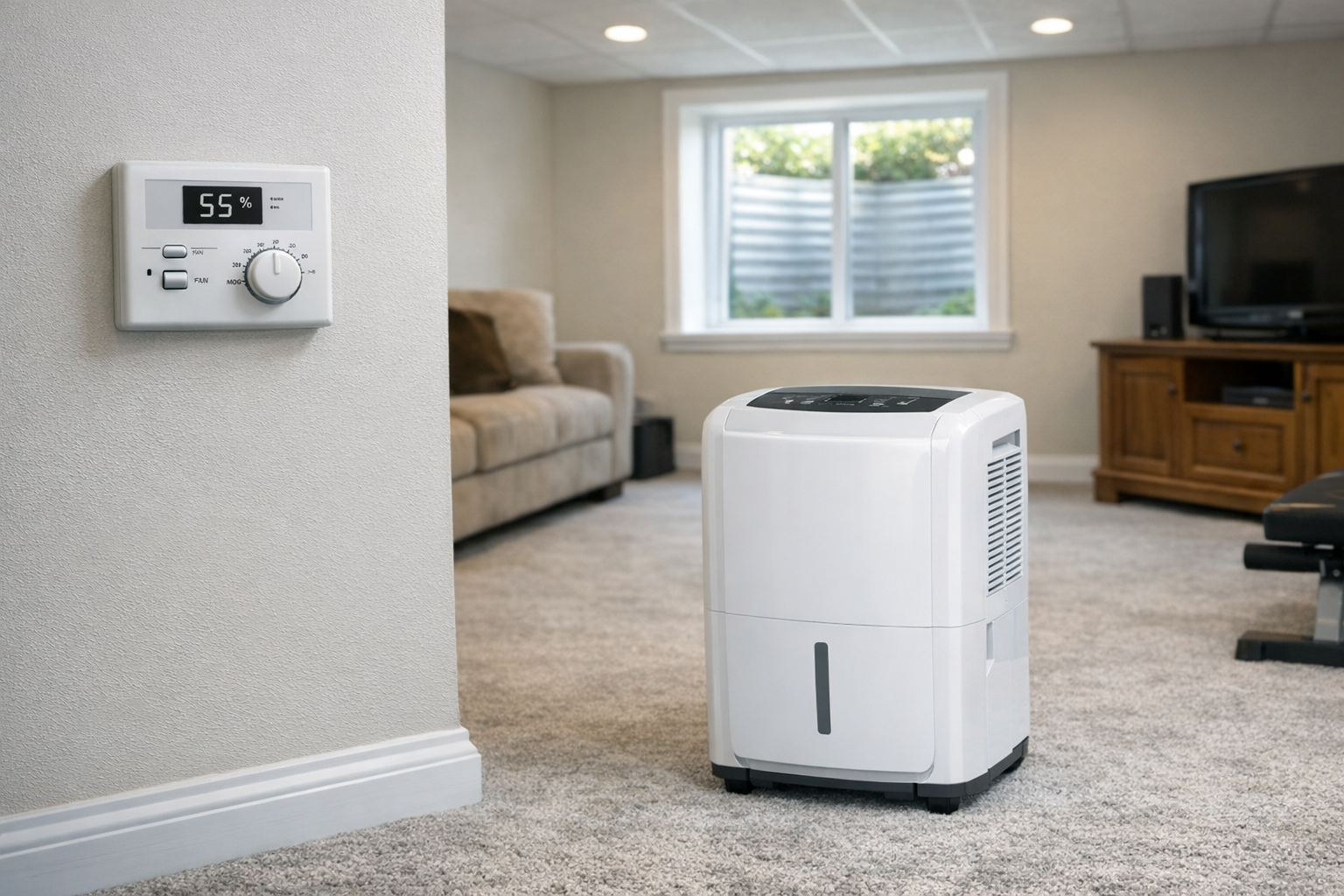
Best Basement Dehumidifiers (2026 Buyer's Guide)
Damp basements destroy stored items, grow mold, and stink. We tested dehumidifiers for capacity, durability, and energy use to find the picks worth the money.
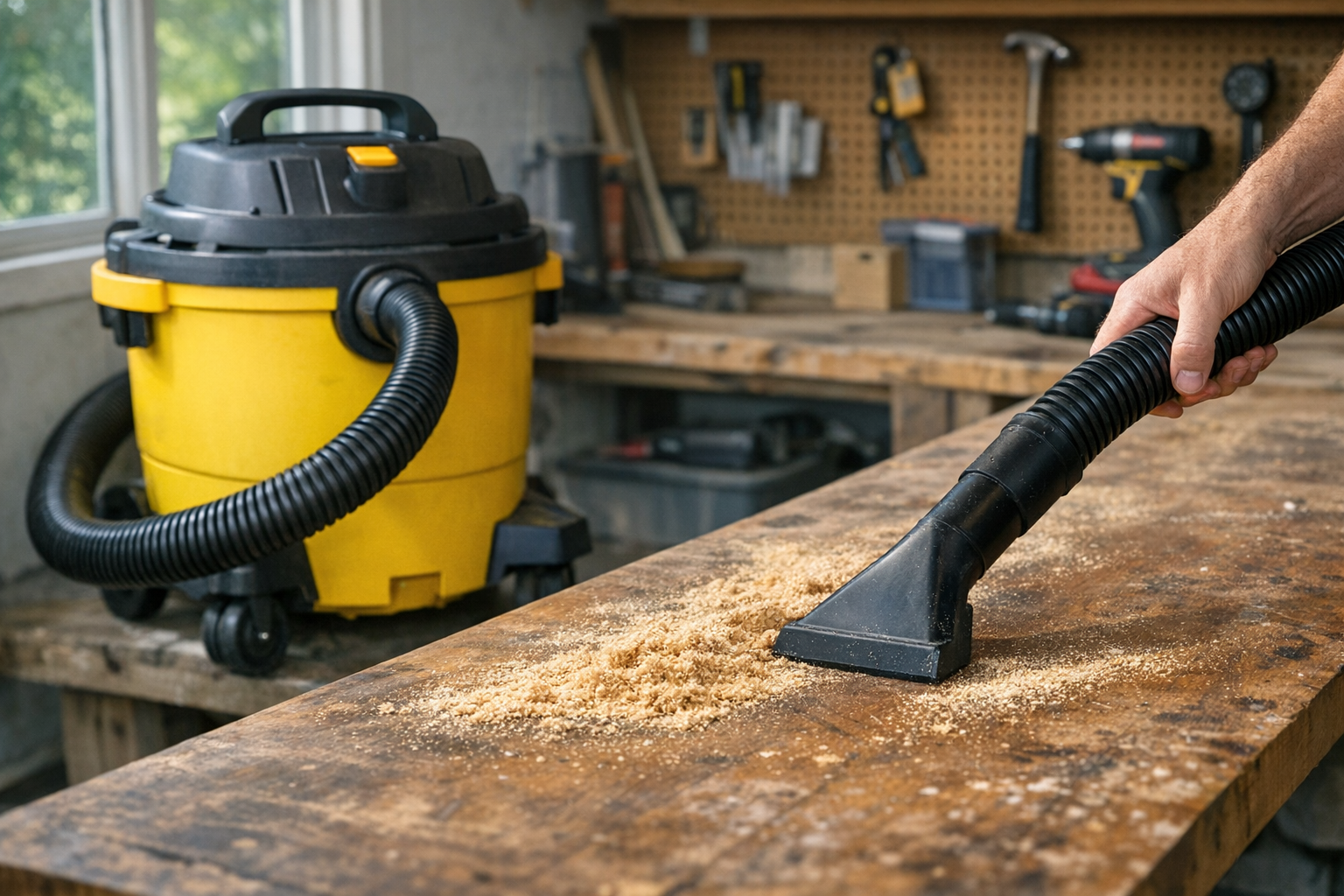
Best Wet/Dry Shop Vacs (2026 Tested)
Whether you need to clean a flooded basement, dust the garage, or pick up workshop debris, here are the wet/dry shop vacs worth the money.
Best Electric Leaf Blowers (2026 Buyer's Guide)
Cordless and corded electric leaf blowers tested for power, runtime, and noise. Our picks for small yards, large yards, and pro-grade home use.

Best Cordless Lawn Mowers (2026 Spring Buyer's Guide)
Battery-powered mowers have caught up to gas. We tested the top cordless mowers on grass length, slopes, and runtime to find the picks worth your money.
5 Best Cordless Drills for Homeowners (2026)
Find the right cordless drill for home projects without overspending. We compared the top drills for DIYers — here are the 5 best for everyday home use.
Best Home Tool Kits for Beginners (2026)
The best home tool kits for new homeowners and renters. We compare 6 tool sets from basic to comprehensive, so you can handle common repairs without calling a handyman.
Related Articles

How to Paint a Front Door (Pro-Quality Result in One Afternoon)
A fresh-painted front door is the highest-impact curb appeal upgrade. Here's the step-by-step that gets a smooth pro finish in 4 hours — no peeling, no brush marks.
How to Prevent Summer AC Breakdowns (April Tune-Up Checklist)
Most AC failures happen in the first 90F week. A 30-minute April tune-up prevents 80 percent of those breakdowns and extends the unit's life by years.
Best Cordless String Trimmers (2026 Tested)
Battery-powered string trimmers have caught up to gas. We tested the top models on bermuda, fescue, and overgrown areas to find the picks worth your money.
How to Fix Sticky Kitchen Cabinet Doors (Without Replacing Hardware)
Cabinet doors that bind, rub, or won't close all the way are almost always a hinge adjustment problem. Here's the 10-minute fix.