How to Get Rid of Fleas Naturally (Safe for Pets and Kids)
This article may contain affiliate links. If you make a purchase through these links, we may earn a small commission at no extra cost to you. Learn more
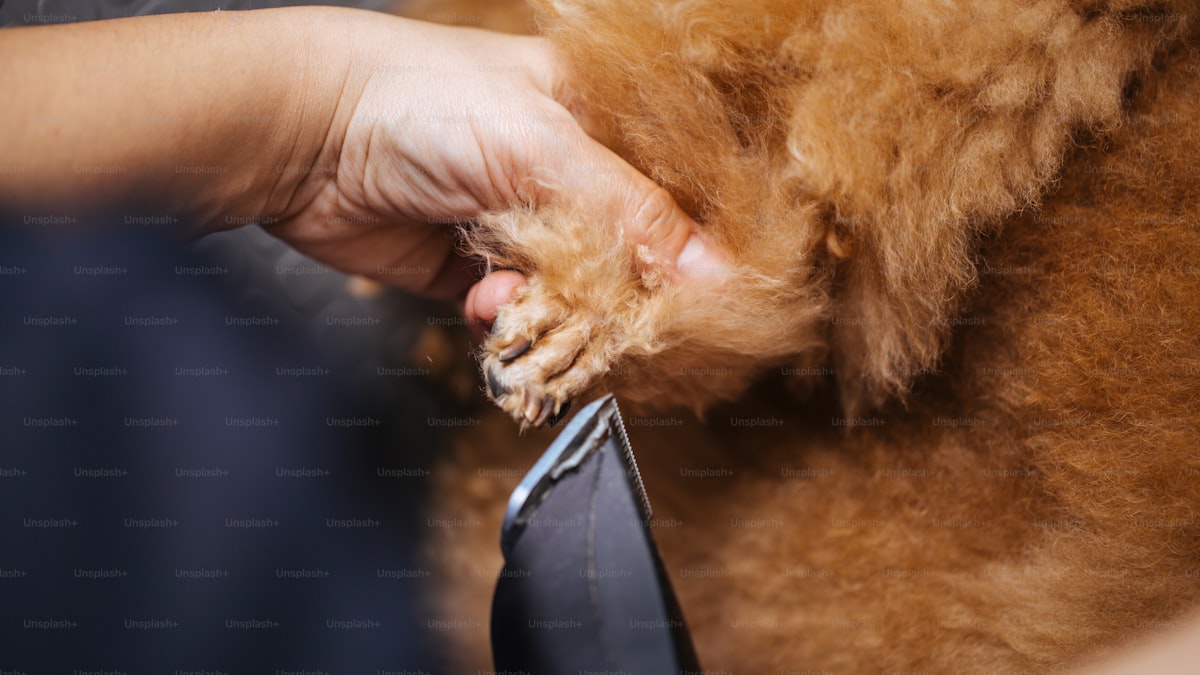
If you've spotted your pet scratching more than usual, or worse, noticed tiny dark specks jumping off the couch cushions, you're probably dealing with fleas. Before you reach for a chemical fogger or a store-bought spray loaded with harsh ingredients, take a breath. There are effective, natural ways to get rid of fleas that are completely safe for your pets, your kids, and the rest of your household.
We've put together this comprehensive guide to help you tackle a flea infestation from every angle using methods that rely on pantry staples, smart cleaning habits, and prevention strategies that actually work. Whether the problem is on your pet, in your carpet, or throughout your entire home, we've got you covered.
Understanding the Flea Life Cycle
Before you start treating your home, it helps to know what you're up against. Fleas aren't just the tiny jumping adults you can see. They go through four life stages: egg, larva, pupa, and adult. Here's why that matters: the adults you spot on your pet represent only about 5% of the total flea population in your home. The other 95% is hiding in your carpets, upholstery, and pet bedding as eggs, larvae, and pupae.
Flea eggs are tiny white ovals that fall off your pet and scatter everywhere they go. Within a few days, those eggs hatch into larvae that burrow deep into carpet fibers and cracks in flooring. The larvae eventually spin cocoons and become pupae, which can survive for months in a dormant state, waiting for the vibrations, warmth, and carbon dioxide that signal a nearby host.
This is exactly why a single treatment never works. You need a sustained, multi-pronged approach that targets every stage of the life cycle over several weeks. The good news is that natural methods are perfect for this kind of persistent, repeated effort because they're safe to use frequently without worrying about chemical buildup.
Natural Flea Treatments for Your Pet
Your pet is ground zero for any flea problem, so we need to start there. These natural treatments help repel and eliminate fleas without the side effects that can come from conventional pesticide-based products.
The Apple Cider Vinegar Rinse
Apple cider vinegar creates an acidic environment on your pet's skin that fleas strongly dislike. Mix equal parts raw, unfiltered apple cider vinegar and water in a spray bottle. After bathing your pet with a gentle, pet-safe shampoo, spray the mixture over their coat, avoiding the eyes, nose, and any open wounds. Let it air dry without rinsing.
You can also add a teaspoon of apple cider vinegar to your pet's water bowl daily. This subtly changes the pH of their skin from the inside out, making them less attractive to fleas. Start with a small amount to make sure your pet tolerates it, since some animals are picky about the taste.
The Dawn Dish Soap Bath
A bath with plain blue Dawn dish soap is one of the most effective immediate flea killers available. The soap breaks the surface tension of water, which means fleas can't float and drown almost instantly. Lather your pet thoroughly with Dawn, working the suds all the way down to the skin, and let it sit for five minutes before rinsing.
This method kills adult fleas on contact but doesn't provide lasting protection. Think of it as a reset button that gives you a clean starting point for ongoing prevention. Avoid using Dawn too frequently, as it can dry out your pet's skin. Once a week during an active infestation is generally safe; otherwise, use it only when you first notice fleas.
Flea Combing with Soapy Water
A fine-toothed flea comb is an essential tool for any natural flea-fighting strategy. Fill a bowl with warm water and a few drops of dish soap. Comb through your pet's fur slowly, paying close attention to the base of the tail, behind the ears, and under the legs where fleas love to congregate.
After each stroke, dip the comb into the soapy water to drown any fleas or eggs you've captured. This method is gentle enough for puppies, kittens, and senior pets who might be too fragile for other treatments. Make it part of your daily routine during an infestation and weekly afterward for maintenance.
Essential Oil Flea Collar
You can make a natural flea collar by applying a few drops of diluted essential oil to your pet's existing collar or a bandana. Cedarwood, lavender, and lemongrass are all effective flea repellents. Mix 3-5 drops of essential oil with a tablespoon of carrier oil like coconut or olive oil, then rub a small amount onto the collar.
A critical safety warning: essential oils can be toxic to cats, especially tea tree, peppermint, and citrus oils. If you have cats, stick to cedarwood oil in very small amounts, or skip essential oils entirely and focus on the other methods listed here. Always consult your veterinarian before using essential oils on or around your pets.
Eliminating Fleas from Your Home
Treating your pet alone won't solve the problem. Remember, 95% of the flea population is living in your environment, not on your animal. Here's how to attack every corner of your home naturally.
Vacuuming: Your Most Powerful Weapon
Vacuuming is, without exaggeration, the single most effective natural flea control method for your home. A thorough vacuuming session removes adult fleas, eggs, larvae, and even some pupae from carpets, rugs, and upholstered furniture. The vibration from the vacuum also stimulates dormant pupae to hatch, exposing them to your next round of treatment.
Vacuum every floor surface in your home at least once daily during an active infestation. Focus on areas where your pet spends time, along baseboards, under furniture, and in corners where debris collects. Use the crevice tool to get into tight spots and the upholstery attachment on couches, chairs, and pet beds.
Here's the key step most people miss: empty the vacuum canister or throw away the bag immediately after each session, and do it outside. Fleas can crawl out of the vacuum and reinfest your home if you leave them sitting in the canister. If your vacuum uses a bag, seal it in a plastic bag before tossing it in the outdoor trash.
The Baking Soda and Salt Treatment
This classic combination works by dehydrating fleas and their eggs at every life stage. Mix equal parts fine table salt and baking soda, then sprinkle the mixture liberally over all carpeted areas, rugs, and upholstered furniture. Use a broom or brush to work it deep into the carpet fibers where flea larvae hide.
Let the mixture sit for 12-24 hours, then vacuum thoroughly. The salt and baking soda act as a desiccant, drawing moisture out of fleas and their eggs, effectively killing them. Repeat this treatment every 3-4 days for at least three weeks to catch newly hatching fleas that were protected inside their cocoons during the first treatment.
This method is completely non-toxic and safe around kids and pets. You can walk on treated carpet without worry. The only caution is that excess salt can be irritating to pets' paws if left on hard floors, so focus the treatment on carpeted areas and vacuum it up before letting pets back on it.
Diatomaceous Earth (Food Grade)
Food-grade diatomaceous earth (DE) is a fine powder made from the fossilized remains of tiny aquatic organisms. Under a microscope, each particle has razor-sharp edges that cut through the waxy outer layer of a flea's exoskeleton, causing it to dehydrate and die. It's completely non-toxic to humans and pets when used correctly, but lethal to insects.
Lightly dust food-grade DE onto carpets, pet bedding, and along baseboards. A little goes a long way; you want a thin, barely visible layer, not mounds of powder. Leave it in place for 48-72 hours, then vacuum it up. Repeat weekly for at least a month.
Important: only use food-grade diatomaceous earth, never the pool-grade version, which is chemically treated and dangerous to inhale. Even with food-grade DE, wear a dust mask during application since fine particles can irritate your lungs. Keep pets out of the room while you're applying it, and wait for the dust to settle before letting them back in.
Herbal Flea Spray for Surfaces
Make your own natural flea spray by combining four liters of white vinegar, two liters of water, 500 milliliters of lemon juice, and 250 milliliters of witch hazel in a large spray bottle. Shake well before each use.
Spray this solution on carpets, furniture, pet bedding, window sills, and any other surfaces where fleas may be lurking. The acidity of the vinegar and lemon juice repels fleas, while the witch hazel helps the solution adhere to surfaces. This spray is safe for most fabrics, but test it on an inconspicuous area first to check for discoloration.
For hard floors and tile, our guide on how to clean grout without scrubbing covers deep-cleaning techniques that will also help eliminate flea eggs hiding in crevices and grout lines.

Washing Everything in Hot Water
Fleas and their eggs cannot survive temperatures above 95 degrees Fahrenheit (35 degrees Celsius) for extended periods, and hot water in a washing machine is far hotter than that. Gather every piece of washable fabric your pet has contacted: pet beds, blankets, throw pillow covers, couch cushion covers, and your own bedding if your pet sleeps with you.
Wash everything on the hottest setting the fabric can handle, and dry on high heat for at least 30 minutes. The combination of hot water, detergent, and tumbling action kills fleas at every life stage. During an active infestation, wash pet bedding every 2-3 days. Once the problem is under control, weekly washing is sufficient for prevention.
Don't forget about items you might not normally launder, like stuffed toys, area rugs, and bath mats. If it can go in the washer, throw it in. For items that can't be washed, seal them in a plastic bag and freeze them for 24 hours; extreme cold also kills fleas and eggs.
Treating Your Yard Naturally
If your pet spends time outdoors, your yard is likely a flea breeding ground that keeps reinfesting your home. Treating the outdoor spaces is a critical piece of the puzzle that many people overlook.
Nematodes: Nature's Flea Predator
Beneficial nematodes are microscopic worms that actively hunt and consume flea larvae in soil. You can purchase them at garden centers or online. Mix them with water according to package directions and spray them onto shady, moist areas of your yard where fleas thrive, such as under bushes, along fence lines, and in areas where your pet likes to rest.
Nematodes are completely safe for pets, children, plants, and beneficial insects. They work best in warm, moist soil and can reduce flea populations in your yard by up to 90% within a few weeks. Apply them in the early morning or evening to avoid direct sunlight, which kills them before they can burrow into the soil.
Cedar Chip Mulch
Fleas despise the smell of cedar. Spread cedar chip mulch in garden beds, along walkways, and around the perimeter of your home. You can also place cedar chips in your dog's outdoor resting areas. The natural oils in cedar repel fleas and make your landscaping look great at the same time.
Keep the Lawn Trimmed
Fleas thrive in tall, shady grass. Keeping your lawn mowed short and your bushes trimmed exposes flea habitats to sunlight and reduces humidity at ground level, both of which make survival difficult for fleas. Rake up leaf litter and remove yard debris where fleas find shelter.
Prevention: Keeping Fleas from Coming Back
Getting rid of fleas is only worthwhile if you prevent them from returning. These ongoing habits create an environment that's hostile to fleas without any harsh chemicals.
Consistent Cleaning Schedule
Regular vacuuming, at least twice a week, removes flea eggs before they have a chance to hatch. Weekly laundering of pet bedding prevents population buildup. If you're tackling a broader home cleanliness overhaul, our guide on how to declutter your home room by room can help you create routines that naturally reduce pest-friendly clutter and hiding spots.
Coconut Oil Supplements
Adding a small amount of virgin coconut oil to your pet's food (about one teaspoon per 10 pounds of body weight) can help repel fleas from the inside out. Coconut oil contains lauric acid, which fleas find repellent. It also promotes a healthy coat and skin, which is a bonus for pets recovering from flea bites.
Regular Grooming and Inspection
Make flea combing a regular habit, even when you don't suspect a problem. Weekly combing catches fleas early before a small problem becomes a full-blown infestation. Check your pet after every outdoor adventure, especially if they've been in wooded areas or tall grass.
Regular bathing and grooming keeps your pet's coat in good condition and makes it easier to spot problems early. If your pet's grooming routine tends to leave hair everywhere, check out our tips on how to remove pet hair from furniture to keep shedding under control alongside your flea prevention efforts.
Protect Your Indoor Environment
Keep your home environment unfriendly to fleas year-round. Maintain low indoor humidity (below 50% if possible) since fleas need humidity to survive. Use dehumidifiers in damp areas like basements. Wash entryway mats regularly since these are common hitchhiking points for fleas entering your home.
If persistent odors develop in areas where your pet frequently rests, our guide on how to get rid of pet odor in your home walks you through deep-cleaning strategies that also help eliminate the organic debris fleas feed on.
When to Call a Professional
Natural methods work well for mild to moderate flea infestations, but there are situations where professional help is the smarter choice. If you've been applying natural treatments consistently for 4-6 weeks without noticeable improvement, the infestation may be more established than home methods can handle alone.
Homes with severe infestations, where fleas are visible on hard floors or jumping onto your ankles when you walk through a room, often need professional-grade treatment to break the cycle. Many pest control companies now offer low-toxicity or integrated pest management (IPM) approaches that combine targeted treatments with natural methods.
If anyone in your household, pet or human, is having an allergic reaction to flea bites (excessive swelling, spreading rashes, or signs of infection), seek medical or veterinary attention promptly. Flea allergy dermatitis is one of the most common skin conditions in dogs and cats, and it can require medication alongside environmental treatment.
Also consider professional help if you're dealing with fleas in a multi-unit building. Your efforts won't be fully effective if fleas are migrating from neighboring apartments. A coordinated, building-wide approach is necessary in these situations. Similarly, if you're moving into a home that sat vacant with a previous flea infestation, the dormant pupae may hatch in enormous numbers once they detect your presence, overwhelming home treatments.
Frequently Asked Questions
How long does it take to get rid of fleas naturally?
Expect the process to take 2-4 weeks of consistent effort with natural methods. The flea life cycle from egg to adult takes about 2-3 weeks under normal conditions, so you need to maintain treatments long enough to catch every generation. Vacuuming daily, treating carpets with salt and baking soda every few days, and washing pet bedding frequently during this period is essential. You should see a significant reduction within the first week, but don't stop your routine until you've gone at least two weeks without spotting a single flea.
Can fleas live on humans?
Fleas prefer animal hosts and won't take up permanent residence on human skin. However, they will absolutely bite humans, especially around the ankles and lower legs. Flea bites on people appear as small red bumps, often in clusters or lines, and they itch intensely. If fleas are biting you, it usually means the infestation in your home is significant enough that the flea population is looking for any available host. Treating your home and pets aggressively should stop the human bites within days.
Is diatomaceous earth safe to use around babies and toddlers?
Food-grade diatomaceous earth is non-toxic and safe for households with young children when used properly. The main concern is inhalation of the fine dust during application. Apply DE when children are out of the room, let the dust settle completely (about 30 minutes), and then it's safe for children to be in the area. Avoid applying it to surfaces where babies crawl directly; focus on carpets that will be vacuumed before the baby has contact. As always, keep the container stored out of children's reach, and never use pool-grade diatomaceous earth, which is chemically different and harmful.
Do natural flea remedies actually work as well as chemical treatments?
Natural remedies are genuinely effective, but they require more consistency and patience than chemical treatments. A single application of a chemical flea bomb may kill most visible fleas in hours, but it doesn't address eggs and pupae effectively either, and it introduces toxins into your living space. Natural methods like diatomaceous earth, salt and baking soda, and rigorous vacuuming work through physical mechanisms (dehydration and removal) rather than chemical poisoning, making them safer but slower. For mild to moderate infestations, natural methods are completely sufficient. For severe infestations, you may need to combine natural home treatments with a vet-recommended spot treatment on your pet to break the cycle faster.
What natural scents repel fleas?
Fleas are repelled by several natural scents, including cedarwood, lavender, lemongrass, peppermint, rosemary, and citronella. You can use these strategically around your home by placing sachets of dried herbs in closets, adding a few drops of essential oil to cotton balls near pet bedding, or planting these herbs in your garden. However, remember that some essential oils are toxic to cats (especially tea tree, peppermint, and citrus), so always research pet safety before using aromatic products. Scent-based deterrents work best as a prevention layer alongside other methods, not as a standalone treatment for an active infestation.
Take Back Your Home, Naturally
Dealing with a flea infestation is frustrating, but you absolutely don't need to fill your home with harsh chemicals to solve the problem. By understanding the flea life cycle and attacking it at every stage with natural methods, you can eliminate these pests safely and effectively.
Start with your pet: give them a thorough Dawn bath and begin daily flea combing. Move to your home with aggressive vacuuming, salt and baking soda treatments, and hot water laundering. Treat your yard with beneficial nematodes and cedar mulch. Then commit to the prevention habits that keep fleas from gaining a foothold again.
The key to success with natural flea control is consistency. These methods aren't magic bullets that work overnight, but when applied diligently over 2-4 weeks, they break the flea life cycle just as effectively as chemical alternatives. Your pets will be more comfortable, your kids will be safer, and you'll have the peace of mind that comes from knowing exactly what's in your home environment.
If you're also working on making your home safer and more comfortable for your furry family members, our guide on how to pet-proof your home covers everything from toxic plant removal to creating secure spaces where pets and kids can coexist happily.
Get weekly home tips that actually work
Join thousands of homeowners getting practical cleaning hacks, DIY fixes, and money-saving tips every week. Free, and you can unsubscribe anytime.

Written by
Beth SullivanFounder & Editor-in-Chief
Beth Sullivan is the founder of Practical Home Guides. With over a decade of hands-on experience tackling every home challenge imaginable, she started this site to share the practical, no-nonsense solutions she wishes she had found years ago. When she's not testing cleaning hacks or organizing pantries, you'll find her in the garden or working on her next DIY project.
Recommended Products
Looking for specific product recommendations? Check out our tested picks.
5 Best Dog Grooming Kits for Home Use (2026)
Save hundreds on groomer visits by doing it yourself. We compared the top dog grooming kits — here are the 5 best for different coat types and budgets.
Best Pet Hair Removers That Actually Work (2026)
We tested the most popular pet hair removers for furniture, clothes, and cars. Here are the 7 best picks that actually get the job done — from lint rollers to rubber brooms.
Related Articles
How to Stop a Cat From Spraying (And Why They Start)
Cats spray for specific reasons — and identifying the cause is half the battle. Here's the vet-tech approach to stopping spraying without rehoming the cat.
Dog-Safe Spring Yard Checklist (Lawn Chemicals, Plants, and More)
Spring yard prep can poison your dog faster than you'd expect. Here's the checklist of toxic plants, lawn treatments, and seasonal hazards to remove before letting your dog roam.
How to Soothe Your Dog's Itchy Spring Skin Naturally
Spring allergies hit dogs hard. These vet-tech-approved natural remedies soothe itchy skin without immediately reaching for prescription meds.

How to Introduce a New Baby to Your Family Pet Safely
A vet tech's step-by-step plan for preparing your dog or cat for a new baby. Start weeks before the due date — not the day you come home from the hospital.