How to Organize Your Bedroom for Better Sleep
This article may contain affiliate links. If you make a purchase through these links, we may earn a small commission at no extra cost to you. Learn more
Quick Answer
How to Organize Your Bedroom for Better Sleep
Start by removing everything from your bedroom that doesn't serve sleep or relaxation -- work materials, exercise equipment, excess furniture, and visible clutter. Keep surfaces clear, store items out of sight in closed containers, and position your bed away from the door with clear nightstands. A cool, dark, and tidy room signals your brain that it's time to rest, which directly improves how quickly you fall asleep and how well you stay asleep.
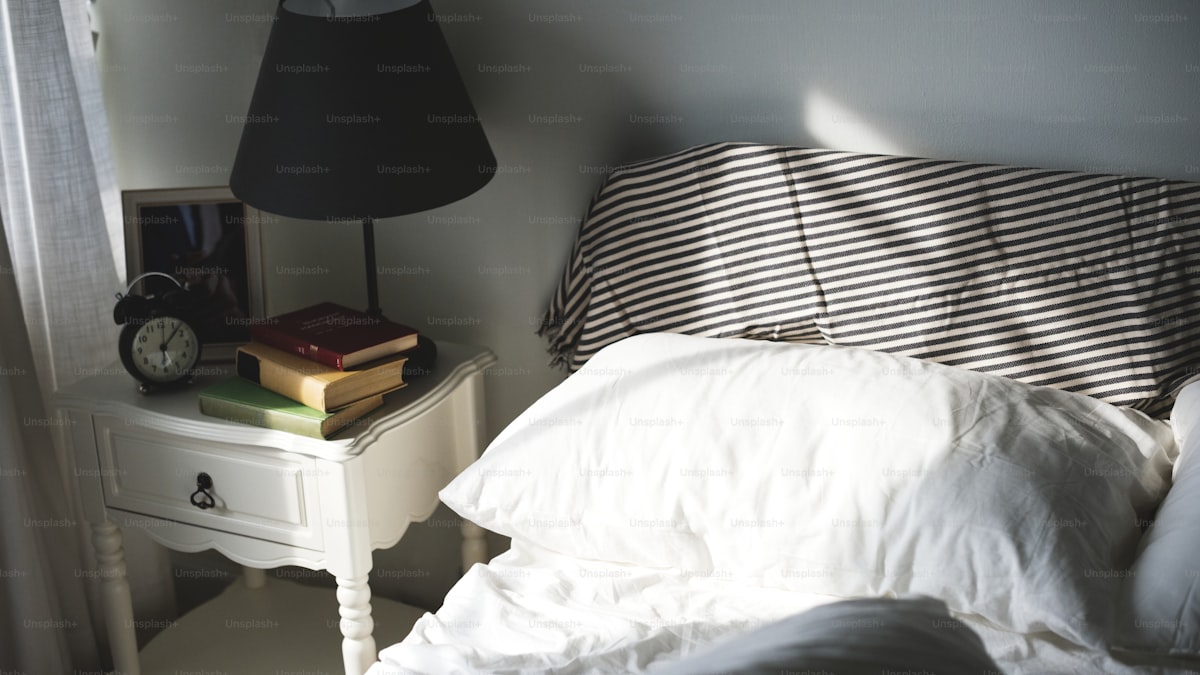
How to Organize Your Bedroom for Better Sleep
Your bedroom should be the most restful room in your home, but for many people it has quietly become a storage overflow zone, a second home office, or a laundry staging area. Piles of clothes on the chair, stacks of books on the floor, a desk crammed into the corner -- all of it chips away at the one thing the room is supposed to do: help you sleep.
The connection between a messy bedroom and poor sleep is not just anecdotal. Research consistently shows that people who sleep in cluttered environments take longer to fall asleep, wake up more often during the night, and report lower overall sleep quality. Your brain processes visual clutter as unfinished tasks, which keeps your stress response active even when you're trying to wind down.
The good news is that organizing your bedroom for better sleep doesn't require a renovation or expensive furniture. It's about making intentional choices about what belongs in the room, where things go, and how the space feels when you walk in at the end of the day. This guide walks you through every step -- from the initial declutter to the finishing touches that turn your bedroom into a genuine sleep sanctuary.
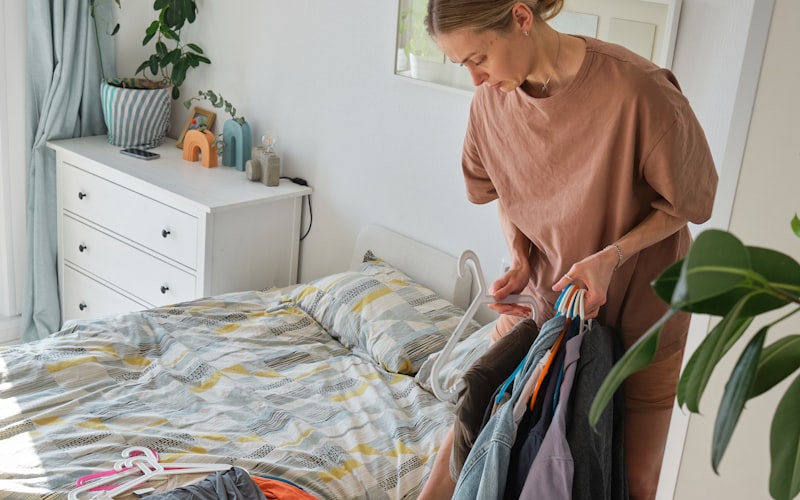
Why Does a Cluttered Bedroom Affect Your Sleep?
Before diving into the how-to, it helps to understand why bedroom clutter has such a direct impact on sleep quality. The answer lies in how your brain interprets your environment.
When you walk into a room filled with visual noise -- clothes draped over furniture, stacks of papers, overflowing drawers left open -- your brain registers each item as something that needs attention. Even if you're not consciously thinking about the pile of unsorted laundry, your subconscious is cataloging it. That low-level mental stimulation raises cortisol, the stress hormone, and makes it harder for your body to transition into sleep mode.
The bedroom also carries psychological associations. If you work, eat, watch TV, and scroll through your phone in bed, your brain starts associating that space with wakefulness and stimulation rather than rest. Over time, the bedroom loses its identity as a place for sleep, and your body stops producing the relaxation cues you need when you climb under the covers.
A tidy, intentionally organized bedroom reverses all of this. When the room is visually calm, your nervous system can downshift. When the bed is reserved for sleep, your brain gets a clear signal that it's time to rest. The physical environment shapes the mental state, and that mental state determines how well you sleep.
If clutter has spread beyond the bedroom to other parts of your home, it's worth addressing the bigger picture. A room-by-room decluttering approach tackles the whole house systematically and prevents overflow from creeping back into your sleep space.
What Should You Remove From Your Bedroom First?
The fastest way to improve your bedroom environment is subtraction, not addition. Before you buy a single organizer or rearrange any furniture, walk through the room and remove everything that doesn't directly support sleep or relaxation.
Step 1: Remove all work-related items. Laptops, files, planners, and anything connected to your job should leave the bedroom entirely. If you currently use a desk in the bedroom, relocate it to another room or, at minimum, set up a visual barrier like a folding screen so the workspace is hidden at night. An organized home office space in another room gives your work a proper home and keeps it out of your sleep zone.
Step 2: Clear out exercise equipment. That treadmill or set of dumbbells in the corner is a constant visual reminder of tasks and effort -- exactly the opposite of what you want your brain processing at bedtime. Move fitness gear to the garage, living room, or a dedicated workout area.
Step 3: Relocate entertainment electronics. Televisions, gaming consoles, and tablets emit blue light that suppresses melatonin production and keep your brain in an alert state. Remove them from the bedroom. If removing the TV feels extreme, at minimum commit to turning it off at least 30 minutes before you intend to sleep.
Step 4: Take out excess furniture. Extra chairs, side tables, and decorative items that serve no functional purpose create visual clutter and reduce the sense of openness. If you haven't sat in that accent chair in the last month, it doesn't belong in the bedroom.
Step 5: Remove visible storage. Boxes, bins, and bags sitting on the floor or stacked in open view make the room feel like a storage unit. If these items need to stay in the bedroom, they need to go inside closed storage -- a closet, under the bed, or inside a dresser.
The goal is to strip the room back to essentials: the bed, nightstands, a dresser or closet for clothing, and a lamp. Everything else is negotiable.
How Should You Organize Your Bedroom Closet and Dresser?
Once you've removed what doesn't belong, it's time to organize what stays. Your closet and dresser are the two biggest storage assets in the bedroom, and getting them right prevents clutter from resurfacing.
Tackle the Closet
A disorganized closet bleeds into the bedroom. When the closet is crammed and chaotic, clothes end up on the bed, the chair, and the floor because putting them away feels impossible. Fixing the closet fixes the bedroom.
Step 1: Pull everything out. Sort into keep, donate, and toss piles. Be honest about what you actually wear. If it hasn't been on your body in the last year, let it go.
Step 2: Group remaining items by category -- tops, bottoms, dresses, outerwear -- and then by frequency of use. Daily wear goes at eye level. Seasonal and occasional items go higher or to the sides.
Step 3: Invest in uniform hangers. Slim velvet hangers take up roughly a third of the space of plastic hangers and prevent clothes from slipping onto the floor. This single swap often frees up enough rod space to eliminate the overflow that ends up on bedroom furniture.
If your closet is on the smaller side, our guide to organizing a closet in a small space covers strategies for doubling your usable storage with inexpensive solutions like second rods, shelf dividers, and door-mounted organizers. For a more comprehensive upgrade, closet organizer systems can completely transform even the most challenging closet layouts.
Organize the Dresser
Dresser drawers work best with dividers. Without them, folded clothes shift and tumble every time you open the drawer, turning your neat stacks into a jumbled mess within days.
Use drawer dividers to create dedicated sections for socks, underwear, workout clothes, and pajamas. The KonMari file-folding method -- where you fold items into small rectangles and store them upright like files in a cabinet -- lets you see everything at a glance and fits more into each drawer.
Keep the top of your dresser as clear as possible. A small tray for daily essentials like keys or a watch is fine. Anything beyond that starts to feel like clutter and works against the calm environment you're building.

How Do You Set Up Your Bed and Nightstands for Better Sleep?
The bed is the centerpiece of the room, and how you set it up -- along with the nightstands flanking it -- has a direct effect on your sleep routine and quality.
Position the Bed Intentionally
Place your bed so that you can see the door from where you lie but aren't directly in line with it. This positioning taps into a basic psychological comfort -- your brain feels safer when it can monitor the room's entry point without being exposed. Avoid pushing the bed against a window if possible, as drafts and outside light can disrupt sleep.
Leave space on both sides of the bed for getting in and out. Even 18 inches of clearance makes the room feel more open and prevents that boxed-in feeling that comes from squeezing the bed into a corner.
Upgrade Your Bedding
Your mattress and bedding deserve more attention than most people give them. If your mattress is more than 7-8 years old and you wake up with aches, it may be time to consider a replacement. At minimum, make sure it's clean -- body oils, dust mites, and allergens accumulate over time and can affect sleep quality and breathing. Our guide to cleaning a mattress and removing stains walks you through a thorough refresh that extends the life of your mattress and keeps allergens under control.
Choose breathable, natural-fiber sheets -- cotton or linen -- in a thread count between 300 and 600. Higher isn't always better. Extremely high thread counts can trap heat and reduce airflow. Keep bedding simple: a fitted sheet, a top sheet or duvet, and one or two pillows per person. Excessive decorative pillows create nightly work that makes getting into bed feel like a chore rather than a relief.
Simplify the Nightstands
Your nightstand should hold only what you need for your bedtime and morning routines. A lamp, a book, a glass of water, and your phone charger (if the phone must stay in the room) are all that belong there. Anything else -- old magazines, random receipts, medication bottles, half-finished cups -- gets cleared off daily.
A nightstand organizer caddy keeps small items contained without spreading across the surface. If your nightstand has drawers, use small containers inside them to prevent the junk-drawer effect.
Bedside Caddy Organizer
Hangs securely between the mattress and bed frame to keep your phone, tablet, remote, books, and glasses within arm's reach without cluttering the nightstand. Multiple pockets with reinforced stitching. Fits any bed size.
Check Price on Amazon →How Can You Control Light, Sound, and Temperature in Your Bedroom?
Organization isn't just about where your belongings go. The sensory environment of the room -- light, sound, and temperature -- plays an equally important role in sleep quality. Getting these three factors right is like setting the stage for your body to do what it naturally wants to do at night.
Block Out Light
Even small amounts of light can interfere with melatonin production and disrupt your sleep cycle. Start by identifying every light source in the room: LED indicators on electronics, streetlights through the window, hallway light under the door, and the glow of a charging phone.
Blackout curtains are one of the highest-impact investments you can make for sleep. They block outside light completely, reduce street noise, and help with temperature regulation by insulating the window. If you can't install curtains, a quality sleep mask is the next best option.
Cover or remove LED standby lights on any electronics that remain in the room. A small piece of electrical tape over the indicator light on a power strip or charger costs nothing and eliminates a surprising amount of ambient glow.
Manage Sound
If outside noise is an issue, a white noise machine or a simple fan provides consistent background sound that masks disruptions. The key is consistency -- your brain adapts to steady background noise, but sudden sounds like a car horn or a barking dog will still jolt you awake against a silent backdrop.
Keeping windows closed and using the blackout curtains mentioned above also helps dampen sound. If your bedroom door doesn't seal well, a draft stopper along the bottom blocks both light and noise from the rest of the house.
Regulate Temperature
Sleep research consistently points to an ideal bedroom temperature of 60-67 degrees Fahrenheit (15-19 degrees Celsius). Most people keep their bedrooms too warm, which interferes with the natural body temperature drop that triggers sleep onset.
If lowering the thermostat raises your energy bill concerns, there are smart workarounds. A programmable thermostat can drop the temperature automatically at bedtime and bring it back up before your alarm. Breathable bedding and lighter pajamas also help. For more strategies on keeping energy costs down while staying comfortable, our guide to saving money on your electric bill covers practical adjustments that reduce costs without sacrificing comfort.
If the bedroom feels stuffy or has a stale odor, that's also worth addressing. Poor air circulation can make a room feel warmer than it is and introduce allergens that disrupt breathing during sleep. Our guide to getting rid of musty smells in your house covers ventilation and air quality improvements that make a real difference.
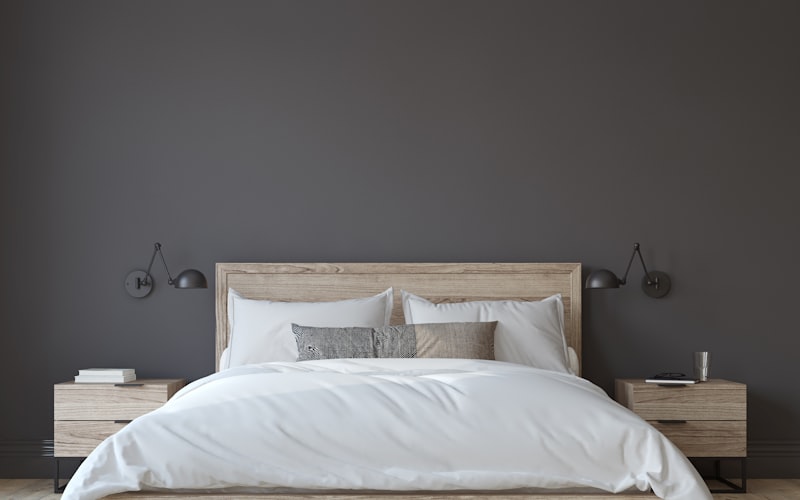
What Nightly Habits Keep Your Bedroom Organized Long-Term?
Organizing your bedroom once is satisfying, but keeping it that way is what actually improves your sleep over time. The secret is building a short nightly routine that takes less than five minutes and prevents clutter from ever piling up again.
Step 1: Do a quick surface scan. Before you start your bedtime routine, take 60 seconds to scan every surface in the room -- nightstands, dresser top, chair, floor. Anything that doesn't belong gets returned to its proper place or taken out of the room.
Step 2: Handle today's clothes immediately. Worn clothes go into the hamper, not the chair. Clean clothes get hung up or folded and put away. This single habit eliminates the number one source of bedroom clutter for most people.
Step 3: Make the bed every morning. This might sound like it belongs in a different section, but making the bed is one of the most effective organizational habits for the bedroom. It sets a visual baseline of order that discourages you from tossing things onto the bed during the day. A made bed also feels significantly more inviting at night than a tangled pile of sheets.
Step 4: Process nightstand items weekly. Once a week, clear your nightstand completely. Throw away anything that accumulated -- tissues, receipts, wrappers -- and wipe down the surface. Return only what belongs: your lamp, a book, and essentials.
Step 5: Rotate seasonal linens. As seasons change, swap out heavy blankets for lighter options and vice versa. Store off-season bedding in a linen closet or in vacuum-sealed bags under the bed. This keeps the bed from accumulating unnecessary layers and keeps the closet from overflowing with blankets you're not using.
These habits compound over time. Within a few weeks, maintaining the room takes almost no conscious effort because the systems are in place and the routines are automatic. The bedroom stays clean, and your sleep benefits every single night.
How Does Scent and Air Quality Affect Bedroom Sleep?
The air you breathe while you sleep matters more than most people realize. Dust, allergens, pet dander, and stale air can all cause congestion, snoring, and restless sleep -- even if you don't notice these irritants during the day.
Keep the Air Clean
Vacuum the bedroom at least once a week, including under the bed and along baseboards where dust collects. Wash bedding weekly in hot water to kill dust mites. If you have pets that sleep in the bedroom, brush them regularly and wash their bedding on the same schedule.
An air purifier with a HEPA filter can make a meaningful difference, especially for allergy sufferers. Place it near the bed and run it on a low, quiet setting throughout the night. The gentle hum also doubles as white noise.
Use Scent Intentionally
Certain scents -- lavender, chamomile, and cedarwood -- have been shown to promote relaxation and improve sleep quality. A small sachet of dried lavender in your pillowcase or a few drops of essential oil on a cotton ball placed near the bed are simple ways to introduce calming scent without overloading the room.
Avoid anything overly strong or artificial. Scented candles can leave residue in the air, and plug-in air fresheners often use synthetic fragrances that irritate airways. If your bedroom has a persistent stale or musty odor, don't cover it up -- find and fix the source. Poor ventilation, old carpet, or moisture issues are common culprits, and our guide to eliminating musty smells covers how to identify and resolve each one.
Frequently Asked Questions
How often should you reorganize your bedroom for better sleep?
A full reorganization once every six months is usually sufficient if you maintain daily and weekly habits. The seasonal shift -- spring and fall -- is a natural time to reassess. Swap out bedding, rotate closet contents, and do a deeper declutter of nightstand drawers and dresser tops. Between these bigger sessions, your nightly five-minute routine should keep things in order.
Does making the bed actually improve sleep quality?
Yes. A National Sleep Foundation survey found that people who make their beds every morning are 19% more likely to report getting a good night's sleep. Part of this is practical -- smooth, untangled sheets are more comfortable. But the bigger factor is psychological. A made bed creates a sense of order and accomplishment that carries through the day and makes the bedroom feel inviting when you return at night.
Should you keep your phone in the bedroom while you sleep?
Ideally, no. The blue light from your phone screen suppresses melatonin, and the temptation to check notifications keeps your brain in an alert state. If you use your phone as an alarm, place it face-down on the nightstand or switch to a dedicated alarm clock so the phone can stay in another room. If the phone must stay, enable a "do not disturb" mode and avoid looking at the screen for at least 30 minutes before you intend to fall asleep.
What is the best bedroom temperature for sleeping?
Most sleep research points to 60-67 degrees Fahrenheit (15-19 degrees Celsius) as the ideal range. Your body needs to drop its core temperature slightly to initiate sleep, and a cool room supports that process. If lowering the thermostat isn't an option, use breathable cotton or linen sheets, wear lightweight sleepwear, and keep a fan running for air circulation. Even small temperature adjustments -- a degree or two cooler -- can noticeably improve how quickly you fall asleep.
Final Thoughts
Organizing your bedroom for better sleep is not about achieving a magazine-worthy aesthetic or buying a room full of new furniture. It's about removing what doesn't serve you, putting what remains in a logical place, and shaping the environment so your brain and body can do what they're designed to do at night -- rest and recover.
The changes don't need to happen all at once. Start with the highest-impact step: clearing out what doesn't belong in the room. Then work through the closet and dresser, simplify the nightstands, and address light, sound, and temperature. Each improvement builds on the last, and the cumulative effect on your sleep quality can be remarkable.
Most people notice a difference within the first few nights. The room feels calmer. Getting into bed feels like a reward rather than an afterthought. And over time, as the nightly maintenance habits become second nature, the organized bedroom stops being something you have to think about and simply becomes the place where you sleep well -- every single night.
If this project has inspired a broader organizing push, consider carrying the momentum into the rest of your home. An organized closet keeps the bedroom clutter-free long-term, and a well-organized linen closet makes bedding changes and laundry day far smoother. The bedroom is the perfect place to start, because the payoff -- better sleep -- is something you feel every morning.
Get weekly home tips that actually work
Join thousands of homeowners getting practical cleaning hacks, DIY fixes, and money-saving tips every week. Free, and you can unsubscribe anytime.

Written by
Beth SullivanFounder & Editor-in-Chief
Beth Sullivan is the founder of Practical Home Guides. With over a decade of hands-on experience tackling every home challenge imaginable, she started this site to share the practical, no-nonsense solutions she wishes she had found years ago. When she's not testing cleaning hacks or organizing pantries, you'll find her in the garden or working on her next DIY project.
Recommended Products
Looking for specific product recommendations? Check out our tested picks.
Best Garage Shelving Systems (2026 Tested)
Wire shelving, freestanding steel, wall-mounted, and overhead — we tested the garage shelving systems that hold real weight without sagging.
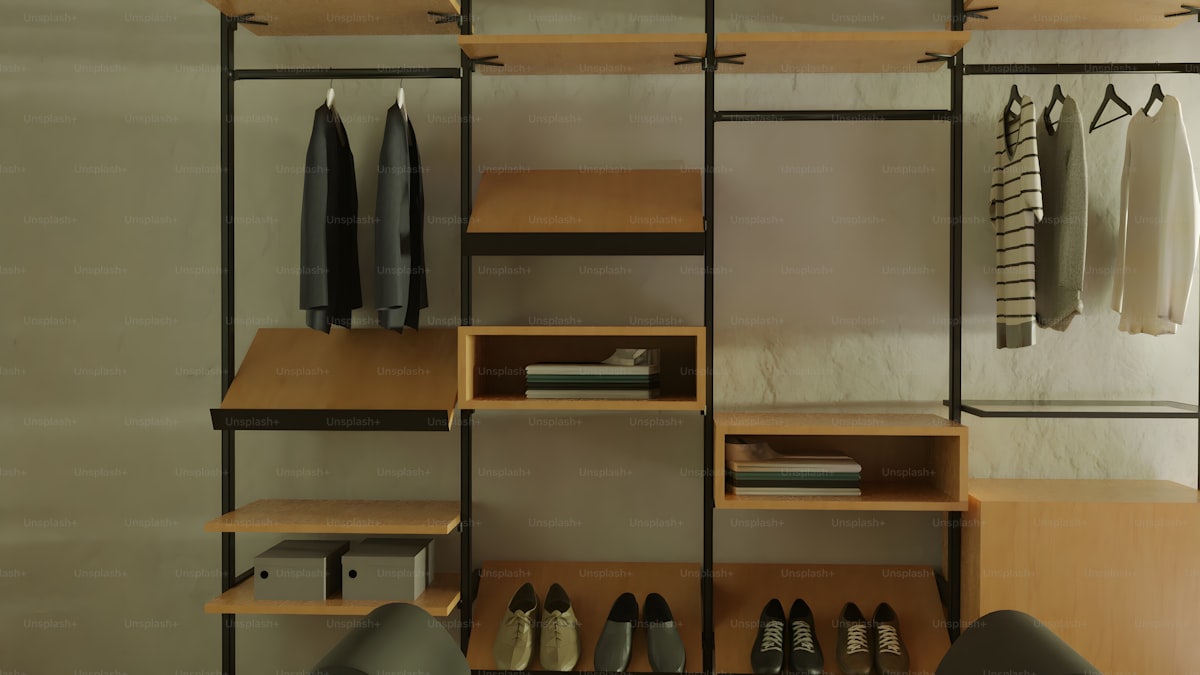
5 Best Closet Organizer Systems Under $100 (2026)
Transform your cluttered closet without spending a fortune. We compared the top closet organizer systems under $100 — here are the 5 best for different closet sizes and needs.
Best Storage Bins and Organizers for Every Room (2026)
The best storage bins, baskets, and organizers for closets, pantries, bathrooms, and garages. Practical picks at every price point to get your home organized.
Related Articles
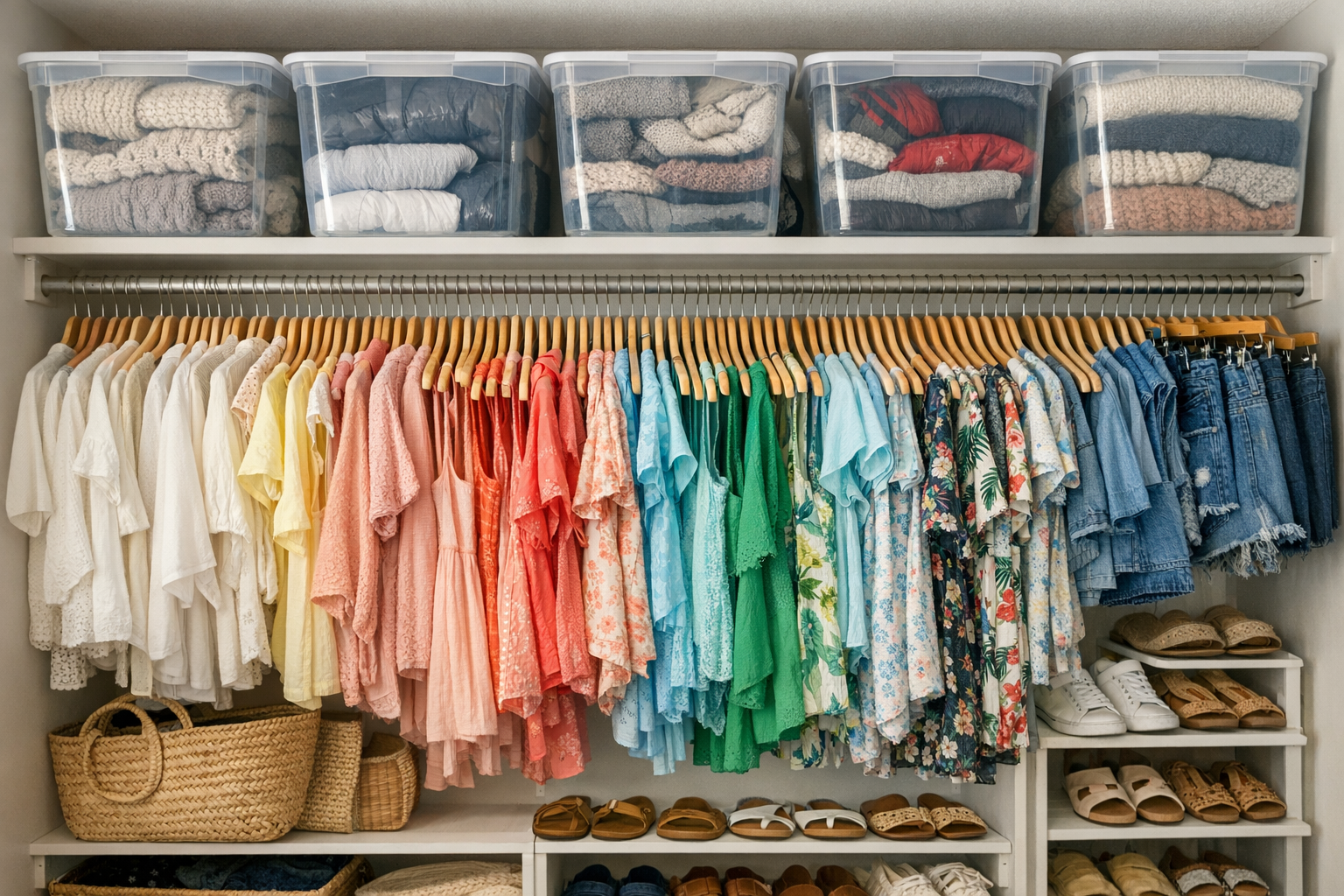
How to Swap Winter and Summer Wardrobes (And Cut Your Closet in Half)
The seasonal wardrobe swap is the highest-leverage closet declutter you can do. Here's the system that takes 90 minutes and dramatically simplifies dressing for months.

How to Set Up Garage Pegboard Zones (Pro Mechanic Style)
A pegboard wall keeps every tool in its own spot. Here's the zone-based layout pro mechanics use — adapted for home garages.

How to Organize Deep Pantry Shelves Without Wasting Food
Deep pantry shelves are where food goes to be forgotten. Here's the system that keeps everything visible and rotated — even on 24-inch deep shelves.
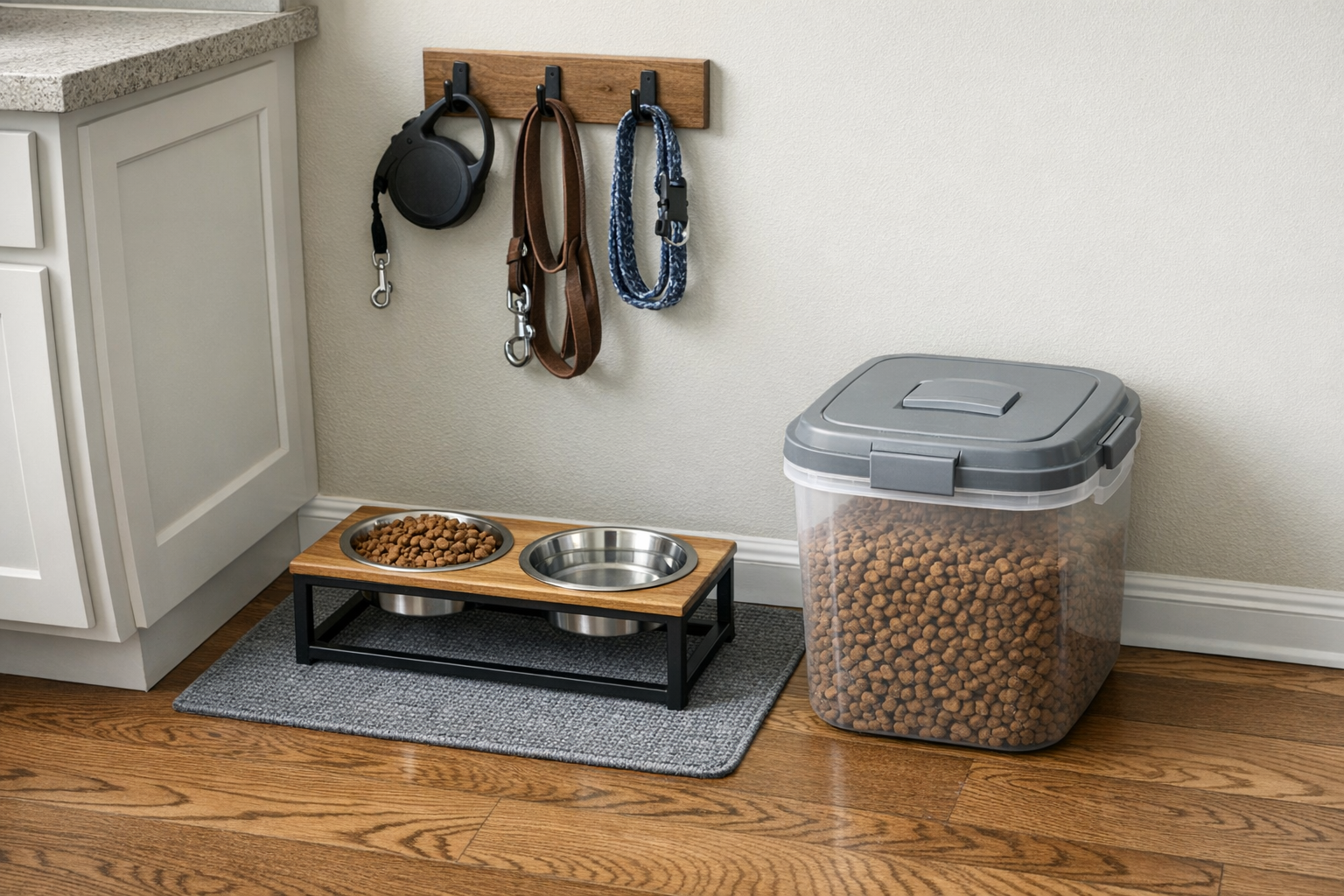
How to Organize Pet Supplies and Build a Tidy Feeding Station
Stop tripping over kibble bags and digging through a chaotic pet drawer. A simple feeding station system that works for one pet or five.