How to Organize Your Car (And Keep It Clutter-Free)
This article may contain affiliate links. If you make a purchase through these links, we may earn a small commission at no extra cost to you. Learn more
Quick Answer
How to Organize Your Car (And Keep It Clutter-Free)
Start by completely emptying your car and throwing away all trash, then sort what remains into keep, relocate, and toss piles. Set up a trunk organizer for essentials, a seatback organizer for passengers, and a small trash container for daily waste. The key to keeping your car clutter-free long-term is a five-minute cleanout every time you leave the vehicle.
How to Organize Your Car (And Keep It Clutter-Free)
Your car is the second most-used space in your daily life, right after your home. And yet most people treat it like a rolling junk drawer -- tossing receipts on the passenger seat, stacking water bottles in the cupholders, letting grocery bags pile up in the trunk, and ignoring the crumb situation that is slowly taking over the back seat.
If you have ever felt embarrassed offering someone a ride because of the state of your car, you are not alone. A cluttered car is stressful to drive in, harder to keep clean, and surprisingly costly. Extra weight from unnecessary items reduces fuel efficiency, and a disorganized trunk means you can never find what you need when you actually need it.
The fix does not require a full day or expensive accessories. With about an hour of focused effort and a few inexpensive organizers, you can transform your car from a rolling disaster into a space that stays clean and functional -- not just for a week, but permanently.
Why Does Your Car Get So Cluttered in the First Place?
Understanding why clutter builds up in your car helps you prevent it from happening again. The root cause is almost always the same: there is no system for managing what comes in and what goes out.
Think about it. Every time you drive somewhere, items enter the car -- receipts, food wrappers, coffee cups, shopping bags, kids' toys, gym bags, work papers, charging cables, water bottles. But unlike your home, where you have closets, drawers, and shelves to absorb incoming stuff, your car has almost no built-in storage. A glove box, a center console, two cupholders, and maybe some door pockets. That is it.
Without designated spots for everyday items, everything ends up on the seats, the floor, or crammed into the center console until it will not close anymore. The clutter compounds because most people do not take things out of the car when they leave. Today's coffee cup sits next to yesterday's receipt and last week's umbrella, and before you know it, the passenger seat is unusable.
This is the same principle behind every cluttered space in your home. If you have tackled your entryway or junk drawer, you already know the solution: give everything a home and build a habit of putting things back. Your car is no different.
How Do You Start a Complete Car Declutter?
Before you set up any organizational system, you need to start with a clean slate. This is the same approach that works for decluttering your home room by room -- empty everything first, then decide what earns a spot back.
Step 1: Park your car in the driveway or a well-lit spot and open all the doors. Grab a trash bag and a laundry basket or large box.
Step 2: Remove absolutely everything from the car. Every item from the glove box, center console, door pockets, seat pockets, under the seats, the trunk, and any other hiding spots. Place items in the laundry basket and trash in the bag. Do not sort yet -- just get it all out.
Step 3: Once the car is completely empty, vacuum the entire interior. Hit the seats, floor mats, under the seats, between seat cushions, and the trunk carpet. Wipe down the dashboard, center console, cupholders, and door panels with a damp microfiber cloth. This step takes about fifteen minutes but makes a huge difference in how the car feels.
Step 4: Now sort everything from the laundry basket into three piles:
- Keep in the car: Items you genuinely need on a regular basis (registration, insurance docs, phone charger, sunglasses, first aid kit, tire pressure gauge)
- Take inside: Items that belong in your home, not your car (jackets, shoes, mail, shopping bags, water bottles, kids' toys)
- Toss or recycle: Expired coupons, dried-out pens, random papers, broken phone mounts, old maps, duplicates
Be ruthless with the toss pile. If you have not needed it in the last month and it is not a safety or emergency item, it does not belong in the car. Most people eliminate more than half of what was in their vehicle during this step.
What Are the Best Car Organizers to Keep Everything in Place?
Now that your car is empty and clean, it is time to set up simple systems that prevent clutter from returning. You do not need a dozen accessories -- three or four well-chosen organizers handle most of the chaos.
Trunk Organizer
A collapsible trunk organizer is the single most useful car organization purchase you can make. It keeps groceries from sliding around, corrals emergency supplies, and gives you compartments for things like reusable bags, jumper cables, and sports equipment. Look for one with multiple sections and reinforced walls so it holds its shape. When you do not need it, it folds flat and takes up almost no space.
Collapsible Car Trunk Organizer
Multi-compartment trunk storage with reinforced walls and anti-slip bottom. Folds flat when not in use. Perfect for groceries, emergency kits, and everyday car supplies.
Check Price on Amazon →Seatback Organizer
If you have kids or frequently carry passengers, a seatback organizer that hangs on the back of the front seats is a game-changer. It provides pockets for tablets, water bottles, snacks, tissues, and small toys -- keeping the back seat clear and giving passengers easy access to what they need without digging through bags on the floor.
Small Trash Container
This one change alone will cut car clutter in half. A small car trash can that hangs from the headrest or sits on the floor of the back seat catches receipts, wrappers, napkins, and other daily waste before it ends up stuffed in the door pockets or scattered across the seats. Empty it every time you fill up the gas tank, and your car stays cleaner with zero extra effort.
Center Console and Glove Box Inserts
The center console and glove box tend to become black holes where small items disappear. A small center console organizer tray with dividers keeps coins, charging cables, and sunglasses separated and accessible. For the glove box, a simple expanding file folder holds your registration, insurance card, and owner's manual without turning into a crumpled mess.
If you have found that storage bins and organizers work well inside the house, the same approach works in your car. The guide on the best storage bins and organizers covers principles that apply to any space, including your vehicle.
What Should You Actually Keep in Your Car?
One of the biggest mistakes people make is keeping too much in the car "just in case." A car is not a storage unit. The more you keep in it, the harder it is to stay organized -- and the more fuel you burn carrying unnecessary weight. If you are also working on saving money on gas, reducing the weight in your car is one of the easiest wins.
Here is a practical list of what actually earns a permanent spot in your vehicle:
Glove Box Essentials
- Vehicle registration and insurance card
- Owner's manual (or a note with the digital version location)
- Pen and small notepad
- Tire pressure gauge
- Flashlight (small LED)
Center Console Essentials
- Phone charging cable
- Sunglasses
- A few napkins or tissues
- Spare change for parking meters
Trunk Essentials
- First aid kit
- Jumper cables or a portable jump starter
- Reusable grocery bags
- One blanket (for emergencies)
- Umbrella
- Ice scraper and small snow brush (seasonal)
What Should NOT Live in Your Car
- Extra pairs of shoes or jackets (bring them in after each trip)
- Stacks of napkins from drive-throughs
- Old water bottles (especially in hot climates -- heat causes chemicals to leach from plastic)
- Mail, bills, or paperwork (process these at your home office instead)
- Multiple sets of tools (one basic emergency kit is enough)
- Kids' toys beyond what they are currently using
The rule of thumb: if you would not pack it in a suitcase for a day trip, it probably does not belong in your car permanently.
How Do You Keep Your Car Organized with Kids?
Kids are the ultimate car clutter generators. Between snack crumbs, juice box spills, toy explosions, and the mysterious collection of rocks and sticks that appears after every park trip, a family vehicle can go from clean to chaotic in a single afternoon.
The strategy for kids is the same strategy that works in every room of the house: make it easy to put things away and build a simple routine around it.
Step 1: Give each child a small car organizer bag or caddy that holds their personal items -- a few toys, a book, crayons, and a water bottle. This bag goes in and out of the car with them. Whatever fits in the bag can come. Whatever does not fit stays home.
Step 2: Set up a seatback organizer on the back of the front seats with designated pockets for tissues, wipes, snacks, and a tablet. Having these items visible and accessible prevents the "rummage through the bag on the floor" problem that creates most back-seat messes.
Step 3: Establish the "nothing stays" rule. When you arrive home, everyone takes their bag, their trash, and any items they brought in. Make it as automatic as unbuckling the seatbelt. Young kids pick this up quickly when the routine is consistent, especially if you do it together the first few weeks.
Step 4: Keep a small pack of baby wipes or cleaning wipes in the car at all times. A quick wipe of the seats and cupholders once a week keeps crumbs and sticky spots from accumulating into a bigger cleaning job.
This approach mirrors what works for keeping the whole house clean with kids -- simple systems, clear expectations, and a quick daily reset.
How Often Should You Deep Clean and Declutter Your Car?
Keeping a car organized is much easier with a consistent maintenance schedule. Without one, even the best-organized vehicle will gradually drift back toward chaos.
Daily (30 seconds)
Every time you exit the car, take everything with you that does not permanently live there. This single habit prevents 90% of car clutter. Grab your coffee cup, that receipt, the gym bag, and the shopping bag. Make it automatic -- nothing comes in without going back out.
Weekly (5 minutes)
Once a week, do a quick pass. Empty the trash container, remove any items that have accumulated during the week, and wipe down the cupholders and console with a quick swipe. This takes less time than waiting in a drive-through line.
Monthly (20 minutes)
Once a month, do a more thorough cleaning. Vacuum the floor mats and seats, wipe down all surfaces, clean the interior windows, and reorganize the trunk. Check the glove box and console for items that have drifted in and do not belong.
Seasonal (1 hour)
Every three months or with the change of seasons, do a full interior detail. Shampoo the seats or condition the leather, clean the floor mats thoroughly, organize the trunk for seasonal needs (swap the ice scraper for sunscreen, or vice versa), and evaluate whether your organizational system still works.
This kind of maintenance schedule is the same principle that keeps your home organized. Regular small efforts prevent the need for massive cleanout sessions. It is the same approach behind a well-organized entryway or a productive home office -- small daily habits beat occasional deep cleans every time.
What Are Some Budget-Friendly Ways to Organize Your Car?
You do not need to spend a lot of money to get your car organized. In fact, some of the best solutions cost next to nothing.
Reusable grocery bags as trunk dividers. Stand a few sturdy reusable bags upright in the trunk to create simple compartments for different categories of items. They fold flat when not in use and you already own them.
A cereal container as a trash can. A small plastic cereal container with a lid makes a surprisingly effective car trash can. It is the right size, seals to contain odors, and fits in the back seat footwell or the space between the front seats.
Binder clips for cable management. Clip a binder clip to the edge of the dashboard or console and thread your charging cable through it. No more cables sliding between the seats or falling on the floor.
A shower caddy for the trunk. A cheap plastic shower caddy from the dollar store holds cleaning supplies, a flashlight, and small emergency items in the trunk without them rolling around.
A shoe organizer for the seatback. A small hanging shoe organizer designed for travel works as a budget seatback organizer with multiple pockets for kids' items, snacks, and supplies.
If you do decide to invest in a few purpose-built organizers, focus your budget on a quality trunk organizer and a car trash can. Those two items deliver the most impact per dollar. For guidance on choosing durable storage products, the same principles from choosing home storage bins and organizers apply -- look for reinforced construction and the right size for your specific space.
How Does a Clean Car Save You Money?
Keeping your car organized is not just about aesthetics -- it has real financial benefits that add up over time.
Better fuel efficiency. Every 100 pounds of unnecessary weight in your car reduces fuel economy by about 1-2%. If you are carrying around boxes of old stuff, sports equipment you have not touched in months, and bags of donations you keep forgetting to drop off, you are literally paying for the privilege of hauling your clutter around. Pair a clean car with other fuel-saving strategies and the savings become significant.
Higher resale value. A well-maintained interior can add hundreds of dollars to your car's resale or trade-in value. Stains, odors, and wear from neglect are expensive to fix professionally and reduce buyer confidence. Keeping the interior clean from the start is far cheaper than paying for a detail service before selling.
Lower insurance risk. A cluttered car is a distraction, and distracted driving increases accident risk. Loose items can also become projectiles during a sudden stop or collision. Keeping the cabin clear is a safety measure that indirectly supports your goal of maintaining low car insurance rates.
Fewer replacement purchases. When your car is organized, you always know where things are. No more buying a second phone charger because you cannot find the one buried under the passenger seat. No more grabbing an umbrella because you forgot the one in the trunk. Organization eliminates the "replacement cost" of lost items.
Frequently Asked Questions
How long does it take to fully organize a car?
The initial cleanout and setup takes about 45 minutes to an hour for most vehicles. This includes removing everything, cleaning the interior, sorting items, and setting up organizers. After that, daily maintenance takes less than 30 seconds -- just grab your stuff when you leave the car. The weekly five-minute check keeps things from sliding back, so you never need to do a full cleanout again.
What is the best way to organize a car with no trunk space?
SUVs and hatchbacks without traditional trunks benefit from a cargo area organizer that sits in the back. Use a car cargo net attached to the sides or back of the cargo area to keep bags and loose items from sliding around. Seatback organizers become even more important in trunkless vehicles because the visible cargo area looks cluttered quickly. A retractable cargo cover, if your vehicle has one, also helps hide items from view and reduces the temptation to just toss things in the back.
Should you leave an emergency kit in your car year-round?
Yes. A basic emergency kit should stay in your car permanently. Include a first aid kit, flashlight, jumper cables or a portable jump starter, a blanket, bottled water, basic tools, and a phone charger. In winter, add an ice scraper, small shovel, and sand or kitty litter for traction. Keep the kit in a compact bag in the trunk so it does not take up unnecessary space, and check it twice a year to replace expired items and dead batteries.
How do you prevent car odors from clutter and spills?
Odors usually come from forgotten food, spilled drinks, or damp items left in the car. The best prevention is the daily cleanout habit -- never leave food or drinks in the car overnight. For existing odors, sprinkle baking soda on fabric seats and carpets, let it sit for 15 minutes, then vacuum it up. A small container of activated charcoal placed under a seat absorbs lingering smells without adding artificial fragrance. For leather interiors, use a dedicated leather cleaner and conditioner to prevent odor absorption into the material.
Final Thoughts
Organizing your car follows the same principles that work in every space in your home. Empty it out, decide what earns a spot, give everything a designated home, and build a simple daily habit to maintain it.
The difference between a cluttered car and an organized one is not time or money -- it is systems. A trunk organizer, a trash container, and the 30-second "take it all with you" rule when you leave the car are all it takes. These are the same straightforward strategies that keep a junk drawer tidy, an entryway functional, and a home office productive.
Start this weekend with the full cleanout. It takes an hour. Set up a trunk organizer and a trash can, and commit to the daily exit habit for two weeks. Once it becomes automatic -- and it will -- you will never have to apologize for the state of your car again.
A clean car is not about perfection. It is about making your daily commute a little less stressful, keeping your passengers comfortable, and knowing exactly where everything is when you need it. That is worth an hour and a cheap trash can.
Get weekly home tips that actually work
Join thousands of homeowners getting practical cleaning hacks, DIY fixes, and money-saving tips every week. Free, and you can unsubscribe anytime.

Written by
Beth SullivanFounder & Editor-in-Chief
Beth Sullivan is the founder of Practical Home Guides. With over a decade of hands-on experience tackling every home challenge imaginable, she started this site to share the practical, no-nonsense solutions she wishes she had found years ago. When she's not testing cleaning hacks or organizing pantries, you'll find her in the garden or working on her next DIY project.
Recommended Products
Looking for specific product recommendations? Check out our tested picks.
Best Garage Shelving Systems (2026 Tested)
Wire shelving, freestanding steel, wall-mounted, and overhead — we tested the garage shelving systems that hold real weight without sagging.

5 Best Closet Organizer Systems Under $100 (2026)
Transform your cluttered closet without spending a fortune. We compared the top closet organizer systems under $100 — here are the 5 best for different closet sizes and needs.
Best Storage Bins and Organizers for Every Room (2026)
The best storage bins, baskets, and organizers for closets, pantries, bathrooms, and garages. Practical picks at every price point to get your home organized.
Related Articles
How to Swap Winter and Summer Wardrobes (And Cut Your Closet in Half)
The seasonal wardrobe swap is the highest-leverage closet declutter you can do. Here's the system that takes 90 minutes and dramatically simplifies dressing for months.
How to Set Up Garage Pegboard Zones (Pro Mechanic Style)
A pegboard wall keeps every tool in its own spot. Here's the zone-based layout pro mechanics use — adapted for home garages.
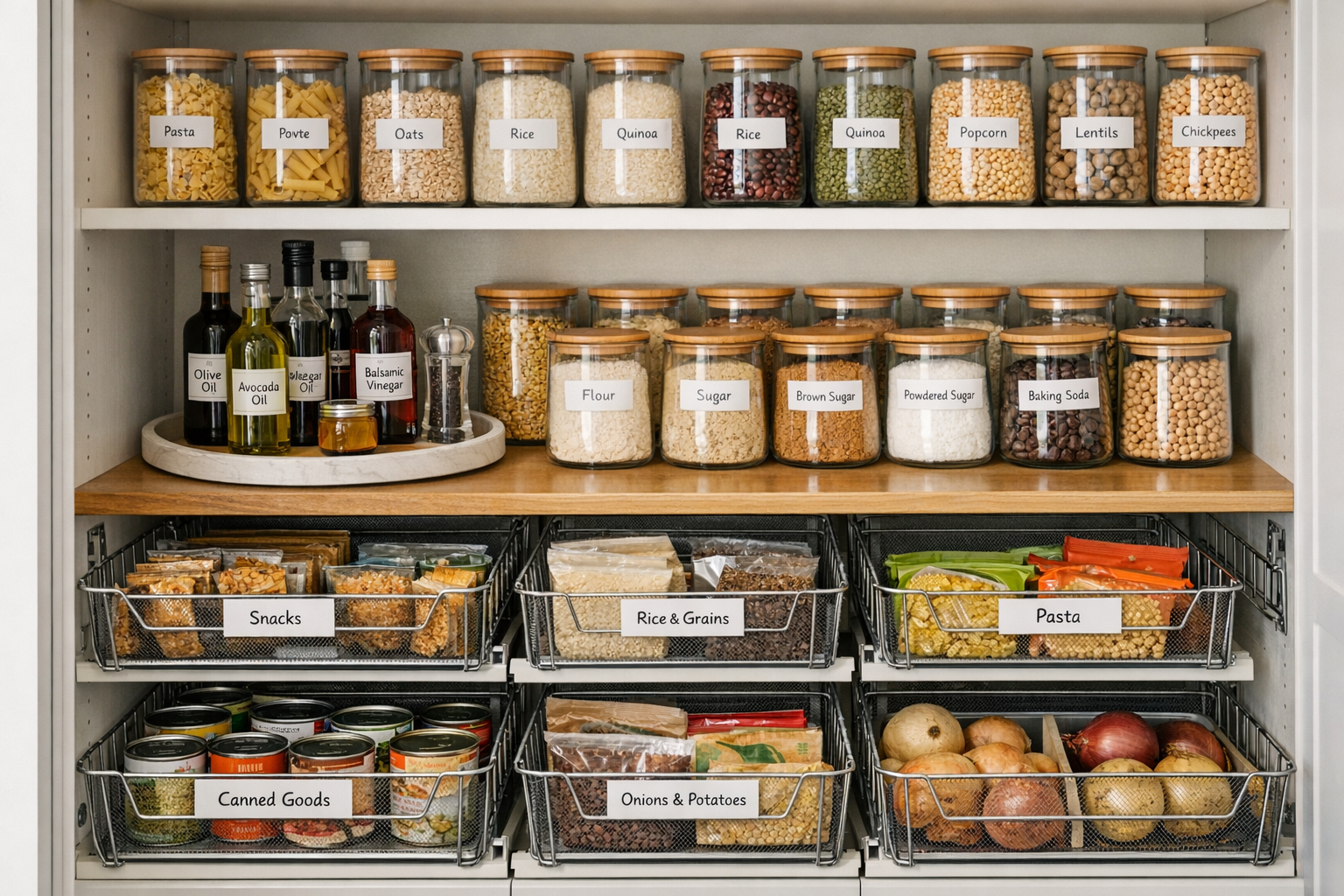
How to Organize Deep Pantry Shelves Without Wasting Food
Deep pantry shelves are where food goes to be forgotten. Here's the system that keeps everything visible and rotated — even on 24-inch deep shelves.
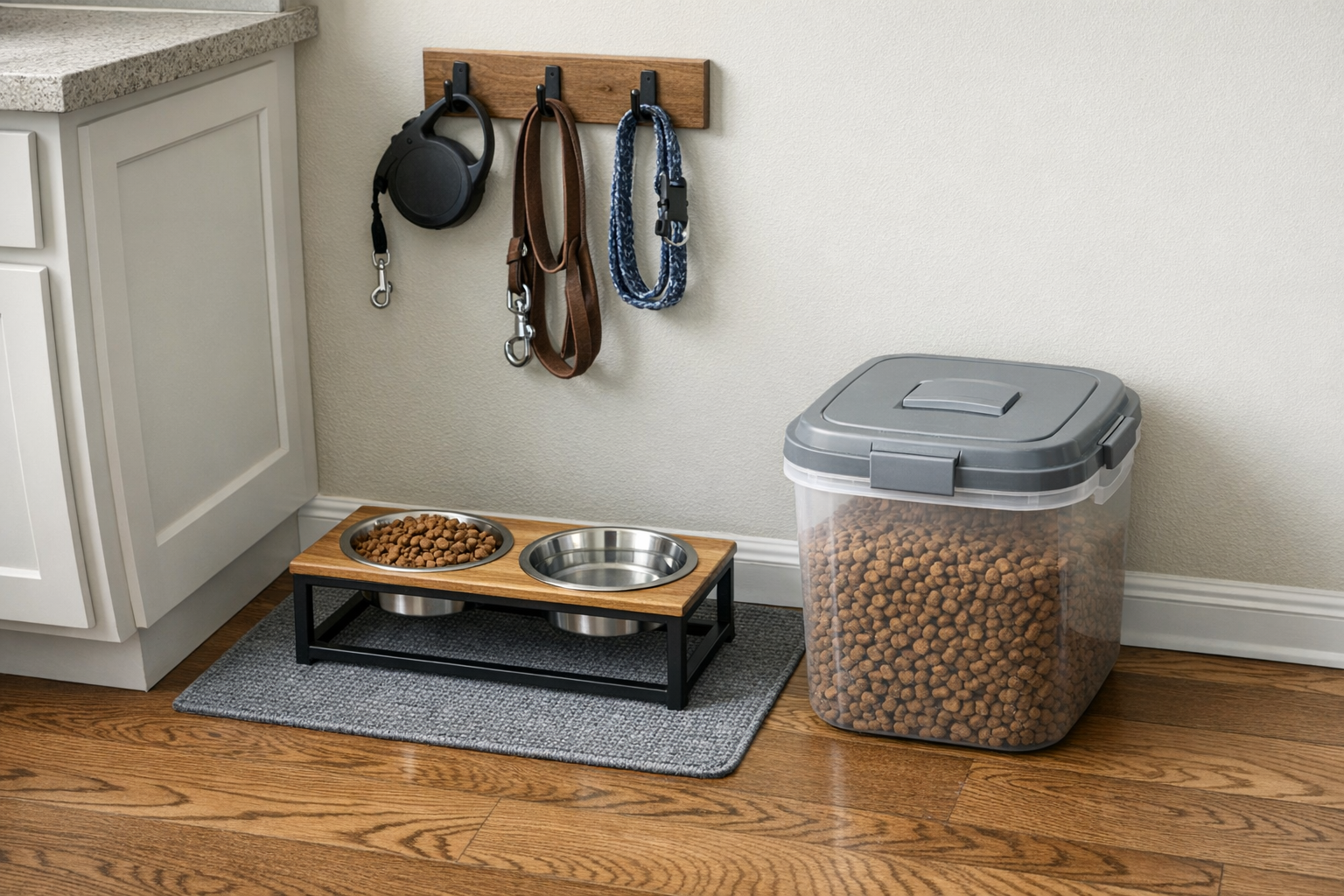
How to Organize Pet Supplies and Build a Tidy Feeding Station
Stop tripping over kibble bags and digging through a chaotic pet drawer. A simple feeding station system that works for one pet or five.