How to Organize Kids' Toys So They Actually Stay Organized
Last updated: February 7, 2026
This article may contain affiliate links. If you make a purchase through these links, we may earn a small commission at no extra cost to you. Learn more
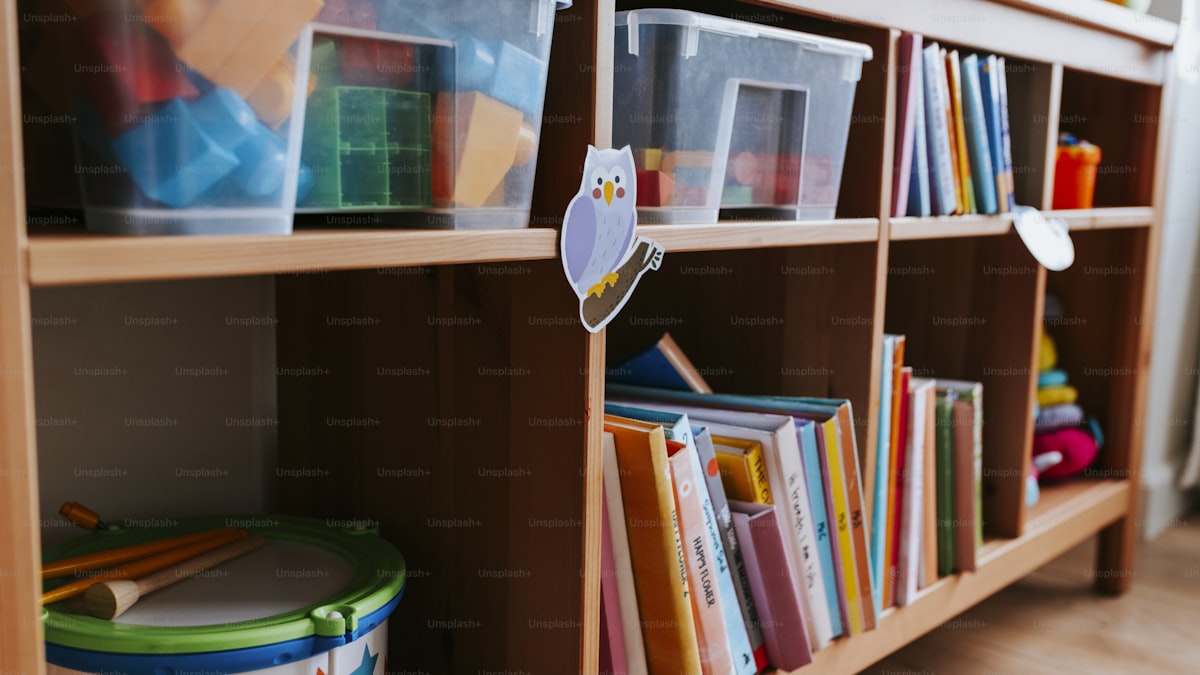
If you've ever stepped on a rogue LEGO brick at 2 a.m. or watched your kid dump out an entire bin of toys just to find one specific action figure, you already know the pain. Kids' toys have a way of multiplying and spreading to every room in the house, and no matter how many times you clean up, the chaos returns within hours.
Here's the thing most parents discover the hard way: the problem isn't that kids are messy. The problem is that most toy organization systems are designed for adults, not children. When we set up a system that a four-year-old can actually understand and use independently, something remarkable happens. The toys stay organized. Not perfectly, not always, but so much better than before.
In this guide, we'll walk through a complete system for organizing kids' toys that addresses the real reasons playrooms fall apart. No Pinterest-perfect solutions that look great for a photo and fail within a week. Just practical, parent-tested strategies that hold up to the reality of living with kids.
Why Most Toy Organization Systems Fail
Before we build a better system, we need to understand why the old one keeps falling apart.
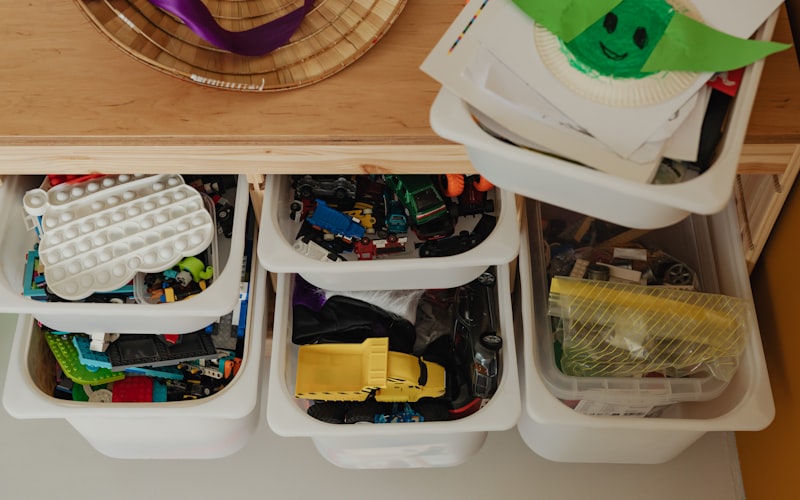
The most common mistake is having too many toys accessible at once. When kids are overwhelmed by choices, they dump everything out searching for what they want. They can't find it, they get frustrated, and they move on to the next bin. Multiply that across a play session and you've got a floor covered in toys that nobody is even playing with.
The second failure point is storage that's too complicated. If putting a toy away requires opening a lid, sorting by type, and placing it on a specific shelf, most kids won't do it. Adults barely maintain systems that complex. We need to make cleanup so easy that it requires almost zero thought.
The third issue is guilt-driven hoarding. We hold onto toys our kids have outgrown, gifts they never liked, and broken items we keep meaning to fix. All of this excess makes organization physically impossible. You can't organize your way out of having too much stuff.
Step 1: Declutter Before You Organize
We cannot stress this enough. The single most impactful thing you can do for toy organization is to reduce the number of toys. This isn't about deprivation. It's about giving your kids space to actually enjoy what they have.
Wait until your kids are at school, at a friend's house, or asleep. Go through every toy and sort into four categories: keep, donate, trash, and store for rotation.
Trash anything that's broken, missing pieces, dried out (markers and paint), or no longer safe. Don't feel guilty about this. Broken toys are just clutter.
Donate toys your kids have outgrown, never play with, or have duplicates of. If it's been sitting untouched for three months, it's a strong candidate. Most kids won't even notice these items are gone.
Store for rotation items that are still age-appropriate and loved, but contribute to the overwhelm. We'll cover the rotation system in detail below.
Keep the toys your kids actively play with on a regular basis. This should be a manageable number that fits comfortably in your available storage without cramming.
If you're in a full-home decluttering mode, our guide to decluttering your home room by room can help you tackle the kids' rooms as part of a bigger plan. For items your kids have outgrown but are still in good condition, consider whether you really need to keep them. Sometimes we hold onto things out of sentimentality when we'd be better off rethinking what we buy in the first place.
Step 2: Set Up a Toy Rotation System
Toy rotation is the closest thing to a parenting cheat code we've found. The concept is simple: instead of having all your kids' toys available at once, you keep a portion out and store the rest. Every few weeks, you swap what's available.
Here's why it works so well. When toys reappear after being away for a few weeks, kids treat them like brand-new toys. They play with them more deeply and for longer periods. You get the excitement of "new" toys without spending a cent.
How to Set Up Rotation
Divide your "keep" toys into three or four groups of roughly equal size and variety. Each group should include a mix of categories: some imaginative play, some building toys, some art supplies, some vehicles or figures.
Store the groups that aren't currently in use in labeled bins in a closet, garage, or under a bed. Anywhere out of sight works. If you have extra space in the garage, our guide to organizing your garage on a budget includes tips for creating storage zones that work well for toy rotation bins too.
Swap groups every two to four weeks, or whenever you notice your kids losing interest in what's currently out. Some parents do it on a set schedule, others go by feel. Both approaches work fine.
The key rule: when a new group comes out, the old group goes into storage. The total number of accessible toys stays constant.
Step 3: Choose Kid-Friendly Storage Solutions
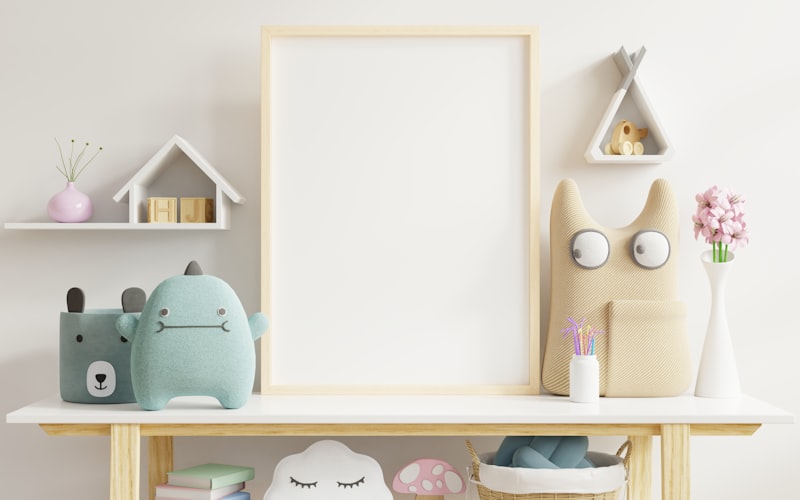
The best storage solution for kids' toys is the one your child will actually use. That means prioritizing ease of access over aesthetics.
Open Bins and Baskets
Open-top bins are the gold standard for toy storage. No lids to wrestle with, no latches to figure out. Kids can toss toys in from across the room if they want. That's not sloppy; that's realistic, and realistic cleanup is the cleanup that actually happens.
Use large bins for big categories: one for stuffed animals, one for vehicles, one for building blocks. Avoid sorting into tiny, specific categories. "All the LEGO in one bin" works far better than "LEGO sorted by color and size" for anyone under the age of about ten.
Low, Open Shelving
Cube shelving units (like the popular KALLAX-style) are nearly perfect for toy organization. They're at kid height, each cube creates a natural boundary for a category, and you can slide fabric bins into the cubes for a clean look.
Keep the most-played-with toys on the lowest shelves where even toddlers can reach. Less popular items or items with small pieces can go higher where you have more control over access.
Clear Containers for Small Items
Small pieces like LEGO sets, craft supplies, train tracks, and puzzle pieces do need contained storage. Use clear storage bins or ziplock bags so kids can see what's inside without dumping. Shoe-box-sized clear containers with snap lids work well for these categories.
If you've used similar container strategies for organizing under the kitchen sink or organizing your pantry, you already know how powerful the "see everything at a glance" approach can be. The same principle applies here.
Wall and Vertical Storage
Don't overlook wall space. Hanging mesh toy organizers work brilliantly for stuffed animals. Pegboards with hooks can hold dress-up costumes, bags of small toys, or art supplies. Wall-mounted book ledges display books with covers facing out, making it far more likely kids will actually pick one up.
Vertical storage is especially valuable in small spaces where every square foot matters. Even a narrow wall can hold a surprising amount of toys when you think vertically.
Step 4: Label Everything (With Pictures)
Labels are the backbone of any organization system, and they're even more critical in a kid's space. But here's the key difference: kids' labels need pictures, not just words.
For pre-readers, use a photo or simple drawing of what belongs in each bin. Print a picture of a stuffed animal and tape it to the stuffed animal bin. Use a picture of a car for the vehicle bin. This removes all guesswork and empowers kids to clean up independently.
For kids who are learning to read, use both a picture and the word. This actually supports literacy development while maintaining organization. Win-win.
Color coding adds another layer of intuitiveness. If the block bin is blue and its shelf spot has a blue label, even a toddler can match them up. You don't need fancy materials for this. Colored tape, construction paper, or even colored duct tape works perfectly.
Step 5: Create Cleanup Routines That Stick
The organization system itself is only half the battle. The other half is building habits around using it.
The "One Bin Out" Rule
This single rule prevents most toy explosions. Before getting out a new activity or bin of toys, the current one gets put away first. It takes practice and reminders, but once it clicks, it dramatically reduces the scope of cleanup at the end of the day.
The Cleanup Song or Timer
For younger kids, make cleanup a predictable routine with a signal. A specific song, a five-minute timer, or a consistent phrase ("Toys go night-night!") tells them it's time to shift gears. Keep it positive and matter-of-fact rather than punitive.
The Nightly Ten-Minute Reset
Spend ten minutes every evening doing a quick reset of the play areas. This isn't about perfection. It's about starting each day with a reasonably clean slate so the mess doesn't compound. Get the kids involved when possible, even if their "help" means tossing things vaguely in the right direction.
Make It a Game
Challenge kids to beat a timer, sort by color, or play "basketball" by tossing soft toys into bins. When cleanup feels like play rather than punishment, cooperation skyrockets.
Managing Special Categories
Some toy types need their own strategies because they don't fit neatly into a general bin system.
Art supplies should live in a portable caddy or designated drawer that goes to the table for art time and returns to its spot when done. Keeping crayons, markers, scissors, and glue together prevents the "I can't find the scissors" scavenger hunt.
Board games and puzzles stack best on a shelf rather than in a bin. Store them horizontally so pieces don't fall out. For puzzles with pieces that go missing, consider storing pieces in labeled ziplock bags inside the box.
Outdoor toys need a separate home near the door you use most. A bin on the porch, a basket by the back door, or a section of the garage keeps balls, chalk, and bubbles from invading indoor spaces.
Books deserve their own dedicated space. A small bookshelf, wall-mounted ledges, or a basket beside the bed works. Rotating books just like toys keeps the selection fresh and manageable.
Frequently Asked Questions
How many toys should a child have out at once?
There's no perfect number, but a good guideline is enough to fill your storage comfortably without cramming. For most families, that means somewhere between 15 and 30 toys (counting a bin of blocks as one "toy"). If cleanup takes more than 10 to 15 minutes with your child helping, there's probably too much out. Start with fewer and add back only if your child seems genuinely bored, which happens less often than most parents expect.
What age can kids start helping with toy organization?
Even toddlers as young as 18 months can participate in cleanup with picture-labeled bins and lots of encouragement. At ages two to three, they can sort toys into broad categories (soft things here, cars there). By four or five, most kids can manage a bin-based system almost independently. The earlier you start building the habit, the more natural it becomes. We're not expecting perfection from little ones, just participation.
How do we handle gifts from relatives that add to the clutter?
This is one of the trickiest parts of toy management. Consider having a conversation with family members before birthdays and holidays. Suggest experience gifts (zoo memberships, movie tickets), consumable gifts (art supplies, craft kits), or contributions to a savings account. If physical gifts still arrive, add them to the rotation system. New toy comes in, an old toy goes to donations. Kids adjust to this quickly when it's presented as normal rather than punitive.
How often should we do a full toy declutter?
We recommend a thorough declutter three to four times per year. Natural times include before birthdays, before the winter holidays, at the start of summer, and at back-to-school time. These align with periods when new toys tend to arrive, making it a logical time to let go of what's been outgrown. Between major declutters, pull out obviously broken or outgrown items whenever you notice them.
What if my child wants to keep everything?
This is completely normal, especially between ages three and six when kids form strong attachments to objects. Don't force the issue or declutter in front of your child if it leads to meltdowns. Instead, introduce the concept gradually. Start with clearly broken items they won't argue about. Use the "maybe box" approach: items they're unsure about go into a box stored out of sight for 30 days. If they don't ask for anything in the box, donate it. Most kids forget about the contents within a week.
Keeping It Going Long-Term
The real test of any organization system isn't how it looks on day one. It's how it looks on day thirty, day sixty, and six months later.
The toy rotation system is your biggest ally here because it naturally keeps the volume manageable and gives you built-in opportunities to reassess what's working. Every time you swap toy groups, take five minutes to pull out anything broken, outgrown, or ignored.
Accept that some level of mess is normal and healthy. Kids at play are kids who are learning, creating, and developing. The goal isn't a showroom. The goal is a space where kids can play freely, find what they need, and clean up without a two-hour battle.
Start with the declutter this weekend. Set up a simple bin system. Introduce one new habit at a time. Within a month, you'll have a toy organization system that works not because it's perfect, but because it's built for the way kids actually live and play. And that makes all the difference.
Get weekly home tips that actually work
Join thousands of homeowners getting practical cleaning hacks, DIY fixes, and money-saving tips every week. Free, and you can unsubscribe anytime.

Written by
Beth SullivanFounder & Editor-in-Chief
Beth Sullivan is the founder of Practical Home Guides. With over a decade of hands-on experience tackling every home challenge imaginable, she started this site to share the practical, no-nonsense solutions she wishes she had found years ago. When she's not testing cleaning hacks or organizing pantries, you'll find her in the garden or working on her next DIY project.
Recommended Products
Looking for specific product recommendations? Check out our tested picks.
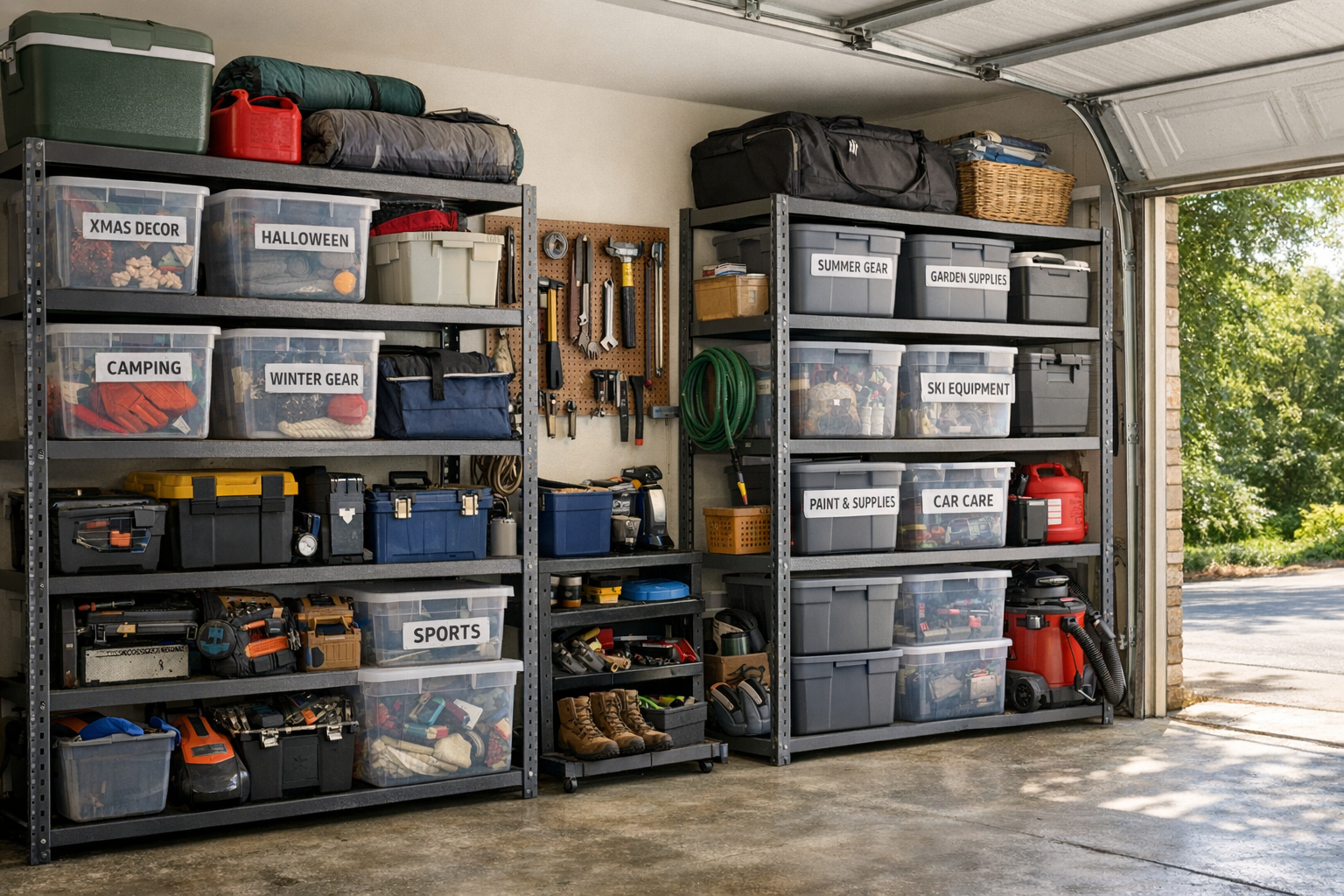
Best Garage Shelving Systems (2026 Tested)
Wire shelving, freestanding steel, wall-mounted, and overhead — we tested the garage shelving systems that hold real weight without sagging.
5 Best Closet Organizer Systems Under $100 (2026)
Transform your cluttered closet without spending a fortune. We compared the top closet organizer systems under $100 — here are the 5 best for different closet sizes and needs.
Best Storage Bins and Organizers for Every Room (2026)
The best storage bins, baskets, and organizers for closets, pantries, bathrooms, and garages. Practical picks at every price point to get your home organized.
Related Articles
How to Swap Winter and Summer Wardrobes (And Cut Your Closet in Half)
The seasonal wardrobe swap is the highest-leverage closet declutter you can do. Here's the system that takes 90 minutes and dramatically simplifies dressing for months.
How to Set Up Garage Pegboard Zones (Pro Mechanic Style)
A pegboard wall keeps every tool in its own spot. Here's the zone-based layout pro mechanics use — adapted for home garages.
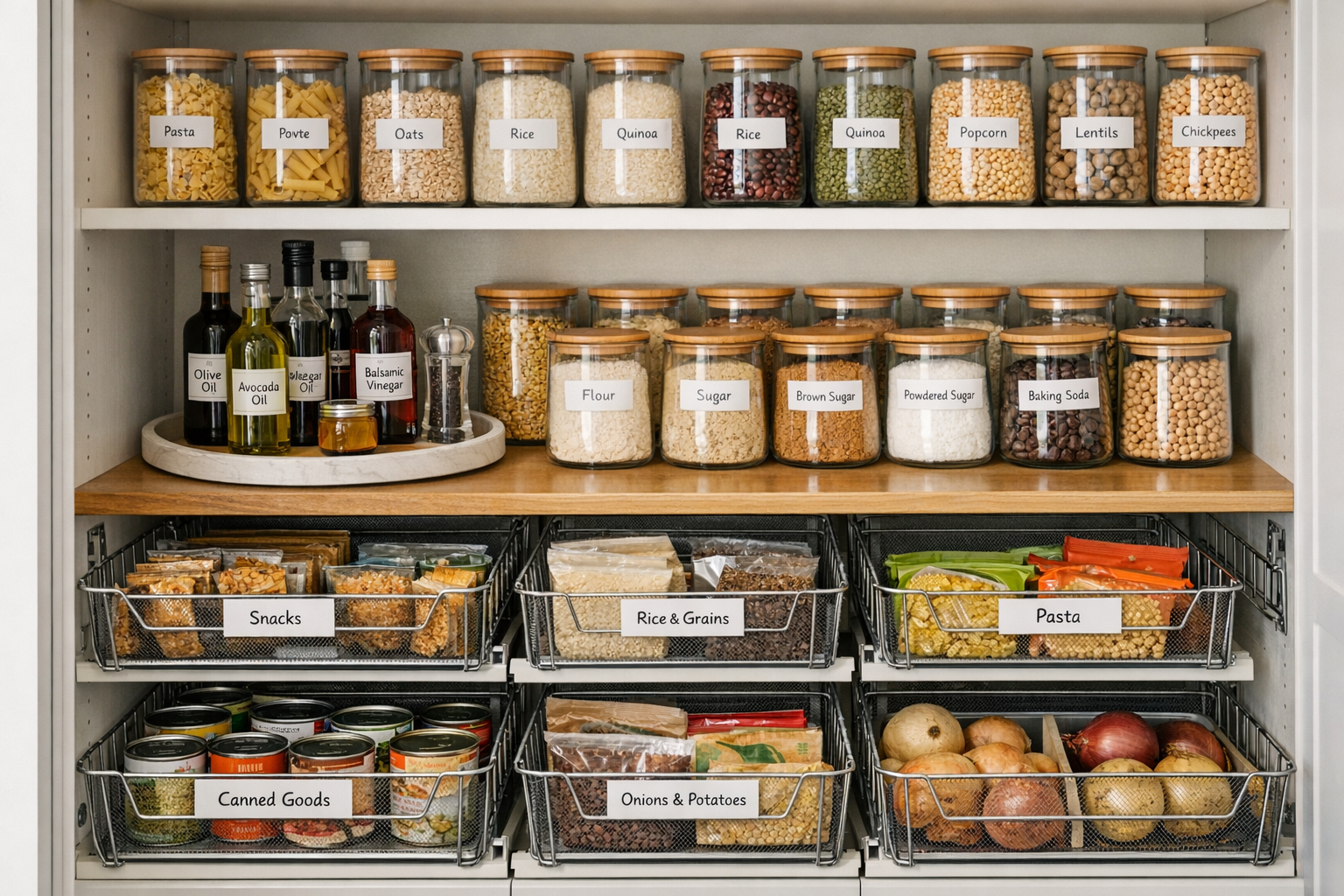
How to Organize Deep Pantry Shelves Without Wasting Food
Deep pantry shelves are where food goes to be forgotten. Here's the system that keeps everything visible and rotated — even on 24-inch deep shelves.
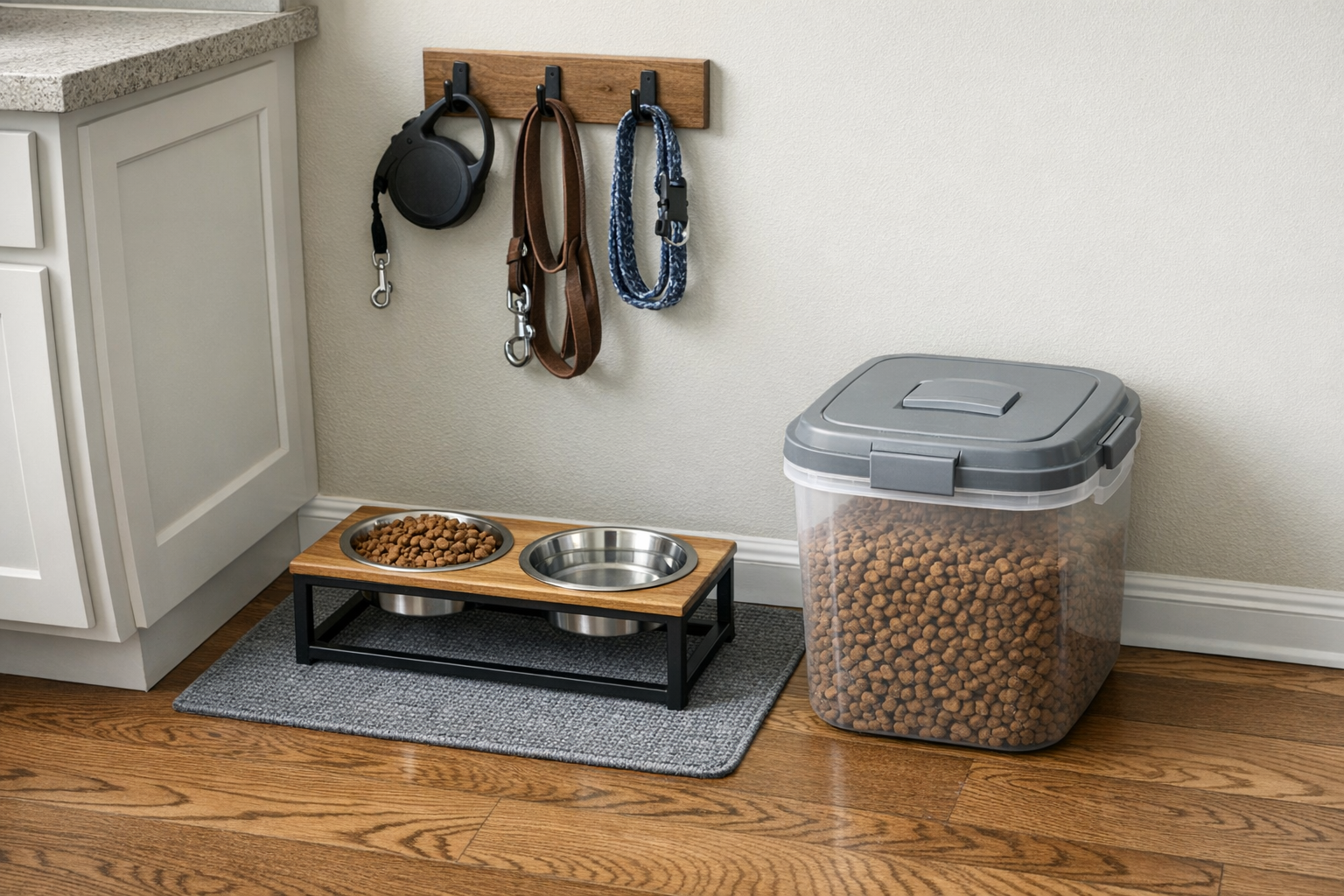
How to Organize Pet Supplies and Build a Tidy Feeding Station
Stop tripping over kibble bags and digging through a chaotic pet drawer. A simple feeding station system that works for one pet or five.