How to Save Money on Laundry (12 Simple Changes That Add Up)
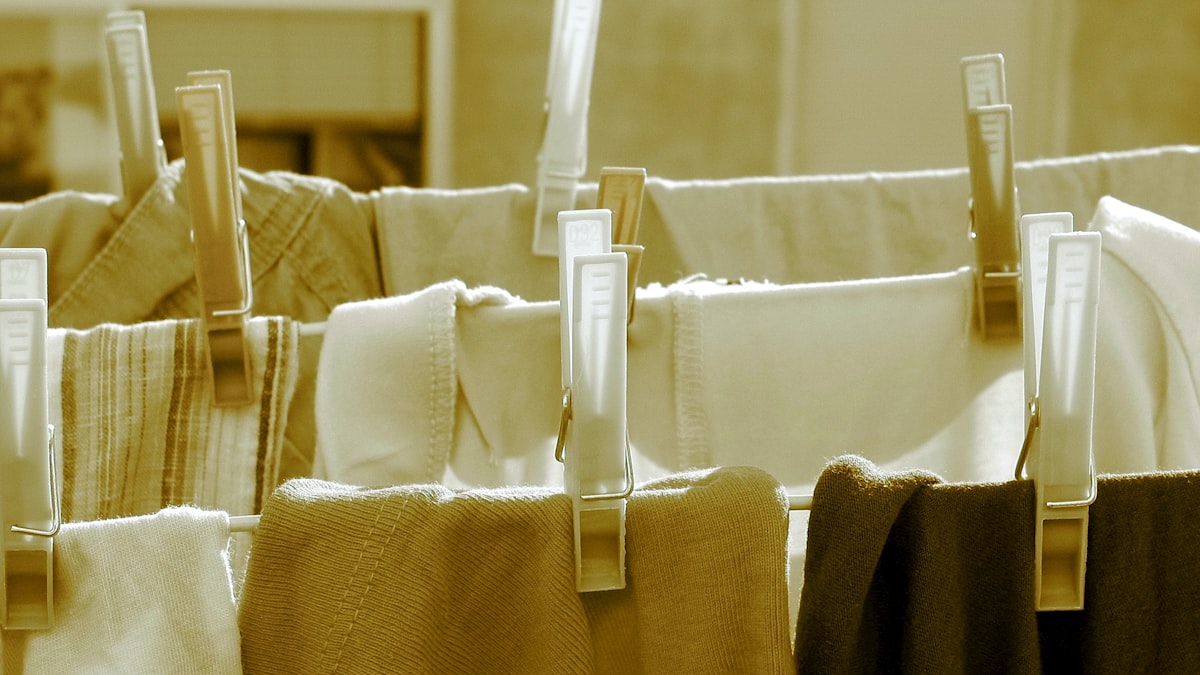
Laundry is one of those household expenses that flies under the radar. Most people don't think of it as a major cost because you never get a separate "laundry bill." But between water, electricity or gas, detergent, dryer sheets, and machine wear, the average family of four spends $600-$900 per year on laundry.
The good news is that laundry is one of the easiest household costs to cut. Most of the savings come from simple habit changes that don't require any sacrifice in cleanliness. Here are 12 changes that can realistically save you $200-$400 per year.
1. Wash Everything in Cold Water
This single change saves more money than any other laundry tip. Roughly 90% of the energy your washing machine uses goes to heating water. Switching from hot or warm to cold water cuts your per-load energy cost from about $0.60 to $0.05.
Modern detergents are specifically formulated to work in cold water. Your clothes get just as clean — in fact, cold water is actually better for preventing color fading, shrinkage, and setting certain stains like blood and sweat.
The only exceptions: Wash bedding and towels in warm water occasionally (every 3-4 washes) to kill dust mites and bacteria. And if someone in your household is sick, hot water helps sanitize those items. Otherwise, cold water handles everything.
Annual savings: $100-$150
2. Only Run Full Loads
Your washing machine uses roughly the same amount of water and energy whether you're washing a full load or a half load. Running two half-loads instead of one full load essentially doubles your cost for the same amount of laundry.
Wait until you have a full load before running the machine. If you need something specific washed urgently, hand-wash it in the sink rather than running a partial machine load.
Annual savings: $50-$100
3. Use Less Detergent
Detergent manufacturers want you to use more product — that's how they sell more. The measuring lines on caps and scoops are intentionally generous. Most loads of laundry need half the recommended amount of detergent, especially in high-efficiency (HE) machines.
Too much detergent actually makes your clothes dirtier over time. Excess soap doesn't rinse out fully, leaving a residue on fabrics that traps dirt and body oils. This residue also builds up inside your machine, leading to that musty smell in washing machines that need cleaning.
Start by cutting your detergent to 75% of the recommended amount. If your clothes come out clean (they will), try 50%. You'll find the minimum effective dose for your water hardness and soil level.
Annual savings: $30-$60 on detergent alone
4. Skip the Dryer When You Can
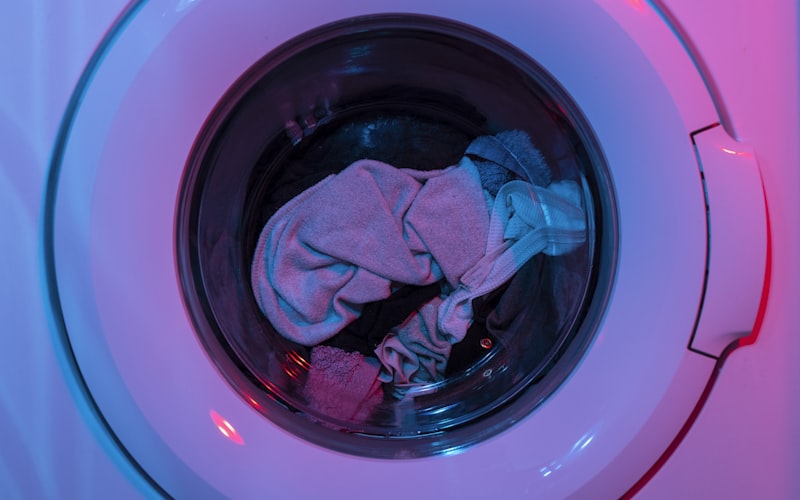
Your dryer is the single most expensive laundry appliance to operate. Each dryer cycle costs $0.50-$1.00 in electricity or gas. Air-drying eliminates this cost entirely and extends the life of your clothes.
You don't need a backyard clothesline — a $15-$25 folding drying rack works perfectly indoors. Air-dry delicates, activewear, jeans, and anything you want to last longer. Reserve the dryer for towels, sheets, and items that truly need it.
Even cutting your dryer use by half makes a meaningful difference.
Annual savings: $75-$150
5. Clean Your Dryer's Lint Trap Every Load
A clogged lint trap restricts airflow and forces your dryer to run longer to dry the same amount of clothing. Cleaning the trap before every load can reduce drying time by 25-30%, which translates directly to energy savings.
Every 3-6 months, also vacuum the lint trap slot and the vent hose behind the dryer. Lint buildup in these areas reduces efficiency and — more importantly — is a fire hazard.
Annual savings: $20-$40
6. Use Dryer Balls Instead of Dryer Sheets
Wool dryer balls cost $10-$15 for a set of 6 and last for over 1,000 loads. Dryer sheets cost $0.05-$0.10 per sheet and you need a fresh one every load. Over a year, that's $25-$50 in dryer sheets versus a one-time purchase.
Dryer balls also reduce drying time by 10-25% by physically separating clothes and improving airflow. They soften clothes, reduce static, and don't leave a waxy coating on your fabrics or lint trap (which dryer sheets do, reducing trap efficiency).
Add a few drops of essential oil to your dryer balls if you want scented laundry.
Annual savings: $30-$60 (dryer sheets + reduced drying time)
7. Treat Stains Immediately
A stain that's treated within minutes of happening almost always comes out in a normal wash cycle. A stain that sits for hours or days may require multiple treatments, specialty stain removers, or even rewashing — all of which cost money.
Keep a simple stain treatment near your hamper: a spray bottle with equal parts dish soap and hydrogen peroxide. Spray stains as soon as you remove the garment, then toss it in the hamper for normal washing. This prevents 90% of stubborn stains before they happen.
Annual savings: $15-$30 (stain removers + rewashes)
8. Wear Clothes More Than Once
Not everything needs washing after a single wear. Jeans can be worn 4-5 times between washes. Sweaters and outerwear, 3-4 times. Dress shirts and blouses, 2-3 times (unless visibly soiled or smelly). Only underwear, socks, and workout clothes truly need washing after every use.
This isn't about being unhygienic — it's about recognizing that most clothes aren't actually dirty after one wearing. Overwashing accelerates wear, fading, and shrinkage, meaning you replace clothes more frequently too.
Hang worn-but-not-dirty clothes to air out rather than tossing them back in the drawer or on the floor.
Annual savings: $50-$100 (fewer loads + longer clothing life)
9. Use Vinegar as a Fabric Softener
White vinegar is a natural fabric softener that costs about $0.03 per load versus $0.10-$0.15 for commercial fabric softener. Add 1/2 cup to the fabric softener dispenser — your clothes come out soft without the chemical coating that fabric softener leaves on fabrics.
Vinegar also helps remove detergent residue, brightens colors, and reduces static. And no, your clothes won't smell like vinegar — the scent completely evaporates during the rinse and dry cycle.
Annual savings: $15-$25
10. Do Laundry During Off-Peak Hours
If your electric utility charges time-of-use rates (increasingly common), running your washer and dryer during off-peak hours can reduce per-load costs by 20-40%. Off-peak hours are typically evenings, nights, and weekends.
Check your electric bill or utility website to find your rate schedule. Even if you're not on time-of-use pricing now, it might be worth switching — many utilities offer lower off-peak rates that benefit households willing to shift their usage.
Annual savings: $30-$60 (if on time-of-use rates)
11. DIY Laundry Detergent
If you're motivated to save even more, making your own laundry detergent cuts detergent costs by 80-90%. A basic recipe:
- 1 bar of Fels-Naptha or Castile soap, grated
- 1 cup washing soda (sodium carbonate)
- 1 cup borax
Mix and store in a container. Use 1-2 tablespoons per load. This makes enough for 100+ loads and costs about $5 total in ingredients.
DIY detergent works well for most everyday laundry. It may not perform as well on heavily soiled work clothes or stubborn stains, so keep a small container of commercial detergent for tough loads.
For more DIY solutions that save money around the house, our guide on saving money on cleaning supplies covers recipes for every room.
Annual savings: $40-$70
12. Maintain Your Machines
A well-maintained washer and dryer run more efficiently and last longer. Clean your washing machine monthly to prevent buildup that reduces cleaning effectiveness (which leads to rewashing). Check dryer vents annually for lint buildup. Inspect hoses for cracks or bulges that could lead to expensive water damage.
Replacing a washer costs $500-$1,200. Proper maintenance extends its life by 3-5 years, which is $150-$400 in annual depreciation savings alone.
Annual savings: $30-$80 (efficiency + extended machine life)
Total Savings Potential
Here's what happens when you combine these strategies:
| Change | Annual Savings |
|---|---|
| Cold water washing | $100-$150 |
| Full loads only | $50-$100 |
| Use less detergent | $30-$60 |
| Air-dry when possible | $75-$150 |
| Clean lint trap every load | $20-$40 |
| Dryer balls vs. sheets | $30-$60 |
| Treat stains immediately | $15-$30 |
| Wear clothes more than once | $50-$100 |
| Vinegar as fabric softener | $15-$25 |
| Off-peak laundry | $30-$60 |
| Realistic Total | $250-$400+ |
That's a car payment's worth of savings per year from laundry alone. Combined with other utility savings like lowering your water bill and cutting your electric bill, you're looking at $800-$1,500 in annual savings without any reduction in quality of life.
Frequently Asked Questions
Does washing in cold water really get clothes clean?
Yes. Modern cold-water detergents use enzymes and surfactants designed to work at any temperature. Cold water cleans everyday dirt, sweat, and body oils effectively. The main benefit of hot water is sanitization — killing bacteria and dust mites — which is only necessary for towels, bedding, and sick-person laundry. For everything else, cold water is equally effective and dramatically cheaper.
Is homemade laundry detergent safe for HE machines?
Yes, as long as you use the right recipe. HE machines require low-sudsing detergent, and the Fels-Naptha/washing soda/borax recipe produces minimal suds. Use only 1-2 tablespoons per load in an HE machine. Avoid recipes that use regular bar soap (like Irish Spring or Zest), as these can create too many suds and potentially damage the machine over time.
How do I prevent clothes from smelling if I wash in cold water?
If clothes develop a persistent odor with cold washing, the issue is usually too much detergent (residue traps bacteria) or a dirty washing machine (mildew transfers to clothes). Use less detergent, add 1/2 cup of white vinegar to the rinse cycle, and clean your machine monthly. For particularly smelly items like gym clothes, soak them in a basin with 1 cup of white vinegar for 30 minutes before washing.
Does air-drying clothes make them stiff?
Air-dried clothes can feel stiffer than dryer-dried ones because the tumbling action in a dryer loosens fibers. To minimize stiffness, add vinegar to the rinse cycle (it softens fibers), shake each item vigorously before hanging, and give them a quick 5-10 minute tumble in the dryer after air-drying. This brief tumble uses a fraction of the energy of a full dry cycle while restoring softness.
How much does a load of laundry actually cost?
A typical load of laundry costs $1.50-$2.50 when you factor in water ($0.15-$0.30), electricity for the washer ($0.05-$0.60 depending on water temperature), dryer energy ($0.50-$1.00), and detergent ($0.20-$0.50). Implementing the tips in this article can bring that per-load cost down to $0.30-$0.75. At 300-400 loads per year for a family of four, those per-load savings compound into hundreds of dollars.
Small Changes, Big Savings
Laundry savings are the definition of "death by a thousand cuts" in reverse — small, painless changes that individually seem minor but collectively save hundreds of dollars per year. You won't feel the difference in your daily routine, but you'll definitely feel it in your bank account.
Start with the three biggest wins: cold water, full loads, and less detergent. Those alone save $180-$310 per year with zero effort once you adjust your habits. Layer in the other tips as you get comfortable, and watch your laundry costs shrink to a fraction of what they used to be.
Get weekly home tips that actually work
Join thousands of homeowners getting practical cleaning hacks, DIY fixes, and money-saving tips every week. Free, and you can unsubscribe anytime.

Written by
Beth SullivanFounder & Editor-in-Chief
Beth Sullivan is the founder of Practical Home Guides. With over a decade of hands-on experience tackling every home challenge imaginable, she started this site to share the practical, no-nonsense solutions she wishes she had found years ago. When she's not testing cleaning hacks or organizing pantries, you'll find her in the garden or working on her next DIY project.
Recommended Products
Looking for specific product recommendations? Check out our tested picks.

Best Outdoor Patio Furniture Deals (2026 Spring Picks)
Late April is the sweet spot for patio furniture deals — pre-summer sales without late-season picked-over selection. Here are the picks worth buying now.
5 Best LED Light Bulbs to Cut Your Electric Bill (2026)
Switch to LED bulbs and save $100+ per year on electricity. We compared the top LED bulbs for brightness, color quality, and longevity — here are the 5 best picks.
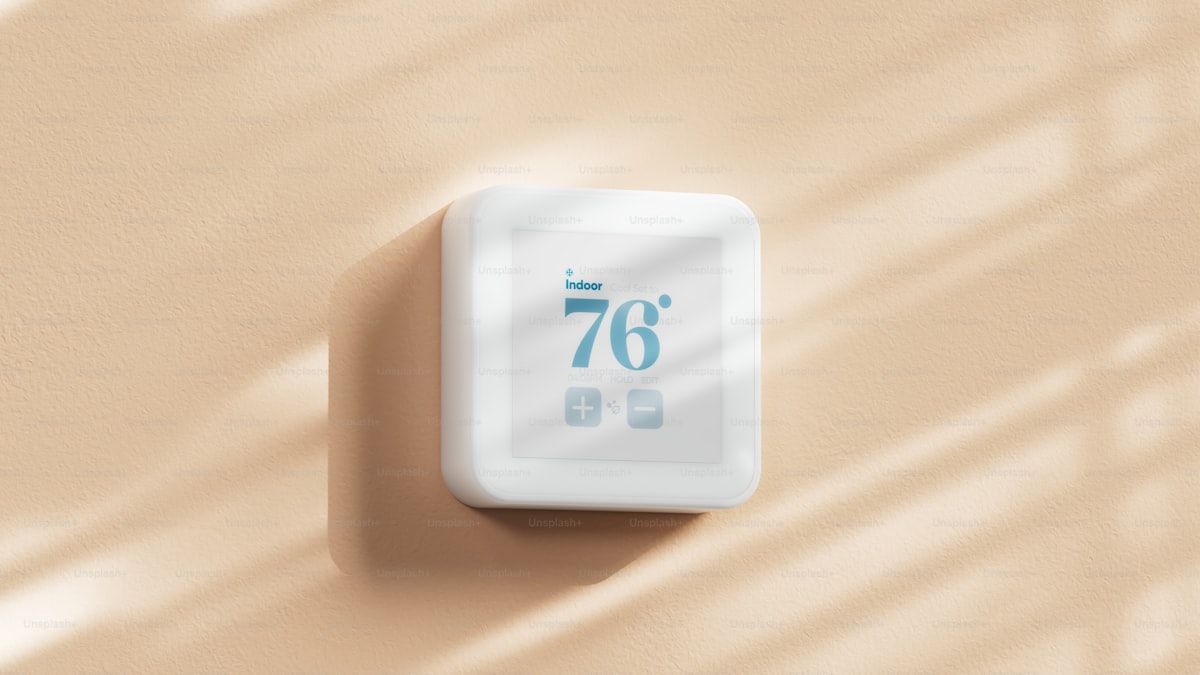
Best Smart Thermostats to Lower Your Energy Bill (2026)
The best smart thermostats that actually save money on heating and cooling. We compare 5 top picks from Nest, Ecobee, Honeywell, and more with real energy savings data.
Related Articles
Best Outdoor Patio Furniture Deals (2026 Spring Picks)
Late April is the sweet spot for patio furniture deals — pre-summer sales without late-season picked-over selection. Here are the picks worth buying now.
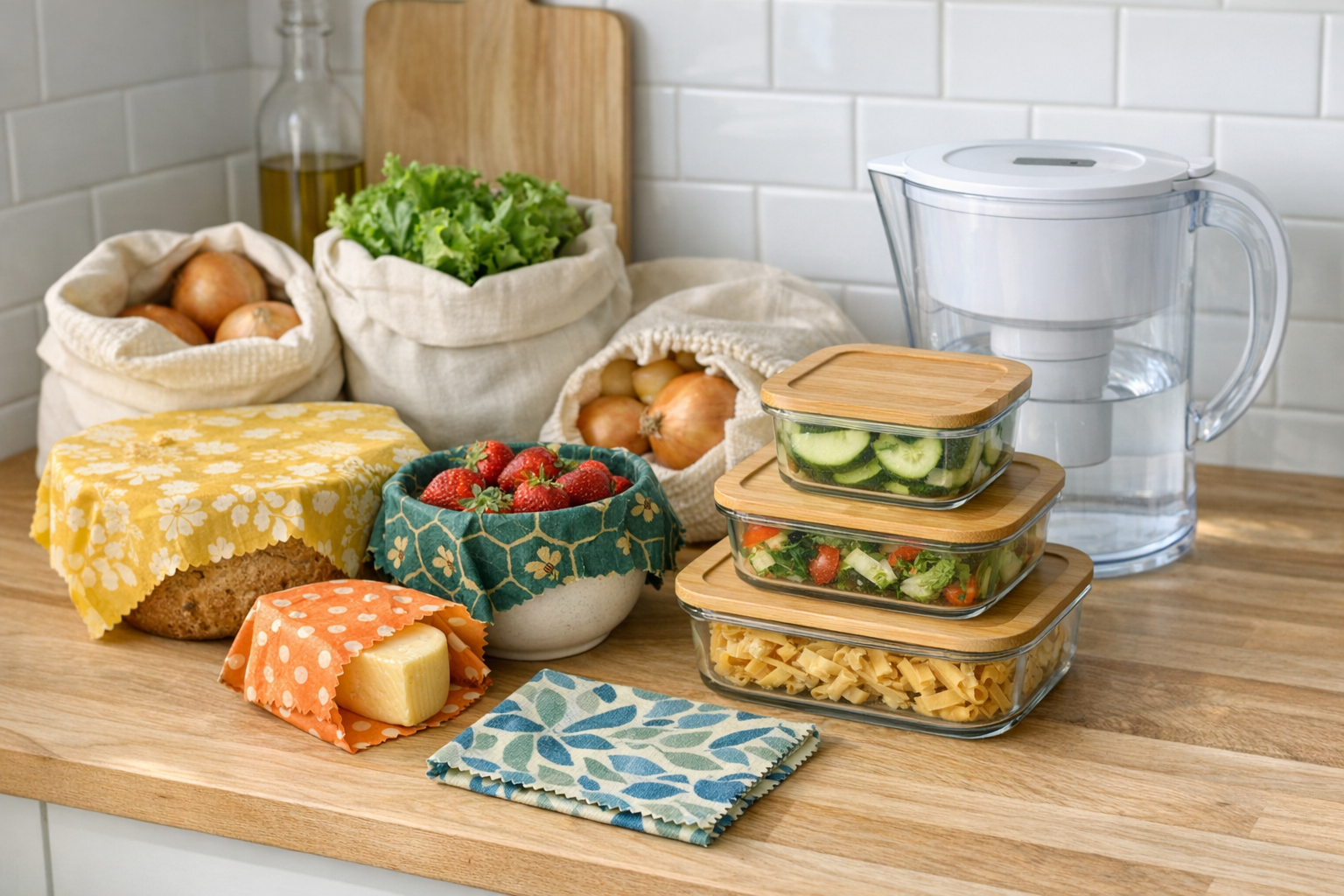
12 Earth Day Eco Swaps That Save Money All Year
These 12 home swaps reduce waste AND save money — most under 30 dollars upfront and pay for themselves within a few months.
12 Budget Mother's Day Gifts That Actually Feel Thoughtful
Skip the generic flowers-and-card combo. These under-50-dollar Mother's Day ideas feel personal without breaking the budget.
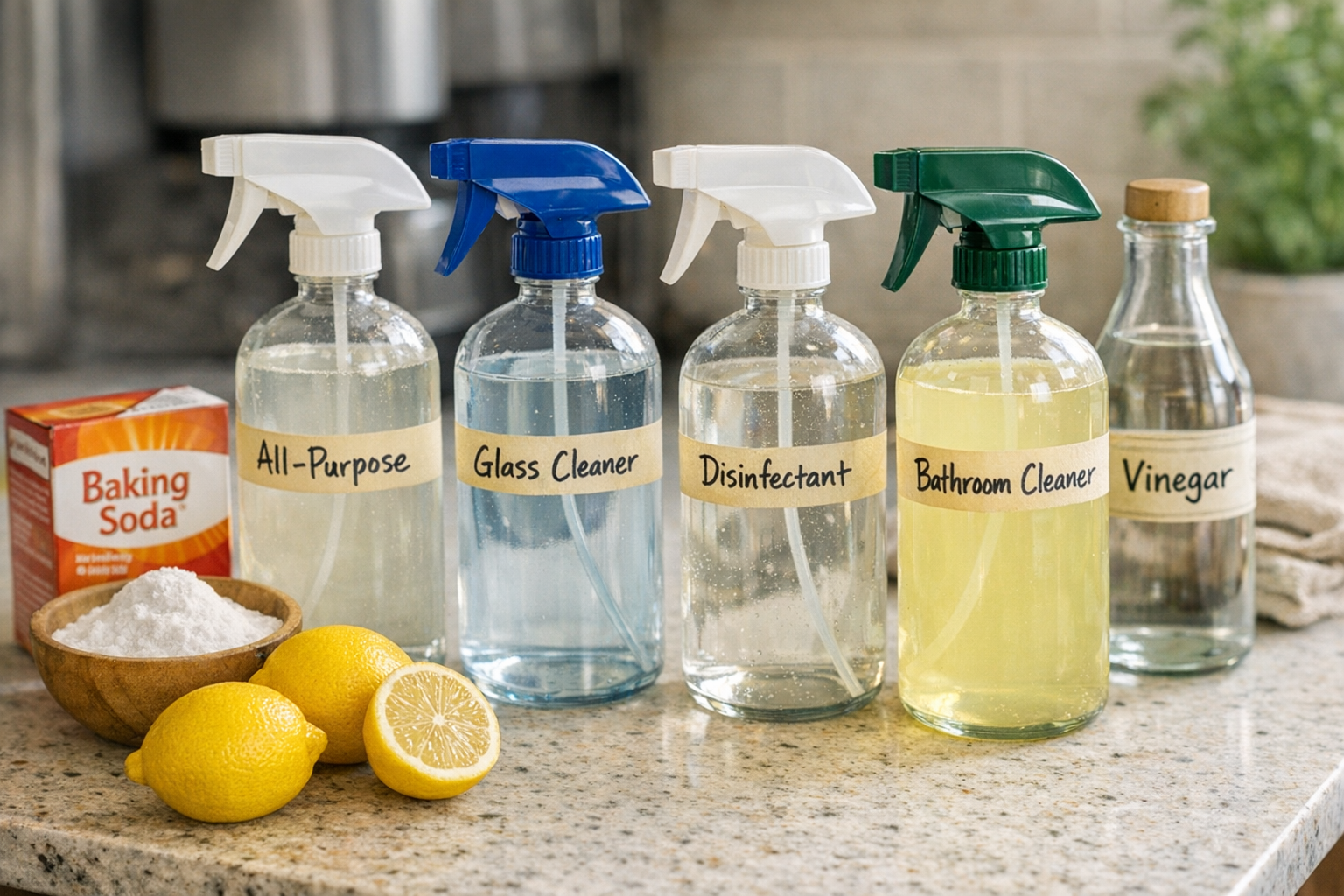
Homemade Cleaning Supplies That Save Real Money (7 Recipes That Work)
Skip the 8-dollar bottles of name-brand cleaner. These 7 homemade cleaner recipes replace everything in the cleaning aisle with 4 basic ingredients.