How to Save Money on Cleaning Supplies (DIY Recipes That Work Better)
The average American household spends $600-$800 per year on cleaning supplies. That might not sound like much, but most of what you're paying for is water, fragrance, and marketing. The active cleaning ingredients in nearly every household cleaner — vinegar, baking soda, dish soap, hydrogen peroxide — cost pennies per use when you buy them in bulk.
Making your own cleaning supplies isn't just about saving money, though the savings are dramatic. Homemade cleaners also eliminate the confusing wall of specialized products that clutter up your cabinets. You don't need a separate cleaner for your counters, bathroom, glass, floors, and appliances. A handful of simple ingredients covers everything.
The Five Ingredients That Clean Everything
Before we get into specific recipes, here are the five powerhouse ingredients you need. Together, they cost less than $15 and will last months.
White Vinegar ($3-$4 per gallon)
Vinegar's acetic acid cuts through grease, dissolves mineral deposits, kills most bacteria, and eliminates odors. It's your primary weapon against soap scum, hard water stains, and grimy surfaces. Buy it by the gallon at any grocery store.
One limitation: never use vinegar on natural stone (marble, granite, travertine) or hardwood floors in concentrated amounts — the acid can etch stone and damage finishes. For stone counters, use the Castile soap solution below. For hardwood, a very dilute solution is safe — our guide on cleaning hardwood floors has the exact ratio.
Baking Soda ($1-$2 per box)
Baking soda is a gentle abrasive, deodorizer, and mild alkaline cleaner. It scrubs without scratching, neutralizes odors at the molecular level, and boosts the cleaning power of other ingredients. It's especially effective for cleaning ovens, sinks, and anything with baked-on grime.
Dish Soap ($3-$4 per bottle)
A few drops of dish soap go a long way. It's a surfactant — it breaks the surface tension of water so it can penetrate grease and lift dirt. Dawn (or any quality dish soap) is the secret ingredient in many commercial cleaners. A single bottle lasts months when used in DIY recipes.
Hydrogen Peroxide 3% ($1-$2 per bottle)
Hydrogen peroxide is a natural bleach alternative that disinfects, whitens, and removes stains without the toxic fumes of chlorine bleach. It breaks down into water and oxygen, making it one of the safest disinfectants available. Keep it in its original dark bottle — light degrades it quickly.
Castile Soap ($8-$12 per bottle, lasts 6+ months)
Castile soap is a plant-based soap that's gentle, biodegradable, and incredibly versatile. Dr. Bronner's is the most common brand. A little goes a very long way — most recipes call for just a tablespoon per batch.
10 DIY Cleaning Recipes
Here are ten recipes that replace virtually every cleaning product in your home. Each one costs pennies per batch and cleans as well as (or better than) the commercial equivalent.
1. All-Purpose Cleaner (Replaces: Lysol, Clorox, Method)
- 1 cup water
- 1 cup white vinegar
- 10-15 drops essential oil (optional, for scent)
Mix in a spray bottle. Use on countertops, appliances, cabinets, and most hard surfaces. The vinegar smell dissipates in minutes as it dries.
Cost per batch: ~$0.15 vs. $4-$6 for store-bought.
2. Glass and Mirror Cleaner (Replaces: Windex)
- 2 cups water
- 1/2 cup white vinegar
- 1/4 cup rubbing alcohol (for streak-free shine)
Spray and wipe with a lint-free cloth or newspaper. The rubbing alcohol evaporates quickly, preventing streaks.
Cost per batch: ~$0.20 vs. $3-$5 for store-bought.
3. Bathroom Scrub (Replaces: Soft Scrub, Comet)
- 1/2 cup baking soda
- Enough dish soap to make a paste
- 5-10 drops tea tree oil (optional, natural antifungal)
Mix into a paste and apply with a sponge. Scrubs soap scum, grime, and mildew off tubs, tiles, and sinks without scratching. This works great for cleaning grout and removing soap scum from shower doors too.
Cost per batch: ~$0.10 vs. $3-$5 for store-bought.
4. Disinfectant Spray (Replaces: Lysol Spray)
- 1 cup water
- 1 cup hydrogen peroxide (3%)
- 10 drops tea tree essential oil
Mix in a dark spray bottle (hydrogen peroxide degrades in light). Spray on surfaces and let sit for 5-10 minutes before wiping. Hydrogen peroxide kills bacteria, viruses, and mold effectively.
Cost per batch: ~$0.25 vs. $4-$7 for store-bought.
5. Floor Cleaner (Replaces: Swiffer Solution, Bona)
- 1 gallon warm water
- 1/4 cup white vinegar
- 1 tablespoon dish soap
Mix in a bucket and mop as usual. Works on tile, vinyl, laminate, and sealed hardwood (use a barely damp mop on wood). Skip this on unsealed wood or natural stone.
Cost per batch: ~$0.10 vs. $5-$8 for store-bought.
6. Toilet Bowl Cleaner (Replaces: Clorox Toilet Bowl)
- 1/2 cup baking soda
- 1/4 cup white vinegar
- 10 drops tea tree oil
Sprinkle baking soda into the bowl, pour vinegar over it (it will fizz), add tea tree oil, and let sit for 15 minutes. Scrub with a toilet brush and flush. For tough stains, let it sit for an hour.
Cost per batch: ~$0.10 vs. $3-$4 for store-bought.
7. Stainless Steel Cleaner (Replaces: Weiman, Bar Keepers)
- Olive oil or mineral oil on a microfiber cloth
That's it. A few drops of oil on a cloth, rubbed in the direction of the grain, cleans fingerprints, water spots, and smudges while leaving a protective shine. For a deeper clean on your stainless steel sink, sprinkle baking soda first, scrub gently, rinse, then polish with oil.
Cost per batch: ~$0.05 vs. $5-$8 for store-bought.
8. Laundry Stain Remover (Replaces: OxiClean, Shout)
- 1 part dish soap
- 1 part hydrogen peroxide
- 2 parts baking soda
Mix into a paste and apply directly to stains before washing. Let it sit for 30 minutes on tough stains. Works on grass, food, blood, and most organic stains.
Cost per batch: ~$0.15 vs. $5-$8 for store-bought.
9. Wood Polish (Replaces: Pledge, Old English)
- 1/4 cup olive oil
- 1/4 cup white vinegar
- 10 drops lemon essential oil (optional)
Mix in a spray bottle and shake well before each use. Spray lightly onto furniture and buff with a soft cloth. The oil nourishes the wood while vinegar removes dust and grime.
Cost per batch: ~$0.30 vs. $5-$8 for store-bought.
10. Drain Freshener (Replaces: Drano for Maintenance)
- 1/2 cup baking soda
- 1/2 cup white vinegar
- Boiling water
Pour baking soda down the drain, follow with vinegar, let it fizz for 15 minutes, then flush with boiling water. This is for maintenance and minor buildup — for actual clogs, see our guide on unclogging drains without chemicals.
Cost per batch: ~$0.08 vs. $5-$8 for store-bought.
Annual Savings Breakdown
Let's do the math on replacing your most common purchases:
| Product | Store-Bought (Annual) | DIY (Annual) | Savings |
|---|---|---|---|
| All-purpose cleaner | $48 (12 bottles) | $1.80 | $46.20 |
| Glass cleaner | $20 (4 bottles) | $0.80 | $19.20 |
| Bathroom scrub | $24 (6 cans) | $0.60 | $23.40 |
| Disinfectant spray | $36 (6 cans) | $1.50 | $34.50 |
| Floor cleaner | $40 (5 refills) | $0.50 | $39.50 |
| Toilet cleaner | $18 (6 bottles) | $0.60 | $17.40 |
| Laundry stain remover | $30 (3 bottles) | $0.90 | $29.10 |
| Total | $216 | $6.70 | $209.30 |
That's over $200 saved on cleaning supplies alone — and this is a conservative estimate. Many households spend considerably more.
Tips for Making the Switch
Start with One Recipe
Don't try to replace everything at once. Pick the product you buy most often (usually all-purpose cleaner or bathroom cleaner), make a batch, and use it for a week. Once you're comfortable, add another recipe.
Reuse Spray Bottles
Save your empty store-bought spray bottles and refill them with your DIY solutions. This is better for the environment and means you don't need to buy new bottles. Label them clearly with a permanent marker.
Buy Ingredients in Bulk
A gallon of vinegar, a large box of baking soda, and a big bottle of dish soap from a warehouse store will last 6-12 months of regular cleaning. The upfront cost is about $12-$15, compared to $50+ for the equivalent in commercial products.
What You Probably Still Need to Buy
Not everything makes sense to DIY. Keep buying:
- Dish soap — It's a key ingredient in many DIY recipes and cheap enough to buy
- Rubbing alcohol — Useful but not worth making (it's $2-$3 per bottle)
- Specialty products — Drain openers for serious clogs, wood floor refinishers, and heavy-duty oven cleaners for extreme situations
The point isn't to never buy a cleaning product again — it's to stop buying 15 specialized products when five basic ingredients do the same job for a fraction of the cost.
Safety Notes
Never Mix Vinegar and Hydrogen Peroxide in the Same Bottle
Used separately, both are safe. Mixed together, they create peracetic acid, which can irritate skin, eyes, and lungs. Use them in sequence (apply one, wipe clean, then apply the other) but never combine them.
Never Mix Vinegar and Bleach
This creates toxic chlorine gas. Since we're avoiding bleach entirely in these recipes, this shouldn't be an issue — but it's worth knowing if you keep bleach in the house for other purposes.
Store DIY Cleaners Properly
Most DIY cleaners last 1-2 months in a spray bottle. The hydrogen peroxide disinfectant should be kept in a dark bottle and used within a month for maximum effectiveness. Make small batches rather than large ones to keep everything fresh.
Frequently Asked Questions
Are DIY cleaners as effective as store-bought ones?
For everyday cleaning — countertops, bathrooms, glass, floors, and general grime — DIY cleaners perform equally well or better than most store-bought products. White vinegar is a proven disinfectant against many common bacteria, and baking soda is an effective mild abrasive. Where DIY cleaners fall short is extreme situations: heavy mold remediation, industrial-level grease, or hospital-grade disinfection. For those rare scenarios, commercial products may be necessary.
Is vinegar a good disinfectant?
White vinegar (5% acetic acid) kills many common household bacteria including E. coli, Salmonella, and some strains of Staphylococcus. However, it doesn't kill all pathogens and is not EPA-registered as a disinfectant. For everyday kitchen and bathroom cleaning, vinegar provides adequate sanitation. For situations requiring true disinfection (during illness, after handling raw meat), hydrogen peroxide (3%) is a better choice and is EPA-registered as a disinfectant.
How long do homemade cleaners last?
Most vinegar-based cleaners last indefinitely since vinegar is self-preserving. Baking soda pastes should be made fresh each time. Hydrogen peroxide solutions should be used within 30 days, as the peroxide gradually breaks down into water and loses its disinfecting power. Castile soap solutions can last several months. When in doubt, make small batches and use them within a few weeks.
Will vinegar damage my countertops?
White vinegar is safe on most sealed countertops including laminate, solid surface (Corian), quartz, and stainless steel. It should NOT be used on natural stone countertops — marble, granite, and travertine can be etched by acids. For natural stone, use the Castile soap solution (1 tablespoon per quart of water) instead. If you're unsure about your countertop material, test vinegar in an inconspicuous spot first.
Can I add essential oils to make DIY cleaners smell better?
Yes, and some essential oils add cleaning power too. Tea tree oil has natural antifungal and antibacterial properties. Lemon and orange oils cut grease. Lavender has mild antibacterial properties and a calming scent. Add 10-15 drops per batch. Keep in mind that essential oils are not necessary for cleaning effectiveness — they're purely for scent and minor bonus properties.
Your Cleaning Cabinet, Simplified
The beauty of DIY cleaning supplies isn't just the money saved — it's the simplicity. Instead of a cabinet full of 15 specialized products with ingredient lists you can't pronounce, you have five basic ingredients that you combine as needed. It's cheaper, it works, and you always know exactly what you're putting on the surfaces where your family lives.
Start with the all-purpose cleaner this week. Once you see how well it works, you'll never go back to paying $5 for a bottle that's 95% water.
Get weekly home tips that actually work
Join thousands of homeowners getting practical cleaning hacks, DIY fixes, and money-saving tips every week. Free, and you can unsubscribe anytime.

Written by
Beth SullivanFounder & Editor-in-Chief
Beth Sullivan is the founder of Practical Home Guides. With over a decade of hands-on experience tackling every home challenge imaginable, she started this site to share the practical, no-nonsense solutions she wishes she had found years ago. When she's not testing cleaning hacks or organizing pantries, you'll find her in the garden or working on her next DIY project.
Recommended Products
Looking for specific product recommendations? Check out our tested picks.

Best Outdoor Patio Furniture Deals (2026 Spring Picks)
Late April is the sweet spot for patio furniture deals — pre-summer sales without late-season picked-over selection. Here are the picks worth buying now.
5 Best LED Light Bulbs to Cut Your Electric Bill (2026)
Switch to LED bulbs and save $100+ per year on electricity. We compared the top LED bulbs for brightness, color quality, and longevity — here are the 5 best picks.
Best Smart Thermostats to Lower Your Energy Bill (2026)
The best smart thermostats that actually save money on heating and cooling. We compare 5 top picks from Nest, Ecobee, Honeywell, and more with real energy savings data.
Related Articles
Best Outdoor Patio Furniture Deals (2026 Spring Picks)
Late April is the sweet spot for patio furniture deals — pre-summer sales without late-season picked-over selection. Here are the picks worth buying now.
12 Earth Day Eco Swaps That Save Money All Year
These 12 home swaps reduce waste AND save money — most under 30 dollars upfront and pay for themselves within a few months.
12 Budget Mother's Day Gifts That Actually Feel Thoughtful
Skip the generic flowers-and-card combo. These under-50-dollar Mother's Day ideas feel personal without breaking the budget.
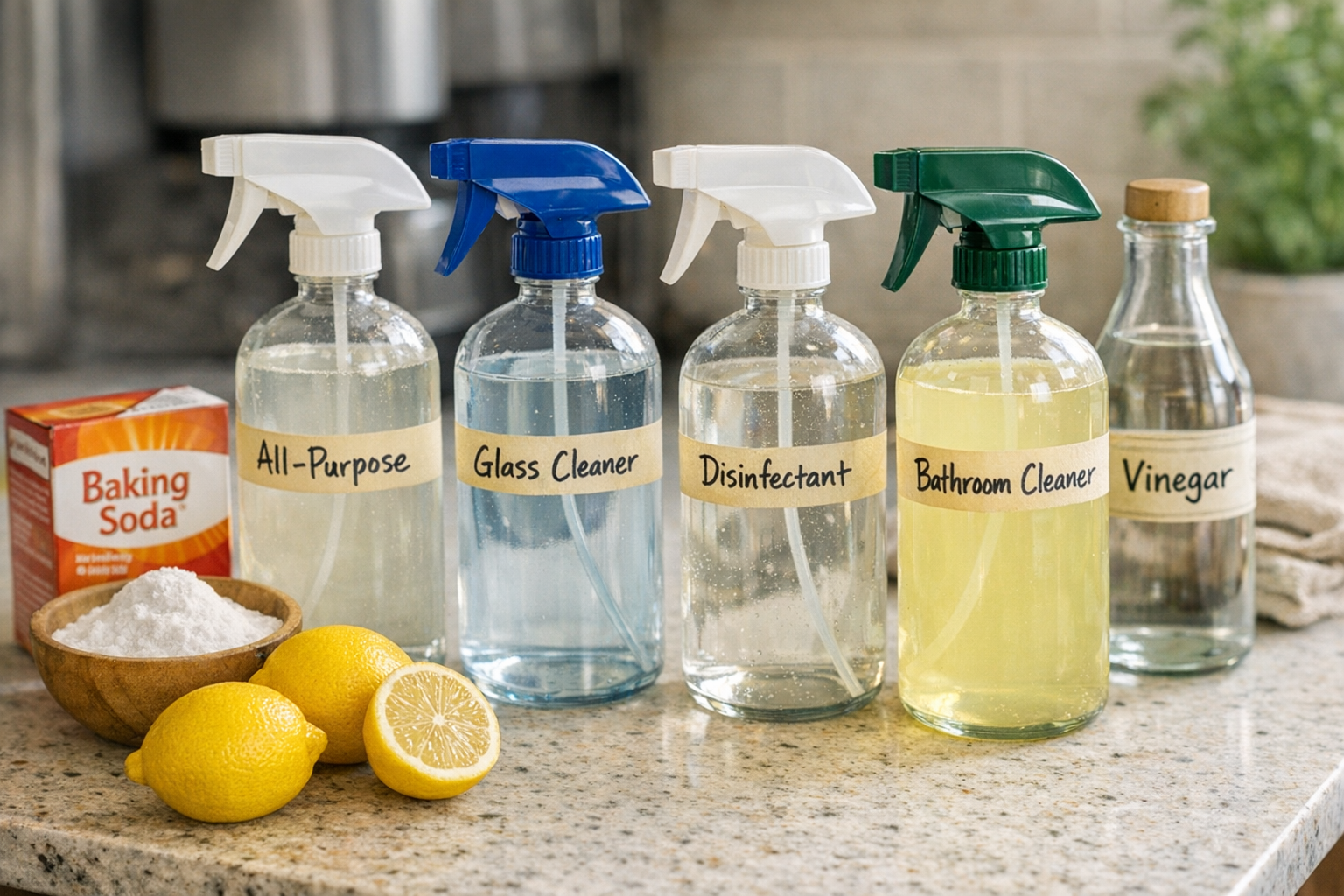
Homemade Cleaning Supplies That Save Real Money (7 Recipes That Work)
Skip the 8-dollar bottles of name-brand cleaner. These 7 homemade cleaner recipes replace everything in the cleaning aisle with 4 basic ingredients.