How to Save Money on Yard and Garden Supplies This Spring
This article may contain affiliate links. If you make a purchase through these links, we may earn a small commission at no extra cost to you. Learn more
Quick Answer
How to Save Money on Yard and Garden Supplies This Spring
Buy plants late in the season, swap with neighbors, make your own compost, stock mulch from city programs (often free), and use generic seed brands. The biggest single savings comes from starting plants from seed instead of buying transplants — seed costs 5 to 10 percent of transplants for the same yield.
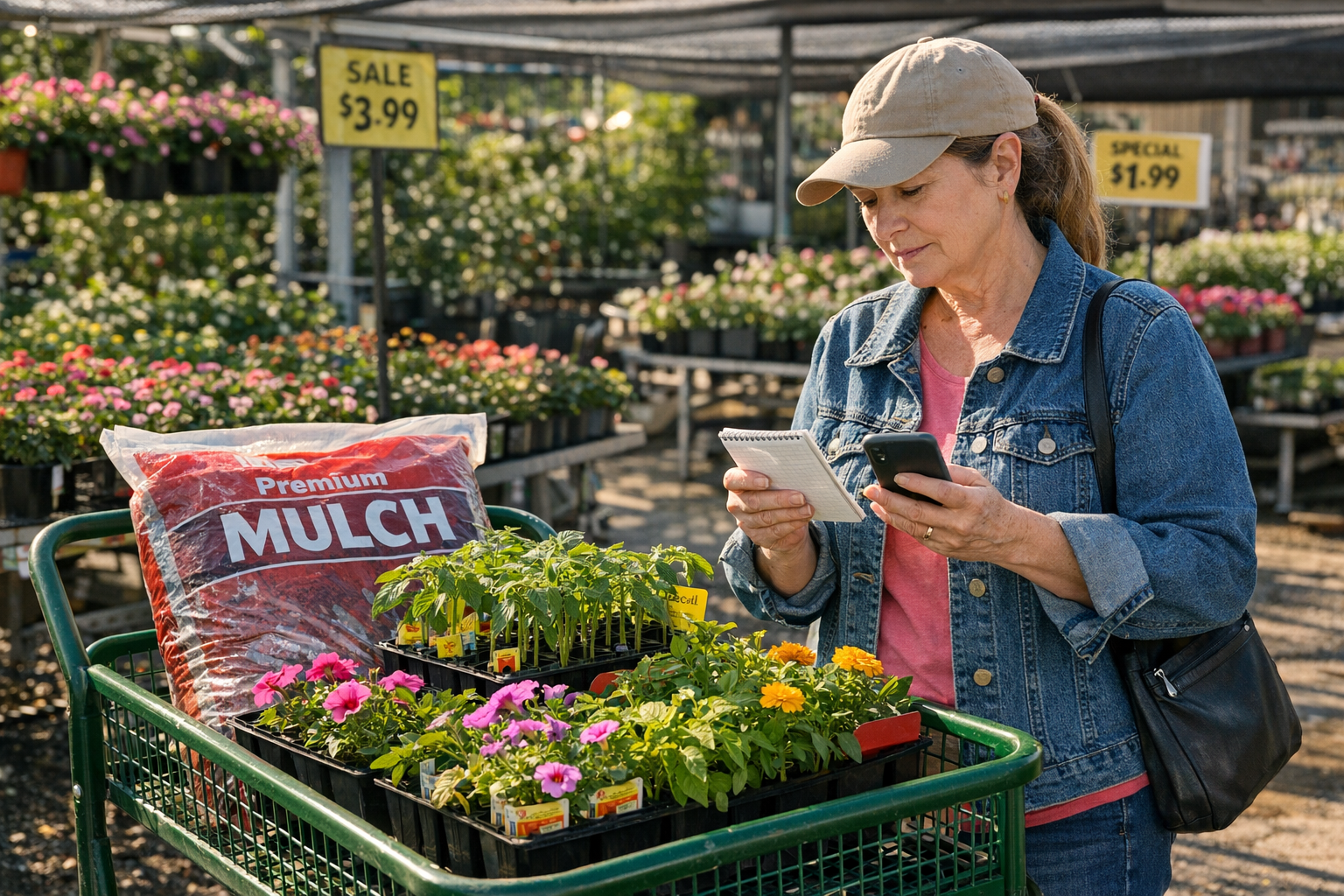
Spring at the garden center is engineered to make you spend money. Bright signs, blooming plants front-and-center, and 6-packs that look cheap until your cart hits 200 dollars. Most of it isn't necessary.
Here's how to cut your spring spending in half without growing a worse garden. These are the same strategies I use for my own half-acre.
1. Start From Seed Instead of Transplants
A 6-pack of tomato transplants costs around 5 to 7 dollars. A packet of 30 tomato seeds costs 3 to 4 dollars. The math is obvious.
The barrier is equipment. Get past it with a basic seed starting kit with grow light — under 50 dollars, and pays for itself the first season. After year one, you're seed-starting with no setup cost.
Heat-loving crops (tomatoes, peppers, eggplant) start indoors 6 to 8 weeks before last frost. Cool-weather crops can be direct-sown.
2. Save Your Own Seeds
Once you start saving seeds from open-pollinated varieties, your seed costs drop to almost zero. Tomatoes, peppers, beans, peas, and lettuce all save easily. A few seed storage envelopes and a dry cool drawer is all you need.
Skip hybrid (F1) varieties — they don't grow true from seed.
3. Make Your Own Compost
A bag of compost runs 8 to 15 dollars at the garden center. Most homes throw out enough kitchen and yard waste to produce all the compost they need.
A tumbling compost bin makes finished compost in 4 to 6 weeks during warm months. A pile in the corner of the yard works just as well, just slower. See our guide on composting at home for beginners.
4. Get Free Mulch From Your City
Most cities and counties run free mulch programs from yard waste they collect. Search "[your city] free mulch" and you'll usually find a public works site where you can shovel as much as you can haul.
Tree services will also drop a full truckload of wood chips for free in many areas — search "ChipDrop" online.
This is the single biggest savings on this list. A 3-cubic-yard truckload of mulch at retail is 200+ dollars.
5. Buy Plants in the Off-Season
Garden centers slash perennial prices by 40 to 60 percent in late June, August, and especially September. Trees and shrubs go on deep discount in fall.
A perennial planted in fall has all winter to root. By next spring, it's bigger and stronger than the same plant bought in May at full price. Most common perennials cost 5 to 8 dollars in fall instead of 15 to 20 in spring.
6. Trade With Neighbors and Online
Local plant swap groups on Facebook are a goldmine. Hostas, daylilies, irises, ferns, and most perennials need to be divided every few years anyway. Gardeners would rather give them to a neighbor than throw them away.
Post that you're looking, and you'll fill a yard for free.
7. Skip the Pretty Decorative Pots
A 16-inch glazed ceramic pot is 60 dollars at the nursery. A plain plastic grow bag of the same size is 4 dollars and outperforms ceramic for root health (better drainage, air pruning).
If you want the look of nicer pots, slip the grow bag inside a cheap decorative cachepot.
8. DIY Garden Tool Repairs
A new pair of bypass pruners costs 30 to 50 dollars. A pruner sharpening kit costs 10 dollars and brings dull pruners back to factory-sharp. Same for shears, hoes, and shovel edges.
Wood handles that are splintering can be sanded smooth and given a coat of linseed oil to last another decade.
9. Generic Seed Brands and Bulk Seeds
Brand name doesn't matter for seeds — they all come from a handful of suppliers. A bulk vegetable seed assortment gives you 30+ varieties for the price of 5 fancy seed-packet brands.
For specific varieties not in a bulk pack, store-brand seeds at hardware stores or grocery stores germinate just as well as the boutique brands.
10. Make Your Own Plant Food
Skip the packaged liquid fertilizers. The cheap homemade options work as well or better:
- Compost tea — soak a shovelful of compost in 5 gallons of water for 24 hours, strain
- Banana peel tea — soak peels in water for 3 days, water with the strained liquid (potassium boost for tomatoes and peppers)
- Used coffee grounds — sprinkle around acid-loving plants (blueberries, hydrangeas)
- Crushed eggshells — calcium for tomatoes, prevents blossom end rot
Buy one bag of organic vegetable fertilizer for serious feeders like broccoli and tomatoes. That's all most gardens need.
11. Build Raised Beds From Inexpensive Lumber
A pre-made raised bed kit runs 80 to 200 dollars. Two 8-foot 2x10 boards and a handful of screws builds an 8-by-2-foot bed for around 30 dollars. Use rough-sawn cedar or untreated pine — pressure-treated lumber is debated for vegetable beds but generally not recommended.
See our walkthrough on building a raised garden bed on a budget for the cut list.
12. Stop Buying Things You Can Substitute
- Plant labels — cut from yogurt cups or a roll of vinyl plant labels (10 dollars for hundreds)
- Trellises — bamboo poles, old wire shelving, repurposed cattle panels
- Drip irrigation — a cheap drip irrigation kit is 30 dollars and saves more on water than buying new each year
- Plant ties — strips of old t-shirt cotton work better than store-bought ties
What to Spend Money On (Don't Cheap Out)
A few items genuinely matter:
- A good pair of pruners (Felco F-2 Bypass Pruners — last decades, parts are replaceable)
- A real spading fork for breaking ground
- Quality seed potatoes from a reputable source (cheap ones carry disease)
- Soil tests — a DIY soil test kit under 20 dollars saves you from over-fertilizing or growing the wrong plants for your soil
Frequently Asked Questions
Are dollar store seeds any good?
Surprisingly, yes — most are repackaged from the same suppliers as more expensive seed brands. Germination rates are similar. The downside is older stock and fewer varieties. Fine for beans, peas, lettuce, and radishes; less reliable for tomatoes and peppers.
Where can I find cheap mulch besides my city's program?
Tree services love free dump sites. Search ChipDrop online, or call any local tree service and ask if they have an upcoming job nearby. Some will deliver a full truck of wood chips for free.
Is it cheaper to grow vegetables than buy them?
Once you're set up, yes — substantially. The first year breaks even. By year three, a small backyard garden produces 1500+ dollars worth of organic produce for under 200 dollars in inputs.
How do I save money on lawn care?
Skip the chemical lawn service (1500+ dollars a year) and overseed your lawn each fall with a grass seed blend for your region. A thick lawn crowds out weeds without herbicides.
Final Thoughts
Garden centers profit from impulse buys at peak season. Plan ahead, start from seed, swap with neighbors, and you'll be amazed how much garden you can build on a tiny budget. The stingiest gardeners often have the best gardens.
Get weekly home tips that actually work
Join thousands of homeowners getting practical cleaning hacks, DIY fixes, and money-saving tips every week. Free, and you can unsubscribe anytime.

Written by
Sarah RodriguezGardening & Pet Care Contributor
Sarah Rodriguez is a certified Master Gardener and former veterinary technician. She lives on a half-acre lot in central Texas with three rescue dogs, two backyard chickens, and a very ambitious vegetable garden. She covers gardening, sustainable yard care, and everyday pet care for Practical Home Guides.
Recommended Products
Looking for specific product recommendations? Check out our tested picks.

Best Outdoor Patio Furniture Deals (2026 Spring Picks)
Late April is the sweet spot for patio furniture deals — pre-summer sales without late-season picked-over selection. Here are the picks worth buying now.
5 Best LED Light Bulbs to Cut Your Electric Bill (2026)
Switch to LED bulbs and save $100+ per year on electricity. We compared the top LED bulbs for brightness, color quality, and longevity — here are the 5 best picks.
Best Smart Thermostats to Lower Your Energy Bill (2026)
The best smart thermostats that actually save money on heating and cooling. We compare 5 top picks from Nest, Ecobee, Honeywell, and more with real energy savings data.
Related Articles
Best Outdoor Patio Furniture Deals (2026 Spring Picks)
Late April is the sweet spot for patio furniture deals — pre-summer sales without late-season picked-over selection. Here are the picks worth buying now.
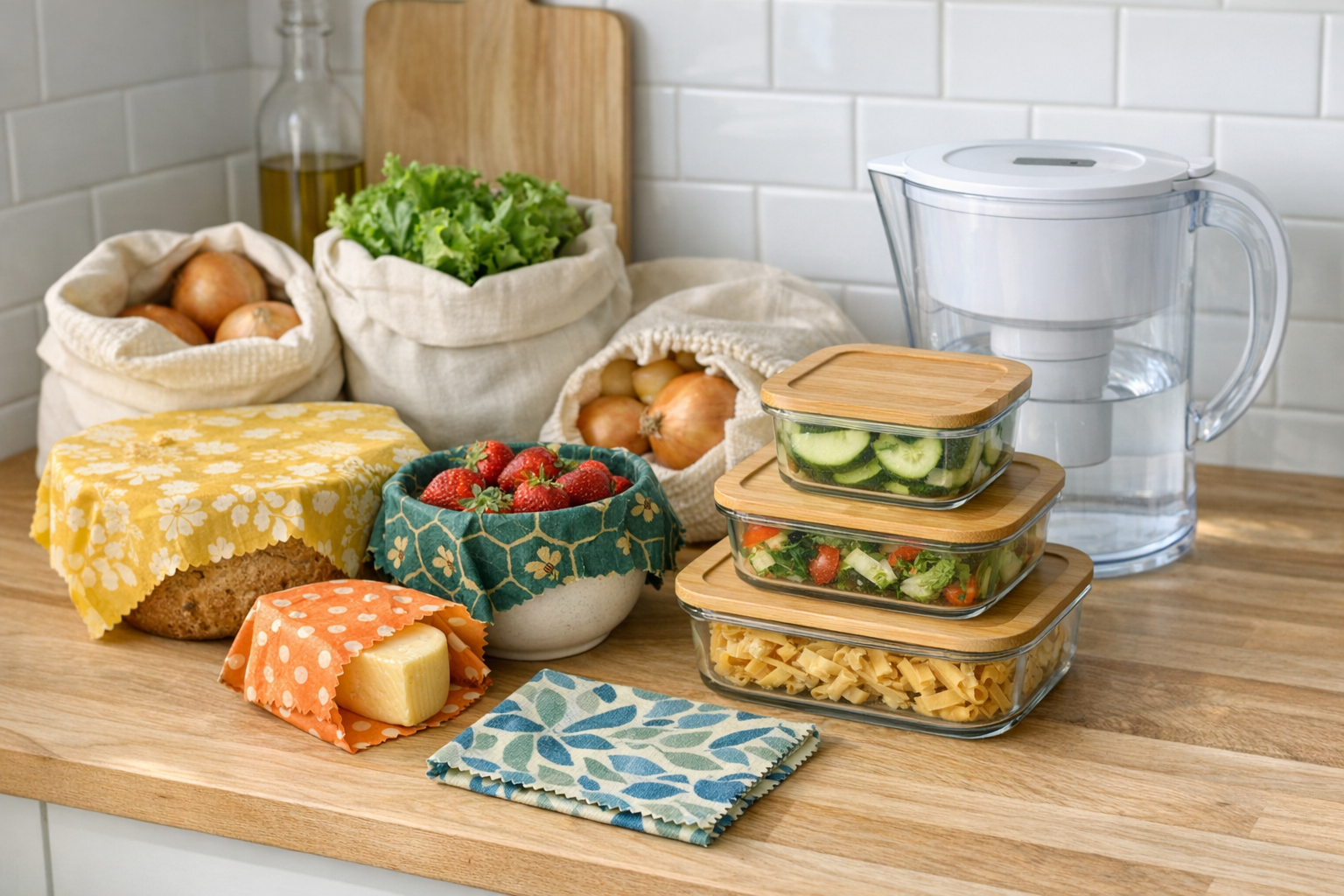
12 Earth Day Eco Swaps That Save Money All Year
These 12 home swaps reduce waste AND save money — most under 30 dollars upfront and pay for themselves within a few months.
12 Budget Mother's Day Gifts That Actually Feel Thoughtful
Skip the generic flowers-and-card combo. These under-50-dollar Mother's Day ideas feel personal without breaking the budget.
Homemade Cleaning Supplies That Save Real Money (7 Recipes That Work)
Skip the 8-dollar bottles of name-brand cleaner. These 7 homemade cleaner recipes replace everything in the cleaning aisle with 4 basic ingredients.