How to Stop Your Cat From Scratching Furniture (Without Declawing)
This article may contain affiliate links. If you make a purchase through these links, we may earn a small commission at no extra cost to you. Learn more
Quick Answer
How to Stop Your Cat From Scratching Furniture (Without Declawing)
Place a sturdy scratching post right next to the furniture your cat scratches most — cats scratch in specific locations for territorial marking, so the post needs to be in that exact spot, not hidden in a corner. Choose a tall post (at least 32 inches) wrapped in sisal rope, not carpet. Apply double-sided tape or a cat deterrent spray to the furniture to make it less appealing. Reward your cat with treats when they use the scratching post. Most cats redirect their scratching within 1-2 weeks with this approach.
How to Stop Your Cat From Scratching Furniture (Without Declawing)
Cats scratch furniture for very specific reasons — and none of those reasons are spite, boredom, or trying to ruin your couch on purpose. Scratching is a deeply ingrained biological behavior that serves multiple functions for your cat's physical and emotional health.
The solution isn't to stop the scratching — it's to redirect it to appropriate surfaces. Declawing is not an option (it's essentially amputation and increasingly banned), and punishing your cat for scratching only creates stress and anxiety. What works is understanding why they scratch, providing better alternatives, and making the furniture less appealing.
Here's how to protect your furniture and keep your cat happy.
Why Do Cats Scratch Furniture?
Understanding the motivation helps you solve the problem. Cats scratch for four reasons:
- Claw maintenance — Scratching removes the dead outer sheath of their claws, keeping them sharp and healthy. This is a physical need, not a behavioral choice.
- Stretching — Cats stretch their shoulders, paws, and back muscles by reaching up and pulling downward. Your couch arm is the perfect height and resistance for a full-body stretch.
- Territorial marking — Cats have scent glands in their paws. Scratching deposits their scent on surfaces, marking their territory. This is why cats scratch specific spots repeatedly — they're refreshing their scent marks.
- Stress relief — Scratching releases feel-good hormones. Cats scratch more when they're excited, anxious, or need to burn off energy.
Knowing this explains why simply saying "no" doesn't work. You're asking your cat to stop doing something that's as natural and necessary as breathing.
What Kind of Scratching Post Do Cats Actually Use?
The number one reason cat owners say "my cat won't use the scratching post" is that they bought the wrong kind or put it in the wrong place.
What cats want in a scratching post:
- Tall enough for a full stretch — At least 32 inches tall. Those short 12-inch posts in the pet aisle are useless for adult cats. They need to fully extend their body.
- Stable and sturdy — If it wobbles or tips, the cat won't use it. A heavy, wide base is essential. Cats push hard when they scratch — a wobbly post is worse than no post.
- Sisal rope or sisal fabric wrapping — Cats overwhelmingly prefer sisal over carpet. The rough texture gives satisfying resistance and makes a sound cats enjoy. Carpeted posts also teach cats that carpet texture is okay to scratch — the opposite of what you want.
- Vertical AND horizontal options — Some cats prefer scratching vertically (like a couch arm), others prefer horizontal scratching (like a rug). Provide both.
A quality sisal scratching post costs $25-50 and lasts years. A cat tree with scratching surfaces serves double duty as both a scratching post and a climbing/resting space.
Where Should You Put the Scratching Post?
Right next to the furniture they're scratching. Not in a spare room. Not in the basement. Not in a corner behind a plant.
Cats scratch specific locations because of the territorial marking function. They want their scent in high-traffic areas where they spend time — near the couch where the family sits, by the doorway they walk through, next to the bed where they sleep.
Place the scratching post directly beside the furniture being scratched. Once your cat consistently uses the post instead (usually 1-2 weeks), you can gradually move it a few inches per day to a more convenient location if needed. But starting in the right spot is critical.
If your cat scratches in multiple locations, you need a scratching surface near each one. For a cat that targets the couch, try a couch corner scratching pad that attaches directly to the furniture arm.
How Do You Make Furniture Less Appealing to Scratch?
While you're redirecting to the scratching post, make the furniture itself unappealing.
Double-sided tape: Apply furniture protector tape to the areas your cat scratches. Cats hate the sticky feeling on their paws. Most cats stop scratching the taped surface within a few days. Remove the tape once they've established the post as their preferred spot.
Deterrent spray: Cat deterrent sprays use scents that cats find unpleasant (citrus, rosemary, lavender). Spray on the furniture daily. These work best in combination with a nearby scratching post — you're making one option bad while making the other option great.
Aluminum foil: Temporarily cover scratched areas with aluminum foil. The texture and sound deter most cats. It's not pretty, but it only needs to stay up for a week or two.
Furniture covers: Thick furniture protectors or heavy-duty throws over couch arms and corners protect the fabric while you work on redirecting.

How Do You Train a Cat to Use a Scratching Post?
Cats respond to positive reinforcement, not punishment. Never yell at, spray with water, or physically move your cat away from furniture — this creates fear and stress, which actually increases scratching behavior.
What works:
- Rub catnip on the post — Sprinkle or spray catnip on the scratching post to attract your cat to it. Most cats find catnip irresistible and will investigate and scratch the post.
- Reward post use — When your cat scratches the post, immediately give them a treat and verbal praise. They'll learn that scratching the post = good things happen.
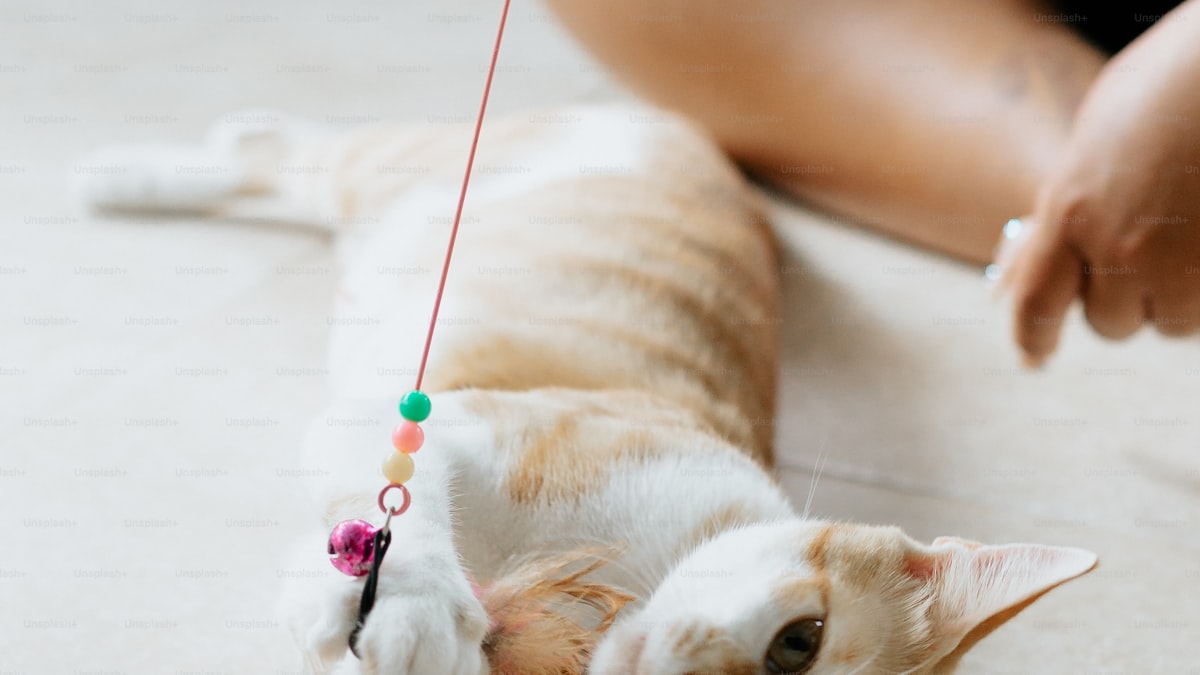
- Play near the post — Drag a string toy along the post to encourage your cat to reach up and grab at it, getting their claws into the sisal in the process. Once they feel the satisfying texture, many cats start using it on their own.
- Gently redirect — If you catch your cat scratching furniture, calmly pick them up and place them near the scratching post. Don't scold — just redirect. If they scratch the post, treat immediately.
Most cats make the switch within 1-2 weeks of consistent redirection and reward. Be patient. If your cat is also jumping on counters, the same positive redirection approach works for that behavior too.
Should You Trim Your Cat's Claws?
Yes — regular claw trimming reduces the damage from any scratching that does happen on furniture. Trimmed claws don't grip fabric as deeply.
Trim every 2-3 weeks using cat nail clippers. Clip just the sharp tip — about 1-2mm — being careful to avoid the pink quick (blood supply) visible inside the claw. If your cat is resistant, start by touching their paws regularly without clipping, then clip just one claw per session until they're comfortable.
Soft nail caps (like Soft Paws) are another option. These are small vinyl caps glued onto the cat's claws that prevent damage when they scratch. They fall off naturally in 4-6 weeks as the claw grows and need to be reapplied. Some cats tolerate them well; others hate having them applied.
Frequently Asked Questions
Why does my cat scratch the furniture right in front of me?
This is actually a social behavior, not defiance. Cats often scratch when their owner enters the room or during greeting. It's a form of communication — they're marking territory and expressing excitement. It feels like they're being naughty on purpose, but they're actually engaging with you in a way that's natural to them.
Do cats grow out of scratching?
No. Scratching is a lifelong behavior, not a phase. Kittens, adult cats, and senior cats all scratch. The good news is that once you redirect the behavior to appropriate surfaces, it stays redirected. A cat that consistently uses a scratching post at age 2 will still use it at age 12.
Can you repair cat-scratched furniture?
For minor damage on fabric upholstery, a fabric repair kit can make scratches less noticeable. For leather, a leather repair kit fills in scratches and color-matches the finish. Deep gouges on wood furniture can be filled with wood putty and stained. Prevention through proper scratching alternatives is always easier than repair, though.
How many scratching posts does a cat need?
At minimum, one per cat plus one extra. A single-cat household should have at least two scratching surfaces. Place them in different locations — wherever your cat spends the most time. If your cat scratches in three different spots, you need three scratching alternatives.
Redirect, Don't Punish
The formula is simple: provide an appropriate scratching surface in the right location, make the furniture unappealing temporarily, and reward your cat for making the right choice. Within a couple of weeks, your cat will scratch the post instead of the couch — not because you forced them, but because you gave them a better option. Your furniture stays intact, your cat stays happy, and everyone wins.
Get weekly home tips that actually work
Join thousands of homeowners getting practical cleaning hacks, DIY fixes, and money-saving tips every week. Free, and you can unsubscribe anytime.

Written by
Beth SullivanFounder & Editor-in-Chief
Beth Sullivan is the founder of Practical Home Guides. With over a decade of hands-on experience tackling every home challenge imaginable, she started this site to share the practical, no-nonsense solutions she wishes she had found years ago. When she's not testing cleaning hacks or organizing pantries, you'll find her in the garden or working on her next DIY project.
Recommended Products
Looking for specific product recommendations? Check out our tested picks.
5 Best Dog Grooming Kits for Home Use (2026)
Save hundreds on groomer visits by doing it yourself. We compared the top dog grooming kits — here are the 5 best for different coat types and budgets.
Best Pet Hair Removers That Actually Work (2026)
We tested the most popular pet hair removers for furniture, clothes, and cars. Here are the 7 best picks that actually get the job done — from lint rollers to rubber brooms.
Related Articles
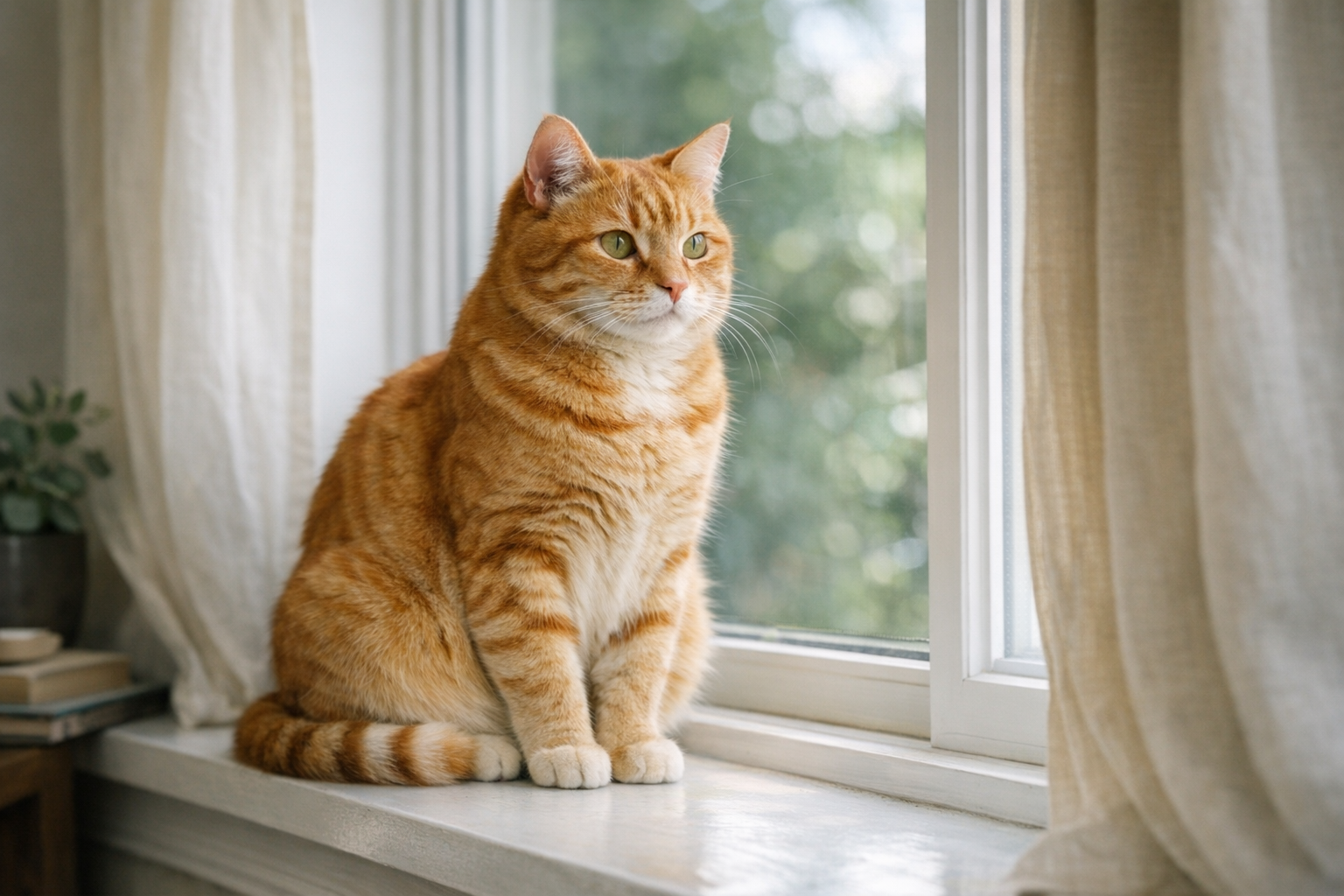
How to Stop a Cat From Spraying (And Why They Start)
Cats spray for specific reasons — and identifying the cause is half the battle. Here's the vet-tech approach to stopping spraying without rehoming the cat.

Dog-Safe Spring Yard Checklist (Lawn Chemicals, Plants, and More)
Spring yard prep can poison your dog faster than you'd expect. Here's the checklist of toxic plants, lawn treatments, and seasonal hazards to remove before letting your dog roam.
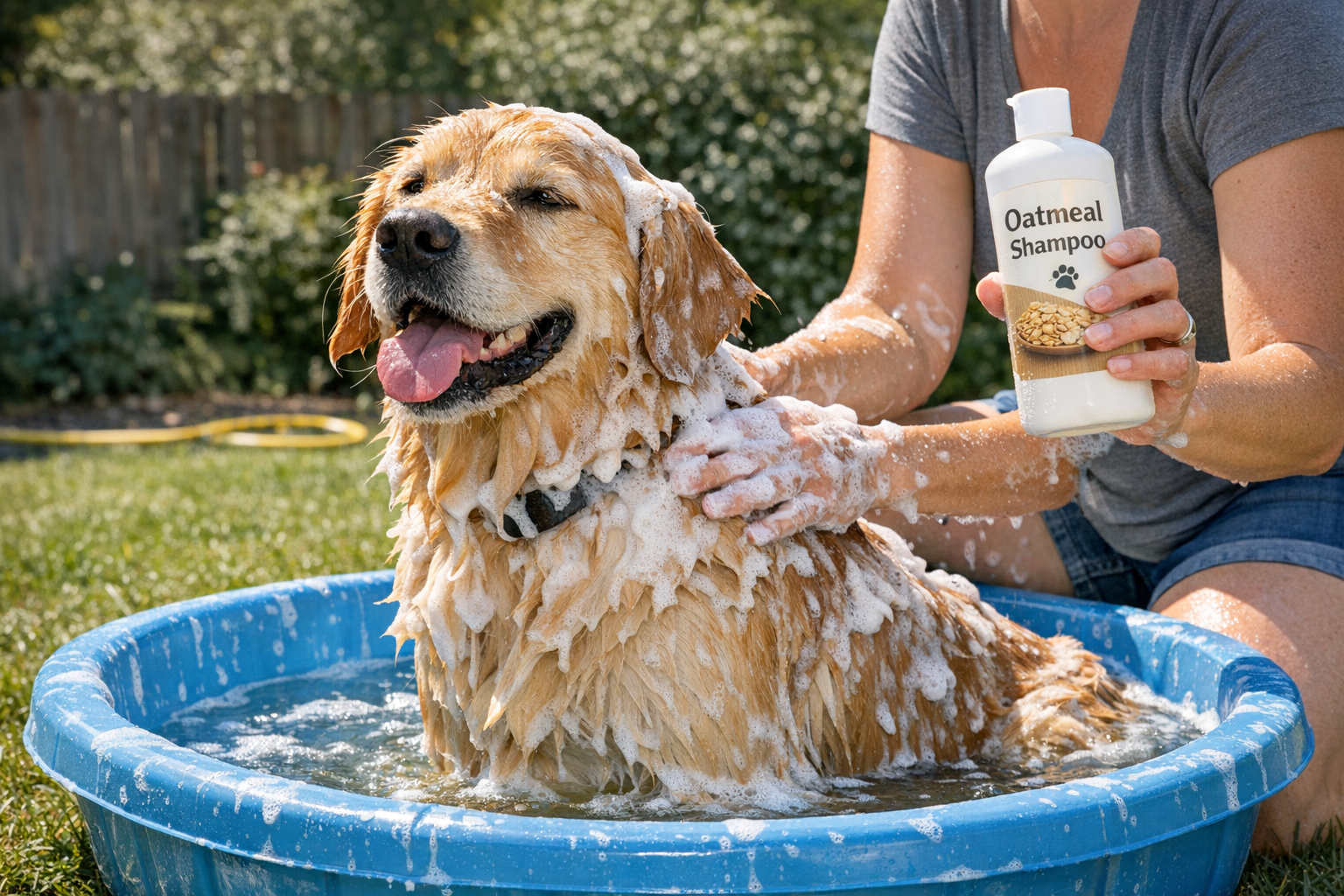
How to Soothe Your Dog's Itchy Spring Skin Naturally
Spring allergies hit dogs hard. These vet-tech-approved natural remedies soothe itchy skin without immediately reaching for prescription meds.

How to Introduce a New Baby to Your Family Pet Safely
A vet tech's step-by-step plan for preparing your dog or cat for a new baby. Start weeks before the due date — not the day you come home from the hospital.