How to Fix a Running Toilet (The Flapper Fix Takes 5 Minutes)
This article may contain affiliate links. If you make a purchase through these links, we may earn a small commission at no extra cost to you. Learn more
Quick Answer
How to Fix a Running Toilet (The Flapper Fix Takes 5 Minutes)
A running toilet is almost always caused by a worn flapper — the rubber seal at the bottom of the tank. To fix it: turn off the water supply valve behind the toilet, flush to empty the tank, unhook the old flapper from the overflow tube, and snap on a new universal flapper (about $5 at any hardware store). Turn the water back on and check that the running stops. The whole fix takes under 5 minutes and saves you $100-200 on a plumber call.
How to Fix a Running Toilet (The Flapper Fix Takes 5 Minutes)
A running toilet wastes up to 200 gallons of water per day. That's not just annoying — it's expensive. At average water rates, a continuously running toilet can add $50-100 per month to your water bill. Over time, it's one of the most costly problems you can have that's also one of the easiest to fix yourself.
In about 90% of cases, the problem is a $5 part that takes 5 minutes to replace. Here's how to diagnose the issue and fix it without calling a plumber.
Why Is My Toilet Running?
A toilet runs when water continuously leaks from the tank into the bowl. There are three common causes, and you can diagnose the problem in about 30 seconds.
The food coloring test: Put 5-10 drops of food coloring in the tank (not the bowl). Wait 15 minutes without flushing. If colored water appears in the bowl, you have a flapper leak — the most common issue.
The three usual suspects:
- Worn flapper (most common) — The rubber flapper at the bottom of the tank doesn't seal properly, allowing water to continuously leak into the bowl. The fill valve keeps running to replace the lost water.
- Float set too high — The float (ball or cup) is set above the overflow tube, so water continuously drains through the overflow.
- Faulty fill valve — The fill valve doesn't shut off when the tank is full, causing continuous filling and overflowing.
Let's fix each one.
How Do You Replace a Toilet Flapper?
This is the fix for 90% of running toilets. A universal toilet flapper costs $5-8 and fits most standard toilets.
Steps:
- Turn off the water supply — Turn the shut-off valve behind the toilet clockwise until it stops. It's the knob on the wall near the floor.
- Flush the toilet — This empties the tank so you can work inside it. Hold the handle down to drain as much water as possible.
- Remove the old flapper — Unhook the flapper chain from the flush lever. Then unhook the flapper ears from the pegs on either side of the overflow tube. The flapper pulls right off.
- Take it to the store — Bring the old flapper with you to match the size. Or buy a universal flapper that adjusts to fit most toilets.
- Install the new flapper — Hook the flapper ears onto the overflow tube pegs, reconnect the chain to the flush lever. The chain should have about half an inch of slack — too tight and the flapper won't seal, too loose and it won't lift when you flush.
- Turn the water back on — Turn the shut-off valve counter-clockwise. Let the tank fill.
- Test — Flush a couple of times and watch for proper sealing. The running should stop.
That's it. Five minutes, one inexpensive part, no tools required. This is the kind of repair covered in our guide to fixing a running toilet, and it's one of the first DIY skills every homeowner should learn.
How Do You Adjust the Float?
If the food coloring test didn't show a leak (water stays clear in the bowl after 15 minutes), but you can see water flowing into the overflow tube inside the tank, the float is set too high.
For a ball float (older toilets):
The float is a ball on the end of a metal arm. Gently bend the arm downward about half an inch. This lowers the water level so it stops below the overflow tube. Flush and check — the water should stop about 1 inch below the top of the overflow tube.
For a cup float (newer toilets):
The float is a cylinder that rides up and down on the fill valve. Find the adjustment screw or clip on the side of the float. Turn the screw counter-clockwise (or squeeze the clip and slide the float down) to lower the water level. A half-inch adjustment is usually enough.
After adjusting, flush and watch. The water should fill to about 1 inch below the overflow tube and stop cleanly.
When Do You Need to Replace the Fill Valve?
If the flapper is fine and the float is set correctly, but water keeps running, the fill valve itself is likely faulty. The fill valve is the tall mechanism on the left side of the tank that controls incoming water.
Signs of a bad fill valve:
- The valve hisses or vibrates constantly
- Water trickles into the tank non-stop regardless of the water level
- The valve doesn't fully shut off after the tank fills
- Adjusting the float doesn't change anything
A universal fill valve replacement costs $8-15 and takes about 15-20 minutes to install. It's slightly more involved than a flapper swap but still well within DIY territory.
Basic steps:
- Turn off water and flush to empty the tank
- Place a towel under the tank — some water will drip
- Disconnect the water supply line from the bottom of the fill valve
- Unscrew the lock nut under the tank and pull the old fill valve out from inside
- Adjust the new fill valve to the correct height (instructions are on the package)
- Insert it, tighten the lock nut, reconnect the water supply
- Turn on the water and adjust the float to set the correct water level
If you already have a basic tool kit, you have everything you need. The only tool required is a pair of adjustable pliers.
How Much Water Does a Running Toilet Waste?
A running toilet wastes a staggering amount of water:
- Slow leak (flapper barely failing) — 30-50 gallons per day
- Moderate leak (visible ripples in bowl) — 100-200 gallons per day
- Full-on running (you can hear it) — 200+ gallons per day
At average U.S. water rates of $4-5 per 1,000 gallons, even a moderate leak costs $12-30 per month. Over a year, that's $150-360 wasted on a problem that costs $5-15 to fix. It's one of the easiest ways to lower your water bill.
Frequently Asked Questions
Why does my toilet run intermittently (phantom flushes)?
Intermittent running — where the toilet randomly runs for a few seconds every 10-30 minutes — is caused by a slow flapper leak. The tank slowly loses water through the flapper seal until the fill valve kicks in to top it off. Replace the flapper and the phantom flushes stop.
Can I use a different brand of flapper?
Yes. Universal flappers fit most standard toilets. The two main sizes are 2-inch (older toilets) and 3-inch (newer toilets). Bring your old flapper to the hardware store to match the size, or buy a universal adjustable flapper that fits both.
How long do toilet flappers last?
Most flappers last 3-5 years before the rubber deteriorates enough to cause leaks. Chlorine tablets or bleach-based toilet bowl cleaners can degrade flappers faster — sometimes in less than a year. If you use in-tank cleaning tablets, consider switching to a chlorine-resistant flapper.
Should I replace the whole toilet if it keeps running?
Almost never. The internal parts (flapper, fill valve, flush valve) are all inexpensive and replaceable. Replacing the toilet is only warranted if the porcelain is cracked, the toilet is older than 20 years and uses excessive water per flush (3.5+ gallons vs modern 1.28 gallons), or the flush valve seat itself is corroded.
Fix It Today
Every day you wait is money flowing down the drain — literally. Walk to your toilet right now, take the lid off the tank, and do the food coloring test. If the color shows up in the bowl, go buy a $5 flapper and fix it today. It's one of the simplest home repairs that exists, and it pays for itself within the first week.
Get weekly home tips that actually work
Join thousands of homeowners getting practical cleaning hacks, DIY fixes, and money-saving tips every week. Free, and you can unsubscribe anytime.

Written by
Beth SullivanFounder & Editor-in-Chief
Beth Sullivan is the founder of Practical Home Guides. With over a decade of hands-on experience tackling every home challenge imaginable, she started this site to share the practical, no-nonsense solutions she wishes she had found years ago. When she's not testing cleaning hacks or organizing pantries, you'll find her in the garden or working on her next DIY project.
Recommended Products
Looking for specific product recommendations? Check out our tested picks.
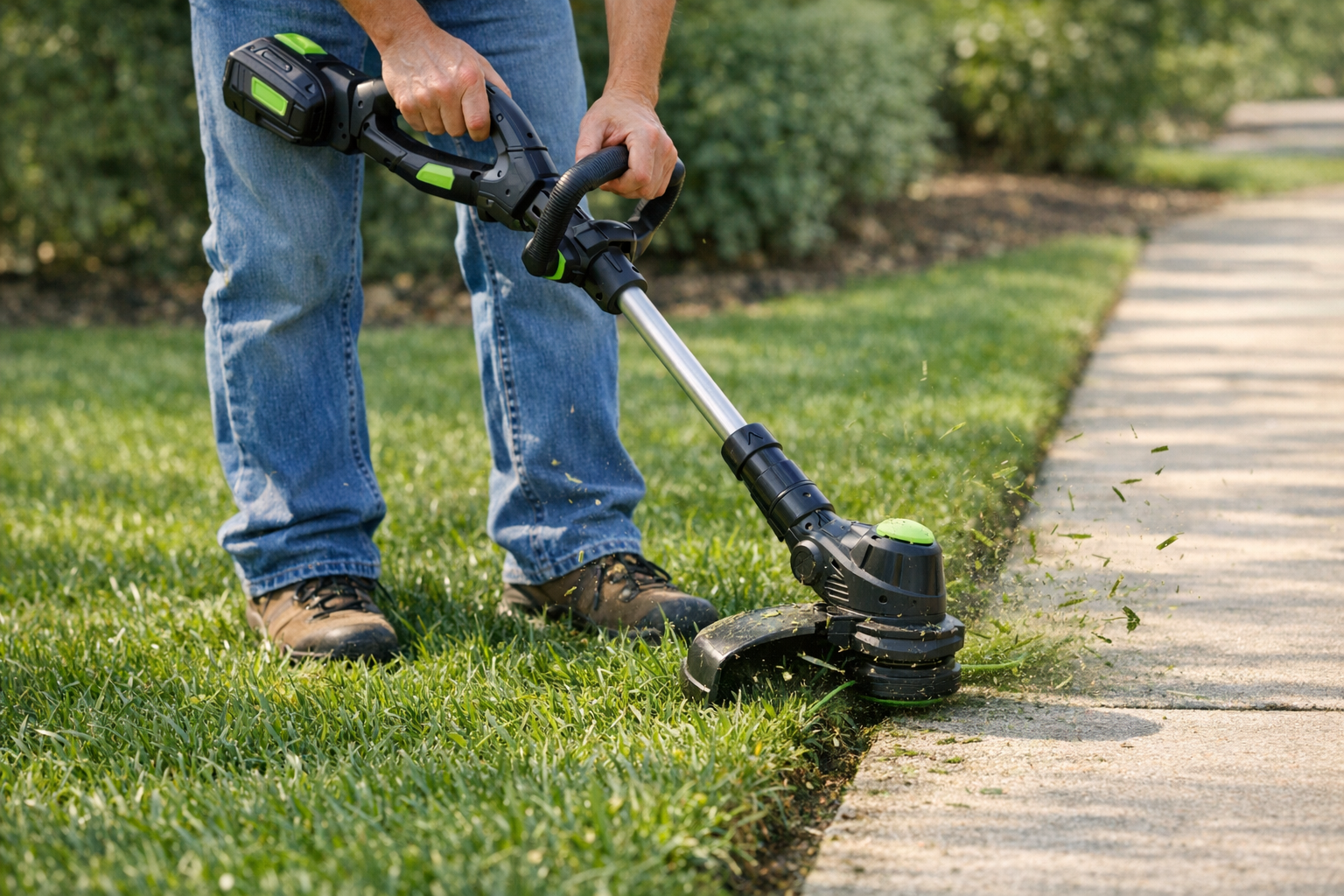
Best Cordless String Trimmers (2026 Tested)
Battery-powered string trimmers have caught up to gas. We tested the top models on bermuda, fescue, and overgrown areas to find the picks worth your money.
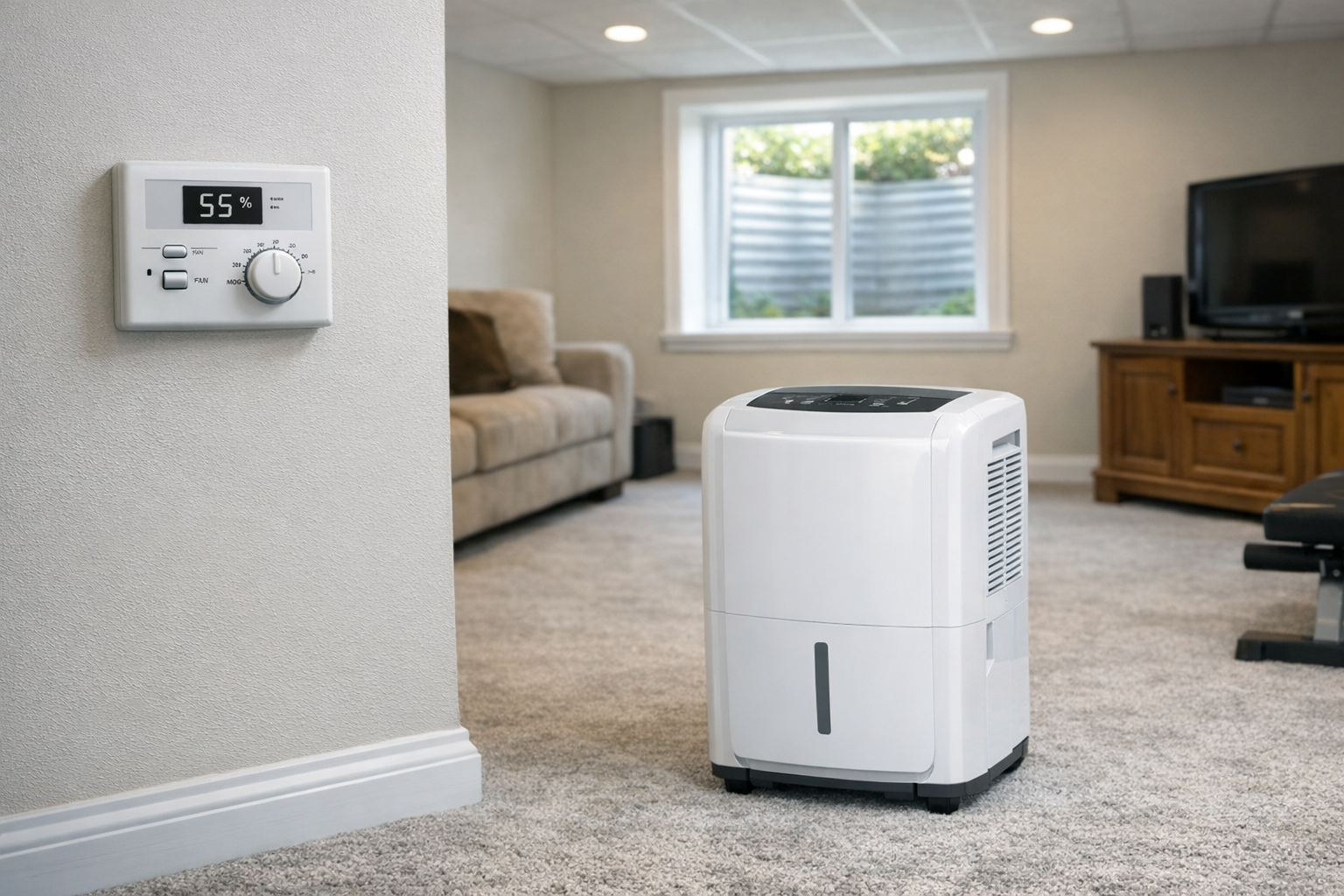
Best Basement Dehumidifiers (2026 Buyer's Guide)
Damp basements destroy stored items, grow mold, and stink. We tested dehumidifiers for capacity, durability, and energy use to find the picks worth the money.
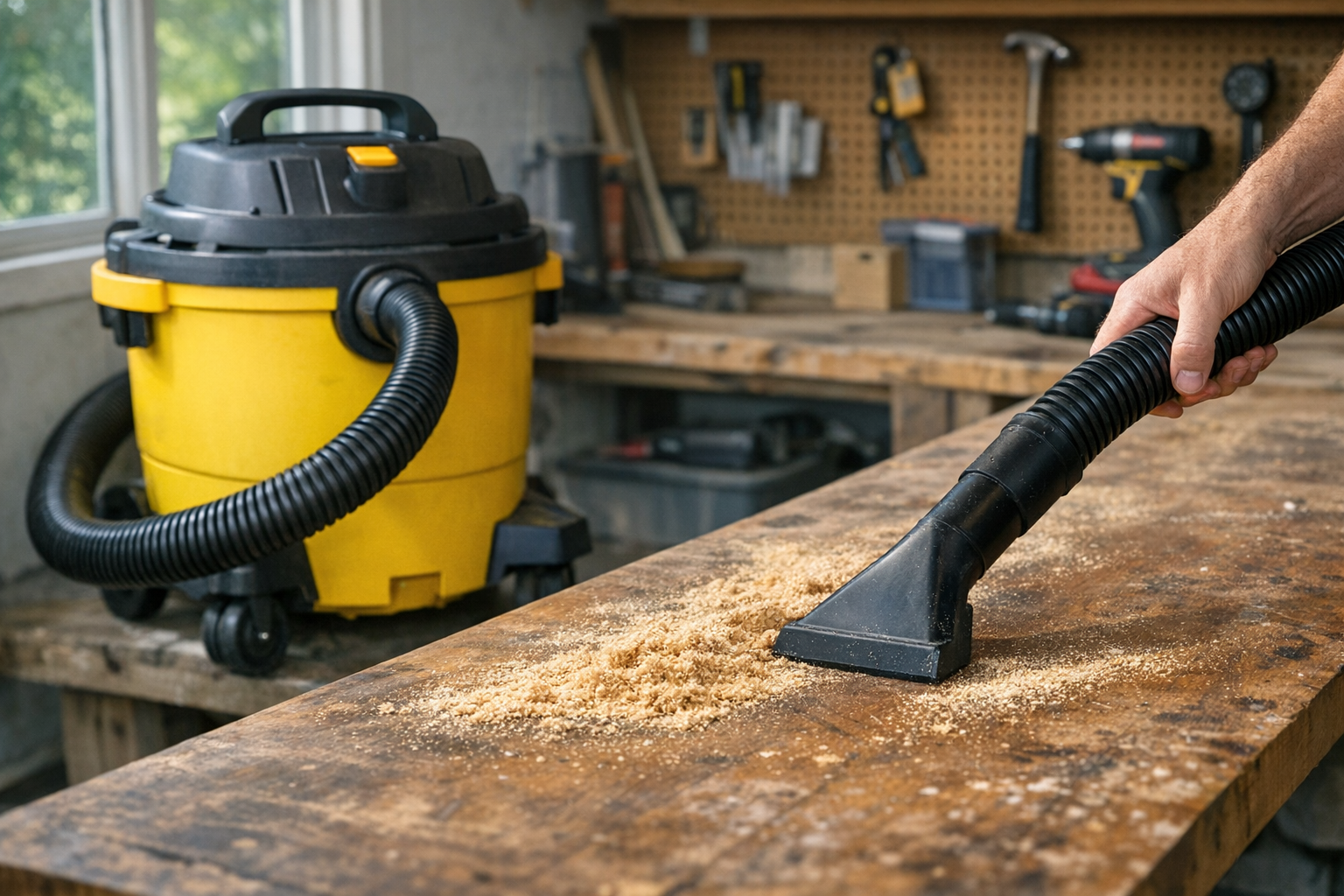
Best Wet/Dry Shop Vacs (2026 Tested)
Whether you need to clean a flooded basement, dust the garage, or pick up workshop debris, here are the wet/dry shop vacs worth the money.
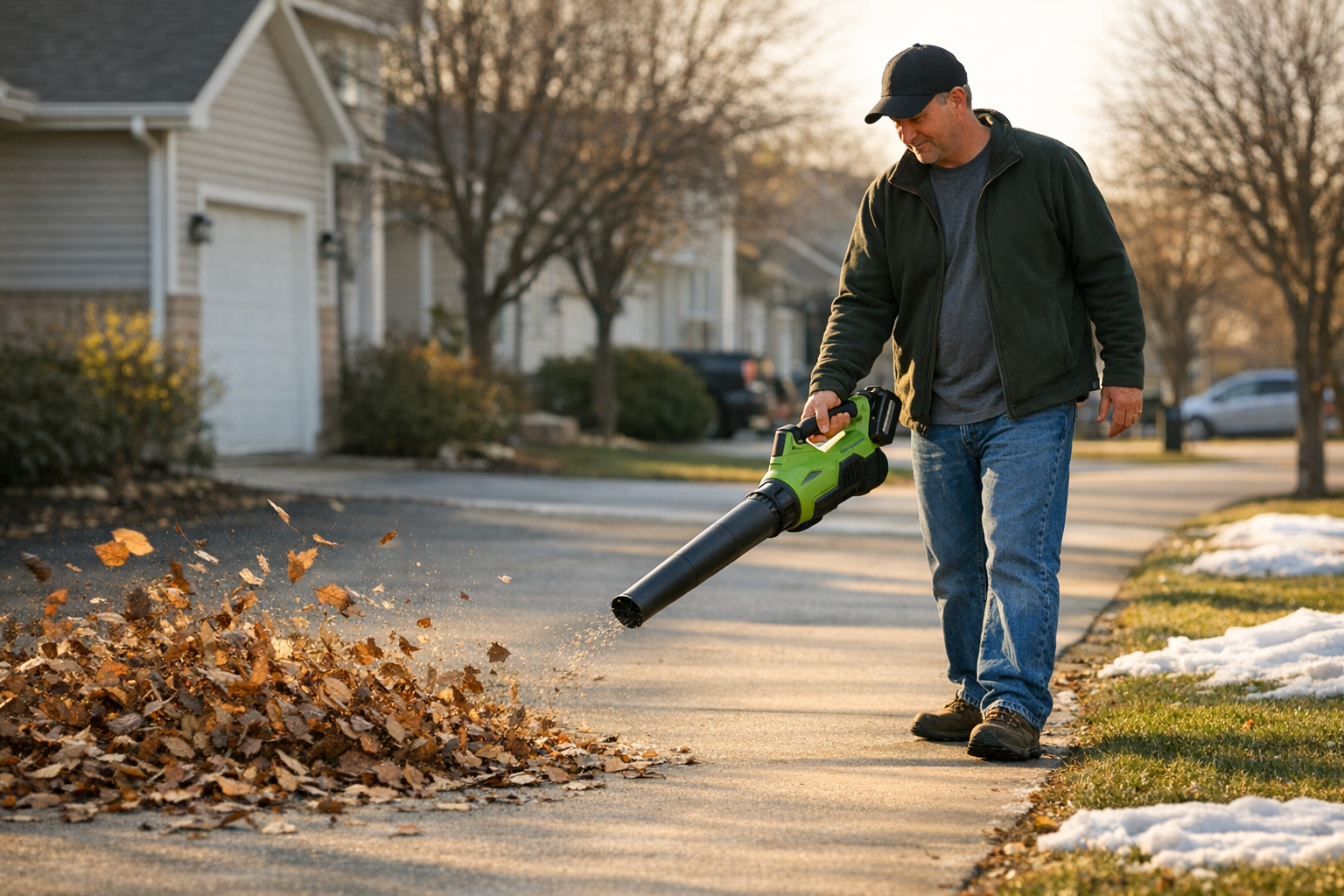
Best Electric Leaf Blowers (2026 Buyer's Guide)
Cordless and corded electric leaf blowers tested for power, runtime, and noise. Our picks for small yards, large yards, and pro-grade home use.
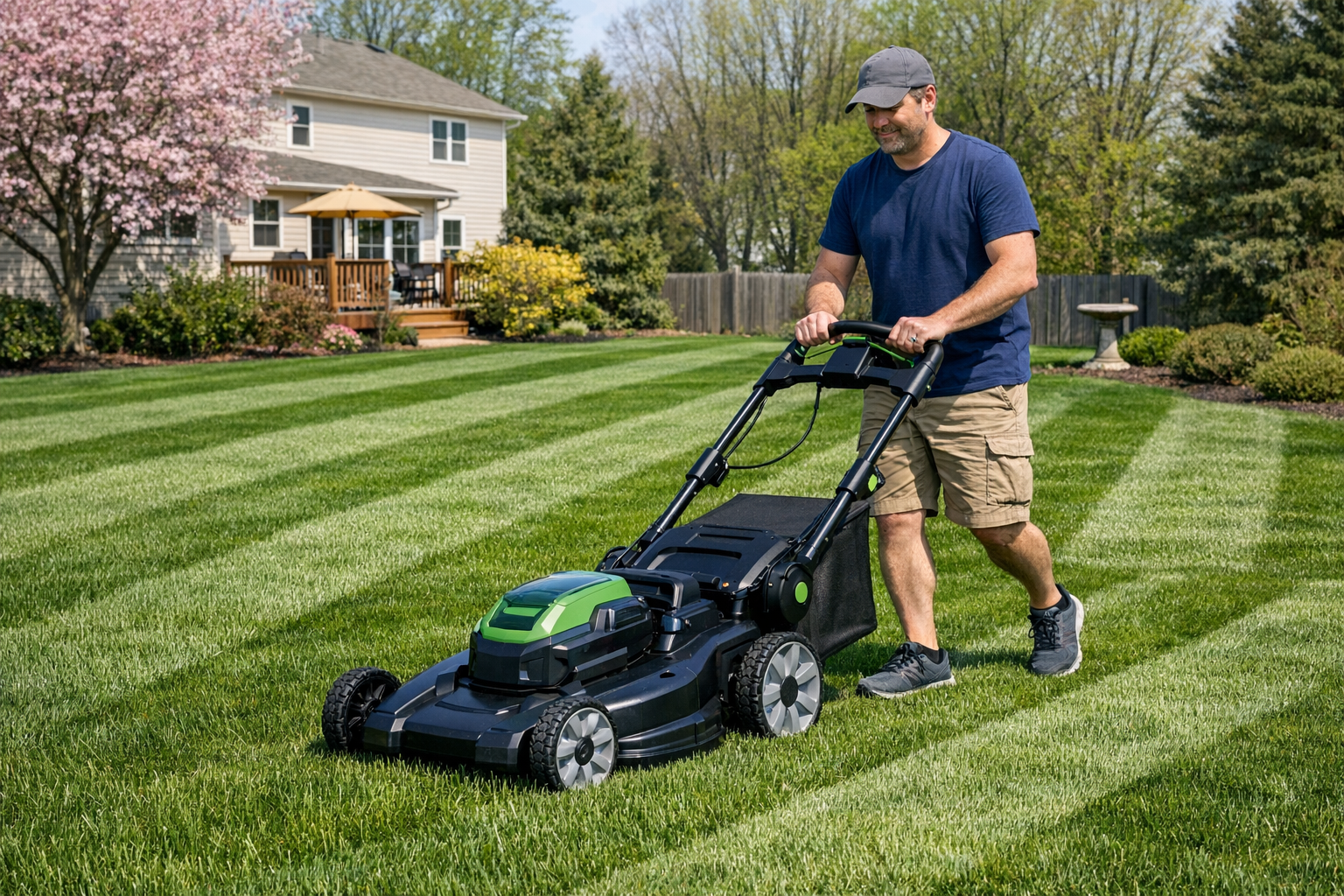
Best Cordless Lawn Mowers (2026 Spring Buyer's Guide)
Battery-powered mowers have caught up to gas. We tested the top cordless mowers on grass length, slopes, and runtime to find the picks worth your money.
5 Best Cordless Drills for Homeowners (2026)
Find the right cordless drill for home projects without overspending. We compared the top drills for DIYers — here are the 5 best for everyday home use.
Best Home Tool Kits for Beginners (2026)
The best home tool kits for new homeowners and renters. We compare 6 tool sets from basic to comprehensive, so you can handle common repairs without calling a handyman.
Related Articles
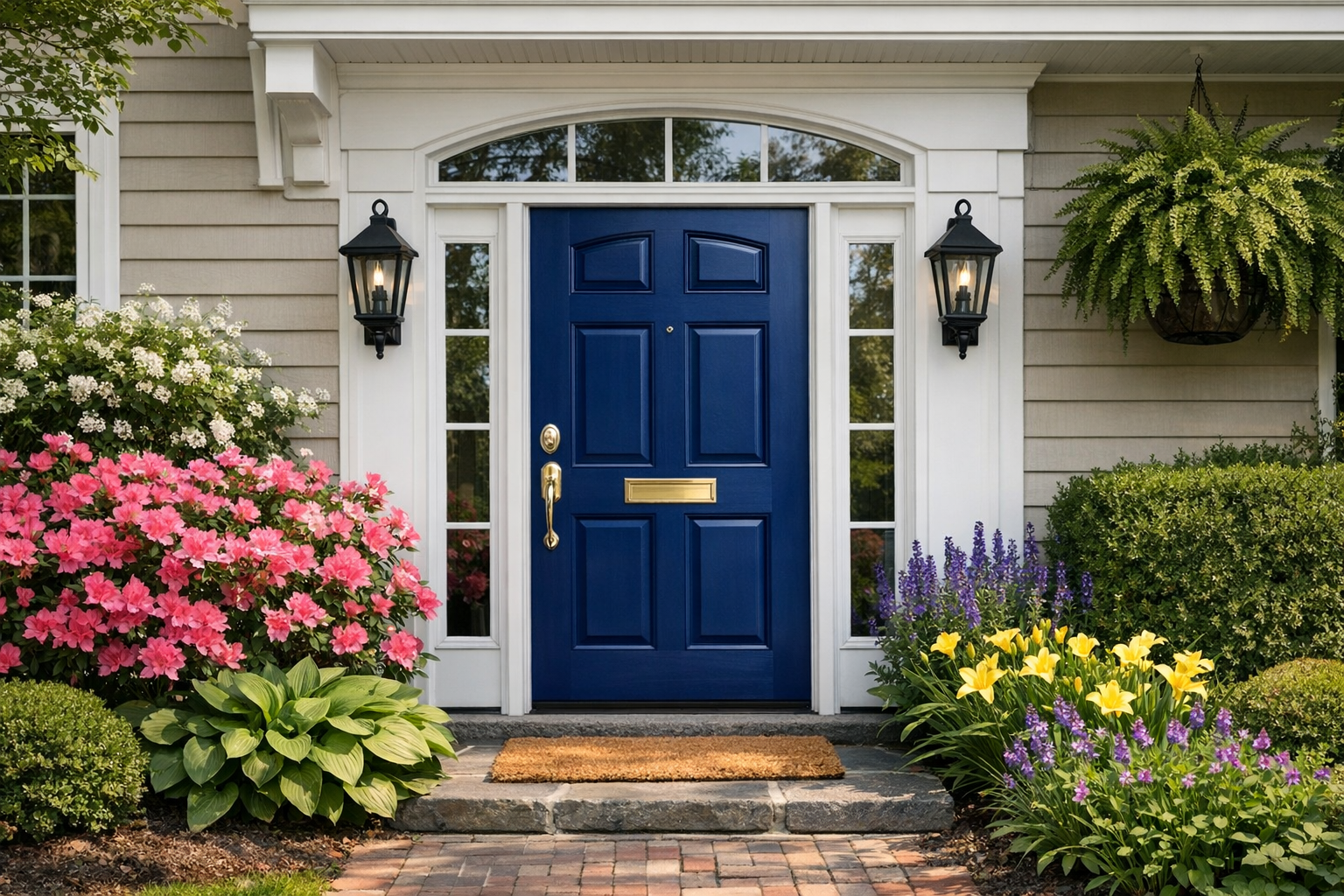
How to Paint a Front Door (Pro-Quality Result in One Afternoon)
A fresh-painted front door is the highest-impact curb appeal upgrade. Here's the step-by-step that gets a smooth pro finish in 4 hours — no peeling, no brush marks.
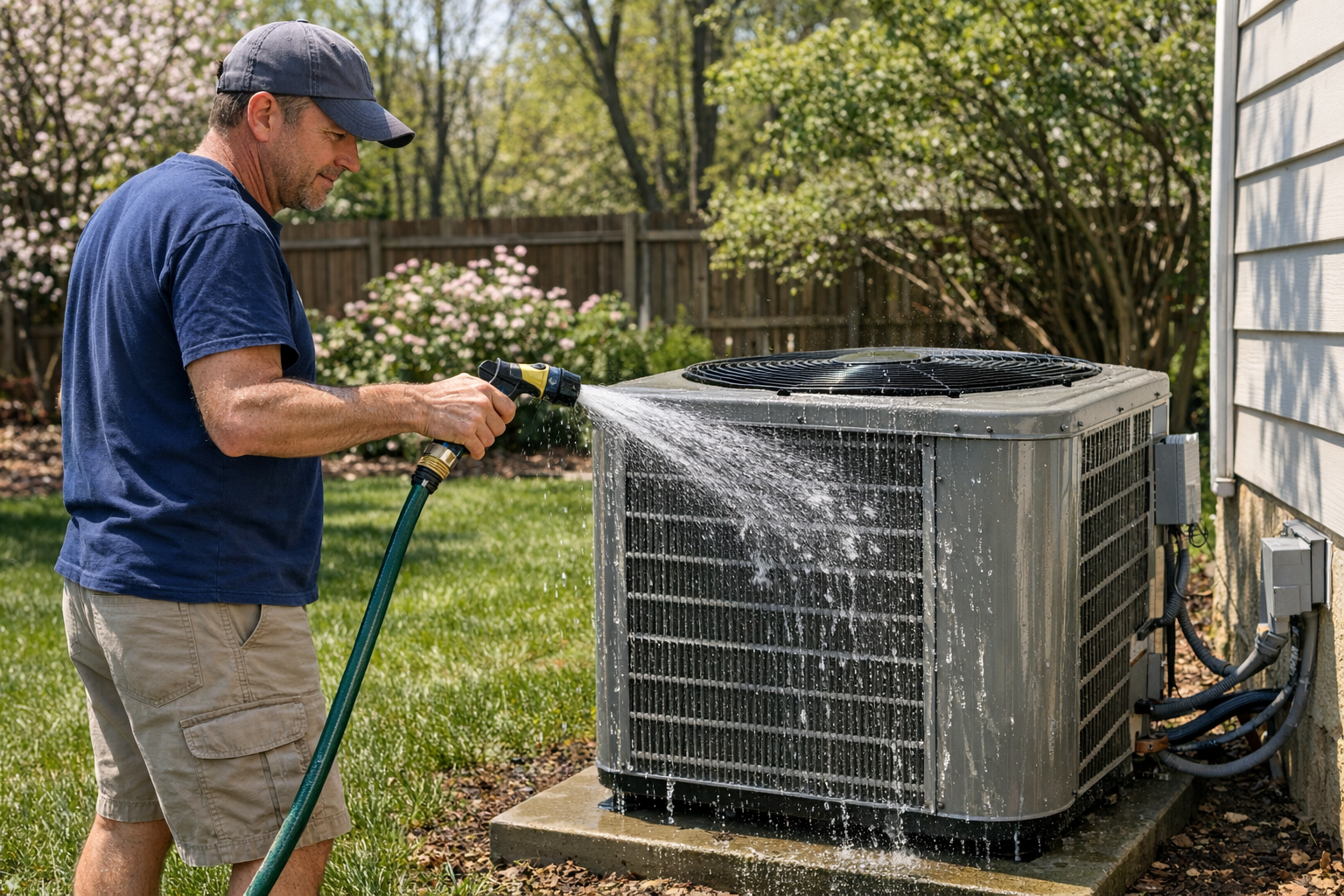
How to Prevent Summer AC Breakdowns (April Tune-Up Checklist)
Most AC failures happen in the first 90F week. A 30-minute April tune-up prevents 80 percent of those breakdowns and extends the unit's life by years.
Best Cordless String Trimmers (2026 Tested)
Battery-powered string trimmers have caught up to gas. We tested the top models on bermuda, fescue, and overgrown areas to find the picks worth your money.
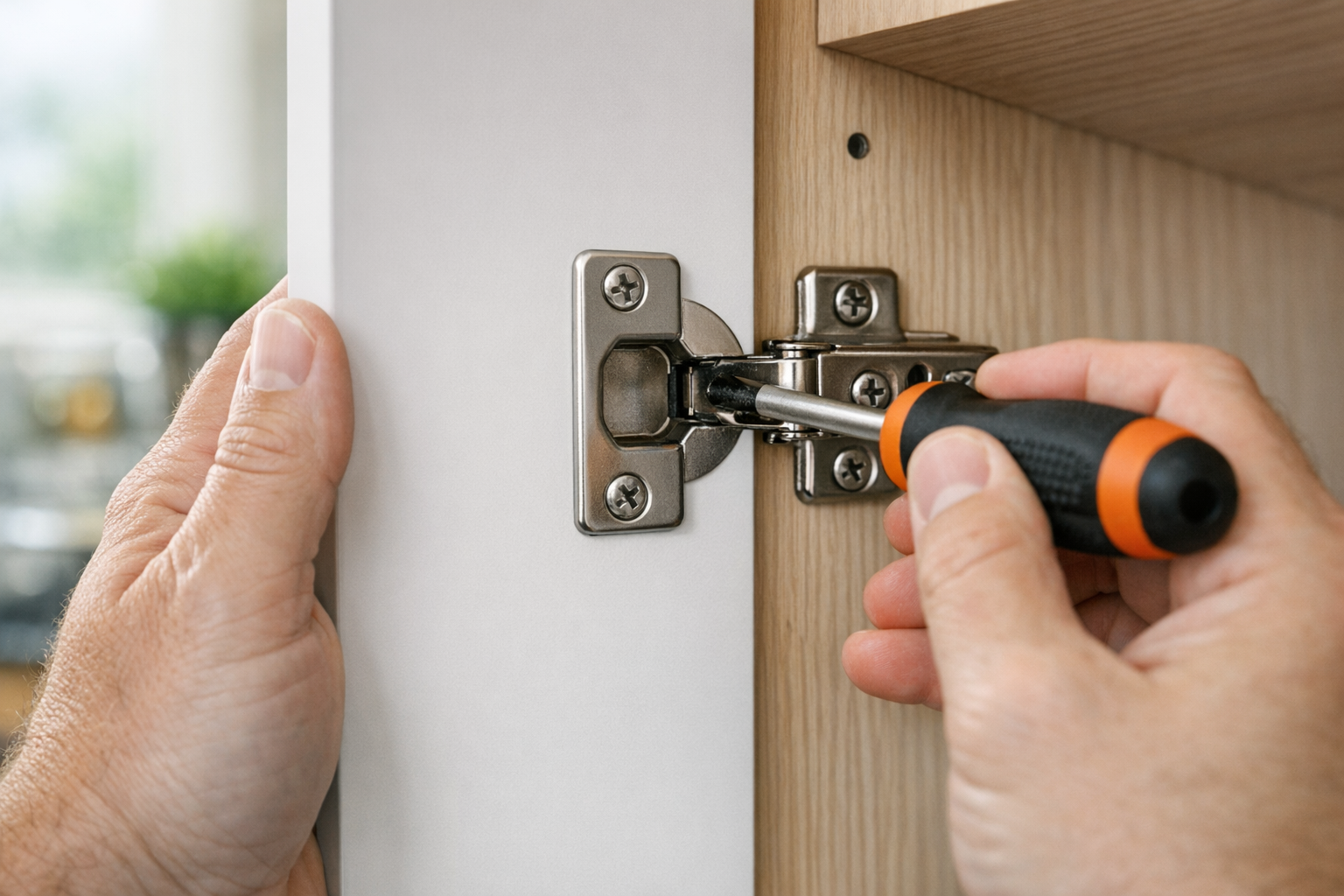
How to Fix Sticky Kitchen Cabinet Doors (Without Replacing Hardware)
Cabinet doors that bind, rub, or won't close all the way are almost always a hinge adjustment problem. Here's the 10-minute fix.